Retail Launch Custom Poly Mailer Bags Print Method Comparison
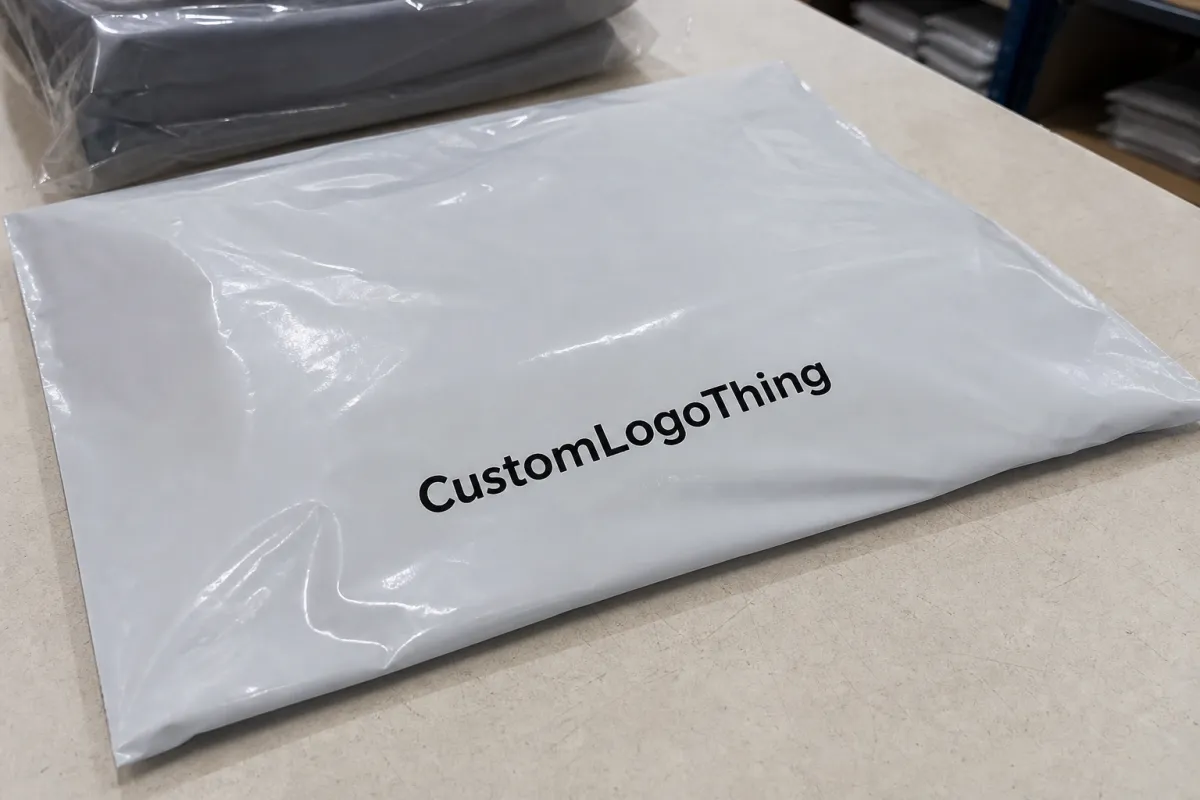
A retail launch Custom Poly Mailer Bags Print Method Comparison usually comes down to more than unit price. Setup fees, proof rounds, lead time, freight, and the risk of a reprint can outweigh a small difference in bag cost, especially on a first run with a few thousand units.
The mailer also has to do several jobs at once. It carries the brand in product photos, protects the shipment, and stays aligned with the rest of the packaging system. If the launch includes custom printed boxes, inserts, or retail packaging labels, the mailer needs the same visual logic so the package family feels intentional.
The useful question is not which method looks cheapest on a quote sheet. It is which method fits the launch volume, artwork, and schedule without creating problems on the reorder. A good choice protects color consistency, approval speed, and production stability.
If the first order is a learning order, choose the method that reduces approval and delivery risk, not just the one with the lowest quoted unit price.
How Flexographic, Digital, and Gravure Printing Differ
Flexographic printing uses flexible plates and fast-drying inks. It fits simple logos, solid colors, and repeatable runs where the artwork is stable. The setup cost is real, but it becomes easier to absorb as volume rises.
Digital printing removes the plate step. That matters for short runs, variant artwork, and launch orders that may still change after sampling. It usually lowers setup friction and speeds revisions, though the per-bag cost can stay higher on larger volumes.
Gravure sits at the high-volume end. It can deliver excellent consistency and detail, but the cylinder investment makes it harder to justify unless the program is already proven. For a first retail launch, it is usually only worth considering when demand is clear and repeat orders are likely.
| Method | Typical setup cost | Typical MOQ | Best fit | Launch lead time | Typical launch unit cost |
|---|---|---|---|---|---|
| Digital printing | $0 to $150 | 500 to 2,000 bags | Short runs, variant artwork, fast revisions | 7 to 12 business days after proof approval | $0.18 to $0.45 each |
| Flexographic printing | $150 to $600 per color | 5,000 to 10,000 bags | Stable brand art, repeat orders, simple color builds | 12 to 18 business days after proof approval | $0.08 to $0.22 each |
| Gravure printing | $800 to $2,500+ per color | 20,000+ bags | Large programs, premium image work, long-run consistency | 18 to 30 business days after proof approval | $0.05 to $0.14 each |
Those ranges move with bag size, film gauge, ink coverage, and whether the design needs white ink, metallic effects, or tight color matching. Freight and rush handling can change the total just as much as the press itself.
Equipment quality matters too. Two vendors may both offer digital printing, but still produce different results if one has tighter color management or better film control. Ask what the proof represents, what standard is used for reorders, and how repeatability is checked across lots.
Key Factors That Affect Color, Durability, and Finish
Film thickness affects both look and performance. A common poly mailer is around 2.5 to 3 mil, but the right gauge depends on product weight, shipping method, and the feel you want on shelf or in photos. Thinner film can make solid colors look lighter; heavier film adds body and cost.
Finish changes how the artwork reads. Gloss makes colors look brighter under store lighting, while matte softens the package and can suit more fashion-driven brands. Matte can also flatten contrast, so it is worth checking small type and fine line work before approval.
Artwork complexity matters as well. Simple logos and one-color layouts are easier to control. Dense imagery, gradients, small barcodes, QR codes, and white ink underlays require more proofing and tighter registration. If the bag must look the same across several reorder batches, method choice matters more than a screen render.
Durability is not only tear strength. A mailer can survive transit and still fail visually if the print scuffs or smears during conveyor handling. That risk rises in retail returns or multi-touch distribution, where the package may be stacked and rehandled several times. For transit testing, the methods published by ISTA are useful. If the launch also needs to reduce waste, the basics from EPA waste reduction guidance help frame material choices.
In practice, the ink system, finish, and film behavior matter as much as the logo file. A design that looks balanced in PDF can shift once the bag stretches, reflects light, and carries a real product.
Cost, Pricing, MOQ, and Unit-Cost Tradeoffs
The quote line rarely shows the full cost. A buying decision should include setup, proofing, ink coverage, film gauge, freight, and the cost of delay. A bag that is slightly cheaper can become the wrong choice if it adds a week to delivery or triggers another proof cycle.
MOQ changes the math quickly. Digital printing usually works best when the launch is small, uncertain, or likely to change. Flexographic printing tends to win once the artwork is stable and the order size is large enough to spread plate charges. Gravure can be the lowest-cost option on large repeat programs, but only when demand is already proven.
The better metric is landed cost per sellable unit. That should include waste, sample approval, freight, and the cost of missing the launch window. If the release is tied to a promotion or event, being late can cost more than the packaging itself.
| Cost Driver | Digital Printing | Flexographic Printing | Gravure Printing |
|---|---|---|---|
| Setup burden | Low | Moderate | High |
| Best at | Short runs and frequent changes | Stable artwork and repeat volumes | Large, steady programs |
| Price pressure from extra colors | Usually moderate | Often noticeable | Depends on cylinder count |
| Risk on a first launch | Lower if artwork may change | Lower if volume is already known | Higher unless demand is proven |
Multiple SKUs can change the picture fast. If a launch needs several colorways, the savings from one flexo run may disappear once plate charges are multiplied across variants. The same is true for gravure when seasonal art changes often. Model at least the first reorder, not only the opening order.
For brands managing a broader packaging mix, the same logic applies to Custom Poly Mailers and the carton or insert set that travels with them. If the mailer is part of a larger package branding system, keep the print method aligned with the rest of the product packaging.
Process, Timeline, and Lead Time From Proof to Delivery
The path from artwork handoff to delivery usually follows the same sequence: file review, proofing, revisions, production, quality checks, and shipping. Delays usually come from incomplete artwork, missing Pantone references, or slow internal approvals.
Good file prep reduces friction. Send vector art when possible, keep barcode size and line weights legible, and specify whether white ink is meant to brighten the logo or block out the film. For launches that include custom printed boxes as well as mailers, it helps to lock the color direction together instead of treating each package as a separate job.
Digital printing often moves faster on short runs because there are no plates to make. Flexographic printing takes more front-end time, but once plates are approved, repeat orders can move predictably. Gravure usually has the longest path because cylinder work and setup checks add time before production starts.
Protect the proof schedule before the press schedule. A fast press does not matter if approval stalls for several days. Build in buffer time for color correction, freight, and a second proof if the brand team is sensitive about tone matching.
The comparison gets easier once time is measured in business days rather than promises. Ask the supplier to separate artwork review from production, and ask what happens if the first proof fails. That answer often tells you more about the schedule than the quote sheet does.
Step-by-Step Selection Guide for a Retail Launch
The cleanest way to choose is to work from the launch plan, not from the print process. Start with quantity, margin, and SKU count. Then decide how much color control the brand actually needs.
- Define the launch volume. Small or uncertain orders usually favor digital printing.
- Lock the artwork complexity. Fewer colors, cleaner type, and stable layouts favor flexographic printing.
- Check the reorder plan. If larger repeats are likely, plate-based methods may become cheaper after launch.
- Match the finish to the brand. Gloss, matte, or soft-touch should support the product rather than compete with it.
- Confirm the proof standard. Ask for a proof that shows placement, color intent, and known limitations.
One useful shortcut is to compare the mailer against the whole launch, not only the shipping bag. If the retail packaging includes a hang tag, carton, or insert, the color family should feel consistent across everything the customer sees.
When the artwork may change after the first wave, digital printing is usually the safer start. When the design is fixed and volume is climbing, flexo can make more sense. When the business is already running long, repeatable programs, gravure may justify itself.
Before placing the order, ask for a vendor checklist: sample review, approved proof, lead time in business days, reorder file naming, and material spec stored in one place. If the supplier cannot explain those five items clearly, the quote is not ready yet.
Common Mistakes and Expert Tips Before Approval
The most common mistake is treating the lowest quote as the best deal. It often is not. A low unit price can hide a large setup fee, weak color control, or expensive rush handling later. In a launch setting, those items matter more than a few cents per bag.
Another frequent miss is placing critical details too close to the seal or trim area. Small barcode text, narrow borders, and fine legal copy can distort once the bag is filled. Glossy film makes this easier to miss because everything looks sharper on a screen than it does in warehouse light.
- Skipping a physical sample review. Screen previews do not show scuffing, sheen, or stretch.
- Using untested color on film. Some inks read darker or flatter on poly than on paper.
- Ignoring barcode readability. Retail scanners care about contrast, not intent.
- Comparing quotes without matching specs. Film gauge, size, ink coverage, and finish must be identical.
A stronger approval process is straightforward: request a preproduction proof, confirm the exact film spec, test the bag with the real product, and save the approved file with the reorder record. If possible, compare the mailer with other Custom Packaging Products in the line so colors, typography, and finish do not drift from one item to another.
The right proof is not the prettiest one. It is the one that predicts what the bag will look like after packing, shipping, and shelf display.
Next Steps: Sample, Test, and Lock the Spec
Build one comparison sheet with print method, MOQ, unit cost, lead time, color count, finish, and reorder notes. That turns a loose vendor discussion into a document the whole team can use.
Then order samples or swatches that match the intended bag size and film gauge. A tiny generic sample rarely tells the full story. A real mailer should be checked under the same packing conditions, lighting, and shipping path the customer will experience.
After approval, save the final spec sheet and proof record together. Reorder consistency depends on documented film, print, and finish details that another team member can follow later. A memory is not a spec. A file is.
That is the practical endpoint of the comparison: choose the process that fits the first shipment, test it under real conditions, and leave a clear path to reorder.
Which print method is best for a retail launch on custom poly mailer bags?
Digital printing is often the safest starting point for short runs, multiple artwork versions, or launches that may still change. Flexographic printing can make more sense once the artwork settles and volumes rise. The right choice depends on quantity, color count, timeline, and how much image detail the design needs.
How does poly mailer bag print method comparison affect unit cost?
Setup fees can make some methods look expensive at first, even if the bag price drops on larger runs. More colors, heavier ink coverage, and special effects usually increase the cost per bag. A real comparison should include freight, proofing, and expected reorder volume, not only the quoted unit price.
What lead time should I expect for custom printed poly mailer bags?
Lead time usually includes artwork review, proof approval, production, and shipping, so approval speed matters as much as press time. Digital programs can move faster for small launch orders, while plate-based methods usually take longer upfront. Add buffer time if the launch is tied to a holiday, promo window, or coordinated store rollout.
What artwork details reduce mistakes on printed poly mailers?
Send vector artwork when possible, and specify Pantone colors, white ink needs, and barcode requirements clearly. Keep logos and fine text away from seal zones and edges where trimming or stretch can affect readability. Ask for a proof that shows placement, color intent, and any limitations tied to the selected process.
Can I reorder the same custom poly mailer bags later?
Yes, if you save the final spec, approved proof, film gauge, and any plate or file references used on the first run. Reorders stay more consistent when the supplier uses the same materials and print settings. If you change film or vendor, request a fresh sample check so the second run matches the first.