Buyer Fit Snapshot
| Best fit | retail packaging sleeves for logistics for packaging buyers comparing material specs, print proof, MOQ, unit cost, freight, and repeat-order risk where brand print, material, artwork control, and repeat-order consistency matter. |
|---|---|
| Quote inputs | Share finished size, material target, print colors, finish, packing count, annual reorder estimate, and delivery region. |
| Proofing check | Approve dieline scale, logo placement, barcode or warning zones, color tolerance, and any recyclable or compostable wording before bulk production. |
| Main risk | Vague material claims, crowded artwork, or missing packing details can create delays even when the unit price looks attractive. |
Fast answer: Retail Packaging Sleeves for Logistics: Practical Uses should be specified like a repeatable production item. The safest quote includes material, print method, finish, artwork proof, carton packing, and reorder notes in one written spec.
What to confirm before approving the packaging proof
Check the product dimensions against the actual filled item, not only the sales mockup. Ask for tolerance on folds, seals, hang holes, label areas, and retail display edges. If the package carries a logo, QR code, warning copy, or legal claim, reserve that space before decorative graphics fill the panel.
How to compare quotes without losing quality
Compare board or film grade, print process, finish, sampling route, tooling charges, carton quantity, and freight assumptions side by side. A lower quote is only useful if the supplier can repeat the same color, closure quality, and packing count on the next order.
Retail Packaging Sleeves for Logistics: Practical Uses
One printed sleeve can do more work than people assume. Retail packaging sleeves for logistics can improve picking accuracy, sharpen shelf presentation, and cut repacking time in the same move, which is why they keep showing up in operations that handle mixed-SKU retail packaging, seasonal promotions, and product families that change every few months. A dock team does not care about theory; it cares about what gets read, what gets scanned, and what can move without confusion.
That is the real appeal of retail packaging sleeves for logistics. They sit between the base pack and the outer supply chain, carrying enough information to keep operations moving while also giving the brand a clean surface for color, copy, and version control. From a packaging buyer's point of view, they are not a branding extra. They are an operational tool that can reduce relabeling cycles, trim waste, and keep the original product packaging intact.
For many packaging teams, the practical question is simple: where do retail packaging sleeves for logistics outperform labels, carton rework, or a full custom printed boxes redesign? The answer depends on volume, scan requirements, handling conditions, and how often the message changes. If the right choice is obvious, the sleeve is usually the one that protects both the pack flow and the brand story without forcing the whole line to start over.
Retail Packaging Sleeves for Logistics: What They Do
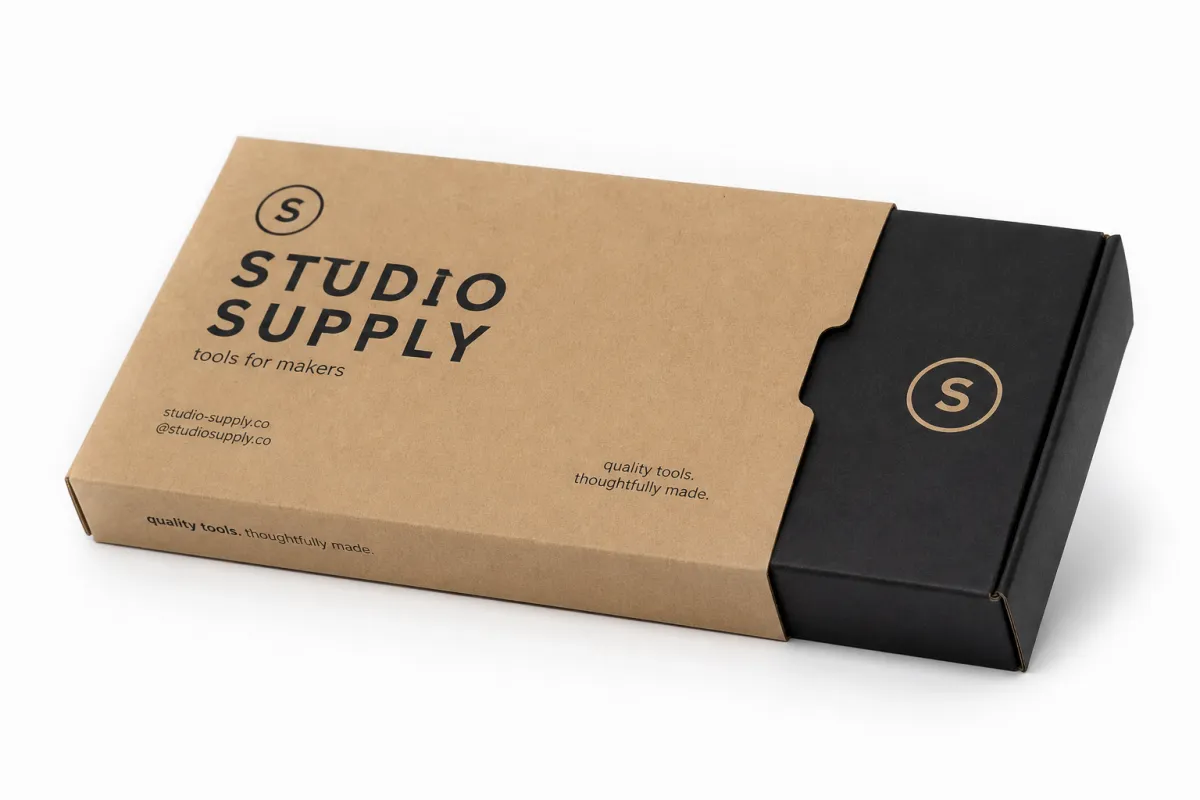
Think of retail packaging sleeves for logistics as a flexible outer layer with two jobs. First, it tells people and machines what the item is. Second, it makes the pack look deliberate instead of improvised. That sounds simple, but in practice one sleeve can influence a picker at the warehouse, a receiver at the dock, a merchandiser at the store, and a shopper who sees the item after it has crossed three or four hands.
The format matters because it sits in a useful middle ground. A label is small and cheap, but it can run out of space quickly. A carton redesign is powerful, but it takes longer and tends to lock the brand into a fixed structure. Retail packaging sleeves for logistics let teams update SKU-level details, route information, regional copy, and promotion messaging without rebuilding the primary pack. That makes them especially useful for mixed-SKU shipments, multilingual retail channels, and product families that change often.
Warehouse reality is where the sleeve earns its keep. A relabeling cycle is expensive not because the sticker costs much, but because every extra touch adds delay and mistakes. If the base pack is already approved, retail packaging sleeves for logistics can prevent the sort of last-minute rework that turns a clean line into a hand-correction station. In many operations, that means fewer mis-picks, fewer mis-scans, and less chance that the wrong version of a product goes out the door.
The sleeve also protects the identity of the pack during transit. A good sleeve can bridge the gap between manufacturing and retail receipt, especially when the same underlying product needs to serve multiple channels. One run may go to a club store. Another may go to a regional chain. Another may carry multilingual compliance text for a different market. Retail packaging sleeves for logistics let those changes happen at the outer layer, where adjustments are easier to manage.
Many teams still underestimate the way retail packaging sleeves for logistics shape package branding. Not because the sleeve is glamorous, but because it is practical. It supports branded packaging without forcing the base pack to absorb every regional or seasonal change, and that matters when the product packaging has to stay stable while the message around it keeps shifting.
"If the sleeve cannot be scanned in one pass and understood in one glance, it is decoration pretending to be logistics."
That is why retail packaging sleeves for logistics should be evaluated as an operations component first and a visual component second. In a disciplined packaging design program, the sleeve is the last mile of control. It tells the chain what to do, not just what to think.
How Retail Packaging Sleeves for Logistics Move Through the Chain
The path for retail packaging sleeves for logistics starts long before print. It begins with artwork files, data fields, barcode rules, and a decision about which information belongs on the sleeve and which should stay on the base pack. That early split matters. If too much data is forced onto the sleeve, readability drops. If too little is included, warehouse staff start hunting for missing details and the sleeve loses part of its value.
A typical flow looks like this: artwork approval, material selection, print, finishing, conversion, application, distribution, and final receipt. At each step, retail packaging sleeves for logistics can either save time or create friction. A clean prepress handoff reduces proof cycles. A stable die line reduces fit issues. A well-placed barcode reduces scan retries. Each of those details sounds minor until a distribution center has 2,000 units moving through the lane in a shift.
Manual application still has a place. It is useful for shorter runs, pilot programs, or product families that change often enough to justify flexibility. Automated application makes more sense when volumes rise and alignment needs tighten. The tradeoff is familiar to any buyer of retail packaging sleeves for logistics: manual work can absorb variation, while automation demands consistency. If the sleeve has a fold, a wrap, or a critical registration point, the system must place it the same way every time.
Reverse logistics is where the sleeve quietly proves its worth. Returns, refurbishing, and kitting operations are full of partial information. Boxes come back with damaged exterior graphics. Pallets arrive mixed. Items need sorting, identifying, and sometimes reassigning to a different channel. Retail packaging sleeves for logistics can make that work faster because the outer identifier is visible even when the item has been rehandled or opened. In a reverse flow, speed often matters more than beauty.
Standards matter here too. When sleeves ride inside a corrugated shipper or sit on a shelf-facing tray, the full pack still needs to hold up under real transport abuse. That means thinking about vibration, compression, and drop performance in ways that line up with ISTA methods or ASTM D4169. If you want a standards reference point, the basic transport packaging framework from ISTA transport packaging standards is a useful place to start.
For sustainability teams, the sleeve route can also preserve more of the base pack. Instead of replacing a carton because a region changes or a promo shifts, the outer layer changes while the primary structure remains in circulation. That is not automatically greener, but it often reduces waste in the right program. In some cases, FSC-certified paper stock can fit well here, especially where retail expectations and fiber sourcing are part of the brief. The certification context from FSC helps when procurement wants a paper trail as much as a design solution.
What I see most often is a simple pattern. The more touchpoints a product has, the more valuable retail packaging sleeves for logistics become. A sleeve that saves five seconds at packing and ten seconds at receiving sounds tiny. Multiply that by a month of shifts, and the impact starts to look like a line item rather than a nice-to-have. That is the kind of math operations people trust, and honestly, it is the kind of math that tends to hold up.
Key Factors That Decide Sleeve Performance and Fit
Material choice is the first decision, and it shapes everything else. For dry indoor conditions, coated paper or paperboard stocks often work well because they print sharply and keep cost under control. For longer transit, humidity, or abrasion, synthetic stocks and film-based constructions are stronger candidates. The right option for retail packaging sleeves for logistics is the one that survives the actual handling environment, not the one that looks best in a PDF.
A common range for paper sleeves is around 157-250 gsm coated paper or light paperboard, depending on the format. Synthetic options might sit in the 50-75 micron range, though the exact build depends on the converter and the application method. The final choice should reflect moisture exposure, pallet pressure, storage time, and how often the sleeve will be touched before it reaches the shelf.
Fit is just as important as substrate. A sleeve that is too loose slides around and hides critical information. One that is too tight wrinkles, tears, or catches on the line. Good retail packaging sleeves for logistics rely on clean dimensions, controlled fold lines, sensible perforations, and a fastening strategy that does not fight the pack. If the geometry is wrong, the brand and the operation both pay for it.
Data hierarchy deserves more attention than it usually gets. Which details belong on the sleeve? Which belong on the base pack? Which belong in the warehouse management system instead of print? Barcode location, lot code visibility, region-specific copy, allergen notes, and language variants all need a clear plan. The sleeve should carry the information that changes most often or is most useful in the chain. The base pack should carry the stable core.
This is also where regulatory expectations can get messy. If a product crosses borders, the sleeve may need to carry market-specific claims, warnings, or language blocks. That does not mean overloading it. It means building a controlled system so retail packaging sleeves for logistics remain readable and compliant without turning into a wall of text. In practice, a cleaner hierarchy beats a crowded layout almost every time.
Sustainability should be evaluated with the same discipline. Recyclable paper is not automatically the best answer if the sleeve is likely to fail in transit. A lower-impact material that causes damage, rework, or returns can create more waste than a sturdier option. That is why packaging design decisions need to be tied to logistics, not treated as a separate branding exercise. The best retail packaging sleeves for logistics support both handling and end-of-life expectations without pretending those goals are always identical.
Key fit questions to ask:
- Will the sleeve survive humidity, abrasion, and stacking pressure?
- Can a scanner read the barcode quickly from the expected angle?
- Does the sleeve need to be removable, recyclable, or reusable?
- Will the information still be visible after transit and shelf handling?
When those answers are clear, retail packaging sleeves for logistics become easier to specify. When they are fuzzy, the project tends to drift into guesswork.
Cost and Pricing: What Retail Packaging Sleeves for Logistics Actually Cost
Cost is where many teams compare the wrong numbers. They see the print quote, compare it with a label or a plain carton, and stop there. But retail packaging sleeves for logistics should be priced as a system. The real question is not just what each unit costs. It is what the sleeve prevents: relabeling, mis-picks, version confusion, reprint waste, and the labor that goes into fixing all of those problems later.
The main cost drivers are easy to name. Substrate, print coverage, custom cutting, finishing, quantity, and variable data all matter. A simple two-color paper sleeve is far different from a full-coverage version with region-specific text and serialized data. For retail packaging sleeves for logistics, quantity usually drives the biggest change in unit price. Setup and proofing can weigh heavily on short runs, while volume tends to pull the unit cost down.
Typical pricing can vary quite a bit, but these ranges are useful for planning. Paper sleeves in higher quantities may land around $0.06-$0.16 per unit. Synthetic or film-based sleeves often sit closer to $0.11-$0.28, depending on print coverage and finishing. Variable data, specialty coatings, or complex die-cutting can push those numbers higher. For small pilot runs, the price may look less attractive, but that is not unusual for custom printed boxes or branded packaging trials either.
| Option | Indicative Unit Cost | Best Use Case | Main Tradeoff |
|---|---|---|---|
| Coated paper sleeve | $0.06-$0.16 | Dry retail, seasonal swaps, stable handling | Less durable in moisture or rough transit |
| Synthetic film sleeve | $0.11-$0.28 | Humidity, abrasion, longer storage or transport | Higher material cost |
| Variable-data sleeve | $0.14-$0.32 | Region-specific SKUs, serialized lots, promo cycles | More prepress and proofing time |
| Full carton redesign | $0.20-$0.45+ | Permanent pack changes, major line refreshes | Longer lead time and more inventory risk |
| Pressure-sensitive label | $0.03-$0.10 | Simple identification, small data payloads | Less space for branding and operational detail |
That table is only part of the picture. Hidden costs matter too. Old-version inventory has to be written off or held. Proof cycles take time. Application labor can rise if the sleeve design is awkward. Reprints happen when a barcode is placed poorly or a region code changes at the last minute. With retail packaging sleeves for logistics, the invoice is only the opening move.
From a unit-economics angle, the sleeve wins when it avoids friction. Suppose a line saves 12 minutes per shift in hand-labeling and reduces one percentage point of picking errors across a run. That may sound small until labor rates, chargebacks, and customer service costs are added in. The best retail packaging sleeves for logistics often look modest on paper and strong in operational impact.
There is also a comparison worth making against labels and full redesigns. Labels are cheaper up front, but they can create version-control headaches when information changes rapidly. Full redesigns can look neat, yet they are slower and less forgiving when promotions, markets, or pack sizes shift. Retail packaging sleeves for logistics sit in the middle: not the cheapest option, but often the most balanced one when change frequency is high.
A good pricing question is not "How low can the print quote go?" It is "What does one avoided error cost?" For many operations, one bad pallet move, one relabel cycle, or one damaged presentation package costs more than a sleeve program across a small pilot.
Step-by-Step Process and Timeline for Launch
Start with a packaging audit. Before a supplier quotes retail packaging sleeves for logistics, the team should identify where the current pack flow breaks down. Are pick errors happening at the dock? Are scans failing because the label is too small or in the wrong place? Is a promo change forcing a relabeling cycle every quarter? Those are the pain points that justify a sleeve program.
Once the problem is clear, translate it into specs. Lock the dimensions, print fields, barcode rules, finishing, and any regional compliance copy. This is also the time to decide whether the sleeve must be removable, recyclable, or tightly integrated with the base pack. If the product family changes often, version control becomes part of the spec, not an afterthought. That is especially true for retail packaging sleeves for logistics used across multiple markets.
Prototype quickly, but test in real conditions. A sleeve that looks perfect on a desk may misbehave on a live line or under warehouse lighting. Check readability at distance, check fit during application, and check how the material behaves after handling, stacking, and transit. A pilot for retail packaging sleeves for logistics should include the same practical conditions the final program will face, not just a neat review in a conference room.
A useful timeline for a straightforward launch often looks like this:
- Audit and brief: 2-5 business days
- Artwork and spec lock: 3-7 business days
- Prototype and proofing: 5-10 business days
- Pilot run: 1-2 shipping cycles
- Production after approval: often 12-15 business days
That is not a promise. It depends on complexity, material availability, and whether variable data or compliance review is involved. But it is a realistic planning frame for many retail packaging sleeves for logistics programs. If the project spans several regions, the approval cycle usually matters more than the print run itself.
Measure the pilot like an operations project, not a design contest. Track scan success, repack time, damage rate, and error reduction. If the sleeve works, the numbers will show it. If it does not, the feedback should guide a redesign of the sleeve system, not just an increase in volume. That is how retail packaging sleeves for logistics earn their place in the workflow.
One more point: keep procurement, packaging, logistics, and retail merchandising in the same conversation. Sleeve programs fail when one group owns the look, another owns the line, and a third owns the shelf. Retail packaging sleeves for logistics work best when the entire path from printer to pallet to shelf is visible to everyone involved.
Common Mistakes When Using Retail Packaging Sleeves for Logistics
The most common mistake is designing for shelf appeal only. A sleeve can look elegant in a mockup and still fail the dock test. If the print gets covered by pallet wrap, if the panel bends around a fold, or if the scan area is hidden by a handhold, the pretty version is not useful. Retail packaging sleeves for logistics need to survive warehouse reality first.
Barcode errors are another frequent problem. Poor contrast, tiny quiet zones, and barcodes that cross folds or seams can slow scanning dramatically. That is not a minor nuisance. It can stall receiving, trigger manual checks, and create version-control confusion. The better practice is to place machine-readable data where it can be seen cleanly, even after the sleeve has been handled a few times. For retail packaging sleeves for logistics, scan performance is a design requirement, not a nice extra.
Glossy finishes can also create trouble. They may look sharp under studio lights, but they can reflect glare under warehouse fixtures or retail downlights. Heavy gloss, oversized graphics, and difficult-to-recycle constructions can work against both operations and sustainability. I do not think every sleeve needs to be plain; I do think every sleeve needs to be honest about where it will live. Retail packaging sleeves for logistics should be chosen for the actual environment, not the sample board.
Skipping real-world testing is another expensive habit. Heat, humidity, long transit, and rough handling all change how a sleeve behaves. If the team only tests in a cool office, it may miss the wrinkle, slip, or scuff that appears after a few days in a dock or container. A pilot with retail packaging sleeves for logistics should include temperature swings and handling stress whenever the lane demands it.
Then there is the messaging problem. Some sleeves bury the information warehouse staff need most beneath marketing copy. That works against the operational purpose of the format. The hierarchy should put SKU, region, barcode, and route detail where the eye lands first. Brand copy can still be strong, but it should not crowd out the data that keeps the operation moving. In product packaging, clarity usually beats cleverness.
These mistakes are avoidable if the team treats retail packaging sleeves for logistics as a system component. The sleeve should reinforce the pack flow, not interrupt it. Good packaging design respects that order.
Expert Tips and Next Steps for a Smarter Rollout
Start with the SKU that causes the most pain. That might be a fast-changing item, a seasonal product, or a lane where picks keep going wrong. Launching retail packaging sleeves for logistics on one difficult item teaches more than spreading the effort thinly across dozens of easy ones. The goal is to prove value where the friction is highest.
Build a scorecard before the first pilot ships. Track scan rate, damage rate, labor minutes saved, and rework reduction. If the sleeve is helping, those numbers should move in the right direction. If they do not, the team can fix the print, the fit, or the workflow instead of guessing. A good retail packaging sleeves for logistics program is managed like an operations investment, not a design mood board.
Version control matters more than many teams expect. Keep a library tied to SKU, region, and promo cycle so old artwork does not sneak back into production. That is especially useful for branded packaging programs that change often, because the same base pack may need several outer variants over the course of a year. In that setting, retail packaging sleeves for logistics become easier to govern if the file structure is disciplined from the start.
Do not let one department own the decision in isolation. Packaging, logistics, procurement, and retail merchandising all need a voice. The sleeve has to serve the line, the dock, and the shelf. If one group wins every argument, the final answer usually underperforms in one of those places. Retail packaging sleeves for logistics work best when the project is cross-functional and the brief is specific.
If your broader program also needs inserts, trays, or other branded packaging pieces, pair the sleeve strategy with Custom Packaging Products so the outer presentation and the transit structure feel like one system instead of three disconnected ideas. That kind of consistency helps package branding, protects the product packaging experience, and reduces the temptation to fix one problem with a dozen separate formats.
There is a practical sequence I recommend: gather samples, map the pack flow, request mockups, run a pilot, review the metrics, and scale only if the numbers hold up. That is the fastest way to keep retail packaging sleeves for logistics grounded in evidence rather than assumption. Used well, retail packaging sleeves for logistics can cut picking errors, speed scans, and sharpen shelf appeal without forcing a full rework of the base pack. Used badly, they become another layer of complexity. The difference is usually in the planning, the testing, and the discipline behind the rollout. The takeaway is simple: if the sleeve does not help the dock, the shelf, and the rework rate all at once, it is not finished yet.
FAQ
How are retail packaging sleeves for logistics different from standard labels?
Retail packaging sleeves for logistics usually cover more surface area, so they can carry clearer product, compliance, and routing information than a small label. That extra room is useful for mixed-SKU or seasonal programs where the outer message changes more often than the base pack. Labels may be cheaper up front, but sleeves can reduce relabeling and version-control problems when logistics requirements change quickly.
What materials work best for logistics-focused packaging sleeves?
Coated paper works well for dry, indoor conditions and many retail uses. Synthetic or film-based stocks are better when moisture, abrasion, or longer transit creates durability risk. For retail packaging sleeves for logistics, the best choice depends on how the sleeve will be handled, scanned, stored, and eventually recycled.
How much do retail packaging sleeves for logistics typically cost?
Pricing depends on material, print complexity, finishing, size, and whether variable data is involved. Unit cost usually drops as volume rises, but setup and proofing can matter more than expected on small runs. A fair comparison should include labor savings, fewer errors, and lower rework, not just the print invoice for retail packaging sleeves for logistics.
How long does it take to launch a sleeve program for logistics?
Simple pilots can move quickly if dimensions, artwork, and barcode rules are already defined. Custom structures, multiple regions, or strict compliance checks add time because proofing and testing become more involved. A practical timeline should include audit, prototype, test, approval, and one measured pilot shipment cycle before full rollout of retail packaging sleeves for logistics.
What should be measured after rollout?
Track scan success, pick accuracy, damage rate, and repack time to see whether the sleeve is helping the operation. Watch waste, reprint frequency, and labor minutes spent on corrections or hand-labeling. If the numbers do not improve, adjust the sleeve design, not just the production volume of retail packaging sleeves for logistics.


