Buyer Fit Snapshot
| Best fit | retail packaging wholesale for packaging buyers comparing material specs, print proof, MOQ, unit cost, freight, and repeat-order risk where brand print, material, artwork control, and repeat-order consistency matter. |
|---|---|
| Quote inputs | Share finished size, material target, print colors, finish, packing count, annual reorder estimate, and delivery region. |
| Proofing check | Approve dieline scale, logo placement, barcode or warning zones, color tolerance, and any recyclable or compostable wording before bulk production. |
| Main risk | Vague material claims, crowded artwork, or missing packing details can create delays even when the unit price looks attractive. |
Fast answer: Retail Packaging Wholesale: What Manufacturers Won't Tell You should be specified like a repeatable production item. The safest quote includes material, print method, finish, artwork proof, carton packing, and reorder notes in one written spec.
What to confirm before approving the packaging proof
Check the product dimensions against the actual filled item, not only the sales mockup. Ask for tolerance on folds, seals, hang holes, label areas, and retail display edges. If the package carries a logo, QR code, warning copy, or legal claim, reserve that space before decorative graphics fill the panel.
How to compare quotes without losing quality
Compare board or film grade, print process, finish, sampling route, tooling charges, carton quantity, and freight assumptions side by side. A lower quote is only useful if the supplier can repeat the same color, closure quality, and packing count on the next order.
I've been in the custom printing game for twelve years now. Twelve years of touring packaging facilities across Shenzhen, negotiating with Vietnamese corrugated plants, and watching startups make the same expensive mistakes over and over again. The biggest one? Thinking they're buying retail packaging wholesale when they're actually paying middleman premiums disguised as factory prices.
If you're spending more than $0.35 per unit on Poly Mailers, or if a "wholesale" quote still feels expensive, keep reading. I'm gonna show you exactly how the markup chain works, what suppliers actually cost, and how to structure your orders so you stop bleeding money on packaging you could source for 40% less.
I Watched a Startup Burn $47,000 on Bad Wholesale Packaging Decisions
Two years ago, a client—I'll call them a DTC skincare brand—came to me frustrated. They'd launched six months earlier, their product was selling well, but their margins were toast. When I asked about their packaging costs, they told me they were paying $1.85 per unit for a two-piece rigid box with magnetic closure. For 5,000 units.
I knew something was wrong. That same box, sourced through proper channels, should've run them around $1.15 per unit at that quantity. That's a $3,500 difference on a single order. But over their first year with their "wholesale supplier," they'd placed six reorders. The math hurt.
What happened: they'd found a packaging broker online, someone who looked professional, had a nice website, and promised "factory direct pricing." The broker was buying from a factory, marking up the order, and dropshipping to them. The broker handled the communication. They handled the bill. The brand never knew there were two extra layers of margin between them and the printing press.
The markup chain in branded packaging typically goes like this: factory → distributor/broker → brand. Sometimes there's even a fourth player. Each step adds 15-30% to your cost. So when you think you're getting retail packaging wholesale pricing, you're often just talking to the first middleman in a three-step chain.
Want to know if you're dealing with a real manufacturer or a middleman with a warehouse? Ask one question: "Do you own your production equipment?"
If the answer is anything except an immediate yes, you're talking to a reseller. Period. Legitimate factories will tell you exactly what machines they run. I've stood in front of a 12-color HP Indigo press in Shenzhen while clients watched their boxes come off the line. That's not something a broker can fake.
Most "wholesale" suppliers operating online follow this exact playbook: they aggregate demand, place large orders with actual factories, and charge you 25-50% above factory pricing for the "convenience" of a single point of contact. Sometimes they outsource that contact to a third party. I've seen quotes where the "sales rep" responding to inquiries was actually a virtual assistant in the Philippines who had no direct line to production. That's not wholesale. That's a markup wrapped in a website.
What Retail Packaging Wholesale Actually Includes
Let me clear something up: retail packaging wholesale isn't one product category. It's a range of materials, processes, and capabilities bundled together under that phrase. Understanding what's actually available will save you from ordering the wrong solution for your needs.
Material Types: Choosing the Right Substrate
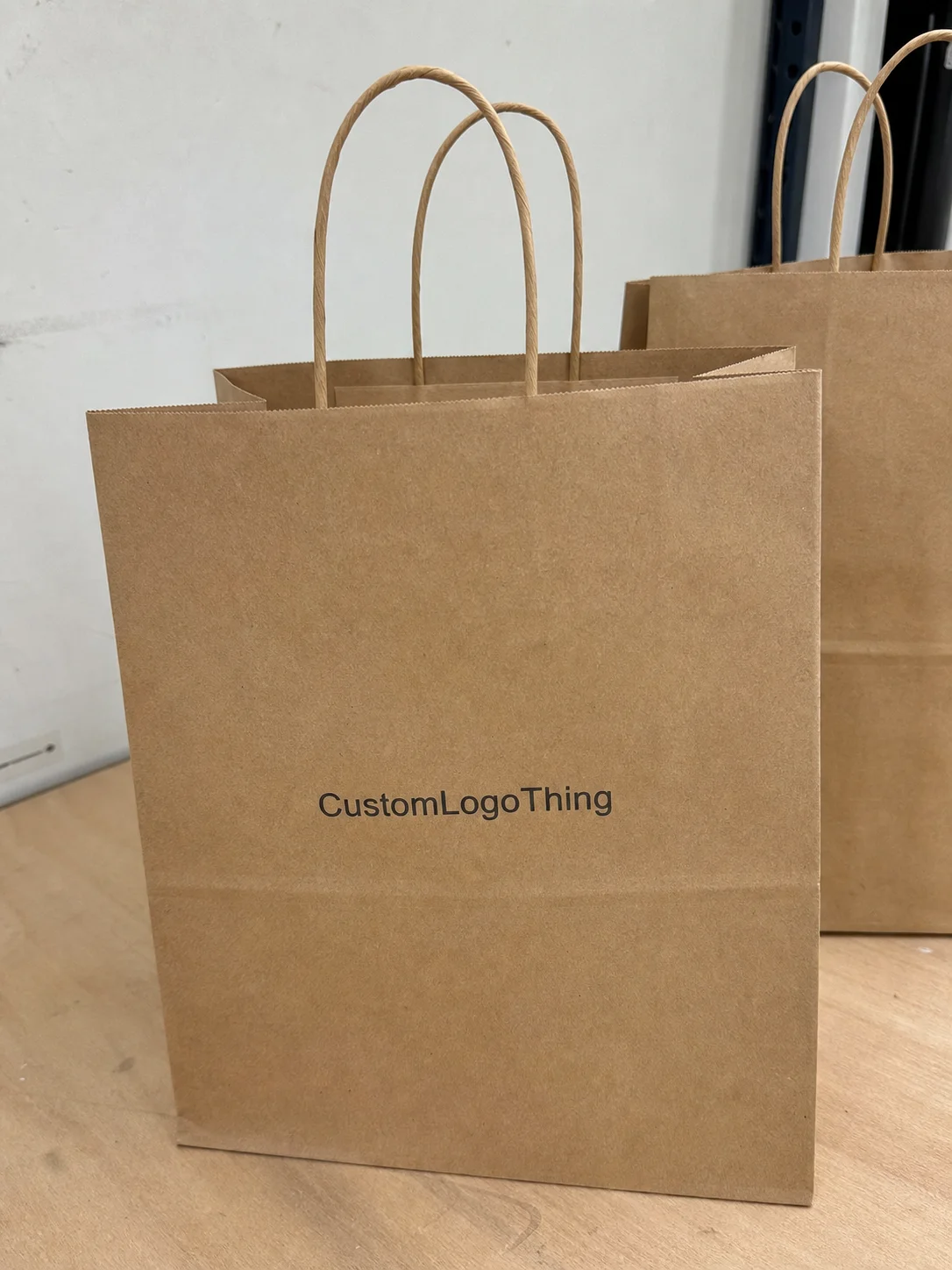
Corrugated mailers are the workhorses of e-commerce packaging. These are your standard brown shipping boxes, but they can be upgraded with custom printing, embossed logos, and colorful interiors. Single-wall corrugated (ECT-32 minimum for e-commerce) handles most lightweight products. Double-wall corrugated is for heavier items or brands that want extra protection with a premium feel.
Rigid boxes are what you see on luxury retail shelves. Think perfume, watches, high-end supplements. These are made from dense chipboard wrapped in paper or fabric, with no fluting or flexibility. They're expensive to produce but create an unboxing experience that corrugated simply can't match. A two-piece rigid box with soft-touch lamination and gold foil stamping communicates premium product packaging before the customer even opens it.
Folding cartons sit in the middle. These are the paperboard boxes you see at drugstores and grocery chains. They collapse flat for shipping—saving freight costs—and fold into shape during assembly. Perfect for cosmetics, supplements, food items, and anything where shelf presence matters but unboxing experience is secondary to retail display.
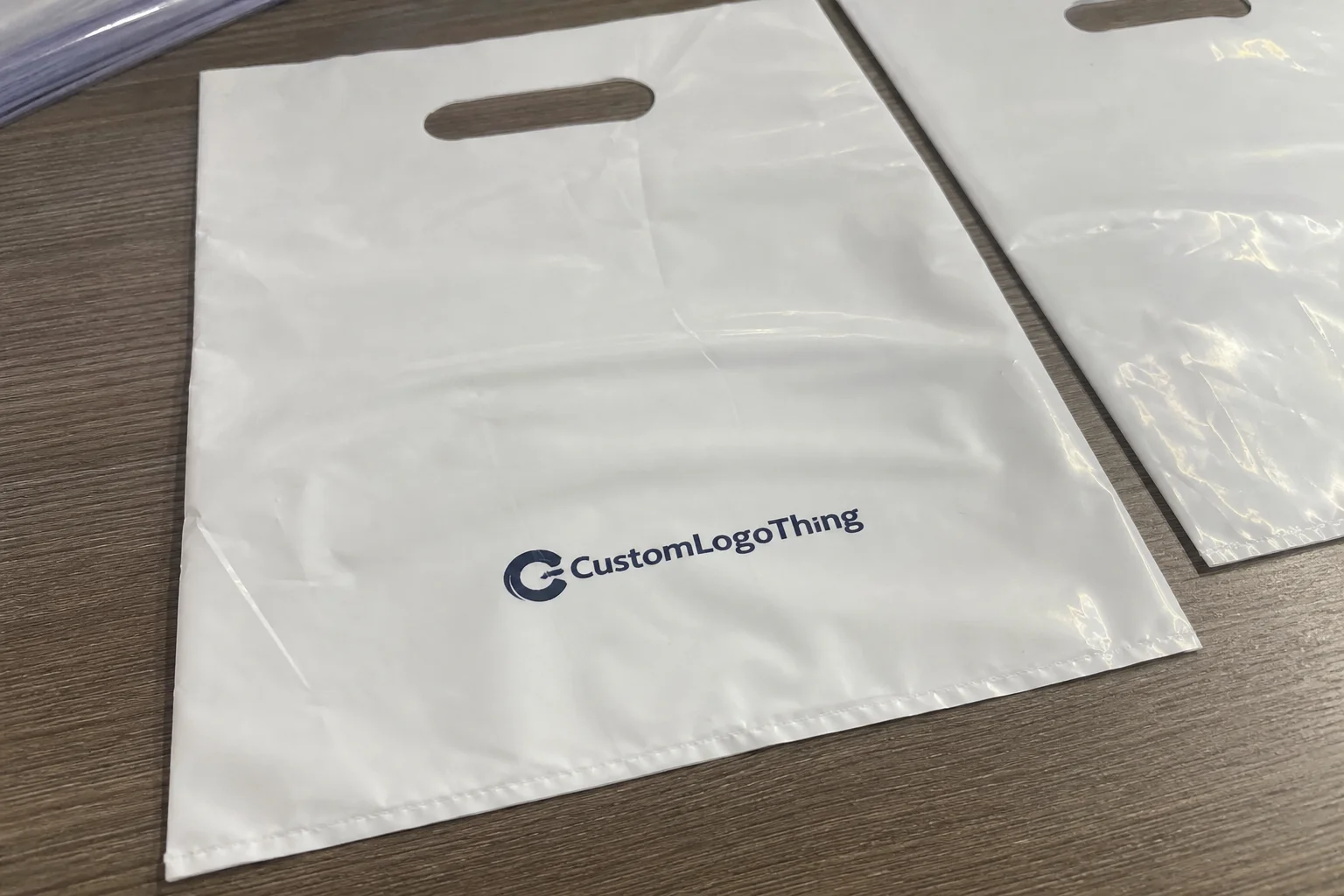
Poly mailers are plastic shipping bags, typically made from low-density polyethylene. They're cheap, lightweight, and provide decent water resistance. Custom printing on poly mailers has gotten surprisingly sophisticated; you can now get photographic-quality imagery printed directly on plastic. I've sourced these for clients at $0.12 per unit for 50,000 units with full-color artwork.
Customization Options: The Finishing Touch
Your packaging design determines which finishing options you need. Here's the rundown:
- Embossing/debossing raises or recesses your logo into the paper surface. Creates tactile recognition. Costs $300-800 in setup, but adds perceived value worth far more.
- Foil stamping applies metallic or pigmented foil to specific areas. Gold and silver remain popular. Holographic and colored foils are trending in product packaging right now.
- Spot UV applies glossy coating to specific design elements while leaving the rest matte. Creates contrast and visual interest on custom printed boxes.
- Full CMYK/A4 digital printing prints your complete artwork directly, including photographs, gradients, and complex graphics. HP Indigo presses handle this beautifully.
- Soft-touch lamination gives paper a velvety, premium feel. Expensive but worth it for luxury product packaging.
Functional Features and Closure Systems
Don't overlook how your package opens, closes, and protects. These details affect customer experience and repeat purchase rates more than most branding teams realize.
Tamper-evident closures matter for food, supplements, and beauty products. A heat-sealed edge or security tape strip tells your customer nobody has opened this before them. For subscription boxes, peel-and-reseal mechanisms encourage repeat use. I'm a fan of magnetic closures on rigid boxes for premium unboxing moments, though they add $0.15-0.25 per unit to manufacturing cost.
Insert trays, foam cushioning, and custom-fit partitions protect products during shipping. A well-designed insert does double duty: it prevents damage and guides the customer through a deliberate unboxing sequence. I've seen inserts that transform a confusing jumble into a staged reveal. That experience translates to social shares and reviews.
Specifications That Actually Matter for Wholesale Orders
A lot of buyers get burned here. They look at a spec sheet, see "350gsm paper," and assume they understand what they're getting. They don't. The numbers on paper rarely tell the complete story.
GSM vs. Thickness: Why Simple Numbers Lie
Grams per square meter (GSM) measures paper density, not thickness. You can have a 350gsm paper that's stiff and rigid, or the same weight that's fuzzy and compressible. It depends on the base material and how it's manufactured.
Caliper (measured in points or thousandths of an inch) measures actual thickness. For folding cartons, I typically specify both: "350gsm CCNB board, 18pt caliper." That tells the manufacturer exactly what I want. GSM alone leaves room for interpretation, and in manufacturing, interpretation costs money.
For corrugated, ECT (Edge Crush Test) and burst strength matter more than thickness. ECT-32 means the board can withstand 32 pounds of force per inch of edge. Burst strength (measured in psi) measures total resistance to rupture. For e-commerce shipping, I won't use anything below ECT-32. I've seen too many boxes collapse during transit because someone ordered based on "double-wall looks tougher" without verifying the actual compression ratings.
Testing Standards You Should Know
If your supplier can't provide test data, walk away. Period. ISTA (International Safe Transit Association) defines standardized testing protocols that simulate real shipping conditions. ISTA 3A tests for standard mail packages. ISTA 4AB covers global parcel distribution. If your supplier claims their packaging is "e-commerce ready" but can't show ISTA certification, they're guessing.
FSC (Forest Stewardship Council) certification confirms paper comes from responsibly managed forests. FSC-certified materials cost 5-15% more than non-certified equivalents, but the market increasingly demands sustainability credentials. If you're selling through major retailers, expect FSC documentation requests. We source FSC materials by default for clients targeting retail distribution because the documentation headache later isn't worth the savings now.
Tolerance Standards: What's Actually Acceptable
Manufacturing tolerances exist. They must! Perfect consistency across thousands of units isn't physically possible with industrial equipment. Understanding what's normal prevents unnecessary rejections and production delays.
Standard dimensional tolerance for cut-and-fold boxes is ±1/8 inch. That means a box specified as 6" × 4" × 2" might actually measure 5⅞" × 4⅛" × 2⅛" and still be within spec. Color matching tolerances under ISO 12647 standards allow ΔE (Delta E) differences of 3-5 for standard printing, tighter for premium work. If your designer expects Pantone-perfect color matching across 50,000 units, disappointment follows.
Before rejecting a production run, ask yourself: does the variation actually matter to my customer? A 1/16" dimension difference on a rigid box is invisible in use. A smudge in the foil stamp is a problem. Know the difference.
Wholesale Pricing Tiers and MOQs: The Real Numbers
Time for the information most suppliers bury in fine print. I'm going to give you actual numbers you can use when requesting quotes.
Minimum Order Quantity by Product Type
| Product Type | Standard MOQ | Reduced MOQ Available | Typical Price Range at Standard MOQ |
|---|---|---|---|
| Poly Mailers (stock sizes) | 1,000 units | 250 units (+25%) | $0.12 - $0.22 per unit |
| Poly Mailers (custom size) | 5,000 units | 1,000 units (+35%) | $0.18 - $0.35 per unit |
| Folding Cartons (1-2 color) | 2,000 units | 500 units (+40%) | $0.18 - $0.45 per unit |
| Folding Cartons (full color) | 5,000 units | 1,000 units (+50%) | $0.35 - $0.65 per unit |
| Corrugated Mailers (print) | 2,500 units | 500 units (+45%) | $0.45 - $1.20 per unit |
| Rigid Boxes (standard sizes) | 1,000 units | 250 units (+60%) | $2.50 - $4.50 per unit |
| Rigid Boxes (custom dimensions) | 500 units | 100 units (+80%) | $4.00 - $8.00 per unit |
Setup Fees: The Hidden Costs That Surprise First-Timers
Every custom order incurs setup charges beyond the per-unit price. Understanding these prevents quote shock.
Plate fees apply for flexographic printing, typically $150-300 per color. A four-color corrugated print job might carry $1,200 in plate charges. These plates are yours after production, so reorders don't repeat this cost.
Die-cut tooling for custom shapes costs $300-800 depending on complexity. Simple slit-and-score boxes are cheap. Intricate cut windows or custom silhouettes add expense. I've seen laser-cut dies for luxury packaging run $2,000+ because the complexity demanded it.
Cylinder charges apply for rotogravure printing (high-volume flexographic equivalent). These run $500-1,500 per cylinder and multiply with each color station. Gravure becomes economical at 50,000+ units because per-unit costs drop so dramatically.
Sample fees are pre-production prototypes. Expect to pay $75-500 depending on complexity. These costs credit toward your production order if you proceed. Never skip samples. I've watched a $200 sample fee prevent a $15,000 production mistake because we caught a color discrepancy before full run approval.
Hidden Costs That Kill Budgets
Beyond unit pricing, budget for these ancillary charges:
- Freight from Asia: Sea freight runs $0.35-0.75 per cubic foot. Air freight runs $2.50-4.00 per pound. A 40-foot container holds roughly 60,000 poly mailers or 20,000 folding cartons. Calculate accordingly.
- Palletizing and dunnage: $150-400 per shipment. Wooden pallets (ISPM-15 certified for international shipping) add another $25-50 each.
- Rush order premiums: Anything under standard lead time adds 15-35%. I've paid 25% premiums for two-week turnaround on orders that normally require six weeks.
- Bank wire fees: International transfers often carry $25-50 per transaction. Some suppliers pass these through.
- Customs and duties: US imports typically face 6% tariffs on paper packaging, more on printed materials. Factor this before celebrating a low unit price.
From Order to Delivery: The Wholesale Production Timeline
I tell every new client the same thing: plan backward from your deadline. Package branding projects routinely take 8-12 weeks from concept to delivery when you include design refinement, proof approval, production, and shipping. Rushing costs premium rates and increases error risk.
Sample Phase: Worth Every Day and Dollar
Physical samples take 5-7 business days for standard products, 10-14 days for complex rigid boxes with multiple finishing operations. This phase is non-negotiable. I've had clients receive digital proofs that looked perfect, then discover in-hand that the material felt cheap or the closure mechanism didn't work as expected.
PDF proofs are lies wrapped in professionalism. Screens render colors differently. Monitor settings vary. What looks like rich burgundy on your calibrated studio display might appear as flat maroon in actual production. I once rejected three proof iterations before the physical sample matched what I saw in my mind. The manufacturer thought I was being difficult. Then the client sent the finished boxes to a major retailer and got compliments on the color accuracy.
When reviewing samples, evaluate: Does the material weight feel appropriate? Does the artwork scale correctly on the actual dimensions? Do the closure mechanisms work smoothly? Is the print registration acceptable? Does the package stand up properly on retail shelving? If any answer is no, request modifications before production approval.
Production Lead Times by Complexity
| Product Type | Production Time | Notes |
|---|---|---|
| Stock poly mailers with logo | 7-10 business days | Limited color options, fastest path |
| Custom poly mailers (full color) | 12-18 business days | Includes cylinder setup time |
| Folding cartons (CMYK, 1-2 sides) | 14-21 business days | Digital printing for short runs, flexo for long |
| Corrugated mailers (custom print) | 18-28 business days | Plate making included in timeline |
| Rigid boxes (standard sizes) | 21-35 business days | Assembly adds significant time |
| Rigid boxes (custom + finishes) | 35-50 business days | Embossing, foil stamping add 7-10 days |
Quality Control Checkpoints
Professional manufacturers operate quality checkpoints at defined stages. If your supplier doesn't offer inspections at these points, they're cutting corners that will show up in your finished product.
Pre-press proof confirms artwork is production-ready. This catches font issues, low-resolution images, and bleeding errors before anything gets printed. Review this with your designer present.
Production sample (also called "gold seal" or "first article") comes off the line before the full run. This is your last chance to catch machine calibration issues. I examine production samples under bright light, checking registration, color density, and material consistency.
Final inspection happens before shipping. AQL (Acceptable Quality Level) standards typically allow 2.5% defective units in standard inspection protocols. If you need tighter quality, specify it in your purchase order before production.
Shipping Decisions: LTL vs. Full Truckload
Less Than Truckload (LTL) freight makes sense for orders under 10,000 pounds or when you need delivery to multiple locations. LTL carriers include UPS Freight, FedEx Trade Networks, and regional carriers. Expect 5-10 business days transit within continental US.
Full Truckload (FTL) becomes economical for orders over 15,000 pounds. You rent an entire 53-foot trailer, typically paying $1.50-2.50 per mile. For my largest clients ordering rigid boxes, FTL shipping from Asia (loaded into containers) runs $3,000-5,000 depending on West Coast port destination. The per-unit freight savings often exceed the cost of warehouse receiving.
For time-sensitive shipments, air freight from Asia runs 7-10 days but costs 6-8x sea freight. I've air-shipped emergency orders when client launch dates shifted unexpectedly. The premium hurt, but missing a product launch would have hurt more.
Why Source Retail Packaging Wholesale Directly from Manufacturers
Here's the pitch that gets me more business than any feature comparison: eliminating middlemen cuts your packaging costs by 30-45% while improving quality control and communication speed. That's not marketing copy. That's arithmetic.
The Math Behind Direct Sourcing
Consider a typical folding carton order of 10,000 units with full CMYK printing. A distributor might quote $0.48 per unit ($4,800 total). A direct factory relationship might quote $0.32 per unit ($3,200 total). That's $1,600 in savings on one order.
But the real value isn't the first order. It's the relationship. When you're buying direct, you negotiate based on annual volume, not single orders. I structure contracts with quarterly commitments, not one-time purchases. That consistency earns pricing concessions that compound over time. My best clients pay 20% less per unit than their initial quotes because we've committed to predictable volume.
Finding a wholesale packaging supplier that owns their production equipment means you're paying for actual manufacturing, not broker margins. That difference shows up in every invoice, every conversation, every quality issue that needs resolving.
Communication Speed Changes Everything
When I started working directly with factories, the communication improvement shocked me. With brokers, any question went through sales channels: me → account manager → internal operations → factory → back through the chain. Two days minimum for simple answers.
Direct relationships collapse that chain. I have WhatsApp groups with production managers at my key facilities. I send a photo of a quality issue, and within minutes I'm discussing solutions with the person who can actually make decisions. Changes that would take weeks through middlemen get handled same-day.
For rush orders, this matters exponentially. A broker has to negotiate with their factory contact, who might be managing fifty other accounts. A direct relationship means your urgency competes only against other direct clients. I once expedited a rigid box order in 72 hours because I called our Shenzhen facility directly, explained the launch emergency, and personally confirmed the schedule with their production planner.
Our Facility: What Direct Access Actually Means
At our Shenzhen facility, we operate 85,000 square feet across multiple production halls. We run a 12-color HP Indigo 12000 HD for digital printing, Komori Lithrone presses for long-run offset work, and full finishing equipment: laminators, embossers, foil stampers, die-cutters, and folder-gluer lines. When you call us, you're talking to people who work twenty feet from where your boxes are being printed.
This vertical integration means we control quality from raw material to finished goods. We specify our own paper grades, approve our own ink formulations, and inspect our own production. There's no handoff where something gets lost in translation. That consistency shows up in your delivered product.
We also maintain sample production capability for rapid prototyping. When a client needs to test three different closure mechanisms before committing to full production, we build all three in our sample room and ship them within 48 hours. That's not something a broker can offer because they're always隔着 the factory's sample scheduling.
How Much Can Your Brand Save with Direct Manufacturer Sourcing for Retail Packaging Wholesale?
The difference between sourcing retail packaging wholesale through distributors versus direct manufacturers isn't marginal. Across typical DTC brands ordering $50,000+ annually in packaging, the savings frequently exceed $15,000-25,000 per year. That's not chump change for an early-stage company trying to stretch runway.
Let me break down where those savings materialize. First, the per-unit cost difference on bulk packaging alone typically runs 25-40%. A brand spending $60,000 annually through a distributor would likely pay $42,000-45,000 for equivalent products through direct manufacturing. Second, setup fees often get waived or reduced for established relationships. Third, quality issues get resolved faster when you're talking directly to production, not through three layers of customer service.
The brands that benefit most from direct manufacturer relationships are those ordering consistent volume across predictable intervals. Subscription box companies, established DTC brands with steady monthly orders, and CPG companies with multiple SKU launches all fit this profile. If your ordering patterns are sporadic or your volumes are truly small, a distributor's convenience might justify their markup. But for committed brands ready to invest in packaging as a strategic asset, direct sourcing transforms your cost structure.
Ready to Source Wholesale Retail Packaging? Here's Your Action Plan
Enough theory. Let's get you from where you are to sourced and delivered. Follow these steps in order.
Step 1: Get Multiple Quotes with Identical Specifications
Never compare quotes with different specifications. If Supplier A quotes for 200gsm paper and Supplier B quotes for 350gsm, you're not comparing equivalent products. You're comparing different products with different costs.
Write a detailed specification sheet before requesting quotes. Include: exact dimensions, material specifications (GSM, caliper, grade), printing requirements (colors, coverage, finishing operations), quantity, and delivery timeline. The more specific your RFQ, the more accurate your comparison.
Request 3-5 quotes minimum. I always quote at least four suppliers before recommending one to clients. Price variations of 15-25% between otherwise-equivalent quotes reveal negotiating room. The lowest quote might indicate corner-cutting; the highest might signal quality concerns elsewhere in their operation.
Step 2: Always Request Physical Samples
You already know my opinion on this. No physical sample means no production order. Full stop.
When evaluating samples, order from your top two contenders, not just the lowest bidder. Comparing samples side-by-side reveals quality differences that quotes don't communicate. I've selected suppliers based on sample quality even when their price ran 10% higher than alternatives. The marginal cost premium rarely exceeds the cost of one customer complaint about damaged packaging.
Sample costs range from $50-500 depending on complexity. Consider this a research investment. A folding carton sample might cost $75. A rigid box with embossing and foil stamping might run $350. Compare these costs to your total order value and the potential cost of production errors.
Step 3: Negotiate Based on Annual Volume, Not Single Orders
Single orders get single-order pricing. Annual commitments unlock better rates. Before negotiating, calculate what you actually expect to order over twelve months, not just in this first order.
I structure supplier conversations around volume commitments. "We're projecting 50,000 units over the next twelve months across three product lines" tells a manufacturer something different than "We need 10,000 units now." The first statement positions you as a strategic account worth investing in. The second treats you as a spot buyer.
Negotiate setup fee absorption, freight terms, payment terms, and volume pricing tiers. A manufacturer might waive plate fees on orders over 25,000 units, or offer 30-day net payment terms to buyers with established credit. These value-adds sometimes matter more than the per-unit price itself.
Step 4: Start with a Test Run Before Full Commitment
Never commit full MOQ to a new supplier without testing their production quality at reduced volume first. Order 500-1,000 units. Inspect them thoroughly. Test the unboxing experience yourself and with trusted team members.
If a supplier resists test runs, that's a warning sign. Established manufacturers expect quality verification. Resistance often indicates they plan to outsource your order to a partner facility, which means quality control gets murkier and communication chains get longer.
Pass your test units through your actual fulfillment operation. Does the box run smoothly on your packing line? Does it survive your shipping carrier's handling? Do customers receive undamaged products? These operational factors matter more than specs on paper.
When your test run passes inspection, commit to full MOQ with confidence. You've verified quality. Now you can negotiate harder because you know exactly what you're buying.
Frequently Asked Questions
What is the minimum order quantity for wholesale retail packaging?
Standard MOQs range from 250-5,000 units depending on material type and customization level. Fully Custom Rigid Boxes typically require 1,000+ units minimum due to die-cut tooling and assembly costs. Simple poly mailers and stock items can sometimes be ordered in lots as small as 100 units, though per-unit pricing runs significantly higher at these volumes. Some manufacturers offer reduced MOQ options at premium per-unit pricing—always ask about lower-volume alternatives if your initial order is smaller than standard requirements.
How much does wholesale retail packaging cost per unit?
Pricing varies widely by product type: Corrugated Mailer Boxes run $0.35-$1.20 per unit at standard MOQ (1,000+ units), with cost determined by print coverage, corrugated grade, and custom sizing. Folding cartons range from $0.18-$0.65 depending on paper weight, printing complexity, and finishing options. Rigid luxury boxes command $2.50-$8.00 per unit for premium retail presentation, with pricing influenced by chipboard grade, wrapping material, and decorative finishing. Across all product types, expect 40-60% cost variation based on quantity ordered, material grade selected, and artwork complexity.
How long does wholesale packaging production take?
Stock items with logo printing typically require 7-10 business days from proof approval to shipment. Custom die-cut boxes with full CMYK printing generally need 3-4 weeks of production time. Complex rigid boxes incorporating specialty finishes like embossing, foil stamping, or soft-touch lamination extend to 5-8 weeks. Add 5-7 days for ocean freight from Asia to US West Coast ports, or 2-3 days for domestic US production. Rush orders incur 15-35% premiums and require explicit manufacturer confirmation before scheduling.
What's the difference between a packaging distributor and a manufacturer?
Distributors purchase inventory from factories, maintain warehouse stock, and resell to brands at 25-50% markup above factory pricing. They provide convenience and faster access to stock items but limit customization options and add cost. Manufacturers own production equipment and control the printing, cutting, and finishing processes directly. This ownership enables better pricing, greater customization flexibility, and direct communication with production staff. Ask potential suppliers: "Do you own your production equipment?" If the answer is no or involves deflection, you're dealing with a middleman.
Can I get samples before placing a wholesale order?
Reputable manufacturers offer pre-production samples for $50-300 depending on complexity, with sample costs typically credited toward your first bulk order if you proceed with production. Custom sample turnaround runs 5-7 business days for standard products and 10-14 days for complex rigid boxes with multiple finishing operations. Physical samples are essential for verifying material quality, color accuracy, and dimensional fit before committing to full production runs. Always insist on samples from any supplier who resists this request.