Buyer Fit Snapshot
| Best fit | Custom Corrugated Mailer Boxes Bulk projects where brand print, material claims, artwork control, MOQ, and repeat-order consistency need to be specified before quoting. |
|---|---|
| Quote inputs | Share finished size, material target, print colors, finish, packing count, annual reorder estimate, ship-to region, and any compliance wording. |
| Proofing check | Approve dieline scale, logo placement, barcode or warning zones, color tolerance, closure strength, and carton packing before bulk production. |
| Main risk | Vague material claims, crowded artwork, missing packing details, or unclear freight terms can make a low unit price expensive after revisions. |
Fast answer: Custom Corrugated Mailer Boxes Bulk: Pricing & Specs should be specified like a repeatable production item. The safest quote records material, print method, finish, artwork proof, packing count, and reorder notes in one written spec.
Production checks before approval
Compare the actual filled-product size with the drawing, then confirm tolerance on folds, seals, hang holes, label areas, and retail display edges. Reserve space for logos, QR codes, warning copy, and material claims before decorative graphics fill the panel.
Quote comparison points
Review material grade, print process, finish, sampling route, tooling charges, carton quantity, and freight assumptions side by side. A quote is only useful when the supplier can repeat the same color, closure quality, and packing count on the next order.
If you are comparing Custom Corrugated Mailer boxes bulk, the carton price is only one line on the sheet. I’ve watched brands save far more by reducing damage, trimming rework at the packing bench, and avoiding the ugly half-day scramble when a warehouse runs out of shipping cartons. A strong mailer that fits the product correctly often costs less to improve than the returns it prevents, and that is why custom corrugated mailer boxes bulk has become a practical buy for serious sellers, especially when the run starts at 5,000 pieces and lands at a unit price around $0.15 to $0.32 depending on board and print.
From what I’ve seen, the buyers who get the best results are not always the biggest companies. They are the ones with steady reorder patterns, clear size standards, and a decent handle on their packout labor. A mid-size DTC brand shipping 2,000 to 15,000 orders a month can get excellent value from custom corrugated mailer boxes bulk, especially when the packaging is doing double duty as branded packaging and transit protection. Honestly, that mix of efficiency and presentation is what makes the whole thing feel worth it instead of merely necessary, particularly for teams shipping from Dallas, New Jersey, or Los Angeles where parcel volume can spike by 20% during seasonal launches.
When I visited a fulfillment operation outside Dallas, the manager showed me a stack of bent retail cartons that had turned into a weekly cost center. They moved to custom corrugated mailer boxes bulk with a better tuck-lock structure and cut their damage rate enough to pay for the packaging upgrade within a few months. That kind of result is not magic; it is simply what happens when product packaging matches the item, the route, and the pack line. I remember thinking, “Well, there goes the argument for saving three cents and losing thirty,” especially once the boxes were spec’d at 350gsm C1S artboard with E-flute protection for a 12 oz kit.
Why Custom Corrugated Mailer Boxes Bulk Make Sense
Custom corrugated mailer boxes bulk make sense because the economics usually improve in more than one place at once. Your unit cost drops as quantity rises, your printed look stays consistent from pallet to pallet, and your team spends less time improvising with generic cartons, void fill, or oversized boxes that eat freight dollars through dimensional weight. I’ve seen brands pay a little more for a better structure and save a lot more on the back end, especially when a 10,000-piece reorder holds the per-unit cost near $0.21 and still protects the contents better than a plain shipping carton.
The business case gets easier to see when you break it down by category. An apparel brand may use custom corrugated mailer boxes bulk to keep folded garments flat and presentable. A supplement seller may want a rigid mailer that protects glass bottles and keeps the label facing forward. A cosmetics company often wants custom printed boxes with a brighter interior and a cleaner opening experience because the first impression matters when the parcel lands on a customer’s kitchen table in Chicago, Atlanta, or Phoenix. I’ve sat in too many review meetings where the team said, “The product is great, but the box feels like it came from a storage closet.” That’s not exactly the vibe most brands are going for, particularly when the shelf lives inside a subscription box program shipping every 30 days.
Too many buyers compare the box price in isolation and forget the real process around it. If a generic carton causes one extra return per hundred shipments, or adds two minutes of packing labor per case, the “cheap” option starts costing more. Custom corrugated mailer boxes bulk are often the cleaner answer because they align the structure, the print, and the fill method to the product instead of forcing the warehouse to work around a bad fit. And yes, I’ve watched a well-meaning buyer approve the wrong size because the sample looked close enough on a conference table. Spoiler: it was not close enough once the orders hit the line, and the correction cost nearly $1,800 in rework across a 3,000-unit run.
I still remember a client meeting at a cosmetics co-packer in New Jersey where the team had been using a plain shipping carton for serum kits. The outer box was technically strong enough, but it looked like a moving box and crushed the unboxing moment. Once they moved to custom corrugated mailer boxes bulk with a front-tuck design, their returns stayed stable, but customer photos improved immediately because the package branding looked intentional instead of improvised, and the print was tightened to a Pantone 286 C blue on white corrugated stock.
These boxes are common in e-commerce subscriptions, apparel, cosmetics, supplements, and electronics accessories because those categories need three things at once: protection, consistency, and decent presentation. A purpose-built mailer often uses a front tuck or roll-end style that closes with a cleaner edge than a plain RSC carton, which means the customer opens something that feels designed, not merely packed. That is a real advantage for retail packaging and direct-to-consumer shipping alike. I’m biased here, but I think a box should do its job without acting like a nuisance, and a good mailer is one of the few packaging formats that gets that balance right while still fitting neatly on a 48 x 40 inch pallet.
“The box is the handshake before the product comes out.” That was a line I heard from a founder in Los Angeles, and it stuck with me because it came from a brand that had just cut freight waste by resizing their mailers by 12 mm on two sides, which lowered billable weight on UPS Ground by nearly 0.3 lb per shipment.
Custom Corrugated Mailer Boxes Bulk: Materials, Styles, and Print
Custom corrugated mailer boxes bulk start with the board, and board selection matters more than most buyers realize. E-flute is common when you want a smoother print surface and lighter parcel weight, especially for beauty, apparel, and subscription kits. B-flute brings more crush resistance and can be a better choice for heavier contents or routes where parcels take a rougher ride. For bulk orders with heavier contents, double-wall may be justified, but not every product needs that level of structure, and overbuilding just adds cost and freight. I’ve had more than one buyer ask for the strongest box possible, which is a bit like asking for the biggest truck to deliver a sandwich.
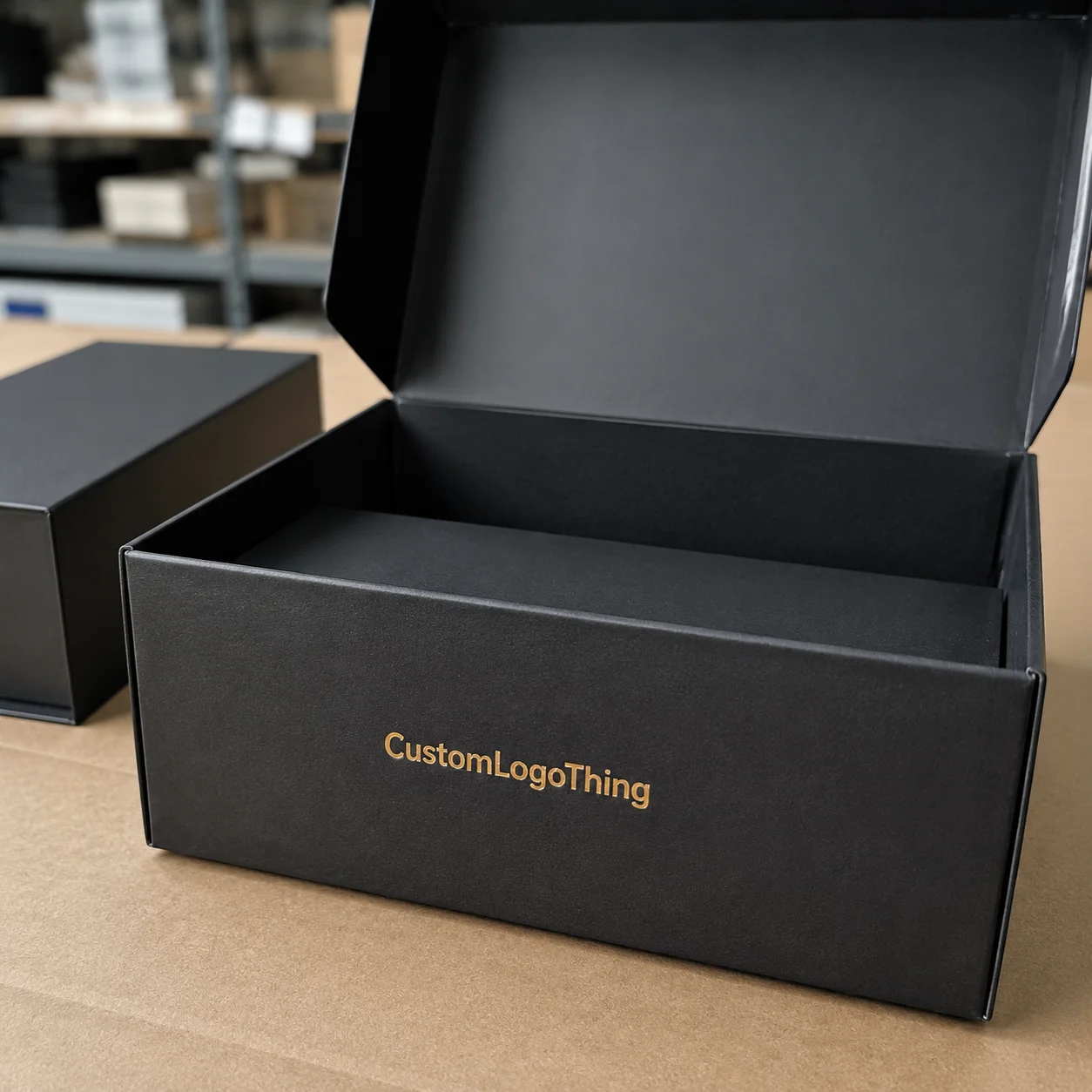
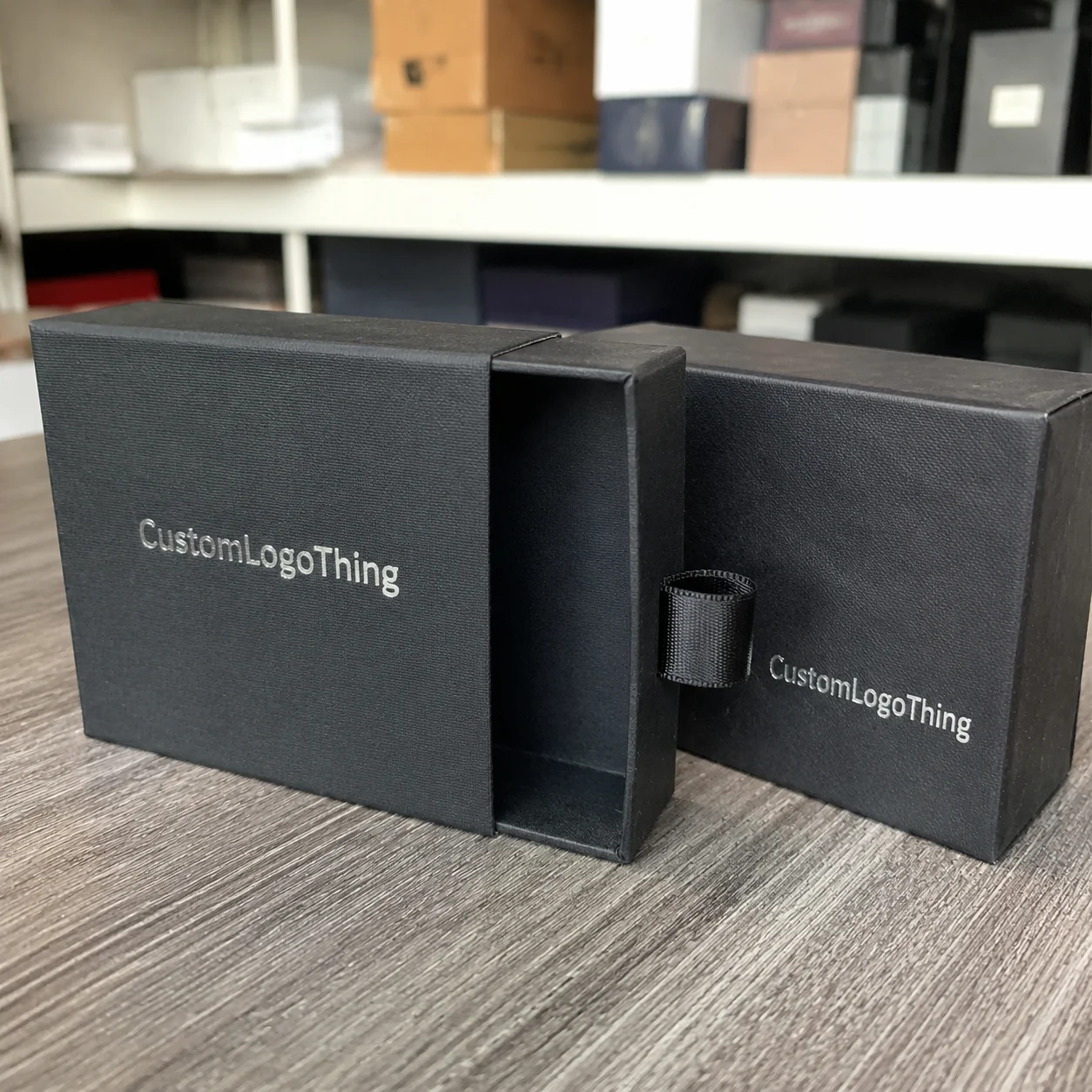
There are several construction styles worth comparing. Mailer tuck boxes are popular because they close neatly and support strong package branding on the lid and inside panels. Crash-lock bottom styles help with faster packing on items that need a more stable base. Top-opening boxes are useful when the product is loaded from above and the team wants a predictable pack sequence. I’ve seen factories in Shenzhen and Dongguan run all three styles on the same shift depending on the customer’s fill line, which is why it helps to think about workflow as much as appearance. A beautiful box that slows the team down is still a headache, just a prettier one.
For custom corrugated mailer boxes bulk, print method changes the economics and the look. CMYK digital printing is often the smarter route for shorter runs, artwork changes, or designs with multiple SKUs. Flexographic printing is usually the right tool when the quantity is larger and color consistency matters more than high-detail imagery. Spot color matching can keep brand colors tighter from batch to batch, especially if the brand uses a distinct Pantone red, blue, or black across all product packaging and retail displays. If you’ve ever watched a brand panic because the signature blue came back looking a little too tropical, you already know why this matters.
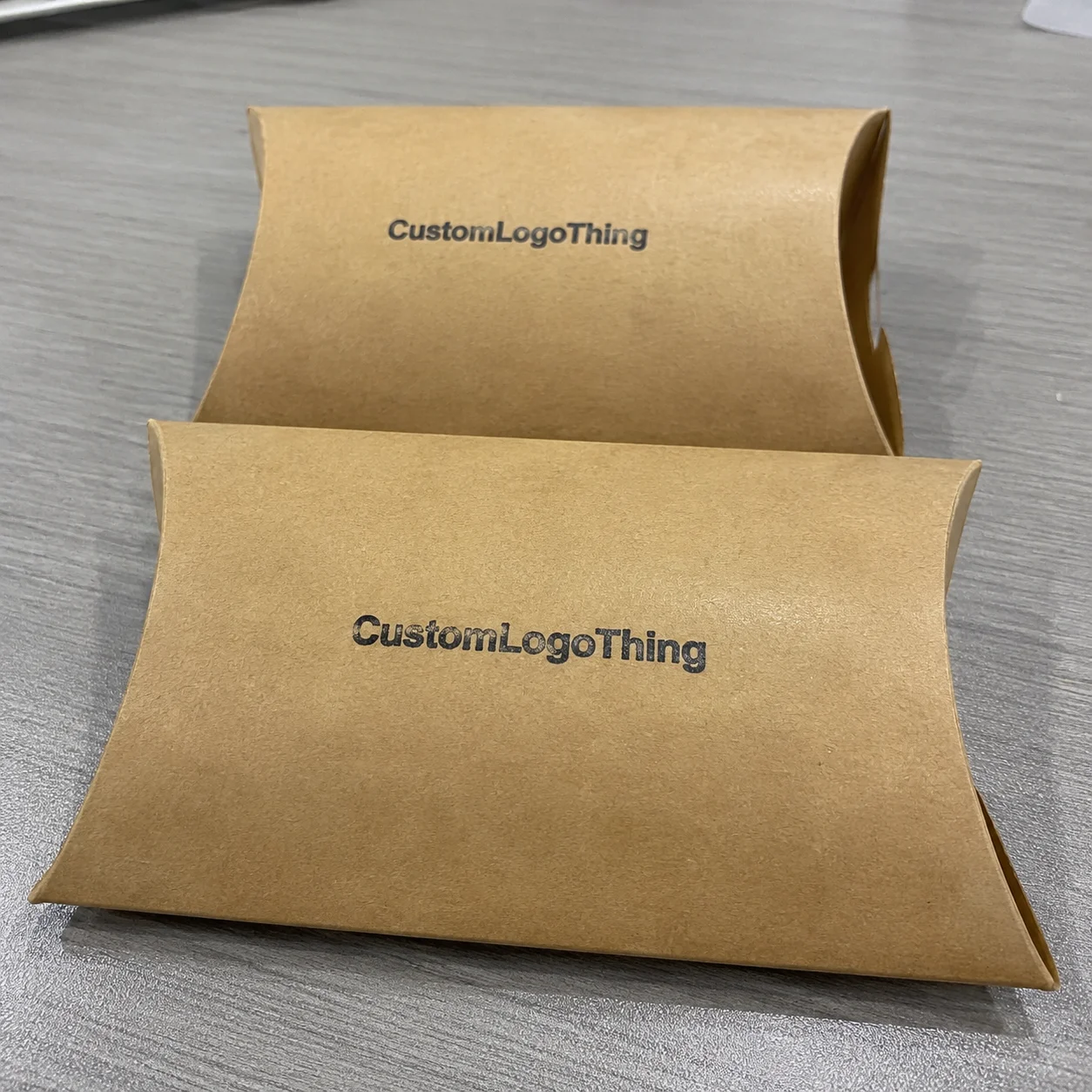
Finishing choices add another layer. Matte aqueous coating gives a softer, less reflective surface and usually handles scuffing well in transit. Gloss coating adds a brighter look but can show fingerprints more easily on dark graphics. Uncoated kraft gives a natural, earthy feel that works nicely for wellness and sustainable positioning, while inside printing can create a premium unboxing moment without changing the outer transit appearance. A lot of buyers ask for everything at once, but the best result usually comes from making two or three smart decisions, not seven expensive ones, especially when the factory quote changes by $0.04 per unit for each added finish.
From a factory-floor point of view, dieline accuracy is not optional. I’ve stood by a die cutter in a corrugated converting plant where a 1.5 mm error in a flap line caused friction at the folder-gluer and showed up later as inconsistent lock performance. That is why bleed, safe zones, and panel alignment matter so much for custom corrugated mailer boxes bulk. Heavy ink coverage can also affect how cleanly a panel folds, so the print team and the structural team need to be looking at the same proof, not separate versions that drift apart. Frankly, I still get a little twitchy when someone says, “We can fix that after the run.” No, you usually cannot. That is not how cardboard behaves, especially on 24 pt board moving through a folder-gluer in Guangdong or Suzhou.
For buyers comparing custom corrugated mailer boxes bulk, this table usually helps sort out the main choices:
| Option | Typical Use | Strength | Print Result | Common Cost Profile |
|---|---|---|---|---|
| E-flute mailer | Apparel, cosmetics, lighter kits | Light to medium | Smooth, clean graphics | Lower freight, efficient print |
| B-flute mailer | Supplements, accessories, heavier bundles | Medium to higher crush resistance | Good for bold branding | Slightly higher material cost |
| Double-wall mailer | Fragile or heavier items | High | Works well with simpler graphics | Higher material and shipping cost |
For brands building stronger branded packaging, I usually suggest thinking about the customer journey from pallet to porch. A box with crisp edges, tight print registration, and a well-designed closure looks better and often packs faster. That matters in fulfillment centers where every extra motion on the line shows up in labor cost. If you are also sourcing other pack items, it can help to coordinate with Custom Packaging Products so the mailer, insert, and label strategy all line up, especially if the shipper is leaving from a distribution hub in Ontario, California or Secaucus, New Jersey.
Custom Corrugated Mailer Boxes Bulk: Size, Strength, and Specs
The most important specs for custom corrugated mailer boxes bulk are often the ones buyers forget to write down first. Inner dimensions matter more than outer dimensions because the product needs clearance for inserts, tissue, or protective wrap. Board grade, flute type, print coverage, closure style, and carton count per bundle all influence cost and pack speed. If those pieces are fuzzy at the start, the order can still be produced, but the odds of rework go up. And rework, as anyone in operations will tell you, is just a fancy word for expensive inconvenience, especially when a $0.22 box is packed around a $48 serum set.
Product weight and shipping method should guide the structure. A 6 oz cosmetic kit going by parcel carrier has different needs than a 3 lb accessory bundle moving through a warehouse with stacked pallets. I’ve seen a clean-looking but underbuilt mailer buckle when cartons were stacked four high in summer heat, and I’ve also seen a slightly heavier board save the day because the boxes had to ride cross-country in mixed freight. That is why custom corrugated mailer boxes bulk should always be specified with both the item and the shipping path in mind. The route matters. The warehouse matters. The box, annoyingly enough, has to survive all of it, whether it ships from Phoenix to Miami or from Chicago to Seattle.
Fit testing is another place where careful work pays off. Some brands want no-fill packing with tight tolerances. Others need a molded insert or chipboard divider to keep the contents centered. And some products simply need a bit of void fill to prevent rattle. A sample packed with the real product is better than a spreadsheet description, every time. If you are also shipping secondary cartons or mixed kits, pairing these mailers with Custom Shipping Boxes can keep the broader packaging program consistent, especially when the same SKU is packed in both 6 x 4 x 2 inch and 10 x 8 x 3 inch formats.
Dimensional weight deserves serious attention. A box that is 20 mm too large in each direction can cost real money every month, even if the board itself is inexpensive. In one client review, I watched a logistics manager point out that a 0.4 lb bump in billable weight outweighed the savings from a cheaper carton. That kind of math is common with custom corrugated mailer boxes bulk, and it is exactly why the smallest workable size usually wins, particularly for UPS and FedEx parcel programs that bill by zone and size cube.
Before mass production, good suppliers check compression resistance, edge crush, fold performance, and sample approval. Those checks are not paperwork theater. They tell you whether the mailer will survive a pack line, a local courier route, and a warehouse stack without opening at the seam or crushing at the corners. When standards matter, I like to ask for references to ISTA testing methods and board specifications that align with ASTM or other recognized packaging benchmarks. If a sustainability angle matters to your brand, the FSC program is also a real signal worth reviewing at fsc.org, especially if you want responsibly sourced paper from mills in North America or Asia.
For brands that pack on a tight schedule, I usually recommend confirming these items before the first PO:
- Internal dimensions in millimeters and inches
- Board type such as E-flute, B-flute, or double-wall
- Closure style and locking tabs
- Print coverage on outside and inside panels
- Bundle count per carton or per pallet
- Target packout method with or without inserts
For technical review resources, I also point buyers to the ISTA standards library at ista.org, especially when the parcel will be tested against vibration, drop, or compression conditions. A box that looks right on screen can still fail under real shipping conditions, and the test data usually exposes that before you commit to a full bulk run. A quick 10-minute review of the spec sheet can save a 10,000-piece mistake.
Pricing for custom corrugated mailer boxes bulk
Pricing for custom corrugated mailer boxes bulk depends on several hard inputs: box size, board thickness, print complexity, ink coverage, coating, inserts, and shipping destination. If the artwork uses four-color process on both sides plus a matte coating, the price structure will look different than a one-color kraft mailer with no inside print. That is normal. Packaging cost is rarely driven by one factor alone, and anyone who quotes a single number without asking questions is usually guessing, especially if the job is moving from Shenzhen to a warehouse in Texas or Illinois.
Bulk pricing usually improves in tiers. A 1,000-piece run may carry a higher unit cost because die setup, print setup, and folder-gluer setup are spread across fewer units. At 5,000 pieces, the setup cost gets diluted. At 10,000 or more, the economics often improve again, especially if the same structure can be reused on repeat orders. In practical terms, that is why custom corrugated mailer boxes bulk often makes the most sense for brands with predictable reorders. I’ve watched procurement teams breathe a visible sigh of relief when they realized the next run did not need a full structural rethink, and the line could stay at about $0.15 per unit for 5,000 pieces on a simple printed E-flute mailer.
Here is a simple pricing view that I use as a conversation starter. These are not universal rates, because board cost and freight shift, but they show how the order size changes the math for custom corrugated mailer boxes bulk:
| Quantity | Typical Print Method | Indicative Unit Price | Notes |
|---|---|---|---|
| 1,000 pcs | Digital or short-run flexo | $0.62–$1.10 | Higher setup share, useful for testing |
| 5,000 pcs | Flexo or digital depending on artwork | $0.28–$0.58 | Good balance of cost and flexibility |
| 10,000 pcs | Flexo with standard coating | $0.18–$0.42 | Stronger bulk economics on repeat runs |
Those numbers move with board grade and shipping lane, so treat them as planning figures rather than promises. A mailer with heavy ink coverage, spot UV, or a special liner can cost more. A simpler kraft box with one-color print and standard flaps can cost less. If you want a sharper view, ask for two or three size options and compare them side by side. I’ve seen the middle option win because it balanced print area, protection, and freight better than the cheapest box, particularly on a 14 x 10 x 4 inch mailer shipped in 2,500-unit lots.
MOQ is another point buyers ask about all the time. Digital runs can support lower minimums in some cases, while flexo-printed jobs usually make more sense at higher volumes. If you need multiple SKUs, one smart move is to standardize the structure and vary only the print. That reduces complexity in procurement and inventory management, which is especially useful for custom corrugated mailer boxes bulk programs that support several product lines or seasonal campaigns. It also makes reordering easier when you are re-running the same box every 60 to 90 days.
Always compare total landed cost, not just unit price. Freight from the plant, storage space in your warehouse, labor at the packing station, and the value of reduced damage all belong in the same decision. A box that saves 18 cents in purchase price but adds 35 cents in freight or handling is not a win. For brands with broader sourcing plans, it can also help to review Wholesale Programs so the packaging program is aligned with purchasing volume and reorder rhythm, whether the goods are shipping from Ningbo, Vietnam, or a domestic converting plant in Ohio.
Honestly, too many buyers stop at the quote sheet. The better question is, “What does this box cost the operation over 90 days?” That question changes the answer fast, especially for custom corrugated mailer boxes bulk used in warehouses that ship every weekday and carry 8 to 12 pallets of finished cartons at a time.
Custom Corrugated Mailer Boxes Bulk: Order Process and Timeline
The standard workflow for custom corrugated mailer boxes bulk starts with a quote, moves to dieline confirmation, then artwork setup, sampling or digital proof, production approval, manufacturing, and shipment. Each step has a job to do. If the buyer rushes the proof and skips the sample, the project often pays for that shortcut later in the form of fit issues, print misalignment, or folding problems on the packing line. For most runs, the typical timeline is 12 to 15 business days from proof approval, plus 3 to 7 days for freight depending on destination and carrier.
The most common delays are not mysterious. Late artwork is the biggest one. Unclear dimensions comes next. Color mismatches between a screen mockup and a printed corrugated sample are also common, especially if the brand has strong expectations for a specific shade on kraft or white board. Missing packaging test samples can add time too, because the design team and the operations team usually need to see the box with the actual product before approving volume production. That is especially true for custom corrugated mailer boxes bulk with inserts or internal print, and a 2 mm dimension change can trigger a full reproof.
In factory terms, the real timeline is shaped by board availability, print queue scheduling, die cutting, gluing, and final QC. I have seen a production line in a Guangdong converting plant run smoothly for a week and then lose a day because the board shipment was delayed by one pallet mix-up. That is why lead time estimates should always include a little room for materials and not just machine time. A box can be simple on paper and still be affected by supply timing, especially if the paper is coming through ports near Shenzhen or Qingdao.
For most bulk programs, sampling and approval take longer than the actual machine run. That surprises people, but it should not. The print team needs artwork, the structural team needs the right dimensions, and the fulfillment side needs confidence that the closure and stackability are correct. If your launch date is fixed, plan the packaging backward from warehouse receiving. Custom corrugated mailer boxes bulk should arrive before product packing starts, not the week after. I’ve been on the receiving end of that “it’ll be fine” promise, and, well, it usually turns into someone pacing near the dock, especially if the cartons need to be checked in by 7:00 a.m. on a Monday.
My practical recommendation is simple: align packaging orders with launch windows, seasonal promotions, and receiving capacity. A warehouse with space for 12 pallets is not going to be happy with 28 pallets landing early, even if the price was excellent. A clean schedule reduces stress, prevents stockouts, and keeps the first bulk run of custom corrugated mailer boxes bulk from turning into a scramble. If the cartons are being manufactured in Hangzhou or Dongguan, ask for pallet counts, carton counts per bundle, and a confirmed ship date before you approve the final proof.
Why choose Custom Logo Things for bulk mailer boxes
Custom Logo Things is a good fit for buyers who want a packaging partner that understands corrugated converting, not just graphic output. That distinction matters. A print vendor may understand color, but a corrugated specialist understands board behavior, fold memory, die tolerances, and gluing consistency. For custom corrugated mailer boxes bulk, that technical knowledge can be the difference between a box that looks fine in a proof and one that actually runs cleanly in production, whether the run is 2,500 units or 25,000.
We pay attention to material selection, precision die cutting, folding and gluing consistency, and print registration control because those are the points where bulk orders either hold together or cause headaches. In one meeting with a subscription brand, the founder had fallen in love with a highly detailed inside print, but the pack line was already set up for fast hand packing. We adjusted the structure so the box still felt premium without slowing down the team. That kind of practical adjustment matters more than a flashy mockup. I’d rather make a hundred boxes slightly smarter than make one render look stunning and then watch operations curse it for six weeks, especially if the line is moving at 40 cartons an hour.
Support with dielines, artwork prep, and production verification is part of the job. A good supplier should help you avoid problems before the run begins, not after. Repeat orders should match earlier runs in structure, color, and fit, especially if the brand ships from more than one location. That consistency protects package branding across the network and keeps the customer experience steady whether the carton ships from one warehouse or three, including facilities in Atlanta, Reno, or Dallas.
There is also a very real operational payoff. Well-made custom corrugated mailer boxes bulk can reduce wasted motion at packing stations, cut the amount of dunnage used per order, and present a more polished brand experience without forcing the team to slow down. I’ve seen that in apparel, beauty, and accessory programs where the box itself became part of the retention story because the first opening experience felt more deliberate. It’s funny how a piece of cardboard can quietly do so much heavy lifting, especially when the board is specified as 32ECT or 44ECT depending on the route.
If your packaging program already includes labels, wraps, or other shipper formats, we can help keep those choices aligned with the mailer structure. Many clients source a mixed packout of custom corrugated mailer boxes bulk, poly mailers for lighter orders, and heavier shipper cartons for special SKUs. That mix works well when each format is chosen for a specific job rather than picked at random, and it usually keeps the average freight bill a little friendlier month after month.
What to Prepare Before Ordering Custom Corrugated Mailer Boxes Bulk
Before You Order custom corrugated mailer boxes bulk, gather the numbers that matter. Product dimensions, packed weight, insert needs, artwork files, Pantone references, target quantity, and the delivery address should all be ready before the quote goes out. If you can send a packed sample or clear product photos, even better. Those details help the supplier judge fit, internal clearance, and risk of movement during transit, and they can save a round of revisions that would otherwise push the schedule by several business days.
Decide early whether the box should be kraft, white, or printed on the interior. Kraft works well for a natural look and often hides handling marks better. White liners typically give brighter contrast and a more polished retail feel. Printed interiors can elevate the reveal, but they add cost and can complicate color matching on corrugated stock. For custom corrugated mailer boxes bulk, the right choice depends on branding, budget, and the kind of opening moment you want, particularly if the product is launching into a retail display program in New York or San Francisco.
Storage and receiving are easy to overlook. Confirm pallet count, warehouse space, and unloading capacity before the shipment leaves the factory. I’ve seen a retailer lose a half day because the dock could not receive the cartons they ordered, even though the boxes themselves were perfect. If the boxes are arriving in large quantity, that kind of planning is just as important as the design. The box can arrive looking immaculate and still become a problem if nobody planned where it would live, especially if 20 pallets need to be staged for a Monday morning launch.
The practical next steps are clear. Request a quote, approve the dieline, review a sample, and lock the production schedule. That sequence reduces risk and keeps the first bulk run on track. If you are comparing options, ask for one version with a simpler structure and one version with upgraded print or finish so you can see how the economics change for custom corrugated mailer boxes bulk. A difference of $0.03 to $0.08 per unit can be worth it if the premium version saves 15 seconds per pack.
My honest advice? Start with the smallest size that still protects the product, then build the print and finish around that. It is the easiest way to keep costs honest and keep the packaging line moving, whether the cartons are being packed in-house or by a third-party fulfillment center in Tennessee or California.
FAQ
What is the minimum order for custom corrugated mailer boxes bulk?
MOQ depends on print method, board type, and box size. Digital runs often support lower quantities than flexo-printed jobs, while larger bulk orders usually bring the best unit economics. If you need several SKUs, it may be smarter to standardize one structure and change only the artwork for your custom corrugated mailer boxes bulk program, especially when a 3,000-piece test run is used to validate fit before moving to 10,000 units.
How do I choose the right size for custom corrugated mailer boxes bulk?
Measure the packed product, not just the item itself, and include any insert, wrap, or protective sleeve. Keep the clearance tight enough to prevent movement but not so tight that packing slows down or damages the item. Also check carrier dimensional weight, because empty space can cost more than the board in a custom corrugated mailer boxes bulk order, especially if the carton is 14 x 10 x 4 inches or larger.
Are kraft or white corrugated mailer boxes better for bulk orders?
Kraft usually gives a natural, durable look and can hide handling marks well. White liners tend to provide brighter print contrast and a more polished retail presentation. The better choice depends on your branding, print coverage, and budget target for custom corrugated mailer boxes bulk, along with how the carton will look under warehouse lighting in places like Columbus, Nevada, or southern California.
How long does production take for custom corrugated mailer boxes bulk?
Lead time depends on proof approval, board availability, print complexity, and quantity. Sampling and structural approval can add time, but they reduce the risk of costly fit problems later. Plan around warehouse receiving and launch dates so the finished custom corrugated mailer boxes bulk arrive before packing begins, and expect typically 12-15 business days from proof approval for a standard run.
Can I get samples before placing a bulk order?
Yes, sample approval is strongly recommended when dimensions, print coverage, or inserts are new. A sample helps verify fit, folding behavior, closure strength, and overall presentation. For repeat orders, compare the new proof against your approved sample to keep consistency across custom corrugated mailer boxes bulk runs, especially when the job uses a specific board like 24pt or 32ECT.
For brands that want packaging to pull its weight, custom corrugated mailer boxes bulk can do a lot more than ship a product from point A to point B. The right board, the right closure, the right print, and the right size can lower damage, improve branding, and simplify packing all at once. That is why I keep coming back to the same recommendation: choose custom corrugated mailer boxes bulk based on structure and operations first, then refine the look to match your brand, whether the cartons are being produced in Shenzhen, Dongguan, or a Midwest converting plant serving a 5,000-piece reorder.