Buyer Fit Snapshot
| Best fit | Reusable Corrugated Shipping Boxes Wholesale for Bulk Orders projects where brand print, material claims, artwork control, MOQ, and repeat-order consistency need to be specified before quoting. |
|---|---|
| Quote inputs | Share finished size, material target, print colors, finish, packing count, annual reorder estimate, ship-to region, and any compliance wording. |
| Proofing check | Approve dieline scale, logo placement, barcode or warning zones, color tolerance, closure strength, and carton packing before bulk production. |
| Main risk | Vague material claims, crowded artwork, missing packing details, or unclear freight terms can make a low unit price expensive after revisions. |
Fast answer: Reusable Corrugated Shipping Boxes Wholesale for Bulk Orders should be specified like a repeatable production item. The safest quote records material, print method, finish, artwork proof, packing count, and reorder notes in one written spec.
Production checks before approval
Compare the actual filled-product size with the drawing, then confirm tolerance on folds, seals, hang holes, label areas, and retail display edges. Reserve space for logos, QR codes, warning copy, and material claims before decorative graphics fill the panel.
Quote comparison points
Review material grade, print process, finish, sampling route, tooling charges, carton quantity, and freight assumptions side by side. A quote is only useful when the supplier can repeat the same color, closure quality, and packing count on the next order.
Reusable Corrugated Shipping Boxes wholesale usually makes the most sense for operations that want a carton to survive more than one trip through the warehouse, the carrier network, and the return desk. The hidden cost in many packing rooms is not the board itself. It is the carton that arrives a little too large, closes a little too loosely, or bows out after the first cycle. Once that happens, the box stops being a shipping tool and starts becoming waste. A better fit can reduce repacking, cut damage claims, and bring a little order to fulfillment lines that already have enough moving parts.
People buying packaging often begin with the wrong question. They ask whether a box is strong. Strength matters, sure, but the sharper question is this: how many trips will it make, how much weight will it carry, and how predictably will it hold its shape after repeated handling? Reusable corrugated Shipping Boxes Wholesale turns those questions into a buying framework instead of a vague wish list. The carton should fit the operation, not force the operation to adapt around the carton.
I have watched otherwise solid fulfillment teams lose time because a carton looked fine on paper but folded poorly after the second use. A box like that can slow a line down in ways that are maddeningly small and very real. One awkward flap here, one crushed corner there, and suddenly everyone is re-taping and re-packing. That is the kind of friction reusable packaging is supposed to remove.
Why Reusable Corrugated Shipping Boxes Wholesale Makes Sense
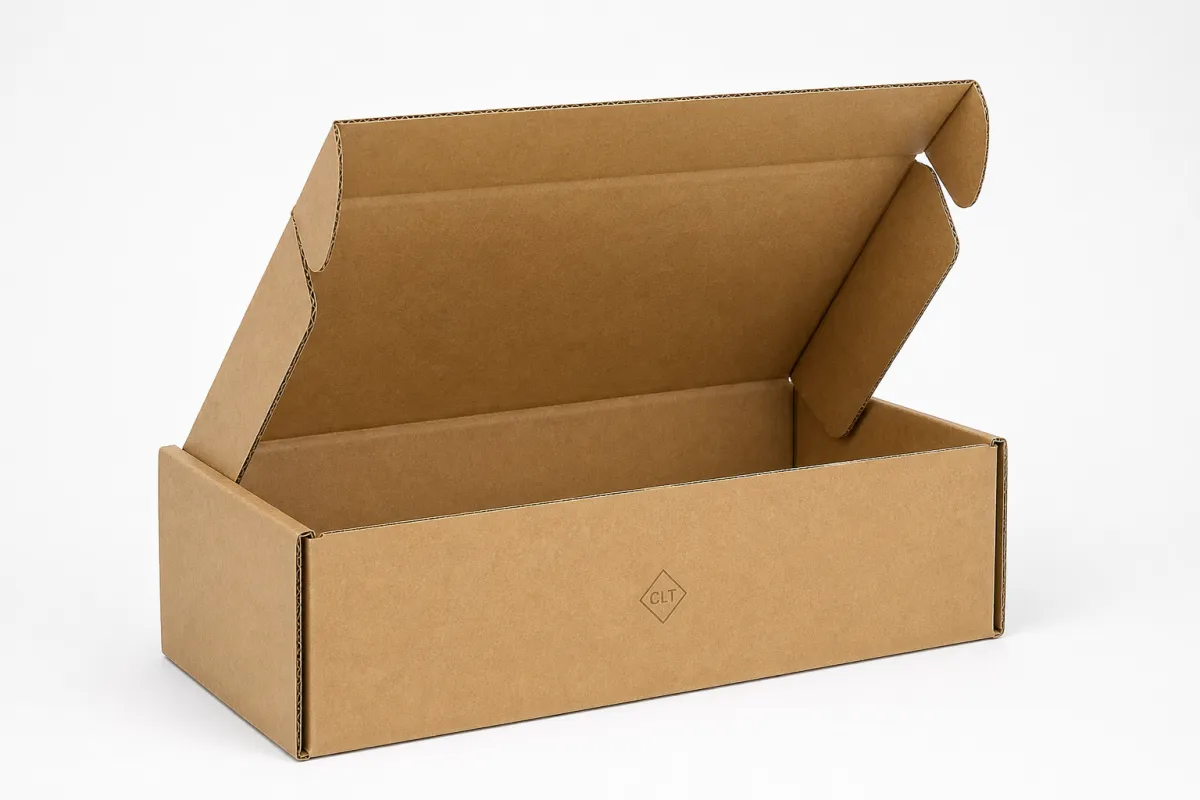
Packaging waste usually starts with mismatch. A carton may be slightly oversized, too thin for the route, or annoying to reclose after inspection or returns processing. Once that happens, the box gets retired early even though the board never really had a fair shot. Reusable corrugated shipping boxes wholesale addresses that by matching the carton to the product, supporting repeated handling, and keeping the structure useful long enough to earn its keep.
That matters in subscription programs, warranty replacements, return-heavy ecommerce, and any workflow where a box gets opened, checked, closed again, and sent back into motion. A well-built carton reduces repacking time and lowers the odds of failure on the second or third touch. The math is simpler than many procurement teams expect. If a carton lasts one more cycle and saves even a few minutes of labor, the real cost picture changes fast. This is not packaging theater. It is about removing preventable rework.
Dimensional weight deserves a seat at the table too. A carton that is slightly too large can raise shipping costs even when the contents are light. A box that is too small can force workers into awkward packing, extra void fill, or a rushed closure that looks fine until it hits the carrier network. The best reusable corrugated shipping boxes wholesale programs trim unused space without stripping away the structure needed for multiple uses.
Wholesale buying brings another advantage: consistency. Once a company lands on the right spec, it wants that carton to behave the same way every time. Same inside dimensions. Same print. Same closure. Same pallet pattern. Warehouse teams train around that predictability, and customer service feels the difference when fewer shipments arrive crushed, shifted, or reopened in transit. Reusable corrugated shipping boxes wholesale tends to fit operations that care about repeatable performance as much as unit price.
Many buyers start by chasing the lowest carton price and end up paying more across the shipping cycle. A cleaner score, a more stable panel, or a sturdier board grade can reduce damage, improve handling, and extend the useful life of the box. A carton that will be touched several times should be judged like a machine part, not a disposable afterthought. Cheap is not always cheap, and the finance team usually notices that after the first replacement run.
There is also a sustainability angle, but I want to keep that honest. Reuse only helps if the carton is actually reused. A fancy spec that gets discarded after one trip is just expensive paperboard with a better story. If the operation can keep the box in circulation for real, the environmental and cost benefits line up. If not, then the cleaner move may be a simpler carton with less material and fewer complications.
Reusable Corrugated Shipping Boxes Wholesale: Product Details
The most common reusable corrugated structures are built from single-wall or double-wall board, and the right choice depends on weight, route, and handling frequency. Single-wall cartons can work well for lighter goods and shorter distribution paths. Double-wall builds are better for heavier products, higher stack pressure, and cartons that will move through the system more than once. In reusable corrugated shipping boxes wholesale, the board choice should follow the shipping reality rather than a line on a spec sheet.
Style matters just as much. Mailer-style boxes are popular in ecommerce because they open and reclose with less fuss. Regular slotted cartons remain a dependable workhorse for storage and pallet movement. Die-cut formats can add cleaner folds, built-in locking points, and stronger presentation. For reusable programs, the right style is the one that opens cleanly, closes correctly, and does not collapse after repeated handling. That simple standard does a lot of heavy lifting.
The box performs through details that are easy to ignore on a quote sheet. Flute selection affects cushioning and compression. Board grade affects how much abuse the carton can take before it starts to lose shape. Score quality affects whether the box folds square the first time and the fifth time. Closure style matters too; a seal that is too aggressive can tear during reopening, while a loose closure can pop open in transit. For reusable corrugated shipping boxes wholesale, those small choices shape service life more than most people think.
Buyers often ask for extra features that improve usefulness without overbuilding the carton. Reinforced corners help a box hold shape under stack pressure. Tear strips give workers a cleaner opening path. Carry handles can support internal transfer or pickup programs. Dividers and inserts are common when product protection matters more than simple containment, especially for fragile parts or mixed-SKU kits. Those details matter in transit packaging that moves between fulfillment centers, regional hubs, and end customers.
Dimensional control is another quiet advantage. A reusable carton should close consistently, stack evenly, and keep its footprint stable so racks and pallets remain reliable. Inconsistent sizing creates problems quickly. Pallets lean. Labels shift. Packing teams stop trusting the box. With reusable corrugated shipping boxes wholesale, a few millimeters can decide whether the carton supports daily operations or creates friction every shift.
For buyers comparing structures, the useful question is not “Which box is strongest?” It is “Which box survives the actual journey?” A lighter build may be perfect for internal transfer or a single extra reuse. A heavier build may be justified when the box goes through parcel networks, sits in storage, or returns to service after inspection. The right spec is the one that fits the path the carton will actually travel.
Reusable Corrugated Shipping Boxes Wholesale Specifications and Build Options
Before asking for pricing, buyers should define the core specs clearly. The best starting points are inside dimensions, board grade, flute type, closure style, target shipment weight, and whether print is required. Those details tell the converter whether the carton should prioritize presentation, compression, repeated closure, or all three. In reusable corrugated shipping boxes wholesale, vague requests usually create vague quotes.
Compression strength, burst strength, and edge crush are the numbers people mention most, but they only make sense in context. A higher ECT carton may be the right choice for warehouse stacking even if the burst number is not the highest available. A different product may need better puncture resistance rather than pure compression. Reuse changes the equation again, because a carton rarely comes back looking new. That is why reusable corrugated shipping boxes wholesale should be matched to real shipping conditions instead of a label-only comparison.
Moisture exposure can shorten service life faster than buyers expect. Boxes stored near dock doors, held in damp facilities, or shipped through mixed-weather routes may need stronger board or a protective coating. Abrasion from repeated loading can also wear through weaker surfaces. In that kind of environment, a modest upgrade can be cheaper than replacing cartons too early. reusable corrugated shipping boxes wholesale works best when the material choice reflects the warehouse and transit conditions, not the ideal version of them.
Common optional specs include internal partitions, inserts, print for handling instructions, and reinforcement around hand holes or opening points. None of those features needs to be expensive, but each one should serve a clear purpose. A box made for repeated openings should not force workers to fight the flap every time. A carton built for product protection should not leave the contents drifting inside. Well-planned reusable corrugated shipping boxes wholesale programs usually balance those tradeoffs instead of chasing the heaviest carton available.
If you want a practical reference point for testing and certification, the packaging industry has long used standards and methods from organizations such as the International Safe Transit Association and broader corrugated performance guidance. Testing is not paperwork for its own sake. It helps confirm that the structure will survive compression, vibration, and shipping handling before a full run begins.
For organizations with sustainability targets, material sourcing can matter as much as performance. FSC-certified paper sourcing often comes up in procurement conversations, and some buyers also track recycling goals or packaging reduction programs. If those requirements matter in your supply chain, bring them up early. It is easier to build compliance into the spec than to retrofit it after production starts.
Here is a simple comparison buyers often use when evaluating reusable corrugated shipping boxes wholesale options:
| Option | Best For | Typical Strength Profile | Typical Unit Range | Notes |
|---|---|---|---|---|
| Single-wall mailer style | Light ecommerce shipping and returns | Good for moderate handling, lighter stack loads | $0.55-$1.10 | Works well when the product is light and the box needs easy reclosure |
| Single-wall RSC | General fulfillment and internal transfer | Balanced for basic compression and repeat use | $0.45-$0.95 | Cost-effective for straightforward shipping materials plans |
| Double-wall shipping box | Heavier loads and better stack resistance | Higher compression and better puncture resistance | $0.95-$2.10 | Often the better choice when the box will be reused several times |
| Die-cut returnable carton | Premium fit, branding, and repeat opening | Strong dimensional control and closure consistency | $1.20-$2.80 | Tooling may be required, but the carton can improve workflow and presentation |
The table is not a quote, and it should not be read as one. Actual pricing depends on volume, print coverage, size, and the exact corrugated construction. Even so, it gives buyers a practical way to think through reusable corrugated shipping boxes wholesale before requesting formal pricing. That is a lot better than guessing and hoping the numbers fall into place.
One more thing: standards can tell you a carton should perform. They cannot tell you whether your team will enjoy using it. That sounds soft, but it is not. A box that is hard to fold or awkward to reclose gets ignored, and then the reuse plan falls apart. Human behavior sits inside every packaging spec whether the procurement sheet admits it or not.
Cost, Pricing, MOQ, and Quote Details for Reusable Corrugated Shipping Boxes Wholesale
Price always enters the conversation, but strong buyers ask for the full picture. In reusable corrugated shipping boxes wholesale, unit price changes with board grade, box size, print complexity, custom tooling, and total order volume. A plain brown carton may sit near the lower end of the range, while a custom printed die-cut box with upgraded board can cost significantly more. The goal is not the cheapest number on paper. The goal is a spec that performs well at a cost the operation can defend.
MOQ, or minimum order quantity, usually reflects setup and production economics. Once tooling is ready and the line is scheduled, larger runs tend to lower unit cost because setup expenses get spread across more cartons. Smaller orders are possible in some cases, but they often carry a higher per-unit price. That is normal in reusable corrugated shipping boxes wholesale buying, and it is one reason buyers should plan around actual consumption instead of guesswork.
A useful quote should include more than a carton price. Ask for unit price, freight, tooling if needed, sample or proof charges, lead time, carton count per pallet, and the exact board specification being proposed. Those details make quotes comparable across suppliers and help prevent surprise costs later. If you are buying reusable corrugated shipping boxes wholesale, clarity in the quote often matters more than squeezing a few cents out of the rate.
Total cost over the life of the box also matters. A carton that costs a little more but survives one more shipping cycle can outperform a cheaper option that gets discarded after a single trip. Labor savings count too. If a box closes cleanly, stacks correctly, and reduces repacking, that is real operational value. Fulfillment teams often discover that the best packaging is the kind that keeps workers moving without adding extra handling steps.
Below is a more practical way to think about cost drivers in reusable corrugated shipping boxes wholesale:
- Board grade: stronger board usually raises cost, but it can extend service life.
- Size: larger cartons use more material and may increase freight and pallet space.
- Print: one-color branding is different from multi-color coverage or inside print.
- Structure: die-cut features and reclose mechanisms can increase setup and tooling.
- Volume: higher quantities generally reduce per-unit cost by spreading setup charges.
- Lead time: rush orders may carry premiums depending on the schedule.
For many buyers, the clearest way to compare suppliers is to request two or three size options based on the same product. That makes it easier to see whether a slightly different footprint can reduce dimensional weight, improve stackability, or lower material usage. If you are already sourcing Custom Packaging Products or Custom Shipping Boxes, compare the shipping box spec against the rest of your packaging stack instead of isolating the carton in a vacuum.
Share exact dimensions and use case details early. The more a supplier knows about product weight, shipping path, and how often the box gets reused, the more accurate the quote will be. That is especially true in reusable corrugated shipping boxes wholesale, where an underbuilt box increases damage risk and an overbuilt box can waste money on every shipment.
There is one caveat buyers should hear plainly: no supplier can guarantee reuse counts across every environment. Conveyor systems, humidity, rough parcel handling, and employee habits all affect the real outcome. Honest quoting starts with that reality, not with a polished promise.
Process, Timeline, and Lead Time for Reusable Corrugated Shipping Boxes Wholesale
The ordering process should feel structured, not mysterious. It usually begins with a request for dimensions, product weight, print needs, target quantity, and any reuse or return requirements. From there, the supplier recommends a carton style, board grade, and closure method. A quote follows, then proof or sample approval, and finally production once the order is confirmed. That is the usual path for reusable corrugated shipping boxes wholesale, and it works best when the buyer brings clear requirements to the table.
Lead time depends on several variables. Custom sizing takes more planning than stock sizes. Print adds setup time. Die-cut structures may require tooling. Material availability can shift schedules too, especially when a specific board grade depends on current mill inventory. A straightforward run may move faster than a more complex project, but the safest estimate comes from the exact spec rather than a generic promise. Buyers should expect that reusable corrugated shipping boxes wholesale can take longer when the carton is highly customized.
Sample approval is worth the time. A physical sample catches problems that do not always show up in a drawing: a flap that feels awkward, a panel that bows under weight, a lid that refuses to reclose cleanly, or a fit that becomes too tight once the product is packed. Those small issues become larger when a box is reused. Catching them early saves headaches later. A good reusable corrugated shipping boxes wholesale program treats sampling as risk reduction, not as a nice extra.
Production usually follows a familiar sequence. Board is converted, cut, printed if needed, scored, folded or glued, checked for quality, and palletized for shipment. The exact line flow changes with carton style, but the goal stays the same: create a box that holds dimensions, closes reliably, and arrives ready for use. Buyers who understand the process can ask sharper questions about where delays may happen and how to plan reorders before inventory runs low.
For teams that ship steadily, reorder planning matters more than it gets credit for. A carton that performs well should not turn into a sourcing emergency. If the box supports your ecommerce shipping or internal distribution, build a reorder window into the calendar before stock gets tight. That keeps the next reusable corrugated shipping boxes wholesale run on schedule and prevents the line from scrambling for substitute packaging.
One more practical note: if your operation runs on tight deadlines, ask about production windows and forecast support before placing the order. Even a reliable packaging partner needs time to reserve material and schedule the line. That is not a sales trick; it is how corrugated manufacturing works.
Why Choose Us for Reusable Corrugated Shipping Boxes Wholesale
At Custom Logo Things, the focus stays on packaging that works in the real world. That means spec support, consistent sizing, and direct communication from the first request to the final shipment. Buyers looking for reusable corrugated shipping boxes wholesale usually want more than a price sheet. They want help matching structure to product weight, pallet behavior, print needs, and the way cartons move through the warehouse.
Technical support matters because packaging decisions rarely live in isolation. A stronger carton may raise cost but lower damage claims. A slightly smaller footprint may reduce dimensional weight enough to justify the change. A cleaner score may speed packing and improve reclosure. Those tradeoffs are where experience pays off. In reusable corrugated shipping boxes wholesale, the best outcome usually comes from balancing protection, cost, and handling efficiency instead of optimizing one variable and ignoring the rest.
Quality control is another reason to work with a dependable converter. Wholesale buyers need repeatable sizes and predictable performance across the full run, not just on the first pallet. A carton that varies too much from batch to batch can interrupt order fulfillment, slow packing lines, and create customer service problems. Consistency is not a bonus. It is part of the value of reusable corrugated shipping boxes wholesale.
It helps to work with a team that understands shipping materials as a system. Boxes do not live alone. They interact with void fill, labels, pallets, taping methods, and the rest of the packaging stack. If a carton is slightly harder to fold or a little less stable than it should be, the whole process feels it. A good supplier sees that larger picture and helps the buyer avoid unnecessary complexity. That kind of judgment is often the difference between a carton spec that looks nice and one that gets used without complaint.
“The best box is the one that fits the product, survives the route, and does not slow the packing line.”
That is the standard we try to keep in mind on every wholesale request. Whether the job calls for custom print, plain brown board, or a more specialized returnable format, the goal is a carton that is practical, consistent, and justified by repeated use. If your needs extend beyond shipping cartons, you may also want to compare them with Wholesale Programs or pair them with Custom Poly Mailers for mixed packaging workflows.
For buyers who want a supply partner rather than a one-off vendor, that difference matters. Reusable corrugated shipping boxes wholesale should fit your operation, not force your operation to bend around the box. That is the practical standard we work toward, and it is the one that usually saves the most money over time.
Next Steps for Reusable Corrugated Shipping Boxes Wholesale Orders
If you are ready to move forward, gather three things first: product dimensions and weight, the shipping method, and the number of trips or returns you expect the box to handle. Those details let the supplier recommend a structure that fits actual use instead of making a guess. With reusable corrugated shipping boxes wholesale, early clarity can save time, cost, and a surprising amount of back-and-forth.
Requesting one or two size options is smart. A slightly different carton footprint can improve stackability, lower dimensional weight, or give the product a cleaner fit. That comparison becomes especially useful in ecommerce shipping and distribution programs where box size affects both labor and freight. A good reusable corrugated shipping boxes wholesale quote should make those tradeoffs visible, not bury them in the fine print.
If the carton will carry heavier items, move through mixed channels, or get reused several times, ask for a sample or structural review. That is where closure behavior, panel strength, and fit can be checked before the full run starts. It is far better to verify those details early than to discover a problem after a large order arrives.
A simple checklist helps keep the process moving:
- Confirm product size, weight, and shipping flow.
- Choose a target carton style and board grade.
- Review pricing, MOQ, lead time, and freight.
- Approve a sample or proof if the project is custom.
- Schedule production to match inventory needs.
If you approach the order that way, reusable corrugated shipping boxes wholesale becomes a straightforward procurement decision rather than a packaging guessing game. You get a carton that supports the workflow, a quote that reflects the right spec, and a supply plan that fits the pace of the operation.
For buyers who want predictable cost, repeatable performance, and shipping materials that hold up under real handling, reusable corrugated shipping boxes wholesale is the right path. The practical takeaway is simple: define the route, the reuse target, and the structural limits before you ask for pricing. Do that, and the box is far more likely to do its job quietly, shipment after shipment, instead of turning into another item on the packing-room problem list.
What makes reusable corrugated shipping boxes wholesale different from standard cartons?
Reusable designs are built for repeated handling, easier reclosure, and better durability than a one-time-use carton. They often use stronger board, tighter dimensional control, and features that help the box stay functional after multiple trips. The right spec depends on product weight, number of cycles, and whether the box will be used in parcel, warehouse, or return flows.
How do I choose the right board grade for reusable corrugated shipping boxes wholesale?
Start with the product weight, then factor in stacking, transit distance, and how often the carton will be reused. Heavier loads or frequent reuse usually call for a stronger board or double-wall construction. A supplier should help balance protection and cost so the box is durable without being oversized.
What is a typical MOQ for reusable corrugated shipping boxes wholesale orders?
MOQ depends on the box style, print requirements, and whether custom tooling is needed. Larger runs usually improve unit cost because setup expenses are spread across more cartons. Ask for MOQ and pricing together so you can judge the best order quantity for your inventory plan.
How long does production usually take for reusable corrugated shipping boxes wholesale?
Lead time varies by structure complexity, print, and current material availability. Samples or proof approval can add time upfront but often prevent delays after production starts. The best estimate comes from sharing exact dimensions, artwork, and required quantity at the quote stage.
Can reusable corrugated shipping boxes wholesale be custom printed?
Yes, most wholesale programs can include one-color to multi-color printing, depending on the production method and order size. Custom print can support branding, handling instructions, and return-use identification. Print coverage should be planned early because it can affect Cost, Lead Time, and minimum order quantity.

