Buyer Fit Snapshot
| Best fit | Review of Low Cost Custom Box Structures projects where brand print, material claims, artwork control, MOQ, and repeat-order consistency need to be specified before quoting. |
|---|---|
| Quote inputs | Share finished size, material target, print colors, finish, packing count, annual reorder estimate, ship-to region, and any compliance wording. |
| Proofing check | Approve dieline scale, logo placement, barcode or warning zones, color tolerance, closure strength, and carton packing before bulk production. |
| Main risk | Vague material claims, crowded artwork, missing packing details, or unclear freight terms can make a low unit price expensive after revisions. |
Fast answer: Review of Low Cost Custom Box Structures: Structure, Print Proof, Packing, and Reorder Risk should be specified like a repeatable production item. The safest quote records material, print method, finish, artwork proof, packing count, and reorder notes in one written spec.
Production checks before approval
Compare the actual filled-product size with the drawing, then confirm tolerance on folds, seals, hang holes, label areas, and retail display edges. Reserve space for logos, QR codes, warning copy, and material claims before decorative graphics fill the panel.
Quote comparison points
Review material grade, print process, finish, sampling route, tooling charges, carton quantity, and freight assumptions side by side. A quote is only useful when the supplier can repeat the same color, closure quality, and packing count on the next order.
Review of Low Cost Custom Box Structures: Buying Guide
The review of low cost custom box structures starts with a fairly plain truth: the lowest quote on the page rarely tells the whole story. Freight, breakage, inserts, and slow pack-out can erase the savings in a hurry. I have seen buyers chase the cheapest unit price only to discover that crushed corners, loose product, and extra labor turned a bargain into a costlier mistake. Cheap on paper can get expensive on the dock, and pretty fast.
For Custom Logo Things, the real question is not whether a box looks impressive. It is whether the structure protects the product, stacks cleanly, and moves through packing without creating friction on the line. A strong review of low cost custom box structures has to weigh fit, board grade, closure style, and the actual cost of getting the box to the warehouse intact. Attractive print helps. A damaged shipment does not.
The working definition I use is pretty simple: low cost does not mean weak. It means the right material, the right dimensions, and the right structure for the product and the shipping method. That is the difference between a smart purchase and a warehouse headache waiting to happen. This review of low cost custom box structures focuses on the practical details buyers need before a quote gets approved.
Review of Low Cost Custom Box Structures: What Actually Drives Value
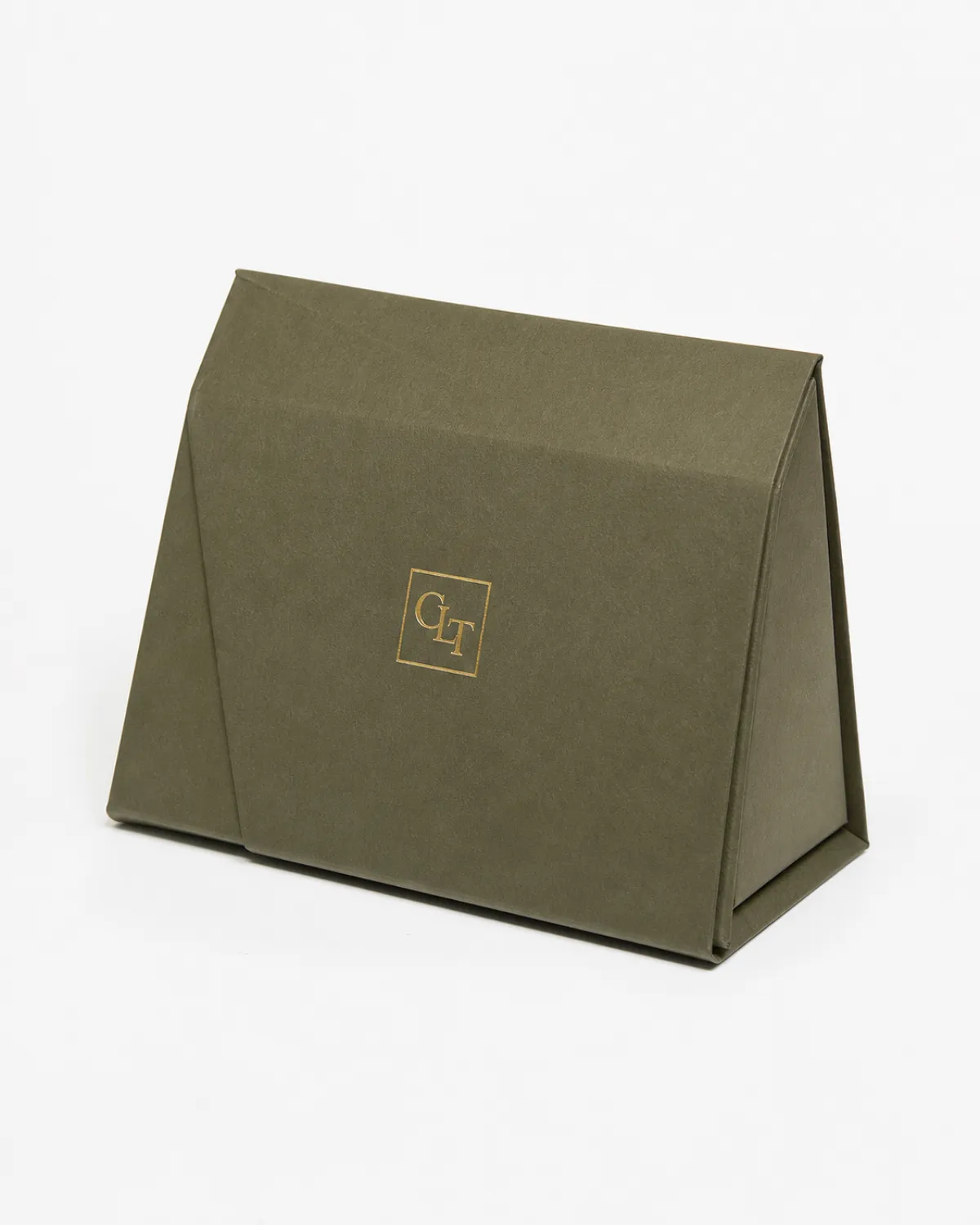
The first mistake most buyers make in a review of low cost custom box structures is treating the box like decoration. It is a working part of the product experience. The structure carries the load. If the item is fragile, the box needs crush resistance. If the item ships in volume, the box needs to stack without drifting or bowing. If packing happens by hand, the structure needs to be quick, predictable, and forgiving. Those details matter far more than a dramatic logo or a finish that adds cost without improving performance.
A low quote can turn costly after freight and damage are added in. A mailer box that saves eight cents per unit but raises returns is not low cost. A slightly better board grade or a tighter size can reduce void fill, eliminate some inserts, and speed pack-out in ways that show up on the floor long before they show up in a spreadsheet. That is why this review of low cost custom box structures looks at total landed cost, not just the first number sent by email.
Think about a small ecommerce brand shipping candles. A thin folding carton may look tidy on a design proof, yet it does little against impact if the candle is heavy and the parcel takes a rough ride. A mailer box with the right flute profile and a simple insert may cost more up front, then save money by reducing replacements, keeping the box square in transit, and making the unboxing feel deliberate instead of improvised. That is how low cost becomes sound cost.
A box that looks inexpensive and ships badly is not a bargain. It is an underbuilt problem.
The value lens for this review of low cost custom box structures stays straightforward: choose the lightest structure that still protects the product, presents well, and survives the shipping method you actually use. Retail packaging and branded packaging can still be economical. The mistake is overspecifying the job. Too much board, too many finishes, or a structure with unnecessary glue points burns margin without adding much in return.
From a packaging buyer’s point of view, the best starting point is the product profile: weight, fragility, retail shelf requirements, and how the box is handled after it leaves the plant. That framing keeps the review of low cost custom box structures rooted in facts instead of hope. A subscription kit may need presentation first. Spare parts may need protection first. Same category, different answer. That part is easy to miss if you are only staring at price.
That is also why the cheapest box quote is usually the wrong place to begin. Ask for the structure that fits the product, then compare prices across those options. That is where real savings usually surface.
Review of Low Cost Custom Box Structures: Product Types and Fit
A few structures appear again and again in a review of low cost custom box structures: mailer boxes, Tuck Top Boxes, rigid-style economy builds, folding cartons, and single-wall shippers. Each one solves a different packaging problem. Each one carries a different tradeoff in material use, assembly time, and shelf presence. Buyers who understand those differences spend less and run into fewer surprises.
Mailer boxes are common for ecommerce and subscription packaging because they ship flat, open neatly, and can feel polished without pushing into luxury pricing. Tuck top boxes fit retail packaging, cosmetics, and lightweight products that need presentation more than impact resistance. Folding cartons are the lean option for low-weight items, inserts, sachets, and smaller goods where print matters but the structure does not carry much stress. Single-wall corrugated shippers are the practical answer for products that need more protection. Economy rigid builds sit in the middle for brands that want a sturdier feel without moving into full luxury construction.
In a lot of buying conversations, people ask for the structure they like instead of the structure the product needs. That is where money leaks away. A rigid-style box for a light accessory may look polished, but it often pushes the unit cost far beyond what the product can support. A folding carton for a heavy glass item invites damaged inventory and a customer service headache. The review of low cost custom box structures is really a fit exercise, not a beauty contest.
A simple decision framework tends to work better than guessing:
- Product weight: heavier items need stronger board and better compression performance.
- Shipping method: parcel, pallet, and retail hand carry all change the structure choice.
- Opening experience: subscription, gift, and retail packaging often need a cleaner reveal.
- Storage space: some structures ship flat and store efficiently; others take more room.
- Pack-out speed: fewer steps and fewer inserts usually mean lower labor cost.
That is the useful part of any review of low cost custom box structures: matching the structure to the job. For apparel, a mailer box often beats a rigid setup because it keeps costs reasonable while still giving the customer a pleasant unboxing moment. For promotional kits, a tuck top box may be enough if the contents are light and the layout is orderly. For products that need real crush protection, a corrugated shipper is usually the honest answer, even if it is less glamorous.
There is also a production truth that buyers ignore at their own expense. Structures with fewer glue points, simpler cut patterns, and less material waste usually cost less to make and easier to pack. That is why some of the best custom printed boxes are the plain ones. They are not trying to impress anyone. They are trying to do the work without making the warehouse pay for overdesign. I have spent enough time around packaging specs to know that the cleanest solution is often the least flashy one, and that is fine.
That is the core lesson in this review of low cost custom box structures: the right format saves money in more places than the invoice line. It saves labor, reduces damage, and keeps inventory planning from turning into a mess.
Materials, Strength, and Print Specs That Change the Outcome
Material choice is where a review of low cost custom box structures becomes concrete. The same box style can behave very differently depending on the board. A mailer made from weak stock can sag, crush, or warp. A tuck carton made from overly thick board can become expensive for no good reason. The spec sheet matters, and it matters a great deal.
For corrugated packaging, the common low-cost options are single-wall board in E-flute, B-flute, or a mixed construction depending on the load. E-flute offers a smoother print surface and a slimmer profile. B-flute usually brings a little more crush resistance. If the box is moving through parcel networks, flute choice changes how much abuse the package can take. For paperboard cartons, 14pt to 24pt stock is common depending on product weight and the retail feel you want. That range is broad because products are not all asking for the same thing, and pretending otherwise is how people end up with packaging that looks nice but behaves badly.
The review of low cost custom box structures also needs to cover caliper, board grade, and dimension tolerance. A box that is 2 mm too loose can allow movement. A box that is too tight can slow packing and scuff a product edge on the way in. Exact dimensions are not a luxury; they decide whether the fit feels deliberate or guessed. If the product needs an insert or divider, build that into the spec from the start rather than hoping it can be added later without cost.
Print variables move price quickly. One-color print is usually cheaper than full-color coverage. Inside print adds cost. Coatings add cost. Embossing, foil, and spot finishes add more. None of those options are automatically bad. They just need to justify themselves. For branded packaging, a clean one- or two-color design on the right material often looks better than a crowded full-coverage print that raises price without improving the presentation. Honestly, I kind of prefer a restrained print spec when the structure is doing the heavy lifting.
For buyers who care about compliance and shipping performance, standards matter too. You can review general packaging and materials topics through the packaging industry resources at packaging.org, and you can check transit testing guidance through ISTA. If sustainability shapes the buying decision, the FSC certification framework helps clarify fiber sourcing. None of that replaces a fit test. The box still has to perform, and a certificate does not stop a box from collapsing if the design is off.
For product packaging, the buying checklist should include these checkpoints:
- Outside dimensions: exact length, width, and height with a tolerance range.
- Weight limit: product weight plus any insert or accessory load.
- Board type: corrugated, paperboard, kraft, coated white stock, or an economy rigid option.
- Closure style: tuck, mailer lock, tape seal, or tab lock based on use case.
- Finish: no finish, aqueous coating, soft-touch lamination, or another treatment only if it earns its keep.
Sustainability deserves a place in the conversation, though only when it changes the buying decision. Recycled content can support brand positioning and reduce material impact, yet recycled fiber can also shift color, stiffness, and consistency. That does not make it worse by default. It simply means the buyer should know what changes. In a review of low cost custom box structures, recycled stock is usually a smart option when the product is light enough and the visual variance is acceptable. If the color shift would create a brand problem, say so early and avoid the headache.
In practice, the cleanest packaging design is often the one with the fewest unnecessary extras. A box does not need three finishes to do its job. It needs the right strength, the right print setup, and a structure that suits the product.
Cost, Pricing, MOQ, and Unit Cost for Low Cost Orders
Pricing is where most buyers start, so it helps to stay direct. In a review of low cost custom box structures, the unit price only means something if you know what is bundled into it. Setup, tooling, board choice, print method, finishing, and order quantity all move the number. A quote without dimensions and material details is not a quote. It is a rough guess dressed up for presentation.
Typical low-cost structures get cheaper quickly as quantity rises because setup gets spread over more units. That is why MOQ matters. For simple folding cartons or basic corrugated mailers, the MOQ may be a few hundred pieces for some builds and a few thousand for others, depending on print method and tooling. The more complex the structure, the higher the minimum usually climbs. That is not a sales trick. It is production math, plain and simple.
A practical comparison for common low-cost options helps a buyer separate structure from sales language. These ranges are directional only, based on standard custom runs and not on premium finishes or unusual insert work.
| Structure | Typical Use | Material Example | Typical Unit Cost at 5,000 pcs | Notes |
|---|---|---|---|---|
| Mailer box | Ecommerce, subscriptions, apparel | E-flute corrugated | $0.42-$0.85 | Good balance of presentation and protection |
| Tuck top box | Cosmetics, light retail goods | 18pt-24pt paperboard | $0.18-$0.42 | Often the cheapest custom route for lightweight products |
| Single-wall shipper | Shipping, warehouse fulfillment | B-flute or E-flute corrugated | $0.28-$0.72 | Focuses on protection more than shelf appeal |
| Economy rigid build | Gift sets, premium kits | Chipboard wrap construction | $1.10-$2.40 | Looks substantial, but labor and materials raise cost fast |
That table is the sort of thing buyers should ask for during a review of low cost custom box structures. It separates the box style from the quote hype. If a supplier gives you a suspiciously low number, check whether it excludes inserts, coatings, or freight. Those “extras” often show up later like an unpleasant surprise on a receipt.
Hidden costs are the real trap. Freight can wipe out a low per-unit price, especially on bulky corrugated runs. Storage matters too. A lower unit price on a large MOQ is not a win if inventory sits in a corner for six months. Sampling and structural mockups matter as well. Spending a little more on a sample is cheaper than discovering a fit issue after 5,000 units are printed. That is the part people learn the hard way, usually after the order has already been approved.
The blunt version is easy enough: if you want the price down, keep the structure simple, keep the size tight, and keep the print clean. That is how a review of low cost custom box structures turns into real savings instead of a spreadsheet fantasy. The smallest correct box is almost always cheaper than the box with extra air in it.
MOQ deserves one more look. Larger runs can reduce unit cost sharply once setup is absorbed, but they also increase cash outlay and storage pressure. The right answer depends on volume confidence. If a launch is uncertain, a smaller run usually makes more sense. If the item is stable and established, a larger MOQ can work well. There is no universal magic number, no matter how confidently some sales decks suggest otherwise.
Process, Timeline, and Lead Time: From Quote to Delivery
A good review of low cost custom box structures should cover process too, because lead time is where many projects slip. The buying sequence is straightforward on paper: send specs, confirm the dieline, review the proof, approve a sample if needed, and move into production. Trouble starts when the specs are vague or the artwork files need cleanup.
Lead time usually breaks into separate pieces: proofing, material sourcing, production scheduling, finishing, packing, and transit. Each one matters. A clean proof does not help if the board stock is backordered. A fast press slot does not help if the artwork is missing bleeds or the layout still needs approval. The review of low cost custom box structures gets easier when buyers know where a delay is likely to appear.
For planning purposes, a realistic production range for many custom box runs is often 12-15 business days after proof approval, with shipping transit added afterward. More complex structures, special finishes, or crowded factory schedules can stretch that further. Smaller simple runs can move faster. Rush work can happen, but it usually costs more and may narrow material choices. That is not a mystery. It is how production capacity works.
Prepared buyers tend to get better turnaround. Use final artwork, confirmed dimensions, and a clear target quantity before asking for the quote. If the product is still changing, the box will change as well, and every change can cost time. That is why a review of low cost custom box structures should include launch planning. Order the packaging before the product launch, not after inventory is already sitting in cartons. I have watched teams pay for their own delay because the box brief arrived after the freight booking was already set.
A workflow that keeps projects moving looks like this:
- Lock the product dimensions and weight.
- Choose the structure based on protection and presentation.
- Request a spec-based quote with MOQ and finish details.
- Review the dieline and confirm assembly direction.
- Approve a physical sample or mockup for fit-critical items.
- Move to production only after the sample passes the fit test.
That sequence sounds basic because it is. Basic is usually where packaging projects fail. A rushed buyer often approves a box that looks right but fits wrong. Then the run prints, ships, and the warehouse learns that the dimensions were optimistic. The review of low cost custom box structures is not about chasing the shortest timeline. It is about planning a timeline that protects both the product and the budget.
Revisions slow things down as well. One round of artwork changes is normal. Three rounds usually point back to a weak brief. Clean files and clear specs remain the least expensive time saver in packaging. There is nothing glamorous about it, but it works.
Why Choose Us for Low Cost Custom Box Structures
Custom Logo Things is a practical source for buyers who want a review of low cost custom box structures without the fluff. The useful part is not hearing that every box is wonderful. The useful part is knowing which structure fits the product and which one will quietly waste money. That sounds obvious until a buyer orders a premium build for a commodity item and then wonders where the margin went.
Clear guidance matters most. A good packaging partner should translate product dimensions into a workable structure, not just push a catalog template across the table. That is where packaging design and production reality need to meet. If a thinner board grade is enough, say so. If a cheaper build will fail in transit, say that too. No drama. Just facts. The strongest review of low cost custom box structures is honest about tradeoffs, even when the answer is not the one the buyer hoped for.
That kind of guidance reduces waste in several ways. It can trim oversized dimensions, remove unnecessary finishing, and avoid overbuilt structures that add cost without helping performance. It can also keep a poor packaging choice from slowing the pack line. If one box style saves five seconds per pack on a run of 20,000 units, that becomes real labor savings. Plenty of brands overlook that because the effect looks small until the volume hits.
We also help buyers compare options against practical goals: shipping protection, retail presentation, branded packaging, and unit cost. For some products, a mailer box is the right answer. For others, a tuck carton or corrugated shipper makes more sense. A supplier should be able to explain the difference in plain language. If the answer is “everything works,” that usually means the product was not really considered. And that usually leads to another round of revisions.
When you want to browse box formats, specs, and other packaging options, start with Custom Packaging Products. That page helps if you already know the style you need and want to compare formats without starting over from scratch. If you are still deciding, gather your product dimensions, shipping method, and desired finish first. A better brief leads to a better quote. The pattern holds every time because the work is cleaner from the start.
The right supplier saves money by narrowing choices, not by pretending every structure fits every product.
This is where a solid review of low cost custom box structures helps buyers make sharper decisions. It keeps the conversation on structure, material, print, MOQ, and true landed cost. That is the information that affects margin. The logo matters, yes, but the box has to survive the trip first. Otherwise the branding never gets a chance to matter.
Next Steps: Compare Samples Before You Order
The cleanest way to finish a review of low cost custom box structures is to compare samples before you commit. Gather the product dimensions, target quantity, shipping method, and print goals. Ask for at least two structure options so you can compare protection, cost, and pack-out speed side by side. The lowest number on the page is not the best number if it creates damage or labor drag.
For fragile, odd-shaped, or expensive products, order a sample or structural mockup. That step catches errors that spec sheets can hide. Fit problems are easier to fix before production starts. Once the run is printed, every correction costs more. That rule never really changes, and I have yet to see a packaging team regret checking a sample one more time.
Compare the options against the full package, not just the box itself. Look at freight, storage, insert needs, and labor. A low-cost custom box structure that needs extra dunnage or slow hand assembly can be worse than a slightly pricier box that packs faster and protects better. The real job is not to buy the cheapest thing. The real job is to buy the cheapest thing that works.
If the quote is missing dimensions, board type, print method, or MOQ, push back. Ask for a spec-based quote. If the sample is close but still off, fix the dieline before approval. If the product is still changing, wait. A little patience in planning usually saves far more than it costs. That is the point of a practical review of low cost custom box structures.
The final rule stays boring because it works: verify one sample, confirm MOQ, approve the dieline, and move to production only after the box passes the fit test. The packaging should support the product, not compete with it. That is true for retail packaging, ecommerce mailers, and every other version of branded packaging I have seen hold up in real use. Use the review of low cost custom box structures as a buying filter, and most of the usual mistakes disappear before they cost you money.
For a spec-based quote, keep the brief tight and the expectations realistic. The next move is simple: lock the product size, compare at least two structures, and approve a physical sample before the run starts. That is how you get the right box without paying for avoidable nonsense. The review of low cost custom box structures ends where good buying always ends: with a sample that fits, a price that makes sense, and a run that ships on time.
What is the best way to compare a review of low cost custom box structures?
Compare total landed cost, not just unit price. Check fit, crush resistance, and print needs against the product. Ask for exact specs so every quote is built on the same assumptions.
Which low cost custom box structures are best for shipping products?
Mailer boxes and single-wall corrugated shippers are common for shipping. Choose the structure based on product weight and fragility. Use inserts only when the product moves enough to get damaged.
What MOQ should I expect for low cost custom box structures?
MOQ depends on material, print process, and box complexity. Simpler structures usually allow lower minimums than premium builds. Larger runs usually reduce unit cost fast once setup is spread out.
How do I keep pricing low without making the box too weak?
Use the smallest correct size and avoid overpacking empty space. Keep print and finishing simple unless they support sales. Choose the lightest board that still passes shipping and stack tests.
How long does production usually take for low cost custom box structures?
Lead time depends on proof approval, materials, and order size. Clean artwork and finalized specs shorten the timeline. Ask for a production estimate before you commit to launch dates.

