Buyer Fit Snapshot
| Best fit | tuck boxes supplier choose fit for packaging buyers comparing material specs, print proof, MOQ, unit cost, freight, and repeat-order risk where brand print, material, artwork control, and repeat-order consistency matter. |
|---|---|
| Quote inputs | Share finished size, material target, print colors, finish, packing count, annual reorder estimate, and delivery region. |
| Proofing check | Approve dieline scale, logo placement, barcode or warning zones, color tolerance, and any recyclable or compostable wording before bulk production. |
| Main risk | Vague material claims, crowded artwork, or missing packing details can create delays even when the unit price looks attractive. |
Fast answer: Tuck Boxes Supplier Choose Fit: MOQ, Samples, Lead Time, and Quote Checks should be specified like a repeatable production item. The safest quote includes material, print method, finish, artwork proof, carton packing, and reorder notes in one written spec.
What to confirm before approving the packaging proof
Check the product dimensions against the actual filled item, not only the sales mockup. Ask for tolerance on folds, seals, hang holes, label areas, and retail display edges. If the package carries a logo, QR code, warning copy, or legal claim, reserve that space before decorative graphics fill the panel.
How to compare quotes without losing quality
Compare board or film grade, print process, finish, sampling route, tooling charges, carton quantity, and freight assumptions side by side. A lower quote is only useful if the supplier can repeat the same color, closure quality, and packing count on the next order.
Quick Answer: Which tuck top boxes supplier is worth it?
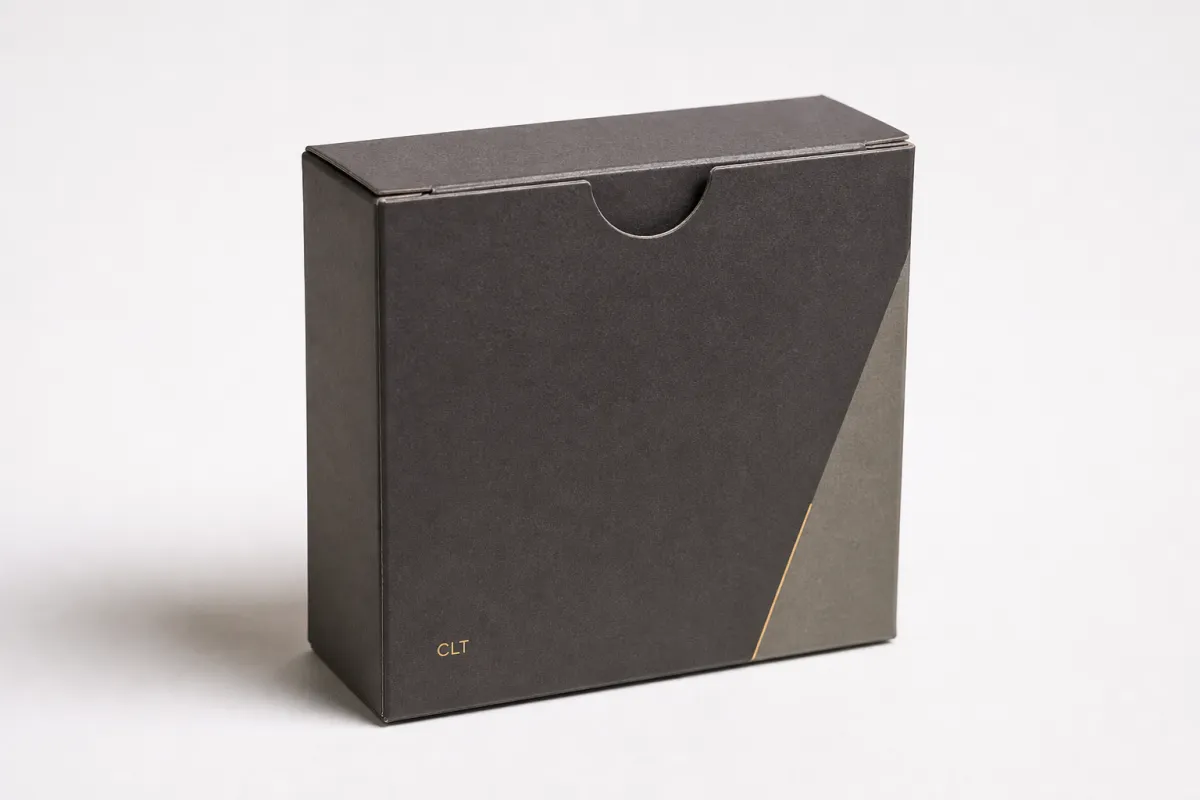
A tuck top boxes supplier can look easy to judge from a quote sheet, but the real test starts once the cartons are in your hands, folded flat, stacked on a pallet, and opened a few times by the people who actually use them. A box might look clean in a rendering and still disappoint because the board is too soft, the scores crack at the crease, or the tuck flap loosens after the first few openings. That is why the best tuck top boxes supplier is rarely the one with the lowest price at first glance. It is the one that can prove board consistency, cutting accuracy, and print alignment before your run is locked in. Once you add reprints, crushed corners, color drift, and time lost fixing preventable errors, the cheap quote can get expensive fast.
From a packaging buyer’s perspective, the decision should begin with fit, reliability, and total landed cost. A strong tuck top boxes supplier will tell you the board spec, dieline tolerance, print method, and finish details in plain language. There should be no guessing and no foggy promises that sound nice but do not hold up in production. A weak supplier leaves those details muddy until the order is already underway, and then everyone is suddenly trying to solve problems under pressure. That distinction matters whether you are ordering a retail carton, a folding box for fulfillment, or a presentation-style box with a window or specialty coating. If a supplier cannot explain how they manage stock thickness, fold memory, and trim accuracy, the quote deserves caution, not confidence.
The practical answer is simple: the right tuck top boxes supplier fits the way you actually buy packaging. Domestic plants often win on communication and revision speed. Offshore sources can win on unit price once the spec is locked and the volume is steady. A broker can reduce sourcing friction, but only if you know exactly who is producing the carton and who is responsible if defects show up. The rest of this guide compares those paths the way buyers compare them in real life, with enough detail to help you avoid a very costly learning curve. If you want a broader starting point for custom cartons, you can also review Custom Packaging Products while you narrow the spec.
Top tuck top boxes supplier options compared
Not every tuck top boxes supplier is built for the same kind of order, and that is where a lot of buyers get tripped up. Some suppliers are well suited to fast domestic runs with close communication. Others are organized for large-volume production where the spec is already fixed, artwork is approved, and transit time is part of the plan. A few are sales intermediaries rather than true manufacturers, which can help when you want one point of contact but can also make accountability harder if board quality or dieline precision slips. The goal is not to find a universal “best” supplier. The goal is to find the tuck top boxes supplier whose strengths match your production reality.
Domestic manufacturers usually perform best when the project is still moving. If the dimensions are still being refined, if color matching matters, or if you expect a few proof cycles, a local tuck top boxes supplier often saves time even when the unit price is higher. Communication is quicker, shipping is simpler, and a press-side issue can be corrected before it turns into a pallet of rejects. That matters most for Branded Retail Packaging where the carton is part of the product story. It also matters when you need FSC documentation handled cleanly, since many buyers have to satisfy internal procurement rules or retailer requirements with proper paperwork.
Offshore factories can be a smart option, but only in the right setting. A solid overseas tuck top boxes supplier may offer strong pricing on repeatable orders, especially when the quantity is high enough to spread setup costs across a long run. Freight, customs timing, and revision cycles can erase that advantage if the artwork or structure is still changing. If your team is still debating board thickness or print coverage, a low quote can turn into a false bargain. I have seen that enough times to trust the pattern: the carton price looked excellent, then the landed cost climbed once freight, rush fees, and a second sample round were added after the first approval missed a structural issue. That is a frustrating place to be, and honestly, nobody needs that kind of surprise.
Brokers and distributors sit in the middle. A brokered tuck top boxes supplier arrangement can be useful when you want one contact to manage multiple bids, but there is one question that matters more than all the rest: who is actually making the cartons? If that answer stays unclear, you do not know who controls tooling, who checks quality, or who pays when a defect gets through. That does not make every broker a poor choice. It simply means the buyer has to ask sharper questions. A dependable broker should name the production partner, explain the inspection process, and show how claims are handled. If they cannot, keep looking.
Specialty packaging suppliers are often the safest choice when the box has to do more than close. If you need a cleaner shelf face, a tighter fold, better print consistency, or repeatable reorders, a focused tuck top boxes supplier usually brings more discipline to the work. They tend to understand flap tension, coating behavior, and how print coverage affects scuff resistance. That technical awareness can save a lot of frustration, especially with metallic inks, soft-touch finishes, or a custom insert. For brands that care about unboxing and retail presence, that detail is not decoration; it is part of the carton’s job.
| Supplier Type | Best Use Case | Typical Strength | Main Risk | Best Question to Ask |
|---|---|---|---|---|
| Domestic manufacturer | Short-to-mid runs, active design changes, presentation cartons | Fast communication, easier proofing, tighter issue resolution | Higher unit cost than offshore | What exact board grade and tolerance can you hold? |
| Offshore factory | Stable, higher-volume repeat production | Lower quoted unit price on large runs | Longer lead times and freight exposure | Who covers rework if the first sample misses spec? |
| Broker or distributor | Buying through one contact, comparing multiple sources | Simple sourcing process | Hidden production chain and weaker accountability | Which plant is making the boxes and who owns quality? |
| Specialty packaging supplier | Retail cartons, premium finishes, repeat orders | Better control over print, structure, and reorders | May require more precise specs upfront | How do you manage registration, scoring, and repeatability? |
For a buyer comparing multiple quotes, the safest approach is to treat each tuck top boxes supplier as a system, not just a line item. Ask about board stock, finishing, and proofing as one package. Ask about lead time with freight included. Ask whether they support custom dielines or only work from a standard template. That round of questions usually reveals whether you are dealing with a true packaging partner or only a seller of printed cartons. For broader carton options, it can also help to review Custom Packaging Products and compare which style and structure really suit your item.
One practical point is worth keeping in mind: if the cartons will be tested through distribution, not just displayed on a shelf, ask whether the supplier has experience with transit testing or carton performance checks. A dependable tuck top boxes supplier should understand that the closure has to survive handling, stacking, and repeated opening, not only look good on day one. Small details such as score depth, board caliper, and flap length stop being small once returns start climbing.
Detailed reviews: what separates a good tuck top boxes supplier
If you want a real answer on whether a tuck top boxes supplier deserves your trust, start by handling the sample the way it will be handled in production. Does the board feel stiff enough, or does it bow when held from one end? Do the score lines fold cleanly, or do they crack at the crease? Does the tuck flap stay closed after repeated opening, or does it loosen almost immediately? Those are not cosmetic questions. They tell you whether the carton will work on a line, survive shipping, and still look good when the customer opens it. A polished render can hide a weak structure, but a physical sample cannot.
A useful sample should show several things at once. The print should hold registration across faces and folds. The corners should stay crisp without whitening or cracking. The coating or lamination should resist scuffing when the carton rubs against another pack. The closure should feel secure without being so tight that operators struggle to assemble it. A capable tuck top boxes supplier knows these behaviors matter because they affect packing speed and retail presentation. When a supplier ignores those concerns, the result is usually a carton that looks good during approval and disappoints in use.
There are also warning signs that experienced buyers notice quickly. If a tuck top boxes supplier avoids sharing a clear dieline, that is a problem. If sample requests are refused until a full order is placed, that is another problem. If the quote leaves out board grade, finish type, or delivery terms, the number is too vague to compare with anything else. Vague language is cheap at the beginning and expensive at the end. A good supplier should tell you whether they are quoting 14 pt C1S, 16 pt SBS, or a heavier board if the product needs extra rigidity. They should also explain whether the print is digital, offset, or another process, because each method behaves differently on coverage, color consistency, and cost.
Service quality matters just as much as the carton. A strong tuck top boxes supplier should help with artwork placement, proof turnaround, revision tracking, and reorder consistency. I pay close attention to the way technical questions are answered. Do they explain why a recommendation makes sense, or do they simply say it will work? Do they warn you when a coating may dull a deep black background? Do they point out a flap dimension that could clash with a product insert? That sort of response shows whether the team understands packaging mechanics or only knows how to process a purchase order. For buyers working with Custom Packaging Products, that technical back-and-forth often separates a calm order from a correction loop.
“The cheapest carton is expensive if it keeps coming back with the same problem.”
That line may sound blunt, but it reflects what happens in real packaging programs. A dependable tuck top boxes supplier should reduce risk, not simply move boxes from one point to another. The best partners speak plainly about tolerance, material behavior, and where the process can drift. They do not pretend every run is identical, because stock lots vary, coating behavior shifts slightly, and some print jobs need a careful eye on press. The goal is not perfection. The goal is control.
When you compare suppliers, ask for specific proof rather than broad claims. Request material specs. Ask for coating details. Ask how they measure die-cut accuracy and how they inspect finished cartons before shipment. If they reference industry best practices or testing standards, that helps frame the discussion, but the proof still has to show up in the sample and the production paperwork. A trustworthy tuck top boxes supplier should welcome technical questions, not avoid them.
Another useful sign is how the box behaves when flattened in bulk. If the carton does not lay flat cleanly, or if the panels spring apart because the scores are cut too aggressively, the supplier may be compensating for a weak structure with a loose layout. That may not sound dramatic, yet it can create problems in storage, packing, and shipping. A thoughtful tuck top boxes supplier builds for all three stages: shipment to you, assembly on your line, and end use by the customer.
Cost, pricing, and MOQ for a tuck top boxes supplier
Price is where many buyers begin, but it should never be where the decision ends. A tuck top boxes supplier may quote a low per-unit price and still cost more once tooling, freight, sample charges, and rework are included. The real price drivers are usually easy to name: carton size, board type, print coverage, finish, windowing, inserts, and the amount of setup required before production starts. A small carton on standard stock may be inexpensive, while a large presentation carton with full-bleed print, soft-touch lamination, and a custom insert can move up quickly. A quote only means something if every supplier is pricing the same spec.
MOQ is another place where buyers often misread the market. Smaller runs usually carry a higher unit cost because setup expense is spread across fewer pieces. That is normal. A tuck top boxes supplier willing to accept low minimums may be a strong fit for a launch test, even if the carton price looks high next to a larger run from a supplier that wants a fuller press load. Neither option is automatically better. If you are testing demand or still refining the design, smaller quantities can protect you from excess inventory. If the product is proven and replenishment is predictable, larger runs can bring down unit cost and make reorder planning simpler.
Buyers also miss hidden costs. Tooling for a custom dieline can add to the first order. Plates or setup fees may apply for offset printing. Samples may be billed separately. Freight can change the total by a meaningful amount, especially for bulky cartons. Rush fees appear when the schedule gets squeezed. Rework is the most painful cost, because it often shows up after the order should already be moving. A reliable tuck top boxes supplier states these items clearly up front instead of hiding them inside a vague “all-in” estimate that turns out not to be all in at all.
Fair comparisons depend on matching the same inputs. Same dimensions. Same board. Same print method. Same coating. Same quantity. Same delivery destination. If one quote assumes a rigid premium SBS board and another assumes a lighter stock, the numbers cannot be compared honestly. If one quote includes door-to-door freight and another leaves it out, the gap is misleading. A strong tuck top boxes supplier will help you align the spec so the comparison is useful, not theatrical. If you need to benchmark alternate packaging structures, the team at Custom Packaging Products can also help you compare options before you lock a format.
For rough planning, many simple custom tuck top cartons sit in a moderate per-unit range at mid-level quantities, while premium printed versions with specialty finishes can move much higher. I would still avoid using someone else’s price as your own baseline, because size and finish change everything. A small mailer-style tuck top box is not in the same cost category as a retail-ready carton with a window, embossing, and heavy ink coverage. A serious tuck top boxes supplier should be willing to break the quote down by component so you can see exactly where the money is going.
| Cost Factor | How It Affects Price | Buyer Tip |
|---|---|---|
| Board grade | Heavier or premium board raises cost, but improves stiffness and presentation | Match board to product weight and shelf use |
| Print coverage | Full-bleed and heavy ink coverage increase press time and waste | Confirm whether both sides are printed or only the exterior |
| Finish | Lamination, aqueous coating, UV, or soft-touch add setup and material cost | Ask how the finish affects scuff resistance and color depth |
| Quantity | Higher volume lowers unit cost, but ties up inventory | Balance storage space against unit savings |
| Freight | Bulky cartons can be costly to ship, especially across long distances | Compare delivered pricing, not just factory pricing |
One more thing buyers should keep in mind: the cheapest tuck top boxes supplier is not always the cheapest outcome. A quote that saves a few cents per unit can disappear if the cartons arrive late, if the color is off, or if the flap fit requires a manual fix on the packing line. That is why total landed cost matters more than the line item. From a procurement standpoint, the smartest move is to price the full program: production, freight, sampling, and the expected risk of correction. That is the only fair way to compare a local partner against an offshore one.
If your application needs a stronger environmental story, ask whether the tuck top boxes supplier can source FSC-certified board or recycled content paperboard, and whether they can document it properly. Sustainability claims are easy to print; documentation is the part that actually matters. For buyers who need to align with internal environmental policies or retailer requirements, it is worth checking official guidance from FSC as part of the vetting process.
Process, timeline, and lead time: from dieline to delivery
A reliable tuck top boxes supplier should be able to walk you through the production sequence without hand-waving. The normal path is brief, dieline creation, artwork placement, proofing, sample approval, production, quality check, and shipping. That sounds simple until one step slows down. If the dimensions are incomplete, the dieline may need another revision. If the artwork file is messy, proofing takes longer. If the finish is special, color checks can stretch out. If freight space is tight, shipping slips. Every experienced packaging buyer learns quickly that lead time is not one number; it is a chain of smaller tasks, and any weak link can push the schedule.
Where do delays usually happen? Missing dimensions are common. So are inconsistent product measurements, especially when the carton has to fit a physical item rather than a fixed drawing. Unclear artwork causes trouble too, especially when a brand asks for metallic ink, full flood color, or a window cut without confirming placement. Special coatings can add another approval round because the finish changes the visual effect. Seasonal congestion matters, and freight booking can be its own headache. A seasoned tuck top boxes supplier will warn you about those risk points instead of waiting until the deadline starts slipping.
The lead time for a simple unprinted tuck top carton is usually shorter than for a fully custom printed order. That sounds obvious, yet buyers still underestimate it. A plain carton may move quickly if the board is standard and the dieline is already known. A Custom Printed Carton with foil, soft-touch lamination, or an insert usually needs more proofing, more setup, and more inspection. A practical tuck top boxes supplier should give you a lead-time range tied to the actual spec, not a generic promise that production will be fast. I prefer suppliers who state the estimate in business days and separate manufacturing time from transit time. That makes planning much easier.
You can shorten the schedule by sending a complete brief on the first round. Include exact dimensions, quantity, product weight, print sides, finish preference, shipping destination, and a realistic delivery deadline. If the carton has a tight fit, mention the product tolerance. If the box will be used on a line, say so, because assembly behavior matters. A careful tuck top boxes supplier will use that information to suggest whether the structure needs a heavier board or a different tuck style. Good data at the start prevents the awkward moment when everyone discovers a fit issue after the art has already been approved.
Approval discipline matters as well. Ask how many revision rounds are included, how quickly proofs are returned, and whether the supplier can provide a physical prototype before full production. If the box is critical to retail presentation, a sample is usually worth the extra time. A flat digital mockup cannot show flap tension, fold memory, or scuff resistance. A real tuck top boxes supplier knows the sample stage is where expensive surprises should be found, not after cartons are already packed for shipment.
For buyers working across multiple packaging formats, it helps to connect tuck top carton timing with the rest of the launch plan. If labels, inserts, or outer shipping cartons are still moving, the packaging schedule can collide quickly. That is another reason to keep your tuck top boxes supplier informed about the broader timeline. A supplier that can coordinate with your packaging plan instead of only quoting a carton helps the project move with less friction. That kind of coordination is especially useful when the product also needs companion materials from Custom Packaging Products.
As a practical rule, ask these questions before approval:
- How long do you need for the first proof and any revision rounds?
- Can you provide a sample or prototype before production starts?
- What happens if the artwork changes after approval?
- Which part of the timeline is most likely to slip?
- How do you handle urgent reorder requests later?
If a tuck top boxes supplier can answer those questions clearly, that is usually a better sign than any sales pitch. A supplier who knows their own process is easier to trust than one who sells speed without explaining the steps behind it. For packaging buyers, transparency on timeline is not a bonus. It is part of the service.
How to choose the right tuck top boxes supplier
The easiest way to choose a tuck top boxes supplier is to stop treating every quote as a standalone deal and start comparing them with a scorecard. I like to rank suppliers on six points: price, print quality, structural performance, communication, sustainability, and lead time. That pushes the conversation away from vague promises and toward what actually matters once the cartons are in use. A low-cost supplier with weak communication can become the most expensive option in the room. A slightly higher-priced supplier with better repeatability may be the safer choice if your program depends on steady replenishment.
Supplier strength should also match the use case. For retail shelf packaging, color consistency and finish quality usually outrank everything else because the box is part of the merchandising story. For subscription or fulfillment packaging, repeatability and assembly speed matter more. For shipping-related use, structure becomes the priority because the carton has to survive handling without looking tired or crushed. A capable tuck top boxes supplier will not push the same solution for every application. They will ask what the box has to do, not only what it should look like.
Smaller brands often value responsiveness and sampling support more than the absolute lowest quote. That makes sense. If you are launching a new product, you need room to adjust, and the cost of a mistake can be large relative to the order size. Bigger brands usually care most about repeatability, predictable replenishment, and the supplier’s ability to hold the same result over multiple runs. In both cases, the right tuck top boxes supplier is the one that fits the stage of the business. A startup and a mature brand do not need the same packaging relationship.
Proof matters more than promises. Ask for sample photos, board specs, coating details, tolerance information, and a written quality-control process. If the supplier talks about environmental goals, ask for documentation rather than a slogan. If they mention compliance, ask how they test or inspect. A trustworthy tuck top boxes supplier should be comfortable showing how the carton is made, checked, and packed. That may include references to standard packaging practices, material certifications, or transport performance tests. Packaging professionals know the details are where the truth lives.
Reorder frequency changes the decision too. If you expect to reorder often, consistency becomes more valuable than chasing the lowest first-run price. If the product is seasonal or experimental, flexibility may matter more than long-term savings. A smart tuck top boxes supplier understands those trade-offs and helps you design the spec around them. That may mean recommending a slightly heavier board, a different coating, or a cleaner dieline if the goal is to reduce damage and improve assembly. Honest advice like that is usually worth more than a small price cut.
Here is a simple way to decide:
- Confirm your carton dimensions and product weight.
- Decide whether the box is for retail, fulfillment, or shipping.
- Compare three suppliers with the same spec sheet.
- Ask each tuck top boxes supplier for a sample or prototype if the fit is tight.
- Choose the one that gives the best balance of quality, clarity, and delivered cost.
For buyers who want a broader packaging partner rather than a one-off quote, look for a tuck top boxes supplier that can also support related packaging components and future reorder needs. That kind of relationship reduces friction over time because the supplier already understands your structure, your artwork style, and your production expectations. A well-matched supplier makes repeat runs much easier to manage, which is exactly what most brands want once the product is live.
Our recommendation: next steps with your tuck top boxes supplier
If you are serious about finding the right tuck top boxes supplier, build one clean spec sheet before you ask for quotes. Include dimensions, quantity, board grade, print method, finish, deadline, and shipping address. That one step removes a lot of noise. It also makes each quote easier to compare because every supplier is responding to the same brief. Once the spec is clean, request two or three apples-to-apples quotes from different supplier types so you can see the trade-offs clearly. A domestic quote, an offshore quote, and a specialty packaging quote often tell very different stories, and that contrast is useful.
For any carton that has a tight fit, premium finish, or critical shelf presence, order a physical sample or prototype first. A mockup on a screen cannot show flap tension, board stiffness, or how a coating handles scuffing. That is why a good tuck top boxes supplier will not resist sample requests. They know the sample is where confidence is built. If the sample works, you move forward with less risk. If it does not, you have saved yourself from a bigger problem.
When you review the decision, keep the ranking simple: consistency first, communication second, price third. Then confirm the supplier can repeat the result on future orders without changing the feel, the color, or the assembly behavior. That is where a real tuck top boxes supplier earns long-term trust. Anyone can be cheap once. Fewer can be reliable twice, and that matters much more for packaging programs that need to keep moving.
My honest recommendation is to choose the tuck top boxes supplier that can prove reliability on paper and in hand, not the one that only looks cheapest in the inbox. A carton that folds cleanly, prints consistently, and arrives on time is worth more than a quote that looks clever but creates extra work later. If you want to keep the process focused, stay with suppliers who talk plainly about materials, tolerances, and lead time, and who can support the rest of your packaging plan through Custom Packaging Products when you need them.
How do I compare tuck top boxes supplier quotes fairly?
Make sure every quote uses the same dimensions, board grade, print method, finish, and quantity before comparing prices. Ask whether tooling, proofs, samples, freight, and rush charges are included, because those costs can change the real total fast. Compare landed cost and lead time together so you do not choose a lower quote that creates delays or rework later.
What MOQ is normal for a tuck top boxes supplier?
MOQ depends on whether the box is plain, printed, or finished with coatings or special die cuts. Smaller runs are possible, but the unit price usually rises because setup costs are spread over fewer boxes. If you are launching a new product, ask for sample-friendly minimums first, then scale up after demand is proven.
How long does a tuck top boxes supplier usually need for custom orders?
The timeline usually includes artwork proofing, sample approval, production, and shipping, so the total can stretch longer than buyers expect. Simple unprinted boxes move faster than custom printed boxes with coatings, inserts, or special registration requirements. You can reduce delays by sending exact specs, clean artwork files, and a realistic delivery date from the start.
What should a sample from a tuck top boxes supplier prove?
The sample should show correct size, strong score lines, smooth folding, and a secure tuck closure that does not spring open. Check color, print alignment, coating feel, and whether the board resists crushing at the corners and flap edges. If the sample feels flimsy or the print is off, treat that as a warning sign before you place a larger order.
Should I choose a local or offshore tuck top boxes supplier?
Choose local if you value faster communication, easier revisions, and lower risk on urgent or highly customized projects. Choose offshore if you have stable specs, larger volumes, and enough time to absorb longer freight and approval cycles. The best choice depends on how much risk you can tolerate, not just on the quoted unit price.


