Streetwear beanies usually do not fail because the color is wrong. They fail when the blank looks thin in a product photo, or when the cuff collapses after one wear and the whole piece suddenly feels cheaper than the brand intended. Why settle for a low quote if the hat will undercut the drop anyway? That is why sourcing a Ribbed Knit Beanies wholesale supplier for streetwear brand buyers is less about chasing the lowest number and more about finding a factory that can hold shape, reproduce color consistently, and keep decoration clean under real production conditions.
Ribbing matters because it gives the beanie structure before the logo even shows up. The vertical texture creates a more intentional surface, the cuff sits cleaner, and embroidery has a better base to grab onto. Flat knit can work in some cases. On streetwear product pages, though, it often fades into the background. Ribbed knits photograph with more depth, and that depth helps a lot in a category where visual weight influences perceived value almost as much as warmth does.
The best versions are not flashy. They are disciplined. A good cuffed ribbed beanie holds its line, fits a range of head sizes without bagging out, and gives the brand enough real estate for a logo, woven patch, or knit-in mark without crowding the surface. That combination is why ribbed styles outsell generic winter hats in so many streetwear lines: they look deliberate, not disposable.
A beanie that reads premium in a photo usually sells faster than one that is technically warm but visually flat.
Deliberate wins.
That simple truth drives a lot of buying decisions. Once a brand finds a silhouette that works, it can rotate colors and graphics across seasons without redesigning the entire product. That saves time, lowers development risk, and makes reorders easier to manage. In a category built on fast drops and tight margins, those are not small advantages.
Why Ribbed Knit Beanies Outsell Generic Winter Hats
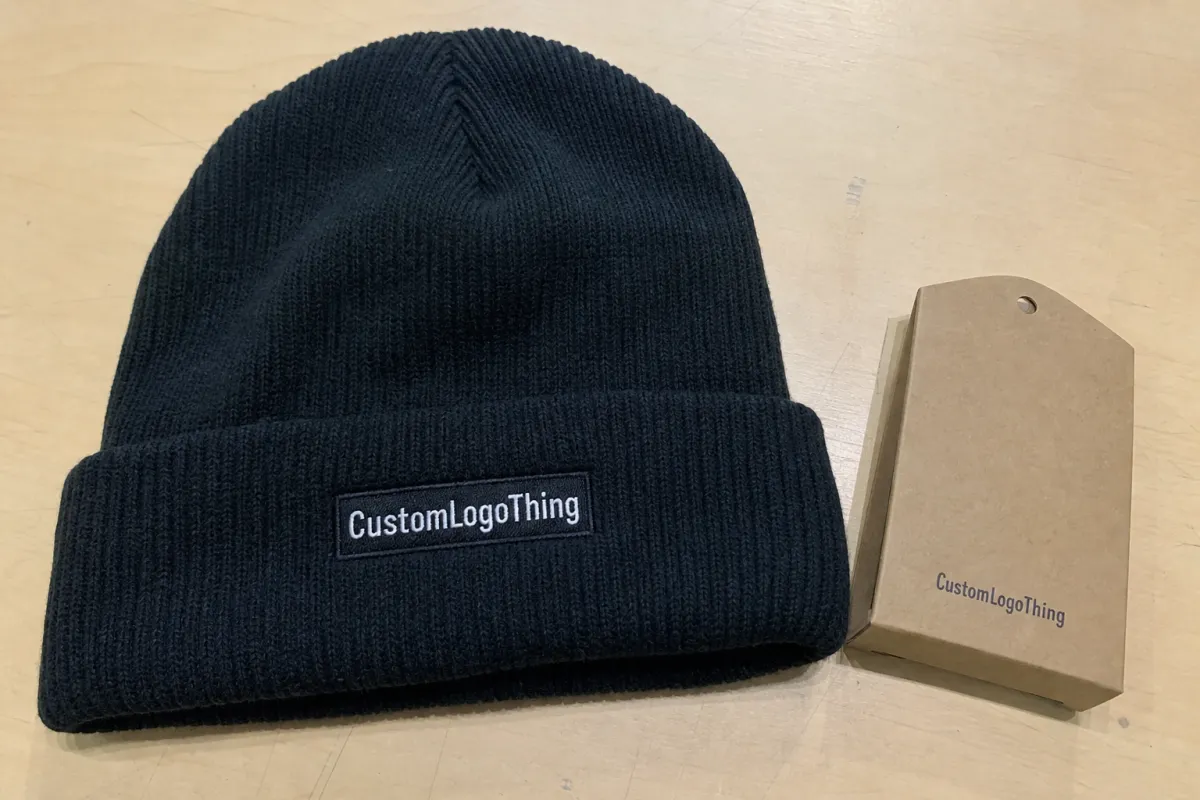
A lot of winter headwear is bought the wrong way. Teams start with price, then add a logo, then hope the product does the rest. That approach usually produces a beanie that is warm enough but forgettable on the shelf or screen. Ribbed knits change the equation because the texture does some of the visual work the logo would otherwise need to carry on its own.
The structure is the first advantage. Ribbing helps the hat recover after stretching, which matters when a product gets pulled on and off throughout a season. It also makes the surface appear denser, even when the yarn is not especially heavy. That visual density is one reason ribbed beanies tend to read more premium in a lineup of accessories.
Photography is the second advantage. Light catches the vertical ridges and creates more definition, so the beanie looks sharper in product shots, lookbooks, and social content. A subtle change in knit structure can make a large difference in how the item feels online. Buyers know this, even if they do not phrase it in technical language. They just see which pieces get saved, clicked, and reordered.
There is also a practical merchandising angle. Ribbed beanies can support core black, heather gray, olive, bone, and other staple colors without looking generic. The same base silhouette can carry retail, event merch, and short-run capsule drops because the texture gives it continuity. That makes the style easier to repeat without feeling stale.
What is the point of a logo if the base looks flimsy?
One more reason the category performs well: it leaves room for restraint. Streetwear does not always need louder graphics. Sometimes the most effective accessory is the one that looks resolved from ten feet away and even better from two.
- Shape retention: the cuff and crown are less likely to collapse after wear.
- Better branding surface: embroidery and patches sit more cleanly on a ribbed base.
- More versatile use: one silhouette can support multiple drops and channels.
Fabric, Fit, and Cuff Details Streetwear Buyers Should Check
Fabric choice changes more than hand feel. It affects stretch recovery, pilling, warmth, and how well the beanie survives repeated wear. Acrylic remains the lowest-cost and most scalable option. It gives predictable color matching, which is useful when a brand wants a uniform run across several SKUs. Acrylic-wool blends cost more, but they often feel richer and can improve the perceived value of the product. Recycled yarn blends make sense when sustainability claims are part of the brief, though they still need testing for color stability and stitch consistency.
Gauge is equally important. A tighter rib, often 1x1 or 2x2, usually looks cleaner and holds its shape better. A looser knit can drift into soft or sloppy territory unless the yarn quality is strong enough to compensate. Two beanies can sit at nearly the same factory price and perform very differently because one has a denser knit and better recovery. That difference is visible on head, not just on paper.
Cuff height changes the product in quiet ways. A shorter cuff can feel minimal and modern, but it leaves less room for branding and can make logo placement more difficult. A taller cuff gives a safer decoration zone and usually keeps fold consistency better across bulk units. For streetwear buyers, this is where fit testing matters. A sample that looks perfect on one head size can sit awkwardly on another if the crown depth is too shallow or the cuff is too rigid.
Measure the spec sheet carefully before committing to bulk:
- Yarn blend: acrylic, acrylic-wool, or recycled blend.
- Gauge: dense enough to keep edges stable and decoration readable.
- Cuff height: enough space for branding without crowding the knit.
- Crown depth: deep enough to sit comfortably without collapsing.
Those four details decide whether the beanie looks like a considered product or a generic blank with a logo attached. That sounds blunt because it is. Buyers who stay close to the spec sheet usually avoid the expensive surprises.
Ribbed Knit Beanies Wholesale Supplier for Streetwear Brand Buyers: Pricing, MOQ, and Quote Basics
Pricing changes with more variables than most first-time buyers expect. Yarn blend, stitch density, decoration method, packaging, and color count all move the number. A basic blank acrylic ribbed beanie might land around $1.20-$2.10 per unit in larger quantities. Once embroidery, a woven patch, custom labels, or premium yarn enter the brief, the range often moves closer to $2.80-$5.80 per unit. Smaller runs usually cost more per piece, especially if the supplier needs to source a new color or set up a custom decoration process.
MOQ depends on the build. For simpler production, 100-300 pieces per color is a common starting point. More complex orders often sit at 300-500 pieces total or higher if the factory is doing custom packaging, specialty yarns, or more involved branding. Lower MOQs are possible, but they usually come with tradeoffs: fewer colorways, fewer trim options, or less room for customization. That is normal manufacturing math, not a supplier being difficult.
Quotes should be more than a single line item. A useful quote breaks out the sample fee, setup charges, unit price, packing cost, shipping terms, and any added cost for labels or special trims. If the response only includes one number, it is missing too much to make a buying decision. The factory may be estimating, or it may be leaving out the parts that show up later and eat margin.
Details decide margin.
Ask for a written breakdown every time. Then compare like for like, not just the lowest headline price.
Process, Production Steps, and Lead Time Expectations
The production flow is usually simple on paper and slower in practice. First comes sampling, then yarn sourcing, then knitting, then washing or finishing, then branding, and finally packing. Each step can shift the calendar if the factory is waiting on approval or if one small detail changes after the sample is approved. That is why lead times are better treated as ranges, not promises carved in stone.
A standard beanie program often needs 2-4 weeks for sampling and 15-30 days for bulk production after approval. Custom yarns, embroidered panels, or special packaging can add more time. If the order needs a new color match or a revised label layout, the clock usually resets in small but expensive ways. Build in buffer. It protects launch dates and keeps the team from making rushed compromises.
Communication matters just as much as machinery. A responsive supplier can save a weak project, while a slow one can turn a good brief into a late shipment. Good factories answer questions clearly, confirm measurements, and flag risks before production starts. That kind of friction is useful. It means the supplier is paying attention.
Logo Placement, Labels, and Packaging That Match Streetwear Drops
Decoration should fit the silhouette, not fight it. A small woven patch can feel refined on a dense ribbed cuff, while embroidery gives a more classic streetwear read. Knit-in logos look strongest when the design is simple and the yarn colors contrast well. The wrong approach is to overdecorate a compact beanie and force the surface to carry too much information.
Placement changes the entire mood. Center-front branding is obvious, but it is not always the most premium choice. Side placement, subtle cuff embroidery, or a fold-over label can look more edited and make the hat feel less promotional. That matters for brands that want the accessory to sit beside apparel rather than scream for attention.
Packaging should support the price point. A polybag can work for basics, but branded belly bands, hangtags, or simple recyclable boxes often improve the unboxing experience and make the product easier to retail. If the beanie is part of a limited drop, the packaging should feel like it belongs to the same story. Cohesion sells.
Quality Checks, Sampling, and Mistakes That Kill Margin
Sampling is where most expensive mistakes show up early, which is exactly why it should never be rushed. Check the stretch, the recovery, the cuff memory, the stitching around the logo, and the color under daylight and indoor light. A sample that only looks good in one condition is not finished. It is a warning.
Common mistakes are easy to name and costly to ignore. Buyers approve a knit that is too loose, a cuff that folds unevenly, or a decoration method that sits awkwardly on the ribbing. They also forget to ask how the final production batch will be checked, which leaves room for size drift between samples and bulk goods. That drift is small on paper and obvious in a shipment.
What should a buyer inspect first?
Start with fit, then look at finish. If the beanie does not sit well on the head, nothing else matters very much.
Ask for photos from the factory floor, not just studio shots. Then compare the sample against the spec sheet line by line.
How to Compare Suppliers Before You Place a Bulk Order
Comparing suppliers is easier when the brief is specific. Send the same request to each factory, with the same yarn notes, sizing targets, decoration method, packaging needs, and target quantity. If one quote is much lower, find out why. The reason may be efficient production, or it may be missing work that appears later as extra charges.
Look beyond price. A stronger supplier will explain lead time, call out risks, and offer alternatives if a material or decoration choice is likely to cause trouble. Ask for previous examples that match your product goal, not just generic beanie photos. Relevant proof matters more than polished marketing.
Reliability is the real differentiator. A factory that answers slowly during quoting will usually move slowly during production too. The safest partner is not always the loudest one. It is the one that stays clear, consistent, and accountable from the first message to the final carton.
Next Steps to Order Ribbed Knit Beanies Without Guesswork
If you want a ribbed knit beanie program that performs well, begin with the spec sheet. Then decide on fabric, cuff height, branding method, and packaging before asking for numbers. That order reduces confusion and makes supplier responses easier to compare. It also keeps the project from drifting into vague revisions.
Then request samples from at least two factories and review them under the conditions your customers will actually see. Natural light, flash, and wear all reveal different problems. The best beanie is not the one that looks perfect in isolation. It is the one that still looks good after the first wear, the first photo, and the first reorder.
FAQs
What makes ribbed knit beanies better for streetwear?
They hold shape better, photograph more cleanly, and give branding a more structured surface than many flat knit alternatives.
How much do ribbed knit beanies cost wholesale?
Basic acrylic versions can start around $1.20-$2.10 per unit, while customized styles often move into the $2.80-$5.80 per unit range depending on materials and decoration.
What MOQs should buyers expect?
Simple orders often start around 100-300 pieces per color, while more complex projects may need 300-500 pieces total or more.
How long does production take?
Sampling often takes 2-4 weeks, and bulk production commonly needs 15-30 days after approval, with longer timelines for custom materials or packaging.


