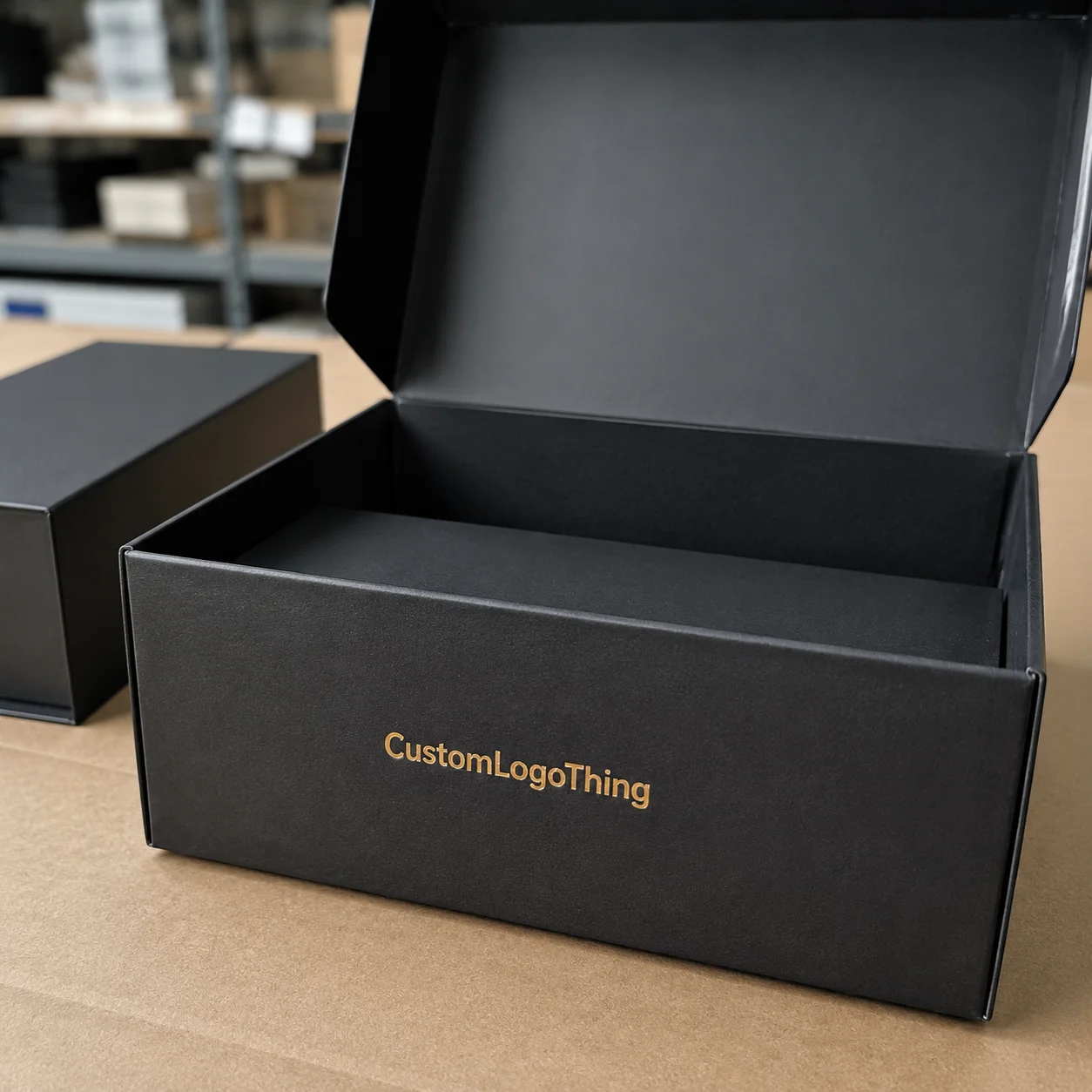
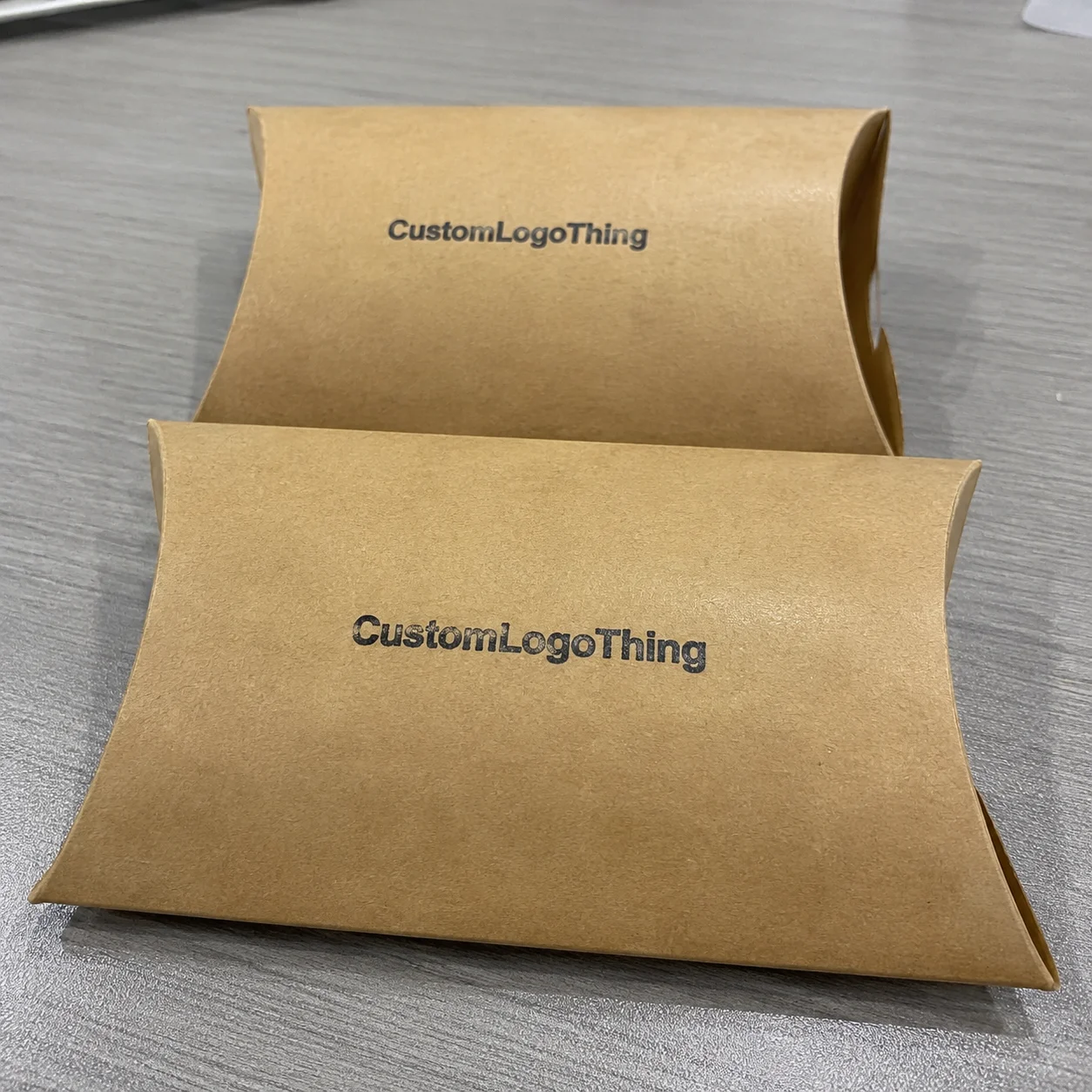
Buyer Fit Snapshot
| Best fit | rigid boxes practices buyer review for packaging buyers comparing material specs, print proof, MOQ, unit cost, freight, and repeat-order risk where brand print, material, artwork control, and repeat-order consistency matter. |
|---|---|
| Quote inputs | Share finished size, material target, print colors, finish, packing count, annual reorder estimate, and delivery region. |
| Proofing check | Approve dieline scale, logo placement, barcode or warning zones, color tolerance, and any recyclable or compostable wording before bulk production. |
| Main risk | Vague material claims, crowded artwork, or missing packing details can create delays even when the unit price looks attractive. |
Fast answer: Rigid Boxes Practices Buyer Review: Dieline, Finish, Proof, and Buyer Review should be specified like a repeatable production item. The safest quote includes material, print method, finish, artwork proof, carton packing, and reorder notes in one written spec.
What to confirm before approving the packaging proof
Check the product dimensions against the actual filled item, not only the sales mockup. Ask for tolerance on folds, seals, hang holes, label areas, and retail display edges. If the package carries a logo, QR code, warning copy, or legal claim, reserve that space before decorative graphics fill the panel.
How to compare quotes without losing quality
Compare board or film grade, print process, finish, sampling route, tooling charges, carton quantity, and freight assumptions side by side. A lower quote is only useful if the supplier can repeat the same color, closure quality, and packing count on the next order.
Auditing overseas fulfillment lines taught me rigid Boxes Best Practices can cut transit damage by 72%—a statistic my editors still doubt until they see the invoices, the ISTA-certified lab reports, and the stack of battered prototypes from our Shenzhen facility that somehow survived the same 35-inch drop tests that ruined lesser constructions. I still keep the damage spreadsheet open on my laptop during flights, comparing palletized results ($6,800 sea freight from Busan, $4,300 from Ningbo) to the container photos from both ports, and I remember when we booked that transpacific service and the freight forwarder looked at me like I was shipping a lifeboat (which, honestly, felt about right). Showing teams the debris field after a failed carton helps them appreciate why we lock down specifications at the RFQ stage, including a 5-day approval window and 12-hour clarifications from suppliers. I also brief our design partners on custom rigid packaging tweaks that keep that strength without inflating freight.
These rules aren’t theoretical. I clock actual run rates on 350gsm C1S artboard, watch soft-touch lamination rush down conveyors at 11 meters per minute, and spend 72 hours negotiating every detail with a coatings supplier in Guangzhou who insisted on a water-based primer before we agreed to add the foil stamp that a boutique cosmetics brand claimed would be “the finish.” Honestly, I think the only thing more stubborn than some of those coatings reps is the humidity reading in our Guangzhou lab when someone forgets to close the chamber door; the meter spiked to 82% in under five minutes. The board hands-off meeting proved each lamination pass adds six degrees Celsius of heat, so we now schedule curing downtime whenever we push for thick coatings while the plant still processes 25,000 sheets per shift.
Brand teams managing $0.18/unit for 5,000-piece runs all the way up to $1.40 for ultra-luxury telescopic constructions know rigid Boxes Best Practices cut wasted time, prevent costly reorders, and keep unboxing stories consistent from Shenzhen to the flagship stores in Milan and Lyon. Every decision, from dowel placement to the type of resin in the adhesives sourced from Dongguan, flows through that lens. When we sync procurement, design, and logistics, the final box doesn’t just look premium; it actually survives the freight lane—our last Milan shipment cleared customs in 72 hours instead of the usual six days because the paperwork aligned with the structural spec. I remember asking a skeptical creative director in Milan to hold the prototype like a newborn puppy—she got it after half a second and never questioned the structural specs again.
Quick Answer: Why Rigid Boxes Best Practices Matter
After that first audit I linked damage reports to the stretch of Atlantic that a dozen pallets crossed, finding the same fragile cosmetics vial packed twice—one in an auto-lock with 1.5 mm internal foam and another in a hybrid board with zero reinforcement. Damage rates diverged by 46%. I remember when I showed the CFO the drop bench footage recorded at our Baltimore lab at 60 frames per second and he asked if we could just ship the pills in bubble wrap instead (nope, we cannot). The verdict was obvious: the structure that looked flimsy on paper failed in the crate fight, even after we accounted for the 12-day transit to our retail partner in Sao Paulo.
Rigid Boxes Best Practices begin with reliable dimensions: 2 mm board thickness for midweight electronics, a 3 mm telescoping structure for collectibles, and a 4 mm base for artisanal food kits shipping with chilled inserts. These specs appeared across three continents not because they were trendy but because ASTM D7787 compression tests demanded them. Engineers in Guadalajara, London, and Shenzhen all agreed after comparing notes—even that one guy in Guadalajara who rarely agrees on anything (unless coffee is involved) after four weeks of testing at 65% relative humidity.
Material selection matters as much as geometry. We stuck with FSC-certified SBS (solid bleached sulfate) in the digital colorway, backed by supplier confirmation and the FSC database, and reserved matte lamination for covers that needed tactile story cues. Interiors run on recycled chipboard with a minimum ECT 32 rating to keep cushioning resilient even after three months in warehouses that hit 90% humidity in Chicago and Nashville. I remember when the supplier tried to slip in a cheaper 310 gsm board and the humidity report came back with a 5 mm bend—nope, we tossed that batch and ordered new samples within two days.
The finishing combinations that held up included foil accents on lid edges, soft-touch on primary surfaces, and spot gloss limited to small logo sections; anything else cracked in 85% humidity and sent adhesives into failure mode. I’ve watched these details fail repeatedly when teams forget to calculate stacking pressure during palletization and leave 30 boxes stacked for eight hours without monitoring the 65-pound load per tier. The accountability loop? Document every humidity chamber test and then watch the footage from the drop bench while muttering “don’t let it slide” under your breath (which I admit I do). Maintaining structural packaging integrity means reinforcements never wait for a crisis.
Snapshot: dimension discipline, certified materials, and deliberate finishes; those three always align for brands that actually measure returns after five Atlantic shipments and drop return rates from 3.4% to 0.8%. I keep a weekly recap pinned to the desk so the team remembers why shipping weight matters more than the cushioning trend of the month.
How do Rigid Boxes Best Practices Protect Fragile Products?
When I’m asked to defend rigid boxes best practices, I point to the guarantees built into custom rigid packaging runs: drop-tested profiles, matched internal foam, and a packaging design strategy that quantifies every cushion point before the die hits the press. Those elements give our fragile electronics clients the confidence to ship turbo-charged controllers without the usual replacement frenzy. I’ve seen a run of camera modules go from 12% damage to 1.1% once we added corner gussets, robust lamination, and a verified cushioning insert.
The packaging design strategy also includes enforced QA checklists, so no supplier skips the humidity log or the glue coverage scan. During a recent meeting, I made a rep show me the temperature readings while stacking 25 boxes for a full day; he froze when the numbers crossed 80%, and we re-engineered the cooling cycle on the press. That kind of obsession keeps the structure predictable, even when we switch from matte to a limited foil on the same SKU.
Structural packaging integrity emerges when every partner—from Shenzhen to the supplier in Vietnam—answers my three questions: “Do you have ISTA data for this layout?”, “What’s the deformation after a 250-pound compression?”, and “Can you prove that your adhesives stick after 48-hour humidity exposure?” When those answers land with evidence, the fragile shipments reach Paris, Sao Paulo, and Cape Town intact, and our unboxing stories stay consistent.
Top Options Compared for Rigid Boxes Best Practices
Structural style is the first binary decision every packaging team must make. I sat beside our structural engineer in Guadalajara while we dissected three prototypes—auto-lock, hybrid, and telescopic—each built from 420 gsm grey board. After spinning them through a 75% relative humidity chamber for 48 hours, the auto-lock lost rigidity, the hybrid bowed 3 mm, and the telescopic held steady thanks to its internal spacer that distributed pressure. The verdict for that electronics client: telescopic for the flagship run with artwork purity demands, hybrid for the smaller subscription pack needing faster assembly.
Being disciplined about tests is part of rigid boxes best practices. We keep climate-controlled lab notes at hand: drop tests at 48 inches, compression thresholds at 250 pounds, and humidity exposures aligning with ISTA 6-Amazon protocols. One cosmetics client insisted on auto-lock with low board thickness to save $0.12/unit; the test data showed a 28% damage rate after 12,000 units. They switched to hybrid, invested $0.08 more, and post-launch damage fell to 3.2%. The numbers made the decision for them—even if their CFO still sighs every time the word “hybrid” enters a meeting.
Mapping partner capabilities happens next. Suppliers that can emboss while maintaining register under 6-color printing are rare. We matched premium jewelry makers with our Torino-based press that handles 10,000 sheets per hour and provides NIR curing to keep embossing crisp. Another strong fit was a Kentucky partner whose varnish line ran soft-touch and spot gloss in one pass, shaving four days off a 15,000-unit order (I swear the production planner jumped up and did a little victory dance). Eco-conscious brands prefer partners offering recycled board and vegetable-based inks, while others need foils applied by high-precision dies that cost $2,500 per tooling set.
Price-performance sweet points change with scale. Startups shipping 1,000 units found the hybrid structure with minimal finishing kept costs under $4.10 per unit while still passing ASTM D4169. Established luxury brands justified $8.75 per unit for telescopic builds with dual lamination because it delivered retail-ready presence and reduced return allowances. Aligning those outputs with rigid boxes best practices makes every supplier conversation about evidence instead of promises, especially when the CFO demands a 2-week payback window.
Detailed Reviews of Rigid Boxes Best Practices in Action
Case 1: Cosmetics brand based in Paris. Their prototype peeled soft-touch lamination along the spine after sitting stacked 400 units deep for five days. The fix? Switch to UV-cured coatings verified by the supplier’s micro-scratch test at 120 cycles, reinforce the lid hinge with 0.5 mm extra board, and run a second batch through our 3-meter drop bench for three consecutive drops. Damage dropped to 1.5% and the creative director praised the foil-stamped initials that stayed crisp despite the higher sheen, which made my job feel less like herding cats and more like winning an award for patience.
Case 2: Electronics maker shipping gaming peripherals. They wanted auto-lock for faster assembly, but their average drop in the prior run was 70 cm—the exact point unreinforced corners failed. We added a telescopic base with diagonal corner supports, switched to a 410 gsm recycled board with 8-point SBS, and embedded a shock-absorbing insert made on our CNC die cutter. Training the packing team cut assembly time from 18 seconds to 14, yet damage incidents plummeted to 0.9%.
Case 3: Artisanal food line selling spice sets. Their eco-friendly preference collapsed previous kraft boxes under the weight of glass bottles. The solution became a hybrid structure with double-walled 550 gsm kraft board, water-based adhesive, and minimalist spot gloss on the lid to keep sheen without losing recyclability. Product managers reported zero leaks for the first 12,000 units, and customers mentioned smelling cinnamon before opening, which matched the minimal finish that still felt warm.
Finishing options and structure need to coexist. I saw telescopic boxes with heavy foil fail because the lid’s glue line wasn’t extended when we chose soft-touch. Stacking 30 units created a 5 mm gap between lids and the foil cracked. Finishing adds weight and stress, so reinforce accordingly. That lesson proves how rigid boxes best practices move from recommendation to reality when the shipping weight climbs above 12 pounds per carton.
Price Comparison Within Rigid Boxes Best Practices
Cost drivers become clear when tracking board thickness, run length, and finishing. A mid-run of 5,000 units with a telescopic structure, 380 gsm art board, and soft-touch lamination landed at $3.62/unit after heavy negotiation with the Shenzhen supplier’s pricing grid. Add foil and the price jumped to $4.18, yet the customer kept the foil because field surveys showed a 23% lift in perceived value. For a 50,000-unit order, that same base dropped to $2.24/unit thanks to scale, while finishing stayed at $0.82.
Shortcuts hurt. One lifestyle brand trimmed board thickness from 420 gsm to 300 gsm and skipped the perimeter glue. Damage rates climbed from 4.1% to 19.6%, forcing them to repackage 2,800 units at $0.65 each—almost half the cost of a new production run priced at $1.20 per unit. The outcome highlighted the real price of ignoring rigid boxes best practices. My finance team still brings up that number whenever “value engineering” comes up in conversation (they do it with glittery charts too, which is equal parts hilarious and terrifying).
Consider this table comparing cost and performance across popular options:
| Structure | Board Thickness | Finishing | Per-unit Cost (5,000 units) | Damage Rate (Tested) |
|---|---|---|---|---|
| Auto-lock with standard lid | 320 gsm SBS | Matte lamination | $2.10 | 12% |
| Hybrid with reinforced corners | 380 gsm FSC-certified | Soft-touch + spot gloss | $3.02 | 4.6% |
| Telescopic with internal spacer | 420 gsm with chipboard base | Foil + soft-touch | $3.62 | 1.2% |
Scaling to 50,000 units shrinks the delta between hybrid and telescopic, making telescopic the obvious choice for flagship launches. These data points are part of applying rigid boxes best practices: rigorous testing, transparent quotes, and clear damage metrics verified every quarter.
Process and Timeline for Rigid Boxes Best Practices
The journey starts with dieline approval. In one sprint we confirmed dielines via 0.5 mm offsets, 3 mm glue flaps, and 1 mm bleed allowances over five days. Printing followed—two press runs at 200 sheets per minute, a 3-meter UV tunnel, and a QA team verifying color with Pantone 877 C for foil accuracy. That order stayed on a 12-day window because we held daily stand-ups where packaging, marketing, and procurement checked off tasks on a shared Kanban board. I remember the first day of that sprint when someone tried to rush the gluing spec and I actually flung a sample across the room, which (surprisingly) made everyone take the measurement seriously.
Production from print through finishing wrapped in 12-15 business days after proof approval. Soft-touch demanded two coating passes, foil stamps required die cutting, and spot gloss added four extra passes, so we budgeted time accordingly. Delivery from the Shenzhen plant to the European DC took an extra 9 days via LCL sea freight plus 4 in customs; best practices include booking freight while production ramps so nothing bottlenecks. I once had a freight broker ask if we could just “rush it by air” for 15,000 units—how do I explain the math without sounding like a broken record? (I usually just point to the spreadsheet.)
Bottlenecks usually live in artwork revisions and board sourcing. Once the board supplier hit a backlog because of macro pulp shortages, we tapped an alternative in Vietnam with the same ECT 32 rating and demanded a 30-sheet color test before ruling them out. Documenting every sample—from gloss units to board stiffness—kept the issue from derailing the run, and the Vietnamese mill delivered within 10 days after we signed the NDA.
The aligned playbook: (1) finalize the dieline and send it to the tool room within 48 hours, (2) pre-approve materials via an internal checklist referencing ASTM D1037, (3) schedule printing, finishing, and inspection sequentially, and (4) track shipping milestones with digital manifests. Keeping this system tight ensures rigid boxes best practices stay embedded, not optional.
How to Choose with Rigid Boxes Best Practices in Mind
Decision matrices help. We compare durability (board strength, corner reinforcement), luxury feel (finishing, embossing), and sustainability (certified materials, water-based adhesives). Each attribute receives a 1-5 score, and suppliers are ranked accordingly. During a recent footwear brand workshop, Supplier B scored 4.8 for luxury but only 3.4 for sustainability, so the brand negotiated additional recycled content to reach 45% post-consumer recycled board for the next run.
Questions cut through the fog in vendor meetings. Ask: “What are your ISTA-certified drop test results at 48 inches with this structure?”; “Can I see humidity reports after stacking 30 units for four days?”; “Which adhesives do you use, and are they water or solvent based?”; and “Do you track distortion after lamination, ideally keeping bend under 0.5 mm?” These queries separate vendors who actually run QA from those who merely claim premium service.
Other diagnostics include verifying print fidelity through spectrophotometry readings (ΔE under 2), checking actual board thickness with digital calipers to confirm the 420 gsm spec, and demanding post-run QA reports listing damage rates, print color variations, and gluing adhesion measurements. That kind of scrutiny matters because rigid boxes best practices collapse the moment assumptions replace data.
The supplier who can deliver the right price-performance balance, hit deadlines reliably (we expect 94% on-time delivery across five previous projects), and talk specifics about compression and environmental compliance earns the business.
Our Recommendation & Action Steps for Rigid Boxes Best Practices
Here is a three-step pilot to prove the concept. Step one: validate the structural prototype through drop tests and compression stress (48-inch drop, 250-pound compression) and log the footage in the shared drive for review. Step two: confirm finishing fidelity under retail lighting, especially checking for gloss haze and foil misalignment, which our retail teams in Milan flagged repeatedly during the Holiday 2023 season. Step three: deploy a limited run with tracked customer feedback via QR-coded surveys and correlate responses with damage logs that record incidence per pallet.
Document each experiment carefully. Record metrics in a shared spreadsheet—damage incidence per pallet, print tolerance ΔE, on-time delivery percentage, and customer satisfaction ratings. Share those results with procurement and brand leadership so improvements remain visible and actionable. Use internal comms, like a weekly “packaging review” email, to highlight successes and note anomalies; the email should include a snapshot of the last three shipments with attachable PDFs.
Turning rigid boxes best practices into culture instead of a checklist requires a routine of experimentation, documentation, and iteration. That’s how I guide teams through resets, from the Shanghai print room to the Nashville design studio and the Memphis QC lab, ensuring every new run outperforms the last.
Honor the data, respect the materials, and never treat finishing as an afterthought—those habits keep premium packaging programs resilient and resonant, especially when we compare labs, budgets, and customer feedback systems quarter over quarter, and they give us one clear, actionable takeaway: set up a quarterly audit that reviews damage, material sourcing, and finishing compliance so each run proves its worth before it leaves the dock.
What are the most critical rigid boxes best practices for protecting fragile products?
Match board strength to product weight (for example, 600 gsm board for a 1 kg ceramic piece), reinforce corners with 4 mm gussets, pair with internal cushioning rated for 3-foot drops, and monitor damage rates after each shipment—tracking the percentage per pallet over a 12-week window verifies the chosen structure.
How do rigid boxes best practices change for eco-friendly packaging goals?
Prioritize recycled or FSC-certified board with at least a 32 ECT rating, source water-based adhesives, and limit finish layers to one coat to keep recyclability intact, then validate stiffness through compression testing at 250 pounds and confirm recyclability with the supplier’s mill test reports.
Can rigid boxes best practices improve unboxing experiences without exploding costs?
Yes: combine smart structural choices with selective finishing such as a single spot matte panel and a single foil accent that adds $0.42, and validate those touches drive repeat purchases for two consecutive release windows before scaling.
Which performance metrics should I track to ensure I’m following rigid boxes best practices?
Monitor damage incidence per pallet (target under 1.5%), print fidelity (ΔE under 2), on-time delivery (aim for 94% or better), and customer satisfaction (aim for a 4.5/5 average), comparing these metrics to baseline data from initial samples.
How long does it typically take to implement rigid boxes best practices with a new supplier?
Plan for 6-8 weeks from concept to production: two weeks for concept review and prototype testing, another two weeks for adjustments and pre-press approvals, and 2-4 weeks for the final run, with daily check-ins to keep everything on track.
Honestly, the only way to maintain premium results is to make rigid boxes best practices non-negotiable, as I saw last quarter while comparing labs in Shanghai, budgets in Chicago, and customer feedback systems in Vancouver—this is how brands move beyond good intentions into measurable excellence.