Buyer Fit Snapshot
| Best fit | Rigid Boxes Bulk Order projects where brand print, material claims, artwork control, MOQ, and repeat-order consistency need to be specified before quoting. |
|---|---|
| Quote inputs | Share finished size, material target, print colors, finish, packing count, annual reorder estimate, ship-to region, and any compliance wording. |
| Proofing check | Approve dieline scale, logo placement, barcode or warning zones, color tolerance, closure strength, and carton packing before bulk production. |
| Main risk | Vague material claims, crowded artwork, missing packing details, or unclear freight terms can make a low unit price expensive after revisions. |
Fast answer: Rigid Boxes Bulk Order: Pricing, Specs, and Lead Times should be specified like a repeatable production item. The safest quote records material, print method, finish, artwork proof, packing count, and reorder notes in one written spec.
Production checks before approval
Compare the actual filled-product size with the drawing, then confirm tolerance on folds, seals, hang holes, label areas, and retail display edges. Reserve space for logos, QR codes, warning copy, and material claims before decorative graphics fill the panel.
Quote comparison points
Review material grade, print process, finish, sampling route, tooling charges, carton quantity, and freight assumptions side by side. A quote is only useful when the supplier can repeat the same color, closure quality, and packing count on the next order.
I still remember a sample table in a Shenzhen packing room where two luxury sets sat side by side: one folded carton, one a Rigid Boxes Bulk order structure with crisp corners and a magnetic lid. The grayboard on the rigid sample was 2.0 mm, the outer wrap was 157gsm art paper with matte lamination, and the lid closed with that exact 14 mm magnet pull buyers remember later. Nobody argued about color accuracy or logo placement in those first few minutes, because the box geometry had already made its case. The heavier board, the tight edge wraps, and the confident lid action gave the premium unit an authority that no mock-up could fake. Honestly, that first-hand reaction matters more than most spreadsheets admit. It is one reason a rigid boxes bulk order keeps showing up in premium packaging launches where shelf impact, gifting perception, and shipping protection all have to work together instead of fighting each other.
Procurement meetings usually start with unit cost, then the team discovers the decision was never just price; it is control. Same interior volume, same board grade, same wrap paper, same finish, same assembly standard across 3,000 or 10,000 units - if those elements drift, consistency disappears before retail ever sees the pack. A controlled rigid boxes bulk order matters across categories, from fragrance sets boxed in corrugated master cartons to jewelry presented with velvet-lined trays and electronics that cannot afford crushed corners or loose inserts. I have watched teams chase a lower quote only to spend the savings on fixes, rework, and apologetic emails, especially when a supplier in Dongguan substituted 1.8 mm board for a spec that called for 2.0 mm. That is my least favorite kind of budget line, frankly. It is also why disciplined custom packaging decisions tend to pay off later than they do on the first invoice.
The business logic becomes clearer once you watch the flow from factory to shelf. A strong rigid boxes bulk order lowers visible transit damage, supports a premium price perception, and keeps the unboxing sequence stable from the first pallet to the last store delivery. I have seen margin improve when teams moved from underbuilt folding cartons to properly specified rigid construction because fewer returns came back, retail displays looked cleaner, and the product suddenly felt positioned for higher-value channels. For example, a 5,000-piece fragrance launch in Guangzhou that switched from folding cartons to rigid shells cut corner damage on inbound checks from 4.2% to under 1% in one season. If you want a broader view of sourcing options, our Wholesale Programs and Custom Packaging Products pages can help frame those next steps.
Why rigid boxes bulk order makes sense for premium launches
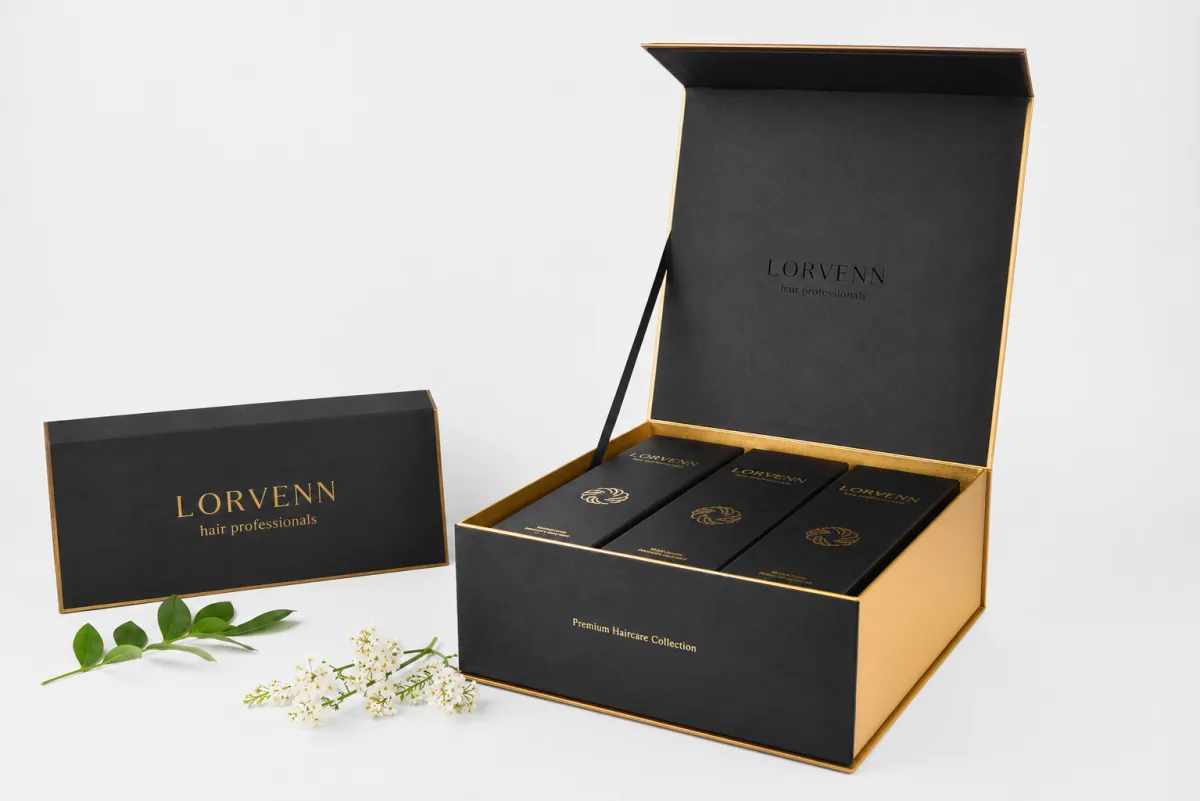
The first surprise usually happens on the production floor. I have watched teams line up ten finished samples in a converting workshop in Shenzhen and choose the rigid boxes bulk order option before discussing embossing, UV, or foil, because the form itself often sells before the decoration does. A rigid box carries weight, holds edges, and frames the product as something meant to be handled. That reaction arrives in the first few seconds and often before any marketing copy can intervene. I am not pretending design does not matter - it does - but if the shell feels flimsy, the rest of the presentation starts on a bad foot, especially for items priced above $40 retail.
A rigid boxes bulk order also helps brands scale programs without reinventing the package each season. When dimensions are locked to 240 mm x 180 mm x 60 mm, grayboard thickness is confirmed at 2.0 mm, and the wrap paper is approved, the production line can reproduce the same result repeatedly. Cosmetics kits, spirits presentations, holiday bundles, and subscription drops all benefit from that repeatability, especially when the product needs reliability more than novelty every quarter. During a client review in Chicago, a merchandising director told me, “We stopped fighting crushed lids the week we standardized the rigid build.” She nailed it. The structure solved a logistics failure and a brand image issue at the same time, which is rare and, honestly, suspiciously neat.
Hidden costs create the second wave of value. A rigid boxes bulk order can reduce labor spent on damage handling, rework, and quality corrections that are easy to miss before launch. Better protection in fulfillment means fewer corner hits, fewer out-of-spec returns from retail, and less repacking when units arrive misaligned. I have seen operations teams underestimate how much a box shell can shape line efficiency. A board that is too light lets lids bow under stacking. A wrap that is too loose peels at corners. A loose interior fit shifts the item and makes even strong branding look careless. There is a reason the packaging room gets quiet when the first sample gets squeezed wrong - everyone knows the headache is coming, and the rework can add 6 to 10 labor minutes per carton on a bad day.
Set expectations in writing. A rigid boxes bulk order is not “more boxes.” It is a production decision that locks dimensions, grayboard thickness, wrap paper, liner stock, closure type, and decoration process so the plant can run with fewer interruptions. If those are unresolved, an attractive quote can become a fragile order with extra sampling, delayed approvals, and a finished product that does not match the packed article. That is the stage where margin leaks fastest. I have seen one missing measurement turn into three new proofs, two rounds of apology, and a manufacturing calendar that looked like it had been hit with a shovel. In one Shanghai program, a 1.5 mm insert error pushed launch back nine business days.
“The easiest time to save money on a premium pack is before you approve the spec, not after the first shipment arrives.” I have repeated that line to more than one purchasing manager standing over a pallet of samples in Dongguan, and it has held up every time.
For teams with traceability requirements, material strategy belongs in the early brief, not as an afterthought. A disciplined rigid boxes bulk order can support premium presentation and stronger material ethics at the same time, as long as papers, liners, and inserts are specified deliberately from day one. The FSC standard helps when a retailer expects certified sourcing records, and the EPA recycling guidance helps teams frame end-of-life messaging with confidence. I like that kind of clarity because it cuts down on the vague, hand-wavy conversations that make sourcing feel like a guessing contest, especially when a buyer is comparing FSC 100% board from Vietnam with mixed-fiber board from Guangdong.
When the outer package must hold up during real distribution, a rigid boxes bulk order usually beats a folding carton. It enables repeat production, consistent retail presence, and a polished in-hand feel without turning the package into either a toy-like shell or an overdecorated object. I have seen fragrance houses, premium gift lines, and electronics teams pick rigid construction because they needed a box that protects the product and protects the brand promise. That is a pretty good deal for one structure, especially when it can survive 1.2-meter drop tests in a master carton and still look presentable on a store shelf. It is the same logic that keeps Magnetic Closure Boxes in so many luxury packaging programs.
Rigid boxes bulk order: structures, wraps, and finishes
The structure you choose for a rigid boxes bulk order should reflect the product behavior, the delivery channel, and the opening moment your customer experiences. A set-up box is a dependable choice for cosmetics and jewelry because it opens predictably and holds its shape. A lid-and-base form is stable, straightforward, and easy for assembly teams to process quickly. Magnetic closures suit gifting and premium launches where that final snap matters. Drawer boxes, shoulder boxes, and book-style designs add drama, but they require tighter manufacturing tolerances and stricter QC on assembly. I have a soft spot for drawer boxes, though I also know they can turn into a headache if the pull is even a little off, like a kitchen drawer in a flat in Guangzhou that sticks only when you are already late.
Material selection is every bit as important as structural geometry. Most rigid boxes bulk order programs rely on 1.8 mm to 2.5 mm grayboard or chipboard for the shell, printed wrap paper outside, and liner paper inside. In a conversation with a supplier in Dongguan, I asked for a heavier chipboard after secondary carton compression tests exposed pressure marks from perfume kit stacking. After the upgrade, impact marks on the pack dropped significantly with no redesign. That is the sort of adjustment that can look expensive upfront and still save money before launch. The funny part is that the “cheaper” board often ends up costing more because it behaves like a tired cardboard hat under pressure. For visible retail packs, 350gsm C1S artboard as a wrap or insert face can also sharpen print contrast and resist scuffing better than a lighter 250gsm sheet.
Decoration choices can turn a solid shell into a distinct brand instrument. A rigid boxes bulk order makes foil stamping, embossing, debossing, spot UV, and soft-touch lamination practical at scale. These effects each send a different visual message: foil can sharpen identity, embossing can add depth, debossing can deepen luxury cues, UV can emphasize selected elements, and soft-touch finishes create a tactile memory cue. Too many effects dilute the design language. A single matte wrap plus one restrained foil accent often reads as cleaner than a fully crowded surface. I am opinionated about this: restraint usually looks more expensive than piling on every shiny trick in the catalog, especially if the foil is specified in a 0.3 mm line weight rather than broad heavy coverage.
Function has to remain central. A rigid boxes bulk order with a magnetic closure should close with confidence and open without stress. Drawer pull tension should feel controlled so the drawer is stable but not a fight for the hand. Corner wraps should be tight enough that board edges never show; exposed fiber edges are one of the fastest ways to make a premium pack look rushed. While approving an apparel gift run in Ningbo, a 2 mm difference in corner wrap coverage changed how the entire shipment looked at inspection time. Two millimeters sounds laughably tiny until you stand under fluorescent lights and watch a premium box suddenly look tired.
Product category changes the structure map. Cosmetics often perform best in lift-off lid boxes with molded trays or EVA inserts for shape safety. Fragrance sets typically respond better to magnetic or book-style shells that add a ceremonial entry point. Jewelry works well in compact rigid boxes paired with velvet or paperboard inserts. Electronics need stronger interior support, secure cable routes, and extra impact management. Apparel gift boxes can be larger lid-and-base formats or drawer styles when presentation, rather than transport shock resistance, drives design. A smart rigid boxes bulk order follows the product logic first and lets the catalog catch up. That order of operations saves everyone from a lot of avoidable drama, including a half-dozen revision rounds in a single week.
Across premium formats, a rigid boxes bulk order often lands as the most practical midpoint between durability and branding. It carries more presence than folding carton and remains far easier to standardize than fully custom molded alternatives. That operating balance is what repeatedly pulls teams back to rigid options after testing alternatives. I have seen it happen enough times to stop calling it a trend. It is just the box type that keeps doing its job, whether the factory is in Shenzhen, Dongguan, or the Pearl River Delta.
Rigid boxes bulk order specifications that control fit and quality
If you want a quote that will survive production, define the variables that actually drive output. Share exact interior dimensions, final outer dimensions, board thickness, wrap paper type, print method, insert system, and closure style. If tolerances for the packed item are known, include them too. A specification written as “about 10 inches” and one as 254 mm by 184 mm by 56 mm do not mean the same thing to a die maker, and that inconsistency affects cut quality, wrap coverage, insert geometry, and palletized freight sizing later on. The factory is not a mind reader, and thank goodness for that - mind readers usually make expensive assumptions.
Dimensional control drives quality more than many teams expect. A loose fit creates movement and the feeling of a cheap box; a tight fit can score packaging and even stress the product during insertion. In a skincare project, an inner tray sat 1.5 mm too high. The lid still closed, but operators had to force-fit every unit, lowering line speed by about 12 percent and adding fatigue to the process. That is a small tolerance gap with a large operational impact. It also created a very visible stream of grim faces on the line, which is never a good sign in a premium run, especially when the target throughput was 1,200 units per shift.
Board caliper is another variable that directly affects perception and cost structure. Heavier chipboard usually improves structural confidence, sturdier lid profile, and a premium hand feel, while lighter board can reduce freight and lower total shipped weight. A single “best thickness” does not exist. A 2.0 mm build can be ideal for a compact jewelry piece; a larger multiproduct pack may need 2.5 mm or above to survive transport and pallet handling. Real-world loading conditions, not generic specs, determine the right call. I prefer that blunt reality to the fake certainty some quoting sheets pretend to offer, especially when the cartons are headed to New York, Rotterdam, or Dubai.
Artwork preparation can make or break the run, no matter how good the structure is. A rigid boxes bulk order requires proper bleed margins, clean safe areas, and a realistic color plan based on how paper handles ink on the chosen stock. Digital proofs help you iterate quickly, but production proofs are the real yardstick for final color and register. If PMS matching is critical, put that in writing. If foil tones must align with an existing brand shade, supply physical references and approval checkpoints early; skipping that step often creates expensive, late adjustments. I have watched one “near enough” color assumption become a three-day delay because the brand team suddenly realized the gold foil looked more brass than champagne on a 350gsm C1S artboard wrap. Small problem, enormous annoyance.
Internal fit decisions need equal scrutiny. Foam, EVA, paperboard, molded pulp, and folded inserts do not behave the same in transit. Foam cushions better under shock. EVA looks cleaner on display but can increase complexity and cost. Paperboard holds costs down, while molded pulp often supports sustainability-heavy programs. In a rigid boxes bulk order, the insert is not decoration; it controls movement, defines product order, and protects perceived premiumity by preventing empty space inside the shell. That matters whenever sets include multiple components, such as a 3-piece skincare kit or a 4-item gift box. Empty space is one of the quickest ways to make a luxury item feel oddly unfinished.
The practical rule is simple: use the language the factory already uses. A rigid boxes bulk order becomes faster to quote and easier to execute when dimensions, artwork references, and tolerance expectations are precise. Any ambiguity sends the team into assumptions, and assumptions in rigid packaging almost always cost you time later. Precision is not fussy here; it is cheaper, and in a plant running 10,000 shells a day, cheaper is a very useful word.
Rigid boxes bulk order pricing, MOQ, and volume breaks
Price in a rigid boxes bulk order responds to structure, board caliper, wrap paper, print coverage, finishing sequence, insert design, labor intensity, and total quantity. A basic lid-and-base box with one-color print can be materially cheaper than a magnetic design with soft-touch lamination, foil, embossing, and a custom EVA insert. The trap is comparing quotes that are built on different assumptions. I still see buyers choose the lower number and then discover the scope behind it does not match their intended build. That is not really a bargain; it is a future headache with a nicer font. For instance, a plain 2.0 mm shell at 5,000 pieces may land near $0.15 per unit for a simple paperboard insert, while a fully finished luxury build can move far above $2.00 per unit once magnets and specialty wraps enter the picture.
Minimum order quantity reflects practical manufacturing variables rather than arbitrary policy. In a rigid boxes bulk order, MOQ usually absorbs setup time, paper procurement lots, line calibration, manual assembly, and the consistency requirements of the plant itself. If the line must be reset repeatedly for small batches, unit cost spikes quickly. Straightforward builds often hold lower minimums than highly customized magnetic or drawer options. Good suppliers explain the arithmetic behind MOQ instead of hiding it behind a single line item. If they cannot explain it, I start asking harder questions, because opaque pricing usually means someone is hoping nobody will do the math.
Volume breaks improve unit economics because fixed conversion costs are spread over more units. Once die setup, proofing, and process standardization are complete, larger rigid boxes bulk order runs often gain from stronger purchasing leverage at the material level, steadier labor flow, and more predictable pallet packing. A 3,000-piece job and a 10,000-piece job can share the same design, yet the larger program usually reduces unit cost once line utilization improves. That is where repeat programs show their value: every cycle sharpens cost and quality stability. I like watching that curve flatten because it usually means fewer surprises for finance and fewer midnight calls for operations, especially when the factory is planning a run in April for a July launch.
Cross-supplier comparison works only when all assumptions match. Request a single exact spec sheet for each bid: same dimensions, same board thickness, same wrap paper, same finish, same insert, same quantity, same target lead time. Then compare unit rates, setup charges, sampling fees, freight, and any surcharge for structural changes or special finish steps. I have seen teams save on the headline unit price while paying more overall through freight and hidden rework from a missing insert spec. It is astonishing how often the “best” quote is only the best quote if you ignore about half the invoice, especially ocean freight from Shenzhen to Los Angeles or a bonded warehouse charge in Hamburg.
| Box style | Typical build | Example unit price at 5,000 pcs | Best fit | Lead time snapshot |
|---|---|---|---|---|
| Lid-and-base rigid box | 2.0 mm grayboard, printed wrap, paperboard insert | $0.95-$1.45 | Beauty kits, apparel gifts, general premium retail | 12-15 business days after proof approval |
| Magnetic closure box | 2.0-2.5 mm grayboard, soft-touch wrap, magnet strip | $1.80-$3.10 | Fragrance, electronics, subscription gifting | 15-22 business days after proof approval |
| Drawer box | Rigid shell, pull ribbon, interior tray, specialty wrap | $1.65-$2.95 | Jewelry, limited editions, high-touch unboxing | 16-24 business days after proof approval |
| Book-style presentation box | Rigid book shell, hinged cover, insert, detailed finishing | $2.10-$3.80 | Collector sets, premium launches, gift campaigns | 18-28 business days after proof approval |
Those figures are indicative, not contractual, because a rigid boxes bulk order changes with every combination of paper stock, print area, and assembly labor. Freight variance can move landed cost significantly more than expected, and no brand should ignore that math. The cheapest unit price can lose value if the shipment arrives late, damaged, or short on the promised finish quality. The better budget view is landed cost: unit price plus freight, pallet handling, warehousing, and the true penalty of launch delays. I know that sounds unglamorous, but packaging budgets rarely care about glamour, only the invoice total from places like Ningbo or Long Beach.
Another cycle effect appears in quantity planning. A rigid boxes bulk order that seems premium-priced at 1,000 units can become the rational choice at 5,000 or 10,000 once process standardization is in place. That is why I usually ask for at least two or three breakpoints and then map each against projected sales velocity. That comparison usually reveals the true cost inflection point much earlier than finance predicts. Sometimes the number that looks scary at the start turns out to be the safer, cheaper road once you add damage risk and rework into the picture, especially for launches with a 90-day sell-through target.
Rigid boxes bulk order process, proofing, and timeline
The cleanest rigid boxes bulk order process begins with a complete brief that includes dimensions, target quantity, style, print coverage, finish standards, insert requirements, shipping destination, and the exact person with proof authority. With that in place, the supplier can validate the quote, build or confirm dielines, proceed to proofing, and move toward production with fewer assumptions. Skipping early spec discipline tends to multiply delay later. I have seen more projects stumble because of unclear approval ownership than because of the box itself, particularly when the buyer in London and the merchandiser in Singapore both thought the other person was signing off.
Proofing is a risk filter. A rigid boxes bulk order either gets validated during this stage or carries defects into manufacturing. Measurement mismatches, print drift, finish inconsistency, closure resistance, and insert interference typically reveal themselves before scaling does. A tech accessory program taught me this well: the CAD sample looked acceptable, yet the physical magnet sat off-center enough to make lids pop open unpredictably. We corrected a 3 mm offset after sample review and saved the run from a high-visibility fault at final assembly. I still remember the relief on the production lead's face when that one got fixed before bulk work started, because a single failed latch on 8,000 boxes can derail a launch week.
Complexity determines lead time. A rigid boxes bulk order with a straightforward shell usually clears production faster than one with specialty wraps, custom foam, and multi-step finishing. Simple builds often land in the 12-to-15 business day zone after proof approval. Designs with higher complexity can stretch to 18-28 business days depending on paper supply, factory load, and how quickly approvals come back. The fastest schedules belong to teams that submit final artwork, dimensions, and approvals in one aligned package. If half the team is waiting on a final shade decision from someone in another time zone, the calendar starts to wobble very quickly, and a Friday proof can easily become a Tuesday delay.
Large programs benefit from at least one physical sample or prototype. A rigid boxes bulk order that includes strict inserts, metallic effects, or tight tolerances is too expensive to leave to assumptions. A single approved sample can answer three critical questions: does closure feel right, does the insert secure the load, and does the finish maintain visual impact under store lighting. Once that check passes, production can lock the standard and avoid expensive loops. I have learned that one calm sample review is worth ten rushed email threads, especially when the sample is built with the same 2.5 mm board and 157gsm wrap that bulk work will use.
For a practical reference on general packaging details while preparing your brief, visit our FAQ for related points before you request your final samples. It is wise to confirm that the supplier can align the rigid boxes bulk order with your shipping-carton strategy, especially pallet geometry, outer case dimensions, and warehouse handling sequence, since those factors affect timeline accuracy as much as artwork. A mismatch in pallet height by even 30 mm can force a re-stack in the warehouse and add a day to dispatch.
Seasoned buyers keep one short list for every rigid boxes bulk order: final dimensions, chosen finish, insert system, approver contact, and shipping address. Missing any item usually pushes timeline by days, and in premium programs that delay can cascade into campaign calendar shifts, retailer receiving windows, and photo shoot schedules. I have watched an entire content shoot get shuffled because the inserts arrived half a week late. Everyone smiled politely. Nobody enjoyed it, especially not the production crew waiting in New York for a pallet from Shenzhen that missed the Thursday cutoff.
Why choose us for rigid boxes bulk order production
Custom Logo Things is built for packaging programs where execution discipline matters as much as visual appeal. For a rigid boxes bulk order, our team tracks chipboard conversion quality, wrap application consistency, corner wrapping, insert seating, and finishing sequence in the same thread. A rigid shell can look flawless in design files and still fail at scale if process control slips. Factory visits taught me that tiny tolerances are where premium outcomes are won or lost. That is not a romantic theory; it is a bruising fact collected from too many inspections in Shenzhen, Dongguan, and one very memorable facility outside Foshan.
Technical review support is part of the value, especially before quotes become commitments. A rigid boxes bulk order can become expensive quickly if overbuilt, yet it can also fall apart when underbuilt. We challenge both extremes: too much board can waste spend without improving customer experience, too little board breaks down under stack pressure. That is the kind of issue I would rather identify during planning than after 8,000 units are already entering production. Finding a mistake early feels boring in the moment, which is exactly why it is so valuable, and it can save $2,000 or more in rework on a mid-sized run.
Clear communication is the backbone of reliable delivery. Teams planning a rigid boxes bulk order perform best when proof sign-off roles, carton labeling requirements, and shipping logic are documented before execution starts. Reducing ad-hoc confirmation cycles protects launch windows and reduces cost leakage. At a supplier meeting last year, a buyer asked for “fewer surprises and more numbers,” and that single phrase captures the management style that keeps premium packaging projects on schedule. I wish more teams said it that plainly, because the difference between a three-day and a ten-day approval loop is usually just one named contact in the thread.
Repeatability is where many programs are won or lost. A rigid boxes bulk order should stay stable in every batch when the product is tied to recurring retail cycles or continuous e-commerce demand. Color consistency, corner wrap quality, clean pallet planning, and finished-goods inspection are baseline requirements, not optional upgrades. We treat each batch as a continuation of the same system rather than a one-off showpiece. That mindset matters because customers remember drift faster than they remember a perfect first run, especially if the second batch ships to Toronto with a noticeably darker foil stamp.
Trust is built in the details. A rigid boxes bulk order can look outstanding and still fail operationally if material choice, tolerances, or packing logic are misaligned. We tell buyers the straightforward version early: board weight, shipment route, retail channel, and finish requirement all shape the outcome. Straight talk usually prevents cost spikes and produces a stronger final package. If you want to compare alternatives to rigid packaging, our Custom Packaging Products catalog also lists related formats, including folding cartons, sleeve packs, and paper tube options.
Next steps for your rigid boxes bulk order
Begin with the product details that matter: exact dimensions, target quantity, and preferred style for the rigid boxes bulk order. If the item ships as a set, list each component and each measurement separately. Need a tray, foam cavity, paperboard insert, or molded pulp insert? State that before asking for pricing, because that single detail changes not just quote structure, but build complexity and timeline risk. The box cannot be right if the contents are still described like a mystery, and a 220 mm x 140 mm accessory kit needs a very different cavity than a 310 mm fragrance duo.
Next, rank your priorities in one pass: presentation, protection, warehouse efficiency, or a mix of all three. A rigid boxes bulk order can be tuned toward any direction, but each direction brings tradeoffs. Heavier board improves perceived quality. Slim profiles can reduce freight and shelf footprint. Soft-touch wraps create a premium touch, while textured surfaces can better suit heritage aesthetics. The chosen priority protects teams from contradictory approvals later. I have seen more than one launch stumble because two departments were optimizing for opposite outcomes and nobody said it out loud, which is never a strong strategy in a 10,000-unit program.
Prepare approved artwork and the right approval contacts before proofs return. A rigid boxes bulk order advances only as quickly as the brand team's response loop for color, placement, and finish decisions. Any feature with foil, embossing, or tight interior fit should go through a physical sample or prototype. That one check usually prevents expensive surprises that only appear after bulk production begins. It is a tiny investment in calm, which is not a bad thing to buy in packaging, especially if your launch date in Paris is fixed to the minute.
Close the planning loop with one organized package and a line-by-line quote review. A rigid boxes bulk order should begin production with a complete spec, a realistic delivery window, and explicit acceptance criteria for the finished product. If you need to start quickly, build this first: lock the format, lock budget expectations, and lock communication ownership. From there, execution becomes a predictable process rather than a sequence of fire drills. I have watched well-run programs move from approved brief to production in 14 business days simply because the paperwork was complete on day one.
My view remains straightforward: a rigid boxes bulk order should align structure and logistics so the box works for the product instead of competing with it. Do that well, and the package starts returning value immediately through lower damage rates, stronger retail confidence, and a cleaner customer response from shipment one onward. I have seen enough packaging to know the box is never just a container; in the right hands, it is part of the product story itself, whether the shipment is landing in Chicago, Sydney, or Rotterdam. If you are starting a brief, the most useful move is simple: define the exact size, the insert, and the finish first, because that gives the factory enough to quote accurately and keeps the whole project from wandering off course.
What is the typical MOQ for a rigid boxes bulk order?
MOQ depends on structure, print depth, and insert requirements, and usually reflects setup time plus material commitments for a rigid boxes bulk order. Simpler builds generally support lower minimums than highly customized magnetic or drawer constructions. Ask for MOQ alongside the same specification sheet used in costing so every vendor is judged on identical production conditions. That keeps the conversation fair, which is refreshing because packaging quotes can get weirdly slippery if nobody pins them down. In practice, many factories in Guangdong will start at 1,000 pieces for simple shells and 3,000 pieces for more complex builds.
How do I compare rigid boxes bulk order quotes fairly?
Start with one specification set for each supplier: dimensions, board thickness, wrap paper, finish, insert system, and quantity. Compare unit cost, setup charges, sampling expenses, freight assumptions, and any structural adjustment fees using that shared spec. A quote becomes comparable only when structure and decoration inputs match for a rigid boxes bulk order. If one supplier is pricing a basic shell and another is pricing a more elaborate build, the cheaper line item is just wearing a better disguise. I recommend asking each supplier to quote the same 5,000-piece target with the same 2.0 mm board and the same 157gsm art paper wrap.
Can I get a sample before placing a rigid boxes bulk order?
Yes, and for bigger programs a sample is often the only practical way to confirm fit, closure feel, print fidelity, and insert behavior. Physical review is especially important when tolerances are tight, metallic effects are included, or closure mechanisms are part of the customer experience. Use sample approval to lock the production standard before full manufacturing starts on your rigid boxes bulk order. I would argue that skipping the sample is one of those decisions that feels efficient for about five minutes and expensive for the next five weeks, particularly if your product has a 0.5 mm clearance target.
How long does a rigid boxes bulk order usually take?
Timeline depends on complexity, material sourcing, proof turnaround, and total batch size. Simple builds move faster than specialty wraps, multiple inserts, or multi-step finishes. The strongest timeline control comes from submitting final artwork, dimensions, and approval contacts together for the rigid boxes bulk order. When those arrive late or piecemeal, the schedule starts sliding like a bad tray insert. For a typical simple shell, expect 12-15 business days from proof approval; more intricate builds often need 18-28 business days.
What information should I send to get an accurate rigid boxes bulk order quote?
Share product dimensions, target quantity, preferred style, insert type, print coverage, finish preferences, and shipping destination in one brief. Include a dieline or existing sample whenever possible so the quoting team can confirm the build without guesswork. Precision in the brief shortens quoting cycles and reduces revision loops, which is usually what keeps a rigid boxes bulk order on schedule. That single habit saves more time than most people expect, and far more than most people want to admit, especially when your shipment is heading to a warehouse in California or a fulfillment center in the Netherlands.


