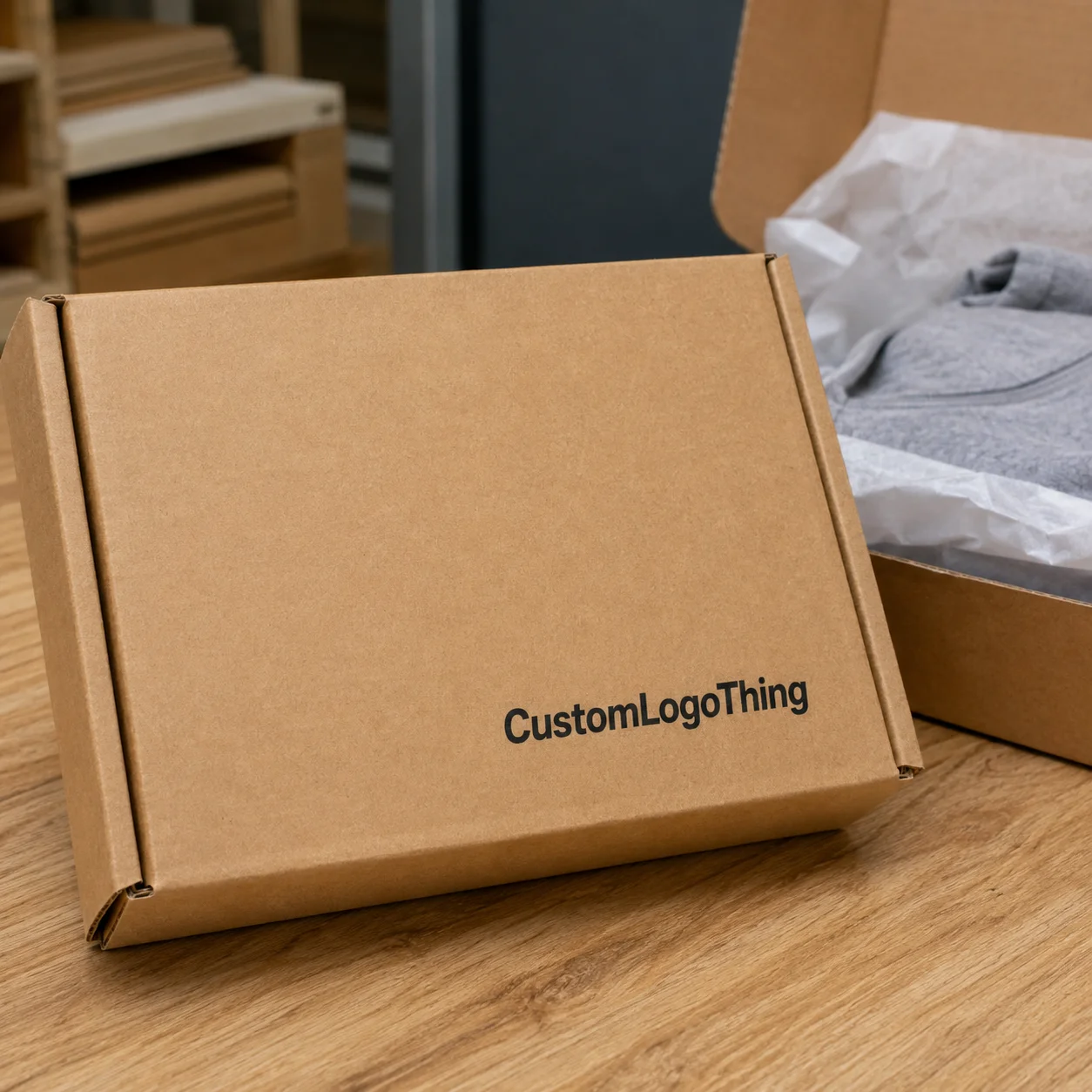
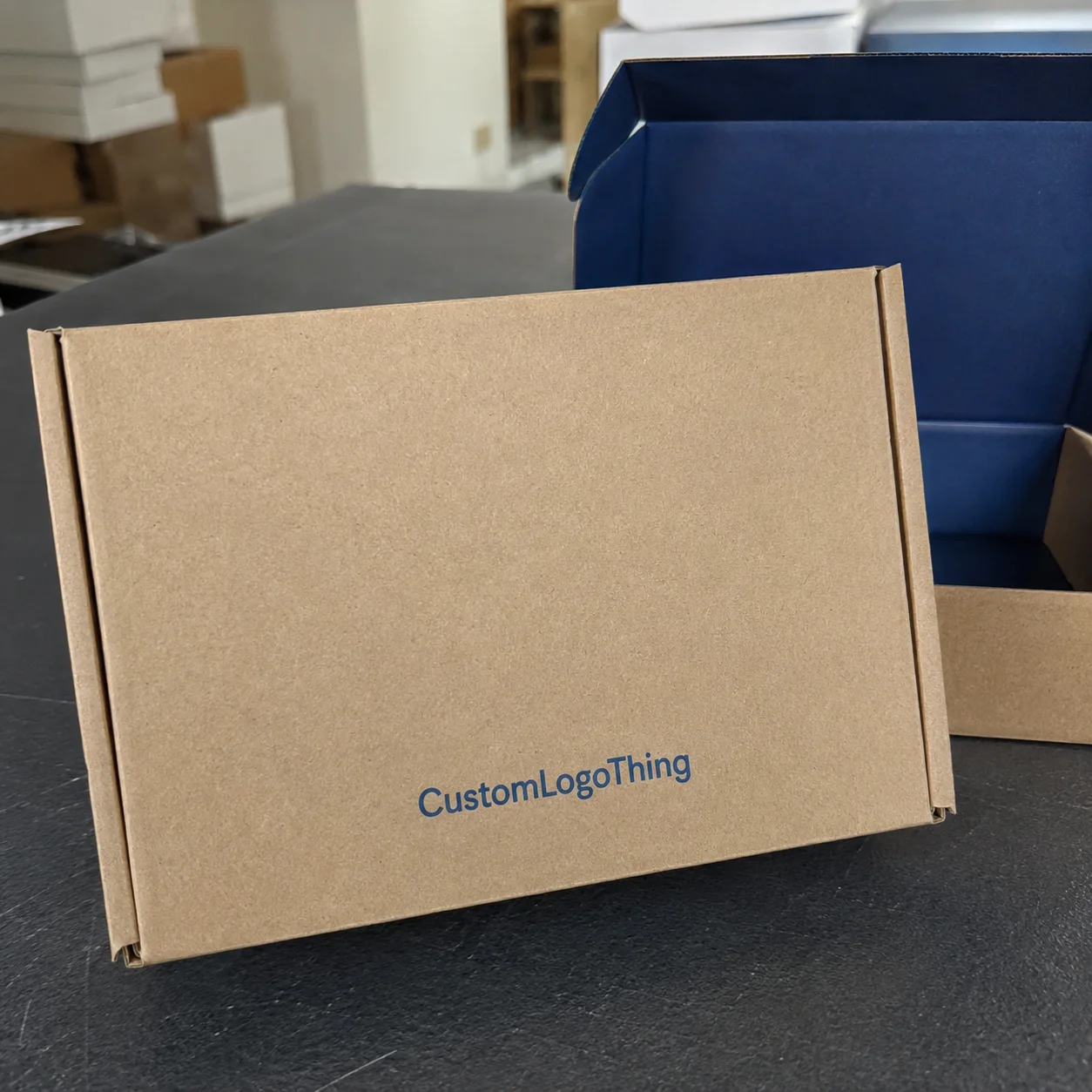
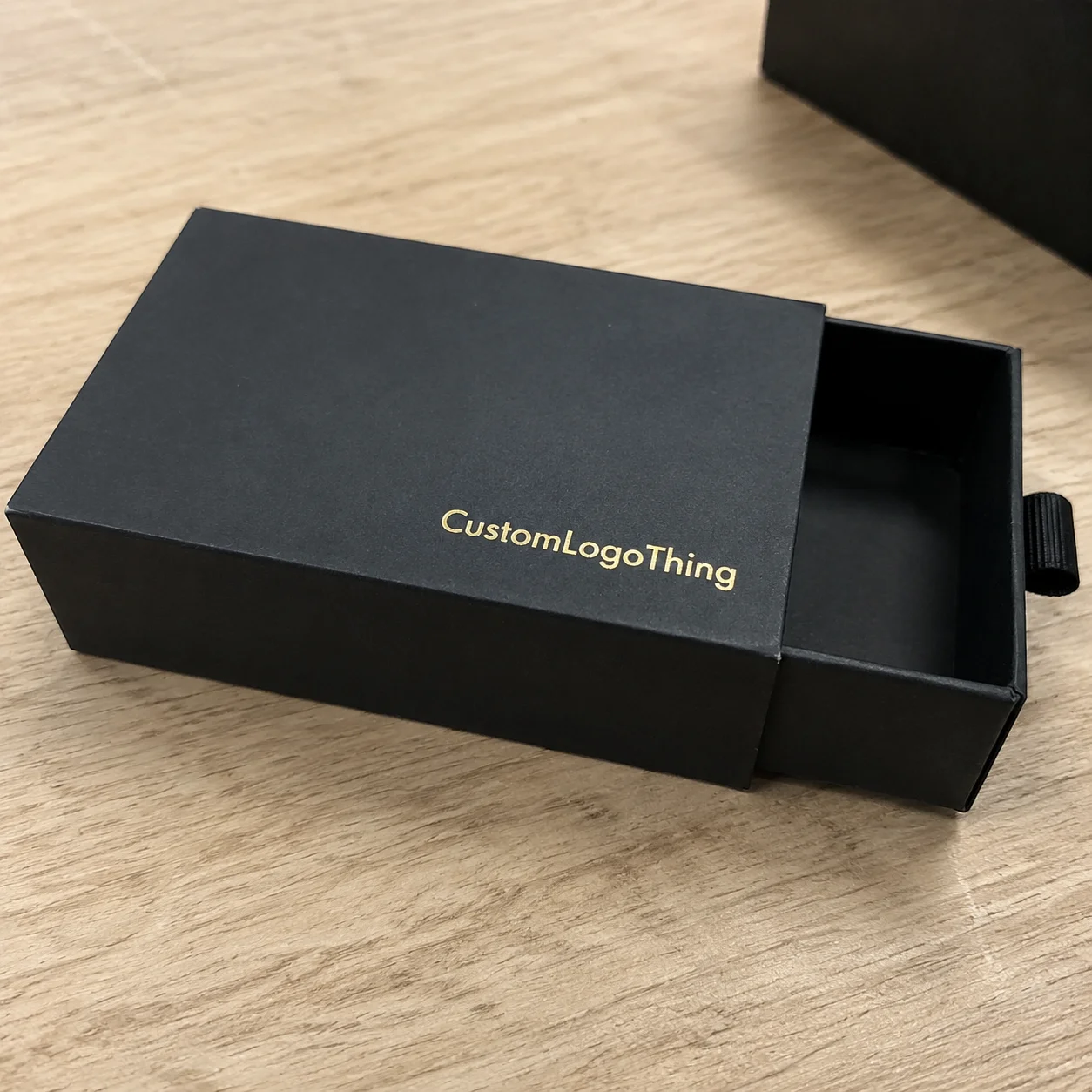
Buyer Fit Snapshot
| Best fit | Wholesale Magnetic Closure Boxes Supplier for Custom Brands projects where brand print, material claims, artwork control, MOQ, and repeat-order consistency need to be specified before quoting. |
|---|---|
| Quote inputs | Share finished size, material target, print colors, finish, packing count, annual reorder estimate, ship-to region, and any compliance wording. |
| Proofing check | Approve dieline scale, logo placement, barcode or warning zones, color tolerance, closure strength, and carton packing before bulk production. |
| Main risk | Vague material claims, crowded artwork, missing packing details, or unclear freight terms can make a low unit price expensive after revisions. |
Fast answer: Wholesale Magnetic Closure Boxes Supplier for Custom Brands should be specified like a repeatable production item. The safest quote records material, print method, finish, artwork proof, packing count, and reorder notes in one written spec.
Production checks before approval
Compare the actual filled-product size with the drawing, then confirm tolerance on folds, seals, hang holes, label areas, and retail display edges. Reserve space for logos, QR codes, warning copy, and material claims before decorative graphics fill the panel.
Quote comparison points
Review material grade, print process, finish, sampling route, tooling charges, carton quantity, and freight assumptions side by side. A quote is only useful when the supplier can repeat the same color, closure quality, and packing count on the next order.
Wholesale magnetic closure boxes supplier for custom brands is not a throwaway sourcing phrase. It is a commercial decision with a direct line to sell-through, transit damage, and the way a customer judges a product in the first five seconds. I still remember the first time I watched a buyer in Shenzhen lift a Rigid Box Sample, pause, and then quietly say, "Okay, that feels expensive." That was the whole argument in one sentence. The package felt engineered, not improvised. For premium gifts, cosmetics, apparel, and electronics, that difference can outweigh a 10% carton discount, which is why the right wholesale magnetic closure boxes supplier ends up shaping revenue, not just packaging. On a 5,000-piece order, even a $0.15 per unit print-wrap change can matter more than a small freight savings if the box is what sells the gift set in Singapore, Chicago, or Dubai. It is also why brands that care about premium packaging keep coming back to a wholesale magnetic closure boxes supplier instead of treating the box as an afterthought.
Wholesale Magnetic Closure Boxes Supplier: Why Brands Switch
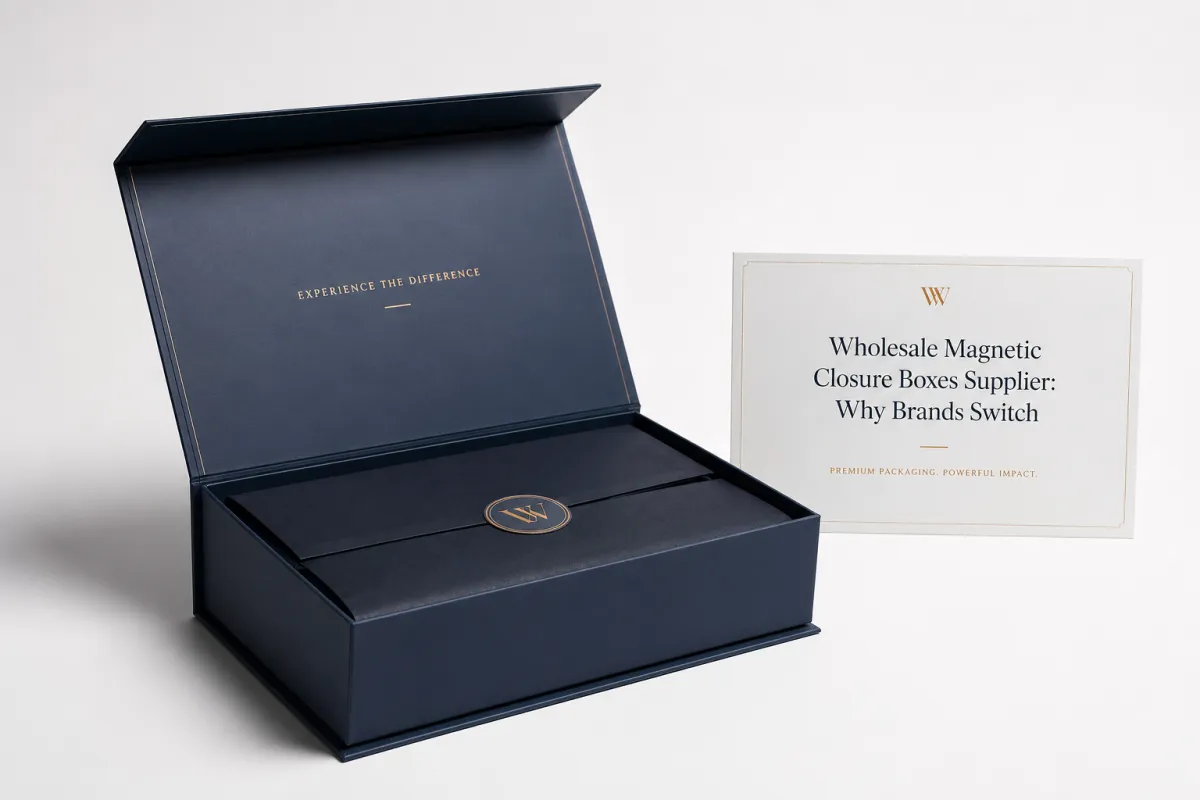
Most buyers decide whether a product feels premium before they read a spec sheet. A rigid box with a magnetic lid can set that tone in under 3 seconds, which is exactly why a wholesale magnetic closure boxes supplier often enters the picture after a brand has already lost one or two sales cycles to flat, ordinary packaging. I once watched a skincare founder in Los Angeles place two sample boxes on a table, turn them over once, and choose the magnetic version because the closure clicked with more authority and the graphics looked more deliberate. The plain carton looked like it had shown up to the meeting in sweatpants, while the magnetic sample felt ready for a $68 retail shelf at a boutique in SoHo. That is the quiet strength of a Wholesale Magnetic Closure Boxes Supplier: it turns a package into part of the sales argument.
One client meeting still sticks with me. A gift brand in Toronto arrived with 800 units that had weak lids and scuffed corners because the folding carton they had chosen allowed too much movement in transit. The damage rate looked manageable at 4.8% on paper, yet customer complaints were loud enough to put the reorder in danger. After switching to a wholesale magnetic closure boxes supplier and moving to a 1.5 mm grayboard shell with a paper wrap, the same brand brought visible damage down to under 1% on the next two shipments. That is the kind of change finance teams notice, and the kind of change customer service teams celebrate with actual relief, especially when the shipments are leaving a warehouse in Dongguan, Guangdong. It also explains why buyers Compare Custom Rigid Boxes and Magnetic Gift Boxes with far more care than they used to.
Packaging gets treated like a cost line far too often. A magnetic closure box does more than hold a product; it shapes the reveal, controls shelf profile, and sets the first tactile impression when the lid closes with a clean snap. That matters for premium gifts, cosmetics, apparel, and electronics because those categories sell on confidence as much as they sell on function. A candle set in Melbourne, a watch kit in Frankfurt, and a serum trio in Seoul all tell the same story: if the box makes the product feel considered, giftable, and worth keeping, then it is doing real work. A 2 mm board, a precise hinge score, and a wrap that sits flat can do more than another round of ad copy. This is why a wholesale magnetic closure boxes supplier is often part packaging vendor, part brand translator.
"We stopped getting the 'cheap box' comments the week we moved to a rigid magnetic lid," one brand manager told me after a 1,200-piece launch in Chicago. "Returns dropped from 6.2% to 2.1%, and the unboxing videos looked more expensive without changing the product inside."
The business case for a wholesale magnetic closure boxes supplier is straightforward. Stronger shelf presence, fewer transit complaints, and a more controlled unboxing experience can raise conversion without changing the item itself. I have watched that shift happen with perfumes in Paris, candle sets in Austin, headphone bundles in Taipei, and luxury apparel in Milan. If the outer package helps the product feel worth $68 instead of $48, the box is doing real work. That is not fluff. That is margin, and it can be the difference between a one-time order and a 15,000-unit seasonal reorder. For brands that sell premium packaging as part of the product story, the wholesale magnetic closure boxes supplier is not a back-end decision. It is a front-line one.
What Should You Ask a Wholesale Magnetic Closure Boxes Supplier Before Ordering?
Before you place a PO, ask a wholesale magnetic closure boxes supplier to walk through the structure, not just the price. The right questions expose weak points early, and they also tell you how disciplined the factory actually is. Can the supplier hold the closure tolerance to within 1 mm? What is the tested magnet pull after repeated openings? Is the paper wrap a standard stock, or does it need a special sourcing window? Those details sound small until they decide whether the box feels like luxury packaging or a rushed prototype.
I also ask whether the supplier can show a sample from a previous run with similar weight, finish, and insert type. A wholesale magnetic closure boxes supplier that knows its process should be able to explain how board grade, wrap selection, and insert design work together. If the answer is vague, you are gonna buy hope with a freight bill attached. If the answer is specific, the chances of a clean production run go up fast.
Then there is the shipping question. Ask how the supplier packs cartons for export, whether collapsible magnetic boxes are available for cube savings, and whether the finished boxes can survive a standard transit test. A good wholesale magnetic closure boxes supplier should be able to talk about freight cube, corner crush, and pallet layering without sounding surprised by the question. That is the point where the difference between a real packaging partner and a polite middleman becomes obvious.
Product Details That Separate Good Boxes From Great Ones
A good wholesale magnetic closure boxes supplier will talk structure before finish, because the shell matters as much as the print. Most rigid magnetic boxes begin with a 1.5 mm to 2.0 mm grayboard, then get wrapped in coated paper, specialty texture paper, or printed art paper. Magnets sit hidden inside the front flap and wall panel, so the closing action feels crisp rather than exposed or mechanical. I prefer that hidden detail, frankly. The box should feel a little magical, not like it is announcing its hardware at the door. On a box built for a 300 g perfume bottle or a 1.3 kg electronics kit, that hidden hardware matters because the closure has to survive repeated openings, not just one sample-table test. It also matters for brands that sell magnetic gift boxes as part of a premium presentation strategy.
- Book-style magnetic boxes open from the side like a hardback cover and are common for cosmetics kits, gift sets, and PR mailers measuring around 240 x 180 x 60 mm.
- Lift-off lid magnetic boxes use a top lid with hidden magnets in the front wall, which gives a more traditional presentation for watches, apparel accessories, and premium gifts packed in 180 x 120 x 50 mm footprints.
- Collapsible magnetic boxes fold flat for storage or freight savings and are popular when a wholesale magnetic closure boxes supplier has to balance display quality with shipping volume on 5,000-piece or 10,000-piece programs.
Customization is where the box starts acting like a brand asset. I have quoted jobs with spot UV, foil stamping, embossing, debossing, and soft-touch lamination, and the cost difference can be surprisingly small next to the perception lift. For one electronics client, a matte wrap with a silver foil logo added only $0.15 per unit on a 5,000-piece run using 350gsm C1S artboard for the outer wrap, yet the product looked far more disciplined on the retail shelf in Vancouver and Amsterdam. It was the kind of upgrade that made the marketing team grin and the operations team squint at the invoice, then grudgingly nod. A wholesale magnetic closure boxes supplier that understands luxury packaging will often recommend the finish that adds the most perceived value per dollar, not the one that looks loudest on a mockup.
On a factory floor in Dongguan, Guangdong, I once watched workers test a collapsible magnetic box by opening and closing it 20 times at the packing table. They were checking magnet pull, hinge stress, and whether the lid sat flush within a 1.5 mm tolerance. That small test matters. A box can look perfect in a render and still fail if the board score is off by a fraction or the wrap pulls tight on one side. I have seen this more than once in factories across Shenzhen and Foshan, and it is maddening because the failure is often tiny, visible, and avoidable. The wholesale magnetic closure boxes supplier that catches those tiny failures early saves money later, which is usually where the truth about quality shows up.
Good design choices usually do three jobs at once. Heavier board raises presentation quality. Better wrap sharpens print. A custom insert keeps the product centered so the reveal lands correctly. Here, the box starts acting like a brand asset, not just a container. A wholesale magnetic closure boxes supplier that understands those tradeoffs will not push a finish simply because it looks impressive on a sample card. They will ask what the box must do in the warehouse, on the shelf, and in the customer's hands. That is the difference between a vendor and an actual packaging partner, especially on a 2,000-unit launch where every extra millimeter in the insert affects the closure feel. When those details line up, Custom Rigid Boxes do more than protect the product; they shape how the brand is remembered.
Specifications Buyers Must Confirm Before Ordering
Before placing an order with a wholesale magnetic closure boxes supplier, confirm the measurements that actually drive performance: internal dimensions, board thickness, paper wrap, magnet strength, insert type, and closure alignment. I have seen brands approve a beautiful mockup and then discover the product was 2 mm too tall, which meant the lid floated instead of closing with pressure. That kind of error can ripple into a reorder, and on a 3,000-piece launch it may cost more than the print upgrade itself. It is the packaging version of buying shoes that almost fit, except the shoes are already on a pallet in Ningbo, Zhejiang. A serious wholesale magnetic closure boxes supplier should treat dimensions as a structural decision, not a guess.
- Internal dimensions: confirm length, width, and depth in millimeters, not only the outside box size, such as 162 x 98 x 41 mm for a serum set.
- Board thickness: 1.5 mm works for many cosmetics and gift items; 2.0 mm is safer for heavier sets over 1.2 kg.
- Paper wrap: choose 157 gsm C1S art paper, 157 gsm C2S art paper, 350gsm C1S artboard, textured paper, or specialty stock based on print and texture goals.
- Magnet strength: ask how many magnets are used per lid and whether the closure is tested after repeated openings, ideally 20 cycles or more.
- Insert type: paperboard, EVA foam, molded pulp, or custom-cut tray, depending on fragility and brand positioning.
- Closure alignment: ask for a tolerance check so the lid sits square and does not drift to one side by more than 1 mm.
Size and product weight change the equation in a hurry. A pair of lightweight candle jars can fit securely in a 1.5 mm shell with a paperboard insert, while a 1.8 kg electronics bundle may need 2.0 mm grayboard, a reinforced base, and a denser EVA insert to stop movement in transit. I always tell buyers to think in terms of impact and retention, not just dimensions on a purchase order. A box does not get points for being theoretically correct. It either protects the product or it does not, and a 650 g gift set does not need the same internal build as a 1.4 kg grooming kit. The best wholesale magnetic closure boxes supplier teams will usually push you toward the simplest structure that still protects the item well.
Artwork details matter just as much. Your wholesale magnetic closure boxes supplier should ask for AI, PDF, or layered EPS files, along with Pantone references if color accuracy matters. For a cosmetics client last quarter, we held the logo to Pantone 186 C and kept the delta E under 2.0 because the red mark had to match an existing retail display wall in Miami and Madrid. If your brand uses full-coverage printing or printed interiors, lock that before proofing, because a 100% wrap changes both price and drying time. I know that sounds fussy. It is fussy. It is also how you avoid reprints that can cost 400 to 800 units in wasted paper and labor. A disciplined wholesale magnetic closure boxes supplier will flag those issues before they become line-item pain.
Compliance and practical checks should never be rushed. For items that travel through parcel networks, I like to see an ISTA 3A drop-test or a comparable transit test plan, especially if the box includes glass, metal, or high-value parts. If your brand wants recycled content or forest-friendly fiber, ask for FSC-rated materials and look at guidance from the Forest Stewardship Council. For broader sustainability context, the EPA recycling guidance is also worth reviewing when you compare wrap papers and insert materials. A supplier in Guangzhou can say "eco-friendly" all day; the documents tell you whether the claim survives a compliance review. That is one reason the best wholesale magnetic closure boxes supplier conversations start with evidence, not adjectives.
Pricing, MOQ, and Where the Real Cost Comes From
Pricing from a wholesale magnetic closure boxes supplier is driven by more than box size, although size is the first place most buyers look. Board grade, wrap material, print method, finish complexity, insert design, and order volume all push the number up or down. I have seen a 2 mm board with foil stamping and a custom EVA insert cost nearly 40% more than a plain wrapped box of the same footprint, even before freight was added. On a 5,000-piece run in Shenzhen, that difference can be the gap between a $2.70 landed box and a $3.25 landed box, which is why buyers usually wince the first time they see the quote. Then they remember they are asking the box to carry the brand, protect the product, and survive a freight chain that occasionally behaves like a temperamental raccoon. A wholesale magnetic closure boxes supplier that explains landed cost clearly saves everyone a long email thread.
| Option | Typical MOQ | Unit Price | Best For | Notes |
|---|---|---|---|---|
| Plain rigid magnetic box with logo | 500 pieces | $1.45-$2.10 | Samples, gift cards, entry-level premium items | Usually 1.5 mm grayboard with a simple print pass and a 157 gsm C1S wrap |
| Full-color wrapped box with insert | 1,000 pieces | $2.30-$3.90 | Cosmetics, perfume sets, apparel accessories | Commonly 350gsm C1S artboard or 157 gsm C2S art paper with paperboard or EVA insert |
| Soft-touch box with foil and embossing | 1,000 pieces | $3.10-$5.20 | Luxury launches, influencer kits, premium retail | Higher setup cost, stronger shelf impact, and longer finishing time in Guangzhou or Dongguan |
| Collapsible magnetic box | 2,000 pieces | $2.60-$4.80 | Ecommerce, subscription kits, large seasonal programs | Can reduce freight cube by 30%-40% and save warehouse space in Chicago or Rotterdam |
MOQ stops feeling mysterious once you break it into parts. A wholesale magnetic closure boxes supplier can often start lower on plain structures because the tooling is simpler and the press setup is fast. Once you ask for printed interiors, specialty foil, or a molded insert, the minimum usually rises because the supplier has to absorb more setup time and material waste. For a test run, I often recommend 300 to 500 plain units or 1,000 fully custom units, then comparing the sample results before scaling. That sounds conservative. It is. It is also cheaper than discovering a structural problem after the trucks leave a warehouse in Ningbo. It is the same logic that drives every good packaging procurement decision: test first, scale second, regret never.
The real cost is usually landed cost, not unit cost. A quote at $2.70 per box can look better than a $2.90 quote until you add $180 in samples, $420 in freight, a $75 plate fee, and the cost of 3% rework if the insert is miscut. I have watched brands save $0.22 per unit on the factory price and lose $0.38 per unit in shipping because they chose a collapsible box with no freight planning. That is why I ask for a side-by-side breakdown every time. Unit price alone is a trap, and it is a very neat trap, which makes it annoyingly convincing. A serious wholesale magnetic closure boxes supplier will separate factory cost from shipping and setup so the landed math stays visible.
Volume helps, but only if the spec stays tight. At 5,000 units, a wholesale magnetic closure boxes supplier may cut the per-unit price by $0.25 to $0.60 compared with a 1,000-piece run, yet the board grade and closure feel should not soften simply because the quantity grew. The safest route is usually to keep the structure constant, then trim cost through simpler graphics, fewer print passes, or a standard insert shape. That keeps the box consistent and keeps the brand from sliding into the dreaded "we saved money, and somehow it also looks like we saved money" category, which is hard to recover from in premium retail. It is one reason custom rigid boxes remain the safer option for repeat programs than constant spec changes.
From Proof to Delivery: Process and Timeline
The standard workflow with a wholesale magnetic closure boxes supplier is simple on paper and easy to derail in practice: quote, dieline confirmation, artwork review, sample or prototype, approval, production, quality control, and shipping. I like that sequence because it creates checkpoints before paper is cut. If a buyer skips the sample stage on a 2,000-piece order, one incorrect depth can turn into a pile of unusable inventory. And once that happens, everybody suddenly becomes very interested in "lessons learned," usually while a pallet sits in a warehouse in Los Angeles or Hamburg. A good wholesale magnetic closure boxes supplier will slow the process down at the right moments, which is how you avoid expensive surprises later.
- Quote and size review: send product dimensions, target quantity, finish ideas, and insert needs.
- Dieline confirmation: approve the structure layout before artwork is placed, usually within 1 to 2 business days.
- Artwork check: verify file format, bleed, Pantone targets, and interior print rules.
- Sample or prototype: review magnet pull, closure alignment, print placement, and fit.
- Production: allow 10 to 20 business days after sample approval depending on complexity and factory load.
- Quality control and shipping: inspect carton count, corner crush, and pallet packing before freight leaves.
Timelines vary, but I give clients numbers they can plan around. A straightforward run typically takes 5 to 7 business days for a prototype and 12 to 15 business days from proof approval for production when the structure is simple and the wrap is a standard 157 gsm C2S or 350gsm C1S artboard. If you add multiple print passes, printed interiors, or a custom molded tray, the schedule can stretch to 18 or 20 business days. Freight is separate, and that distinction matters because air shipping a 1,000-piece rush from Shenzhen to Seattle and ocean shipping a 10,000-piece seasonal order to Long Beach are two very different decisions. I have seen teams mix those up and then act surprised when the calendar refuses to cooperate. A capable wholesale magnetic closure boxes supplier should give you the production window and the shipping window as two separate facts.
A fast approval process usually comes from preparation, not luck. The best buyers send final dimensions in millimeters, print-ready files, and one signed sample signoff without six rounds of small corrections. I have watched a brand lose four business days because the product height moved by 3 mm after the artwork had already been trapped to the original dieline. Those changes are expensive because they ripple through print, cutting, and insert placement. Small edits are never just small edits once production starts, especially when a factory in Dongguan has already scheduled the cutting line for the morning shift. The cleaner the brief, the more efficiently the wholesale magnetic closure boxes supplier can keep the line moving.
One supplier negotiation taught me a useful lesson. We trimmed $0.21 per unit on a 4,000-piece job by switching from a full-color interior print to a one-color logo and a standard EVA insert, but the real win was that the production schedule stayed intact. No late proof. No rush freight. No extra handling fee. A wholesale magnetic closure boxes supplier that gives you honest timing can save more money than one that quotes a low number and misses the ship date by a week. I would rather hear a firm "no" than a cheerful guess that blows up later, and I have said that after too many orders shipped out of Guangzhou at the last possible minute. That is one of the hidden advantages of working with a wholesale magnetic closure boxes supplier that treats delivery as part of quality.
Why Choose Our Wholesale Magnetic Closure Boxes Supplier Team
Manufacturing control is the first reason brands stay with a wholesale magnetic closure boxes supplier team like ours. We check materials, closure alignment, color accuracy, and repeatability across reorders, which matters when a client comes back six months later and expects the second run to match the first. I have seen a 2,500-piece restock get rejected by a retail chain because the lid closure was 1 mm off-center across the whole batch. That kind of variation is small on a sample table and obvious on a shelf in New York, Berlin, or Tokyo. It is exactly the sort of tiny mistake that becomes a giant headache at 8 a.m. on receiving day. In a category built on premium packaging, small defects get magnified fast.
Service matters too, and I mean the practical kind, not the vague kind. We help with packaging structure guidance, sample support, transparent pricing, and direct production updates when a run is in progress. If a buyer is building a wider line, our Wholesale Programs page shows how volume tiers work, and our Custom Packaging Products catalog helps teams compare rigid boxes, mailers, sleeves, and cartons without starting from zero. A wholesale magnetic closure boxes supplier should make the next decision easier, not harder, and it should be able to show the difference between a 500-piece pilot and a 15,000-piece retail rollout without hiding the math. That kind of clarity is what turns a single purchase into an ongoing sourcing relationship.
Quality control lowers hidden costs in ways finance teams notice quickly. A box that protects a glass serum vial or a stainless steel accessory prevents refunds, reshipments, and poor reviews, and that can be worth more than a lower factory quote by itself. I like to ask for a 10-box pre-shipment check, a corner-crush review, and a closure test on every sample batch because those three checks catch the issues that usually show up after goods are already on a truck. Once the boxes are moving, nobody wants to discover the lid is weak or the insert is loose. Nobody, especially not a brand shipping from Shenzhen to Chicago on a tight promotional window. A strong wholesale magnetic closure boxes supplier makes those checks part of the process, not an afterthought.
There is also a long-term supply argument. A wholesale magnetic closure boxes supplier that can handle pilot runs of 500 units and later scale to 15,000 units gives you room to test a concept, learn from the market, and expand without changing your structural language. That matters for seasonal launches, influencer kits, and retail rollouts where the packaging has to stay visually consistent across multiple SKUs. I would rather see a brand build on one verified box design than chase a cheaper box every quarter and reset the customer's expectations each time. Consistency looks boring from far away and expensive from close up, which is usually how strong brands behave in Paris, Singapore, and Dallas. That is also why magnetic gift boxes keep returning to the same suppliers once a design proves itself.
The best supplier relationship is one where you can ask hard questions and get plain answers. If the paper stock is not available, say so. If a foil job needs another 2 business days, say so. If the insert needs 4 mm more depth, say so. A wholesale magnetic closure boxes supplier earns trust by being accurate, not by promising the impossible. I honestly trust the supplier who admits a problem on day one more than the one who keeps smiling while the schedule burns, especially when the line is running in Foshan or Ningbo and the ship date is already fixed. That candor is worth more than another glossy sales deck.
Next Steps: Request Samples, Specs, and a Quote
If you are ready to work with a wholesale magnetic closure boxes supplier, send the details that actually shape the job: product dimensions, target quantity, preferred finish, insert needs, and artwork files if you have them. I also recommend including the product weight to the nearest 50 g, because a 650 g gift set and a 1.4 kg electronics kit need very different board and insert decisions. Clear inputs save time, and they usually improve the first quote by at least one round of corrections. The cleaner the brief, the less time everybody spends untangling avoidable mistakes, whether the order is headed to Berlin, Boston, or Brisbane. A detailed brief helps the wholesale magnetic closure boxes supplier move faster with fewer assumptions.
- Product size: length, width, height, and weight.
- Quantity: test run, seasonal order, or full wholesale volume.
- Finish: matte, gloss, soft-touch, foil, embossing, debossing, or spot UV.
- Insert: paperboard, EVA foam, molded pulp, or no insert.
- Artwork: vector files, logo colors, and interior print requirements.
Ask for a sample pack or prototype before mass production. That one step lets you check closure strength, print quality, and fit on the actual product instead of a spreadsheet dimension. If the lid opens too easily or the insert allows 2 mm of lateral movement, you will catch it before 3,000 boxes are finished. I have seen brands save an entire launch by spotting that problem on the sample table rather than in the warehouse. I still think that is one of the least glamorous ways to save thousands of dollars, which is probably why it works so well, especially when the sample arrives from Dongguan in 4 business days instead of 14. It is also the simplest way to see whether the wholesale magnetic closure boxes supplier understands the job in real terms.
Also ask for a side-by-side quote that separates unit cost, setup, sample fees, and freight. If one quote looks $0.30 lower per unit but hides $200 in proof charges and a higher shipping cube, it is not really the better deal. Once the wholesale magnetic closure boxes supplier confirms the specs, MOQ, and timeline, move to sample approval and schedule production. That sequence keeps the order disciplined and the delivery window realistic, which is exactly what most brand teams need. Fancy packaging is fun; late packaging is not, and a good supplier in Shenzhen should be able to tell you that before the purchase order is signed. The best wholesale magnetic closure boxes supplier relationship is built on that kind of clarity.
If you want Packaging That Feels premium without guessing at the details, start with the numbers, not the mood board. A wholesale magnetic closure boxes supplier can help you build a box that closes cleanly, ships safely, and sells the product with more force than a standard carton ever could. That is the point of the structure, and it is why I keep recommending magnetic closure boxes to brands that care about presentation and repeat orders in markets from Dubai to Toronto. For many teams, the right wholesale magnetic closure boxes supplier becomes one of the quietest but most important parts of growth. The takeaway is simple: define the product dimensions, weight, finish, insert, and freight target first, then let the supplier engineer around those facts instead of around guesswork.
What is the usual MOQ for a wholesale magnetic closure boxes supplier?
MOQ depends on box size, print complexity, and whether the structure is stock-based or fully custom. I usually see plain magnetic boxes start around 500 pieces, while printed boxes with inserts often begin at 1,000 pieces. If you need a collapsible format, the minimum can move higher, often 2,000 pieces or more, because the folding structure adds setup time and inspection steps in factories around Dongguan and Guangzhou. A wholesale magnetic closure boxes supplier should tell you the MOQ by spec, not by guess.
How much do wholesale magnetic closure boxes usually cost per unit?
Cost changes with board thickness, paper wrap, finish, insert type, and order quantity. A simple rigid box may land near $1.45 to $2.10 per unit, while a premium wrapped box with foil and embossing can reach $3.10 to $5.20. Ask the wholesale magnetic closure boxes supplier for a quote that separates sample cost, production cost, and shipping so the landed total is clear, especially on a 5,000-piece order shipping out of Shenzhen. That is the easiest way to compare premium packaging options without fooling yourself with a low headline number.
What finish options can I get from a wholesale magnetic closure boxes supplier?
Common choices include matte, gloss, soft-touch, foil stamping, embossing, debossing, and spot UV. The right finish depends on whether the box needs to feel understated, tactile, or highly reflective on shelf. For premium gifts and cosmetics, a soft-touch wrap with foil usually does more for perceived value than a loud full-gloss print, especially if the outer wrap uses 350gsm C1S artboard and the unit is meant for retail in London or Seoul. A good wholesale magnetic closure boxes supplier will suggest the finish that matches the product, not just the trend.
How long does production take after artwork approval?
Standard production often takes about 10 to 20 business days after sample approval, depending on box complexity and order volume. For simpler rigid jobs, I usually see 12 to 15 business days from proof approval when the supplier is running a standard line in Dongguan or Ningbo. Freight time is separate, so confirm both the production window and the shipping window before you place the order. If your wholesale magnetic closure boxes supplier is vague here, ask for a revised timeline before committing.
Can a wholesale magnetic closure boxes supplier make custom inserts?
Yes, most suppliers can build paperboard, EVA foam, molded pulp, or custom-fitted inserts. The insert should keep the product stable, stop movement during transit, and support the unboxing reveal. Share exact product measurements, plus weight to the nearest 50 g, so the wholesale magnetic closure boxes supplier can engineer the fit correctly the first time and avoid a second-round sample in Guangzhou or Foshan. Custom inserts are often the quiet detail that separates good boxes from great ones.