Buyer Fit Snapshot
| Best fit | rigid boxes for small business for packaging buyers comparing material specs, print proof, MOQ, unit cost, freight, and repeat-order risk where brand print, material, artwork control, and repeat-order consistency matter. |
|---|---|
| Quote inputs | Share finished size, material target, print colors, finish, packing count, annual reorder estimate, and delivery region. |
| Proofing check | Approve dieline scale, logo placement, barcode or warning zones, color tolerance, and any recyclable or compostable wording before bulk production. |
| Main risk | Vague material claims, crowded artwork, or missing packing details can create delays even when the unit price looks attractive. |
Fast answer: Rigid Boxes for Small Business: Costs, Uses, and Fit should be specified like a repeatable production item. The safest quote includes material, print method, finish, artwork proof, carton packing, and reorder notes in one written spec.
What to confirm before approving the packaging proof
Check the product dimensions against the actual filled item, not only the sales mockup. Ask for tolerance on folds, seals, hang holes, label areas, and retail display edges. If the package carries a logo, QR code, warning copy, or legal claim, reserve that space before decorative graphics fill the panel.
How to compare quotes without losing quality
Compare board or film grade, print process, finish, sampling route, tooling charges, carton quantity, and freight assumptions side by side. A lower quote is only useful if the supplier can repeat the same color, closure quality, and packing count on the next order.
Rigid Boxes for Small business can change the entire reading of a product before a customer has even opened the lid. I have seen a candle go from “nice handmade item” to “I probably paid more than I remember” simply because the packaging had weight, clean edges, and a lid that lifted with a little ceremony. That is not magic. It is packaging psychology, and it has real commercial consequences.
From a buyer’s point of view, packaging is never just a shell. It is protection, yes, but it is also presentation, margin control, and brand signaling all at once. Rigid Boxes for Small business can be a smart fit for cosmetics, jewelry, candles, wellness kits, accessories, and launch bundles, but they are not the right move for every SKU. The practical question is not whether the box looks premium. It is whether rigid boxes for small business improve the economics enough to justify the structure, labor, and lead time.
Rigid Boxes for Small Business: What They Are and Why They Stand Out
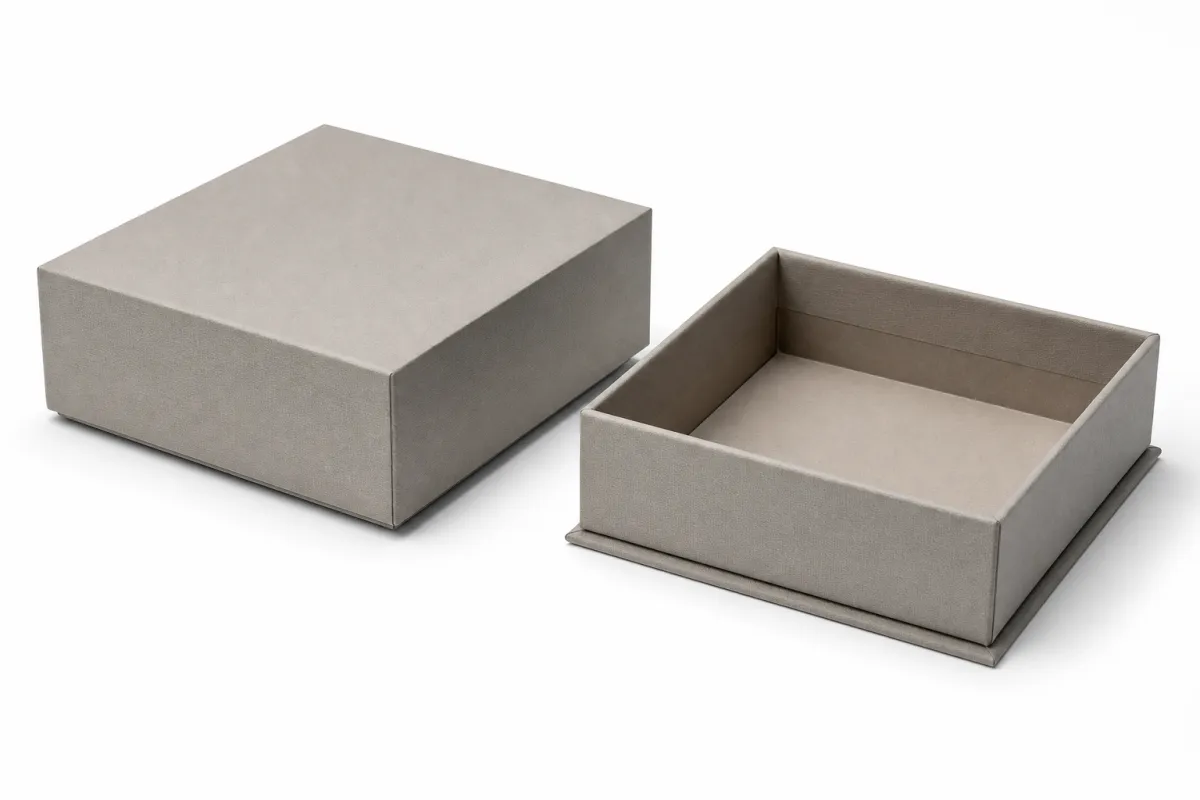
Rigid boxes for small business are premium paperboard boxes built from thick chipboard or grayboard, then wrapped in printed paper, textured stock, kraft paper, or specialty finishes. They hold their shape. They do not collapse flat the way folding cartons do. That one difference changes the customer experience fast. A rigid box feels deliberate, stable, and giftable, which is why it shows up so often in premium beauty, jewelry, wellness, and limited-run retail packaging.
The interesting part is how quickly a box can influence perceived value. A 90-gram candle in a rigid box often feels more expensive than the same candle in a lightweight carton because the packaging signals care, weight, and permanence. Customers use that signal as a shortcut. Buyers do too. Rigid boxes for small business can make a $28 item feel closer to a $38 item, provided the rest of the brand experience supports that reading. In retail, perception is not decoration; it is part of pricing power.
There is also a practical reason brands choose them. Rigid boxes for small business are useful for gifting, launches, and products that need a cleaner reveal. The opening sequence is more controlled: lift lid, remove insert, reveal product, notice the interior print, find the message card, pause. That pause matters. It stretches attention for a few extra seconds, and those seconds are often where memory and premium perception settle in.
Still, rigid boxes for small business are not automatically the smarter business decision. If the product has a low average order value, ships in high volume, or sits in a price-sensitive category, a simpler folding carton or mailer may protect margin better. I’ve watched more than one founder fall in love with presentation and forget the spreadsheet. Pretty packaging is only worth it if it supports conversion, repeat purchase behavior, or a clear premium position. Otherwise, it is gonna look good and cost too much.
In practice, rigid boxes for small business work best when presentation is part of the product, not an afterthought. If the customer is buying for a gift, an event, a subscription, or a social-share moment, the box is doing real commercial work. If it is only decoration, the cost tends to show up later in margin pressure.
One useful way to think about rigid boxes for small business is this: the structure should match the brand promise. A handmade, luxury, or highly curated product can justify the extra spend more easily than a commodity item. That does not mean every premium brand needs foil stamping and magnets. It means the box should feel proportionate to the offer. Small businesses usually win by making one strong choice instead of trying to stack every premium detail at once. A restrained design often signals confidence better than a crowded one.
For some brands, rigid boxes for small business become the packaging equivalent of better lighting in a store. They do not change the product formula, but they change how the product is experienced. That is the distinction worth holding onto.
Are rigid boxes for small business worth it?
Yes, if the packaging is doing measurable work. Rigid boxes for small business are worth the higher cost when they support a premium price, protect fragile goods, or make gifting feel effortless. A box that improves conversion by even a small amount can justify a meaningful cost increase, especially on products with healthy margins. That is why luxury skincare, candle brands, jewelry labels, and curated subscription boxes use rigid packaging so often: the structure does not just hold the product, it helps sell it.
The catch is simple. Rigid boxes for small business are not automatically worth it just because they look expensive. If the product is low-margin, reorder frequency is weak, or the audience is highly price-sensitive, a folding carton or mailer box may be the smarter choice. The economics need to match the presentation. Otherwise, the box becomes a vanity project with a business-sized bill.
In my own reviews of small-batch product launches, the brands that got the best return on premium packaging were not always the ones with the flashiest finishes. They were the ones that used the box to solve a concrete problem: damage, giftability, launch excitement, or a weak first impression. That kind of clarity tends to win.
How Rigid Boxes for Small Business Are Built and Used
Rigid boxes for small business start with structure. The core is usually a thick board, often around 1.5 mm to 3 mm depending on the size and the load the box must carry. The exterior is then wrapped with printed paper, specialty paper, or laminated stock. The edges are wrapped and tucked by hand or by semi-automated equipment, which is one reason rigid boxes for small business cost more than folding cartons. The added labor shows up in the final result, even if the customer never sees the production line.
The main lid styles are familiar, but each one changes the experience. A telescoping box has a separate lid that fits over the base. A lift-off lid is common for gift sets. A drawer-style box creates a reveal that feels more interactive. Magnetic closure boxes are popular for luxury positioning because the closure feels intentional and the snap is satisfying. Rigid boxes for small business often use one of these formats to create elegance, convenience, or both. The format is not a minor choice; it sets the tone before the product is even visible.
Inside, inserts do most of the practical work. A paperboard insert can hold a bottle, jar, or compact in place. Foam can protect fragile items, though many brands now prefer molded paper or die-cut board for a more recyclable presentation. Ribbon pulls, thumb cuts, and finger notches make the box easier to open. Rigid boxes for small business can also include printed interiors, product stories, care instructions, or QR codes that connect the package to setup videos and reorder pages. A box can carry much more than a product if the space is planned well.
What the customer actually experiences
From shelf to mailbox to first reveal, rigid boxes for small business are about sequence. The product does not just arrive. It is staged. The lid comes off. The insert holds the item neatly. The surface quality stays in view long enough to register. A well-made rigid box gives the customer a few extra seconds to absorb branding cues, and those seconds are often where premium perception lives. Packaging analysts sometimes call this the “pause effect,” and it is easy to underestimate until you watch a buyer open the box in person.
That is also why rigid boxes for small business are frequently used for launches. A launch needs attention, and attention is easier to hold when the physical package creates anticipation. A clean opening sequence can do more for perceived quality than a louder print layout. A box that feels easy to open, easy to reseal, and hard to damage tends to perform better in real use than one that looks complex but frustrates people on first contact. Ease is part of luxury. Not every premium package needs to feel ceremonial.
There is a shipping side to this too. Rigid boxes for small business are not the same as a decorative outer shell with no protection. The box must survive compression, handling, and corner impact. If the product ships parcel, it is smart to think about distribution testing, especially if the box carries fragile goods. Standards such as ISTA testing protocols can help guide how packaging is evaluated under transit stress. That does not mean every brand needs a formal lab program, but it does mean the structure should be checked against the actual shipping path. A gorgeous box that fails in transit is just expensive waste.
On the brand side, rigid boxes for small business are also a content engine. Customers photograph nicer packaging more often. A clean, premium box can improve shareability without asking for a bigger ad budget. That is not guaranteed, of course, but it is common enough to matter. One well-composed box can create more organic imagery than a dozen planned product shots, especially when the finish and closure feel distinctive.
There is an old packaging truth here: the box is rarely invisible. Rigid boxes for small business make that more obvious because they invite handling. People notice weight, lid fit, texture, and closure. Those little details are where the experience either feels premium or merely expensive. The difference is subtle, then obvious, then hard to forget.
What Rigid Boxes for Small Business Cost
Cost is where the conversation gets real. Rigid boxes for small business can range widely because price depends on size, board thickness, wrap material, print method, finishing, and the complexity of the insert. A small magnetic closure box with a simple printed wrap is a very different build from a large two-piece gift box with foil, embossing, and a custom die-cut insert. The box style matters, but the spec sheet matters more. Two boxes that look similar from six feet away can land in very different price bands once the details are counted.
For many small businesses, low-volume pricing is the hardest adjustment. At smaller quantities, unit cost rises because setup, cutting, wrapping, and labor are spread across fewer boxes. That means rigid boxes for small business often look expensive at 250 or 500 units, then become much more manageable as quantity climbs. The tradeoff is inventory risk. More units lower the price per box, but they also increase storage and cash tied up in packaging. A brand can save two dollars per unit and still create a cash flow headache if the order is too large for the sales cycle.
Here is a practical comparison, using typical market ranges that vary by artwork, material, and sourcing region:
| Packaging Type | Typical Small Run Unit Cost | Strengths | Tradeoffs |
|---|---|---|---|
| Rigid boxes for small business | $1.80-$6.50 each at lower quantities | Premium feel, strong structure, gift-ready presentation | Higher unit cost, more storage, often more assembly labor |
| Folding cartons | $0.25-$1.20 each | Lower cost, flat shipping, easy to store | Less premium feel, less crush resistance |
| Mailer boxes | $0.80-$2.50 each | Better parcel protection, good for e-commerce | Less luxury presentation than rigid boxes for small business |
| Stock gift boxes | $0.60-$3.00 each | Fast to source, low setup cost | Limited branding control, generic fit and finish |
Those numbers are not fixed quotes. They are a starting point for budgeting. The actual price for rigid boxes for small business may move quite a bit based on print coverage, whether the interior is printed, whether the lid needs a magnet, and whether the insert is board, foam, or molded pulp. Specialty papers also add cost quickly. So does soft-touch lamination, foil, and debossing. A tiny change in specification can move the quote more than a brand expects.
There are hidden costs too. Prototype rounds can add days and dollars. Freight can matter more than brands expect, especially if the boxes are large and air shipping is involved. Storage can become a problem if the box footprint is bulky. If the packaging is supplied unassembled, labor for assembly and kitting should be included in the math. Rigid boxes for small business can look manageable on a quote sheet and still strain operations once the cartons arrive. The invoice rarely tells the whole story.
Think in margin terms, not packaging vanity terms. If a premium box adds $1.20 per unit but increases conversion, average order value, or repeat purchase rate, it may be a strong investment. If it adds cost without a commercial return, it becomes an expensive decoration. That is the difference.
One more angle is often missed: the best comparison is not rigid box versus nothing. It is rigid boxes for small business versus the full package ecosystem around it. A lower-cost carton might require more void fill, more damage replacement, and a weaker gifting impression. A rigid box may cost more at checkout but save money in customer service friction, breakage, and brand perception elsewhere. Packaging often moves cost rather than removing it. The smartest choice is the one that shifts cost into the right place.
If you are sourcing product packaging across multiple SKUs, a consistent system can help. A shared base size, a standardized insert style, or a repeatable structure reduces the number of parts you need to manage. The Custom Packaging Products catalog is a useful place to compare structures if you want to see how different packaging formats support different products.
Packaging sourcing also has a sustainability angle. If FSC-certified paper matters to your brand story, look for supplier documentation rather than verbal assurances. The FSC system is helpful because it gives buyers a clearer chain-of-custody framework. That is not a slogan; it is a sourcing control point. For buyers under pressure from retailers or consumers, paperwork matters almost as much as paper stock.
How to Order Rigid Boxes for Small Business on a Timeline
Ordering rigid boxes for small business is easier when the brief is specific. Start with the product dimensions, the weight, the opening style, the target quantity, and the shipping method. If the product is fragile, say so. If the box must fit a shelf display, say that too. The more precise the brief, the fewer surprises later. Rigid boxes for small business are made from multiple components, so vague information almost always creates delay. A factory can work fast with clear inputs. It moves slowly when it has to guess.
A good process usually begins with structure selection. Do you need a lid-and-base box, a magnetic closure box, a drawer box, or a book-style presentation box? Once that is settled, the board thickness and inner fit can be defined. Then the wrap material, print method, and finish can be chosen. Rigid boxes for small business get expensive fastest when the team picks decoration before fit. Fit should come first. A perfect finish on a bad fit is still a bad box.
Where timing usually slows down
Sampling is the first bottleneck. A plain white sample can confirm dimensions and structure, while a printed prototype can confirm color, finish, and visual hierarchy. Revisions add time. So does waiting on artwork approval from too many stakeholders. Production scheduling can also shift if the factory is filling a larger order or if your box requires special materials. For rigid boxes for small business, a first order often lands in the 3-6 week range after final approval, though simple builds can be faster and complex builds can take longer. That is a practical estimate, not a promise. A complicated order with specialty paper and custom inserts can stretch longer than anyone likes.
Shipping matters too. Air freight compresses the timeline but increases cost. Sea freight lowers per-unit shipping cost but pushes the arrival date out. Warehousing and kitting also affect timing, especially if the product launch depends on assembled packages arriving in sequence. Rigid boxes for small business should be planned as part of the launch calendar, not as a last-minute accessory. Packaging delays tend to be invisible until they delay revenue.
Here is a clean ordering flow that usually prevents trouble:
- Measure the product and confirm how it will sit inside the box.
- Choose the box style based on brand position and shipping needs.
- Decide the quantity based on forecast, storage, and cash flow.
- Select wrap paper, print method, and finish level.
- Request dielines, then proof artwork against the actual template.
- Review a sample or prototype before committing to full production.
- Plan freight, assembly, and delivery buffer time.
That final buffer matters more than people admit. First orders are often slower because someone discovers a mismatch in insert depth, magnet placement, closure tolerance, or print alignment. Rigid boxes for small business are precise products, which is part of why they feel premium. Precision takes time. Precision also takes better communication than a hurried email thread usually provides.
For brands coordinating with a launch date, I would build in extra slack around approval. A three-day delay in artwork review can ripple into shipping and warehouse booking. That kind of delay is frustrating, but avoidable. The fix is a better process, not a faster email. Clear checkpoints prevent the kind of last-minute scramble that turns a packaging project into a fire drill.
One more practical rule: if the box is intended for postal shipping, ask how it performs under compression and drop testing expectations. Not every project needs a full lab report, but every project benefits from a conversation about transit risk. That is where rigid boxes for small business either prove themselves or expose a weak design choice. If the box cannot handle the journey, the premium feel ends in a damaged return.
Common Mistakes with Rigid Boxes for Small Business
The most common mistake is sizing the box loosely and hoping the insert will fix everything later. It usually does not. If the product shifts, rattles, or sinks too deep, the customer notices immediately. Rigid boxes for small business need accurate internal dimensions, and the difference between a snug fit and a sloppy fit is often a few millimeters. Those few millimeters can decide whether the box feels engineered or improvised.
Another mistake is overdesigning the packaging before proving that the product and price point can support it. I see this a lot with first-time premium launches. The box gets foil, embossing, a magnetic closure, a custom insert, and a printed interior before the business has tested demand. Rigid boxes for small business should reinforce the offer, not consume the margin that should have gone into ads, sampling, or inventory. A clean structure can do more selling than a crowded finish stack.
Skipping structural testing is another expensive error. A box can look beautiful and still fail in transit, especially if the product is heavy or oddly shaped. Corner crush, lid lift, insert movement, and edge scuffing are all common issues. Rigid boxes for small business need to be checked against the real handling route: warehouse, carrier, doorstep, and opening experience. A box that survives a desk demo may still disappoint in parcel distribution. Packaging that passes the studio table but fails the carrier route is not finished.
There is also a storage mistake that smaller brands underestimate. Rigid boxes for small business take up more space than flat cartons. If the packaging arrives unassembled but bulky, storage can become a constraint fast. And if the boxes arrive pre-assembled, the volume problem becomes even more obvious. Either way, packaging should fit the warehouse plan, not just the brand mood board. Space has a cost, even when it is hiding in the back room.
Comparing quotes without matching build specs is a classic trap. One supplier may quote a thinner board, a simpler wrap, no insert, or a different finish and look cheaper on paper. Another supplier may include details that matter to the final experience. Rigid boxes for small business should be compared by actual specification, not by the lowest number in isolation. A quote only means something when the details match.
Cheap is not cheap if the box fails the first job. A poorly specified premium box can cause returns, damaged goods, or an awkward unboxing that undermines the product. That is a real cost.
Some brands also forget about assembly labor. If the box ships flat or semi-flat, someone has to build it. If the insert must be fitted by hand, someone has to do that too. For rigid boxes for small business, labor is part of the packaging cost, even if it does not show up in the printed unit price. The lowest unit quote can hide the highest total effort.
Expert Tips to Get More Value from Rigid Boxes
The easiest way to improve value is to standardize sizes where possible. If three products can share one box family with different inserts, the packaging program becomes easier to manage. That reduces the number of prototypes, the number of SKUs, and the chance of sitting on dead inventory. For rigid boxes for small business, standardization often creates more savings than chasing a lower quote by a few cents. Small efficiencies compound quickly when the same structure gets reused across launches.
Another practical move is to choose one premium feature and let it carry the design. Maybe that is a soft-touch exterior. Maybe it is a magnetic closure. Maybe it is foil on a restrained logo. Rigid boxes for small business do not need every finish at once. In fact, too much embellishment can make the package feel busy or try-hard. Restraint usually reads more expensive than clutter. Editors and buyers notice that. So do customers.
Inside printing can be worth the spend if the product benefits from instructions, storytelling, or a stronger reveal. But if the interior will barely be seen, the money may be better spent on the lid, the closure, or the insert. Rigid boxes for small business should be designed around the part of the box customers will actually notice. Design is a series of tradeoffs, not a shopping list.
Custom inserts deserve similar judgment. If the product is unstable, fragile, or oddly shaped, a custom insert may be essential. If the product is already compact and self-supporting, a simpler board cradle could work. The goal is control, not decoration. Rigid boxes for small business should present the product cleanly and protect it efficiently. Any insert that merely looks sophisticated is probably doing too little work.
Test the packaging with real customers before scaling. That can mean a small pilot, a launch-group shipment, or a limited run used with a handful of early buyers. Watch how people open it. Watch whether they reuse it. Watch whether they talk about it. Small signals matter. Rigid boxes for small business often justify themselves through these repeated reactions. Repeat that pilot twice, and patterns become visible fast.
It also helps to be realistic about the brand story. If the product is premium, the packaging should be premium enough to support that claim. If the brand is minimalist, the box should not be overloaded. If the product is giftable, the outer experience should feel generous. Rigid boxes for small business work best when packaging, product, and price all tell the same story. Mixed signals usually weaken trust.
One final practical tip: ask suppliers for samples of finishes and papers before you approve the whole build. A paper that looks sophisticated in a photo may feel too glossy, too fragile, or too textured in the hand. For rigid boxes for small business, tactile judgment matters as much as visual judgment. Surface, weight, and edge quality all affect how the box is read in person.
Brands that get the most from rigid boxes for small business usually do two things well: they keep the structure disciplined, and they avoid paying for details nobody will notice. That combination is simple, but it is not common.
Next Steps: Build a Box Brief That Gets Accurate Quotes
If you want accurate pricing for rigid boxes for small business, the brief has to be clear. A supplier can only quote precisely when they know the product size, the target quantity, the board thickness, the wrap material, the print method, the finish, the insert style, and the delivery target. Leave those out and the quote will either be broad or misleading. A vague brief usually produces a vague answer, then a revised answer, then a delay.
A strong brief usually includes the following:
- Product dimensions, weight, and whether the item has a fragile surface.
- Box style, such as lid-and-base, magnetic closure, or drawer format.
- Quantity target and a backup quantity in case pricing tiers matter.
- Finish preferences, including matte, gloss, foil, embossing, or soft-touch.
- Insert requirements and whether the insert needs to hold one item or multiple items.
- Delivery destination, launch date, and any warehouse booking constraints.
Compare at least two or three suppliers using the same specification sheet. That sounds obvious, but many quotes are not actually comparable because one supplier includes a better insert, a different board thickness, or a different finish. Rigid boxes for small business should be judged on true apples-to-apples specs, not just totals. A lower total can hide a weaker build.
Ask for a sample or pilot run before committing to full production. Even a simple white sample can reveal fit issues that are hard to see in drawings. If the box has a magnet, check closure strength. If it has a lift-off lid, check lid friction. If it includes an insert, test product removal. Rigid boxes for small business reward careful sampling because small changes in fit can transform the user experience. A box that feels right in hand often started with several rounds of adjustment.
One smart way to write the brief is to describe the customer experience you want. Do you want the box to feel like a gift, a collectible, a clean retail premium package, or a subscription reveal? That intent helps the supplier recommend the right structure. Rigid boxes for small business are not only about dimensions; they are about the feeling the customer should have during unboxing. Emotion needs to be specified as clearly as size.
For businesses building out a broader packaging lineup, it can help to review related options alongside rigid formats, especially if your portfolio includes mailers, cartons, or retail display packaging. That keeps the packaging system aligned instead of pieced together one product at a time. A brand that treats packaging as a system usually spends less over time.
Measure, specify, quote, sample, then scale. That sequence saves money more often than the cheapest quote ever will.
Rigid boxes for small business can elevate a product, protect it, and support premium pricing, but only if the structure fits the product, the budget, and the timeline. If those three pieces line up, rigid boxes for small business become more than packaging; they become part of the sale.
Are rigid boxes for small business worth the higher price?
They are worth the higher price when the product has a premium price, is giftable, or relies on presentation to support conversion. Rigid boxes for small business can also reduce damage and improve repeat purchase behavior when packaging is part of the brand experience. A higher unit cost can still be the cheaper choice if it prevents returns or supports a stronger margin elsewhere.
How many rigid boxes for small business should I order first?
Start with a quantity that fits your launch forecast, storage space, and cash flow rather than chasing the lowest unit price. A pilot order is often smarter than a large commitment if the packaging is new or the product is still being tested. Small runs reveal fit and finish issues before they become expensive habits.
How long do rigid boxes for small business usually take to produce?
Timelines depend on sampling, artwork approval, materials, and order size, so first orders usually take longer than repeat runs. Build in extra time if the boxes need special finishes, inserts, or coordinated delivery with a product launch. A clean schedule is easier to protect than a rushed one is to rescue.
Can I customize rigid boxes for small business without a huge budget?
Yes, by simplifying the structure, limiting finishes, and choosing one or two high-impact brand details. Standardized sizes and a clean visual system often create a premium look without adding unnecessary manufacturing cost. The trick is to spend where the customer notices and skip what only flatters the spec sheet.
Which products work best in rigid boxes for small business?
They work best for products that benefit from protection, presentation, or gifting appeal, such as cosmetics, accessories, candles, and specialty items. They are especially useful when the unboxing moment is part of the product story or the purchase price supports a premium package. Rigid boxes for small business make the most sense when the packaging helps the item earn its price.

