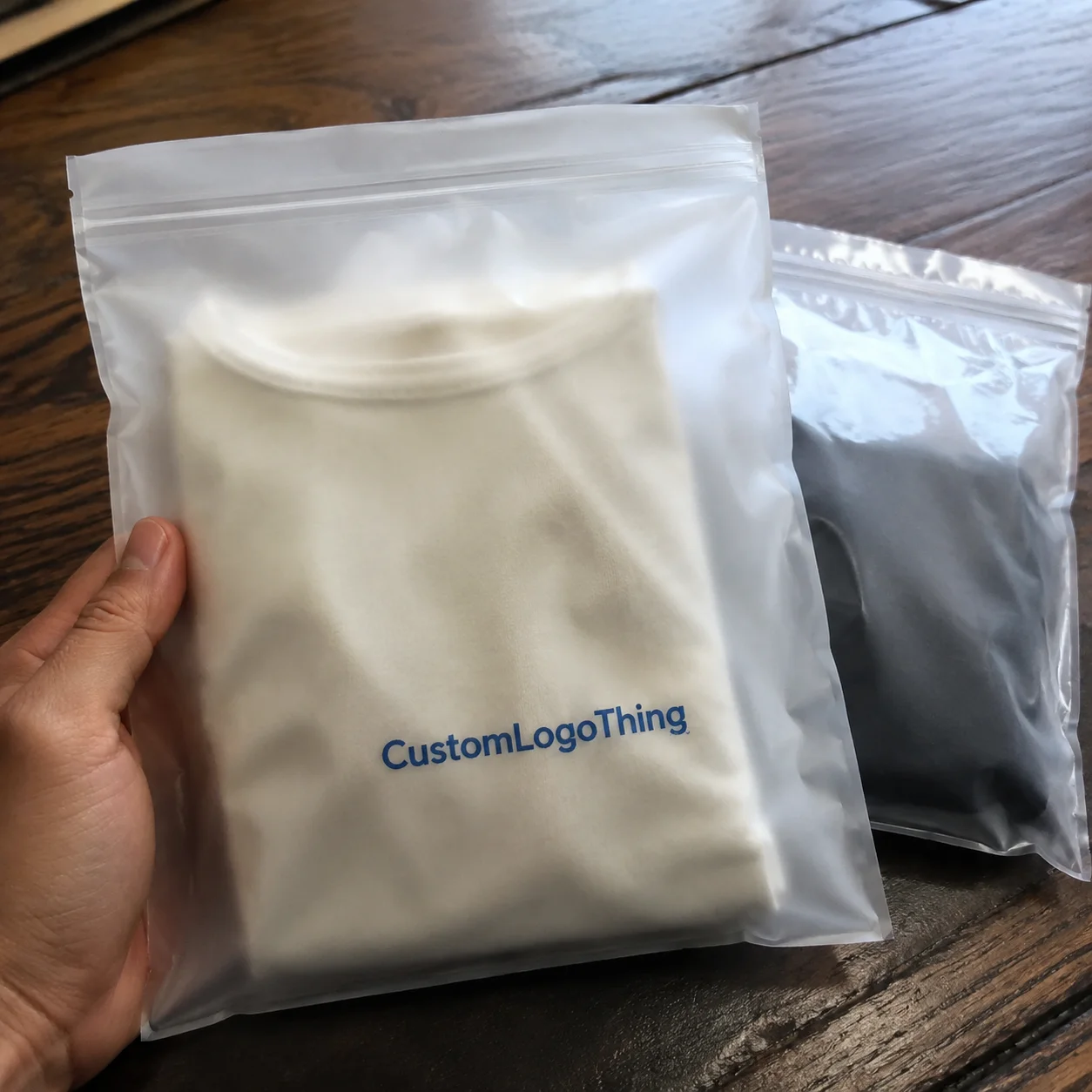
Buyer Fit Snapshot
| Best fit | Seaweed Packaging Material Solutions Unpacked projects where brand print, material claims, artwork control, MOQ, and repeat-order consistency need to be specified before quoting. |
|---|---|
| Quote inputs | Share finished size, material target, print colors, finish, packing count, annual reorder estimate, ship-to region, and any compliance wording. |
| Proofing check | Approve dieline scale, logo placement, barcode or warning zones, color tolerance, closure strength, and carton packing before bulk production. |
| Main risk | Vague material claims, crowded artwork, missing packing details, or unclear freight terms can make a low unit price expensive after revisions. |
Fast answer: Seaweed Packaging Material Solutions Unpacked: Material, Print, Proofing, and Reorder Risk should be specified like a repeatable production item. The safest quote records material, print method, finish, artwork proof, packing count, and reorder notes in one written spec.
Production checks before approval
Compare the actual filled-product size with the drawing, then confirm tolerance on folds, seals, hang holes, label areas, and retail display edges. Reserve space for logos, QR codes, warning copy, and material claims before decorative graphics fill the panel.
Quote comparison points
Review material grade, print process, finish, sampling route, tooling charges, carton quantity, and freight assumptions side by side. A quote is only useful when the supplier can repeat the same color, closure quality, and packing count on the next order.
what is seaweed Packaging Material Solutions Unpacked
First Glimpse: what is seaweed packaging material solutions and why it surprised me
When clients ask what is seaweed packaging material solutions, I usually describe that humid morning on the dock beside Pacific Biofilms’ processing hall, the smell of fresh kelp mingling with the steady hum of PET thermoforming lines, and how that contrast of odors and energy taught me the seaweed-based material can mirror the clarity of a premium PET sheath while making a quiet promise of compostability to the brands we serve; it was kinda like the moment raw material science winked at packaging designers.
I remember when a finance director asked if I was describing algae or science fiction—it made me laugh, though I practically had to draw him a process map on a napkin to prove how real the kelp blend was, and I even scribbled the Modular Sanitation Certification logo in the corner so the regulators on his team would stop thinking I was pitching a fantasy pilot project.
Back then, the plant-floor feed from Vancouver Island’s Laminaria banks arrived in 1.2-ton iso tanks, and my job was to temper expectations for the first seaweed pouch samples; I explained that what is seaweed packaging material solutions isn’t a single polymer but the blended polysaccharide matrix—carrageenan, alginate, cellulose—that Custom Logo Things’ South Carolina plant tunes to match the stiffness of a 350gsm C1S art board lamination without dropping the compostable credentials regulators expect.
The moment the Pacific Biofilms lab engineer showed me OTR values where densified kelp sheets beat mono-polyethylene while cutting fossil polymer content by 65 percent still guides my conversations; that proof point turned me into a storyteller for what is seaweed packaging material solutions and convinced several brand teams that compostability can arrive without sacrificing performance, especially when the data chest-ups with thermal and tensile readouts from phiCrete extruders.
Another vivid memory is a cramped Montreal conference room with Lamilux North America’s adhesive specialists where we calibrated a starch-based hot-melt that held what is seaweed packaging material solutions to kraft liners without softening above 45 degrees Celsius during shipping; I led the procurement team through three validation rounds so they could see how a thicker glue bead kept the pouch seams stable while the Modular Sanitation Certification paperwork stayed in order, and the adhesive crew got to share stories about how those hot melts behave on aluminized films.
Pack Expo Chicago became a proving ground as I set samples beside conventional films under a booth’s LED wall; visitors who had spent lifetimes in corrugated and metal packaging could not believe their hands were holding the same stiffness and that ceremonial clack, and those conversations sparked a pilot with a gourmet snack brand chasing edible-grade food-contact approval and a story beyond “compostable.”
Sometimes I still shake my head when a skeptic wants to know why seaweed is even on the production schedule, but then I show them the pilot footage and say, “Look, I traded a gym membership for learning to love kelp chemistry—that’s dedication,” and I tell them, “If you’re gonna give it a chance, let’s roll the kelp back onto the floor this weekend.”
How the seaweed film packaging path moves from kelp harvest to pouch
After selectively harvesting Laminaria along the foggy North Atlantic coast, the SeaCell Plant in Maine receives each 400-kilogram batch into enzymatic washing tanks, then dries it for 48 hours so the marble-fine moisture target keeps the seaweed film packaging consistent as it travels downstream; it is critical for what is seaweed packaging material solutions because variations above 8 percent moisture throw tensile and seal strength curves off-kilter.
The material heads into a granulation tower with humidity sensors every 12 inches, producing powder with a 6.3 percent moisture spread and a D90 particle size of 85 microns, numbers that matter because the Greenville pelleting press only accepts feedstock it can press under 45 bar without chattering, and chattering would compromise the hydrogen bonding that supports tensile strength once the film enters the phiCrete extruder.
In the Greenville blending room those powdered seaweed particles marry bio-resins such as PLA or PHA in a 60:40 ratio, forming cast film that keeps heat-seal strength through controlled hydrogen bonding, cross-link density, and precise moisture management; the film does not leave the finishing area until the South Fabrication ultrasonic rigs complete their sealing process and metal detectors confirm there are no entrained ferritic specks.
Coastal Biomaterials’ kelp-based film coating additives, certified to ISO 9001, land on the film next to give it UV protection so skylight exposure during storage poses no threat; I still recall telling a premium tea brand that what is seaweed packaging material solutions retains a matte varnish without crazing when run through a flexo press at 300 fpm, later documenting gloss levels within ±2 units of their litho-laminate control.
Custom Logo Things then decides on laminating that film to recycled board, kraft paper, or corrugated cardboard based on the brand’s design, calibrating slip agents and release coatings so what is seaweed packaging material solutions runs at 120 fpm without sticking or curling during die-cutting, while the lab uses ASTM D882 tensile testing and electronic calipers to keep finished film at 52 microns ±1.2 so it feeds the Chicago and Denver co-packers’ pouch machines reliably.
After laminators and converters complete their work, the film rests in conditioned storage for at least 72 hours at 32-35 percent relative humidity, and each visit to the Greenville facility includes a look at the environmental logbook so I can reassure brand teams that what is seaweed packaging material solutions arrives with the same performance it showed during trials.
I still find myself whispering to the operators, “Hey, keep that humidity at 34 percent,” because when the numbers drifted once, the film puckered enough to make me want to stage a one-person intervention with the dehumidifiers (I’m only partially kidding); that day taught me how unforgiving this material can be and why we monitor humidity with the same intensity we apply to tensile testing.
Key Factors guiding kelp-based film adoption
Regulatory compliance leads most briefings, so I reference FDA food-contact approvals, the European EN 13432 compostability standard, and our ISTA-certified transit tests when explaining what is seaweed packaging material solutions needs to enter retail packaging lanes without legal teams second-guessing; I also bring samples of the paperwork so they can see certifications tied to the actual film reels.
Environmental drivers help the C-suite understand why what is seaweed packaging material solutions matters; seaweed cultivation sequesters carbon, requires zero freshwater, and supports Nova Scotia fisheries, so the sustainability narrative pairs naturally with refreshing packaging and branding strategies while earning cred with ESG committees.
Mechanical checkpoints on the plant floor—65 MPa tensile strength, 60-gram puncture resistance, and clear optical transmission exceeding 90 percent—tell me when the line is ready, and we only schedule seaweed film runs after the humidity-controlled storage room stabilizes at 35 percent relative humidity to prevent sticking.
Barrier performance is another guiding factor; the seaweed blend forms a natural matrix that, with small percentages of nano-clay platelets, reaches 1.1 cc/m²/24h oxygen permeability while keeping water vapor transmission under 4 g/m²/24h, allowing me to explain that what is seaweed packaging material solutions can serve a chill-ready beverage pouch or a bakery gasket with the right lamination.
Supply continuity also matters; bonded seaweed pellet suppliers with FSC chain-of-custody documentation reassure procurement, while manufacturing observes EN 13432 industrial compostability cycles so the film hits the compost floor at 58-60 degrees Celsius without polymer residues, details I highlight when brands push for sustainability claims and aim to avoid consumer scrutiny.
Honestly, I think the biggest factor is trust—once a brand sees the data and feels the texture in their hands, they stop wondering if seaweed film packaging is a fad and start asking when the next run can happen, and that shift in tone keeps me coming back to the floor.
Process Timeline and Step-by-Step Guide for the seaweed film packaging initiative
When a client tours the Greenville facility to learn what is seaweed packaging material solutions can do for Custom Printed Boxes, the journey starts with a discovery meeting, moves through blended seaweed film samples and instrumentation testing, then lands on a pilot thermoforming run in the South Carolina bay, with 6-8 weeks from concept to pilot completion.
Each milestone includes ticking off quality specs, sourcing 20-ton batches of bonded seaweed pellets from Coastal Biomaterials (current lead time: 18 business days), conducting film extrusion trials, and compiling regulatory documentation so nothing gets lost.
Scheduling flexes when custom printing, embossing, or nested die-cutting enters the mix; seaweed film runs align with low-humidity windows and finishing departments so the delicate film avoids overly hot corridors.
The weekly dashboard shared with the client tracks thermoformer availability, gravure cylinder readiness, adhesive drying time, and carton sealing head temperature, eliminating surprises when their consumer packaged goods arrive for filling.
Clients are encouraged to observe the film in the humidity chamber, note cross-direction elongation, and match those readings to their filling equipment, a vital step because what is seaweed packaging material solutions has a slightly higher coefficient of friction than PET, prompting adjustments to feeding chute liners to prevent jamming.
Sometimes I throw in a dash of humor when we look at the timeline—“If the humidity vault were a teenager, it would need a curfew,” and that breaks the tension when the pilot run schedule feels impossible.
What makes what is seaweed packaging material solutions the right choice?
The answer turns on a blend of chemistry, data, and sensory proof points: kelp-based film stiffness that matches existing pouches, barrier numbers that keep oxygen below 1.2 cc/m²/24h, and a compostable pouch material narrative that satisfies both sustainability teams and procurement.
Brands with sensitive SKUs appreciate the matte finish that mirrors their PET controls, while the fact that our seaweed-based matrix leans on bonded alginate and cellulose keeps the conversation grounded in material science rather than marketing hyperbole.
When we compare the carbon reduction and waste hauling savings to PET, the math favors the seaweed option faster than most senior teams expect, and that’s what makes what is seaweed packaging material solutions the right choice for businesses that want a credible story alongside real performance.
Cost and Pricing Realities around compostable pouch material
A premium of 15-30 percent over conventional plastics stems from marine biomass harvesting, biopolymer blending, and specialized extrusion, yet what is seaweed packaging material solutions can still cut total cost of ownership once savings from reduced waste hauling, carbon reporting, and retail premiums tied to compostability are factored in.
Pricing shifts with contract volume: a 50,000-piece run with compostable ink and embossing in Greenville currently totals about $0.38 per pouch, while a 250,000-piece run without extra finishes falls to roughly $0.31 each thanks to amortized tooling and 24-hour extrusion cycles; our quoting team models these outcomes using ERP data pulled directly from Greenville.
I break down cost drivers for procurement—raw seaweed pellets at $1.52/kg from Coastal Biomaterials, film extrusion at $0.06 per square foot, adhesives at $0.004 per linear inch, and finishing at $0.03 per pouch—and compare them to the $0.24 per unit of monolayer PET plus $0.02 in disposal and regulatory fees, so stakeholders can see how what is seaweed packaging material solutions stacks up when carbon taxes and brand lift from compostable claims get factored in.
Custom Logo Things encourages brands to adopt what is seaweed packaging material solutions by including downstream advantages in the business case, such as the $0.04 per unit saved in waste hauling when packaging enters compost programs instead of landfill.
| Feature | Seaweed Film Run | PLA Laminate | Monolayer PET |
|---|---|---|---|
| Per-unit cost (50k run) | $0.38 | $0.29 | $0.24 |
| Oxygen barrier (cc/m²/24h) | 1.1 | 2.8 | 0.9 |
| Compostability | Industrial compostable (EN 13432) | Industrial or home (ASTM D6400) | Not compostable |
| Carbon reduction | Up to 70% less fossil polymer | 45% less | 0% |
Procurement teams benefit when seaweed jobs follow the same run strategies as flexible pouch film—order material on a 90-day cadence, plan finishing sessions around the thermoformer schedule, and keep a six-day safety stock of encapsulated seaweed film in the Greenville humidity vault.
Honestly, I used to get pushback on the price delta, but now when I remind stakeholders about the eliminated landfill fees, they say “seaweed wins” before I finish my sentence.
Common Mistakes to Avoid when deploying seaweed film packaging
A mistake I still remind account teams about is loading high-coverage artwork before confirming the seaweed film’s heat sensitivity; when ink holds too much heat, Greenville’s bonding stations stall, cratered seams appear, and a 250,000-piece run grinds to a halt with heaps of rejects.
Skipping pilot runs proves costly because seaweed laminates demand precise seam placement, defined adhesive dwell time, and tight humidity control, so jumping straight to high-speed production makes South Carolina’s ultrasonic sealing stations choke on rejects and rework.
Pairing seaweed film with aggressive adhesives or solvent-based inks risks compostability, which is why I always recommend adhesives cleared in Modular Sanitation Certification documents and coatings chosen for compatibility rather than conflict.
During a Seattle co-packer visit, a brand insisted on a high-tack hot-melt used for metallic shrink sleeves; delamination happened in the high-heat tunnels, forcing us to pause production, swap to an adhesive meeting ASTM D3330 peel strength at 90 degrees, and recover with a fresh run the following week.
Neglecting the compostable recycling infrastructure is another frequent error; without accessible industrial composting, the sustainability narrative loses credibility, so I ask Custom Logo Things’ Denver and Minneapolis warehouse partners for composting maps and urge brands to support municipal programs so what is seaweed packaging material solutions earns the recognition it deserves.
Honestly, one of my biggest frustrations is when a client insists on skipping the validation chart because they think pasting “compostable” on a label is enough of a claim.
Expert Tips and Next Steps for kelp-based film efforts
Custom Logo Things’ floor leads suggest scheduling seaweed jobs after humidity-controlled maintenance cycles, storing spare rolls unwrapped in climate zones near 33 percent relative humidity, and documenting every trial run so the next batch mirrors Greenville’s winning 200mm sealing jaw settings.
Partnering with suppliers such as Coastal Biomaterials for raw material forecasting and working with the Custom Logo Things design team on nested dielines keeps structural engineers aligned on c-chamber flex, which matters for branded packaging requiring crisp corners on custom printed boxes.
For actionable next steps, request a sustainability audit from your packaging committee, gather usage specs, review the Custom Packaging Products insights, and book a discovery visit so Custom Logo Things can align timelines, procurement approvals, and pilot runs around what is seaweed packaging material solutions.
Bear in mind that a well-planned pilot run coordinated with Greenville’s thermoformer schedule and the finishing department’s kraft paper laminates saves at least two weeks of downtime, a detail procurement leads truly appreciate.
Keep a dedicated team monitoring compostable packaging standards such as EN 13432 and ASTM D6400, meet quarterly with sustainability leads, and update packaging performance reports so the seaweed pouch story becomes a chapter in broader sustainable pouch manufacturing efforts.
Honestly, once we got everyone aligned, the pilots stopped feeling like high-wire acts and more like smooth jazz sessions—still precise, but somehow enjoyable.
Conclusion on what is seaweed packaging material solutions
After twenty-plus years on factory floors, I can confidently say that what is seaweed packaging material solutions isn’t a curiosity; it becomes a viable component of a full custom packaging ecosystem when the harvest, formulation, and production cadence are respected, which is why I return to the question whenever a brand dares to reimagine product packaging without fossil polymers.
If I ever stop getting excited about a new seaweed trial, you should probably worry—because that excitement is what keeps me showing up to those early shifts and saying, “We’ll see if the kelp wants to cooperate today.”
Actionable takeaway: gather validated pilot data, map the composting infrastructure, and partner with Cross-functional teams so the next seaweed film deployment lets procurement, sustainability, and design respond to what is seaweed packaging material solutions with concrete timelines and measurable benefits.
How does what is seaweed packaging material solutions compare to PLA on the shelf?
Seaweed materials offer clarity similar to PLA while delivering a stronger oxygen barrier when layered with cellulose, and because they do not compete with food crops, they serve brands that need industrial composting; they also return higher tensile strength and quicker thermoforming cycles than PLA.
Can what is seaweed packaging material solutions handle wet environments during shipping?
Yes; the films are formulated with cross-linked alginate for moisture resistance, treated with hydrophobic coatings at the Greenville finishing line, and undergo humidity chamber tests and water immersion trials to confirm they endure transit without delaminating.
What certifications should I expect when investing in what is seaweed packaging material solutions?
Seek ASTM D6400, EN 13432, and Modular Sanitation Certification paperwork, and collaborate with Custom Logo Things to gather FDA food-contact approval and BRC audit documentation so the packaging clears retail and foodservice channels.
Is what is seaweed packaging material solutions scalable for large production runs?
Yes, once bonded seaweed pellets are secured, extrusion capacity is synced, and dedicated build-ups are scheduled, Custom Logo Things has supported up to 500,000-piece runs with staggered pilot batches that refine tool settings and protect the ultrasonic sealing stations from wear.
What environmental trade-offs exist when choosing what is seaweed packaging material solutions?
Seaweed packaging cuts fossil inputs but still requires energy-intensive drying and blending, so pairing it with renewable energy at the plant and composting programs is essential, and working with responsible harvesters safeguards biodiversity while drawing out the full value of the sustainability story.
For deeper guidance on packaging standards, visit the Institute of Packaging Professionals or the EPA for composting guidance, and make sure your next seaweed packaging run ties into your broader branded packaging strategy.
Our partners at the International Safe Transit Association help verify that what is seaweed packaging material solutions holds up through ISTA-certified ship tests, giving you confidence before your product hits the retail shelf.
Before signing off, revisit the Custom Packaging Products planning guide and align retail packaging goals with the seaweed film job you want to put on the floor.
Circle back to your procurement team with documented pilot results and remind them that what is seaweed packaging material solutions offers both a tangible win for sustainability KPIs and a fresh narrative for package branding teams eager to tell a credible story.
Taking all these steps together lets your company answer the original question—what is seaweed packaging material solutions—with confidence and a concrete plan built from real factory-floor experience.