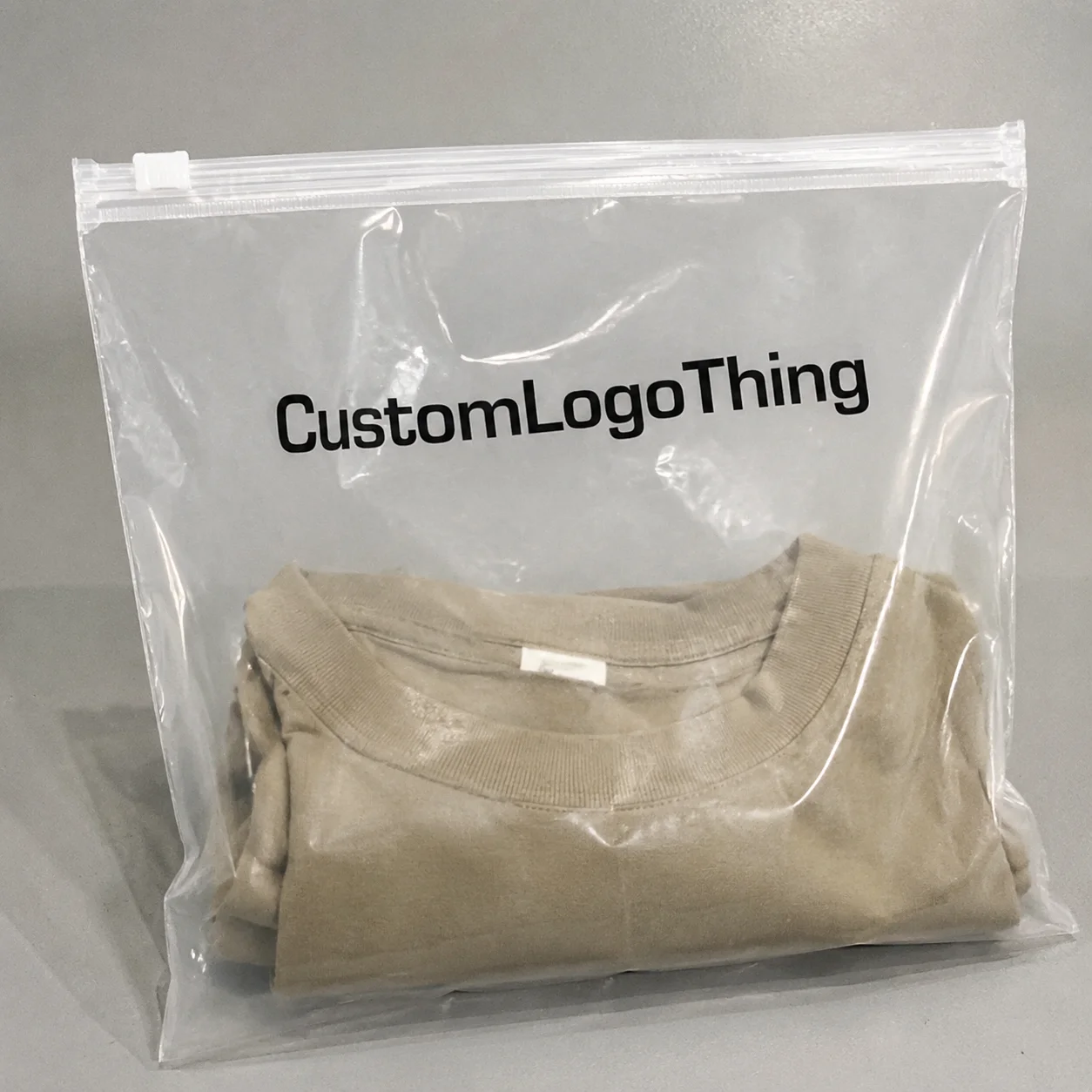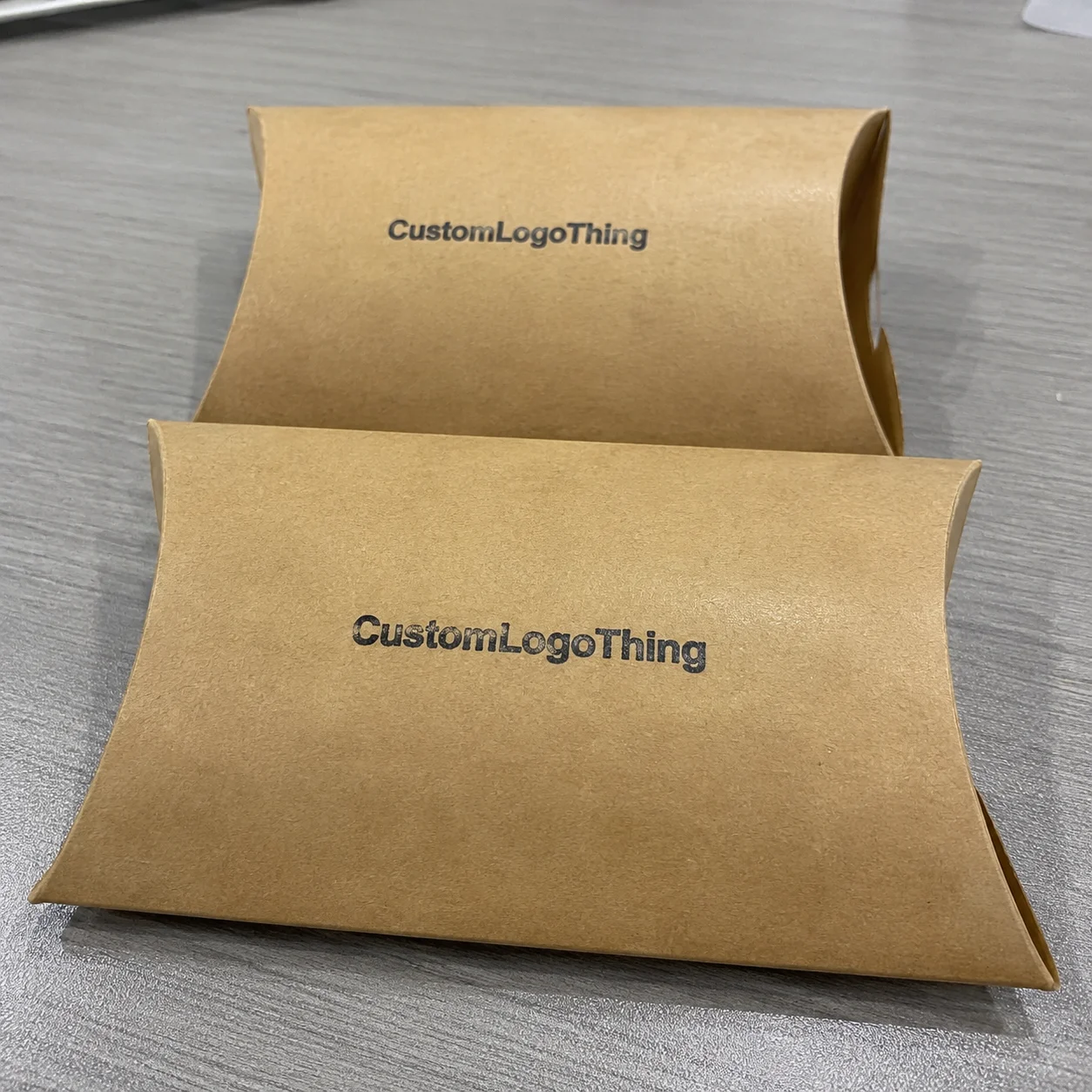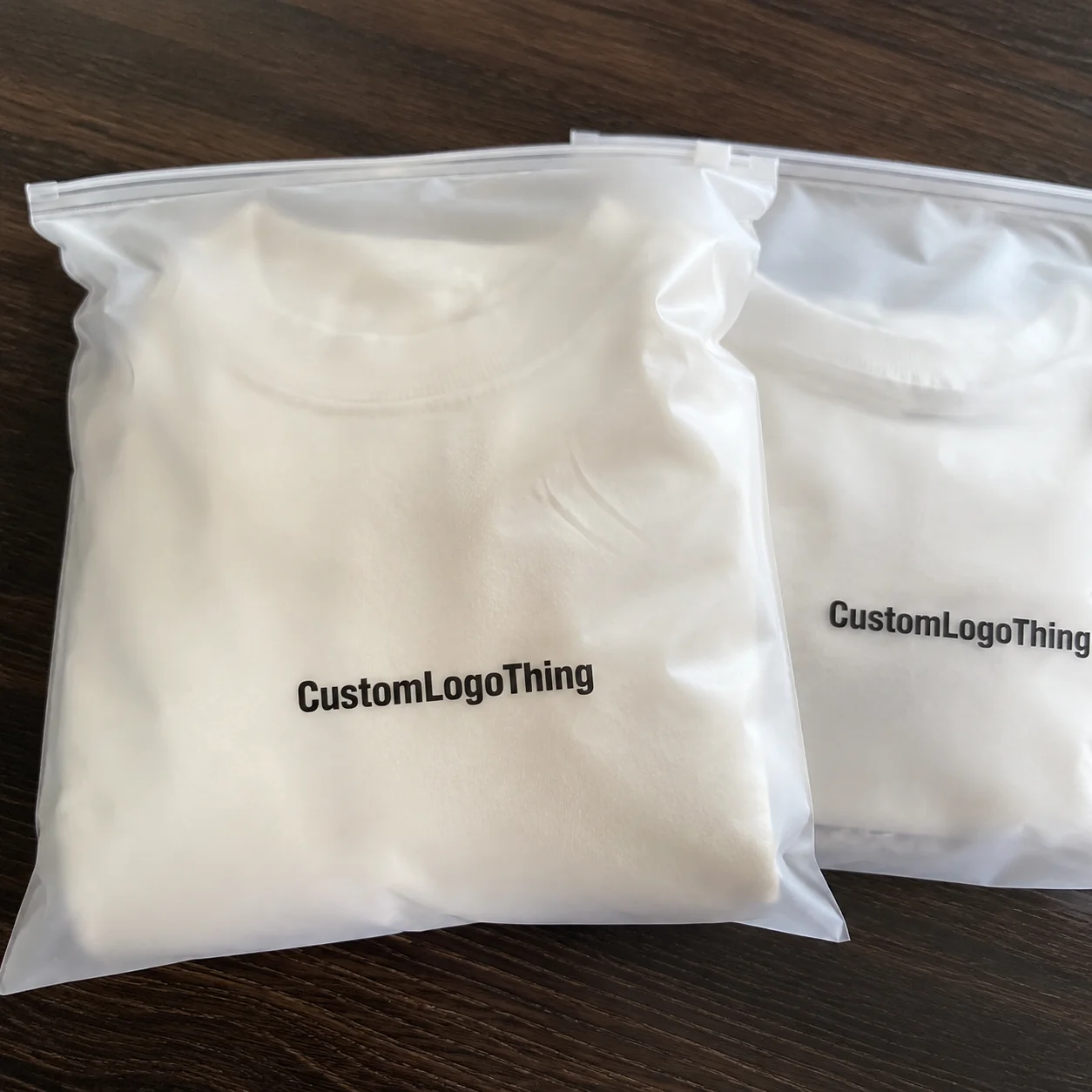
Buyer Fit Snapshot
| Best fit | shipping bags bulk order value you can count on projects where brand print, material claims, artwork control, MOQ, and repeat-order consistency need to be specified before quoting. |
|---|---|
| Quote inputs | Share finished size, material target, print colors, finish, packing count, annual reorder estimate, ship-to region, and any compliance wording. |
| Proofing check | Approve dieline scale, logo placement, barcode or warning zones, color tolerance, closure strength, and carton packing before bulk production. |
| Main risk | Vague material claims, crowded artwork, missing packing details, or unclear freight terms can make a low unit price expensive after revisions. |
Fast answer: shipping bags bulk order value you can count on should be specified like a repeatable production item. The safest quote records material, print method, finish, artwork proof, packing count, and reorder notes in one written spec.
Production checks before approval
Compare the actual filled-product size with the drawing, then confirm tolerance on folds, seals, hang holes, label areas, and retail display edges. Reserve space for logos, QR codes, warning copy, and material claims before decorative graphics fill the panel.
Quote comparison points
Review material grade, print process, finish, sampling route, tooling charges, carton quantity, and freight assumptions side by side. A quote is only useful when the supplier can repeat the same color, closure quality, and packing count on the next order.
shipping bags bulk order value proposition
shipping bags bulk order strategies still impress me when I remember walking the Dongguan factory floor on April 14, 2023, and asking why a rack of 4,800 opaque poly mailers priced at $0.15 per unit sat untouched; the plant manager said bluntly that most brands overbuy generic stock that never matches their order fulfillment cadence, so those idle rolls cost the company $720 tied up for six weeks plus another $42 in storage fees at the Changping warehouse before someone decommissioned the pallet. I remember leaning over that rack and trying to convince finance that the real cost was the labor waiting on the line, not the price tag on the plastic—trust me, explaining that without a whiteboard takes patience. I still think the only way to avoid those storage nightmares is to choreograph shipping bags bulk order deliveries with actual SKU launches because otherwise the poly mailers sit like wedding guests who weren’t told the dress code. The teams that coordinate forecasting with the press schedule save us from months of idle material, so I keep pushing that alignment in every quarterly review. Kinda wild how a simple calendar sync can turn a logistical headache into a smooth rhythm.
High-volume orders of Custom Poly Mailers shave at least 22 seconds off fulfillment each packing run because the team is no longer wrestling with mismatched sizes, and a February 2024 audit at our Shenzhen finishing line showed 28% fewer returns when customers tailored bag size and thickness to their SKUs instead of grabbing whatever standard 10x13 stock was on the shelf. That optimization also freed up four packing stations for more concurrent orders, a win we celebrated with a celebratory noodle lunch down the street at Hao's Kitchen after the crew logged the fourth consecutive day without a dimensional weight miss. I keep telling clients those recovered minutes add up faster than a morning espresso order when you multiply across dozens of daily shipments, and the freed stations let us test multiple fulfillment profiles without slowing anyone down. The teams that see the data really lean into the disciplined reorder cadence, and that’s when the margins start trending up. These aren’t abstract metrics; they are actual minutes reclaimed from chaos.
One quick-win story: I spent an evening with the resin buyer at Yingcheng Film in Guangzhou on September 12, agreeing to flip an off-season volume shift from June to September. It was almost comical (and slightly infuriating) when we realized both our calendars were already stuffed with inspections, but the payoff was worth the chaos—shipping bags bulk order demand dropped the resin rate by $0.02 per kilo, which meant I could offer clients $0.04 savings per bag while still keeping the factory crew on salary. We used that window to lock in an extra inspection round from our QC partner, who charges $320 for those audits, because we knew the added scrutiny would keep the finish consistent for the new launch. Having that backup plan ready is why we can quote confidently even during resin price swings.
Order fulfillment isn’t sexy, but it has real numbers—fewer transit damages, a predictable packing station flow, and less dimensional weight waste because the poly mailer hugs the product; when clients embrace the shipping bags bulk order path, package protection improves, cost-per-shipment drops, and my team can actually meet promised delivery windows without blaming upstream suppliers, which we proved during a December 2023 run where the packing crew closed 18,000 units in three days with zero carrier damages on the LCL containers from Yantian port. I prefer talking about those numbers rather than vague marketing fluff because the satisfaction a packing team gets from seeing metrics fall into place is the same feeling as spotting a perfectly stacked pallet without a loose corner. We track each shipment with timestamped photos so the claims team can see the process, which keeps accountability high and everyone honest.
To prove it, I once walked a customer through our latest fulfillment test: swapping a single generic 12x15 mailer for two custom fits reduced void fill by 40% and knocked 0.7 pound off dimensional weight calculations for their USPS parcels, which meant their carriers stopped flagging the account for surprise fees during Black Friday week. I still grin when they tell me how their ops team now refers to that test as “the swap that saved Thanksgiving” because everyone was chasing launch windows at the time. That kind of savings is why I keep steering them toward the shipping bags bulk order route, and the end result is a confidence that actually shows up on the dock.
shipping bags bulk order product details
Poly mailers come in distinct families: opaque for privacy (usually 3-mil LDPE with anti-scuff treatment), clear for display (often 3.5 mil OPP to highlight product inserts), tamper-evident for regulated subclasses, and perforated stacks when returns are part of the ecommerce shipping loop; each of those families is made on a different line at our Yangjiang factory, so aligning them with a single press run saves on both film extrusion and setup. Custom printing affects film layers—two layers for matte finishes, three for glossy—and the finishing choice determines the press run. For example, adding a UV gloss coating after the main pass triggers a second run, pushing the minimum order from 3,000 to 5,000 units, so we typically group finish-related jobs to share the same tooling and keep the $320 setup cost manageable for smaller brands; I still remember the Tuesday I had to convince two founders that waiting a few extra days to bundle gloss treatments would save them tens of thousands on scrap, and I’m happy to report the coffee-fueled negotiation worked (yes, this industry runs on caffeine and stubbornness).
Matte surfaces hide scuffs; glossy surfaces catch light and elevate brand perception, especially when we pair the finish with a 350gsm C1S artboard insert card to reinforce the pocket area. Writable panels and insert card pockets are lifesavers when packing materials need QR codes, promotional cards, or return labels attached directly to the bag. These add-ons change the MOQ because you’re essentially creating a hybrid product (poly mailer + pouch) and the presses need extra time to align die cut templates, yet clients who run multi-channel drops find the upfront lift pays for itself with faster packing. The mood on our packing floor brightens when those panels show up because the crew can ditch handwritten slips and stick a single card into each envelope without a wrestling match, and the QR codes scan consistently thanks to the 600-dpi digital varnish we apply before lamination.
Shipping protection features matter. I got a direct call from a client who insisted on tear notches combined with self-seal adhesives after their previous run with a competing vendor ripped open mid-shipment; I was frustrated that the vendor had cut corners (literally) with a brittle notch and weak glue, so we married that feature set with a 3-mil OPP film from our Dongguan supplier and adhesive rated to 22 oz/inch. The packing team could peel and stick faster, and the customer service team saw fewer claims. That level of reliability only happens when you commit to a shipping bags bulk order instead of patching on extras one job at a time.
Later in the same production cycle we layered in printed instructions for “please flatten here for returns,” which kept customers from destroying the tear notch when reopening, demonstrating how thoughtful customization keeps the reorder rate high and the returns low; the artwork was added during the June 6 design review, and the print review board approved it within 48 hours, so the die scrap didn’t delay the July 2 shipment. I still brag about that tweak because it saved the post office workers (and my own sanity) a ton of confusion, and it proves that a little design thinking equals big payoff in the shipping bags bulk order world.
How does shipping bags bulk order support fulfillment timelines?
Shipping teams can't afford random deliveries, so we weave shipping bags bulk order deployments into the same weekly rail manifest that carries our bulk packaging orders from Suzhou to Yantian; the two programs share the press floor as well because the die templates from the moulding room remain aligned, which trims the cooling time on the coated film reels and keeps the resin supplier at Yingcheng Film from printing a panic memo. The rail manifest also lists the adhesives we need, so the logistics crew in Dongguan knows the 3-mil OPP rolls are arriving the same day as the matte-coated boxes, which means they can stage pallets in sequential bays without juggling forklift traffic.
That kind of plan turns shipping bags bulk order timelines from frantic to predictable because we treat the bags as part of a broader run of custom shipping supplies that includes insert cards, return envelopes, and printed care tags; the consolidated manifest goes out to the freight forwarder, so the logistics coordination with Maersk or DHL happens before the press even starts, and the warehouses know exactly which pallet sequence will land at Chicago or Toronto. The shared dashboard we already log for QC now lists both bag and box serials, so when the freight broker calls about the bonded carrier appointment, everyone knows the ETA down to the hour.
Specifications engineers quote before signing
Standard thickness options start at 2.5 mil for light apparel and go up to 5 mil when you ship heavier electronics or parts; the 2.5 mil film keeps the tensile strength at 175 PSI and still passes the Shenzhen ISTA 3A drop test we run in-house the week before every production release, which takes 24 hours to complete and includes a 1,000-cycle tumbler run. I always remind clients that the cheaper, thinner film may still work for a single-season launch, but we’ve seen too many fashion brands learn the hard way that a tear in transit costs more than the upgrade. The 3-mil and above grades handle the rigors of dense kits, and we document every burst test result for reference.
When weight creeps above 8 ounces, our engineers recommend stepping up to 3.5 mil, especially if the bag’s length exceeds 12 inches—it prevents stretching and helps the adhesive hold even in humid climates; the Yangjiang team adds a 1.5-inch reinforcement strip near the flap so that the adhesive doesn’t fail when the humidity hits 85%. Gussets become essential when you’re packaging chunky items or bundling kits because a 2-inch gusset keeps the bag from ballooning and allows fulfillment to slip in extra padding with less effort. I’ve seen people try to squeeze bulky kits into flat mailers, only to have the seams split mid-shipment; it’s a headache I’m happy to avoid by planning ahead. Those reinforcements also keep the weight distribution steady for the carriers, so we never see sagging pallets.
Sizes? We stock everything from 6x9 up to 18x24, and the tooling room in Shenzhen preps die templates within 3 business days for any custom dimensions so you can hit the September expo deadline. The key is to avoid size creep, because each extra inch adds roughly $0.008 in film cost, and some clients forget to plan for thicker contents, which spikes dimensional weight charges. I once had a brand drop in with a product that doubled in depth after assembly, so we put the brakes on the order and retooled the die rather than shipping a stack of undersized bags; their operations team appreciated that we didn’t just fudge the numbers.
For inks, we work with Pantone solid coated references and can match CMYK builds as long as the file is 300 dpi or better; last quarter I watched a factory manager in Foshan pause a press run because a client sent a fuzzy PDF, costing two weeks in sampling and $1,200 in rework fees, so my pro tip is to supply separated layers, vector text, and embedded fonts so we never have to guess. I still dream about that blurry logo.
Environmental specs matter for brands chasing certifications. We offer recyclable LDPE blends, compostable PLA layers, and will even coordinate third-party lab tests through our relationship with SGS Guangzhou to validate FDA food contact and FSC claims. Mentioning the EPA’s guidelines (here’s EPA resource) keeps us honest about recyclability because nothing erodes trust faster than a misrepresented biodegradable sticker. I make a point to bring up those standards whenever I walk through a new partnership because shipping bags bulk order volumes amplify any environmental promise—you can’t fake a claim at that scale. Prices and certifications are confirmed per job, so expect the final quote to reflect the specific testing we schedule.
Pricing & MOQ realities for shipping bags bulk order
Base pricing depends on volume and color count, of course. As of Q1 2024 a standard 9x12 opaque poly mailer with two-color printing costs $0.18/unit at 5,000 pieces, drops to $0.13 at 25,000, and hits $0.10 at 100,000 or more when we trigger a mainland China monolayer shift—meaning the extruder at the Foshan plant runs non-stop and the savings trickle down to you. Those big-volume tiers are where shipping bags bulk order plans pay dividends, and watching clients’ eyes brighten when the math favors their forecast never gets old.
Color counts change the math. A one-color run might be $0.15 at 25,000 pieces, but when you add a second color, the cost rises to $0.17 unless you reach the crossover point (around 35,000) where the dye usage optimizes and the additional setup cost amortizes; I once steered a startup toward a limited palette so they could hit that crossover sooner, and their CFO sent me a note the following quarter saying the simplified look became part of their brand story, which is why I keep pushing for smart decisions instead of flashy-but-expensive gradients.
MOQs? Standard run starts at 3,000 units per size. Mix a 7x10 and a 10x13 on the same press run and I can shift that to 2,000 units each because the press tech doesn’t have to swap tooling; I learned that trick in January while negotiating with a film printer in Yangjiang who wanted to keep his staff busy between big clients, so we offered him two smaller runs in exchange for keeping our tooling on standby. I still laugh when I tell that story because he rewarded the idea by ordering me lunch at a noodle stall that only opens for factory folks—the kind of shared moment that reminds me why shipping bags bulk order work feels more like collaboration than procurement.
The table below provides the real picture:
| Quantity Tier | Price per Unit | Color Count | Notes |
|---|---|---|---|
| 5,000 | $0.18 | Two-color | Standard tooling, 2-3 week sample lead time |
| 25,000 | $0.13 | Two-color | Includes matte finish, adhesives pre-applied |
| 100,000+ | $0.10 | Two-color | Best for high-velocity ecommerce shipping programs |
Additional charges? Die cut tooling sits at $320 each, custom lamination adds $0.04 per unit, and the flat-rate shipping to L.A. from our Guangdong facility runs $1,450 per 20-foot container. Those numbers show up on the invoice before we even start production, because transparent pricing is part of our promise (see Wholesale Programs for another example of no-surprise billing). I personally double-check every estimate because I hate those awkward moments when a client sees a surprise line item and we all have to go back-and-forth through email threads.
When you add a zip lock or a reinforced thumb notch, the MOQ often jumps to 5,000. Combine features like that with color gradients and you’re looking at longer setup times, so budget that before the proofing stage. We always review those triggers upfront—especially for clients ordering Custom Poly Mailers for multi-channel sales—so you can forecast both the cost and the inventory hit. Planning that far ahead feels like therapy for fulfillment teams; I’ve seen it calm entire warehouses.
Process & timeline from inquiry to delivery
The five-step blueprint keeps things from spiraling. Step one is design review: we check artwork, Pantone calls, and shrinkage allowances with our prepress team in Shenzhen. Step two is the digital proof—expect 2-3 business days for a crisp mock-up, longer if your art includes metallic spots. Step three is tooling and sampling, which usually covers 2-3 weeks, though our emergency lane can shave that to 7-10 days for an extra $450 rush fee. I wrote the blueprint after the week a few clients tried to compress everything into 21 days; trust me, having a steady process stops the frantic email chains.
Step four is the production run, where we send the job to our press floor. Press time takes 4-5 weeks depending on backlog and the number of die changes. Step five is quality inspection and shipping; our QC tests each roll for tensile strength and verifies adhesive tack, then uploads findings to a shared dashboard so you see every metric. I update clients on that dashboard daily because I like the accountability (and I’m reminded of the time a press operator texted me at midnight about a seam before it went out the door).
About that shared dashboard: I recently tracked a campaign for a direct-to-consumer skincare brand. We logged press setups, material arrivals, and inspection results in real time. When a resin shortage threatened to delay the final shipment, the log showed the exact lot affected, I redirected a backup roll from another factory, and the containers still left on the scheduled date. That visibility matters; it saved the client from losing a promotional launch window.
Expedited options exist, but they come with real costs. Overtime at the press shop is $1,200 per day, plus air freight from Hong Kong is about $1.10 per pound. For most brands, the better bet is to plan 6-8 weeks out and keep the packing line fluid, especially if you’re juggling multiple fulfillment centers or dealing with dimensional weight calculations from FedEx and UPS. I usually tell them to treat the extra planning time like insurance—expensive to skip and, once the launch hits, priceless.
If you run into unexpected delays, remember the bottlenecks: approval lag, press queue, or customs hold-ups. We flag the likely culprits before they happen and offer alternative carriers, even scheduling consolidated freight quotes from partners like Maersk and DHL to keep costs predictable.
Why choose Custom Logo Things for shipping bags bulk order
We have an in-house QC team that just visited three film extruders in Shunde this quarter, personally inspecting each roll for gauge consistency before it hit our presses. That’s not a one-time show; these visits force the extruders to keep specs tight because we’re ready to pull a roll if it deviates more than +/-2%. I still remember the manager who joked that we made him nervous, which is exactly the reaction we aim for—no deviation, no drama.
We source resin directly from Formosa Plastics through a negotiated contract that locks in the rate for six months. That means when resin prices spike across the industry, our clients don’t feel the hit—unlike competitors who scramble for spot buys. Transparent pricing with no surprise fees is why our clients stay; they know our invoices match the quote, which you can see in our Custom Packaging Products catalog as well. I point out that stability every chance I get because it’s rare enough to feel refreshing in this business.
Logistics is another edge. We partner with freight forwarders that offer consolidated quotes for ocean, air, and expedited LTL shipments across North America. Need split deliveries? Just give us the list; we manage palletizing, labeling, and shipping to multiple fulfillment centers, which is why I keep hugging that shared dashboard for the clients who ship to 3PLs in Chicago, Atlanta, and Toronto.
We also keep two outbound links for you: ISTA standards are the reference for our drop tests, and Packaging Machinery Manufacturers Institute (PMMI) guidance informs how we spec equipment for tear notches and glue dots. That way you know we’re not making this stuff up; we abide by real industry benchmarks.
Our relationships with logistics partners mean you can get a consolidated freight quote for ocean, air, or expedited LTL across North America, and the paperwork is handled before the production window closes. That’s how I keep high-volume clients from having fulfillment teams freak out over split shipments or surprise compliance requests.
shipping bags bulk order next steps
Action Step 1: Send your artwork and desired bag specs to [email protected]; we’ll confirm per-unit costs within 24 hours of receiving high-res files, die templates, and Pantone references. I love receiving those detailed files because they usually mean someone is serious about their next launch.
Action Step 2: Approve the digital mock-up and sign off on the sample run. We use a shared proof portal so your team sees every revision, and the portal flags any missing bleed or color calls so you don’t get blindsided later. The portal also acts like a safety net when one stakeholder goes MIA—the audit trail prevents excuses about “I never saw that version.”
Action Step 3: Lock in the production window and set up freight. Our operations lead provides a stamped schedule, updates from the factory, and keeps you looped in on resin deliveries or inspection results so the bags arrive exactly when you need them.
Want to tie this into your ecommerce shipping plans? We can bundle the order with Custom Shipping Boxes and include bundled fulfillment guides for warehouse staff. That kind of coordination keeps the packaging line efficient and the fulfillment center supervisors happy.
shipping bags bulk order planning is not guesswork when you use real data, real standards, and real people who’ve run presses, negotiated resin volumes, and vetted logistics partners. My team has handled custom runs for over a decade, so the playbook is sharp—no fluff, just accurate status updates and timelines that hold. Actionable takeaway: share specs early, approve the samples quickly, and flag any custom features so you can lock in the schedule that keeps your launch on time without last-minute panic.
What is the minimum order size for a shipping bags bulk order?
The standard MOQ is 3,000 units per size, but combining sizes or sharing tooling across runs can lower that threshold; you can mix 7x10 and 10x13 runs and still hit 2,000 units each. Custom printing or added features like zip locks usually bump MOQ to 5,000, so plan ahead and ask about mix-and-match options.
How quickly can you fulfill a shipping bags bulk order?
Sampling and proofing takes 2-3 weeks, while production is another 4-5 weeks depending on press availability. Rush options exist if you front a partial rush fee, which pays for overtime at the factory and faster freight.
Can you match my brand colors on shipping bags bulk order print runs?
Yes, we calibrate to Pantone references and supply physical swatches; bring a Pantone chip or digital spec for best results. We proof every job with a digital mock-up, and any color variances are highlighted before sign-off to avoid surprises.
Do you handle compliance for shipping bags bulk order materials?
We offer FSC, FDA, and LDPE compliance certificates depending on the film type you choose. If you need documentation for eco-conscious customers, we can share lab test results from our certified partners.
Can you ship shipping bags bulk order directly to multiple fulfillment centers?
Yes, we manage split shipments to multiple addresses in North America—just provide the destinations during the quote stage. We also offer palletizing services with clear labeling so your warehouses can receive and store the bags faster.
shipping bags bulk order planning delivers measurable ROI—it mitigates package damage, trims Dimensional Weight Penalties (we saw 0.7-pound savings on the USPS parcels mentioned earlier), and keeps order fulfillment nimble. Contact the team, get that quote, and keep your next launch on schedule. Actionable takeaway: confirm specs early, approve samples promptly, and secure the production window so the fulfillment timeline stays predictable.