If you are buying wholesale Plastic Mailing Bags, the real question is not whether they cost less than cartons. It is whether they lower total fulfillment cost without creating damage, returns, or packing slowdowns. For lightweight, non-fragile goods, they usually do—and the savings show up in labor minutes, freight weight, and the amount of material used per order.
That is why apparel brands, accessory sellers, document shippers, and sample-kit programs keep using them. A bag that saves only 4 to 8 seconds per pack does not sound dramatic. Multiply that across 1,000 orders and the difference becomes hard to ignore.
Why wholesale mailing bags still outperform boxed shipping
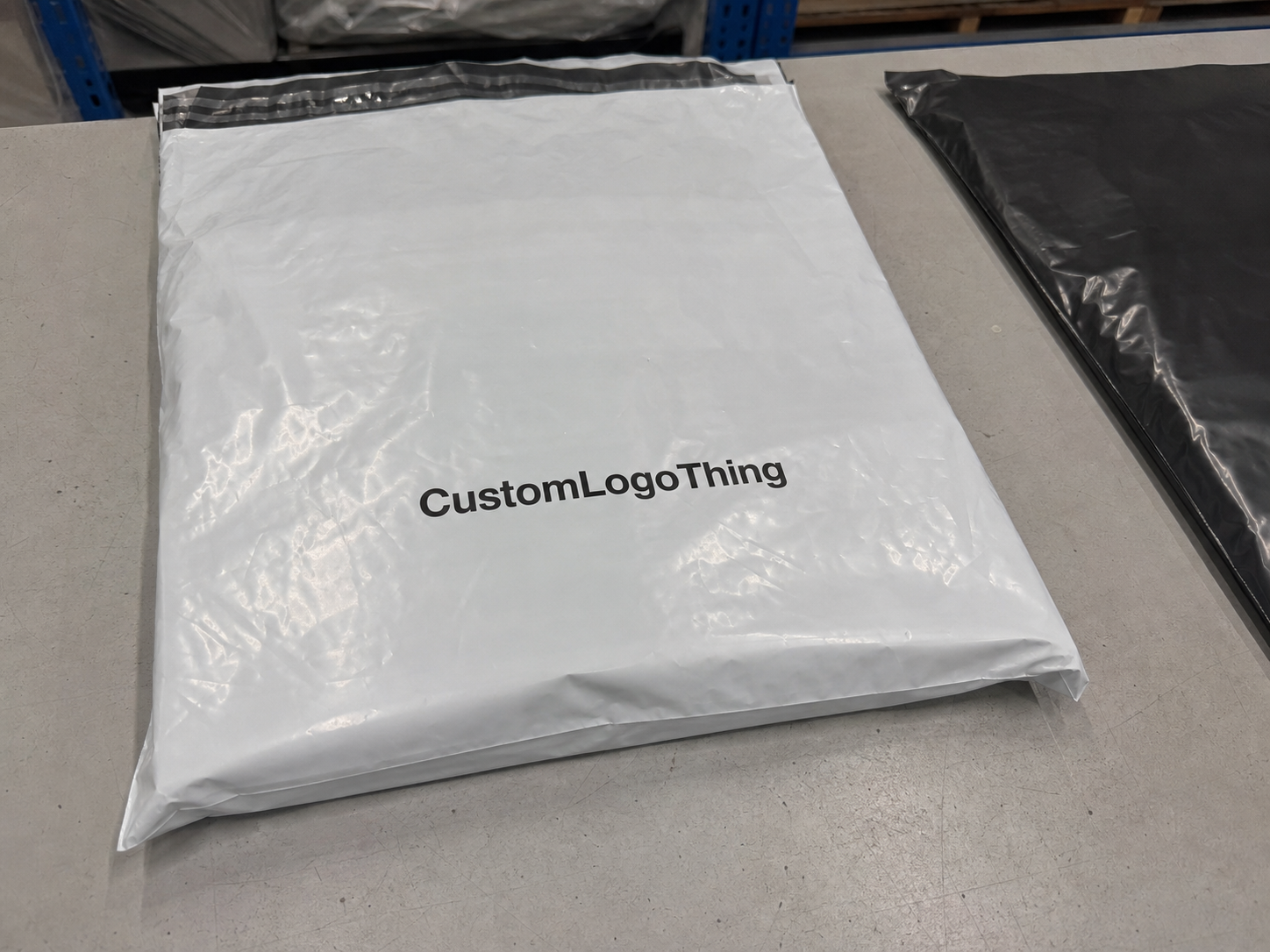
Boxes still have an obvious role. Fragile items, mixed-SKU kits with hard edges, and premium gift presentation often need corrugated board. But for most soft goods, mailing bags are faster, lighter, and easier to store. They remove several steps from the pack line and reduce the amount of dead space moving through the warehouse.
The savings are not limited to the bag itself. A carton usually needs tape, void fill, and more handling. A mailing bag needs a product, a seal, and a label. That difference affects labor, materials, and parcel weight at the same time. On a packing bench, fewer touches usually means fewer mistakes.
From the buyer’s side, the package can feel cleaner and less wasteful. For ecommerce apparel, a peel-and-seal closure often makes the return process easier as well, especially when a second adhesive strip is included. That matters because reverse logistics are now part of the purchase decision in many categories, not an afterthought.
Best-fit product categories are usually easy to spot:
- Apparel and folded garments
- Socks, scarves, and soft accessories
- Paper goods and documents
- Sample kits without rigid components
- Light retail items that do not need crush protection
“If the product does not need structural protection, every extra layer is cost. The better question is how little packaging you can use while still protecting the order.”
That is the practical advantage: fewer materials, quicker pack-out, and less pressure from dimensional weight. For brands shipping hundreds or thousands of orders, the gap between a bag-based workflow and a box-and-fill workflow can become meaningful very quickly.
Product details buyers should compare before ordering
Not every mailer is built for the same job. Buyers usually choose between opaque courier bags, clear mailing bags, and printed mailers. Opaque bags are the standard choice when privacy matters. Clear bags suit documents, inserts, or product display where the contents should remain visible. Printed mailers add brand recognition, but they usually involve more setup and higher minimums.
Closure design matters as much as appearance. A self-seal adhesive strip is standard. A tamper-evident seal adds confidence during transit. A double adhesive return strip is the better option if the item is expected to come back in the same package. That is common in apparel, subscription programs, and promotional drops where reverse logistics are part of the process.
Finish changes the user experience too. Matte films tend to look more restrained and hide scuffs better. Gloss finishes reflect more light and can make print colors appear stronger. Stock-color bags are useful when speed matters, while custom print is the better route when the mailer needs to carry a campaign message or branded pattern.
For ecommerce, the bag has to do three things consistently: resist puncture, shed moisture, and seal properly. If any one of those fails, the bag becomes a liability rather than a cost saver. Most buyers discover that during sample testing, not during a sales pitch.
It helps to compare options side by side before placing an order:
| Mailing bag type | Best for | Typical strengths | Trade-offs |
|---|---|---|---|
| Opaque courier bag | Apparel, accessories, private shipments | Privacy, lower cost, solid branding surface | No product visibility |
| Clear mailing bag | Documents, inserts, kits | Visibility, quick product identification | Less privacy, fingerprints show more easily |
| Printed mailer | Branded ecommerce, promos, retail | Brand recall, custom look, stronger shelf impact | Higher setup cost, more lead time |
If your current operation uses cartons for everything, the comparison can be revealing. For soft goods, a properly specified mailer often offers enough protection at a fraction of the handling time.
Wholesale plastic mailing bags: sizes, thickness, and specs
With wholesale Plastic Mailing Bags, the specification sheet is where many buying mistakes start. The common fields sound simple, but they matter: width, length, gusset or no gusset, thickness in microns or gauge, seal width, and print coverage. Leave one of those out and you may end up with a bag that fits the item but fails the process.
Size should be selected from the folded or flat-packed product, not from the product category alone. A medium hoodie and a medium T-shirt are not the same package once folded. Add space for insertion, sealing, and a small amount of movement inside the bag. Too tight, and the seam gets stressed. Too loose, and the parcel looks untidy and occupies more volume than necessary.
Thickness is the other major variable. Lighter gauges can reduce cost and are often fine for low-risk items. Thicker films improve tear resistance and help the bag survive rough handling. In practice, buyers often compare mailers in the 50 to 100 micron range, though the right specification depends on film construction, product weight, and shipping route. A soft T-shirt traveling domestically is not the same test as a dense knit garment moving through several sortation points.
Here is the short version:
- Lower gauge = lower material cost, lighter parcel, less protection
- Higher gauge = better tear resistance, stronger seal area, higher material cost
- Gusseted bag = more internal room for folded items or inserts
- Flat bag = simpler, often cheaper, best for slim goods
Quality control should not be guesswork. Ask for consistent opacity or clarity, clean edge sealing, and repeatable adhesive performance across a batch. A good supplier should also tell you whether the film has been tested against transit conditions aligned with common methods such as ISTA procedures. That does not replace real-world testing, but it gives you a useful baseline.
Sample packs are not optional for a new run. Test fit, seal strength, print alignment, and label adhesion before approving volume. A label that peels during warehouse handling can create more labor than the bag ever saved.
Material choice also affects how the bag behaves in storage and transit. Low-density polyethylene is common because it is flexible and cost-efficient. Co-extruded film structures can improve puncture resistance or print presentation, but they also change pricing and sometimes the feel of the bag in the hand. If your team packs quickly, small differences in film slip and seal strength can matter more than they do on a product sheet.
One more practical point: if the bag is too thin, it may not fail in a dramatic way. It may simply stretch, wrinkle, or split at the corners after a few hundred cycles of handling. That kind of failure is harder to catch in a showroom than on a conveyor belt.
Cost, pricing, and MOQ: what changes the unit cost
Pricing for wholesale plastic mailing bags depends on a small set of variables, and most of them are predictable. Size is the obvious one. Thickness comes next. Printing method, color count, and order volume round out the rest. If the quote changes sharply after those details are entered, the supplier is probably pricing accurately rather than guessing.
MOQ is where many buyers feel the tension. Stock mailing bags often come with lower minimums because the supplier already has the film, format, and finishing in place. Custom-printed orders usually need a higher quantity to cover setup, plate, or tooling costs. That is normal. What you want to avoid is a quote that hides those costs inside a vague unit price.
As a practical benchmark, stock poly mailers usually price lower, while custom-printed runs move higher depending on coverage and quantity. On larger orders, the unit cost may land around $0.12 to $0.35 each for standard formats, but freight, print complexity, and destination can move that number quickly. If you want a clear comparison, request landed pricing rather than factory-only pricing.
Here is a simple way buyers usually compare options:
| Order type | MOQ trend | Unit cost trend | Best use |
|---|---|---|---|
| Stock bag, no print | Lower | Lowest | Fast replenishment, standard shipping |
| Stock bag with small print area | Moderate | Moderate | Light branding with controlled spend |
| Fully custom-printed bag | Higher | Higher upfront, better at volume | Brand-led ecommerce and campaigns |
The easiest savings are often the least glamorous. Use standard sizes if you can. Limit print colors. Combine related SKUs into one order. If a supplier offers a Wholesale Programs structure, ask whether you can consolidate volume across multiple bag sizes to improve pricing tiers.
Freight matters too. A low unit price can be misleading if palletization, import charges, or domestic delivery are not included. The smarter approach is to ask for a quote with exact dimensions, closure type, finish, print coverage, and destination postcode or warehouse address. That is how you get the real number.
Lead time can also change the economics. A cheaper quote that misses your replenishment window may force you into an emergency buy later, and emergency buys rarely stay cheap. Procurement teams know this, but it still gets missed when the unit price looks attractive on paper.
Process, timeline, and lead time from quote to delivery
The order flow is usually straightforward: inquiry, specification confirmation, artwork review, sampling if needed, production, quality check, and dispatch. What slows everything down is not always the plant schedule. Incomplete information is just as often the cause. A missing dimension or unclear artwork file can cost days.
Stock items move faster. Custom print jobs need artwork approval, and that step alone can change lead time by several business days. In many cases, stock bags can ship quickly once payment clears, while printed runs take longer because the supplier must confirm dimensions, color expectations, and placement before production begins.
From a buyer’s point of view, proofing is not bureaucracy. It is risk control. Final sign-off on size, seal style, print content, and pack count prevents rework and keeps the delivery date realistic. If your launch date matters, share it early. Good suppliers can often work backward from your need date and tell you whether the schedule is achievable.
Shipping logistics matter more than some buyers expect. Domestic delivery is easier to coordinate, but international shipments need extra time for customs, freight booking, and warehouse receiving. If you are ordering pallet quantities, confirm loading requirements, pallet dimensions, and whether the receiving dock needs advance notice.
Typical timing varies, but many buyers see something like 12 to 15 business days after proof approval for custom work, with stock items moving faster. That is not a promise; it is a planning range. If your order is tied to a seasonal peak or promotional calendar, build margin into the schedule.
Production scheduling also depends on whether your order uses plain film, single-color print, or multi-color registration. A simple stock run may be slotted quickly. A heavily printed design can move into a different queue entirely, especially if the factory needs extra drying time or a second inspection pass for color accuracy. Those details do not matter until they do, and then they matter a lot.
What makes a packaging supplier worth choosing
A good supplier does not just sell bags. It reduces uncertainty. That starts with clear product specs, repeatable samples, and quotations that separate unit price from freight and setup. If the supplier cannot explain the structure of the quote, the relationship will be harder than it needs to be.
Manufacturing control matters because it affects consistency. A supplier that understands the production process can usually manage thickness tolerance, seal quality, and repeat orders more predictably than a reseller who is simply relaying information. For buyers, that means fewer defects and fewer surprises when the next run is approved.
Support is another differentiator. A strong packaging partner should be able to advise on sizing, print layout, and material selection without pushing you into the most expensive option. That kind of guidance is useful when you are trying to balance brand presentation and shipping economics. If your product mix also uses film-based formats, it can be worth comparing mailing bags with Custom Poly Mailers to see which structure fits the SKU best.
Documentation is not a bonus. It is a baseline. Expect a written spec sheet, an art proof, and an order confirmation before production begins. For sustainability-related questions, buyers increasingly ask about material sourcing and certification; if that is relevant to your program, confirm whether paper components or secondary materials carry certifications from organizations such as FSC.
Reliability is the real differentiator. Fewer defects. Fewer delays. Fewer hidden charges. That usually beats polished sales language.
There is also a subtle but important sign of a strong supplier: they ask uncomfortable questions. How will the bag be packed? What is the target shelf life in storage? Will the labels be applied by hand or machine? Is the bag meant for domestic parcel networks or export lanes with more handling? Those questions may slow the first quote, but they often prevent the expensive version of a mistake later.
Next steps to order the right mailing bag run
Start with three things: product dimensions, target quantity, and whether you need print or a stock finish. Those three inputs narrow the field quickly. Without them, any quote is just a rough estimate dressed up as precision.
Then build a short brief. Include closure type, thickness preference, color, and any branding files you already have. If the order supports a new product line or a high-volume launch, ask for samples or at least a detailed spec sheet before committing. A little extra checking now is cheaper than replacing a poor run later.
- Compare landed cost, not just unit price.
- Check lead time against your launch or replenishment date.
- Approve the proof only after the sample passes fit and seal testing.
- Place the order once the specification is locked.
That is the cleanest route to buying wholesale plastic mailing bags with confidence. Use packaging data, not rough guesses, and you are more likely to get the right fit, a better cost per shipment, and fewer headaches at the packing bench.
FAQ
What are wholesale plastic mailing bags best used for?
They are best for lightweight, non-fragile products such as apparel, accessories, documents, and sample kits. They can reduce packing time and shipping weight compared with cartons for many ecommerce orders.
How do I choose the right size for wholesale plastic mailing bags?
Measure the product after folding or flat packing, then add a little allowance for insertion and sealing. Leave room for labels or branding without creating oversized empty space that makes the parcel look untidy.
What affects the price of wholesale plastic mailing bags the most?
Size, thickness, print coverage, color count, and order volume are the biggest pricing factors. Custom printing and lower quantities usually raise the unit cost compared with stock bags.
What is a typical MOQ for custom mailing bags?
MOQ depends on size, print method, and whether the bag is stock or fully custom. Stock options often have lower minimums, while custom-printed runs usually require higher volume to justify setup costs.
How long does it take to receive a wholesale mailing bag order?
Stock orders generally move faster than custom-printed orders. Lead time depends on proof approval, production schedule, and shipping method, so confirm timing before payment and build in enough buffer for receiving.