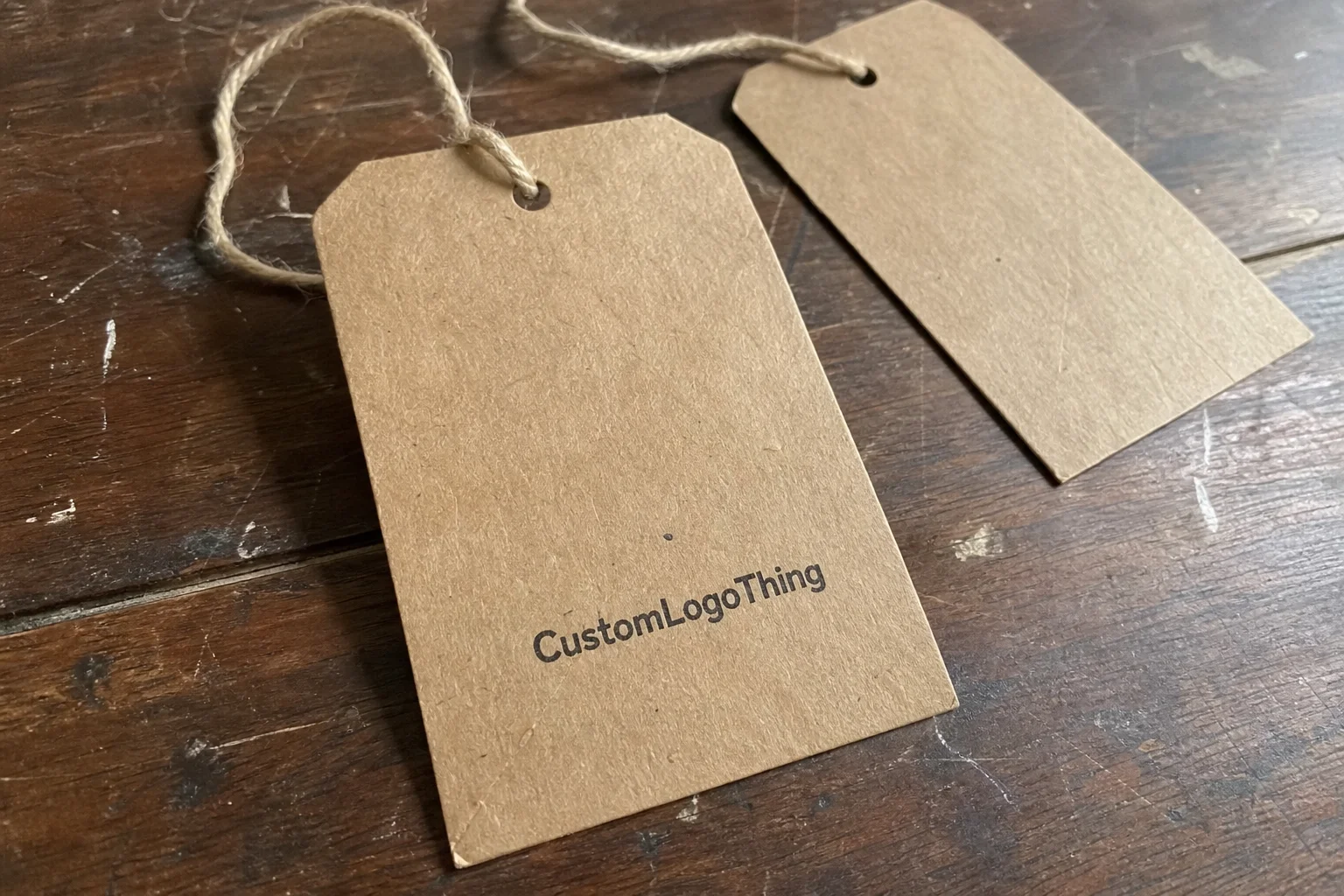
Shop Home Fragrance Ribbed Winter Beanies Material Samples sounds simple until two beanies that look nearly identical in photos feel completely different in hand. One keeps its shape, accepts decoration cleanly, and feels finished enough for a seasonal bundle. The other stretches out, pills early, and weakens the whole presentation. That is why the home fragrance ribbed winter beanies material sample guide matters: it helps buyers judge fit, recovery, branding, cost, and inspection risks before committing to bulk.
In home fragrance, the accessory is usually supporting the candle, diffuser, or gift set, not carrying the story alone. That means the beanie has to match the brand's standard for texture and polish. If the knit feels scratchy, the cuff slouches, or the logo sits badly, the bundle loses credibility even if the fragrance product is strong.
A sample is useful only if it tells the truth. It should show how the knit behaves under stretch, how the decoration lands on the fabric, and whether the piece still looks acceptable after handling. A sample that only works under showroom lighting is not ready for approval.
- Check the feel: softness, dryness, itch, and surface fuzz affect perceived quality.
- Check the recovery: the rib should spring back after stretch instead of staying baggy.
- Check the shape: cuff line, crown, and seam should stay neat after handling.
- Check the branding: embroidery, woven labels, and patches need a stable knit base.
Why the Home Fragrance Ribbed Winter Beanies Material Sample Guide Matters
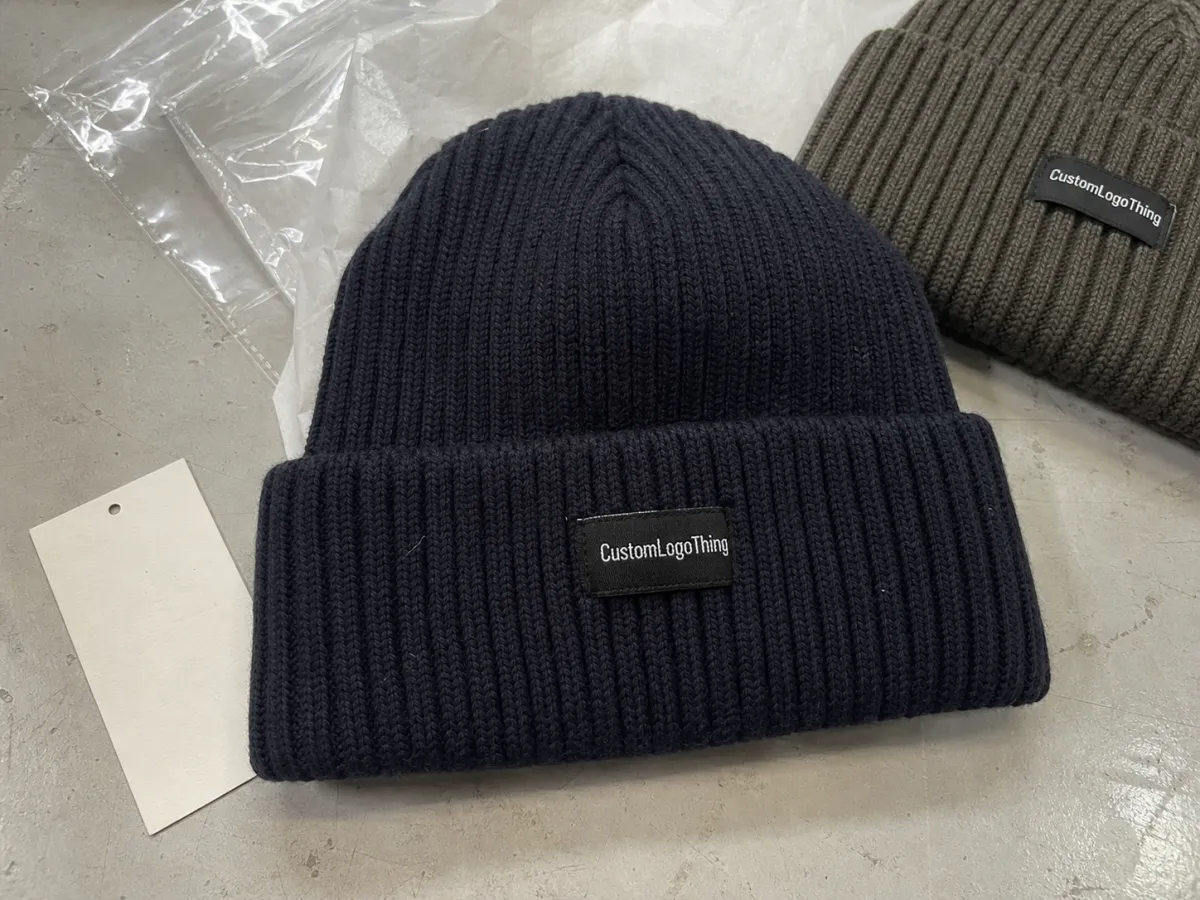
Two ribbed beanies from the same brief can still behave like different products. One keeps its structure through wear and packing. The other loosens at the cuff, loses definition, and starts looking tired after a short season. A material sample guide is the fastest way to see that difference before production. Spec sheets describe intent; samples show reality.
For home fragrance brands, that distinction matters because presentation is part of the product. The accessory should reinforce a clean, seasonal, and controlled look. If the candle packaging feels precise but the beanie feels uneven or flimsy, the full set reads as unfinished. Buyers usually notice that mismatch immediately, even if they cannot explain it in technical terms.
The sample review should focus on four practical traits: handfeel, stretch recovery, stitch density, and decoration readiness. Those are more useful than vague language like "premium." A soft sample can still be poor if it pills. A dense sample can still be poor if it feels stiff. Good samples expose tradeoffs early enough to act on them.
A useful approval routine includes a stretch test, a short wear test, and a check for seam comfort and rib rebound. If time allows, add one wash cycle and a transit check. Those steps catch most of the problems that later become complaints. A beanie that twists after washing or loses its rebound is giving you a clear warning.
How Rib Construction Changes Fit, Recovery, and Branding
Rib knit structure controls most of the fit and visual rhythm. The raised and recessed columns let the fabric open and close without going limp. Buyers usually compare 1x1 rib and 2x2 rib first. A 1x1 rib typically looks tighter and cleaner. A 2x2 rib often feels fuller and softer. Neither is automatically better; the right choice depends on yarn, gauge, and the target look.
Rib depth changes the appearance more than many teams expect. Deeper ribs usually hold their definition better and read as more structured. Shallower ribs can feel smoother, but they are easier to flatten with wear. That matters for shelf presence, because a beanie that slumps before sale looks older than it is.
The cuff deserves close attention because it is where branding usually lives. A firm cuff gives embroidery or labels a stable surface. A loose cuff can make the logo sit crooked or sink into the knit. If the cuff is too short, the logo area gets cramped; if it is too tall, the beanie can look top-heavy. Those issues show up in the sample as soon as decoration is applied.
Yarn twist also affects performance. Higher-twist yarn usually holds knit shape better and resists fuzzing longer. Lower-twist yarn can feel softer at first touch, but it may lose definition sooner. For a polished seasonal accessory, the sample should rebound after several stretches and still look controlled from a short distance.
Material, Knit Weight, and Finish: The Specs to Compare
Material choice drives most of the wearing experience. Acrylic is common because it keeps cost manageable and usually dyes consistently. Wool blends feel warmer and more natural, but they are often pricier and can be itchier. Recycled fibers can support a lower-impact sourcing story if the supplier can document content clearly. For colder markets, brushed or fleece-lined versions add warmth, but they also change fit and how much the rib can show.
Knit weight matters, but heavier is not always better. A dense beanie can feel stiff, dry slowly, and sit awkwardly. A lighter sample can still feel premium if the stitch is even, the yarn is consistent, and the crown shaping is controlled. The useful comparison is grams, stitch density, and recovery after wear, not just thick versus thin.
Finish details change both first impression and long-term wear. Anti-pilling treatment can help the sample stay neat after handling. Brushed yarn can improve softness, but it may reduce rib definition. Enzyme washing can improve handfeel on some constructions, though it will not rescue poor yarn. Check samples in normal light, not only under display lighting.
If sustainability claims matter, ask for proof rather than adjectives. A supplier should be able to show whether packaging uses FSC certified stock, recycled content, or recyclable materials in a documented way. Packaging is worth checking, but it cannot compensate for a weak knit or a poor decoration base.
Use these five questions to compare samples consistently:
- Softness: does it feel comfortable against bare skin?
- Stretch recovery: does the rib rebound after pulling?
- Warmth: does the fabric feel substantial without becoming bulky?
- Seam comfort: do the crown seam and cuff edge stay flat enough to avoid irritation?
- Decoration readiness: does the knit support embroidery, labels, or patches without distortion?
Cost, Pricing, MOQ, and Unit Cost: What Samples Really Reveal
Sample pricing usually includes some combination of sample fee, knit setup, custom color work, decoration testing, and shipping. A quote that looks low can become expensive once those pieces are added. Compare the full landed sample cost, not just the first number in the email.
MOQ changes the math even more. A sample at a low fee means little if the bulk price jumps sharply at the real order size. A supplier may quote one rate at 500 units and a better rate at 2,000 or 5,000. If your actual target is 1,200 pieces, that is the number that matters. The sample should tell you whether the product fits your demand band.
| Sample Option | Typical Sample Fee | Typical Bulk Unit Cost | Best For | Main Risk |
|---|---|---|---|---|
| Stock acrylic blank | $15-$30 | $2.10-$3.40 at 1,000-3,000 pcs | Fast approvals and simple merch | May feel basic for a premium bundle |
| Custom color with woven label | $30-$60 | $2.80-$4.60 at 1,000-5,000 pcs | Brand color checks and retail bundles | Color can drift between yarn lots |
| Embroidery or patch sample | $35-$75 | $3.10-$5.20 at 1,000-5,000 pcs | Logo-heavy programs | Decoration can distort a looser knit |
| Wool blend or fleece-lined premium sample | $45-$120 | $4.80-$8.50 at 2,000+ pcs | Higher-end gifting or cold-weather retail | Handfeel improves, but cost pressure rises quickly |
Ask what the quote includes. Does it cover labels, embroidery, packaging, revision labor, and freight? If not, it is incomplete. A $20 sample that excludes shipping and setup can cost more than a $55 sample that includes everything. Cheap line items are only useful when the supplier is clear about what they leave out.
Transit deserves attention too. The ISTA transit profiles are a useful reference if the finished goods will move through retail distribution or fulfillment centers. A beanie that survives production but arrives crushed still fails the buyer. That problem should be visible before bulk freight starts.
Production Steps and Lead Time: From Swatch to Approved Sample
The route from first request to approved sample should be straightforward. Start with a brief that covers target size, color, yarn type, rib structure, cuff height, decoration method, and price range. The supplier then selects yarn, knits the sample, adds decoration, and sends it back for review. If the first pass misses the mark, the revision should name the exact issue instead of asking for something vaguely "better."
Lead time depends on complexity. A stock yarn sample with a simple woven label can often move in about 5-8 business days once the brief is complete. Custom color, special finishing, or embroidery revisions can push that to 10-15 business days or longer. Brushed interiors, fleece linings, and unusual patch shapes need more time, so seasonal programs should build in extra buffer.
Most delays come from a small set of issues: missing artwork, vague specs, color references that are hard to measure, and late changes after the first sample arrives. None of those problems is dramatic, but all of them slow the project down. If the launch date matters, plan for at least one revision round plus transit time.
Packaging the sample well also affects the review. If the beanie arrives folded too tightly or crushed in transit, shape judgment becomes unreliable. Ask for clean sample packing with a protective insert. The goal is to protect the sample without making it look artificially better than the real product.
Common Mistakes That Make Beanie Samples Useless
The first mistake is judging only from a flat-lay photo. A ribbed beanie can photograph well and still wear poorly. Photos help with color and silhouette, but they do not show stretch, rebound, or cuff behavior on a real head. The product is worn, not displayed flat.
The second mistake is approving color before checking fiber behavior. Some yarns accept dye differently, so the same shade can read warmer, duller, or more saturated depending on composition and lighting. Check the sample in daylight and indoor light, and compare it on a person or head form, not just on a board.
The third mistake is skipping decoration testing on the actual sample. Embroidery density, patch thickness, and label placement all change how the beanie sits. A logo that looks fine in a file can pull the knit, sit crooked, or disappear into a fuzzy surface. The decoration method is part of the product, not an afterthought.
The fourth mistake is ignoring wear and wash testing. A quick wear test, then one wash according to the care instructions, reveals a lot. If the sample pills, twists, or loses rebound, that is the information you needed. The process is working when it exposes a weak option before production.
The fifth mistake is comparing samples without a consistent method. Different lighting, different head sizes, and different wear times can make weaker samples look stronger than they are. Keep the test conditions as close as possible so the notes stay useful.
Expert Tips and Next Steps for Final Approval
Use a scorecard. Gut instinct is useful, but it is not enough when two samples are close. Score softness, stretch recovery, warmth, decoration quality, color match, seam comfort, and price. Keep the scale consistent so the team is judging the same things every time.
Test the sample in more than one setting. View it in daylight, under retail lighting, and on a head for a short wear test. If the timeline allows, repeat the check after one wash. The first look is useful; the second look is often more honest.
- Shortlist two finalists: one preferred option and one backup in case pricing or lead time shifts.
- Lock the spec sheet: yarn, rib type, cuff height, color, label position, and decoration method should be written down.
- Archive the approved sample: keep it sealed and labeled so reorder decisions do not start from memory.
Keep the approved photo, cost breakdown, final spec notes, and revision comments together. If the next run needs a change, you want to know exactly what changed and why. That is the real value of the home fragrance Ribbed Winter Beanies Material Sample guide: it turns one approval into a reusable buying standard instead of a one-off opinion.
For a seasonal accessory, that matters. Winter programs move quickly, budgets are tight, and small defects become expensive when multiplied across a run. The best sample is not the softest or the cheapest. It is the one that holds shape, carries branding cleanly, fits the target price, and still behaves after wear, wash, and transit.
What should I look for in home fragrance ribbed winter beanie material samples?
Check handfeel, stretch recovery, seam comfort, and whether the rib keeps its shape after being pulled and released. Review the decoration area too, because embroidery, patches, and labels can change how the beanie sits on the head. If the sample pills or twists in a short wear test, do not approve it just because the color is close.
How many sample rounds do ribbed winter beanies usually need?
One round can be enough for stock yarn and simple decoration, but custom colors or premium finishes often need a second pass. Expect more revisions when matching a strict brand color or trying to soften the handfeel without losing structure. If a supplier cannot explain what changed between rounds, that is a warning sign.
Why do material sample prices vary so much between suppliers?
The quote may or may not include knit setup, custom dye work, decoration tests, shipping, and revision labor. Some suppliers keep sample pricing low and recover margin later through higher bulk pricing or add-on charges. Compare the full landed sample cost, not just the first number in the email.
What is the fastest way to compare two beanie samples fairly?
Use the same lighting, the same head size or mannequin, and the same wear test duration for both samples. Score each sample on softness, rebound, color accuracy, decoration quality, and perceived value. Keep notes immediately so the details do not blur together later.
How do I avoid choosing the wrong unit cost on a sample-backed order?
Ask for pricing at the actual MOQ you plan to buy, not a volume you may never reach. Confirm whether unit cost includes labels, embroidery, packaging, freight, and any special yarn or finish. A slightly higher unit cost can still be cheaper overall if it reduces rework and protects the brand standard.