Shop PVC Zipper Garment Bags bulk reorder plan details for apparel buyers: specs, MOQ, pricing factors, lead times, QC checks, and repeat-order controls.
Shop PVC Zipper Garment Bags Bulk Reorder Plan
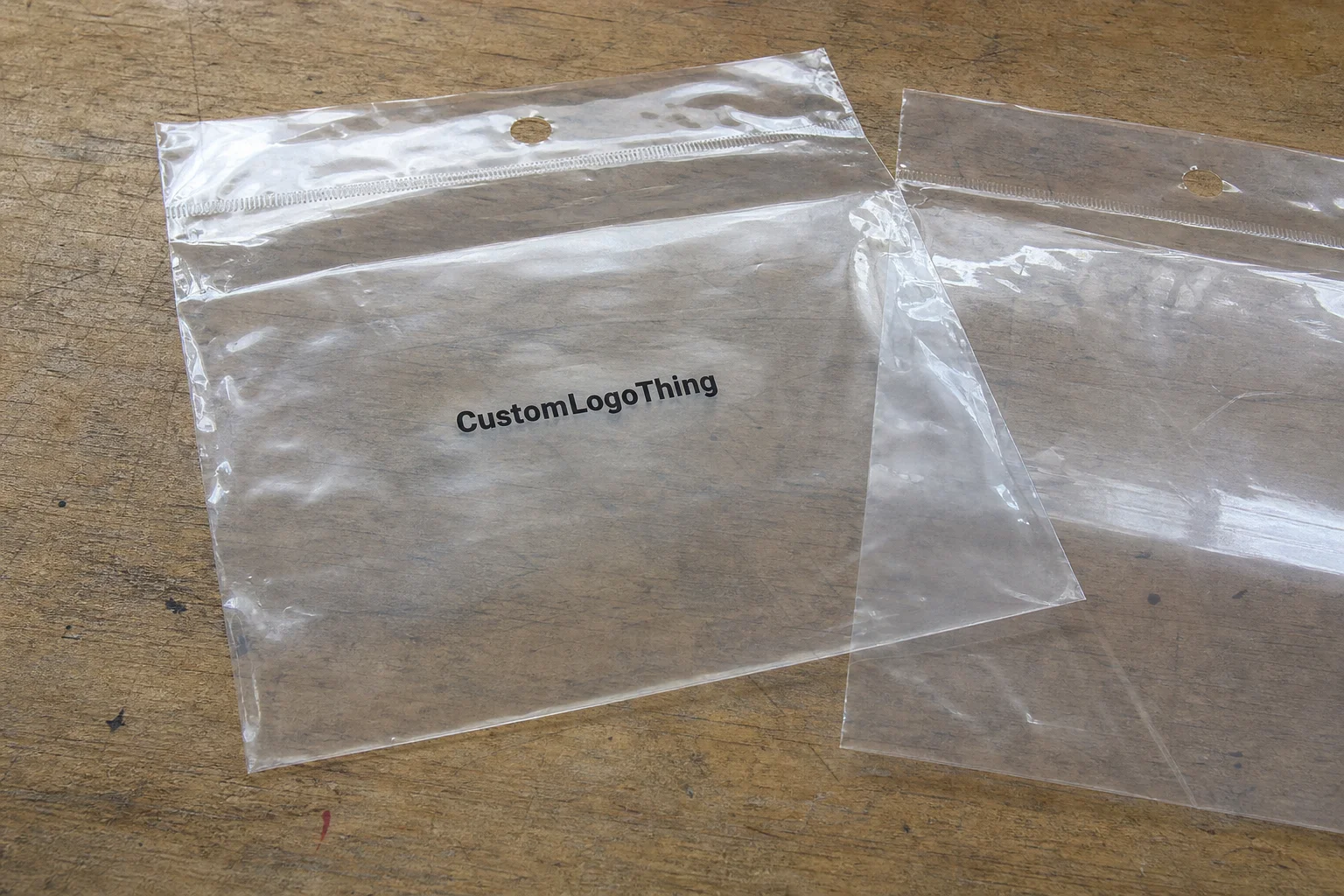
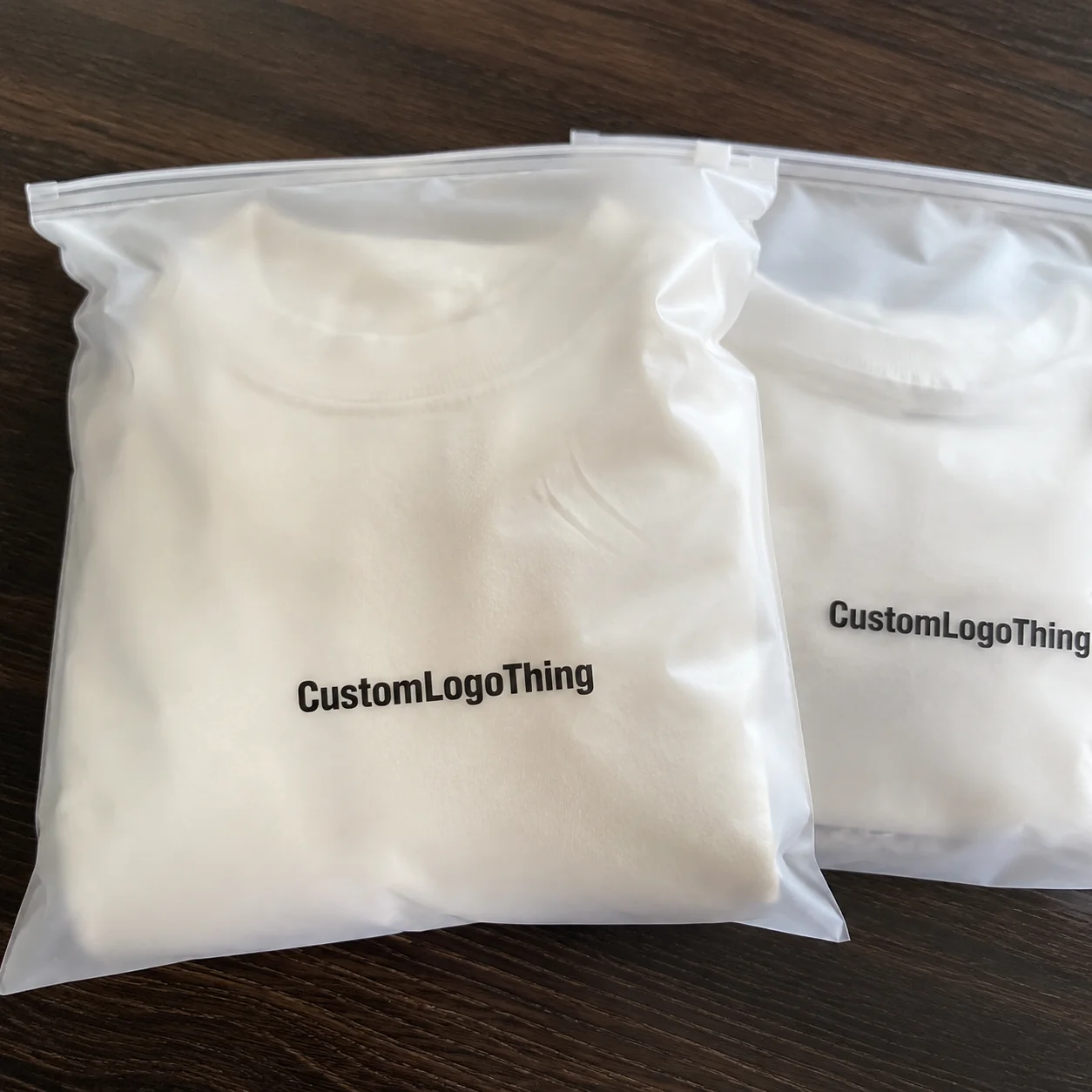
A customer picks up a tailored jacket, bridal gown, pressed uniform, or rental costume, and the first packaging surface they touch is not the hanger. It is the garment bag. Buyers who shop PVC Zipper Garment Bags Bulk reorder plan options are usually trying to prevent three expensive problems: stockouts, inconsistent bag quality, and rushed freight.
That sounds operational, not glamorous. Good. Apparel packaging should be judged that way first.
A PVC zipper garment bag is a protective inventory tool before it is a branding surface. It reduces dust exposure in storage, limits moisture contact during handling, protects against abrasion in transit, and lowers the chance of returns tied to presentation damage. The logo matters, but only after the bag fits, closes, hangs, and survives normal use.
One weak zipper can make a premium garment feel cheap. So can cloudy PVC. A $600 suit or a custom uniform looks mishandled before it is worn if the bag jams, splits, wrinkles badly, or hides the product inside.
The buying logic changes once demand repeats. Apparel chains, dry cleaners, uniform suppliers, bridal shops, costume departments, warehouses, and promotional apparel programs rarely need a one-time bag purchase. They need a repeatable packaging system: one approved size, one approved zipper style, one logo position, one carton count, and one reorder trigger.
Custom Logo Things fits that kind of buying. The goal is not to chase the lowest spot price on a random disposable cover. The goal is to lock the specification, print the brand consistently, and keep the next reorder boring. In packaging procurement, boring is often profitable.
Buyer reality: the garment bag is handled by store teams, warehouse staff, drivers, and customers. If it fails, the garment takes the blame before anyone reviews the purchase order.
Product Details Buyers Should Lock Before Ordering
PVC zipper garment bags are usually built around a clear or tinted PVC body, zipper closure, hanger opening, stitched or heat-sealed edges, and optional logo printing. Common formats cover suits, gowns, uniforms, coats, costumes, retail apparel, and high-value promotional garments. The best format depends on garment length, shoulder width, hanger type, storage method, and how often the bag will be reused.
PVC has several practical advantages. It offers clarity for inventory inspection, flexible hanging storage, moisture resistance for everyday handling, and a more polished retail feel than ultra-thin disposable covers. It is not the right material for every sustainability policy, so buyers with strict environmental requirements should review disposal practices, internal compliance standards, and local rules. The U.S. Environmental Protection Agency publishes general guidance on materials management at EPA Sustainable Materials Management.
Zipper choice matters more than many buyers expect. A center full-length zipper gives easy access for suits and gowns. A side zipper can work for certain uniforms or costumes. Color zipper tape can support brand identity, while reinforced pullers help teams that open and close bags dozens of times per day. For rental, wardrobe, or uniform programs, a smoother slider is not a luxury. It saves labor and reduces complaints.
Access details also deserve early decisions. Hanger slit reinforcement reduces tearing around the top opening. Breathable vent options can help with garments that need airflow after cleaning or steaming. Bottom gussets add capacity for bulky coats or layered gowns. Handle cutouts may help retail carryout, but they need reinforcement if the bag will carry real weight. Otherwise the handle becomes a tear starter. Fantastic design, terrible outcome.
Branding choices include single-color logo printing, multi-color artwork, front-panel placement, back-panel messaging, care instructions, barcode zones, and retail-ready labeling. Do not approve artwork before confirming dimensions. A logo that looks balanced on a 40-inch suit bag may sit awkwardly on a 72-inch gown bag, especially if the dress has a wide skirt or visible bodice detail.
Specifications That Control Fit, Durability, and Shelf Presentation
Fit starts with garment category. Short jacket bags often sit around 24 to 26 inches wide and 36 to 40 inches long. Suit bags commonly fall near 24 by 40 inches or 24 by 42 inches. Coat bags may need 24 to 28 inches in width and 48 to 54 inches in length. Dress bags often run 24 to 28 inches wide and 54 to 60 inches long. Bridal gown bags can reach 72 inches or longer, with extra width or gusseting for volume.
Those are starting points, not rules. Padded hangers add bulk. Beaded dresses snag easily. Shoulder structure on suits and coats needs space. Multi-piece garment sets can push a standard bag past its limit. A one-inch width error across 5,000 bags is not a small issue; it can slow packing, distort shoulders, and make shelves look sloppy.
Thickness selection should follow handling reality. Lighter PVC gauges can suit retail presentation where the bag is mainly a dust cover. Mid-range gauges are better for repeat handling, customer pickup, and store-to-store transfer. Heavier PVC usually makes more sense for rentals, uniforms, wardrobe storage, and warehouse programs. In real quoting, buyers may see specs discussed in gauge, micron, or millimeter terms, so the quotation should state the measurement clearly rather than relying on shorthand.
Material finish changes the selling impression. Clear PVC supports fast visual inspection. Frosted PVC softens the look and can hide light scuffing. Tinted panels, colored trim, non-woven accents, and reinforced seams can make a bag feel more retail-ready. Every added feature affects MOQ, setup time, and unit cost.
Production details decide whether the bag feels controlled or cheap. Zipper stitching should track straight. Edge binding should not pucker. Hanger holes should resist tearing under loaded garments. Fold lines should be controlled so cartons do not create hard creases across logo areas. Print registration needs a tolerance that purchasing and marketing can both accept.
Odor control also matters. Fresh PVC can carry a smell if material selection, curing, or packing is poorly managed. That may not matter in a backroom supply closet. It matters near formalwear, dry-cleaned garments, bridal fittings, and premium retail pickup.
For a proper bulk reorder plan, create a spec sheet before the first production run. Include size, PVC thickness, zipper type, trim color, logo position, print color, carton quantity, carton label format, and a reorder SKU. That document protects the buyer as much as the supplier.
| Garment Program | Common Bag Direction | Practical Specification Focus | Best Reorder Control |
|---|---|---|---|
| Retail suits and jackets | Clear PVC, center zipper, printed logo | Shoulder width, zipper glide, logo balance | Track monthly store usage by carton |
| Dry cleaning and uniforms | Mid-gauge PVC, reinforced hanger opening | Repeat handling, odor level, seam strength | Reorder at 30 to 45 days of stock |
| Bridal and formalwear | Longer bag, possible gusset, polished trim | Length, skirt volume, print placement | Plan ahead of peak appointment periods |
| Rental and costume storage | Heavier PVC, smoother zipper, label area | Durability, barcode visibility, hanging strength | Maintain a saved SKU by garment class |
Pricing, MOQ, and Unit Cost Factors for Bulk Orders
Unit cost is driven by the obvious factors and a few buyers miss. Size matters. PVC thickness matters. Zipper type, zipper length, print coverage, number of logo colors, reinforcement details, folding method, individual packing, carton pack, and delivery destination all influence the final price.
Custom printed PVC zipper garment bags require setup, material batching, print preparation, and production scheduling. That is why MOQ exists. A 300-piece emergency order may feel safer for cash flow, but it can carry a higher per-unit cost because setup is spread over fewer bags. At 1,000, 3,000, or 5,000 pieces, the math usually improves, though storage cost then joins the conversation.
As a realistic planning range, simple custom PVC zipper garment bags may quote from roughly $1.10 to $2.40 per unit at larger volumes, depending heavily on size and construction. Longer gown bags, heavier gauges, multi-color prints, reinforced seams, or specialty trim can move higher. Freight can also swing landed cost because garment bags are bulky even when folded.
Emergency buying is where margin disappears. Rushed partial quantities often cost more through setup inefficiency and expedited freight than a planned reorder would have cost. A structured Shop PVC Zipper Garment bags bulk reorder plan helps purchasing teams avoid paying airfreight rates for a product that should have been reordered six weeks earlier.
Quote requests should include target quantity, exact dimensions, PVC thickness or desired durability level, zipper type, logo file, number of print colors, delivery ZIP code, deadline, and expected reorder frequency. If the buyer has an existing sample, send photos and measurements. Better yet, send the sample itself if a close match is required.
Tiered pricing turns opinion into a finance decision. Ask for practical breaks, such as 1,000, 2,500, 5,000, and 10,000 pieces. Then compare unit savings against storage space, cash flow, forecast confidence, and seasonal demand. For broader buying programs, Custom Logo Things also supports Wholesale Programs that help align repeat purchases across related custom packaging needs.
Process and Timeline From Quote to Repeat Reorder
The buying process should be straightforward: submit specs, receive a quote, confirm artwork, approve a digital proof or sample, start production, complete quality checks, pack cartons, and ship. Problems usually appear when buyers skip the first step and ask for pricing before they know the garment dimensions.
The cleanest timelines begin with accurate measurements and print-ready art files. A vector logo file, such as AI, EPS, or production-ready PDF, usually reduces proofing friction. Low-resolution screenshots delay artwork approval, especially for multi-color logos or fine type. Late dimension changes can reset proofing because the logo position, zipper opening, and carton pack may all need review.
Typical proofing decisions include logo size, logo position, bag orientation, trim color, zipper color, care text, barcode placement, and SKU labeling. For multi-location retailers, carton labels matter. If a warehouse receives 40 cartons of similar-looking garment bags in three sizes, unclear labels create picking errors fast.
Production lead time depends on order volume, material availability, print complexity, sample approval speed, seasonal demand, and freight method. A straightforward repeat order can often move faster than a first run because artwork, notes, carton pack, and specifications are already approved. A new size or new print color should be treated as a controlled change, not a casual edit.
Reorder planning should be numerical. Track weekly or monthly usage. Keep a safety stock level. Set a reorder trigger. Confirm whether any logo, size, zipper, or carton-count changes are needed before rerunning. Many apparel buyers use a 30-day safety stock level; high-volume uniform or bridal programs may prefer 45 to 60 days, especially before seasonal peaks.
A supplier becomes valuable when it preserves repeatability. Saved specs and approved artwork reduce delays when buyers place the next bulk order. For a serious reorder program, the file should be treated like a controlled production record, not a casual email thread that nobody can find three months later.
Quality Checks That Prevent Expensive Apparel Packaging Mistakes
Common failure points are easy to name because they show up repeatedly in apparel packaging: weak zipper pulls, cloudy PVC, brittle seams, undersized bags, off-center logos, rough hanger openings, and cartons packed so tightly that bags arrive heavily creased. Each issue looks small in isolation. Across 3,000 or 10,000 units, it becomes operational noise.
Garment bags need practical testing, not just visual approval. Insert real garments. Zip and unzip the sample 20 to 30 times. Hang the bag under normal garment weight. Check whether the shoulders distort. Look at the bag under store lighting, warehouse lighting, and daylight if product clarity matters. A bag can look fine flat on a desk and fail once loaded.
A useful sample review checklist should cover zipper glide, print opacity, logo alignment, PVC clarity, seam strength, odor level, folded appearance, hanger-opening finish, trim consistency, and carton labeling. If the product will ship parcel or move through distribution, packaging teams may also review transit practices against industry procedures from groups such as the International Safe Transit Association.
Retail and warehouse risks are different. Poor clarity makes inventory harder to inspect and can slow picking. Weak closures expose garments to dust during transport. A rough hanger slit can tear after a few uses. A logo printed too low may disappear behind folded fabric or store fixtures.
Specification shortcuts multiply quickly. If a buyer reduces thickness to save a few cents but the garment bag tears during repeated use, the real cost includes replacements, labor, customer frustration, and possible garment cleaning. If the bag is one inch too short, bottom hems may bunch or press against the zipper stop. That is not branding. That is damage risk.
Quality control supports reorder success because it removes guesswork. Once the approved specification performs well, future bulk runs should match it. Do not renegotiate every detail from scratch unless garment type, handling frequency, or branding requirements have changed.
Inspection rule: approve the bag while it is doing its job. Flat samples matter, but loaded samples reveal fit, zipper stress, hanger strain, and real presentation.
Repeat-Order Controls for Apparel Bag Programs
Recurring garment bag programs need discipline. Not drama. Lowest-price spot sourcing can work for disposable, non-branded supplies. It becomes risky for printed garment bags that carry apparel value, store presentation, and customer handling in one product.
The practical support starts before production. Specification review helps buyers avoid ordering a bag that is too narrow, too light, or awkwardly printed. Artwork guidance reduces proofing delays. Bulk pricing clarifies volume tradeoffs. Production notes document the construction details that need to repeat. Repeat-order documentation keeps future purchases aligned with the approved version.
Multi-location businesses benefit most from that control. Stores, fulfillment centers, franchise locations, and regional warehouses need consistent bag sizes, logo placement, carton labels, and reorder timing. If each location buys separately, the brand presentation drifts. So does unit cost.
Fact-based buying matters here. The right PVC thickness, zipper style, and MOQ should match garment value, handling frequency, storage time, and expected reorder rhythm. A low-use retail jacket bag does not need the same construction as a rental costume bag opened weekly for months. Honestly, this is what many buyers get wrong: they specify from a photo instead of specifying from use.
A strong Shop PVC Zipper Garment Bags bulk reorder plan aligns branding and protection. The logo helps identify the seller. The clear or finished PVC helps the garment arrive, store, or leave the shop looking controlled. The zipper keeps access practical. The saved spec keeps the next order from becoming a new project.
If your team already knows its demand pattern, Custom Logo Things can turn that pattern into a repeatable purchasing plan. For common production, artwork, and ordering questions, the FAQ can help buyers prepare quote details before contacting the sales team.
Next Steps Before You Approve a Bulk Garment Bag Order
Before approving a bulk garment bag order, measure the actual garment. Not the catalog description. Not the hanger alone. Measure garment width at the shoulders, garment length from hanger top to bottom edge, and any extra depth created by padding, beadwork, lining, or grouped pieces.
Then choose the target bag length and width. Add enough clearance for easy insertion and removal, but avoid oversizing so much that the garment shifts and looks sloppy. Select PVC thickness based on handling frequency. Confirm zipper style and zipper color. Define logo placement by inches from the top or centerline, not by a vague phrase such as “near the chest.”
Purchasing teams should estimate monthly usage and set reorder triggers. A simple formula works: average monthly usage plus safety stock plus seasonal uplift. If a store uses 800 bags per month and wants 30 days of safety stock, reordering at 1,000 to 1,200 bags may be too late once production and freight time are included. Build the trigger around lead time, not panic.
Gather artwork files, previous bag samples, garment photos, destination details, and preferred delivery deadlines before requesting a quote. Ask for tiered pricing. Confirm MOQ, proofing requirements, carton pack, expected lead time, and whether the final specification will be saved for repeat orders.
Sample or proof review is strongly recommended when changing bag size, logo coverage, PVC thickness, zipper configuration, or trim details. It is not always necessary for a direct repeat order, but it is cheap insurance for a new specification. The sample should be tested with the real garment, real hanger, and real handling process.
- Measure: garment length, shoulder width, bulk depth, and hanger type.
- Specify: PVC thickness, zipper placement, trim color, logo size, and print color.
- Price: compare MOQ and volume breaks against storage and cash flow.
- Plan: set a reorder trigger based on usage rate, lead time, and safety stock.
- Control: save the approved spec, artwork, carton pack, and reorder SKU.
The best PVC zipper garment bag order is not the cheapest order on paper. It is the one that fits the garment, protects the product, prints cleanly, arrives on schedule, and can be reordered without starting the whole decision process again. That is the difference between buying bags and managing packaging.
Frequently Asked Questions
What is the best way to shop PVC zipper garment bags in bulk for repeat orders?
Start with fixed specifications for size, PVC thickness, zipper type, logo placement, and carton pack so every reorder can be matched to the approved version. Estimate monthly usage and set a reorder trigger before inventory gets low. A disciplined Shop PVC Zipper Garment Bags bulk reorder plan prevents emergency purchases and keeps quality consistent across future runs.
What MOQ should I expect for custom PVC zipper garment bags?
MOQ depends on bag size, print requirements, material thickness, zipper construction, and production setup. Buyers should request tiered pricing at several quantity levels because higher quantities usually lower unit cost by spreading setup, printing, and material batching across more bags.
How long does production take for bulk PVC garment bags with zippers?
Production timing depends on proof approval, order volume, material availability, logo complexity, and shipping method. The fastest schedules usually happen when buyers provide exact dimensions, approved artwork, delivery details, and no late specification changes after proofing.
Can PVC zipper garment bags be customized with our logo and size requirements?
Yes. Common custom options include bag length, width, PVC thickness, zipper color, trim color, logo print, hanger opening, reinforced seams, gussets, barcode zones, and carton labels. Buyers should test the size with real garments before approving a full bulk run.
How do I build a reorder plan for custom PVC garment bags?
Track usage by month, define a safety stock level, save the approved specification, and reorder before seasonal demand or promotional volume arrives. Keep artwork, dielines, carton quantities, shipping destinations, and production notes documented so the next order can move with fewer delays.