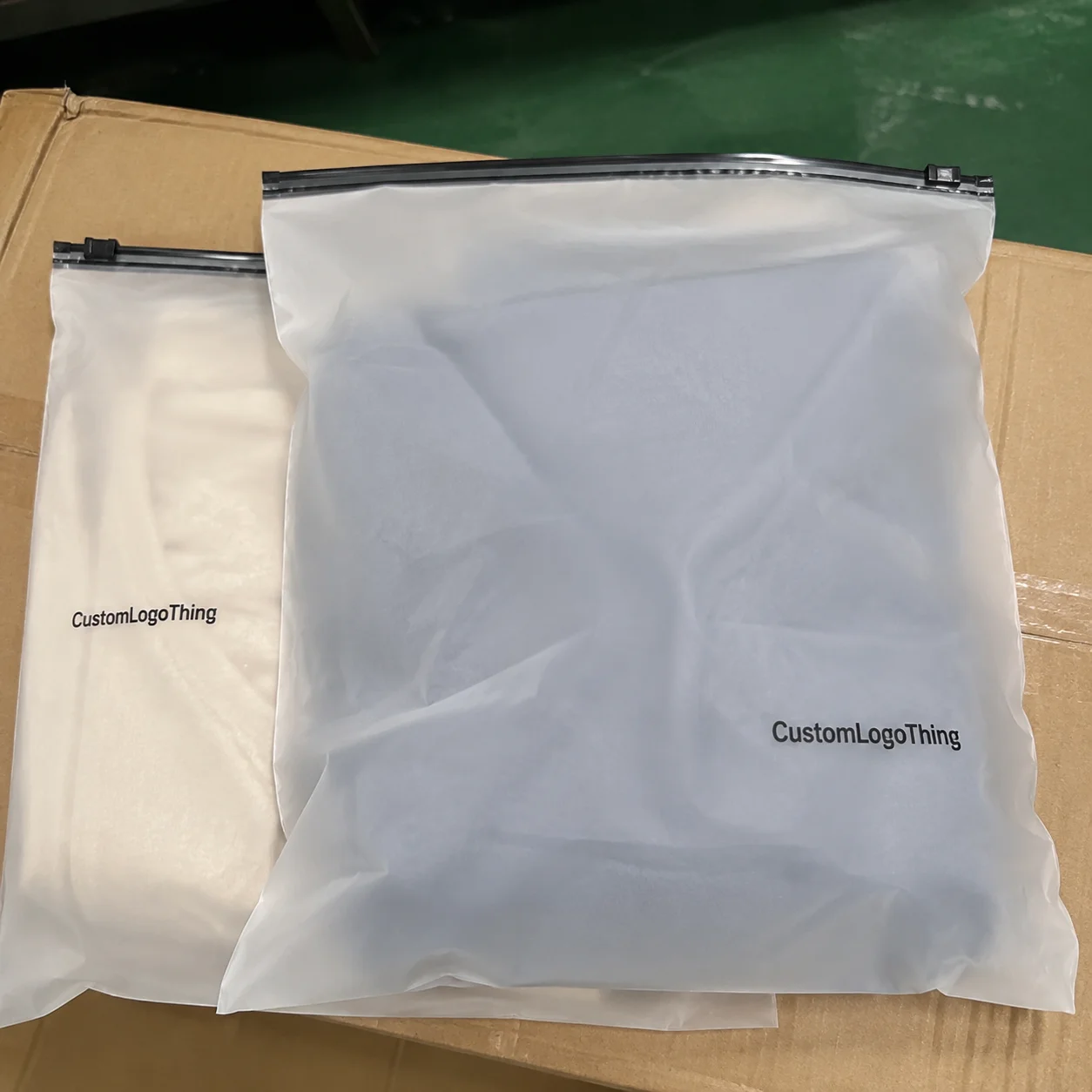
When Jewelry Packaging Needs More Than a Small Pouch
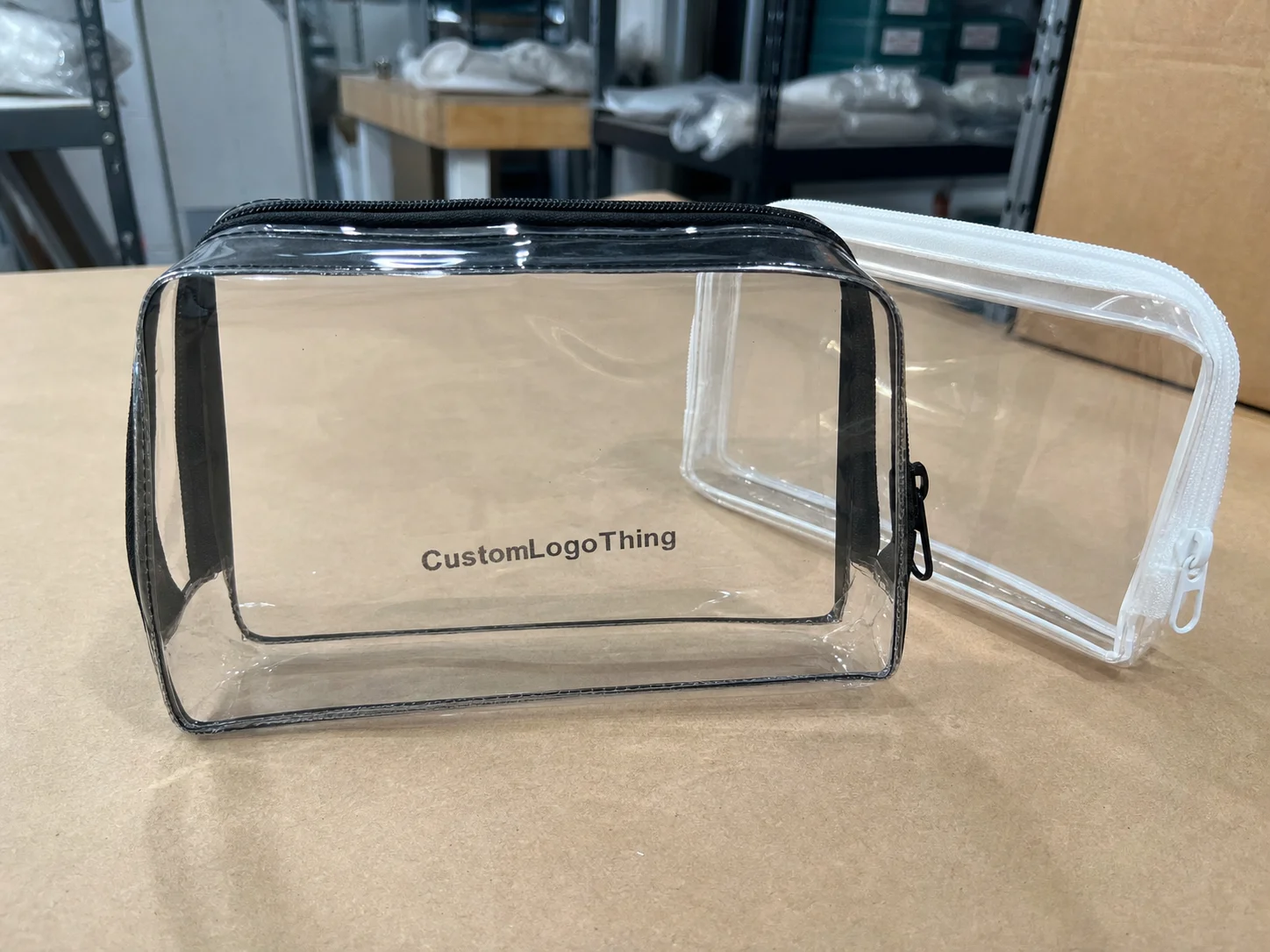
A necklace can be polished, carded, labeled, and ready for sale, then lose perceived value quickly if the outer sleeve arrives scratched, folded, cloudy, or difficult to reseal. Buyers researching PVC Zipper Garment Bags Unit cost for jewelry are usually trying to solve a very practical packaging problem: keep the product visible, protected, and retail-ready without spending more on the package than the jewelry program can support.
That balance is not always obvious from a product photo. A jewelry brand may be packing necklace cards, bracelet bundles, watch strap kits, hair clips, boutique gift sets, sample collections, or travel jewelry rolls. The weak point is often not the jewelry itself, but the outer bag that moves through packing tables, warehouse shelves, photo sets, showroom trays, retail back rooms, and customer hands.
Clear PVC Zipper Garment Bags are most often associated with apparel, but the format can work very well for larger jewelry presentations. A flat, resealable bag protects more value per cubic inch than a rigid box in many programs because it blocks dust, fingerprints, stockroom abrasion, and light splash exposure while still allowing the buyer to inspect the product. Retail teams can check color, style, count, finish, and barcode information without opening every package.
From a packaging buyer’s point of view, this is a specification-driven purchase. You need material thickness, finished dimensions, usable interior size, zipper type, logo method, MOQ, packing count, carton details, sample terms, production tolerance, lead time, and landed cost before approving a bulk order. Good quoting is not guesswork. It comes from clear product information and an honest view of how the bag will be handled.
Factory-grounded rule: a jewelry bag that looks simple on a desk may become more complex once you add gussets, inserts, printed warnings, barcode zones, hang holes, and retail packing requirements.
How PVC Zipper Garment Bags Protect Jewelry Sets
PVC is a clear, flexible plastic film that gives strong shelf visibility while adding a useful barrier against dust, fingerprints, light moisture exposure, and repeated handling. For jewelry programs, the clear panel is usually the main reason to use it. Retailers and sales teams can see necklace styles, pendant finishes, card colors, bracelet counts, or accessory combinations without breaking the package open.
The zipper matters because jewelry often moves through several checkpoints before it reaches the final customer. A bag may be opened during quality control, closed for photography, reopened for kitting, checked again before wholesale packing, and then opened by a retailer for merchandising. A heat-sealed pouch can be cheaper, but once opened, it is finished. A zipper bag gives the package a longer working life.
Typical uses include necklace organizer cards, bracelet packs, watch strap kits, hair accessory sets, travel jewelry organizers, branded display kits, sample collections, and boutique inventory storage. Flat bags suit slim jewelry cards with only a few millimeters of product depth. Gusseted construction gives room for padded inserts, folded care cards, textile rolls, small boxes, or multi-piece promotional sets.
Thickness should match the handling environment. Very light film may work for a low-weight display sleeve, but it can crease easily and may not sit neatly in a retail drawer. Mid-gauge PVC gives better structure for standard retail protection. Heavier-gauge PVC feels more substantial and supports reuse, though it increases material weight, bulk pricing, carton volume, and freight cost.
Finishing details change buyer perception quickly. Smooth zipper travel, even heat-sealed edges, rounded corners, clean hang holes, reinforced handles, and accurate print registration all affect whether the package feels controlled or cheap. For jewelry, a clear front panel with logo placement kept away from the product view often works best, because a large opaque print can hide the item the customer wants to inspect.
Some brands choose frosted PVC, colored zipper trims, or printed compliance text. Others need a discreet warning in a lower corner, especially if the bag size triggers suffocation warning instructions from a retailer or local packaging rules. For broader packaging guidance, buyers can review resources from the Packaging Machinery Manufacturers Institute and align their own retail requirements before sampling.
Material, Zipper, Print, and Insert Specifications
Before asking for a price, prepare the specification fields that actually control cost. A supplier needs the outside bag size, usable inside size, PVC thickness, zipper style, zipper or trim color, gusset depth, handle requirement, print colors, print placement, insert style, packing method, and order quantity. If those details are missing, the first quote will usually be a rough estimate rather than a number you can safely use for margin planning.
Common PVC thickness choices are described by gauge, micron, or millimeter depending on supplier practice. As a buyer-friendly reference, lighter sleeves may sit around 0.10–0.15 mm for slim carded items, standard retail bags often fall around 0.18–0.25 mm, and heavier reusable bags may use 0.30 mm or above. These ranges are not universal, but they help frame the conversation and prevent a quote based on film that is too light for the intended use.
Material clarity should be discussed as well. Clear PVC can show scuffs, roller marks, and packing scratches more readily than opaque packaging. If the bag will be used for premium gift sets or front-of-store display, ask how the finished bags will be bundled and protected in cartons. Low-odor material may also be relevant for higher-end jewelry packaging, especially if the bags will be opened directly by the customer.
Zipper and Closure Choices
A standard plastic zipper is usually the most economical option. It opens and closes by hand, works well for flat bags, and keeps the cost per piece controlled. A slider zipper adds convenience and a more finished retail feel, but it also adds component cost, assembly time, and another inspection point. Color-matched zipper tape can support branding, though custom colors may raise MOQ and setup charges.
Reinforced zipper seams are worth discussing if the bag will hold a thicker jewelry roll, a bundle with cards, or a set that customers may reuse. A weak zipper seam is one of the first defects people notice. Pull once, feel resistance, see a tear, and the whole package feels poorly made.
For slim jewelry cards, a standard press zipper is often enough. For travel rolls, multi-piece kits, or reusable storage packaging, a slider or heavier zipper may be justified. The best choice depends less on appearance alone and more on how often the bag will be opened, how much pressure the contents place on the seam, and whether the customer is expected to keep using the bag after purchase.
Printing and Branding Options
Screen printing is a practical choice for bold logos, single-color marks, and short text blocks. It performs well on many flexible PVC programs when artwork is simple and print coverage is controlled. Heat transfer or label application can work for smaller branded runs, especially when the buyer wants a clean logo without committing to larger printing setup. Full-surface printing creates a stronger retail identity, but it can raise tooling fees, increase spoilage during setup, and reduce the clear viewing area.
Jewelry packaging usually benefits from restrained print placement. Keep the logo where it frames the product rather than covering it. Leave a flat barcode zone if retail scanning is required. If warnings, recycling marks, origin text, or batch labels are needed, place them in a consistent lower corner so they do not compete with the product presentation.
Artwork should be supplied as a clean vector file when possible, such as AI, EPS, or editable PDF. Low-resolution images can delay print setup or produce soft edges on the finished logo. If brand color is critical, provide Pantone references and approve a physical or production-level sample before bulk manufacturing, because color on clear flexible film can look different from color on paper, fabric, or a digital proof.
Insert and Inner Protection Choices
Optional inserts include paperboard backing cards, foam pads, velvet-style pouches, tissue sheets, dividers, anti-tarnish paper, and small instruction cards. Each component changes assembly time. A paperboard insert may add only a few cents in material, but if a worker must place it into every bag, align it, add tissue, and count the finished bags into bundles, labor becomes part of the unit cost.
Jewelry can be delicate. PVC protects against outer handling, but polished surfaces, plated metals, small chains, pearls, stones, and clasps may still need inner pouches or anti-tarnish materials. The outer bag should not be asked to solve every protection issue by itself.
PVC Zipper Garment Bags Unit Cost for Jewelry Buyers
PVC Zipper Garment Bags Unit cost for jewelry is driven by material area first. Larger dimensions, deeper gussets, and thicker PVC increase the amount of film used, and that often has a bigger price impact than the zipper alone. A small flat bag with one-color printing sits in a very different cost tier from a gusseted retail kit bag with a slider, reinforced trim, and inserted board.
Major cost factors include PVC gauge, zipper or slider choice, number of print colors, print coverage, handle reinforcement, insert materials, labor for assembly, inspection level, carton packing, and export preparation. MOQ matters as well. A simple clear PVC bag with a one-color logo can often reach practical pricing at lower quantities than a bag with custom-dyed trim, full-panel artwork, or multiple inserted components.
Many buyers get caught by a low quoted unit price that excludes setup charges, tooling, sample cost, cartons, inner poly packing, freight, duties, or inspection expectations. The number looks attractive in a spreadsheet, but it does not represent the finished package delivered to your receiving dock. Ask whether the quote is ex-factory, FOB, CIF, DDP, or another term, and confirm what is included before comparing suppliers.
| Option | Typical Specification | Best Fit | Common Cost Impact |
|---|---|---|---|
| Economy clear bag | Flat PVC, standard zipper, no insert, one-color logo | Storage, simple e-commerce protection, sample kits | Lowest cost per piece; efficient at practical MOQ |
| Retail branded bag | Mid-gauge PVC, clean logo print, barcode zone, optional backing card | Boutique display, wholesale presentations, carded jewelry sets | Moderate unit cost; print setup and insert labor apply |
| Premium reinforced bag | Heavier PVC, colored trim, slider zipper, gusset, reinforced seams | Gift sets, travel jewelry rolls, influencer kits, reusable packaging | Higher material weight, more labor, possible higher MOQ |
For broad planning, a small to mid-sized custom PVC zipper bag may range from roughly $0.30–$1.20 per piece at bulk quantities, depending on size, thickness, print, and labor. Larger gusseted bags with reinforced trims, sliders, handles, or inserted boards can move above that range. These are planning figures, not a formal quote, because freight terms, quantity, exchange rate, material availability, and final specs can change the math sharply.
To compare suppliers fairly, ask every quote to use the same size, thickness, zipper style, print method, packing quantity per carton, sample terms, and production tolerance. If one supplier quotes 0.15 mm film and another quotes 0.25 mm film, the lower price may simply be a lighter bag, not a better deal. The same applies to zipper quality, print area, and whether inserts are packed loose or assembled into each bag.
Cost can be optimized without making the bag feel cheap. Standardize dimensions across similar SKUs. Reduce print coverage. Use one strong logo placement. Avoid sliders unless the customer benefit is real. Combine similar jewelry sets into one bag size so the MOQ works in your favor. Custom Logo Things can price basic clear PVC, branded retail-ready PVC, and premium reinforced versions side by side so the tradeoffs are visible before sampling.
Process and Timeline From Sample to Bulk Production
A controlled production process starts with specification review. The sales and production team checks bag dimensions, jewelry format, expected product weight, artwork, print colors, material thickness, zipper choice, packing method, and destination requirements. After that comes artwork review, material confirmation, sample or pre-production proof, buyer approval, bulk cutting, printing, heat sealing, zipper installation, inspection, packing, and dispatch.
Send useful information at the beginning. Include target outside dimensions, packed product dimensions, jewelry weight, photos of the actual packed set, logo file, color references such as Pantone values if available, order quantity, deadline, delivery location, and any retailer compliance notes. A clean vector logo file usually prevents delays during print setup.
Sampling confirms details that a drawing cannot fully prove. Size, zipper function, logo position, film clarity, edge sealing, insert fit, barcode placement, and hand feel all become easier to judge with a physical sample. For a simple clear bag, a sample may be straightforward. For a gusseted bag with a printed logo, insert board, and reinforced handle, the pre-production sample carries more weight because there are more variables.
Timelines vary by customization level. Plain clear bags generally move faster than printed, reinforced, gusseted, or insert-packed versions because each extra operation adds setup, drying or curing time, assembly, and inspection. A practical production window for a custom printed run is often around 15–25 business days after proof approval, while more complex structures or special materials can take longer. Freight adds another layer depending on air, sea, courier, or consolidated shipment.
Common delays are predictable: incomplete artwork, changing dimensions after sampling, unclear print colors, late approval, special material requests, or freight decisions made only after the goods are packed. Buyers should allow time for one sample revision if the package will be used for retail sale, wholesale display, influencer kits, or premium gifting. That small buffer can prevent a rushed bulk run.
Before shipping, inspection should cover zipper glide, seal strength, print adhesion, logo position, PVC clarity, bag count, carton labeling, and whether the jewelry cards or inserts fit without strain. For transit testing expectations, buyers can review general distribution test concepts from ISTA, especially if finished jewelry kits will move through parcel networks.
Quality Checks That Keep Reorders Consistent
Repeat consistency matters because jewelry packaging is often photographed, listed online, merchandised seasonally, and reordered in batches. A small shift in transparency, zipper color, logo height, or trim shade can be obvious when old and new stock sit together on a retail shelf.
Incoming material checks should cover PVC clarity, thickness tolerance, surface defects, odor level, color consistency on trims, and suitability for the selected print method. Flexible PVC can vary slightly by lot, so approved material standards should be described before bulk production. If low odor is a priority for premium gift sets, say that early.
During production, in-line checks focus on cutting accuracy, zipper alignment, heat-seal temperature, seam width, print position, ink coverage, and gusset formation if used. Heat sealing is a simple process in concept, but temperature, dwell time, pressure, and film thickness all interact. Too little heat can create weak seams. Too much heat can distort the edge or make the bag look wavy.
Finished goods inspection should include random sampling for zipper function, seal strength, scuffing, loose trim waste, print rub resistance, carton count, and stacking behavior. Clear PVC bags need careful packing because scratches show. Depending on finish and thickness, bags may need flat stacking, interleaving, bundle counts, inner cartons, master cartons, or protective wrap.
Set tolerance expectations in plain production language. Flexible packaging has normal dimensional and print variation. A bag may not measure exactly the same at every point after cutting, sealing, and cooling. That does not mean poor production, but acceptable tolerance should be agreed before manufacturing so receiving teams do not reject normal variation. For many flexible bags, dimensional tolerance is discussed in millimeters rather than fractions of an inch, especially for custom export production.
Reorders also need records. Keep the approved sample, final artwork, film thickness, zipper color, trim reference, carton pack count, barcode position, and any inspection notes tied to the purchase order. That documentation is how PVC Zipper Garment bags unit cost for jewelry stays connected to the same quality expectation across multiple orders instead of becoming a new guessing exercise every season.
What to Prepare Before Requesting a Quote
Gather the right details before asking for pricing. It saves time, reduces revisions, and gives you a more reliable view of bulk cost. A factory can price faster when the request is complete, and the quote will be easier to compare against competing options.
- Product photos showing the jewelry packed as it will ship or display
- Jewelry card, pouch, roll, or insert dimensions
- Desired finished bag size and gusset depth, if any
- Order quantity and expected reorder pattern
- Logo file and print color count
- Preferred PVC thickness or target hand feel
- Zipper style, trim color, handle needs, and hang hole requirements
- Target budget or expected cost per piece range
- Delivery location, deadline, and shipping preference
- Barcode placement, warning text, recycling marks, or retailer instructions
Decide what the bag is mainly supposed to do. Storage bags can be simpler. Retail display bags need cleaner presentation and more controlled print placement. E-commerce protection needs packing efficiency and scuff resistance. Travel packaging may need heavier film and a better zipper. Premium gifting may call for inserts, tissue, colored trim, or a softer visual finish.
Measure the packed jewelry set, not just the jewelry item. Include backing cards, foam pads, tissue, care cards, hang tags, barcode labels, and any inner pouch. If the packed set is 8 mm thick at the pendant or clasp, a perfectly flat bag dimension may create strain at the zipper or corners. A few extra millimeters, or a shallow gusset, can make the package feel much better.
If the budget is not fixed, ask for two or three quote tiers: an economy clear bag, a branded mid-range bag, and a premium reinforced version. That approach gives you real tradeoffs instead of guesswork. You may find that a one-color logo and standard zipper deliver most of the presentation value, while a slider or heavy trim pushes the unit cost higher than the product margin allows.
The best final quote is usually not the cheapest line item; it is the one that matches the way the jewelry will be packed, shipped, displayed, opened, and reordered. Send dimensions, quantity, artwork, and the target delivery window to Custom Logo Things so the material, MOQ, print method, packing plan, and production assumptions are clear before sampling. A well-specified bag protects the jewelry and the margin at the same time.
FAQ
What affects PVC zipper garment bag unit cost for jewelry orders the most?
The biggest drivers are bag size, PVC thickness, zipper style, print coverage, insert components, order quantity, and packing method. A larger or gusseted bag uses more material, while sliders, reinforced trim, and multi-color printing add labor and setup charges. For accurate comparison, request quotes using the same dimensions, gauge, artwork, quantity, and shipping terms.
What MOQ should I expect for custom PVC zipper jewelry bags?
MOQ depends on customization level, especially material thickness, print method, zipper color, and whether inserts are included. A simple clear PVC bag with one-color logo printing is usually easier to produce at a practical MOQ than a fully printed or specially trimmed bag. If you have several jewelry SKUs, standardizing one bag size can help reach MOQ and lower the unit cost.
Can PVC zipper garment bags be sized for necklace cards or jewelry rolls?
Yes. The bags can be produced in flat or gusseted dimensions to fit necklace cards, bracelet sets, travel rolls, sample kits, and accessory bundles. Measure the complete packed set, including backing cards, pouches, foam pads, and inserts, before finalizing the bag size. A sample is recommended when the jewelry set has thickness, sharp corners, or layered components.
How long does production take for printed PVC zipper bags?
Timeline depends on artwork approval, sample requirements, material availability, print complexity, production quantity, and shipping method. Plain clear bags generally move faster than printed, gusseted, reinforced, or insert-packed versions. The best way to avoid delay is to provide final artwork, dimensions, quantity, and packing requirements at the start.
Are PVC zipper bags enough protection for fine jewelry shipping?
PVC zipper bags protect against dust, scuffing, handling, and light moisture exposure, but fine jewelry may still need inner pouches, anti-tarnish paper, foam, or carded support. For polished metals, chains, stones, or delicate clasps, treat the bag as the outer protective package rather than the only protective layer. Share the jewelry type and shipping method so the correct inner and outer packaging combination can be specified.