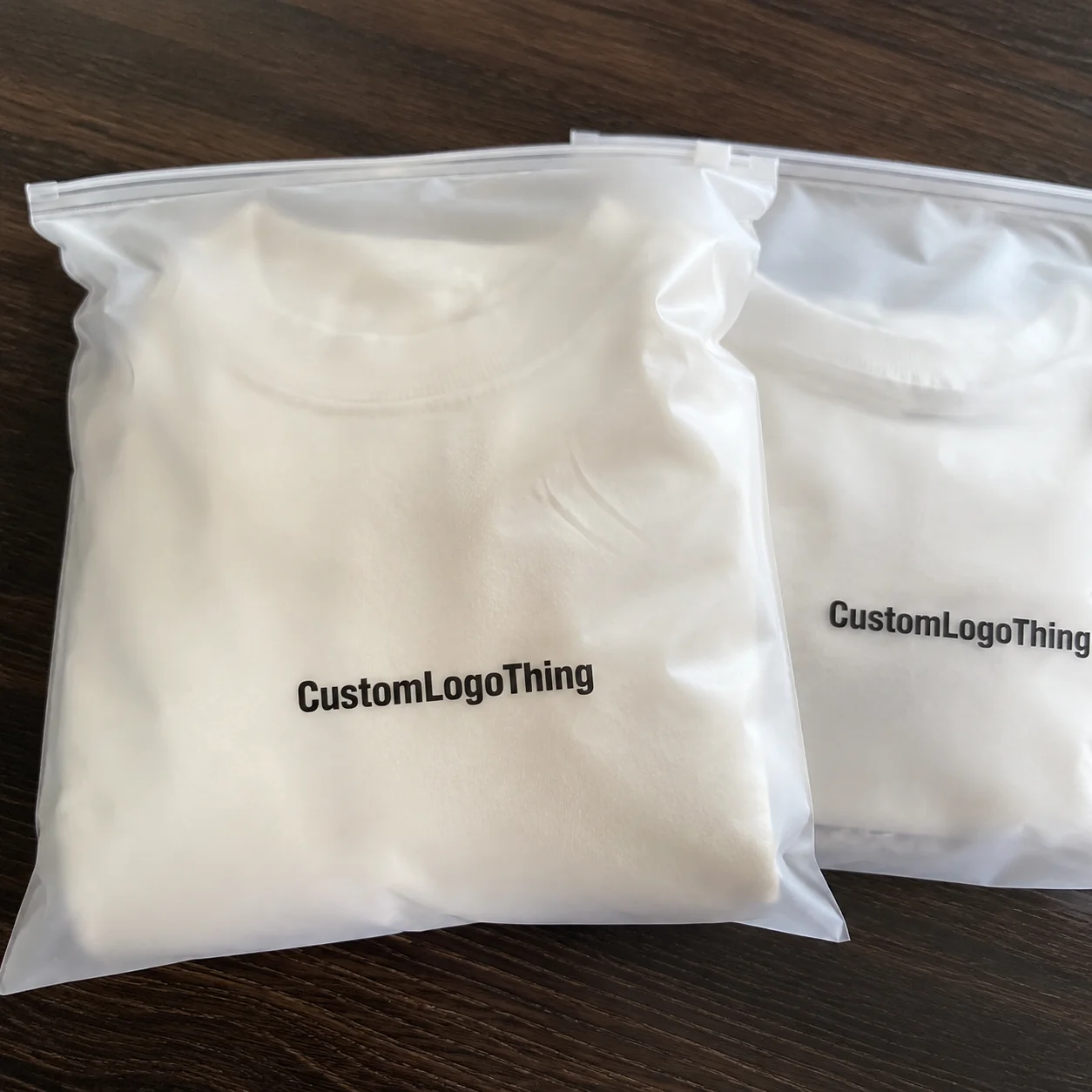
Subscription Apparel Has a Packaging Math Problem
A subscription apparel brand can save three cents on a thin mailer, then lose three dollars in repacking labor, replacement shipping, or customer appeasement when a garment arrives creased, dusty, or awkward to return. That is why PVC Zipper Garment Bags unit cost for subscription programs deserves more attention than it usually receives during launch planning.
Packaging is not just a container. For subscription apparel, it often acts as inventory control, presentation layer, and reverse-logistics tool in the same shipment. One bag may need to protect a folded sweater during warehouse storage, let an associate verify size without opening it, and still function when a customer sends an exchange back two weeks later. Thin poly sleeves can work for simple fulfillment, but they often struggle once the model includes rentals, styling kits, uniform replenishment, or higher customer expectations.
The math gets uncomfortable quickly. A small change in PVC thickness, zipper type, print coverage, or gusset depth can move the cost per piece by a meaningful amount across 5,000, 20,000, or 100,000 bags. On a pilot order, setup charges may dominate. On a replenishment run, material yield, carton density, and freight efficiency may matter more.
One-time retail garment bags are usually designed for display or transport from store to closet. Subscription garment bags need repeatable dimensions, barcode or size visibility, warehouse-friendly packing counts, and predictable reorder timing. They also need to fit inside a subscription box without slowing down every packing station.
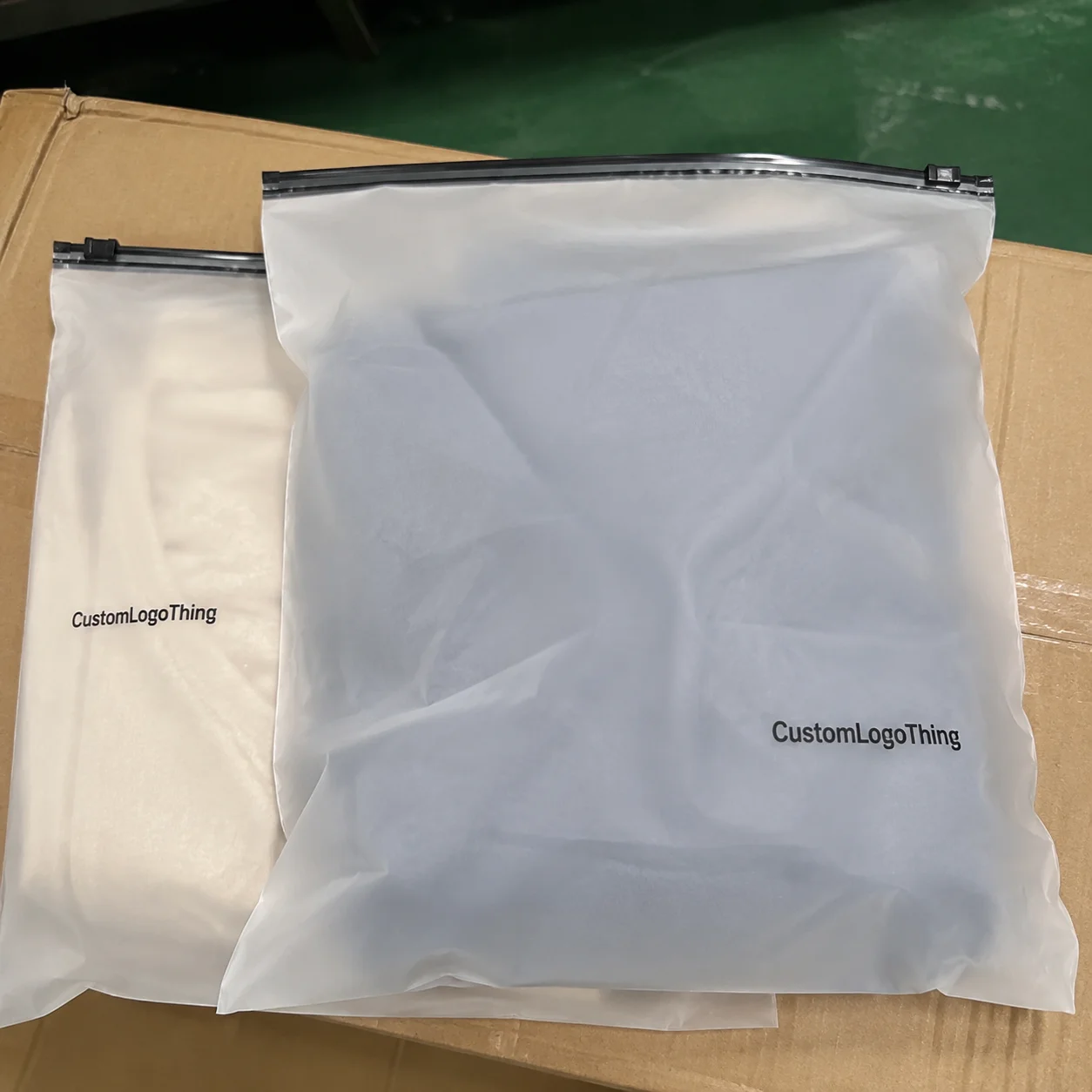
PVC Zipper Garment Bags sit in a practical middle position. They offer visibility, reusable protection, and a more structured feel than thin garment sleeves. Clear PVC is easy to inspect. Frosted PVC feels more polished. A zipper gives customers a clear open-close action instead of a tear strip or adhesive flap that loses function after one use.
Packaging economics are rarely about the cheapest bag. They are about the lowest total cost after damage, repacking labor, returns, storage, and customer perception are counted.
From a packaging buyer’s point of view, the right bag can reduce repacking time, protect perceived product value, and simplify station workflows. That is a sales argument, yes, but it is also operational reality.
PVC Zipper Garment Bags Unit Cost for Subscription Buyers
PVC zipper garment bag unit cost for subscription buyers depends on measurable production variables, not a generic online price. The main cost drivers are PVC thickness, finished bag dimensions, zipper type, handle option, gusset depth, print method, print area, order quantity, and packing method. Add reinforced seams, hanger openings, or custom zipper pulls, and the number changes again.
Volume matters because fixed costs spread out. Artwork checking, printing setup, material preparation, and line changeover take time whether a run is 1,000 bags or 20,000 bags. That is why bulk pricing can look dramatically better after the first tier. It is not magic; it is arithmetic.
A lightweight clear PVC bag for folded T-shirts will not price like a thicker zippered garment bag built for jackets. The second bag may need a gusset, hanger hole, stronger zipper tape, reinforced seams, and a larger printed logo. Those details improve function, but they also increase material use and production handling.
| Bag Style | Typical Use | Cost Drivers | Best Fit |
|---|---|---|---|
| Lightweight clear PVC zip bag | Folded tops, kidswear, basic apparel kits | Thin PVC, standard zipper, small one-color logo | Lower-cost subscription packing with visibility |
| Frosted PVC zipper bag | Styling boxes, premium basics, curated sets | Frosted material, cleaner finish, branded trim options | Brands balancing presentation and practical protection |
| Gusseted reusable PVC garment bag | Coats, uniforms, rentals, return-cycle programs | More material, heavier zipper, reinforced seams, handle or hanger hole | Subscriptions where reuse and return handling matter |
Cheaper single-use packaging can be rational for a low-price monthly basics program. Many brands overbuild packaging before the subscription offer has stable retention data, especially when early creative reviews focus more on unboxing photos than warehouse behavior. But if the bag prevents garment damage, reduces return friction, or makes the box feel more valuable, the extra unit cost can be justified.
Quote by monthly shipment volume, not only by launch quantity. A supplier can often plan better pricing around repeat orders if the forecast is credible: 5,000 bags for a pilot, 20,000 for the first full run, then 50,000 or more for replenishment. Ask for tiered pricing at those levels. The real cost curve appears only after comparing multiple quantities.
Custom Logo Things provides quote-based pricing because the exact cost depends on specifications. A 0.15 mm PVC bag with a small one-color mark is not the same commercial product as a 0.30 mm frosted bag with a gusset, handle, reinforced seams, and two-sided print.
Product Details That Affect Protection and Presentation
A typical PVC zipper garment bag uses a transparent or frosted PVC body, a zip closure, and heat-sealed or stitched edges depending on the design. Optional details include a bottom or side gusset, a hanger opening, a die-cut or attached handle, reinforced corners, zipper pulls, color zipper tape, and printed branding.
Visibility is the quiet workhorse. Warehouse teams can confirm color, size, garment type, or set contents without opening the bag. That matters when a packing station handles 400 to 1,200 subscription orders per shift. Ten seconds wasted per order becomes real labor cost by the end of the week.
Zipper choice affects both price and perception. A standard plastic zipper works for basic folded apparel kits. Heavier zipper pulls suit reusable bags, especially rental or trial programs where the customer may open and close the bag several times. Color-matched zipper tape can turn a clear utility bag into a recognizable brand asset, particularly if the subscription box itself is minimal.
Use cases vary widely:
- Clothing rental kits: stronger zippered bags help customers return items neatly and reduce loose garment handling.
- Kidswear subscriptions: clear bags make size checks faster and reduce picking errors.
- Uniform replenishment programs: durability matters because garments may be heavier and orders often repeat by department, role, or employee size.
- Seasonal wardrobe boxes: gussets help accommodate sweaters, denim, outerwear, or layered bundles.
- Styling services: frosted PVC and branded trim can improve perceived value before the garment is touched.
Return-cycle implications deserve more attention. If a subscription includes exchanges, try-before-you-keep shipments, or rentals, a stronger zippered garment bag may reduce messy returns. That can protect resale or reuse condition. It can also reduce sorting time when the item comes back to the warehouse.
Design language matters. Clear PVC feels practical, inspectable, and operationally efficient. Frosted PVC feels more premium. Colored trims create a repeatable unboxing signature without covering the bag in ink. Large logo panels can look strong in photography, but they may reduce visibility if placed over size labels, product details, or barcode areas.
Do not overbuild by default. A premium reusable bag may be excellent for a rental coat program. It may be excessive for a low-cost monthly socks or basics subscription. The right specification should match garment weight, customer behavior, and subscription economics.
Specifications to Confirm Before You Request a Quote
The fastest accurate quote starts with clean specifications. Before asking for a PVC zipper garment bag price, prepare the finished width, height, depth or gusset, PVC thickness, closure type, logo size, print colors, orientation, handle requirement, hanger hole requirement, and packing count per carton.
Thickness selection should be practical, not emotional. Thinner PVC may work for lightweight folded tops, scarves, kidswear, or small accessories. Heavier PVC is better for coats, denim, uniforms, shoes-and-apparel bundles, or any program expecting repeated customer handling. If the garment strains the zipper at the sample stage, the mass-production bag will not improve by itself.
Sizing is another cost trap. The bag should be large enough to avoid garment compression, but not so large that it wastes material, carton space, and fulfillment room. A half-inch added to width and height can seem harmless. Across 50,000 bags, that extra material becomes a line item.
| Specification | Buyer Decision | Cost Impact | Operational Risk if Wrong |
|---|---|---|---|
| PVC thickness | Match to garment weight and reuse needs | Higher thickness increases material cost | Seam failure, zipper stress, poor hand feel |
| Bag dimensions | Fit folded or hanging garment with slight clearance | Oversizing raises material and freight cost | Compression, wrinkles, wasted storage space |
| Print colors | Use one-color logo where possible | More colors can add setup charges | Longer approvals, higher defect scrutiny |
| Barcode or label area | Reserve clear scan zones early | Minimal if planned before production | Slow picking, rework, covered product data |
| Carton packing | Specify count per carton and fold method | Affects freight and warehouse handling | Damaged bags, poor station replenishment |
Print specifications should be settled early. One-color logo printing is usually more economical than multi-color artwork. Larger print coverage increases ink use and production complexity. If color accuracy matters, provide Pantone references rather than a low-resolution screenshot. That one step can prevent days of back-and-forth.
Barcode windows, warning labels, size stickers, and SKU identification should be planned before production. A subscription warehouse might need the size visible from the top edge or the barcode facing outward in a bin. Layout decisions influence packing speed more than many creative teams expect.
Test real garments inside a physical sample before approving mass production. This is especially true for mixed bundles, seasonal size changes, or apparel with structured elements such as collars, shoulder pads, belts, or padded outerwear. A digital proof cannot show zipper strain, corner pressure, or whether the folded garment pushes against the carton lid.
Compliance also belongs in the early checklist. PVC bags may require suffocation warnings, recycling marks, country-specific handling language, or customer care instructions depending on destination market and application. For broader packaging guidance and industry education, buyers can reference the Packaging Machinery Manufacturers Institute and the U.S. EPA recycling resources. These do not replace legal review, but they help frame responsible packaging decisions.
MOQ, Pricing Tiers, and How to Lower Unit Cost
MOQ is shaped by material sourcing, printing setup, production line efficiency, and whether the bag uses standard or custom components. A simple clear bag with common zipper tape may support a lower starting quantity than a frosted custom-size gusseted bag with special trim and multi-color print.
Ask for multiple price breaks instead of one quantity. Useful tiers might include 1,000, 5,000, 10,000, and 50,000 units. The point is not to buy the highest quantity automatically. The point is to identify the most efficient buying level before committing cash.
Several choices can reduce unit cost without creating a weak package:
- Use standard PVC thicknesses rather than unusual gauges that require special sourcing.
- Limit print colors to one or two where brand guidelines allow.
- Choose common zipper colors such as clear, white, black, or standard brand-adjacent colors.
- Avoid unnecessary gussets if the folded garment sits comfortably in a flat bag.
- Consolidate sizes where practical so the warehouse handles fewer packaging SKUs.
- Confirm carton counts that match station replenishment patterns, such as 100 or 200 bags per carton.
There are also places not to cut. Reducing thickness too far can create seam failure, zipper stress, or customer complaints. Saving two cents per bag is a false win if warehouse staff must rebag 4% of orders or customer service issues replacement credits for damaged garments. Bad packaging hides its cost in other departments.
Buyers should compare landed cost, not just factory unit cost. Freight mode, carton dimensions, customs duties, order consolidation, and storage costs can change the real economic picture. A larger bag may cost slightly more to produce and much more to ship if it reduces carton density. Air freight can erase the savings from a carefully negotiated piece price.
Subscription brands also need to align MOQ with churn, forecast accuracy, and warehouse capacity. Buying 100,000 printed bags for an unproven offer can trap cash in obsolete inventory if the brand changes garment mix, logo, box dimensions, or return policy. A phased plan is safer: pilot packaging, launch packaging, then replenishment packaging based on real subscriber behavior.
Custom Logo Things can compare specifications against the buyer’s fulfillment model rather than defaulting to the highest-cost bag. Sometimes the answer is a stronger reusable bag. Sometimes it is a simpler clear PVC zipper bag with a tight size range, one-color logo, and disciplined reorder calendar. The profitable answer depends on the program.
Process, Lead Time, and Production Steps for Bulk Orders
Bulk custom packaging works best when the process is boring. Boring means controlled. A normal PVC zipper garment bag order moves through specification review, artwork check, quotation, sample or pre-production proof, deposit, material preparation, printing, cutting, sealing or stitching, quality inspection, packing, and shipment.
Lead time depends on order size, customization complexity, material availability, sample approval speed, and shipping method. Small changes can create real delays. A logo file with jagged edges, unclear Pantone references, or last-minute dimension changes may slow the project more than the actual manufacturing step.
Subscription brands should start packaging conversations before the apparel assortment is finalized. That sounds early, but it is often the safer schedule. If the warehouse receives garments before bag dimensions are confirmed, the team may be forced into temporary sleeves, repacking labor, or emergency freight. None of those costs show up in the first packaging quote, but they hit the margin.
Artwork approval is a common delay point. Vector files are preferred. Low-resolution PNGs often need cleanup. If a brand wants the zipper tape to match a logo color, the supplier needs a clear color reference. If the logo must sit away from the barcode scan area, that layout should be marked on the dieline or proof.
Sampling deserves a practical view. Digital proofs are faster and useful for checking logo placement, print size, and general layout. Physical samples are more valuable when the bag must hold a specific garment bundle, fit into a subscription box, or survive repeated customer handling. For rental or return-cycle programs, a physical sample tested with actual garments is much safer than approval based on dimensions alone.
Quality control checks should include zipper function, seam strength, print alignment, PVC clarity, odor review, carton count verification, and dimensional tolerance checks. Odor review matters with PVC because customers open subscription boxes in bedrooms, closets, dorm rooms, and apartments. Even a functional bag can hurt the brand experience if it smells harsh on arrival.
Build a reorder calendar using monthly subscriber volume, safety stock, and transit time. For example, if a brand ships 12,000 apparel subscriptions per month and keeps six weeks of safety stock, reorder triggers should be set well before inventory falls below 18,000 bags. Emergency air freight is rarely a packaging strategy. It is usually a planning penalty.
Action Plan: What to Send for an Accurate Bag Quote
A useful quote starts with specifics. Send garment dimensions, expected monthly subscription volume, target launch date, logo file, preferred PVC thickness, closure preference, and whether the bag is single-use or reusable. If you do not know the ideal thickness yet, describe what the bag must hold and how customers will handle it.
Photos or samples of current packaging help. Existing failure points reveal what the new bag must solve: torn seams, cloudy material, weak adhesive flaps, difficult returns, poor barcode visibility, overstuffed bags, or boxes that no longer close cleanly. A short video of the packing station can also expose friction, such as staff opening bags one by one or relabeling after garments are inserted.
State the packing environment clearly. Hand-packed subscription boxes have different needs from automated fulfillment lines. Retail-ready kits need cleaner presentation than warehouse storage bags. Return-cycle programs need closure durability. A uniform replenishment program may prioritize barcode visibility and carton organization over luxury finish.
A complete Custom Logo Things quote should include unit price, MOQ, setup charges, sample cost if applicable, production lead time, carton packing details, and freight options. If the design requires unusual components, ask whether tooling fees apply. If the shipment is time-sensitive, compare the production schedule against your subscription drop date before approving artwork.
If you are unsure whether to prioritize lowest unit cost, premium feel, or durability, request a good-better-best comparison. A good option might use clear PVC, standard zipper tape, and one-color print. A better option might add frosted material or improved zipper hardware. A best option might include a gusset, reinforced seams, handle, and return-cycle durability. Seeing those options side by side makes the buying decision less emotional and more financial.
For the most accurate PVC Zipper Garment Bags Unit cost for subscription planning, send the specifications, expected monthly volume, and any fulfillment constraints together. A quote built around real production details is far more useful than a low placeholder price that changes after sampling.
FAQ
What affects pvc zipper garment bag unit cost for subscription packaging the most?
The biggest cost drivers are PVC thickness, bag size, zipper style, print coverage, order quantity, gusset depth, and whether you need handles, hanger holes, or reinforced seams. Higher quantities usually reduce unit cost because setup and production preparation are spread across more bags.
What MOQ should a subscription apparel brand expect for custom PVC zipper garment bags?
MOQ depends on the exact bag design, material, printing method, and customization level. For accurate planning, request price tiers for pilot orders, launch orders, and replenishment orders instead of asking for one flat quantity.
Are PVC zipper garment bags better than standard poly bags for subscriptions?
PVC Zipper Garment Bags are typically better when visibility, reuse, garment protection, and presentation matter. Standard poly bags may be cheaper for lightweight single-use shipping, but they usually provide less structure and a less polished customer experience.
How long does custom PVC zipper garment bag production take?
Timeline depends on sampling, artwork approval, order quantity, material availability, production complexity, and shipping method. The fastest projects are usually those with confirmed dimensions, approved artwork, standard materials, and no late specification changes.
How can I reduce PVC zipper garment bags unit cost without hurting quality?
Use standard sizes where possible, limit print colors, avoid unnecessary oversized bags, choose common zipper options, and consolidate similar bag dimensions. Do not reduce thickness below the level needed for garment weight, return handling, or repeated customer use.