The Slider Lock Clothing Bags sample approval checklist is a practical way to avoid approving a bag that looks right but fails in use. A clean print and smooth slider do not matter much if the bag pinches the garment, the seal opens under stress, or the film feels too weak once loaded.
That mismatch happens often because an empty sample can look fine while a folded shirt, hoodie, or dress changes the fit completely. The closure may need more force, the top seal may sit differently, and the dimensions that seemed generous can become tight once the real product is inside. Approval has to catch those problems before production starts.
For clothing packaging, small differences affect pack-out, carton efficiency, and retail presentation. Three millimeters in width can change how a garment sits and how easily workers load it. The checklist should separate what must match exactly from what can stay within tolerance. Size, film gauge, seal width, closure feel, print placement, and add-ons such as a hang-hole or vent all need clear rules. If your team needs a basic materials reference, Packaging.org is a useful starting point.
A sample that closes nicely but fits badly is not approved. It is a delayed problem.
Why the slider lock clothing bags sample approval checklist catches failures
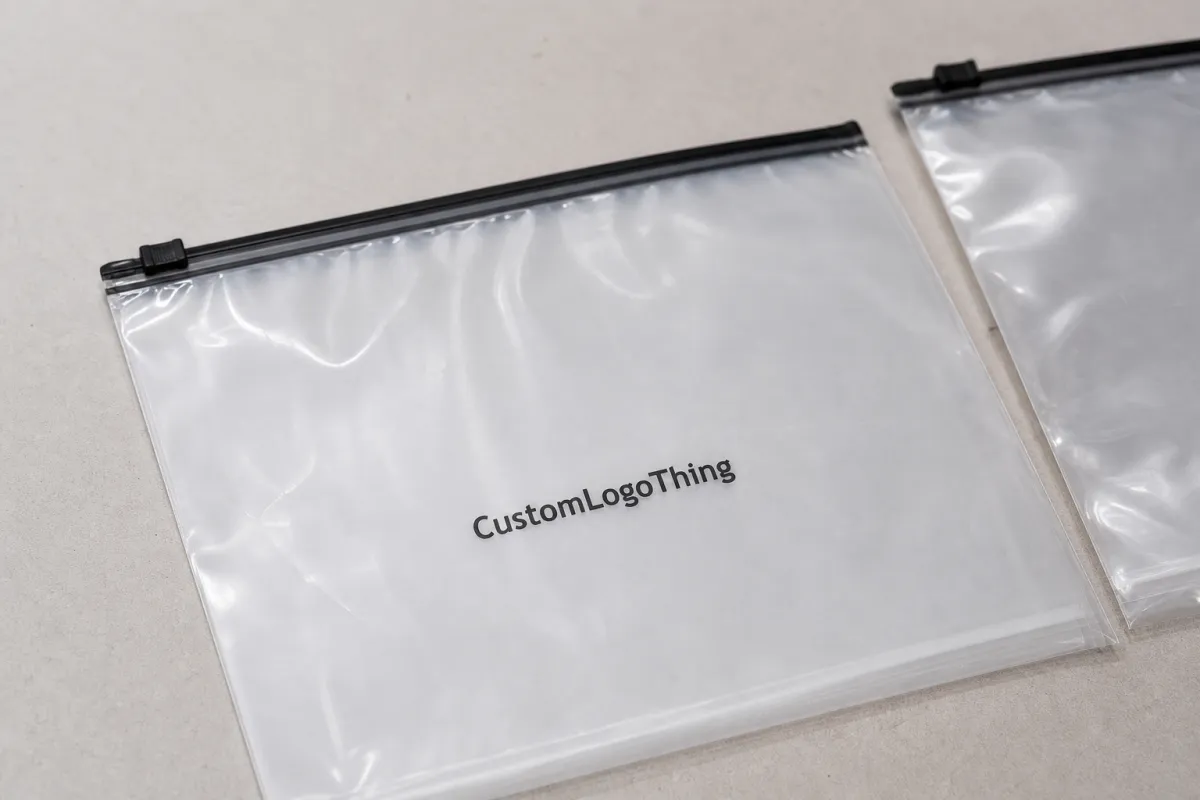
Sample approval is really spec control. Buyers get into trouble when they treat a sample like a display piece instead of the production standard. A slider bag has only a few visible parts, but each one can fail differently: film can be too thin, seals can split, sliders can bind, and print can interfere with closure.
The key is matching the actual production build, not just the appearance. A prototype may include hand trimming or extra cleanup that never appears in bulk. If the factory later changes the film grade, slider style, or seal tooling, the approved sample is no longer the same product. That is how off-spec shipments happen while everyone thinks they are aligned.
For apparel buyers, the checklist should cover both appearance and function. That means color, print, load behavior, re-locking force, and whether the garment can be inserted without fighting the opening. A bag that passes visual inspection and fails with a real garment is not a near miss; it is a bad approval.
For handling and transit context, ISTA is useful because it keeps the focus on movement, compression, and rough handling. Clothing bags are not shipping cartons, but they still need to survive packing, sorting, and repeated handling without the closure getting damaged.
How slider-lock bag samples work from film to closure
A useful sample review starts with construction, not artwork. Check film gauge, seal width, side seams, slider track, end stops, and any extra features such as a vent or hang-hole. For LDPE or mixed PE structures, ask for the declared thickness in microns and make sure the sample feels consistent across the panel. A common apparel range is around 50 to 80 microns, though heavier garments or larger bags may justify thicker film.
Then test the closure like a packing team would. Open it, close it, re-open it, load the real garment, and try again. Shake the bag. Set it flat. Re-lock it with one hand, then with a less convenient grip. Production workers do not always have ideal hand placement, so if the slider catches, skips, or needs a second attempt, that is a functional defect.
Print and finish can create their own issues. Dense ink coverage may stiffen the film, matte finishes can hide defects, and gloss can make them easier to miss. If the artwork sits close to the closure area, inspect that zone carefully. A good-looking front panel does not excuse a weak seal behind it.
- Prototype sample - used to check the first build idea and confirm the basic structure.
- Pre-production sample - should match the intended production spec as closely as possible.
- Approved reference sample - the standard the factory should use during bulk production.
That distinction matters. A prototype often gets extra handwork. A pre-production sample should show the real materials and process. If the supplier swaps in a different slider, adjusts the film thickness, or changes the sealing method after approval, the sample is no longer a valid reference.
A practical checklist should include at least these checks:
- Bag dimensions and tolerance limits
- Film thickness and material type
- Seal width and seam alignment
- Slider movement, end stops, and re-locking force
- Print placement, color reference, and clear zone near the closure
- Pack-out fit using the actual garment, not a placeholder
- Any special details such as hang-hole, vent, gusset, or recycled content claim
Recycled content can change clarity, stiffness, and closure feel. That does not make it bad, but it does mean the bag needs extra attention during approval, especially if it is meant for retail display.
Cost, pricing, MOQ, and quote variables buyers should pin down
Pricing is usually less mysterious than buyers expect. The main drivers are material grade, bag size, slider type, print coverage, finish, and any custom structure changes. A plain clear bag costs less because it is simple to make. Add custom sizing, colored sliders, dense artwork, or special surface treatment, and the price moves.
MOQ affects unit cost because setup does not shrink just because the order is small. The supplier still has to calibrate the film, verify the closure, and absorb trial waste. That is why sample pricing and low-volume pricing often look high. They carry the setup burden that a larger run spreads out.
| Option | Typical MOQ | Typical price range | What usually drives the cost |
|---|---|---|---|
| Plain clear slider bag | 3,000-5,000 pcs | $0.10-$0.18 per unit at 5,000 pcs | Film gauge, bag size, standard slider |
| Custom size with one-color print | 5,000 pcs | $0.18-$0.32 per unit at 5,000 pcs | Print plates, setup time, registration control |
| Heavy print or matte finish | 5,000-10,000 pcs | $0.24-$0.42 per unit at 5,000 pcs | Ink coverage, finish, slower run speed, extra QC |
| Prototype / approval sample | 1-3 pcs | $25-$120 plus freight | Tooling setup, handwork, remake risk, courier cost |
Those numbers are only useful if the spec is locked. A 60-micron bag with a standard slider is not the same as an 80-micron bag with custom print and a different closure style. If two quotes are built on different constructions, line-by-line comparison does not help.
Ask about sample charges separately. Sometimes prototype labor, tooling, and freight are billed on their own. Sometimes the sample fee is credited back on the bulk order. Sometimes it is not. Ask before you assume anything. The same goes for carton marking, insert cards, or special packing. Small extras become real cost once the order scales.

Process and turnaround: from first sample to approval
The cleanest approval process is boring, and that is a compliment. Request the correct sample, inspect it as soon as it arrives, test it with the actual garment, document defects, and send one consolidated response. No scattered comments. No three people replying with three different priorities. The supplier cannot fix what the buyer cannot agree on.
- Confirm the spec before sampling: size, film gauge, print, slider style, and pack-out.
- Receive the sample and inspect it within 24 hours.
- Test closure, fit, and visual quality with the real folded garment.
- Record pass/fail notes with photos of each issue.
- Send one revision request and wait for the corrected sample.
Timing matters. Initial samples often take a few business days. Revised samples can take longer if the factory has to change tooling, plate work, or material stock. Production lead time is a separate clock. Mixing sample turnaround, revision turnaround, and bulk production into one number creates fake expectations.
A quick feedback loop saves money because the factory still has room to adjust before the order is locked. A sample that sits in a warehouse for a week before anyone opens it can delay quoting, carton planning, and shipment scheduling. That delay gets expensive if the bags are tied to a retail launch or fulfillment window.
When you send revision notes, keep three things in the same message: the defects, the requested changes, and the revised delivery window. If the spec changed, ask for an updated quote too. That keeps the approval trail clear and avoids confusion later.
Common mistakes that slow approval and create rework
The biggest mistake is approving from photos alone. A photo can show whether the logo is centered and the print color is close. It cannot tell you how the slider feels, whether the seal holds, or how the bag behaves once it is packed with a real garment. Some suppliers send pretty images first, hoping nobody asks for the physical sample.
- Skipping tolerance checks - A few millimeters off in length, width, or seal placement can throw off folding and presentation.
- Testing an empty bag - Real garments change the way the film stretches and the way the closure sits.
- Letting multiple people send separate feedback - One owner should collect comments and issue one decision.
- Ignoring print near the closure - Heavy coverage can stiffen the film or hide defects near the track.
Another mistake is overreacting to cosmetic flaws while missing functional ones. A tiny shade shift may not matter if the bag still closes correctly and fits the garment well. A weak end stop absolutely matters. The sample is not a beauty contest. It is a test of whether the product can be produced and used without trouble.
There is also the opposite problem: buyers accept a bag that feels fine in the hand, then ignore a visible print shift or film scuff because the closure works. That is only smart if appearance is secondary. For retail apparel, presentation still matters. The checklist should make that priority explicit so the team does not improvise after the fact.
If the sample only works when handled gently, it is not passing. It is warning you.
A good approval checklist separates issues into three buckets: cosmetic, functional, and structural. That makes the decision easier and less emotional. Scuffs may pass. A misaligned track should not. A slight print drift may be acceptable. A closure that jams on the first use should stop the order.
Expert tips and next steps before you sign off
Use a one-page approval sheet. Keep it simple enough that a merchandiser, QC tech, and buyer can all read it in two minutes. List the must-match specs, tolerances, pass/fail rules, and one or two reference photos of acceptable and rejectable details. Long approval documents often feel thorough and then fail because nobody wants to use them.
Test with the actual folded garment, not a random filler piece. The fit, stretch, and closure load all change once the real product goes inside. If the item is bulky, has sharp trim, or includes tissue, use that exact setup during approval. Otherwise you are approving a package that does not exist in production.
Before sign-off, confirm three things in writing: the revised sample, the updated quote if the spec changed, and the final lead time. If the factory changes the film gauge or slider style during revision, the price should change too. If they promise a faster production slot, that needs to be written down. Verbal agreement is a shortcut to confusion.
For teams that package inserts, labels, or outer cartons alongside the bag, FSC documentation can help if paper sourcing is part of the compliance brief. It is not required for every program, but it is useful when the buyer needs cleaner records and fewer surprises in the supply chain.
Once the sample passes, issue written approval, archive the reference sample, and lock the inspection plan before production starts. That is the point of the checklist: fewer surprises, not more admin.
What should be on a slider lock clothing bags sample approval checklist?
Include bag dimensions, film thickness, material type, seal width, slider alignment, and closure feel. Add print placement, clear zones near the track, pack-out method, and any special features such as a hang-hole or vent. Clear pass/fail rules matter more than long notes because they tell the supplier exactly what has to change before production.
How long does slider lock clothing bags sample approval usually take?
An initial sample often takes a few business days, while revised samples can take longer if tooling or print changes are required. Approval slows down when buyers delay testing or spread feedback across multiple emails. Freight time also matters, so ask for the production-ready version and shipment window in the same update.
Why does a sample cost more than bulk slider lock clothing bags?
Small runs carry setup labor, material waste, and manual QC that bulk production spreads across many more units. Custom sizes, print work, and slider changes can add extra handling before volume pricing starts to make sense. Ask whether sample fees can be credited back on the production order, because some suppliers will do that and some will not.
Can I approve a slider lock clothing bag sample from photos or video?
Photos and video help with visual checks, but they do not replace a physical sample for closure feel or seal strength. Use them as a first-pass screen for print, color, and general construction. Final approval should happen on the hand sample, especially if the bag will be used for retail apparel or warehouse packing.
What happens if the sample looks fine but fails during actual use?
Document the exact failure: snagging, weak seal, poor re-locking, bad fit, or damage near the closure. Send one consolidated revision note and request a corrected sample before approving the order. Retest with the actual garment and the same handling method your team will use in production, not a lighter substitute.
If you want fewer surprises, treat the checklist as a production control tool, not paperwork. That is what keeps the final bags close to the spec you meant to buy.
