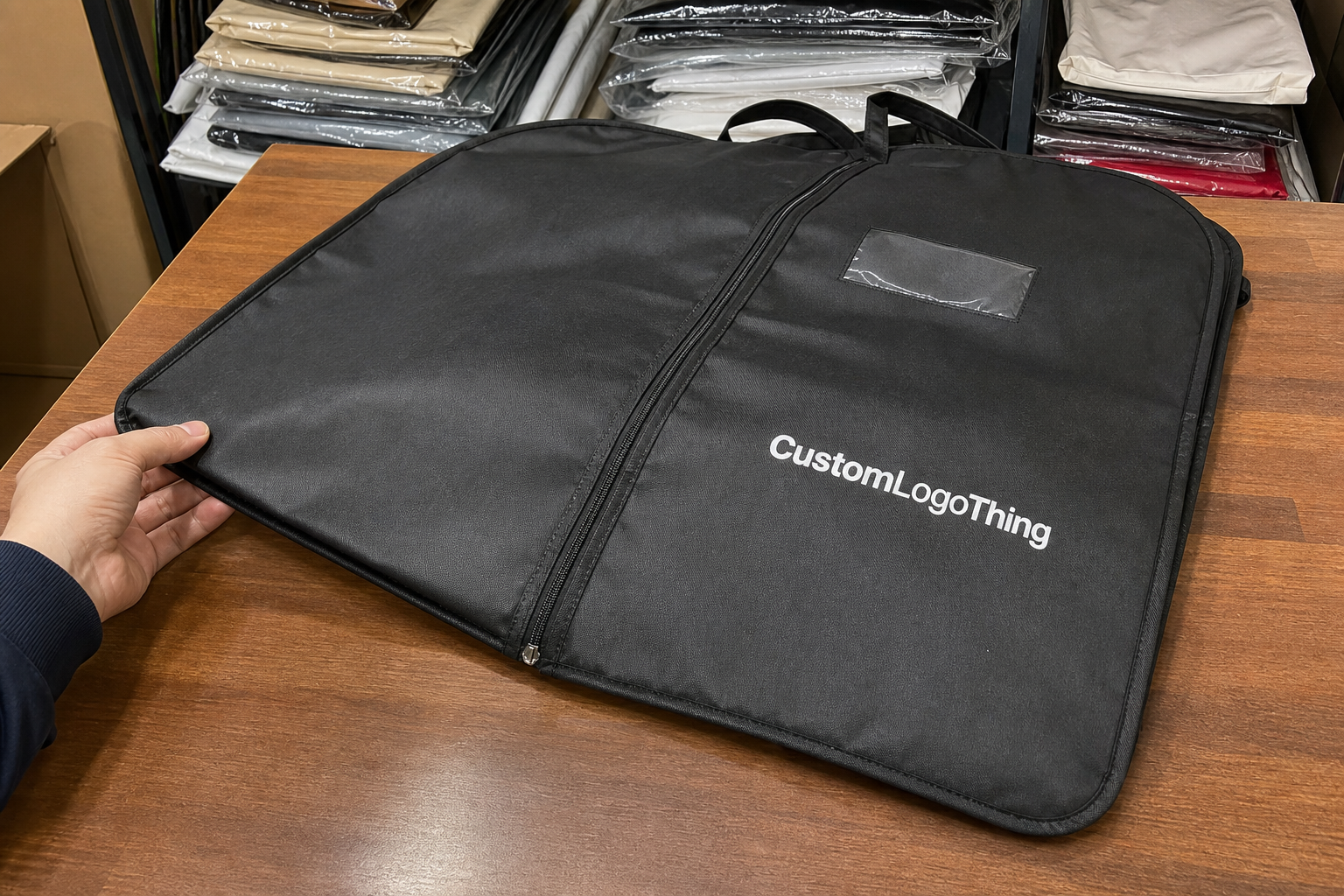
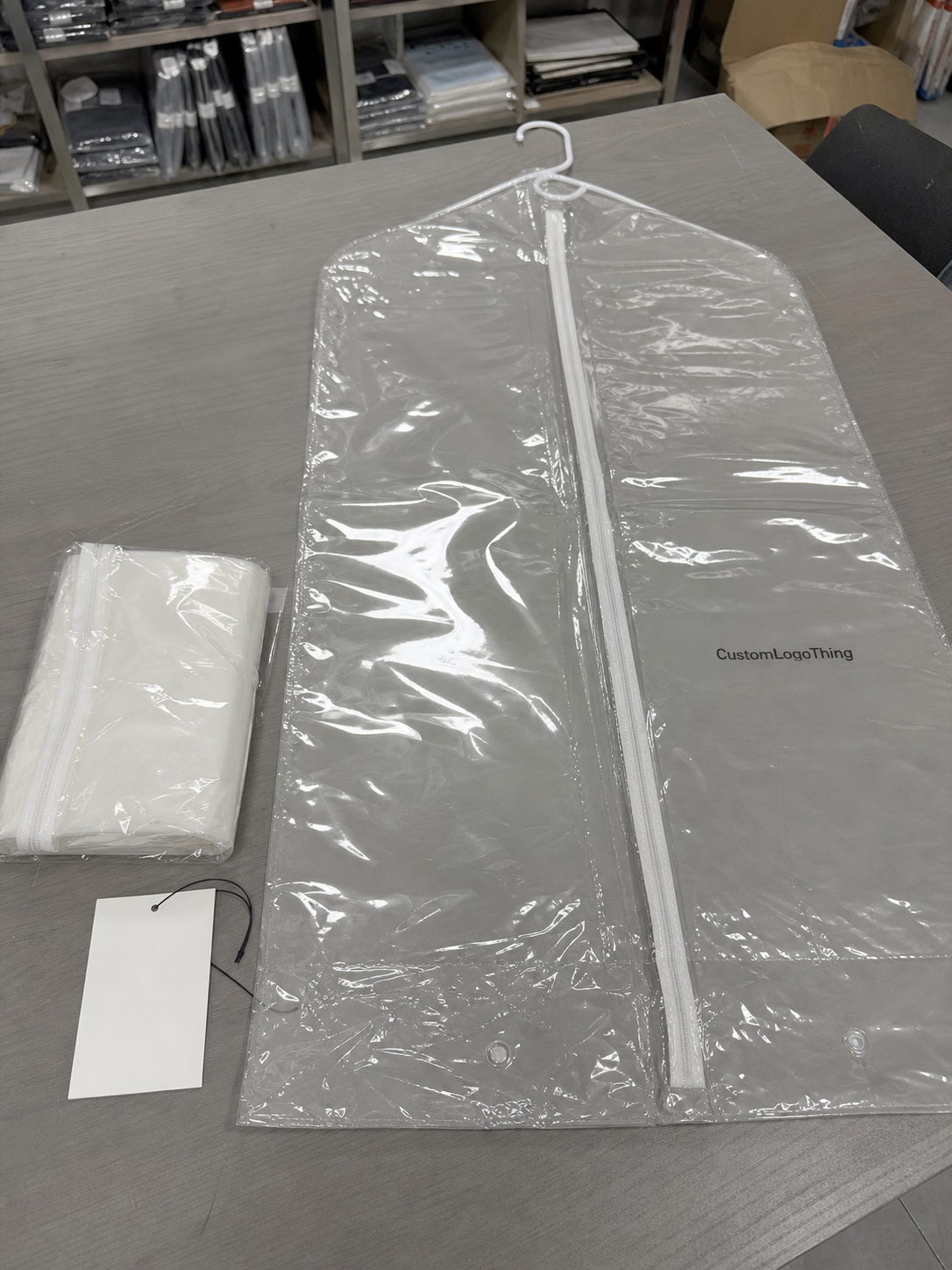
If you are sourcing a Slider Zipper Bags Manufacturer bulk order, the real test is not the sample photograph or the first quotation. It is whether the bag stays consistent across repeat runs, holds its closure under actual use, and still makes financial sense once freight, cartons, and waste are included.
Bulk buying changes more than unit price. It changes planning. A steadier supply schedule reduces last-minute substitutions, keeps packaging specs from drifting between orders, and makes it easier to forecast inventory for promotions or seasonal spikes. That matters for subscription brands, retail programs, food packs, and fulfillment operations where a packaging delay can slow the entire line.
Buyers searching for a Slider Zipper Bags Manufacturer bulk order usually want control before they want novelty. They need the correct dimensions, a closure that performs the same way every time, and a manufacturer that can reproduce the same result next month instead of only on the first run.
Why bulk slider bags beat reordering small lots
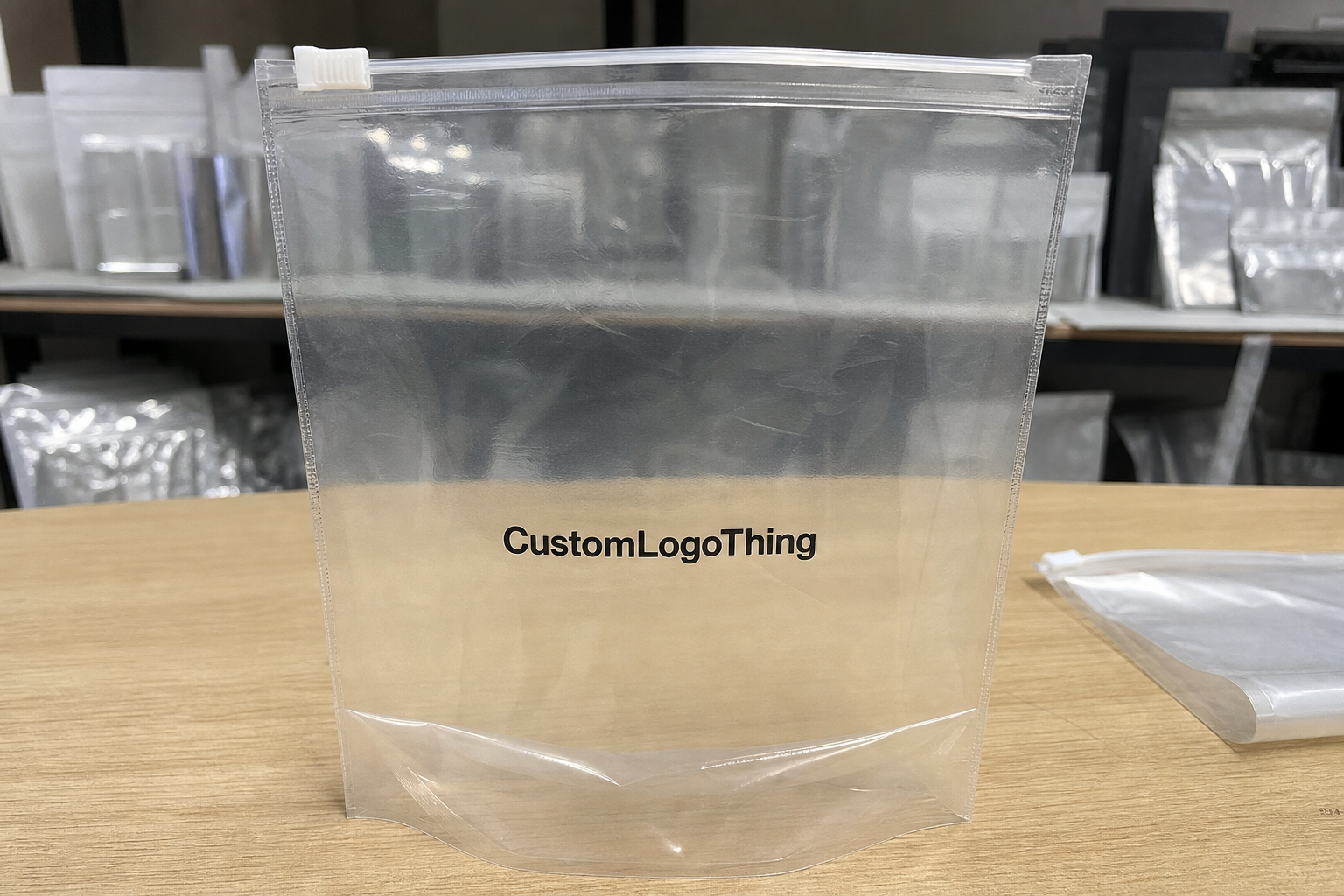
Small orders feel flexible until the numbers start working against you. Ordering 1,000 pieces at a time can push unit pricing 20% to 40% higher than a larger run, depending on print coverage, material thickness, and how much line setup is involved. Then there is the less visible cost: more purchase orders, more freight bills, more receiving work, and more opportunities for stockouts.
For packaging teams, bulk ordering shifts effort from emergency replenishment to planning. That is not a cosmetic improvement. It allows one approved specification to serve multiple SKUs, reduces the chances that each product line ends up with a slightly different bag, and lowers the risk of a promotional lift exposing a packaging shortage.
The savings can look small at the unit level and still matter at scale. A difference of $0.03 per bag becomes $6,000 across 200,000 units. On a multi-SKU program, that kind of spread can determine whether packaging stays within budget or quietly overruns every quarter.
Slider bags also add value beyond closure convenience. They are easier for consumers to reseal, they reduce handling friction in packing environments, and they support reuse in categories where customers expect practical packaging. That is why they show up in food storage, apparel returns, sample kits, and hardware packs.
In practice, bulk programs work best when the spec is fixed and the volume is realistic. A buyer who approaches a slider zipper bags manufacturer bulk order with exact dimensions and honest demand forecasts usually gets cleaner pricing and fewer revisions than one asking for the lowest possible price without defining the product.
Bag construction, closure style, and material options
Most slider zipper bags are made from polyethylene film, but that simple label hides real differences in performance. Film grade, thickness, seal strength, and clarity all affect how the bag behaves during packing, shipping, and end use. Typical thickness ranges run from 40 to 100 microns, while heavier-duty industrial uses may require more.
Transparent film is common when product visibility matters. Frosted or tinted film can reduce glare and create a more polished presentation. For retail packaging, surface finish and visual consistency often matter just as much as the closure itself.
Slider mechanisms are not identical either. Standard sliders suit many consumer items. Tamper-evident options are better for controlled distribution or products that need an obvious opening indicator. Single-track closures are generally adequate for lighter use, while double-track designs can improve engagement and reduce the chances of a loose-feeling seal after repeated openings.
Matching the bag to the product
Food packaging usually demands stronger seal reliability and, depending on the application, freezer-safe performance. Apparel cares more about clarity, clean opening feel, and size consistency. Hardware needs puncture resistance. Cosmetics and sample kits often need a more refined appearance and better print reproduction.
- Food: focus on seal integrity, material compliance, and freezer suitability if needed.
- Apparel: prioritize clarity, hang holes, and consistent sizing.
- Hardware: choose thicker film and better tear resistance.
- Cosmetics/sample kits: balance print quality, finish, and closure feel.
Customization can add real value, but only if it supports the actual use case. Hang holes, euro slots, matte finishes, printed branding, and special pack formats are all possible, yet each one can affect tooling, lead time, or cost. Buyers often save more by trimming unnecessary features than by chasing a slightly lower source price.
When testing samples from a slider zipper bags manufacturer bulk order, look beyond the first impression. Check film clarity, zipper engagement, seal integrity, and how the slider behaves after repeated open-close cycles. A bag can feel fine once and still loosen after ten uses.
“A sample that opens nicely on the desk is not the same as a bag that survives actual packing, shipping, and consumer use. Test it with the product, not just with your fingers.”
For buyers who need external references, ISTA testing standards are useful for distribution stress, while EPA recycling guidance can help if the program includes sustainability claims or recovery targets.
Key specifications buyers should lock in before quoting
Quote disputes usually start with missing information. If two suppliers are quoting different assumptions, the comparison is useless. Before requesting pricing for a slider zipper bags manufacturer bulk order, lock in the dimensions, film thickness, slider style, print coverage, and target quantity.
These are the specifications that drive both performance and price:
- Width and height: the finished bag size in millimeters or inches
- Gusset depth: if the product needs more volume or stand-up behavior
- Film thickness: usually listed in microns or mils
- Slider style: standard, tamper-evident, single-track, or double-track
- Print coverage: none, one-color, multi-color, or full coverage
Tolerances matter more than many buyers expect. In a high-volume packout, even a few millimeters of variance can slow an automated line, affect shelf appearance, or create fit problems when the product sits near the bag’s capacity. If a snack pouch is meant to hold 12 ounces and the final bag runs too small, the packaging team feels it immediately.
Compliance requirements should be addressed early. Some programs need food-safe materials, freezer-safe performance, odor resistance, or export-related paperwork. If the bag will move through regulated channels, the supplier should be able to state what it can and cannot support without hedging.
Carton and pallet details matter too. Carton pack count, master carton dimensions, pallet quantity, and label format affect freight efficiency and warehouse handling. A bag that is inexpensive at the factory gate can become costly if the cartons waste space or are awkward to stack.
A one-page spec sheet removes a lot of friction. It helps every supplier quote the same item, which turns a slider zipper bags manufacturer bulk order comparison into a real comparison instead of a debate over assumptions.
| Spec item | Why it matters | Buyer risk if omitted |
|---|---|---|
| Finished dimensions | Controls fit and packout | Wrong bag size, wasted product space |
| Film thickness | Drives durability and cost | Punctures, overstated price gap |
| Slider type | Affects resealability and feel | Poor user experience, weak closure |
| Print coverage | Changes setup and unit cost | Quote mismatch, unexpected charges |
| Carton/pallet format | Impacts freight efficiency | Higher landed cost |
Cost, pricing, MOQ, and unit cost drivers
Five variables usually shape pricing: size, thickness, slider hardware, print colors, and quantity. Packaging format belongs in that list too, because how the bags are packed can affect labor and freight. If a quote looks unusually low, one of those variables has usually been simplified or left out.
MOQ is tied to production efficiency. Factories often set higher minimums for printed or custom-sized bags because setup, film sourcing, and line changeover take time. Plain stock-style runs can support lower minimums, but that depends on the supplier’s equipment and inventory model.
As volume rises, unit cost usually falls. The most useful savings often come from standardizing one spec across several SKUs. That reduces setup complexity, keeps inventory from fragmenting, and often saves more than shaving a few cents off one line item.
Typical planning ranges for bulk buying behavior look like this. These are not fixed quotes, because material grade, print coverage, and hardware selection can change pricing quickly.
| Order size | Typical unit cost range | Common price drivers |
|---|---|---|
| 5,000 pieces | $0.18-$0.28 | Setup, small-run efficiency, basic print |
| 20,000 pieces | $0.11-$0.20 | Better material utilization, lower setup impact |
| 50,000+ pieces | $0.07-$0.15 | Scale efficiency, standardized spec, freight optimization |
Do not compare factory price alone. Landed cost is what matters: freight, duties, palletization, sampling, and inspection charges all belong in the real number. A quote that is $0.02 lower at source can easily become more expensive once shipping is added.
Ask for tiered brackets. A serious supplier should show pricing at multiple volume breaks so you can see where the next savings point sits. If you are evaluating a slider zipper bags manufacturer bulk order, you want the break-even point, not just the cheapest line at one quantity.
Sample costs deserve clarity too. Some suppliers credit them back against a purchase order; others do not. Either arrangement is fine if it is stated upfront. The problem is discovering setup fees or artwork charges after approval has already moved forward.
Production steps, lead time, and delivery milestones
The production path is straightforward only when approvals happen in order. A typical run moves through inquiry, spec confirmation, sample approval, artwork review, production, inspection, packing, and shipment. If any step is vague, the schedule slips.
Lead time depends on size complexity, print requirements, and current factory load. Plain bags usually move faster than fully printed orders. Custom printed runs take longer because artwork, color matching, and setup checks add work that stock items do not require.
For many buyers, a realistic planning window is 12 to 20 business days after proof approval. Larger orders or more complex configurations can take longer. If a supplier promises a very short timeline on a customized job, ask what is excluded from the estimate.
Clear checkpoints reduce delay. Send final artwork, dimensions, shipping destination, and carton requirements in the first request if possible. That gives the factory a chance to confirm whether the schedule is realistic before anyone commits to an impossible date.
A dependable partner should provide written milestones, update you if production shifts, and share pre-shipment QC documentation. That documentation may include sample checks, quantity verification, carton counts, and visual inspection notes. For buyers dealing with retailers or cross-border shipments, those papers save time later.
Some brands also request standards-based testing tied to distribution risk. That is not excessive. If the bag will move through several warehouse nodes or sit in fulfillment storage, asking how the supplier aligns with ASTM-related test methods or ISTA procedures is a practical way to reduce surprises.
What to verify before choosing a production partner
A low quote is not enough. The second and third order usually reveal whether a supplier can hold tolerances and repeat the same result. For a slider zipper bags manufacturer bulk order, consistency matters more than a one-time discount.
Start with manufacturing capability. Ask whether the supplier actually makes the bags or only brokers them. Then ask how they control thickness, seal quality, and zipper engagement from batch to batch. If they cannot explain the inspection process clearly, that is a warning sign.
Previous run samples are more useful than broad claims about capacity. A sample that matches the spec tells you more than a statement like “we can do large volume.” If the supplier has export packaging experience, ask what documentation they typically provide and whether they can support FSC-related paper components if that is part of your program.
Communication is another filter. You should get clear answers on MOQ, sampling, revision policy, and lead time. If responses are slow or vague before the order, they rarely improve after the deposit is paid.
There is a real tradeoff here. Some factories quote quickly but struggle to hold tolerances. Others are slower up front but better for repeatable bulk programs. The right choice depends on whether you need the first shipment immediately or the same bag produced the same way several times in a row.
Useful supplier checks often include these points:
- Ask for the exact film specification, not just “PE” or “food grade.”
- Confirm whether the slider is produced in-house or sourced separately.
- Request the inspection standard used for thickness, seal strength, and appearance.
- Verify how many samples are pulled per batch and what happens if one fails.
- Check whether carton labeling matches your warehouse or retailer requirements.
For broader company information, you can review About Custom Logo Things, browse Wholesale Programs, or check the FAQ if you need a faster answer on setup, sampling, or order flow.
Next steps to place a bulk order with confidence
If you want a cleaner buying process, start with a one-page spec brief. Include dimensions, thickness, closure type, print requirements, estimated annual volume, and target order quantity. That makes it easier for a slider zipper bags manufacturer bulk order supplier to quote exactly what you need.
Then ask for a side-by-side quote that separates unit cost, sample cost, freight, and any setup charges. The numbers should be easy to compare. If they are not, the supplier is probably pricing different assumptions rather than the same product.
Order a pre-production sample or prototype before committing to the full run, especially for a new SKU or retail launch. Test it with your actual product, not just with filler material. Check fit, zipper feel, seal hold, and how the bag presents on shelf or in a shipping kit.
Confirm carton counts, master carton dimensions, and delivery address before the order is signed off. Those details can affect both timeline and landed cost. Good packaging programs fail less often because someone was lucky, and more often because someone was specific.
If the product will be packed by hand, pay attention to opening resistance and slider travel. If it will run through automated or semi-automated packing equipment, ask whether the supplier has experience with consistent top-edge geometry and repeatable zipper placement. A bag that works in a hand pack test can still create slowdown on a line.
For repeat purchasing, build a simple approval record: final spec sheet, approved sample photo, quote version, carton format, and delivery terms. That small file often prevents expensive confusion on the second order, which is where many buyers discover the difference between a responsive supplier and a dependable one.
If you are ready to move, the most practical sequence is simple: submit the spec, compare two or three like-for-like quotes, verify timeline details in writing, and place your slider zipper bags manufacturer bulk order with the supplier that can repeat the result, not just offer the lowest first price.
FAQ
What MOQ should I expect from a slider zipper bags manufacturer bulk order?
MOQ depends on bag size, thickness, printing, and whether the slider is standard or custom. Plain stock-style runs often allow lower minimums than fully printed or heavily customized bags. Ask for MOQ by spec, not a blanket number, because minimums change with setup requirements.
How do I compare quotes from different slider bag suppliers?
Compare the same dimensions, film thickness, slider type, and print coverage across every quote. Check whether freight, cartons, palletization, and sampling fees are included. Use landed cost per unit, not factory price alone, to judge the real value.
Can I customize the size and print on bulk slider zipper bags?
Yes, most manufacturers can customize dimensions, film color, printing, and packaging format. For best results, provide final artwork and a detailed spec sheet before sampling. Confirm whether print is on one side, both sides, or only selected panels before production starts.
How long does bulk production usually take?
Lead time varies based on order size, customization, and current factory workload. Sampling, artwork approval, and compliance checks can add time before production begins. If the schedule is tight, ask the factory to separate sample approval time from manufacturing time in writing.
What should I test in a sample before placing the bulk order?
Check zipper engagement, slider movement, seal strength, and film clarity. Test the bag with your actual product to verify fit, closure ease, and shelf appearance. If the bag will be used repeatedly, open and close it several times to see whether the slider still tracks cleanly.