If you are searching for a Slider Zipper Bags Manufacturer low MOQ, the practical issue is not whether a supplier can make a bag. It is whether the factory can support a small launch without making the unit price painfully high, stretching lead times, or forcing excess inventory onto a brand that is still proving demand. For a first run, a seasonal SKU, or a retail test, those details decide whether the project stays flexible or turns expensive fast.
Low minimum order quantities matter because packaging is often committed before sales are certain. A product team may have a finished formula, a polished design, and a launch date already on the calendar. The packaging order still has to fit the cash flow, the forecast, and the warehouse plan. If the MOQ is too high, brands either overbuy or settle for generic stock packaging that weakens shelf appeal.
Slider zipper bags are popular for a reason. They are easy to open, easy to reseal, and more consumer-friendly than many basic closure formats. That makes them useful for snacks, small hardware, travel items, samples, accessories, and retail kits. A good bag does more than contain a product. It affects how that product feels in the hand, how it presents on shelf, and how likely the customer is to reuse it.
“The real cost mistake is not a slightly higher unit price. It is ordering too much before the product has earned that commitment.”
Why Low-MOQ Slider Bags Matter for Fast-Moving Brands
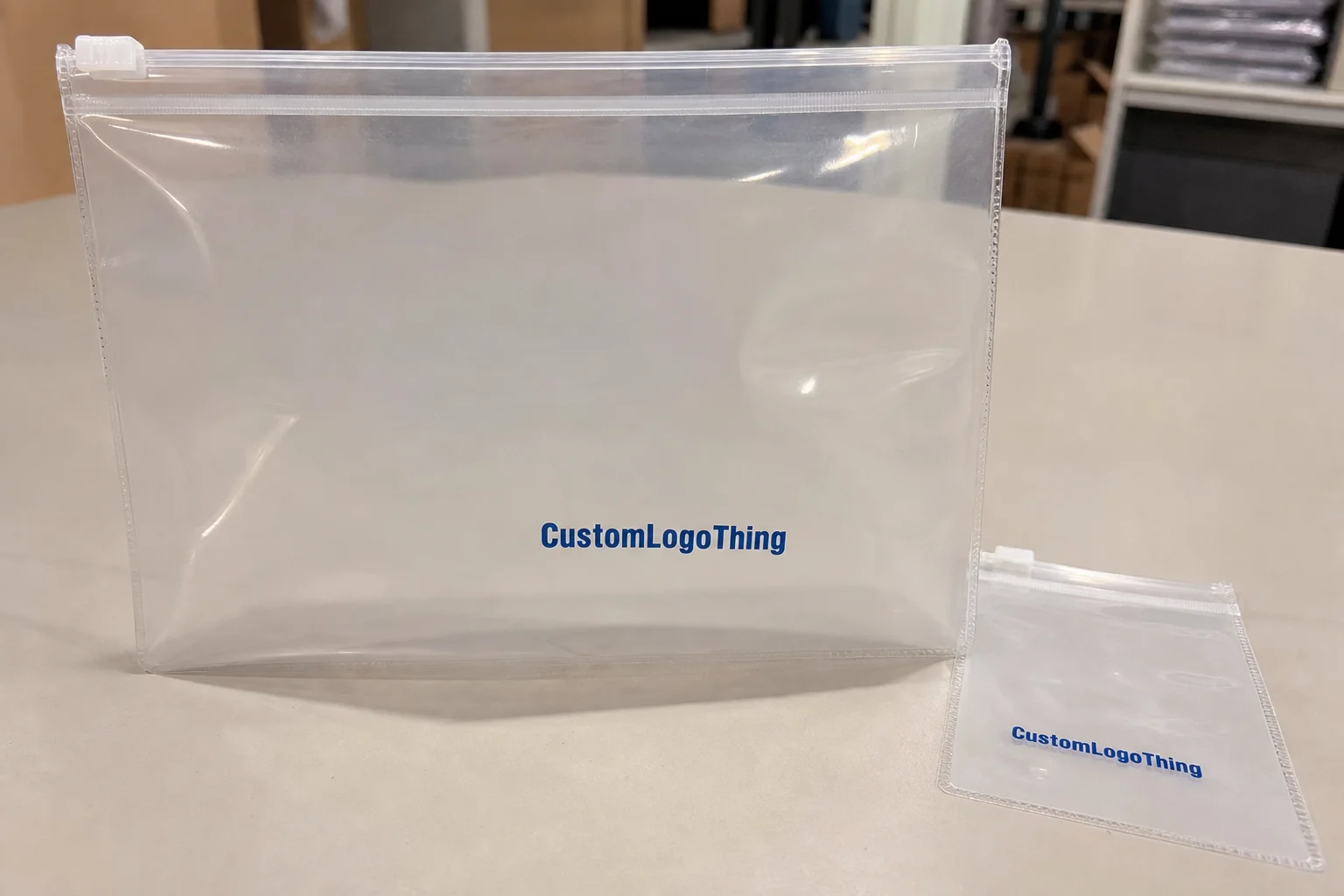
Small runs are often the most sensible way to launch packaging. A brand testing a new snack line, accessory bundle, or subscription add-on does not always need tens of thousands of bags on the first order. A Slider Zipper Bags Manufacturer low MOQ gives buyers room to test, adjust, and scale instead of locking capital into packaging that may need changes after the first sell-through report.
This matters more than many teams expect. In packaging, the bottleneck is often not the product itself but the minimum order attached to the bag. A sales team may be ready. A retailer may be asking for samples. The design may already be approved. Then the quote comes back with a quantity that makes the project awkward. Either the brand carries more inventory than it wants, or it delays the launch while searching for a smaller run.
Low-MOQ sourcing reduces that pressure. It also makes the economics easier to manage. Instead of paying for a large run up front, the buyer can order close to actual demand and use real sales data to decide the next purchase. That is a better fit for products with uncertain velocity, short shelf cycles, or multiple seasonal variations.
There is also a retail reason to care. Slider zipper bags typically feel more refined than simple open-top formats. They can support repeat use, improve the opening experience, and make a modest product look more deliberate. That does not mean they are always the best option. It does mean the packaging can influence conversion, especially where presentation matters as much as protection.
For buyers balancing speed, cost, and stock risk, a Slider Zipper Bags Manufacturer low MOQ is less about chasing the cheapest quote and more about buying control. That is often worth more than saving a few cents on a run that may never repeat.
Slider Bag Construction, Closure Styles, and Finish Options
A slider bag is not just a bag with a zipper attached. The structure usually includes the film material, side seals, bottom seal, slider track, closure profile, and sometimes a tear notch, hang hole, or reinforced edge. Each element affects function, print quality, and cost.
Most buyers will encounter PE, PP, and laminated structures. PE tends to be flexible and clear, which makes it a common choice for general-purpose packaging. PP can feel stiffer and may provide a sharper transparent look in some formats. Laminated structures are used when the project needs more barrier performance, stronger graphics, or a more premium retail appearance. None of these materials is automatically better. The right choice depends on the product, the storage conditions, and the selling environment.
Closure style is another area where detail matters. Some slider bags use a standard single-track slider. Others use a reinforced or easier-grip design that is better suited to repeated opening. If the bag needs to support food contact, child-resistant features, or a stronger reseal feel, those requirements should be defined before sampling begins. A weak closure is not a minor flaw. It can turn into returns, complaints, and lost trust.
Finish options are broader than many first-time buyers expect:
- Clear for maximum product visibility
- Frosted for a softer, premium appearance
- Matte for reduced glare and a more controlled look
- Gloss for stronger shelf shine
- Spot print for branding without full coverage
- Custom labels for shorter runs when full print is not economical
Some finishes look good in a sample and less convincing in production lighting. That is one reason buyers should ask for a proof or sample before release. Packaging is judged at arm’s length, in store lighting, often alongside competing products. A finish that photographs well is not always the finish that sells well.
Common applications are straightforward: dry snacks, apparel accessories, travel items, small tools, sample kits, and organization products. Claims about barrier performance should be handled carefully. Moisture resistance, puncture resistance, and seal strength depend on the exact structure and thickness, not just the fact that the package has a slider.
In practice, the best supplier explains tradeoffs clearly. If a bag needs thicker film to hold sharp components, or a wider seal to improve durability, that should be visible in the recommendation and the quote. A supplier that hides those choices behind broad sales language usually creates surprises later.
Spec Sheet Checklist for Custom Dimensions, Thickness, and Print
Most delays start with incomplete specifications. A serious Slider Zipper Bags Manufacturer Low MOQ still needs exact inputs before quoting, sampling, or scheduling production. If the dimensions are vague, the supplier is guessing. Guessing leads to revisions, and revisions cost time.
Start with the physical measurements. Include bag width, bag height, gusset depth if applicable, and the target thickness. Thickness is often stated in microns or mils depending on the market, so the unit should be clear. If the product has sharp edges, heavy fill weight, or a need for extra rigidity, the supplier may recommend a different film structure or a thicker gauge. That is a production decision, not just a pricing line.
A useful spec sheet usually includes:
- Exact finished dimensions
- Slider size and closure type
- Film material preference
- Thickness target
- Print method and print coverage
- Quantity by SKU
- Intended product use
Tolerances matter, too. No production line holds perfect zero variation. Buyers should ask what dimensional tolerance is standard and where seal placement may shift slightly. If the bag is going into a tight retail tray or a display box, small differences can become visible. If the package will ship loosely in a master carton, the tolerance may matter less.
Artwork is another place where projects slow down. Most factories want vector files, a defined color standard such as Pantone or CMYK, and clear bleed and safe-zone instructions. If the bag is fully printed, ask for a dieline or template before final design work is locked. That prevents logos from sitting too close to a seal and avoids text being lost at the edge.
Performance requirements should be stated plainly. If puncture resistance matters, say so. If the bag must hold a certain load without seal failure, ask whether the supplier can provide load testing or a drop test reference. Packaging standards such as ISTA test protocols are useful when the bag is part of a larger distribution chain and not just a display item.
A tighter brief usually means a cheaper approval cycle. The sample or digital proof should come before production begins. That step feels slow in the moment, but it is usually much cheaper than correcting a bad run after the fact.
Cost, Pricing, and MOQ: What Actually Drives the Quote
Pricing for custom slider bags is rarely simple. The quote reflects material grade, bag size, closure style, print coverage, quantity, production method, and shipment method. If you compare a slider zipper bags manufacturer low MOQ with a high-volume source, the numbers will not line up cleanly. They are not supposed to.
Low MOQ usually means a higher cost per piece than a bulk order. That does not make the offer unreasonable. It means the buyer is paying for flexibility, lower inventory exposure, and a smaller upfront commitment. For brands still testing product-market fit, that trade is often the right one.
It helps to break the quote into visible components:
- Tooling or plate costs, if the print method requires them
- Setup charges for artwork prep or machine changeover
- Sample or proof charges
- Production cost
- Packaging and cartonization
- Freight and import-related charges
- Rush fees, if the timeline is compressed
Unit price is only one part of the picture. A quote that looks cheaper at first can become more expensive if the defect rate is high, the artwork needs repeated correction, or the shipment misses the launch window. That is why tiered pricing is useful. Ask for 1,000 units, 3,000 units, and 5,000 units side by side. The spread shows whether the cost is driven mainly by startup overhead or by the actual production run.
| Order Type | Typical Use | Indicative Unit Cost | Best Fit |
|---|---|---|---|
| Small custom run | Launch test, pilot retail placement | $0.18-$0.35 per unit | Lower risk, faster validation |
| Mid-volume run | Proven SKU with repeat demand | $0.10-$0.22 per unit | Better balance of price and flexibility |
| Bulk pricing run | Established demand, stable forecast | $0.06-$0.15 per unit | Lowest unit cost, higher inventory commitment |
These ranges vary by size, film structure, print coverage, slider quality, and shipping lane. They still give buyers a realistic frame. If a quote falls far outside them, there may be a valid reason, but it deserves a direct explanation.
One practical tactic is SKU consolidation. If several related products share the same bag size and print base, a supplier may be able to produce them in one run with different artwork or label elements. That can reduce the impact of setup charges. Mixed-SKU planning is not always possible, but when it works, it can improve unit economics without forcing excess stock into a single design.
Local freight, customs handling, and carton configuration can change the landed cost more than buyers expect. A low factory quote is not the same as a low total cost. Landed pricing is the number that matters.
Process, Timeline, and Production Steps from Quote to Delivery
A reliable quoting process should be orderly, not mysterious. The usual flow is inquiry, spec confirmation, artwork review, sampling or proofing, approval, production, inspection, and shipment. If one of those steps gets skipped, the odds of a mistake rise quickly.
Lead time depends on the order type. Stock-style bags with light customization move faster. Fully printed orders take longer because the artwork, setup, and quality checks are more involved. For straightforward custom work, 10-15 business days after proof approval is a realistic starting point. Freight can easily add more time than the factory itself, especially during peak shipping periods.
In most projects, the slowest part is not the machine time. It is the decision time. The common delay points are predictable:
- Unclear dimensions
- Artwork changes after proof approval
- Missing files or incorrect file format
- Last-minute material or finish changes
The fastest projects usually share one habit: decisions are made early. Quantity, dimensions, print colors, material preference, and packaging format are settled before sampling starts. That alone can save days, sometimes weeks.
Freight deserves a separate check. International shipping can take longer than production, especially if a run finishes just before a busy carrier cycle or needs consolidation with other cargo. A strong factory completion date is useful, but it is not the full answer. Buyers should ask for a realistic door-to-door estimate rather than assuming production time equals delivery time.
Shipping also affects how small runs should be packed. A tiny production quantity can still incur meaningful cartonization and handling costs. If the order is packed too loosely, it may arrive with scuffs or compressed edges. If it is packed too tightly, the warehouse may need extra labor. These small logistics decisions matter more on low-MOQ orders than on large bulk runs.
If you want more background on the packaging side, About Custom Logo Things outlines the company’s packaging focus, and FAQ covers common ordering questions before files are sent or a sample is approved.
Quality Controls, Compliance Checks, and Supplier Comparison Points
Quality control is where the differences between suppliers become obvious. A dependable slider zipper bags manufacturer low MOQ should be able to explain seal strength checks, slider function inspection, print registration control, and random sampling during production. If the answer is vague, that is a warning sign.
Small defects cause outsized problems in retail packaging. A slider that binds, a seal that opens too easily, or print that drifts off-center can make an otherwise functional bag look cheap. Buyers should ask how the supplier tests zipper engagement and whether in-process checks happen during production rather than only at the end.
Compliance matters, but only where it applies. For food-contact uses, ask for the correct documentation and confirmation of material suitability. For products involving child safety concerns, ask what packaging restrictions or warnings apply in the target market. If the project depends on recycled-content claims, request evidence instead of assumptions. The same logic applies to regional packaging rules. Claims should be backed by paperwork, not marketing language.
Some buyers still choose a supplier mostly on price. That approach is risky. Better questions are: who controls the materials, who owns the QC process, and who responds quickly when a spec needs clarification? A direct manufacturer usually has more control over material sourcing and production scheduling than a broker layer. That does not guarantee a better result every time, but it improves accountability.
For sustainability-related decisions, the FSC is a helpful reference when paper components are part of the pack system, and the EPA sustainable materials management pages offer broader context on material use and waste reduction. Not every slider bag project needs those references, but buyers increasingly ask suppliers to justify material choices and end-of-life claims.
A simple supplier scorecard can keep the comparison grounded:
- Sample consistency
- Clarity of quoting
- Responsiveness to artwork questions
- Documented QC steps
- Defect and rework risk
- Realistic lead-time communication
Price matters. Defect risk matters too. Communication matters just as much. The quote that looks best on paper is not always the one that delivers the best landed result.
One caution: do not treat every manufacturer’s terminology as identical. “Food safe,” “recyclable,” “high barrier,” and “premium” can mean very different things depending on the supplier’s structure, testing, and documentation. Ask for specifics, not adjectives.
Next Steps to Order the Right Low-MOQ Slider Bags
If you want a cleaner quote and fewer delays, start with three inputs: bag size, estimated quantity, and intended application. Then decide what matters most. Is the priority clarity, print impact, barrier performance, or the lowest landed cost? Those goals do not always point to the same structure.
It helps to ask for tiered pricing before making a decision. A slider zipper bags manufacturer low MOQ can often provide a small-run quote, a mid-volume quote, and a scale-up quote in one response. That makes the pricing curve easier to read. Sometimes the jump from 1,000 to 3,000 units is modest. Sometimes it is not. The numbers should show it clearly.
Request a sample, a digital proof, or at minimum a written spec confirmation before paying for production. That one step catches problems in size, print placement, seal style, and thickness. Correcting a file is cheaper than reprinting a bad run.
Artwork should be submitted with the print file, desired colors, and any required regulatory text at the same time. A final signoff contact inside the buying team also helps. Too many approvals can slow a packaging project more than the factory ever will.
For brands ready to move, send target dimensions, use case, print needs, and quantity tiers to a slider zipper bags manufacturer low MOQ. That is the quickest way to separate speculative pricing from a real production plan.
What is the minimum order for a slider zipper bags manufacturer low MOQ program?
Minimums vary by size, print complexity, and material, but low-MOQ programs usually start far below traditional wholesale runs. Ask whether the MOQ applies per size, per design, or per production material because that changes the real entry point.
Can I order custom printed slider zipper bags in small quantities?
Yes, many suppliers offer small-run custom printing once the artwork and specifications are finalized. Expect higher unit pricing than bulk orders, but lower inventory risk and easier launch testing.
How do slider zipper bags compare with regular ziplock bags for retail packaging?
Slider bags are easier to open and reseal, which can improve customer experience and repeat use. They often feel more premium on shelf, especially for products sold in retail or subscription formats.
What details should I send for an accurate quote?
Send exact dimensions, film material preference, quantity, printing needs, and intended product use. Include artwork files or a clear brand reference so the supplier can check feasibility before quoting.
How long does production usually take after approval?
Lead time depends on whether the bags are stock-based, lightly customized, or fully printed. The fastest orders move when specs are approved early and artwork is ready before sampling starts.


