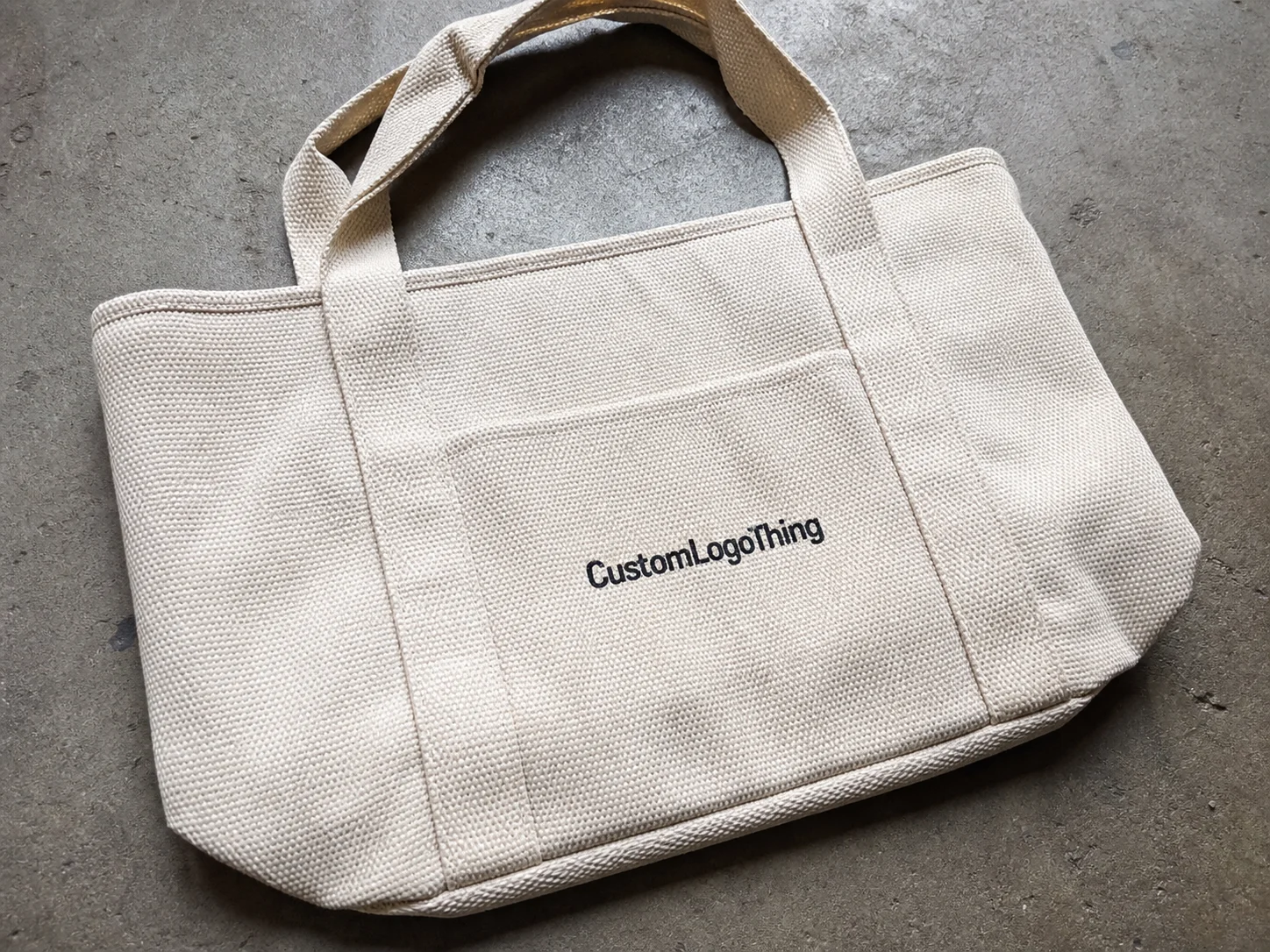
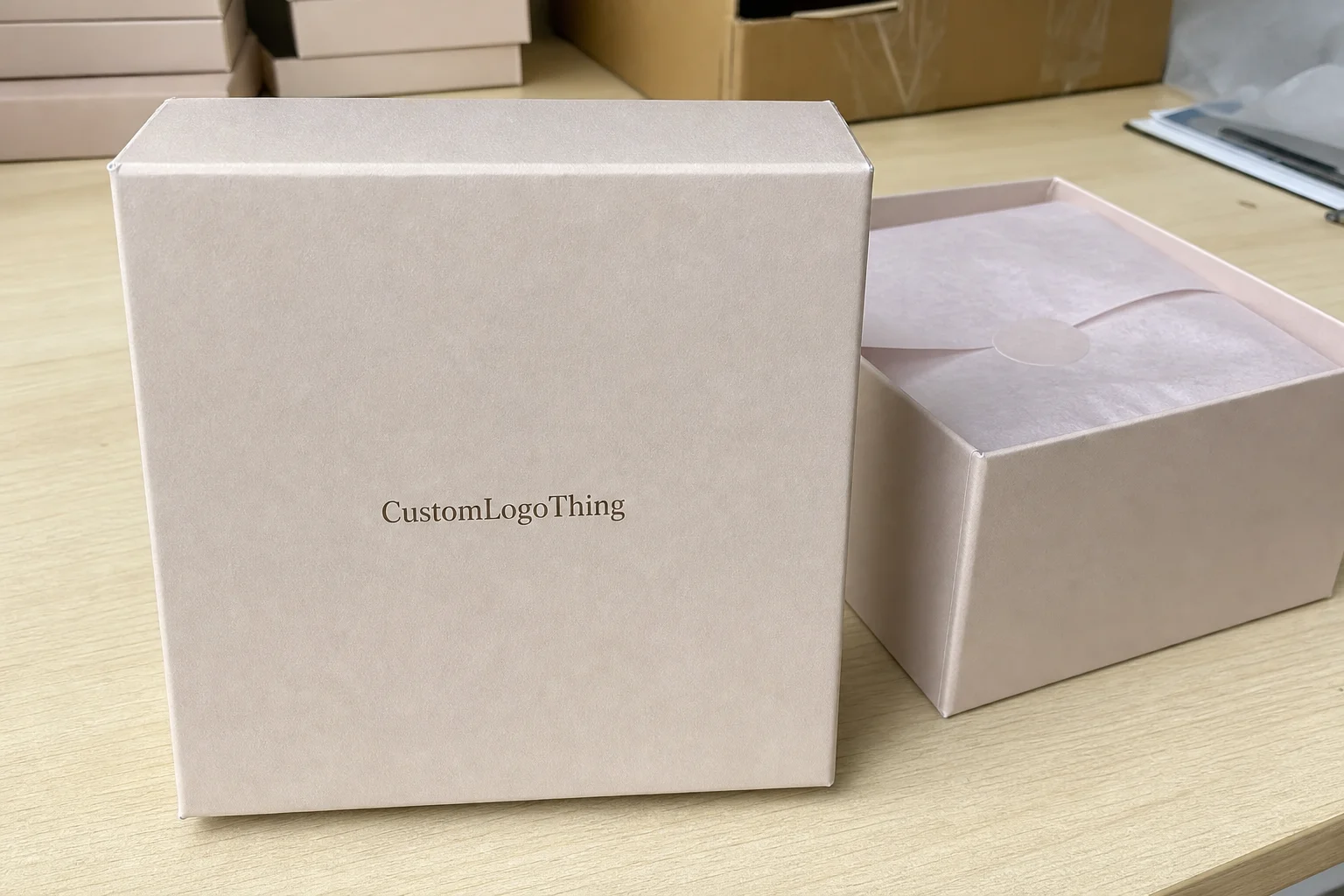
Small personalized tote bags work best when the format is matched to the item, the print method, and the delivery timeline. The compact front panel leaves less room for clutter, which usually improves readability and makes the bag feel more intentional. That is why these bags are often chosen for retail gifts, sample kits, event handouts, and lightweight takeaway items.
For buyers, the value is practical: a small tote is easier to carry than a box, more branded than a plain mailer, and less expensive than many rigid presentation options. The catch is that every spec matters more at this size. A few millimeters of artwork change, a handle upgrade, or a finish choice can alter both the look and the quote.
What Makes a Small Tote Work So Well for Branding
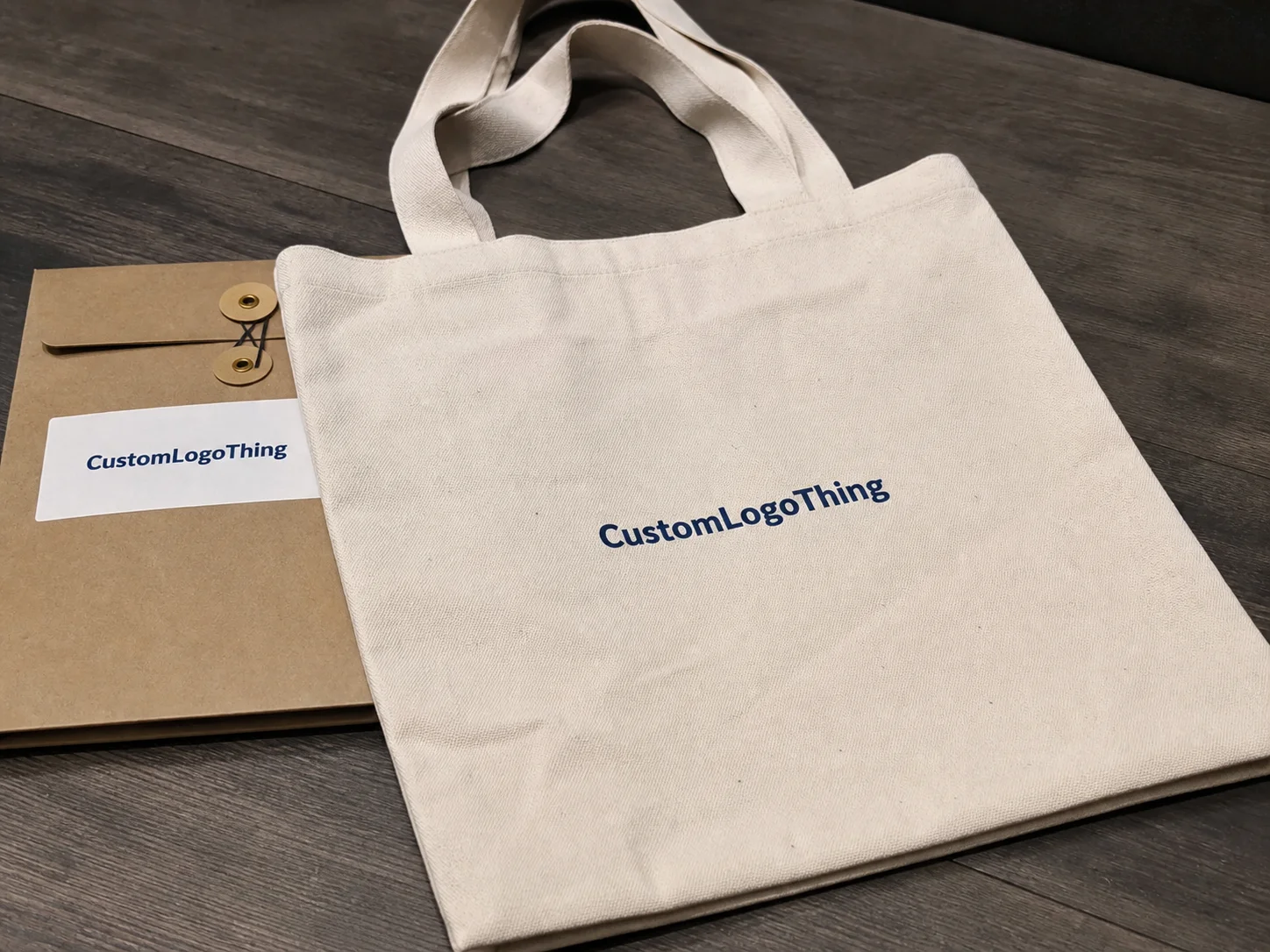
A small tote forces discipline. There is less space for dense copy, so a logo with strong contrast and clean spacing usually reads better than a busy layout. If the design depends on fine lines or tiny type, it is worth testing at actual bag size before approving production.
These bags are usually used for folded apparel, cosmetics, stationery, jewelry boxes, and sample items. The useful question is not just how the bag looks, but whether the opening, gusset, and handle style fit the contents without making the package look squeezed. A tote that is too tight around the product can look cheaper, even if the print is good.
That is why the right small personalized tote bags often feel premium: the proportions are controlled, the artwork is simplified, and the contents fit without forcing the structure. The presentation looks deliberate because the spec is deliberate.
How the Customization Process and Timeline Usually Work
The process is usually simple: the buyer sends size, artwork, quantity, and destination; the supplier quotes; a proof is issued; the proof is approved; production starts; then the bags are packed and shipped. Most delays happen before printing, not during it. Missing dimensions, vague print instructions, or late proof comments slow the order down more than the press run itself.
Complete information improves both Pricing and Lead time. If the supplier knows the dimensions, handle style, material, print coverage, and shipping needs up front, the quote is more reliable and the proof cycle is shorter. If the order is tied to a launch or event, count backward from the date the bags must be in hand, not from the day production starts.
Typical timing varies by build. Simple stock-style runs with one-color print may ship in roughly 7 to 15 business days after proof approval. More involved work such as custom sizing, reinforced handles, lamination, or multi-color decoration often needs 15 to 25 business days before transit. Shipping time is separate from production time.
| Stage | What Happens | Common Delay Point |
|---|---|---|
| Inquiry | Buyer shares size, artwork, quantity, and delivery needs | Missing dimensions or unclear decoration method |
| Quoting | Supplier prices based on specs and volume | Changes to bag style or print coverage |
| Proofing | Digital layout is prepared for approval | Artwork corrections and placement edits |
| Production | Printing, converting, trimming, and packing | Special colors or finish requirements |
| Shipping | Order is packed and sent to the destination | Transit time and carrier scheduling |
Materials, Handles, and Print Methods That Change the Result
Material choice affects appearance, durability, and print clarity. Lightweight film is common for economical runs, while thicker reusable-style plastics offer a better hand feel and more body. Laminated finishes can sharpen graphics and make the surface look cleaner, especially when the artwork has solid color fields.
Handles matter more than many buyers expect. Die-cut handles create a minimal look, loop handles are easier to carry, and reinforced handles are worth considering if the bag will hold boxed items or be reused. The right handle style depends on the product weight and the presentation goal.
Decoration method changes the final result. Screen printing is strong for bold logos and spot colors. Flexographic printing is efficient for larger runs and simple artwork. Digital methods can help with more complex graphics, but any method becomes less forgiving as the print area gets smaller. Thin type, small copy, and fine rules are the first things to lose clarity.
For best results, simplify the artwork and keep the contrast strong. A logo that looks balanced at full size can become crowded once it is reduced to a small front panel. If the design includes gradients or detailed line work, ask for a reduced-size proof before production.
For buyers comparing common options, this is usually the practical conversation:
| Option | Typical Strength | Best For | Relative Cost |
|---|---|---|---|
| Lightweight film tote | Economical, easy to produce | Giveaways, light retail items | Lowest |
| Thicker reusable-style tote | Better feel and durability | Boutique packaging, repeated use | Moderate |
| Laminated tote | Sharper graphic presentation | Premium branding, gift packaging | Moderate to higher |
| Reinforced handle version | Better carry strength | Heavier boxed items | Higher |
If sustainability is part of the brief, ask for material specifics rather than vague claims. Buyers increasingly want recycled content, recyclability, or sourcing details, and standards or certifications can matter. For reference, organizations like FSC and industry groups such as PMMI are useful for terminology and supply-chain expectations.
Quality control should include the basics: bag dimensions against the approved drawing, print placement, color consistency, and handle strength. These checks are not glamorous, but they are what keep a bag from passing proof and failing in the field.
Pricing, MOQ, and Unit Cost: What Really Drives the Quote
Pricing is usually driven by five things: size, material, decoration method, quantity, and packaging requirements. If any one of those changes, the quote can move quickly. A bag is a converted item, so setup and finishing matter as much as the base material.
Lower quantities usually cost more per unit because setup labor and press time are spread across fewer bags. Larger orders bring the unit price down because those fixed costs are diluted. That is why a 500-piece run can look expensive next to a 5,000-piece run, even with the same artwork.
Simple artwork helps. Fewer print colors, standard dimensions, and common handle styles can reduce the cost without hurting the look. MOQ should be treated as a production constraint, not just a sales number. It reflects material yield, setup time, and print efficiency.
Extra charges often appear in the details: special ink colors, upgraded handles, rush service, custom packing, inserted cards, or store sorting. If the bags need to ship nested, polywrapped, or separated by location, those instructions should be included before quoting. Otherwise, the number you get will not reflect the real receiving process.
For performance and transit planning, packaging teams sometimes also look at shipping test standards such as ISTA methods, especially when the bags are part of a larger kit or need to arrive in retail-ready condition.
Step-by-Step Ordering Guide for a Cleaner First Run
Start with the use case. Retail packaging, event giveaway, sample kit, and product carryout all need different bag specs. A boutique handoff usually prioritizes appearance, while a trade show bag may need stronger handles and a simpler print.
Choose the dimensions based on what goes inside, not on what looks good in a mockup. Measure the product, allow room for inserts or tissue, and confirm both width and gusset depth if the contents are boxed or irregular. A bag that is slightly larger than needed is usually easier to use than one that is tight.
Prepare artwork at the right size and simplify it where needed so the logo stays legible on a small surface. Check the proof closely for placement, safe margins, spelling, and color notes. If the supplier is matching a specific brand color, ask how the tolerance works on the selected material.
- Define the application and contents.
- Select a size that fits with room to spare.
- Choose a material and handle style that match the weight and presentation.
- Prepare artwork and simplify it if necessary.
- Review the proof line by line.
- Approve only when dimensions, artwork, and timing all line up.
After approval, track production completion, packing, and shipping. If the order must arrive before a store event or launch, build in a cushion for transit and last-mile delays. On a tight schedule, one missed day can matter more than a small cost difference.
Common Mistakes That Lead to Weak Prints or Delays
The most common mistake is choosing a bag that is too small for the product. The package looks cramped, the handle angle can suffer, and the customer experience feels less considered. The goal with small personalized tote bags is compact, not squeezed.
Oversized logos create the opposite problem. When the front panel is crowded with too much copy or too many elements, the design loses clarity. One strong mark usually works better than several competing pieces of text. White space helps readability more than many buyers expect.
Delays usually come from slow proof approvals and vague specs. If no one owns final signoff, the schedule slips. If the request does not say what kind of handle, finish, or color target is needed, the supplier has to ask follow-up questions before pricing or production can move ahead.
Strength mismatch is another common issue. A bag can print cleanly and still fail in use if the material is too light for the contents. If the tote will be reused or carry a boxed item, it is worth checking the loaded sample instead of relying on the spec alone.
Expert Tips and Next Steps for a Better Order
A one-page spec sheet makes the ordering process faster. Include dimensions, material, handle style, print area, quantity, delivery date, and shipping destination. The more complete the brief, the fewer rounds of clarification you need before the proof is issued.
Test the artwork at real size before sending it in. A design that looks balanced on a screen can become too busy when reduced to tote size. A quick printout at actual imprint dimensions is often enough to show whether the logo still reads cleanly.
Ask for the proof detail that matters most: placement, color notes, and dimensions. Long explanation chains slow approvals. Specific comments improve them. If the order is time-sensitive, the simplest path is usually the best one.
For buyers comparing reusable packaging, custom carrier bags, or branded merchandise, small personalized tote bags remain practical because they are compact, visible, and easy to hand off. The strongest orders are usually the simplest: clean artwork, the right spec, a proof checked line by line, and a schedule based on actual production time.
FAQ
What size are small personalized tote bags usually made in?
They are usually compact enough for gifts, samples, folded apparel, or small retail items rather than bulky merchandise. The best size depends on what the bag must hold, plus whether you want a snug presentation or extra room for inserts and tissue.
What artwork works best on small personalized tote bags?
Simple logos, bold type, and high-contrast layouts usually print most clearly at smaller sizes. Thin lines, tiny text, and crowded graphics are more likely to lose clarity on a compact front panel, especially with simpler production methods.
How long does production usually take for small personalized tote bags?
Timing depends on proof approval, quantity, decoration method, and current workload. Simple runs may finish in 7 to 15 business days after approval, while more involved builds can take 15 to 25 business days before shipping. Rush service may be possible if the artwork is ready.
What is the MOQ for small personalized tote bags?
MOQ varies by Material and Print method because setup and production efficiency drive the minimum. If you need a small run, ask whether a standard configuration or simpler artwork can reduce the minimum.
How can I lower the unit cost without hurting the look?
Keep the artwork simple, use standard dimensions, and avoid unnecessary special finishes or rush service. Ordering a larger quantity usually lowers the per-bag price because setup costs are spread across more units.