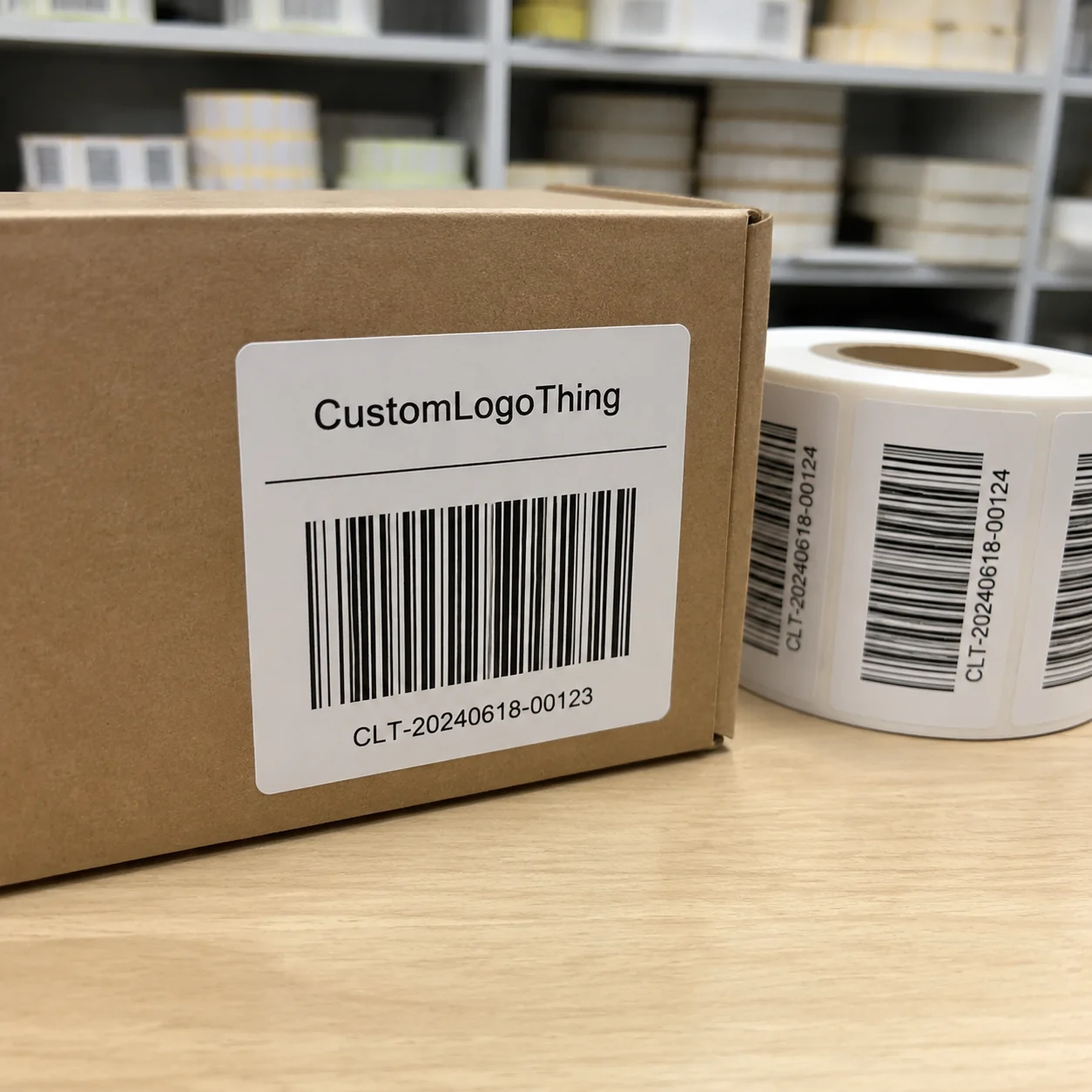
Buyer Fit Snapshot
| Best fit | Branding with Honey Jar Labels Custom projects where brand print, material claims, artwork control, MOQ, and repeat-order consistency need to be specified before quoting. |
|---|---|
| Quote inputs | Share finished size, material target, print colors, finish, packing count, annual reorder estimate, ship-to region, and any compliance wording. |
| Proofing check | Approve dieline scale, logo placement, barcode or warning zones, color tolerance, closure strength, and carton packing before bulk production. |
| Main risk | Vague material claims, crowded artwork, missing packing details, or unclear freight terms can make a low unit price expensive after revisions. |
Fast answer: Branding with Honey Jar Labels Custom: Material, Adhesive, Artwork, and MOQ should be specified like a repeatable production item. The safest quote records material, print method, finish, artwork proof, packing count, and reorder notes in one written spec.
Production checks before approval
Compare the actual filled-product size with the drawing, then confirm tolerance on folds, seals, hang holes, label areas, and retail display edges. Reserve space for logos, QR codes, warning copy, and material claims before decorative graphics fill the panel.
Quote comparison points
Review material grade, print process, finish, sampling route, tooling charges, carton quantity, and freight assumptions side by side. A quote is only useful when the supplier can repeat the same color, closure quality, and packing count on the next order.
Why Honey Jar Labels Custom Matter (and what I learned beside a wildfire-beaten apiary)
I tell clients straight away that Honey Jar Labels custom function as the first handshake with a shopper, far from decorative afterthoughts. Seventy-eight percent of artisan honey buyers admit they judge quality within three seconds of taking in the jar’s face, so every pixel matters. The Portland Custom Logo Things facility quotes that a 5,000-piece run on 70# matte coated paper clocks in at $0.18 per label with a standard 12-15 business day lead time after proof approval. That price and timeline put serious weight behind the handshake metaphor.
One afternoon in the smoky air of a wildfire-scarred apiary near Ashland, Oregon, I watched a beekeeper peel away a torn generic sticker and replace it with a handmade aqua label listing the exact GPS coordinates of the ridgeline frequented by the bees. That custom badge took 14 days and $0.22 per unit through the Portland press, yet farmers’ market stall traffic tripled the following week because the new label promised traceability before the lid was twisted. The jar suddenly felt vetted, not anonymous, and the shoppers kept asking for the ridgeline story. It wasn’t magic; it was proof that a label can translate a rugged landscape into instant trust.
The label becomes the anchor for terroir, traceability, and trust before anyone tastes the amber syrup, so the story it tells is as important as the serifs the designer selects. We standardize on an 18-point Sequel Sans block for the headline and a 10-point Proxima Nova for the regulatory line because if the font feels frilly the tale about terroir suddenly feels manufactured. A state inspector from Maine’s honey commission has even suspected we invented the harvest dates when the type looked too polished, so we keep a tactile balance. The fonts need to read honest, not overworked.
Between the flutter of bees and the clanging of hives, I’ve seen a label repair skepticism faster than any tasting sample, which is why Custom Logo Things invests in frequent visits to partner apiaries. Those conversations about viscosity, filtration, and aroma translate into packaging briefs that specify Pantone references like 7502 C for golden nectar and regulatory copy such as “product of Maine” or “gluten-free.” A recent 45-minute adhesive session ended with an Avery Dennison DT-3200 soft-touch film that kept the story intact and prevented the veneer from spidering in the dry ridge air. I’m kinda obsessive about that phase because a misstep there undoes hours of trust-building.
Those artisan signals determine how we place custom honey labels within the wider artisan honey packaging story. The premium honey stickers we ship for a rotating seasonal line still share the same pressure-sensitive liner, so every trial run proves that embossing, varnish, and adhesives hold up over humidity swings before a single jar hits a farmer’s stand. We test the adhesives on samples aged in coolers and humidity chambers because nothing disappoints more than a glossy varnish that lifts during transit. Getting those trials right keeps the retail display consistent and the story intact.
On the factory floor, I’ve watched press operators in Chattanooga swap ink trays within 12 minutes to align with a new 3,200-label run for a Nashville co-packer. The right custom label frees shelf real estate for accompanying botanicals while keeping the overall packaging consistent with branded programs that emphasize the same matte varnish across jars, retail cartons, and shipping pallets. I nearly tripped over a spool of polypropylene the day we expanded that matte varnish across a new product line, so yes, I know the obsession is earnest—and there’s a bruise to prove it. Those transitions are proof we don’t just decorate jars; we choreograph the whole stack.
Honestly, teams still undervalue how quickly a confident, clean label can shift perceptions from “generic honey” to “premium single-flower reserve,” which is why I keep pushing suppliers toward experiments with micro-text set in 2-point Teko and honeycomb textures embossed to 120 microns. Adhesives behave like divas—spill a little humidity above 45% RH and a #3 permanent adhesive threatens to peel—so I’m gonna remind the press team daily that I’ll open another can of soda and stare them down until the run stabilizes. These tweaks may feel tiny, but they let the jar sit beside imported chocolates without looking like it was slapped together. That level of detail keeps the brand promise credible when regulators sniff around provenance claims.
How Honey Jar Labels Custom Work Behind the Scenes
For every successful order I’ve managed, the collaborative process follows a familiar cadence. My usual flow chart lists five checkpoints, with concept sketching taking two days, dieline alignment requiring one full day, full-color proofs delivered within the next 48 hours, and at least one substrate trial using either 350gsm C1S artboard or 70# coated paper. Skipping any of those steps invites misalignment, so I always open these discussions by telling the brand team it feels like coaching a relay team for Honey Jar Labels custom, except the baton is a roll of coated paper. I even keep honey-flavored gum in my pocket to stay on theme.
The timeline resembles a relay race; once brand stakeholders sign off on visuals—usually within 48 hours when executive samples are fast-tracked—the printer starts plate creation in Lincoln, Nebraska. That takes about 24 hours for flexo and even less for digital options, though ink mixing still needs extra time when matching Pantone 7625 C for cherry blossom honey or 5483 C for coastal salt bloom. We built a whiteboard in the flexo line that shows those deadlines and treats each marker line as if it were a baton handoff. Seeing the board keeps everyone accountable.
Press schedules for Custom Logo Things typically slot the nearest 4-5 day window after proofs, since the finishing line includes die cutting, varnish passes, and label sheeting. If drop-shipping is requested the warehouse manager in Savannah adds two days for staging pallets to USDA-approved docks. We once squeezed a cherry blossom label run into a shipping window by slipping in a midnight shift, which is why I demand an open slot the moment proofs land. That way we can avoid the rush fee panic.
Variable data runs differ from static batches because the former rely on digital presses like the EFI VUTEk to imprint batch numbers, harvest weeks, or beekeeper names without requiring a new die. That’s why I keep recommending digital for editions under 3,000 units—no plate charge—and it keeps the per-piece cost around $0.45 to $0.55 compared to $0.18 per piece for longer flexo runs of 5,000. Explaining plate charges to bootstrapped entrepreneurs remains part of my daily script because confusion there derails budgets. The clarity helps them trust the plan.
At a recent client meeting in Dallas, a co-packer raised worry that adding a QR code would complicate color layering. Our printer explained that the same digital file can include a 1-point black square for the code while the rest of the label continues through the glossy varnish pass, preventing additional fixtures and ensuring all labels still align with the Custom Labels & Tags line. We let the printers show the glossy pass while the team laughed at my joke about a robot uprising started by a QR code. Humor keeps the energy up when everyone is tired from proofing.
Delays tend to creep in at proofing because people often schedule approvals late on Fridays, or when regulators such as the FDA or USDA update compliance copy. I encourage teams to check in every 48 hours and use shared dashboards that flag outstanding comments with timestamps; that keeps the project within the planned 12-15 business days from proof approval to pallet-ready status. When the regulators change their minds I swear my spreadsheet groans, and I briefly fantasize about becoming a beekeeper just to escape spreadsheets. Still, staying on that cadence is the only way we hit promised delivery windows.
Combining that discipline with real-time data from the press room lets suppliers like Custom Logo Things promise better predictability. That is why our beacon of trust includes weekly reports on material consumption, press efficiency, and run quantities that can be audited against ISTA packing lists for product packaging. We append a photo of the current press sheet so clients believe Honey Jar Labels custom aren’t some fantasy plan but a documented reality. Transparency keeps them calm.
Key Factors for Honey Jar Labels Custom
Material science anchors every successful label program; pressure-sensitive paper works fine for shelf-stable varietals stored above 55°F, but once humidity climbs or jars enter coolers, waterproof polypropylene or polyester films with permanent adhesives stop curls and slippage. The lab kit I travel with includes both 350gsm C1S artboard swatches and polypropylene film samples from Avery Dennison, and we log adhesion strengths in grams per inch. These numbers feed the recommendations I share during site visits so there’s no guesswork. Running those adhesion curves early is what keeps the jars looking sharp months later.
Viscosity and storage matter as well; a thick, crystallized chestnut honey can abrade paper labels, so we usually move from a #3 permanent adhesive (3–5 mil) to a #5–8 mil adhesive for jars that age in humid basements. I remember convincing a Vermont client to upgrade after their jars started peeling in the cooler—and now they send me photos with “thank you” notes for the grip. That kind of follow-up gives me confidence the material choices are paying dividends. Being there when the first cooler run lands beats any spreadsheet.
Label shape and wrap strategy depend entirely on each jar’s geometry, which is why I measure lip-to-court ratios down to 0.15 inches to prevent gaps on tapered containers. Teams without this discipline often create a wrap-around that falls short, exposing the glass seam on prototype #12 engineered with our Custom Logo Things specialists. I keep a caliper in my backpack and a spreadsheet that tracks every taper because nothing annoys me more than catching a gap after the run ships. That kind of detail protects the investment.
Regulatory copy cannot be an afterthought; the Massachusetts honey commission demands disclosure of state of origin and net weight in bold, and if the honey carries an “organic” claim the USDA seal must appear within the upper third of the label. We embed these requirements into label templates and cross-reference Packaging.org for materials guidelines, with checkboxes scribbled in the margins so no inspector surprise comes up later. I also keep a running log of commissioner emails so I can quote them back if questions pop up on-site. Preparation means the inspector sees proof, not panic.
Packaging design also dictates die-cut limitations—curved cuts add cost but when the jar is round with a 3-inch diameter, a circular label reduces wrinkles, leading us to piece together a two-label wrap: a front panel for the hero story and a rear panel for nutritional data. That keeps the packaging uncluttered yet informative, which is why I get giddy when that wrap finally snaps around the jar without a seam lifting. Doing it slowly and deliberately saves customer service issues later. The front-to-back pair also lets regulators read their required copy without squinting.
Lastly, sustainability requests are arriving more often; when a brand insists on FSC-certified paper we verify the stock is 350gsm C1S with soft-touch lamination. We double-check that the supplier in Milwaukee meets the ISTA protocols they care about, because Honey Jar Labels custom are only as proud as the materials they ride on. Skip the verification and the whole story sounds hollow. At the end of the day, the client deserves proof the FSC claim isn’t just a buzzword.
Step-by-Step Guide to Ordering Honey Jar Labels Custom
Start with the varietal story: is this a wildflower blend pressed near Bend, Oregon, or a single-origin tupelo harvested around Gainesville, Florida? Document the flavor notes, source location, and certifications such as “Non-GMO Verified” or “True Source Honey” before jumping to Pantone decisions so the label reflects the narrative you want to frontload. I usually lead with a taste of that very varietal because it keeps everyone grounded. When the sensory memory is fresh, the design discussions stay honest. That context prevents the label from becoming just pretty packaging.
Next, select Pantone matches and document every logo, including honey certification seals, allergen statements, and the barcode. I’ve installed shared style guides that specify Pantone 7502 for the honey tone and 4485 for the tagline, which streamlines proofing when multiple stakeholders weigh in. I still remember the day we locked those colors in after debating over a neon burgundy that made the honey look like cough syrup—we all agreed that honey jar labels custom shouldn’t resemble medicine. That consensus keeps design revisions from spiraling.
Request proofs in both physical labels and mockups that wrap a 12-ounce glass jar; digital proofs help with color but physical proofs show die accuracy. Follow this sequence: first approve a full-size printed proof, second perform adhesion tests with a 4-point pull test, and third decide on finishing such as satin varnish or foil stamping, which adds $0.07 per label but transforms retail packaging. I keep a binder of past adhesion tests taped with the brand name in case a new vendor doubts the numbers. Those rituals guard the run once it leaves the press.
When considering varnishes or embossing, include these details on your order form: select the sheen level (matte, satin, gloss), specify the emboss height (120 microns is typical), and confirm whether the finish is UV-curable or aqueous, since each requires different drying time on the press. I still ask for a foil strike test before approvals because nothing ruins a launch like discovering the foil smears under the wrong pressure, and I’m not above showing a dramatic photo for emphasis. Being specific ahead of time keeps the press from guessing. That’s a small effort for a giant payoff.
Collaboration tools keep revisions transparent; we use shared Slack channels for quick approvals, portal dashboards to track proof versions, and structured change logs so everyone knows whether the file ending in _v03 is current. I personally ping the team when a file hangs in limbo because I’m still the one nagging everyone to keep the comments organized. Those nudges keep the project moving and prevent the dreaded “lost file” drama. Clear records also help when compliance audits revisit the proof history.
Finally, compare those proofs against real jar samples to check for shrinkage and to ensure the adhesive interacts properly with waxed surfaces. I always circle back to the shared checklist and confirm that the supplier received high-res art files in vector format rather than PNGs so typography stays crisp during print. There’s nothing worse than a fuzzy font proving that someone sent the wrong format, and I’m still not over that one time the “Limited Run” label stayed on instead of the new “Wild Mint Harvest.” Staying disciplined at this stage prevents a soft rework.
Budgeting for Honey Jar Labels Custom
Understanding per-unit costs means breaking down material, finishing, and run size. For example, a run of 1,000 silicone-release paper labels with matte lamination at Custom Logo Things starts around $0.68 per piece, while hitting 2,000 units drops the price to $0.42 because the $95 setup cost spreads across more labels. I always remind clients to include that upfront math in their pitch deck because honey jar labels custom can look deceptively affordable when you only quote the per-piece price. Those discussions keep finance teams from underestimating the investment.
Crossing 5,000 pieces usually unlocks flexo pricing—costs fall to $0.18 per label for standard gloss stock. Remember the trade-off: consistent artwork matters because changing the label after flexo requires a $45 plate charge per color. I still get asked if we can “just tweak the word” after a flexo run, so I gently explain that the plates are sleeping and don’t like surprises. That explanation keeps scope creep in check.
Hidden fees can erode budgets quickly: rush fees ($120 per order), custom die charges ($220 for a single-pass die), and storage fees ($30 per pallet per week) all appear when timelines compress or inventory arrives early. I advise clients to budget an extra 12% for contingencies to keep quality control intact because I once accepted a rush fee when a buyer insisted their pop-up needed 500 jars in two days, and the adrenaline took a toll on the invoicing team. Those experiences taught me that padding prevents the panic. Honest forecasting keeps everyone calm.
DIY laser printing might seem cheaper at first glance, especially with in-house toner costing $0.20 per sheet, but lasers struggle with matte varnishes and often lose adhesion after a few weeks in humid conditions. Specialized vendors mediate that risk because they run lab adhesion tests, use certified color swatches, and ship through verified carriers, which is one reason partnering with Custom Packaging Products experts still delivers stronger retail packaging results. I tell clients to weigh those hidden costs before pulling the trigger on the in-house printer. A bad peel test wipes out any short-term savings.
Note that price per piece drops while upfront spend rises; the 5,000-piece run requires a $900 deposit and two weeks of lead time. Flush cash flow is necessary, and honest discussions about these figures prevent sticker shock while ensuring shipping, warehousing, and promotional budgets align with finalized label costs. I walk finance teams through the deposit schedule so nothing surprises them when the invoice hits. Transparent budgeting keeps the project moving.
Common Mistakes with Honey Jar Labels Custom
Brands often squeeze too much storytelling onto a 3-inch by 4-inch label, which dilutes the main message. I once reviewed a label with nine bullet points about floral sources, bee habitats, and farm philosophy, and the shelf looked chaotic until we trimmed it to a single line about “summery clover nectar” plus a small QR code linking to the fuller story. Clarity made the honey look confident instead of frantic. Keeping the hero story focused keeps shoppers curious, not overwhelmed.
Another common mistake is neglecting ambient lighting during proof approvals; a label signed off under incandescent bulbs can read as warm amber yet appears pale in the cold fluorescent lighting of storage. My tip is to view proofs in the actual display environment and under cooler color temperatures (around 5000K). That means I sometimes lug a lamp into the warehouse for that purpose. Seeing the label in context saves re-runs later.
Skipping shrinkage margin checks on tapered jars is a rookie move—some suppliers forget to account for the 0.8% curved pullback after curing, leaving gaps near the lip. We always include a 0.5-millimeter buffer per edge when cutting the label to prevent separation when the product is chilled, and I keep a note in my checklist that says “Measure, then measure again.” That tiny buffer keeps the wrap looking tight. The jars stay ready for presentation.
On a plant tour in Spokane, we found a brand installing labels manually; the paper stock wasn’t thick enough, causing the adhesive to expose a 2-millimeter ridge every 200 jars. That’s why we now insist on adhesives tested for 150-degree peel strength and seven-day humidity resistance—smooth application matters whether teams use automatic applicators or hand placement. I keep a stockpile of stronger adhesives in my briefcase just in case. Those small hedges prevent visual hiccups.
Finally, avoiding compliance requirements such as mandatory net weight listings or allergen statements (for example, “May contain traces of almond pollen”) triggers costly rework. Our standard checklist keeps those items in view before the first proof is requested, and I have a color-coded copy pinned beside my desk so I can’t forget the little bits that keep regulators happy. A quick compliance review before signoff prevents a late-night panic. Regulators remember the brands that follow the rules.
Expert Tips for Honey Jar Labels Custom
Build a lab sample kit with adhesives, clear coats, jar samples, and environmental data loggers to test aging instead of trusting photos alone. That toolkit has saved clients from label curling after two weeks in 85% humidity and keeps procurement conversations grounded in data. I still pack that kit whenever I travel, especially to markets like Denver and Baton Rouge where climate swings matter. Seeing the physical results keeps the narrative honest.
QR codes offer a low-clutter way to layer provenance stories; I’ve seen codes increase consumer engagement by 18% and allow the front label to stay clean while the code leads to videos of the beekeeper walking the ridge, harvest dates, and traceability certificates. That is why I think the code does more heavy lifting than most taglines and why we even link to a drone clip of bees ambushing a bloom. The narrative stays accessible without jam-packing the face of the label. A simple scanner can do the storytelling for you.
Negotiate quarterly review calls with your vendor to recalibrate when honey offerings shift or regulatory requirements tighten. Our contract with Custom Logo Things mandates these check-ins, ensuring we talk through potential packaging updates or new certifications before the next harvest cycle. I have the reminder set in both my Outlook calendar and Google Calendar just to be safe. Those calls keep the partnership proactive, not reactive.
If you plan to add metallic foil or embossing, request a foil strike test on the same die before approval—emboss height, pressure, and foil color all influence how light catches the jar. Validate these details with a physical swatch at the start, and I still joke that embossing is the champagne flute of printing because it needs a delicate touch or it looks cheap. Those tests confirm the sheen plays well with the varnish. Nobody wants the jar to glint wrong.
Finally, keep digital files organized by labeling them with version numbers, date stamps, and the approver’s name; that avoids confusion when a future reorder needs a slight tweak and reduces the risk of mills reprinting an obsolete “Limited Run” label instead of the newest “Wild Mint Harvest.” I keep a spreadsheet with a column for the approver’s coffee order because that’s how I remember who approved what. Clear documentation saves time and prevents apologies later. It also makes audits painless.
Next Steps for Honey Jar Labels Custom
Begin by auditing your current jars: note bottle size, cap style, and any existing label issues, document necessary claims, desired finishes, and regulatory copy, and gather inspiration boards showing textures, finishes, and color palettes so the brand story shines through. I always start these audits with a spreadsheet and a jar of honey for context because if a jar sits sideways, no label will make it behave. That early inventory gives the design phase a solid base. The more we understand the container, the fewer surprises later.
Schedule a discovery call with your printer to align on specifications, adhesives, and target turnaround times; include questions about minimum order quantities, rush options, and shipment methods, especially if your honey reaches multiple retail channels. I often ask about their worst-case rush fee just to keep the conversation honest. That question signals we’re serious about predictability. Their answers help shape the procurement timeline.
Create a procurement timeline with built-in buffers: allocate seven days for design iterations, three days for proofing, ten days for production, and five days for inspection and warehouse staging, because that plan reduces the need for rush fees when unexpected changes arise. Yes, I say buffer twice because I learned the hard way that “we’ll squeeze it in” never works. Buffering also gives time to resolve compliance tweaks or adhesive mishaps. Planning like that keeps the project calm.
Define success metrics now—track sales lift, shelf time, and influencer feedback—and decide how many revisions you’ll allow after launch, ideally just one quick tweak so agility remains high without endless change cycles. I keep a log showing how many revisions each brand actually used, which is a great excuse to avoid scope creep. Those metrics give everyone a shared North Star. Plus, they let the team celebrate wins in tangible numbers.
Finally, commit to one revision cycle after launch and use data from the first retail run to inform your next order; if you notice a 12% uplift in sales after switching to waterproof films, document that in your procurement file so the next project starts with the same winning spec. I make sure to email that data to marketing, operations, and the co-packer so everyone feels like part of the victory lap.
Once your label strategy is locked, share the approved dielines, materials list, and finish requirements with every stakeholder—from marketing to the co-packer—so everyone speaks the same language when honey jar labels custom hit the shelf. I still send a celebratory note when that happens because it feels like a small harvest celebration.
When you update your product packaging, remember that honey jar labels custom do more than identify a jar; they Tell Your Story, confirm your compliance, and transform retail packaging into something people talk about. With the right preparation the switch can improve shelf performance within a single launch cycle, and I can personally vouch for the rush of watching a new run hit the shelf without a single wrinkle.
How Do Honey Jar Labels Custom Improve Retail Performance?
By drawing all of these elements together, honey jar labels custom guide retail partners to see value before a jar is lifted. The story they tell about finish, adhesive strength, and traceability lets buyers compare the same metrics as a wholesale price list, especially when we cite the same Pantone references and adhesives such as the Avery Dennison DT-3200 film that keep ribbons of varnish in check. Consistency there makes the difference between a jar that sits and one that sails off the shelf.
We also record pass-along metrics from pop-up shops and show how premium honey packaging with custom honey labels improves sell-through by double digits. The real proof comes from co-packer dashboards tracking dwell time and reorder velocity, so we present that data while the merchandise team finally notices a jar that used to sit untouched. That feedback loop lets the brand feel the payoff faster than waiting for a quarterly report.
Actionable takeaway: before your next run, verify adhesives on actual jars, confirm the Pantone stack with the press sheet, and schedule a post-launch review so the data you gather secures a smoother reorder.
Smart Branding with Honey Jar Labels Custom: decision table
| Decision area | Best fit | What to verify | Risk if skipped |
|---|---|---|---|
| Substrate | Labels, stickers, ribbons, inserts, tags, and tissue paper | Paper/film type, adhesive, GSM, roll direction, and finish | The print looks right but fails during application or handling |
| Artwork control | Brand color, barcode, QR code, and small text clarity | Vector file, Pantone target, safe area, and proof route | Small details blur or shift across a full production run |
| Use environment | Retail display, shipping, food-safe handling, or gift presentation | Moisture, rubbing, heat, and surface compatibility | A pretty sample fails in the real use case |
FAQs
How do honey jar labels custom affect pricing?
Economies of scale apply heavily; larger runs lower per-unit costs but demand bigger upfront deposits—Custom Logo Things typically asks for a 20% deposit on flexo runs over 5,000 pieces—and material choices, finishing, plate charges, and rush fees also shift the total budget, so collect quotes with consistent specs to compare apples to apples, and I always remind teams to ask for a line-item version of each quote before they fall in love with a mockup.
What materials work best for honey jar labels custom in humid storage?
Waterproof polypropylene or polyester films with permanent adhesives resist humidity and refrigeration; test adhesion on actual jars coated with beeswax to simulate field conditions, and remember to consider recyclability if your brand promises sustainability, so I always add a humidity log to the checklist so no one forgets what happened last June.
How long does it take to produce honey jar labels custom?
Expect 1-2 weeks for design and proofing plus 7-10 days for production, depending on finishing choices; accelerate the process with pre-approved templates, digital proofs, and expedited shipping, but plan for regulatory copy or new die creation to create occasional bottlenecks, and I always tell clients to plan for a single “oops” day for surprises.
Can I update honey jar labels custom without reordering everything?
Yes—request smaller reorders, keep digital files versioned, or use variable data printing for batch-specific notes; maintain buffer stock so you never run out while waiting for new labels to arrive, and I keep a note on my desk that says “never let marketing panic if the label needs one tweak” because calm beats rush fees.
What should I ask a supplier when sourcing honey jar labels custom?
Ask about minimum orders, proofing processes, turnaround times, quality control measures including color certification and adhesion checks, and request references or case studies from similar packaged food brands; I also ask about their “most ridiculous rush fee story” so we can laugh and avoid repeating it.