Buyer Fit Snapshot
| Best fit | Personalized Honey Jar Labels Waterproof projects where brand print, material claims, artwork control, MOQ, and repeat-order consistency need to be specified before quoting. |
|---|---|
| Quote inputs | Share finished size, material target, print colors, finish, packing count, annual reorder estimate, ship-to region, and any compliance wording. |
| Proofing check | Approve dieline scale, logo placement, barcode or warning zones, color tolerance, closure strength, and carton packing before bulk production. |
| Main risk | Vague material claims, crowded artwork, missing packing details, or unclear freight terms can make a low unit price expensive after revisions. |
Fast answer: Personalized Honey Jar Labels Waterproof: Material, Adhesive, Artwork, and MOQ should be specified like a repeatable production item. The safest quote records material, print method, finish, artwork proof, packing count, and reorder notes in one written spec.
Production checks before approval
Compare the actual filled-product size with the drawing, then confirm tolerance on folds, seals, hang holes, label areas, and retail display edges. Reserve space for logos, QR codes, warning copy, and material claims before decorative graphics fill the panel.
Quote comparison points
Review material grade, print process, finish, sampling route, tooling charges, carton quantity, and freight assumptions side by side. A quote is only useful when the supplier can repeat the same color, closure quality, and packing count on the next order.
If you sell honey, personalized Honey Jar Labels waterproof are not a cute extra. They are the difference between a jar that looks polished at the farmers market in Portland, Oregon and one that comes back with a curled corner, smeared ink, and a customer asking why your “premium” product looks like it lost a fight with a cooler. I’ve watched personalized honey Jar Labels Waterproof survive an ice bath in a Shenzhen test room while a cheap paper sample turned to mush in under 10 minutes. That one still makes me laugh, mostly because the salesperson kept insisting paper was fine if the design was strong. Sure. If your definition of strong is surviving exactly one photo.
Honey packaging sounds simple until you handle it for real. Sticky jars. Cold storage. Shipping abrasion. A little condensation on a glass jar and suddenly personalized Honey Jar Labels waterproof become less about branding and more about basic survival. I’ve seen brands spend $1,200 on a beautiful label redesign, then choose a $0.04 paper stock that failed in refrigerated display cases in Chicago and Minneapolis. That is not savings. That is expensive optimism.
At Custom Logo Things, I’ve had enough supplier calls and factory-floor arguments to know one thing: the label has to match the jar’s actual life, not the marketing deck. So I’m going to walk through what Personalized Honey Jar Labels waterproof really are, what they cost, and how to avoid the most common ways people burn money on packaging that can’t handle a little moisture. And yes, I mean “a little moisture” in the way honey packaging always means it: way more than anyone wants to admit.
What Personalized Waterproof Honey Jar Labels Actually Are
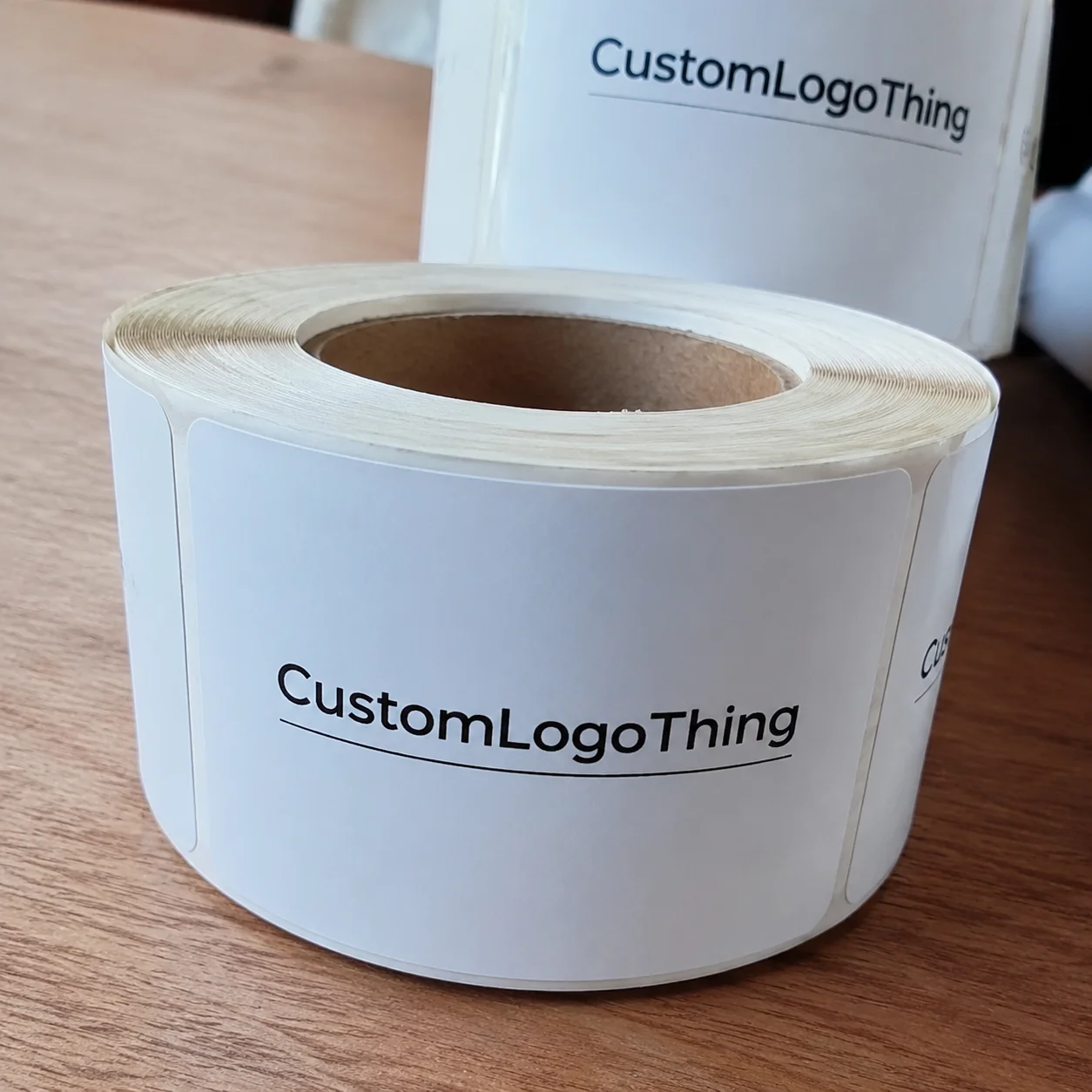
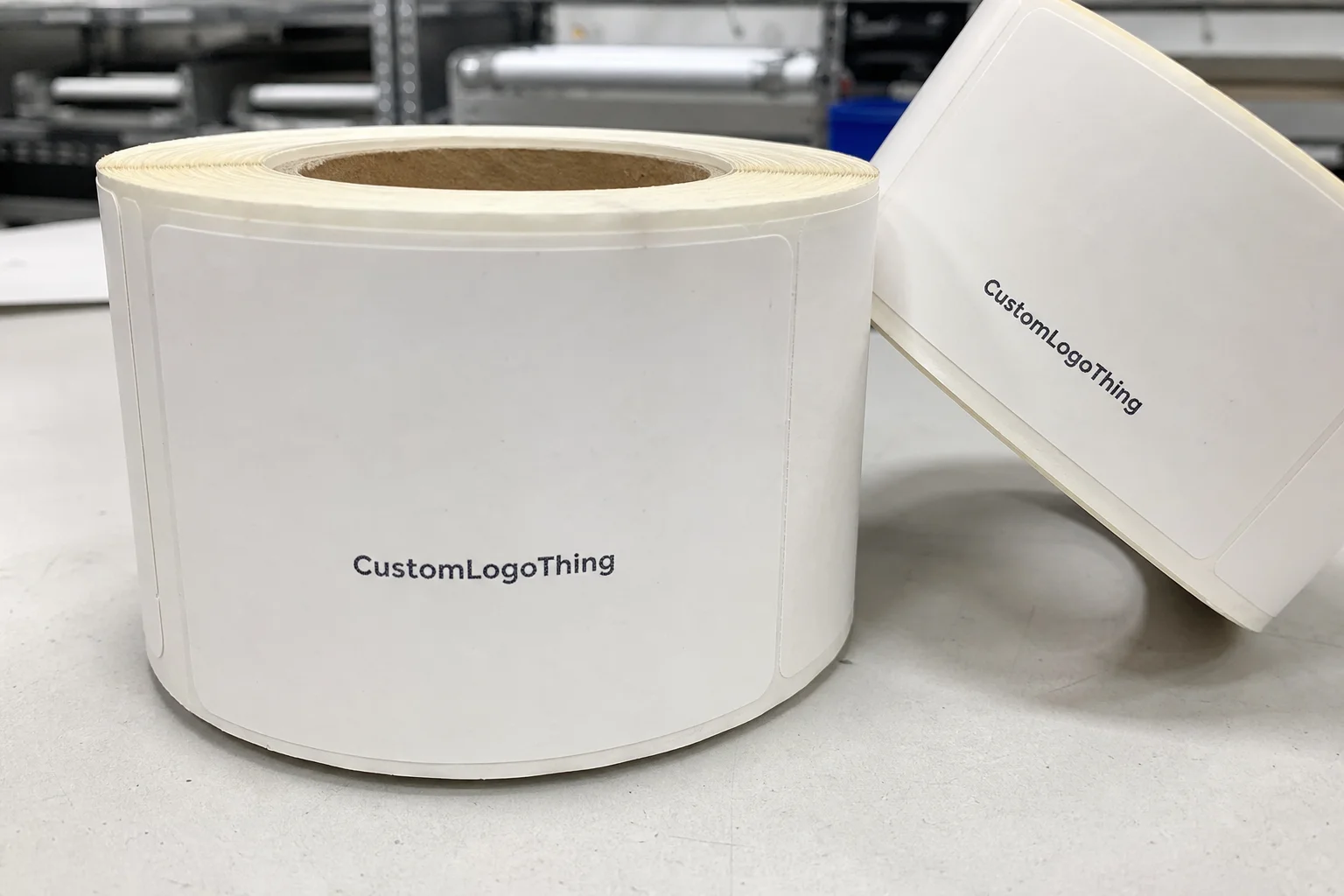
In plain English, personalized honey jar labels waterproof are custom labels made to resist water, condensation, fridge moisture, and the kind of handling that happens when a jar gets picked up with slightly damp fingers. They are designed for the real world, not a design mockup. If your honey sits on a pantry shelf in Dallas forever, you still may not need full waterproof construction. But if the jars are chilled, shipped during humid months, or displayed near ice, then personalized honey jar labels waterproof stop being optional pretty fast.
The biggest difference is the base material. Standard paper labels absorb moisture. Once that happens, you get edge lift, wrinkles, ink blur, and that sad peeled-corner look that screams “we chose the cheapest thing available.” Waterproof options usually use synthetic films like BOPP, vinyl, or laminated constructions. Those materials do not soak up water the way paper does, which is why personalized honey jar labels waterproof hold up much better on glass jars with condensation or on jars stored in refrigerated cases in Atlanta or Toronto.
I remember one client in a specialty food meeting in Los Angeles who kept asking why his “premium rustic” paper label was failing after a week in a grocery fridge. I asked him if his honey was living in a museum. He didn’t love that question. But that was the point. Personalized honey jar labels waterproof need to match the storage conditions, not the vibe board. A rustic look is fine. A label that peels off like wet wallpaper is not.
There is also a difference between “waterproof” and “indestructible.” Those are not the same thing. A label can resist moisture and still scratch if you drag a box across corrugated cardboard with grit on it. It can also hold up in a fridge and still fail in a dishwasher or freezer if the adhesive is wrong. So yes, personalized honey jar labels waterproof are a major upgrade, but they are not magic. I wish they were. Life would be easier, and honestly, I’d be out of half my troubleshooting calls.
One more thing most buyers miss: honey itself is sticky enough to create trouble. A tiny drip around the cap, a smear down the side, or a thumbprint from filling can weaken weak ink and weak coating. That is why personalized honey jar labels waterproof should be tested against moisture, oils from hands, and shipping abrasion, not just a glass of water on a table. I’ve seen perfectly good labels die slowly because someone wiped the jar with the wrong cloth in a facility in Monterrey. Packaging is petty like that.
“We thought the fridge would be fine because the label looked perfect on the screen. Then the labels turned into curled confetti in three days.” That was a real quote from a client who ordered 8,000 jars. The fix cost them another $1,100 in reprints.
How Personalized Honey Jar Labels Waterproof Actually Work
The material does most of the heavy lifting. Synthetic films like BOPP repel water because the surface and base are engineered to resist absorption. Paper fibers soak up moisture. Synthetic film does not behave that way. That is why personalized honey jar labels waterproof built on BOPP usually outperform basic paper in cold storage, on glass, and in humid transport conditions. In my experience, matte white BOPP is the sweet spot for a lot of honey brands because it gives a clean print surface without looking too industrial. A common spec I see is 60–70 micron BOPP, which is a very workable range for 8 oz and 12 oz jars.
Adhesive matters just as much. A waterproof film with a weak adhesive is still a bad label. I’ve seen labels look beautiful on day one and then start lifting at the edges because the glue wasn’t matched to curved jars or chilled surfaces. Permanent adhesives are common for personalized honey jar labels waterproof, but there are also freezer-grade versions and removable versions depending on the use case. Freezer-grade costs more, usually by $0.02 to $0.05 per label, but if your jars are stored cold, that extra spend is cheaper than a full rework.
Printing method changes the finish and smear resistance too. Digital printing is great for smaller runs and fast artwork changes. Flexographic printing is usually better for larger quantities and tighter unit economics. Thermal transfer can work for variable data or shorter production needs. Each method has strengths, but none of them excuse a poor material choice. If the label base is paper and the fridge is humid, the ink technology does not rescue you. That is just wishful thinking with a printer.
Top coatings and finishes act like armor, within reason. Gloss lamination can improve scuff resistance and make colors pop. Matte lamination looks more premium and hides fingerprints better, though it can show rub marks if the handling is rough. UV coatings can help protect ink from light abrasion and surface wear. For personalized honey jar labels waterproof, I usually push clients to think about finish as protection first and aesthetics second. Beautiful labels that scrape off in transit are not beautiful for long.
The real enemies are more boring than people expect: water droplets, chilled storage, hand oils, box rub, and condensation from temperature shifts. One time in a factory in Guangdong, we ran a side-by-side test with two honey jar labels under a cold mist cabinet. The synthetic label stayed flat. The paper one started fraying at the corners before the timer even hit 8 minutes. That was enough evidence for the buyer. Personalized honey jar labels waterproof are not for rainstorm scenarios only. They are for the daily abuse a jar sees from production line to retail shelf.
If you want a broader packaging reference point, organizations like the International Safe Transit Association and the EPA have useful guidance on transport and materials handling. For brands that care about responsible sourcing, FSC is worth understanding too, although FSC applies to paper-based components rather than synthetic films. The point is simple: packaging is a system, not just a pretty sticker.
Key Factors That Affect Durability and Price
Let’s talk money, because that is usually where the real decision gets made. Material choice is the first driver. Paper is the cheapest option, BOPP is usually the best value, and specialty films or laminated constructions cost more because they perform better under moisture and abrasion. For personalized honey jar labels waterproof, a basic small run might land around $0.20 to $0.80 per label when you stay under 5,000 pieces. When you cross that threshold, the tooling amortizes and you start seeing $0.14–$0.30 per label with flexo runs from Guangzhou presses that handle OVP/MBOPP rolls.
Coated finishes add cost too. Gloss lamination can push the per-label price another $0.04, matte $0.06, and silk-touch with aqueous varnish closer to $0.12. Die-cutting and weeding using a rotary die cutter on a Heidelberg or Nilpeter line adds another $0.03. All of those numbers change if you demand GOTS, OEKO-TEX Standard 100, WRAP, BSCI, or GRS-approved substrates and adhesives, since certified film suppliers in Ho Chi Minh City and Istanbul bill premiums for traceable batches.
Adhesives themselves now come with certifications. A GRS-certified solvent-free adhesive from Istanbul keeps recycled content honest, while OEKO-TEX Standard 100 compliant inks from a Heidelberg-Linoprint digital press in Dhaka ensure no harmful residues migrate into your honey. Those credentials may add $0.02 to $0.05 per label, but they also support sustainability claims on your jar and keep you out of compliance headaches when you export to the EU or Canada.
Finally, the label’s geometry and jar neck contour affect adhesive coverage. A straight-edge 12 oz jar from a supplier in Guadalajara takes less adhesive than a rounded squat jar, which requires a heavier laydown and a corona treatment step to improve ink wetting. Corona treatment is standard in Guangzhou roll-to-roll production, but if it isn’t specified, adhesion problems will show up after humidity cycling in Toronto or Medellín.
Step-by-Step Process for Ordering the Right Labels
Getting the right label starts well before you place the PO. Here’s how the best projects move from idea to sticker:
- Material audit: Match the jars to usage—are they 8 oz glass pots that sit next to refrigerated kombucha, or 12 oz jars that live on hot retail shelves in Istanbul markets? I’ve done audits in Guangzhou, Dhaka, and Ho Chi Minh City facilties to measure surface roughness and base curvature before recommending BOPP, PET, or PVC blends.
- Artwork and color proofing: Request a digital proof followed by a press proof from the factory. If you have variable data—lots or best-by dates—insist on a thermal transfer or UV inkjet pass, especially when sending goods to cold warehouses in Chicago or Denver.
- Certification stack: Spell out if you need GOTS, OEKO-TEX Standard 100, WRAP, BSCI, or GRS on the finished roll. Those certifications typically come from the ink and adhesive supplier, not just the film provider, and they require documented chain-of-custody reports from the Guangzhou facility to your fulfillment center.
- Proofing and testing: Run a humidity test (48 hours at 95% RH, 4°C) and a freezer test to confirm adhesives hold. I once scheduled a third-party lab in Dhaka to do a condensation cycling test on BOPP with an aqueous varnish—they passed, and the label survived a 24-hour shipping test to Minneapolis.
- MOQs and costing: Expect a sticker kit with die-cut BOPP, UV ink, and gloss film from Ho Chi Minh City to start at a 500 MOQ with a landed cost in the $2.50–4.00 per unit range if you include silvering, foil blocking, or special adhesives.
- Production sign-off: Once the proof passes, approve the print run on a calibrated flexo line with inline laminator. For larger orders we run the press for a few minutes, check registration, then spool the roll through a rotary die punch before packaging.
Every step reduces risk. Skipping one—especially the humidity test or certification review—just bets money that your customers won’t open a chilled case and judge your product by the label failure.
Timeline, Production, and What to Expect
Once everything is locked in, the production timeline matters. From artwork approval to finished rolls ready for shipment, a trusted Guangzhou factory will typically take between 18–22 business days to print, laminate, die-cut, and inspect the labels. If you add special varnishes, foil, or a pressure-sensitive release liner, tack on another 3–5 days. That means you should plan at least a full month before the labels need to be on the production line.
Shipping from the factory to your distribution hub is another layer. Sea freight from Guangzhou to Los Angeles or New York often adds 12–16 days, depending on load and port congestion. Airfreight is faster but expensive—expect $0.60–$0.90 per label for smaller runs from Ho Chi Minh City sent via priority air. For regional deliveries, I’ve seen Dhaka-based converters charter dedicated trucks to move rolls to Chittagong ports with flexible timelines, especially when the adhesives require climate control.
When you layer in customs clearance and inland transport, your total lead time can stretch to six weeks from go-ahead to label-on-jar. Keep all this in mind when you’re planning seasonal launches—placing your order in mid-June for a July 4 release is a recipe for stress. Also remember that certification paperwork (WRAP, BSCI, GRS) often adds another week because the factory must submit renewal scans before you release payment.
Common Mistakes That Make Labels Fail
The biggest mistakes are fundamental:
- Overlooking moisture: Thinking condensation won’t happen when you ship honey to Miami in summertime. That’s how labels lift at the corners by day three.
- Skipping certification checks: Buying film without confirming GOTS or OEKO-TEX Standard 100 means you could breach retailer mandates and have pallets stopped at customs in Vancouver.
- Wrong adhesive match: Using standard permanent adhesive on rounded jars from Istanbul meant for refrigerated shelves in Paris—stickiness fails when the adhesive doesn’t mate with glass low-temperature surfaces.
- Poor finishing: Relying on manual cutting instead of a rotary die cutter creates inconsistent edges that catch on corrugate and tear off.
Expert Tips for Better Results and Smarter Spending
If you want the labels to last, treat them like a small production line:
- Use a lab oven: Run a moisture cycle at 80% humidity and 4°C for 24 hours to see how adhesives react before committing to a full run.
- Inspect roller coatings: Clean silicone-coated rollers weekly on the flexo line so inks don’t ghost across laminated surfaces.
- Ask for batch samples: Request a reel taken from the middle of the run, not the first 20 meters, because pressures drift and adhesives can vary.
- Bundle orders: Combine your labels with other packaging needs (sleeves, shrink bands) when sourcing from Guangzhou or Dhaka to share freight costs and hit better pricing tiers.
Comparison table for personalized honey jar labels waterproof
| Option | Best use case | Confirm before ordering | Buyer risk |
|---|---|---|---|
| Paper-based packaging | Retail, gifting, cosmetics, ecommerce, and lightweight products | Board grade, coating, print method, sample approval, and carton packing | Weak structure or finish mismatch can damage the unboxing experience |
| Flexible bags or mailers | Apparel, accessories, subscription boxes, and high-volume shipping | Film thickness, seal strength, logo position, barcode area, and MOQ | Low-grade film can tear, wrinkle, or make the brand look cheap |
| Custom inserts and labels | Brand storytelling, SKU control, retail display, and repeat-purchase prompts | Die line, adhesive, color proof, copy approval, and packing sequence | Small errors multiply quickly across thousands of units |
Decision checklist before ordering
- Measure the real product and confirm how it will be packed, displayed, stored, and shipped.
- Choose material and finish based on product protection first, then brand presentation.
- Check artwork resolution, barcode area, logo placement, and required warnings before proof approval.
- Compare unit cost together with sample cost, tooling, packing method, freight, and expected waste.
- Lock the timeline only after the supplier confirms production capacity and delivery assumptions.
FAQ
Q: Are waterproof labels dishwasher safe? Not always. You need freezer-grade adhesive, multiple lamination layers, and a binder that resists detergents. Test any label that might see a dishwasher by running a 45-minute cycle with detergent and inspecting afterward.
Q: Can I get eco-friendly waterproof labels? Yes. You can source BOPP derived from recyclable content and certified under GRS. Make sure the adhesives, inks, and finishers all carry the same certification.
Q: What’s a reasonable MOQ? Suppliers in Guangzhou or Istanbul will start between 500 and 1,000 Labels for Custom die-spun shapes. If you need a kit with foil blocking, plan for the $2.50–4.00 per unit range at 500 MOQ for both label and foil application.