Soap Brand Void Fill Paper Cost: Bulk Buy for Packaging
Soap packs are heavier than they look, and that is exactly why soap brand void fill paper cost matters. A carton can sit on a warehouse shelf looking light and harmless, then show up at the customer door dented, rattling, or half-collapsed. The filler is supposed to protect the product and hold the box shape. If it fails, soap brand void fill paper cost stops behaving like a packaging expense and starts behaving like a damage bill, a labor issue, and a brand problem all at once. That is a bad trio.
Soap Brand Void Fill Paper Cost: What Buyers Miss First
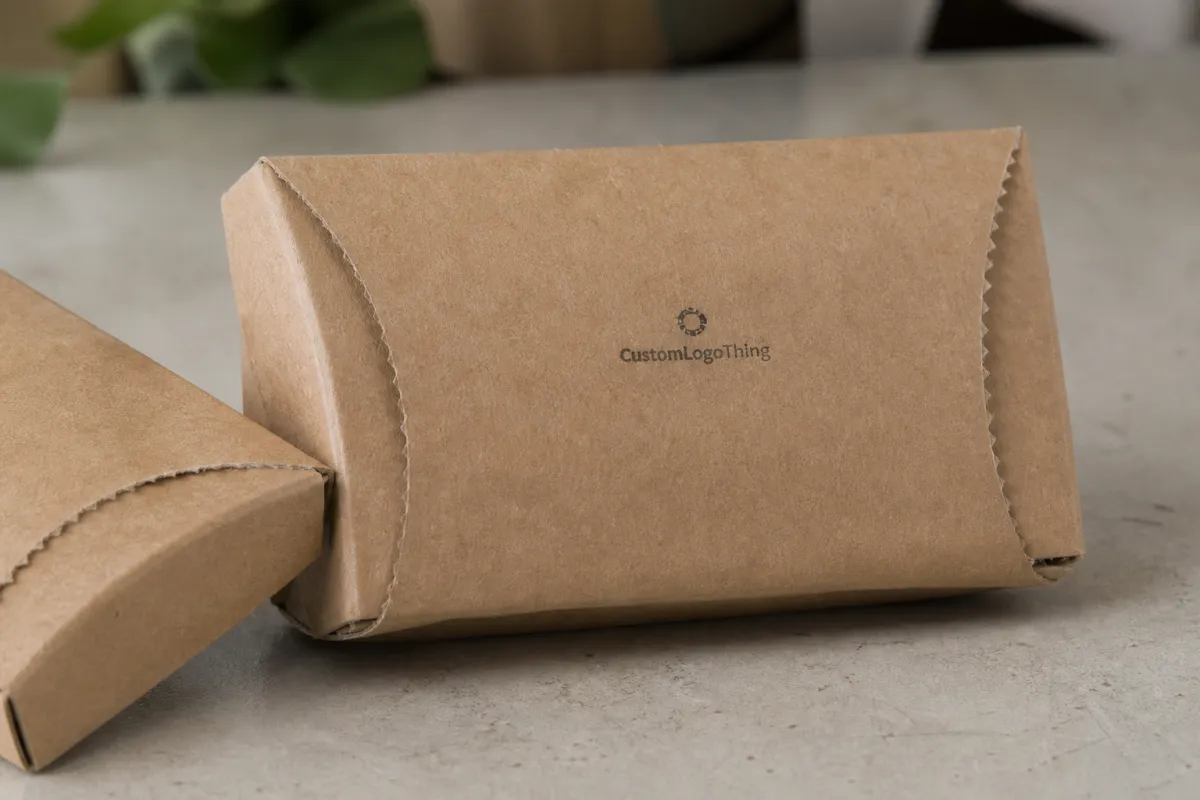
Most soap brands begin with the wrong number. They look at the roll price, compare it to three other quotes, and call it a day. That misses the point. The number that matters is soap brand void fill paper cost per packed carton, per shipment cycle, and per damaged order avoided. One cheap roll can hide a great deal of trouble. If the paper tears too easily, slows the packing bench, or lets the soap slide around inside the box, it is not a bargain. It is a smaller invoice attached to a larger loss.
Soap is a funny category for shipping because the product feels compact, but the packaging rarely is. Wrapped bar sets, gift bundles, rigid mailers, subscription boxes, and mixed cartons all create empty space that still has to be managed. That empty space is where soap brand void fill paper cost becomes part protection, part presentation. Too little filler and the bars shift. Too much and the box balloons, which makes a nice product look rushed and underprepared. Buyers who skip that balance often pay for it later through returns, replacements, or a customer photo that makes the brand look careless.
I prefer to judge paper by three things: how much fill it creates, how fast a team can pack with it, and how it behaves on a real line. A small operation may value easy-tear sheets because speed matters more than dispenser precision. A larger fulfillment setup may want rolls or machine-ready formats because labor time is where the savings show up. Look at soap brand void fill paper cost that way and the cheapest supplier is not always the one with the lowest printed price. The better supplier is often the one with the right paper weight, the right fill volume, and the least friction in production.
The brand side is not decoration. Soap buyers notice the box because it is part of the product experience. A carton that opens to loose filler, scuffed bars, and an uneven interior sends the wrong signal before the soap is even used. A tidy fill pattern does the opposite. It supports visual branding, steadies the unboxing experience, and makes the shipment feel deliberate. That is why soap brand void fill paper cost should be measured against what the package communicates, not just against the price of a pallet sitting in storage.
There is also a labor angle that gets ignored far too often. If a packing associate loses even 3 seconds per box because the paper jams, tears oddly, or takes two hands to manage, that turns into 250 minutes across 5,000 cartons. Nearly 4.2 hours. Over a month, that is real money, not theory. I have watched teams swear they were saving on material, only to find they were paying it back in overtime. That kind of hidden cost is why the printed price can be kinda misleading.
Cheap filler becomes expensive the moment it slows the line or makes the package look careless. Paper that packs cleanly usually wins the long game.
For broader packaging references and test methods, I also keep an eye on the Packaging Machinery Manufacturers Institute and ISTA test protocols. Soap boxes do not need aerospace engineering. They do need a repeatable shipping setup that holds up under carrier handling.
Void Fill Paper Details for Soap Packaging
Three paper types show up most often in soap shipments: kraft void fill paper, recycled paper, and premium white paper. Kraft is the workhorse. It hides scuffs well, reads as practical, and often gives the best soap brand void fill paper cost at scale. Recycled grades follow a similar logic, though the color and surface can vary from run to run. Premium white paper costs more, but it gives a cleaner look for gift sets, launch kits, and subscription boxes where presentation matters as much as protection.
Soap format changes the equation. A single wrapped bar in a snug carton may only need a small amount of paper. A gift set with jars, mini bars, or a seasonal insert usually needs more structure. Mixed-size cartons are trickier still, because the contents can shift in transit and create pressure points. In those cases, the paper has to do two jobs at once: stop movement and keep the pack looking intentional. That is when soap brand void fill paper cost starts touching customer perception instead of staying buried in shipping math.
Paper behavior is not a minor detail. Buyers should ask how the paper crumples, whether it throws off dust, and how it resists tearing when packers move fast. A weak sheet may look acceptable in a sample and then shred on the line, leaving scraps under the bench and frustration in the packing room. A denser sheet can cost a little more and still save money by reducing waste and improving throughput. That tradeoff rarely shows up cleanly in a quote. It shows up when the team starts using the product.
Moisture deserves more attention than soap brands usually give it. Not every soap bar is a waterproof brick. Some formulas, wraps, and labels react poorly to humidity. If the paper is stored badly or arrives with uneven moisture content, it can behave differently from pallet to pallet. That is a real threat to brand consistency. A serious supplier should talk about storage, packaging, and consistency as part of the offer, not just price. If all they discuss is soap brand void fill paper cost, they are selling the number and skipping the outcome.
Plain kraft is enough for most standard soap shipments. White or custom-printed filler makes more sense for brands that care deeply about presentation, repeat purchase behavior, and visual identity. That does not make kraft dull. It makes kraft honest. For a shipping box, honesty usually beats ornament.
Specifications That Change Soap Brand Void Fill Paper Cost
If you want a quote that actually helps, start with the specs. Paper basis weight, sheet width, roll diameter, core size, recycled content, and finish all affect soap brand void fill paper cost. Leave those out and the supplier has to guess, which usually means the quote is vague enough to be nearly useless. Guessing is not pricing. It is fog in spreadsheet form.
Paper weight comes first. Lighter paper may look cheaper at the top of the page, yet it can take more material to create the same fill volume. Heavier paper costs more per ton and often creates a better cushion with fewer sheets. That can change the unit cost in a way that only becomes clear after the box has been packed a few hundred times. A Soap Brand Shipping 5,000 cartons a month may save more with a slightly denser paper that packs faster and cuts damage than with the lowest raw-material price on the market. That is where soap brand void fill paper cost becomes operational rather than theoretical.
Format matters just as much. Hand-tear sheets fit small teams, seasonal launches, and short packing runs. Rolls and dispenser systems make more sense for higher-output lines because they cut handling time and keep the station cleaner. If a team packs 300 cartons a day, shaving even 4 seconds per box adds up fast. That is 20 minutes a day, or more than 8 hours in a month. Labor savings can outweigh a modest rise in paper price. The wrong format makes a packing line feel slower than it should, which is a polite way of saying it irritates the people who have to use it every day.
Branding adds another layer. Neutral kraft is efficient and predictable. Bright white paper looks cleaner and supports a more premium presentation. Custom color or printed filler pushes farther into brand identity, but that usually means higher MOQ, longer lead time, and more setup work. The tradeoff is real. Better visual branding can support recognition and make the unboxing experience feel more deliberate, but only if the customer will actually notice. If not, the brand is paying for decoration with limited return.
Storage and freight can change the final number too. Paper is bulky. A pallet of void fill paper may take more warehouse space than expected, especially when the buyer orders forward cover to lock in a lower unit rate. Freight should be part of the comparison from the start, not something added after the supplier quote lands. A cheaper paper price can become a worse landed soap brand void fill paper cost once delivery, pallet space, and handling are added up.
Specs buyers should lock down before they ask for a quote
- Paper basis weight in gsm or lb
- Sheet width and usable length
- Roll diameter and core size
- Recycled content target
- Finish, color, or print requirements
- Packing method: hand use, dispenser, or machine feed
- Monthly volume and reorder pattern
That list is simple on purpose. It is also the line between a useful quote and a waste of time. A supplier that cannot work from those details is not ready to price the job. The conversation needs more data, not more guessing.
Soap Brand Void Fill Paper Cost, Pricing, and MOQ
Pricing structure is where buyers get nudged in the wrong direction. A quote may show a low roll price and still be a bad deal once packing speed, freight, and fill efficiency are added. The real comparison is soap brand void fill paper cost per filled carton or per shipped order, not per roll. Roll pricing helps, but it tells only part of the story.
For a bulk-buy view, here is a practical range that fits many soap programs. Standard kraft void fill paper usually sits in the lowest cost band, while premium white or custom-printed options run higher because of added processing and tighter controls. These are planning numbers, not promises. Actual pricing shifts with paper weight, format, and destination. Freight can move the final number more than buyers expect, especially when the product is bulky and pallet space becomes expensive.
| Option | Common Spec | Typical Unit Cost Effect | MOQ / Lead Time | Best Fit |
|---|---|---|---|---|
| Recycled kraft void fill | 50-70 gsm, hand-tear or roll | $0.03-$0.06 per filled carton | Low to mid MOQ, often 10-15 business days | Basic soap bars, shipping protection, cost control |
| Premium white paper | 60-80 gsm, cleaner finish | $0.05-$0.10 per filled carton | Mid MOQ, often 12-18 business days | Gift sets, branded subscription boxes, stronger presentation |
| Custom color or printed paper | Matched color, logo print, special pack-out | $0.08-$0.16 per filled carton | Higher MOQ, often 18-25 business days | Brand identity, visual branding, premium unboxing experience |
MOQ is where the numbers stop being abstract. Smaller runs usually cost more per unit because setup, material waste, and packing labor are spread across fewer cartons. Bulk orders do the opposite. They lower soap brand void fill paper cost, but they also require more cash and storage space. A startup soap brand and a mature soap business will not always pick the same spec. One needs flexibility. The other needs repeatability and a tighter unit cost.
Compare quotes on equal ground. Same paper weight. Same sheet dimensions. Same roll count. Same packing configuration. Same freight terms. If one supplier quotes ex-works and another quotes delivered, the numbers are not comparable. Add setup fees, sample charges, and split-shipment costs too, because those are common places for a low quote to hide a high invoice. Cheap quote, expensive invoice. It happens more often than most buyers admit.
If monthly volume swings, ask for tiered pricing. A good supplier should show price breaks at two or three levels so you can see the savings curve. That makes it easier to judge whether extra inventory is worth the carrying cost. In plenty of cases, it is, because the lower soap brand void fill paper cost pays back the added storage over a few replenishment cycles.
One useful way to pressure-test a quote is to ask a blunt question: “What does this cost per 1,000 shipped cartons after freight?” That simple conversion strips away some of the sales shine. A supplier who knows their numbers can answer it. A supplier who only knows the invoice total usually cannot, and that tells you something.
Process and Lead Time for Soap Brand Void Fill Paper Orders
There is a clean order flow, and there is the messy one. The clean version starts with a spec sheet, moves to a sample, then approval, then production, then pre-shipment review. The messy version starts with a rushed quote, a vague sample, and a buyer discovering too late that the cartons do not pack the way they expected. If the goal is a predictable soap brand void fill paper cost, the process needs to be boring in the best possible way.
Lead time depends on how standard the job is. Stock kraft paper moves faster because the material is already available and the format is fixed. Custom color, special widths, or printed filler takes longer because the paper has to be matched, converted, and checked. A realistic planning window for standard jobs often lands around 10 to 15 business days after approval, while custom runs can stretch to 18 to 25 business days depending on material sourcing and freight booking. That is not drama. It is just production.
The biggest delay is usually approval, not the machine. Artwork changes, sample revisions, and late width changes can add days without warning. If the buyer knows the carton size, average soap pack weight, and packing style before requesting a quote, the job moves faster. That is why the first round of information matters so much. Unclear details tend to reappear later as remakes, reprints, or reshipments, and each one pushes soap brand void fill paper cost higher.
Pre-shipment inspection is worth the time. Check roll count, sheet count, width, core size, packing damage, and color consistency if the job is branded. A quick sample check can prevent a long headache. For larger orders, I like a documented repeat-order file: approved spec, sample image, carton count, freight terms, and packing notes. That makes the next reorder faster and less risky. It also protects brand consistency because the second run should look and behave like the first.
For buyers who track packaging performance more closely, ISTA test guidance and ASTM shipment methods help measure real transport stress instead of guessing at it. Soap does not need overengineered packaging, but it does need a setup that survives carrier handling. A sensible soap brand void fill paper cost plan pays for itself when the shipment arrives intact and the reorders stay consistent.
One more sign of a good supplier: they can document pack-out behavior, damage rate, and repeat-order consistency. That is real value. Not flashy. Just useful.
Why Choose Us for Soap Brand Void Fill Paper Supply
Custom Logo Things is built around practical packaging, not noise. For soap brands, that means consistent sheet quality, predictable sizing, and direct advice about what actually works in transit. Plenty of vendors will quote the fanciest option because it makes the invoice look larger. I trust the supplier who can explain where the extra money goes and whether it earns its keep. That is the right way to handle soap brand void fill paper cost.
Soap buyers need different things at different stages. A newer brand usually wants a workable MOQ, enough material for launch, and some room to adjust if the box spec changes. A larger brand wants repeatable quality, steady replenishment, and a packing setup that does not buckle when order volume spikes. The useful supplier is the one who can support both. If the run is small, the MOQ should stay realistic. If the run is large, the supply should stay steady. That is not complicated.
Coordination is another hidden cost. One vendor handles paper grade, another handles format, and a third handles freight. That setup looks efficient until the buyer is stuck in the middle of three emails arguing over a defect. Bringing those pieces under one roof reduces friction and usually improves landed cost. It also gives the buyer a clearer view of soap brand void fill paper cost across the full order instead of in fragments.
Our job is not to push the most expensive spec. It is to match the paper to the box, the box to the shipping method, and the shipping method to the margin. That means asking whether you need a premium white filler, a neutral kraft solution, or a custom-printed option tied to brand identity and customer perception. If the answer is plain kraft, good. If the answer is premium, that works too. Spend where the customer can actually see the value.
We also try to be honest about what the paper will not do. If a carton is oversized by two inches on every side, filler can hide the problem, but it cannot fix the box design. If a soap formula is sensitive to humidity, paper choice helps, but storage conditions matter just as much. That kind of honesty saves money later. It also builds trust, which is apparently still rare enough in packaging to count as a feature.
A good packaging supplier should make the decision easier, not louder.
For buyers who want proof of performance and a broader packaging track record, our Case Studies page shows how different packaging choices support damage control, brand recognition, and a stronger unboxing experience. If you want to talk through a launch or reorder, start with the carton dimensions and target volume, then let the paper spec follow the job instead of forcing the other way around.
Next Steps to Quote Soap Brand Void Fill Paper Cost
If you want a clean quote, send the box size, average soap order weight, monthly volume, and packing method. That gives a supplier enough information to estimate soap brand void fill paper cost without guessing. If the cartons are small and the fill need is light, a standard kraft format may be enough. If the packs are gift-heavy or visual branding matters more, ask for a premium option as well. Comparing both paths is the fastest way to understand unit cost.
Ask for two quote lines: one standard kraft, one branded or premium. That gives you a real comparison instead of a sales pitch dressed up as pricing. Then request a sample sheet or a trial roll before you commit. Paper can look fine in a spec sheet and still pack badly on the line. I have seen enough of that to stay suspicious. A sample check tells you a lot about tear behavior, dust, stiffness, and the actual unboxing experience.
Confirm the basics before you approve anything: MOQ, lead time, freight method, carton pack count, and whether pricing changes by destination. Those details affect the final soap brand void fill paper cost more than buyers usually expect. If the quote is missing one of them, ask for it in writing. No drama. Just clarity.
For many soap brands, the smartest move is not chasing the lowest paper price. It is choosing the paper that fits the box, protects the product, and supports brand consistency without adding unnecessary handling work. That is how landed cost stays under control and the packaging stays honest. If you want a practical rule to keep: buy the grade that survives your worst carrier week, not the one that merely looks good in a sample. That is the real filter.
Before placing a bulk order, do one simple test: pack ten boxes, shake them, stack them, and inspect the corners after transit simulation. If the paper holds the soap in place and the pack still looks intentional, you are probably in the right zone. If not, adjust the paper weight or fill volume before you scale up. That little test can save a surprisingly expensive mistake.
FAQ
What affects soap brand void fill paper cost the most?
Paper weight, sheet size, and roll format usually move the price more than anything else. Custom color, print, or nonstandard sizing can add setup cost and raise the unit price. Freight matters too, especially if the paper ships bulky and takes up pallet space.
What MOQ should I expect for soap brand void fill paper?
MOQ depends on whether you choose stock kraft, custom color, or printed paper. Stock options usually allow smaller runs, while custom orders need higher quantities to stay economical. Ask for a price break at two or three volume tiers so you can compare real savings.
Is kraft paper enough for soap packaging protection?
Yes, for most soap bars and gift sets, kraft void fill paper is enough to stop movement in transit. If your cartons are oversized or include fragile add-ons, you may need a heavier grade or more fill volume. The right answer depends on box size, pack density, and shipping distance.
How do I compare quotes for void fill paper fairly?
Match the paper weight, sheet dimensions, quantity, and freight terms before judging price. Look at cost per filled carton, not just cost per roll or case. Watch for hidden charges like sampling fees, setup fees, or split-shipment costs.
How long does production usually take for custom void fill paper?
Stock material moves faster than custom printed or color-matched paper. Lead time usually depends on proof approval, material sourcing, and freight booking. If you need a faster turnaround, keep the size and finish standard.
Can void fill paper improve the unboxing experience for soap brands?
Yes. Clean filler supports visual branding, keeps the bars in place, and makes the carton feel deliberate instead of stuffed. That improves customer perception and helps the package look consistent across orders. It is a small detail, but buyers notice small details.


