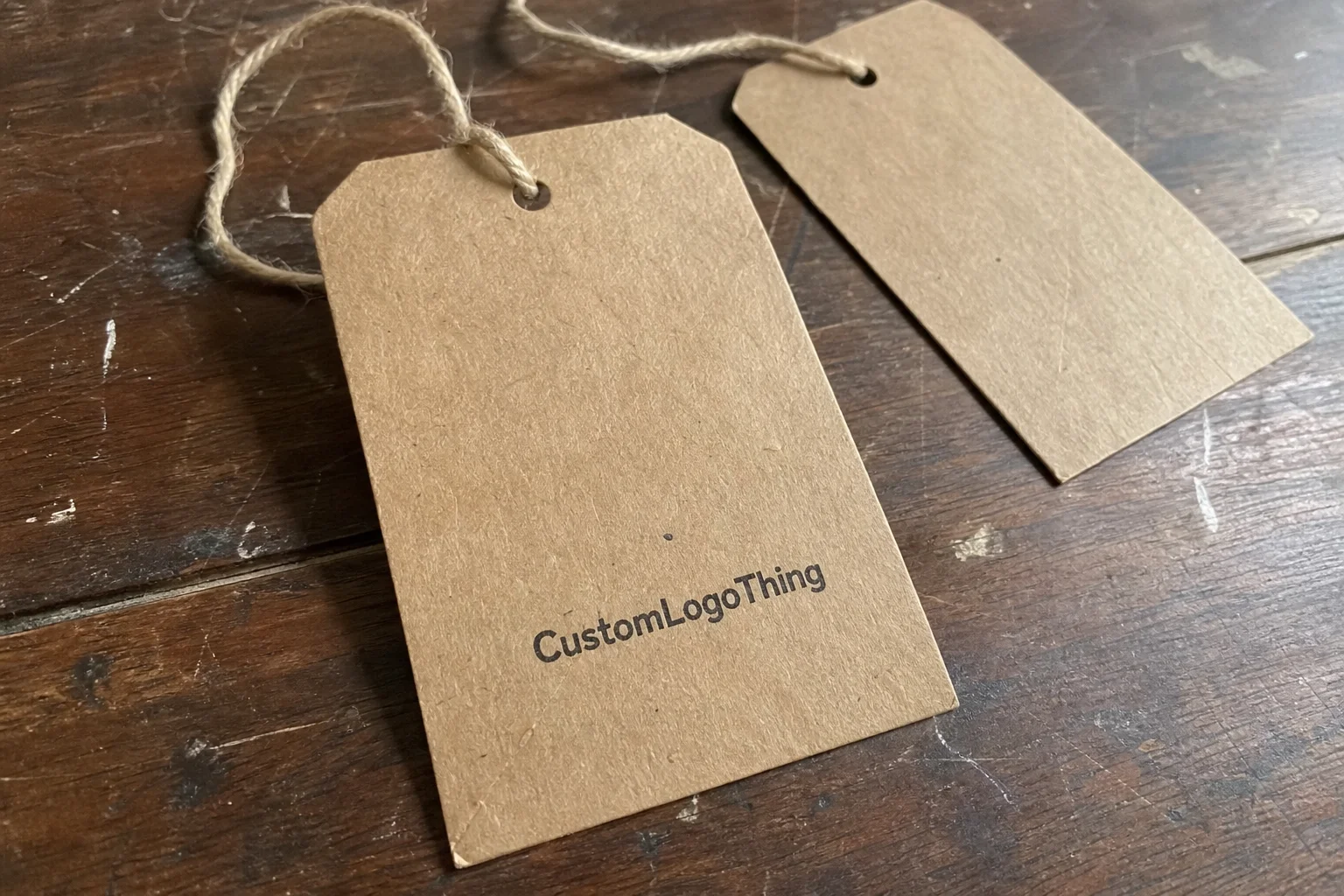
Soap Logo Patch Beanies Material Sample Guide: What Buyers Actually Need to See
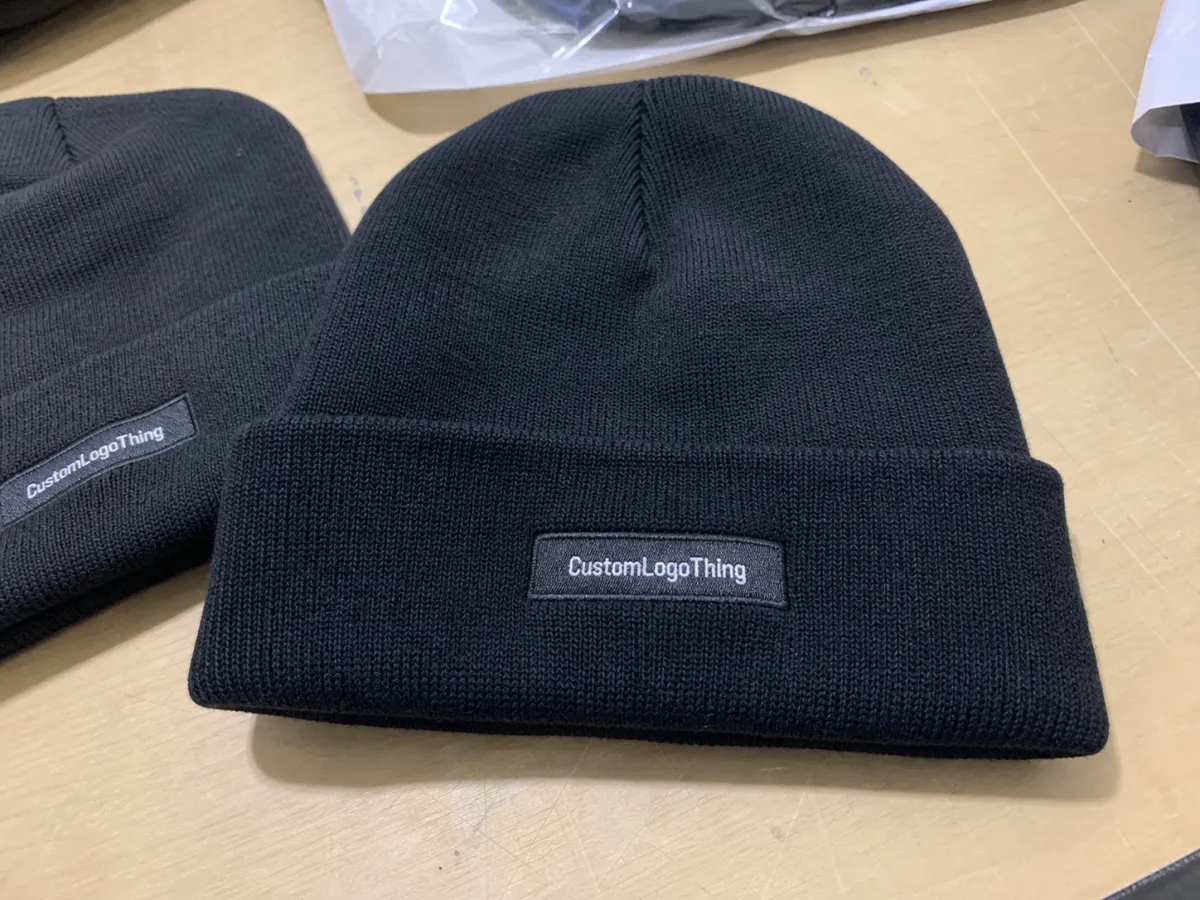
A soap brand orders 500 cuffed beanies for a winter market. The mockup looks warm, handmade, and giftable. The delivered patch, though, is glossy, stiff, and so wide it dominates the cuff like a billboard. That kind of expensive mismatch is exactly why a soap Logo Patch Beanies material sample guide matters before any bulk order starts moving.
Soap brands are often more visually literate than buyers in other categories. Customers already inspect texture, paper stock, label finish, scent cues, and the way a box sits beside a wrapped bar. They notice when a product feels calm and natural, and they also notice when one element breaks the story. A patch that looks industrial next to kraft paper and botanicals can weaken the whole presentation in seconds.
Sampling is not decoration. It is a way to test whether the beanie, the patch, and the brand message hold together under real use. That means checking knit density, stretch recovery, patch substrate, logo clarity, thread or print color, placement, and wash behavior before those choices multiply across 250, 500, or 2,000 units.
The mistake many buyers make is starting with the cheapest sample and assuming it is the safest first step. Sometimes the cheapest sample is the least useful. A low-cost swatch can hide a problem that only shows up later: a patch that peels, a logo that blurs under LED lighting, or a knit that twists after one wash. The sample should answer practical questions, not just lower the barrier to approval.
Buyer reality check: a material sample is not always a finished pre-production beanie. It may be a yarn swatch, a blank beanie, a loose patch proof, a patch sewn onto similar knit, or a fully branded prototype.
For a small promotional run, a blank beanie plus a patch proof may be enough. For a premium soap line selling beanies at a higher retail price, the better move is usually a hand-feel sample and at least one patch-on-material sample. That extra step adds cost up front, but it is still small compared with a run of merchandise that looks right in photos and wrong in person.
How Beanie Materials Change the Look of a Soap Logo Patch
Beanie material affects more than warmth. It changes logo sharpness, patch stability, perceived value, and how the product photographs next to soap boxes, bundles, and apothecary-style displays. A good sample guide starts with fabric because even a well-made patch can feel misplaced on the wrong knit.
Acrylic is common because it is affordable, light, and available in many stock colors. It suits promotional beanies and mid-size production runs when the brand wants a soft hand without wool pricing. Cotton reads cleaner and more natural, but it can stretch differently and may not rebound as firmly after wear. Wool blends carry more warmth and a stronger premium signal, although they can raise unit cost and create itch concerns for some wearers.
Recycled yarns are increasingly requested by brands that already use recycled paper labels or lower-waste packaging. The catch is consistency. Recycled content can vary in softness, twist, and color repeatability, so buyers should ask for the percentage and the fiber source rather than relying on the word “eco.” A vague sustainability claim is not enough for a buyer who needs to compare options across vendors.
Rib-knit structures usually give the cleanest patch presentation because the surface is more predictable. Chunkier knits can look cozy and handmade, but small patches may tilt or ripple once stitched. A beanie is not a flat card. It stretches, folds, compresses in a bag, and sits against skin. The logo has to survive motion, not just a still image.
| Beanie material | Typical buyer appeal | Patch behavior | Watch-out |
|---|---|---|---|
| Acrylic knit | Budget-friendly, soft, broad color range | Usually stable with woven, embroidered, or leatherette patches | Bright synthetic colors can fight natural soap branding |
| Cotton knit | Clean, breathable, natural-feeling | Good with woven labels and softer patch faces | May stretch and recover differently than acrylic |
| Wool blend | Premium warmth and stronger retail value | Works well with leather, cork, and embroidered patches | Higher cost; possible itch sensitivity |
| Recycled yarn | Supports sustainability positioning | Performs well if knit density stays consistent | Confirm content claims and color tolerances |
| Chunky rib knit | Cozy, handmade visual texture | Best with larger, flexible patches | Fine logo detail can distort on uneven ribs |
Color choice deserves the same discipline. Oatmeal, charcoal, forest, cream, clay, and navy usually sit more comfortably beside kraft paper, amber jars, and muted botanical labels than high-glare synthetic brights do. Still, “natural” shades are not automatically safe. Cream yarn can swallow a tan patch. Charcoal can absorb black thread detail. The only reliable answer is to view color chips under daylight and warm indoor light before approval.
If the order is larger, the logo is delicate, or the brand sits at a premium price point, ask for two sample types: a hand-feel sample and a patch-on-material sample. The first tells you whether customers will want to wear the beanie. The second tells you whether they will still recognize the brand once the beanie is on a head, in a bag, or under a retail light.
Patch Options: Leatherette, Woven, Embroidered, PVC, and Cork
Patch selection carries more brand language than many buyers expect. The difference is obvious once a glossy PVC patch sits next to a hand-wrapped bar of soap in kraft paper. One feels sporty and engineered; the other feels quiet and tactile. Neither is wrong on its own, but they can clash badly if they are trying to tell opposite stories.
Leatherette, sometimes called faux leather, is a common choice because it suggests craft and warmth without genuine leather pricing. It can be debossed, laser engraved, or printed. Common sizes are around 1.5 x 2 inches, 2 x 2 inches, and 2 x 3 inches. It works well for simple marks, bold initials, and badge-style logos. Very thin serif type or intricate line art tends to suffer.
Genuine leather looks more premium, but it raises sourcing questions and may not align with soap brands that avoid animal-derived ingredients. In those cases, leatherette or cork usually tells a cleaner story. The right decision depends on how closely the patch material needs to match the brand’s ingredient and packaging values.
Woven labels handle detail better than many surface finishes. They are often the quiet best choice for fine text, botanical art, or logos with more than one line of copy. If the mark includes a lavender stem, a circular seal, or a short tagline, woven construction can keep the lines readable at smaller sizes. Printed fabric patches can also work, especially for painterly art or color gradients, but the buyer should ask about wash durability and edge finish before approving them.
Embroidered patches feel familiar and apparel-driven. They add dimension and a handmade look, but they also have limits. Tiny letters close up. Thin lines thicken. A vector file that looks crisp on screen may lose detail once thread density is translated to fabric. That is not a defect in the supplier; it is how embroidery behaves.
PVC rubber patches read more athletic or streetwear-oriented. They can work for rugged grooming lines, surf soap, gym-focused products, or darker winter bundles. They are less convincing for soft, botanical, or minimal brands. A hard patch can feel abrupt when the rest of the packaging is calm and paper-based.
Cork and felt are softer alternatives. Cork pairs nicely with lower-waste packaging and can support an earthy, recycled-material narrative. Felt feels textile-led and warm, though it can collect lint and should be cut cleanly. Edge finish matters more than many buyers realize. Merrowed borders read classic and raised. Laser-cut edges are cleaner and flatter. Heat-sealed edges look neat, but only if the cut is precise and the patch shape suits the logo.
Evaluate every patch under real lighting. Gloss that looks refined in a supplier photo may glare under booth LEDs or in a window-lit market stall. That is one reason the sampling stage should never stop at digital artwork. A solid soap Logo Patch Beanies material sample guide forces the finish check before money leaves the account.
Process and Timeline: From Sample Request to Approved Beanie
The process sounds simple: send artwork, receive a beanie. In practice, each step adds time, especially once custom yarn, custom patching, or branded packaging enters the order. A normal path includes artwork review, material recommendation, digital mockup, swatch or sample selection, patch proof, physical sample, revision, approval, bulk production, inspection, and shipping.
A swatch kit usually moves faster than a fully decorated sample because it skips patch production and final finishing. That makes it useful early, when the team is still deciding between acrylic, cotton, recycled yarn, or wool blend. A pre-production sample belongs later, after the logo size, patch type, beanie color, and placement are mostly locked.
Send clean information up front. A supplier can move faster with a vector logo, brand color references, target quantity, delivery deadline, preferred style, patch size, and intended use. “We need cozy merch” is not enough. “We need 500 cuffed charcoal acrylic beanies with a 2 x 1.5 inch woven patch for a winter soap bundle launching in six weeks” gives the production team something concrete to price and test.
Most delays come from predictable places. Low-resolution logo files require redrawing. Changing patch size after sampling can force a new proof. Uncommon yarn colors can increase minimums or push the order onto a longer lead time. Asking for leatherette, woven, and embroidered versions at the same time can help with comparison, but it also increases proofing work and can slow approval if the team is indecisive.
Lead time depends on how custom the order is. A stock beanie with a standard patch may move much faster than a custom-dyed yarn beanie with a woven logo, hang tag, barcode label, and individual polybag. Leave extra time if the beanie has to coordinate with soap packaging, seasonal gift boxes, or a retail launch date that cannot slip.
Approval rule: approve the sample in writing only after checking logo readability, patch placement, stretch distortion, seam comfort, and color match against the actual soap packaging.
There is also a production discipline that helps here: define the condition before you judge the sample. Organizations such as the International Safe Transit Association publish transit testing frameworks for packaged goods, and the Forest Stewardship Council sets chain-of-custody expectations for certified fiber products. Beanies are not shipping cartons, but the mindset is useful. Decide what the product needs to survive, then test against that condition instead of approving by appearance alone.
Cost, MOQ, and Quote Factors for Custom Patch Beanies
A custom patch beanie quote is really a stack of smaller costs. The blank beanie has one price. The patch material has another. Logo method, patch size, stitching labor, setup fees, sampling, packaging, freight, and rush handling all sit on top. If a quote looks unusually cheap, one of those pieces is likely missing, downgraded, or not fully counted.
Unit cost usually drops as quantity rises because setup work, artwork prep, machine calibration, and batch handling spread across more pieces. That does not mean every brand should simply order more. Inventory is still inventory. Soap makers understand this better than most categories: a lower unit cost is not a win if half the run sits in storage for a year.
For broad planning, a basic acrylic beanie with a standard sewn patch might land in the $5.50 to $9.50 range at several hundred units, depending on decoration and freight. Premium wool blends, cork patches, specialty woven labels, and custom packaging can move the number higher. Single prototypes can easily reach $35 to $125 or more once setup and shipping are added. That is not unusual; it is the normal cost of protecting a larger order from a preventable mistake.
| Quote factor | Typical impact | Buyer question to ask |
|---|---|---|
| Patch size | Larger patches increase material and stitching time | Can you quote my preferred size and one smaller backup size? |
| Logo detail | Fine lines may require woven or printed methods | What is the minimum readable text height for this method? |
| Yarn color | Stock colors cost less than custom-dyed yarn | Which stock colors sit closest to my brand palette? |
| Packaging | Polybags, hang tags, and barcode labels add labor | Can you price bulk pack versus individually packed units? |
| Split shipments | Multiple destinations raise handling and freight cost | What does one shipment cost compared with two locations? |
Hidden variables deserve close attention. Metallic thread can increase cost and reduce legibility. Oversized patches can stiffen the cuff. Individual polybags may make retail handling easier but clash with a low-waste brand position. Hang Tags Printed on FSC certified stock can feel more aligned than generic tags, but they add artwork, approval, and production time. If the soap line uses recycled paper labels or biodegradable packaging, the merchandise should not feel disconnected from that message.
For merchandise sold at retail, compare landed cost against price. A beanie that lands at $8.75 and sells for $28 leaves room for margin if sell-through is realistic. For gift-with-purchase campaigns, the calculation is different. A $7 beanie may be too expensive for a $25 soap order but make sense inside a $75 winter set. The sample should help you judge that fit before the order scales.
Ask for quantity breaks at 250, 500, and 1,000 units if those are plausible order sizes. The spread can be revealing. If the price barely moves between 500 and 1,000, the lower MOQ may be the safer choice. If the price drops sharply, check whether the same yarn, patch method, and inspection standard remain included. A disciplined soap Logo Patch Beanies material sample guide keeps the quote tied to actual construction instead of a vague promise.
Common Sampling Mistakes That Make Good Logos Look Cheap
The first mistake is approving a digital mockup without a physical material check. Mockups flatten everything. They do not show patch glare, knit drag, edge lift, stitch density, or how a tan patch changes against oatmeal yarn. They also make small text look cleaner than it will be after production.
The second mistake is choosing patch size by screen appearance. A 2.5-inch patch can feel balanced on a mockup and oversized on a real cuff. Beanie cuffs are curved, flexible, and small enough that a patch can dominate quickly. If the patch covers too much surface area, it can also reduce stretch and make the front feel rigid.
Stretch distortion is another quiet problem. Circular logos, badge marks, and hand-drawn marks can oval out when worn. If the brand mark depends on symmetry, ask for a worn or stretched photo of the sample. A head form with an adult circumference around 22 to 23 inches gives a more honest read than a flat lay ever will.
Brand language can drift too. Rustic kraft packaging paired with a shiny synthetic patch can look like two unrelated products. A minimal black-and-white soap box paired with a busy embroidered patch can feel equally off. Consistency does not mean everything must match exactly. It means the materials should appear chosen on purpose.
Comfort is easy to overlook until complaints show up. Thick patch backing, rough stitching, or poor placement can irritate the forehead. If customers wear the beanie once and leave it in a drawer, the logo never gets the repeat exposure that justified the merchandise spend in the first place.
- Fold it: check whether the patch buckles when the cuff is adjusted.
- Stretch it: look for logo distortion and stitch strain.
- Photograph it: test daylight, warm indoor light, and bright market lighting.
- Pack it: place it with soap boxes, gift bags, and inserts to check visual consistency.
- Handle it: rub the patch edge and backing to catch irritation points.
A lot of beanie sampling failures come from judging the product like packaging art instead of apparel. A belly band sits flat. A corrugated shipper holds its shape. A beanie moves, stretches, compresses, and sits directly on skin. That difference changes the evidence you need before approval.
Sample Checklist: Build the Approval Standard Before Ordering
A useful checklist narrows choices instead of multiplying them. Start with two beanie materials, two patch materials, one preferred logo size, one backup logo size, and one target delivery window. That gives the supplier room to advise without turning the sampling stage into a dozen guesses.
Gather evidence before requesting a quote. Send vector artwork, brand color references, photos of soap packaging, target retail price, quantity range, and launch date. If the beanie will sit beside gift sets, include images of the boxes, tissue, labels, and display trays. If the brand already uses recycled materials or FSC certified paper, say so. The supplier may have lower-waste tag or bulk-pack options that fit better than standard individual plastic bags.
Order a material sample first if the team is still choosing between acrylic, cotton, wool blend, or recycled yarn. Order a full pre-production sample once the logo, patch size, beanie color, and market date are locked. The full sample should answer the final buying question: is this exact product ready to repeat at scale?
Compare samples against the customer experience, not just the procurement checklist. Put the beanie next to soap boxes, gift bags, subscription inserts, and social media flat lays. Check whether the patch color competes with the label palette. Check whether the beanie looks like merchandise customers would buy rather than a free item with a logo attached.
- Confirm logo legibility at arm’s length, roughly 24 to 30 inches.
- Measure patch alignment from the cuff edge and center front.
- Stretch the beanie and watch how the patch behaves.
- Feel the inside seam and backing against skin.
- Compare beanie and patch color against actual soap packaging.
- Document approval by email with size, placement, material, and color references.
Keep the approved sample. Photograph it, label it, and store it with the final quote. If a reorder happens months later, that sample becomes the physical standard for color, patch size, and construction. The value of a strong soap Logo Patch Beanies material sample guide is that it creates a repeatable buying reference instead of a one-time decision.
FAQs
What should be included in a soap logo patch beanie material sample?
Ask for the beanie fabric, patch material, logo application method, thread or ink colors, patch backing, and at least one example of the patch attached to similar knit material. If possible, include your soap packaging or color references so the supplier can compare brand consistency, not just decoration quality.
Is a material sample the same as a finished custom beanie sample?
No. A material sample may show yarn, fabric, patch substrate, or decoration quality, while a finished sample shows the exact beanie with your logo, placement, stitching, and fit. Use material samples early for narrowing options and a finished sample before approving a larger production run.
Which patch material works best for soap brand logo beanies?
Leatherette, woven, cork, and embroidered patches are often strong choices because they can support handmade, natural, or boutique brand positioning. The best option depends on logo detail, beanie color, retail price point, and whether the beanie is merchandise, a gift item, or staff apparel.
How much does sampling affect custom patch beanie pricing?
Sampling adds upfront cost, but it can reduce risk by catching patch sizing, color, comfort, and durability issues before bulk production. Ask for pricing at multiple quantities and separate the sample fee, setup fee, unit cost, packaging Cost, and Shipping so you can compare quotes accurately.
How long should I allow for a soap logo patch beanie sample process?
Allow extra time for artwork review, material selection, patch proofing, physical sample production, buyer feedback, revisions, and final approval. If you have a market launch, holiday bundle, or retail drop date, share it at the first quote stage so the supplier can recommend a realistic sampling path.