A beanie looks simple on a launch table, but the proof behind it carries a lot of responsibility. A proper skincare Logo Patch Beanies digital proof checklist helps you approve logo scale, patch material, color contrast, cuff height, placement, and decoration notes before one patch is cut or one beanie enters production.
That matters more than people expect. Skincare brands often rely on quiet design language: fine-line botanicals, soft neutrals, pale tonal marks, small serif lettering, and a premium feel that should read calm rather than loud. Those details can get lost quickly if the patch is too small, the engraving is too shallow, the stitch density is too heavy, or the patch sits awkwardly on the cuff.
A digital proof is not just a mockup for approval. It is the production agreement between the buyer and the manufacturer. Once approved, that file tells the production team what to build, where to place it, which material to use, and how the finished promotional beanie should look from a practical manufacturing point of view.
Skincare Logo Patch Beanies Digital Proof Checklist Basics
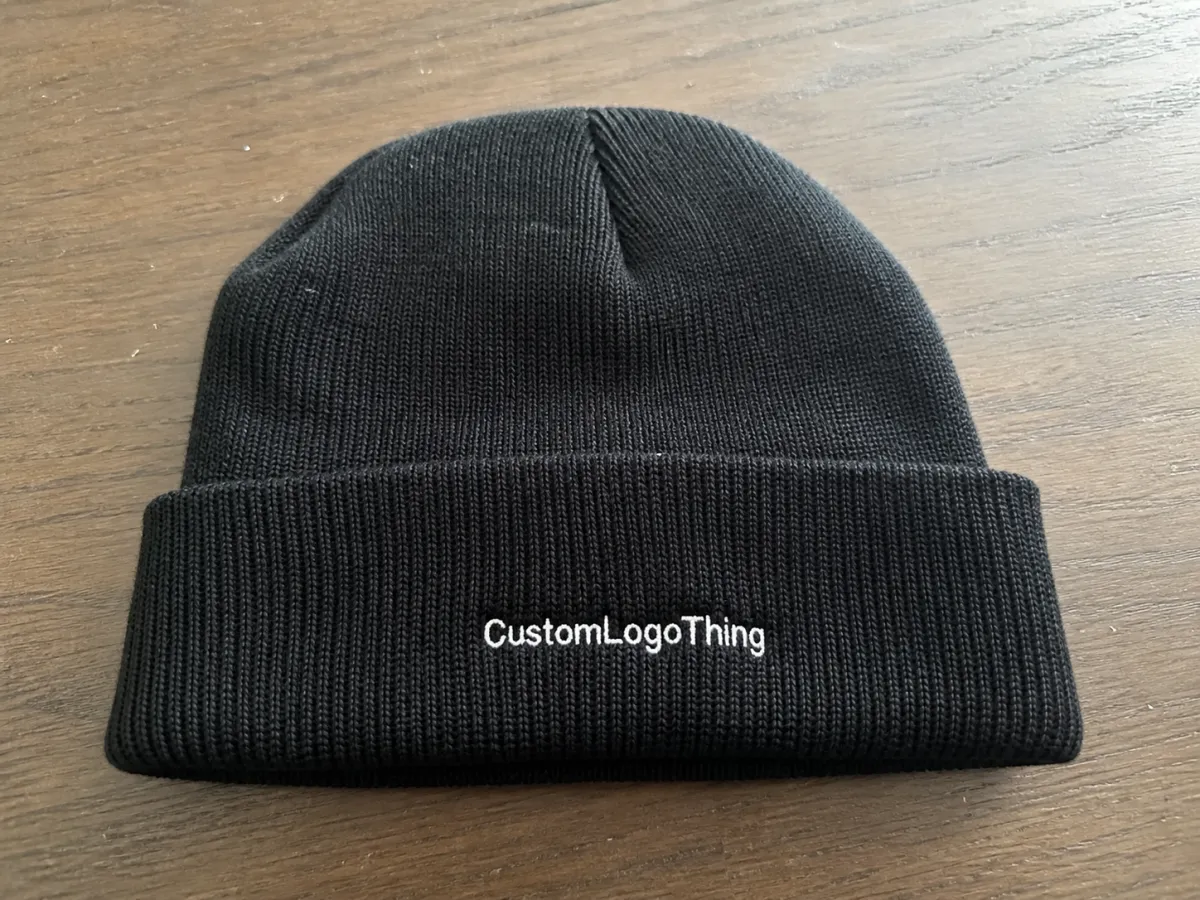
The easiest way to think about a proof is this: it turns a brand idea into a controlled set of instructions. For a skincare beanie, the proof should show the beanie color, cuff style, logo artwork, patch shape, patch dimensions, material, decoration method, placement, and any notes about tolerance. If one of those details is vague, production has to interpret it, and interpretation is where small surprises usually begin.
A skincare Logo Patch Beanies digital proof checklist gives founders, spa buyers, estheticians, merch managers, and marketing teams a repeatable review process. Rather than approving because the mockup “looks nice,” you check the file in a buyer-friendly order: artwork first, material second, placement third, written specs fourth, cost and timeline last. That order catches most of the real problems.
The proof is often the final clean moment to catch a mismatch. Maybe the logo was supplied as a low-resolution PNG instead of vector art. Maybe the beanie is a warm oatmeal acrylic, while the patch is a cooler ivory faux leather. Maybe the patch width increased from 2.25 inches to 2.75 inches during quoting, which changes both the look and possibly the unit cost. None of these issues is dramatic by itself, but together they can make a refined skincare accessory feel slightly off.
Proofing rule: approve the proof only after you can explain the size, material, color, placement, and production method without guessing.
Custom Logo Things works with branded merchandise where small details affect the finished impression, especially on wearable items that stretch, fold, wash, and get photographed. If your team is still choosing between embroidery, woven labels, faux leather, PVC, or printed patches, reviewing available Manufacturing Capabilities before final proofing can make the decision much clearer.
How Digital Proofs Turn Beanie Ideas Into Production Specs
A strong proof starts with clean inputs. Ideally, the buyer supplies a vector logo file such as AI, EPS, or clean PDF, plus brand color references. Pantone numbers are helpful for printed or PVC components, while thread charts and yarn swatches are more realistic for embroidery and knit goods. A skincare brand may describe its palette as “cream, sage, and clay,” but production needs something more measurable than mood words.
The product choices matter just as much as the logo file. A cuffed acrylic beanie with a 3-inch fold gives you a different decoration area than a slouchy rib knit or a fisherman-style beanie with a shorter cuff. Patch type also changes the proof. Woven labels can hold fine detail well, embroidered patches add a soft textile character, faux leather patches give a warm retail look, PVC patches can work for outdoor promotions or bolder spa events, and printed patches help when gradients or delicate artwork must be preserved.
The proof should show a front view with the patch location clearly marked. Good proof notes usually include patch dimensions, logo position, beanie color, patch material, border treatment, and any special finishing. Examples include merrowed borders, satin stitch edges, laser engraving, debossing, die-cut corners, heat application, or sewn attachment. If those details are not written down, ask for them before approval.
A digital proof and a physical sample do different jobs. The proof confirms layout and specifications. A sample confirms hand feel, patch stiffness, stretch behavior, real color interaction, and wearability. That distinction matters for premium skincare merchandise because a patch can look balanced on a flat mockup yet feel too rigid on a soft rib knit once it is worn.
Read the notes as carefully as the image. Placement tolerances, color disclaimers, stitch approximations, and size labels are often sitting in the annotation area, not on the main artwork. Many production tolerances are normal; for example, a sewn patch placement tolerance of roughly 1/8 inch to 1/4 inch is common depending on the item and fixture. The key is knowing what you are accepting.
Key Artwork, Patch, and Beanie Details to Check Before Approval
Start with logo legibility at actual size. Not enlarged. Not zoomed to 300 percent. Actual patch size. Skincare logos often include thin botanical lines, small ingredient icons, delicate serif type, script lettering, or soft tonal marks. A design that looks elegant on a carton or serum label may need simplification to read cleanly on a 2-inch patch.
Patch size is a practical decision, not just a design preference. A compact cuff beanie may look best with a patch around 1.75 to 2.25 inches wide, while a wider cuff or slouchy style may carry a 2.5 to 3-inch label more comfortably. Oversized patches can buckle, feel stiff, pull against the knit, or overpower the subtle look many skincare brands want. One of the more common merch mistakes is making the logo bigger for visibility, then losing the premium restraint that made the brand attractive in the first place.
Placement needs the same discipline. Check whether the patch is centered on the front cuff, offset to one side, positioned on the folded cuff, or placed higher on the crown. A patch sitting 1/2 inch from the cuff edge reads differently than one sitting 1 inch up. Also consider how the beanie looks on a head, not only laid flat on a proof. Knit stretches horizontally during wear, and that can change the perceived patch shape.
Color approval deserves patience. Compare the yarn color, patch base, logo color, and border color against your brand standards. A cream acrylic yarn, ivory woven label, beige thread, and warm white logo may all sound related, but they can reflect light differently. Screen displays add another layer of uncertainty. For critical color work, ask for Pantone references, thread codes, yarn descriptions, or material swatches where available.
Material compatibility affects both appearance and use. A heavy faux leather patch on a lightweight rib knit can feel stiff. A rough patch edge can irritate skin near the forehead. Tonal engraving on dark leatherette may be beautiful in a close product photo yet too subtle from 4 feet away. A flexible woven label may suit a soft spa uniform beanie better than a thick dimensional patch.
Care and durability should not be treated as afterthoughts. Ask whether the patch is sewn, heat-applied, or otherwise attached; whether edges may curl after washing; and whether the decoration method suits the intended use. If these beanies are for a holiday mailer, wear may be light. If they are for spa staff, outdoor pop-ups, or retail resale, durability standards are higher. Packaging tests such as those from ISTA are more shipping-focused than apparel-focused, but the same mindset applies: the product has to survive real handling, not just look good on a screen.
Process and Timeline From Proof Request to Finished Beanies
The typical order flow is straightforward when the details are ready. Choose the beanie blank or custom knit style. Submit logo files and color references. Confirm patch type, size, and placement. Receive the first digital proof. Request revisions if needed. Approve the final proof. Then production can move into patch making, sewing or application, inspection, packing, and shipping.
The proofing stage is fastest when the buyer supplies clean vector art, clear placement preferences, brand colors, and one decision maker who can approve the file. A first proof may take 1 to 3 business days depending on complexity and queue. Revisions often take another 1 to 2 business days. Those are normal working ranges, not guarantees, because patch technique, artwork cleanup, and seasonal volume can shift timing.
Revision cycles should have purpose. One round may reduce the patch width from 2.75 inches to 2.25 inches. A second round may compare faux leather with a woven label. After that, repeated changes can start affecting the production plan. If a proof has already been approved and then the team changes the patch material, the supplier may need to restart artwork prep, adjust setup, reorder components, or revise the schedule.
Timeline variables are real. Stocked blank beanies usually move faster than custom-knit beanies. A simple woven label may be quicker than a multi-color embroidered patch with dense stitching. Faux leather engraving and die cutting can be efficient, but custom shapes may add setup. PVC patches may require mold considerations. Peak cold-weather demand can add pressure, especially for larger quantities or individual retail packing.
As a practical range, many decorated beanie orders using stocked blanks may land around 12 to 20 business days after final proof approval, depending on quantity, patch method, and capacity. Custom knit programs, sampling, special packaging, or larger rollouts can require more time. If your launch kit, influencer mailer, holiday drop, or spa staff uniform program has a fixed delivery date, approval timing is part of the production schedule, not a small administrative detail.
A careful 20-minute proof review can prevent several days of rework, especially if patches have already been woven, engraved, embroidered, or cut.
Cost, Pricing, MOQ, and Unit Cost Factors in Proof Approval
The proof is often where cost assumptions become visible. Patch type, size, color count, stitch complexity, attachment labor, beanie style, packing method, and quantity all influence the final quote. A buyer may think they approved “a logo patch,” but production sees a specific material, size, border, decoration process, and sewing requirement.
Here is a practical comparison of common patch options. These ranges are broad because order quantity, artwork, freight, and supplier setup all matter, but they help frame the discussion before approval.
| Patch Type | Best Use | Typical Cost Influence | Proofing Watchout |
|---|---|---|---|
| Woven label patch | Fine type, clean icons, minimalist skincare marks | Often efficient at 250+ pieces; color count and size still matter | Very thin lines may need simplification for crisp weaving |
| Embroidered patch | Soft textile feel and classic merch styling | Can rise with stitch count, size, fill area, and border | Small serif type and delicate leaves may fill in |
| Faux leather patch | Warm retail look, neutral palettes, giftable programs | Engraving, die cutting, patch size, and sewing affect cost | Tonal engraving may be lower contrast than expected |
| PVC patch | Outdoor promos, bolder marks, dimensional branding | May include mold or setup cost; better spread across larger runs | Not always the right feel for soft spa or premium skincare use |
| Printed patch | Gradients, small color shifts, delicate artwork | Print coverage, substrate, and finishing drive pricing | Durability and wash expectations should be confirmed |
Minimum order quantity depends on the decoration method and product route. Stocked blank beanies with a standard patch may have lower minimums than fully custom knit beanies. Custom yarn colors, special knitting, molded PVC, or unusual patch materials can push minimums higher. For boutique skincare launches, the best decision is not always the lowest unit price; sometimes 100 to 250 carefully made pieces are smarter than 1,000 units that tie up cash and storage.
Unit cost improves as setup and patch production costs spread across more pieces. A small run may carry setup, artwork, or sample fees that feel heavy per unit, while a 500-piece or 1,000-piece order can absorb those costs more easily. Depending on materials and complexity, custom decorated beanies can range from value-focused promotional pricing to premium retail-style costs. Ask for line-item notes rather than relying on one total number.
Proof details can quietly change pricing. Adding a merrowed border, increasing patch dimensions, switching from one-color to multi-color artwork, choosing retail hang tags, requesting individual polybags, or adding branded packaging may affect the quote. If sustainability claims matter to your brand, ask whether paper tags, recycled-content packaging, or FSC-certified paper components are available; the Forest Stewardship Council is a useful reference for responsible paper sourcing.
Before you approve, confirm whether the quote includes setup charges, sample fees, shipping estimates, rush fees, packaging, and revision-related cost changes. A good skincare Logo Patch Beanies digital proof checklist should protect the budget as well as the artwork.
Common Proofing Mistakes That Make Skincare Beanies Look Off
The first mistake is approving the general appearance without checking measurements. A patch can look balanced on a digital mockup and still sit too low once the cuff folds, stretches, or rolls slightly during wear. If the proof states a 2.5-inch-wide patch placed 3/4 inch above the cuff edge, read that as a real manufacturing instruction, not decoration text.
Tiny logo details are another trouble spot. Thin strokes, registered marks, delicate leaves, facial icons, and ingredient-inspired line art can disappear or fill in depending on the patch method. Embroidery has thread thickness. Weaving has yarn limits. Engraving has contrast limits. Printing has substrate limits. Every process has boundaries, and respecting those boundaries usually makes the finished beanie look more expensive, not less.
Color mistakes happen because neutral palettes are harder than they look. A cream beanie, ivory patch, beige thread, and warm white logo may not match perfectly, even if the proof looks calm on screen. This depends on materials, lighting, screen calibration, and available thread or yarn ranges. If close matching is critical, ask for physical references or accept a written tolerance before approving.
Ignoring proof notes is a classic buyer-side problem. The note area may state “thread color closest available,” “placement may vary by 1/4 inch,” “patch size 2.25 inches wide,” or “debossed logo only, no ink fill.” Those notes are not filler. They are part of the agreement.
Late stakeholder feedback can also create expensive friction. If the founder, designer, purchasing lead, or retail partner sees the proof only after approval, brand concerns become schedule problems. Confirm who has final authority before sending approval. One clear approver is faster than five people responding at different times with partial comments.
Do not approve from a phone only. Mobile screens hide fine print, distort color, and make scale hard to judge. Review the file on a larger screen, zoom in to inspect artwork, then zoom out to judge the total beanie. If possible, print the patch area at actual size and place it against a beanie or folded fabric. It is a low-tech step, but it catches real issues.
Next Steps Before You Approve the Final Beanie Proof
Before approving, slow the review down just enough to be useful. Print or view the proof at actual size if possible. Compare the logo to brand guidelines. Check every written spec. Confirm patch material, dimensions, border treatment, beanie color, quantity, packing method, and ship timing. If you are ordering multiple beanie colors, make sure each colorway has its own clear proof or clearly labeled variation.
Specific comments work better than broad feedback. Instead of saying, “Make the patch smaller,” ask to reduce the patch width from 2.75 inches to 2.25 inches. Instead of “move it up,” ask to raise placement by 1/4 inch on the cuff. Instead of “make it more on brand,” provide a Pantone number, thread reference, or approved logo file. Production teams can act on measurable notes.
Ask for a pre-production sample if the project involves a new material, subtle tone-on-tone branding, premium retail placement, or a large quantity where hand feel matters. A sample adds time and cost, but it can be the right insurance for a launch that depends on texture, color, and customer impression. Not every order needs one. Many straightforward stocked-blank programs can move confidently from digital proof to production. The risk level should guide the decision.
Keep the approved proof, quote, invoice, and shipping timeline together. Reorders get much easier when everyone can reference the same patch size, material, thread or color callouts, beanie style, and placement. If you expect to repeat the item seasonally, ask the supplier to identify the decoration specs clearly so the next run starts from known information rather than memory.
If your team is still narrowing the production route, review Manufacturing Capabilities and compare how each decoration method supports your logo style, budget, and delivery date. The best choice is usually the one that protects logo clarity, feels right in the hand, and can be produced consistently at the quantity you need.
The checklist is not extra paperwork. It is the buyer’s last clean chance to protect logo clarity, material feel, cost expectations, and delivery timing before production begins. Use it carefully, and your finished beanies have a much better chance of looking intentional, polished, and right for the skincare brand they represent.
FAQ
What should I look for first on a skincare logo beanie digital proof?
Start with the logo at actual patch size. Then check patch placement, beanie color, patch material, artwork color, dimensions, and written production notes before judging the overall style. The first pass should be technical; the second pass can be aesthetic.
Can a skincare logo patch beanie proof show exact colors?
A digital proof can show intended colors and references, but screen color is not exact. Use Pantone, thread, yarn, or material references when color matching is critical for a skincare brand palette, especially with cream, ivory, beige, sage, blush, or other soft neutrals.
Do I need a physical sample after the digital proof checklist is approved?
A sample is wise for premium launches, subtle tone-on-tone branding, unfamiliar patch materials, or larger orders. It confirms texture, stiffness, stretch, edge feel, and real-life color interaction in a way a digital proof cannot.
How does patch choice affect the cost of custom skincare beanies?
Cost changes with patch type, size, color count, stitch density, engraving or mold setup, attachment labor, order quantity, beanie style, and added packaging such as hang tags or individual bags. The proof should match the quoted construction exactly.
How many revisions should I expect for logo patch beanies?
Many clean projects need one revision or none. Allow extra time if you are comparing patch materials, adjusting exact placement, simplifying detailed artwork, or waiting on several brand approvals. A focused skincare Logo Patch Beanies digital proof checklist keeps those revisions from drifting.