Soap Pom Pom Beanies Unit Cost Review: What Buyers Miss
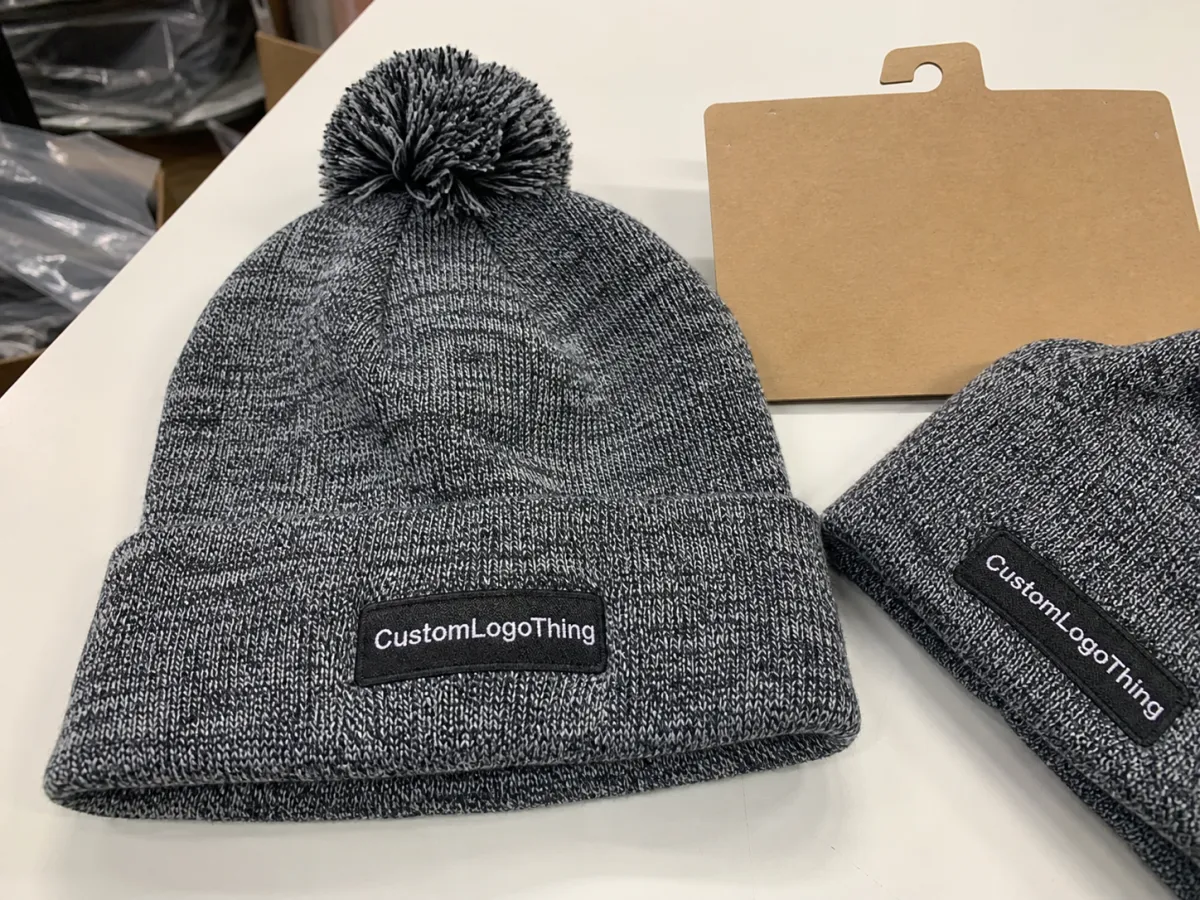
The pom pom is rarely the expensive part. A useful soap Pom Pom Beanies unit cost review looks past the top-line price and asks a more practical question: which materials, decoration choices, packing methods, and timelines make sense for the way the beanie will actually be sold, gifted, or bundled?
Most cost creep comes from quiet details buyers skip too quickly. Yarn weight. Logo method. Patch setup. Thread colors. Individual packing. Freight. Whether the order needs a retail-ready finish or a simple winter giveaway with a logo on the cuff. Those are not the same product, even if both are called custom Pom Pom Beanies on a quote sheet.
Soap makers, wellness brands, spa gift box sellers, winter market vendors, and subscription box teams often like branded Pom Pom Beanies because they do several jobs at once. They add warmth, carry the brand in public, and make a soap or self-care bundle feel more substantial without adding another glass jar, dropper bottle, or fragile item to the package.
If the goal is the lowest possible unit cost, the formula is fairly plain. Use a standard acrylic beanie, choose an existing yarn color, keep the artwork simple, avoid oversized patches, limit thread colors, and place the order early enough to avoid rush freight. Not glamorous, but it works.
The better buying question is not, “What is your cheapest beanie?” It is, “What spec gives me the right cost per piece for my sales channel?” A beanie included in a $75 holiday self-care box can justify a softer yarn, a woven patch, and a clean folded presentation. A staff giveaway for a winter pop-up probably cannot carry the same upgrades without straining the budget.
This review covers the product decisions that affect cost, the quote details suppliers need, realistic MOQ logic, production timing, quality checks, and the buyer mistakes that make a low quote more expensive after the order is already moving.
Buyer reality: A cheap beanie can become expensive fast if it arrives scratchy, late, crooked, poorly packed, or too bulky to fit inside the gift box it was supposed to complete.
Product Details That Change the Final Beanie
A standard custom pom pom beanie starts as a cuffed knit hat with a pom pom attached at the crown. That sounds simple. In practice, the finished piece can range from basic promo merch to a boutique retail accessory depending on yarn, knit density, cuff height, logo method, pom style, packaging, and finishing.
Acrylic is the most common material because it is cost-effective, widely available, color-stable, and familiar to decorators. It works well for bulk promotions, employee apparel, event giveaways, and seasonal gift programs. Acrylic-wool blends feel warmer and more premium, though they raise price and may require clearer care labeling. Recycled yarn can support sustainability-focused positioning, especially for natural soap brands already using recycled cartons, kraft belly bands, or FSC-certified paper. For packaging claims tied to forest-based materials, buyers should understand certification basics from the Forest Stewardship Council rather than treating “eco” as a decoration style.
Color choice matters more than many buyers expect. Soap and personal care brands often look better in softer, grounded palettes: cream, oatmeal, charcoal, forest, clay, blush, navy, heather gray, and muted seasonal tones. These shades sit comfortably next to kraft soap boxes, botanical labels, apothecary-style wrappers, and winter gift packaging. Neon orange or electric blue can work for sports, school spirit, and high-visibility promotions. For a handmade soap bundle, they usually fight the rest of the presentation.
Decoration drives both appearance and price. Direct embroidery is durable and clean for simple icons, short text, and bold marks. It can struggle with tiny lettering, gradients, delicate linework, or long taglines because thread has physical thickness and the cuff stretches. Woven patches handle more detail, smaller lettering, and multi-color logos better than direct embroidery. Leatherette patches create a warmer boutique look with debossed or laser-marked artwork, although color choices are limited and the style works best with simpler marks. Embroidered patches add texture and can make the beanie feel more finished while keeping complex artwork more controlled than stitching it directly into knit fabric.
The pom pom itself has choices too. Standard pom poms are often around 3 to 4 inches across. Buyers may request solid color, two-tone, tri-color, tonal, oversized, or detachable styles. Detachable pom poms can increase cost, but they help with washing and may improve retail perception. Paid merch can often support that detail. A one-day giveaway may not need it.
Cuff style controls logo visibility. Center-front cuff placement is the default because it photographs well, works in retail displays, and makes the brand mark easy to see. Side cuff branding feels quieter and more premium. Back labels can carry fiber content, SKU details, or a smaller brand mark, but they add another component and another handling step.
Packaging is part of the product whether it appears as a separate line item or not. Options include bulk packing, individual polybags, paper belly bands, hang tags, branded insert cards, folded retail presentation, or gift-box-ready packing. Each added touch affects labor, carton count, freight volume, and the final landed cost.
The right spec depends on use case: merch table item, gift-with-purchase, staff apparel, influencer mailer, subscription box insert, or premium customer reward. Start there. A single beanie design cannot serve every channel equally well without either overspending on low-value orders or underbuilding the pieces customers are expected to buy.
Specifications to Lock Before Requesting a Quote
Price shopping without specs produces messy comparisons. One supplier may quote a lighter acrylic beanie with bulk packing, while another includes a woven patch, individual bagging, and freight. On paper, the first number looks better. In use, it may not be the same item at all.
Build a simple spec sheet before requesting bulk pricing. It does not need to be elaborate, but it does need to be clear enough that every vendor is quoting the same product.
- Beanie style: adult cuffed pom pom beanie, slouch style, rib knit, cable knit, or another defined construction.
- Material: standard acrylic, acrylic-wool blend, recycled yarn, or softer premium yarn.
- Fit details: adult sizing, cuff height, approximate beanie length, knit weight, and stretch expectations.
- Pom details: size, color, pattern, tonal match, contrast color, or detachable construction.
- Logo details: decoration method, logo size, placement, number of colors, and available artwork format.
- Packaging: bulk packed, individually bagged, belly banded, hang tagged, folded, or retail-ready.
- Logistics: quantity, delivery location, required in-hands date, and any kitting or box-fit requirements.
Common measurement ranges help set expectations. Adult cuffed beanies often run about 8 to 9 inches when worn cuffed, though patterns vary. Cuff heights commonly sit around 2.5 to 3.5 inches, depending on logo size and fit. Standard pom poms are often 3 to 4 inches across. Branded patches usually land around 2 to 3 inches wide. For cost and clarity, one to three logo colors is usually easier to manage than a complex full-color mark.
Material choice carries real tradeoffs. Acrylic is the practical workhorse. Acrylic-wool blends feel warmer and more giftable. Recycled yarn can support a better sustainability story when the claim is documented. Ultra-soft yarns may fit spa and self-care buyers, but they can raise cost per piece enough that the retail price or gift bundle value has to support the upgrade.
Decoration deserves the same discipline. Embroidery is familiar, durable, and efficient for bold artwork. Woven patches are better for detailed brand marks and smaller lettering. Leatherette patches suit simple logos and warm retail styling. Printed labels are thinner and often cheaper, but they lack the texture and perceived value of a patch or embroidery.
Color matching is another common source of surprise. Exact Pantone matching in yarn is not the same as matching ink on a printed soap box. Standard yarn colors are faster, cheaper, and easier to repeat. Custom dyed yarn may be possible at higher quantities, but it can add lead time, MOQ pressure, lab dips, and extra cost. If the brand color is non-negotiable, say so early. If a close commercial match is acceptable, say that too.
Artwork quality affects speed. Vector files such as AI, EPS, or clean PDF artwork are preferred. Low-resolution screenshots, fuzzy social media logos, and rough Canva exports slow the quote and artwork approval process. They also increase the odds of a simplified logo being needed before production can move forward.
For a clean comparison, ask each supplier to price the same quantity, yarn, decoration method, logo size, packaging, delivery terms, and deadline. Otherwise, the lowest visible unit price may simply be missing costs that another supplier has already included.
Unit Cost, Pricing, and MOQ Ranges for Bulk Orders
Unit cost depends on quantity, yarn, knit complexity, decoration method, patch type, logo color count, packaging, shipping method, and timeline. A low base beanie can become expensive once every small branding request is added as a separate component.
Basic acrylic pom pom beanies with simple embroidery usually sit at the lower end of the range. Premium yarns, woven patches, custom pom colors, individual packaging, hang tags, belly bands, and rush air freight push pricing upward. Those upgrades are not automatically wasteful. They simply need a reason tied to the selling price, the gift value, or the customer experience.
For planning, small custom runs often begin around 100 to 250 pieces when using standard colors and simple decoration. Better unit economics usually appear around 500 to 1,000 pieces. Stronger custom options and sharper pricing tend to open at 2,000 pieces and above, especially if custom yarn colors, custom pom patterns, retail tags, or private-label packing are involved.
| Order Range | Typical Fit | Common Spec | Cost Behavior |
|---|---|---|---|
| 100-250 pieces | Small merch test, pop-up event, staff gift | Standard acrylic, simple embroidery, bulk packing | Higher cost per piece because setup and handling spread across fewer units |
| 500-1,000 pieces | Holiday bundle, subscription box, regional retail drop | Standard or upgraded yarn, patch option, individual polybag | Better bulk pricing and more practical decoration choices |
| 2,000+ pieces | National campaign, larger retail program, private-label merch | Custom colors, custom pom pattern, retail tags, coordinated packing | Sharper unit cost with more room for custom components |
Common adders include digitizing, patch setup, sample fees, tooling fees, custom labels, hang tags, belly bands, cartons, freight, duty, and rush production. Some charges are one-time costs. Others repeat on every order. Some suppliers bury them inside the unit price, while others list them separately. Ask what is included before comparing a bare unit price to a landed quote.
The practical buying logic is straightforward. Spend more for paid retail, VIP gifting, subscription boxes, or high-margin soap bundles where the beanie helps raise perceived value. Stay basic for giveaways, employee wear, and short seasonal campaigns. A $6 difference matters if the item is free. It matters less if the beanie helps sell a $58 winter self-care kit and supports the margin.
Ask for good-better-best pricing. A basic embroidered cuff version shows the lowest practical path. A premium patch version shows what stronger branding costs. A retail-ready packaged version shows the full landed picture for gift sets, holiday boxes, and merch tables. That structure keeps the buying decision grounded in visible choices instead of vague language about premium feel.
Production Process and Timeline from Sample to Delivery
Custom beanie production has more steps than many buyers expect. The usual flow is quote request, spec confirmation, artwork review, digital mockup, sample or pre-production approval, bulk knitting, decoration, finishing, packing, quality control, shipping, and delivery.
Mockups often take a few business days once specs and artwork are complete. Samples may take one to three weeks depending on yarn, patch type, decoration method, and whether the sample uses actual production materials. Bulk production usually takes several weeks after approval, then shipping adds time based on freight method, destination, customs, and seasonal congestion.
Air freight is faster and more expensive. Ocean freight is slower and usually better for larger planned orders. If a buyer needs beanies for a holiday market next week, ocean freight will not save the schedule. Rush production and air freight may help, but they often erase the savings buyers hoped to get from ordering overseas or adding custom details.
Approval delays cause many missed dates. Late artwork, unclear logo placement, internal debates over yarn color, changing the patch after sampling, and slow purchase order approval can burn a week before production starts. The production schedule cannot absorb endless revisions without affecting cost, delivery, or both.
Seasonal orders need padding. Winter accessories should not be sourced like last-minute business cards. Build in time for sampling, revisions, customs clearance, weather delays, receiving, inspection, kitting, and shipping to stores or customers. If the beanie goes inside a soap gift box, the kitting schedule matters as much as the beanie delivery date.
A reliable supplier should provide written specs, artwork mockups, sample photos when applicable, production updates, carton details, and shipping estimates before the order gets too far to adjust. Larger programs that move through parcel networks may also reference transit and packaging test concepts from the International Safe Transit Association, especially when beanies are packed with soap, jars, candles, or other items that shift in transit.
Share the real in-hands date, not just the event date. Receiving 1,000 beanies the morning of a market is not a successful delivery if someone still has to open cartons, inspect units, fold hats, kit soap bundles, label boxes, and move product to the selling location.
Quality Checks and Mistakes That Raise Your Real Cost
The cheapest quote can become the most expensive option when beanies arrive with warped logos, thin cuffs, inconsistent pom poms, scratchy yarn, or packaging that looks damaged before the customer ever touches it.
Quality checks should cover yarn softness, stretch recovery, cuff height, logo centering, thread density, patch stitching, pom attachment strength, color consistency, loose threads, odor, packaging condition, carton count, and carton labeling. For retail and subscription box programs, also check how the folded beanie looks after sitting in packaging for several days. Some knits recover well. Others crease, flatten, or make the pom look tired.
Logo sizing is one of the easiest places to make a costly mistake. Small serif type, detailed illustrations, thin lines, gradients, and long taglines rarely translate well into embroidery. A simplified mark often looks more expensive than a full brand lockup squeezed onto a cuff. If the customer cannot read it from a few feet away, the extra detail is not helping.
Patch placement needs attention too. A patch that looks centered on a flat mockup may sit slightly off once the cuff stretches around a head form. Ask how placement is measured and whether approval photos will show the beanie folded and worn-style, not just lying flat on a table.
Soap brands also have a packaging issue that apparel buyers may miss: scent transfer. If the beanie ships inside a bundle with fragrant soap, bath salts, candles, or body oil, consider odor absorption, lint, moisture protection, and direct contact between the knit item and boxes, wraps, jars, or tins. A faint lavender note may be acceptable. A beanie that smells like twelve competing essential oils after a humid week in a mailer is less appealing.
Moisture matters for another reason. Soap can release fragrance and humidity depending on cure time, wrapping method, and storage conditions. Knit goods should not be packed against damp product, oily tins, or loosely wrapped bars. A simple barrier, individual bag, belly band, or separate compartment can prevent a small packing shortcut from becoming a return issue.
Over-customization at low quantity is another budget killer. Custom yarn, complex patches, special labels, belly bands, retail cards, and custom cartons can make sense at scale. At small volume, they punish the unit cost. Put the money where customers notice it first: softness, clean logo execution, good color, proper folding, and packaging that protects the product without looking excessive.
For retail merch, request photos or a physical sample before full production. Photos can confirm logo placement, cuff height, pom size, patch scale, and general color direction. A physical sample gives better feedback on handfeel, stretch, warmth, and perceived value. Not every giveaway needs a sample. Paid merch usually does.
Custom Logo Things is most useful when the buyer wants practical cost control rather than decoration for decoration’s sake. Decoration feasibility, MOQ fit, setup charges, packaging options, freight, and production timing all affect the real cost. Your customer can feel a better yarn. They may notice a crooked patch immediately. They probably will not care about a custom carton if it gets thrown out in four seconds.
How to Get a More Accurate Beanie Quote
Accurate quotes come from accurate information. Before requesting pricing, choose a target quantity, preferred beanie color, yarn level, logo method, logo size, packaging style, delivery ZIP or port, and deadline. If any of those details are flexible, say which ones can move and which ones cannot.
Send vector artwork when available. Include brand color references, sample photos, existing merch examples, soap box dimensions, and any retail packaging that needs to coordinate with the beanie. If the item must fit inside a mailer or subscription box, provide inside dimensions and weight limits. A folded knit hat can take up more room than expected, especially with a firm pom pom and individual packaging.
- Pick a quantity range such as 250, 500, 1,000, or 2,000 pieces.
- Choose standard yarn colors first unless custom dyeing is truly needed.
- Select embroidery, woven patch, leatherette patch, embroidered patch, or printed label.
- Confirm whether packaging is bulk, individual, belly banded, hang tagged, or retail-ready.
- Share the real in-hands date and final delivery location.
Ask for two or three quote versions instead of one vague number. A basic embroidered cuff version shows the lowest practical route. A premium patch version shows what stronger branding costs. A retail-ready packaged version shows the full landed picture for gift sets, holiday boxes, or merch tables. With those options side by side, budget decisions become less emotional and more operational.
Be direct about budget. A supplier can work backward from a target landed cost only if the number is clear. If the budget is $7 per unit landed, say that. If the retail target is $28 and the beanie needs to support a 50% margin, share that context. Hiding the number usually produces a quote nobody can approve.
A focused soap Pom Pom Beanies Unit Cost review keeps the buying process tied to the details that actually move price: MOQ, yarn, logo method, patch complexity, packaging, freight, and deadline. It also helps prevent the most common buying trap: chasing the lowest visible unit price, then discovering the missing setup charges, rushed shipping, weak decoration, or box-fit problem after the order is already committed.
The best beanie spec is not always the most expensive one. It is the one that fits the product’s role. A merch table beanie needs enough quality to justify its price. A subscription box insert needs to look intentional beside the soap and survive packing. A staff giveaway needs to be wearable, clean, and on time. Once that role is clear, the cost review becomes much easier to manage.
FAQ
What affects soap pom pom beanies unit cost the most?
The biggest drivers are order quantity, yarn type, logo method, patch complexity, packaging, shipping method, and timeline. Custom yarn colors, retail packaging, detailed patches, and rush freight can raise cost quickly. For the cleanest comparison, ask suppliers to quote the same specs, same quantity, and same delivery terms.
What is a realistic MOQ for custom pom pom beanies?
Small runs may start around 100 to 250 pieces when using standard beanie colors and simple decoration. More custom options usually make better sense around 500 to 1,000 pieces. Fully custom yarn colors, custom pom patterns, and private-label packaging often require higher MOQs because sourcing, setup, and production need enough volume to be efficient.
Is embroidery or a patch better for branded soap beanies?
Embroidery is strong for simple logos, short text, and clean icons. Woven or embroidered patches are better for detailed marks, boutique retail styling, and higher perceived value. Leatherette patches can look premium, but they limit color and work best with simple artwork.
How long does custom pom pom beanie production usually take?
Plan for mockup approval, sampling if needed, bulk production, decoration, quality control, packing, and shipping. Simple repeat orders move faster than new custom builds with patches, labels, and special packaging. Seasonal orders should start early because winter demand, freight delays, and slow approvals can stretch the schedule.
How can I lower the unit cost on soap brand pom pom beanies?
Use standard yarn colors, choose a simple logo method, keep packaging minimal, and increase order quantity when possible. Avoid tiny logo details, too many thread colors, oversized patches, low-volume custom yarn, and last-minute air freight. Good-better-best quote options can show where to cut cost without removing the details customers notice first.
Why should I use a soap pom pom beanies unit cost review before ordering?
A soap pom pom Beanies Unit Cost Review keeps the buying process focused on real quote drivers: MOQ, yarn, logo method, packaging, freight, and deadline. It helps buyers compare suppliers fairly instead of chasing the lowest visible unit price and discovering missing costs later.


