Beanies seem simple until 500 of them arrive in the wrong shade, the pom feels thin, or the cartons miss the event by two days. That is why book pom pom Beanies Bulk Order Planning belongs in the purchasing workflow, not at the edge of a rushed merch request.
A winter hat is usually a low-ticket item, but it can be worn 30, 50, or 100 times in public. That gives it more brand exposure than many disposable giveaways. From a buyer’s point of view, the carton count matters, but so do the yarn hand, fold consistency, logo method, packaging format, and whether the final order can be distributed without a repacking scramble.
Book Pom Pom Beanies Bulk Order Planning Starts With Demand Math
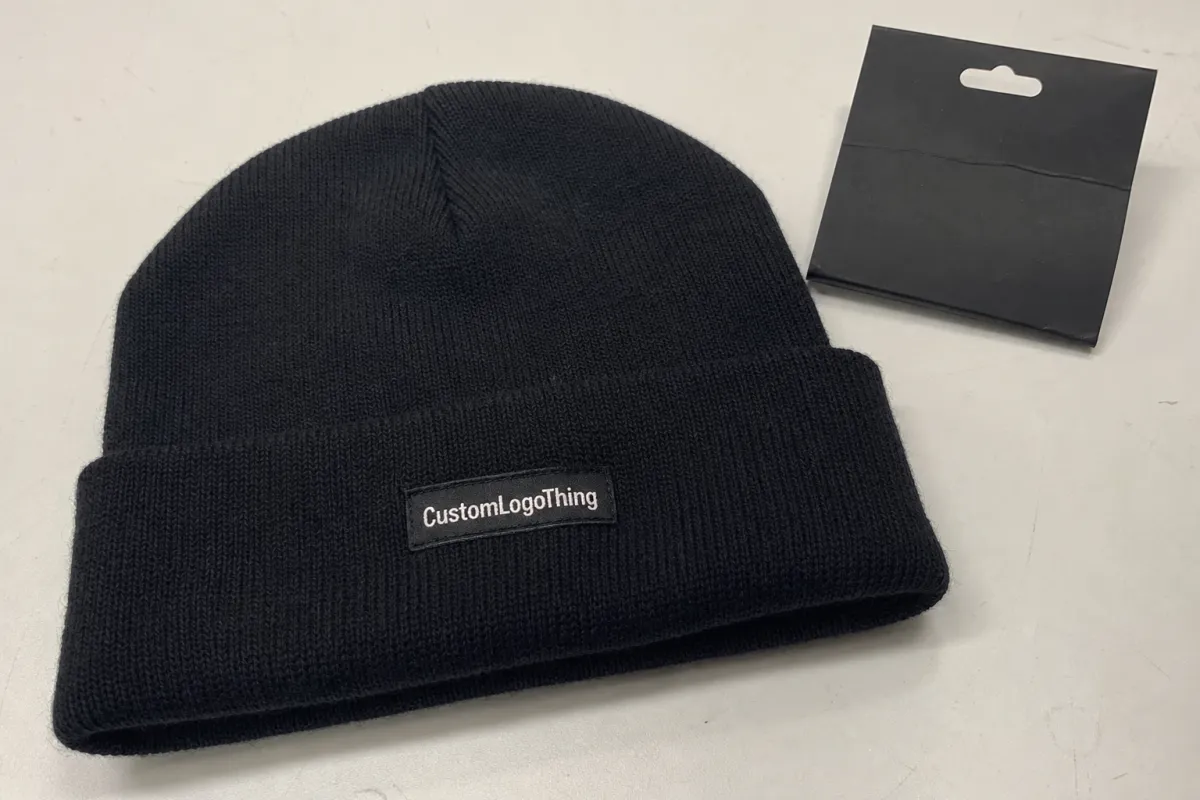
The first failure point is quantity. Not yarn. Not logo size. Quantity.
A buyer sees a 500-piece minimum and assumes 500 beanies will cover a staff gift, fundraiser, outdoor event, or winter retail drop. Sometimes that works. Often, the real requirement is higher once samples, internal approvals, late additions, replacement pieces, and location splits are counted.
Start with the audience number that actually needs product in hand. If 420 employees are eligible and 35 regional managers need samples before launch, the working number is already 455. Add a 5% to 10% buffer for damaged pieces, executive requests, photo samples, influencer kits, and last-minute additions. That takes the order to roughly 480 to 500 pieces before any public distribution begins.
Event math is different. A 2,000-person outdoor activation may not require 2,000 units if hats are reserved for early arrivals, paid registrants, VIP guests, or staff. In that case, 600 to 900 pieces may be more realistic. A retail program has another pattern: if a shop expects 65% sell-through in the first six weeks, it may need 300 units on shelf, 75 in backstock, and 20 to 30 reserved for photography, wholesale accounts, damaged packaging, and returns management.
Buyer reality check: Dead stock usually starts before production. It starts when color ratios, audience size, and distribution rules are guessed instead of calculated.
The cheapest order is rarely the safest order. The better order is the one where the style, material, decoration, packing plan, and deadline match the campaign.
Use case changes the specification quickly. Corporate gifting usually favors navy, charcoal, black, cream, or heather gray with a clean patch. Sports teams can carry louder contrast, two-tone poms, and oversized marks. Outdoor brands care more about warmth, stretch recovery, and yarn feel because the beanie may be worn in actual cold, not just photographed for a desk-drop announcement.
Build the order backward from the outcome: gifting, resale, uniforming, fundraising, or event merchandise. Custom Logo Things can help buyers compare those paths before production, especially when the order connects to a broader Wholesale Programs plan.
Product Details That Change Perceived Quality Fast
Recipients judge a beanie within seconds. They touch the yarn, look at the pom, stretch the cuff, and decide whether it feels like retail merchandise or a cheap promotional handout. That judgment is fast, and it is not always fair.
The visible components are straightforward: crown shape, cuff height, pom density, logo placement, and color balance. The hidden components carry just as much weight: yarn composition, knit gauge, stretch recovery, seam construction, and whether the beanie still sits cleanly after being worn for an hour.
Acrylic is common because it is warm enough for many campaigns, easy to care for, and usually cost-effective. Recycled acrylic blends can support sustainability messaging, although stock shade availability and color matching may be more limited. Wool blends add warmth and a more natural hand, but they raise unit cost and may require clearer care instructions. Fleece-lined constructions feel warmer and softer against the forehead, yet they add bulk and can change the fit.
| Material or Build | Typical Strength | Buyer Watchout | Best Fit |
|---|---|---|---|
| 100% acrylic knit | Cost control, wide color range, easy care | Can feel thin if yarn weight is reduced too far | Corporate gifts, events, staff merch |
| Recycled acrylic blend | Better sustainability story | Fewer available stock shades in some programs | Outdoor brands, eco-focused campaigns |
| Wool blend | Warmer feel and premium perception | Higher unit cost and care sensitivity | Retail drops, premium client gifts |
| Fleece-lined beanie | Extra warmth and comfort | More bulk; fit must be checked carefully | Cold-weather crews, resorts, outdoor teams |
Pom construction deserves more scrutiny than it usually receives. A sparse pom can make a decent hat look cheap. A dense pom, especially in a two-color or three-color build, can make a simple cuff logo feel intentional and retail-ready. The difference may be only a few cents to several dimes per unit, but visually it can be large.
Fit should be discussed before quoting. One-size adult beanies work for many bulk programs, but youth sizing, oversized slouch styles, deeper cuffs, and tighter athletic fits are not interchangeable. A 3-inch cuff feels different from a 4-inch cuff. A tall crown can look fashionable on one audience and sloppy on another.
Decoration options include direct embroidery, woven patches, embroidered patches, leatherette patches, PVC patches, and custom woven labels. Direct embroidery works well for bold marks. Woven patches handle fine detail. Leatherette patches add a retail signal but may not suit every brand voice. Good book Pom Pom Beanies bulk order planning starts with the audience and the artwork, then moves to the decoration method.
Specifications to Lock Before Sampling or Approval
A spec sheet is not paperwork for its own sake. It is the buyer’s defense against assumptions, especially when marketing, procurement, finance, fulfillment, and leadership all have a say in the final order.
Lock the basics first: beanie style, yarn composition, knit gauge, finished dimensions, cuff height, pom diameter, approximate unit weight, colorways, logo size, decoration method, and packaging format. If the order is going to a fulfillment center or retailer, add carton quantity, carton markings, barcode requirements, routing guide rules, and any labeling instructions.
Color deserves special attention because screens are unreliable. A navy seen on a laptop can read as royal blue under warehouse lighting, and cream can drift toward yellow if no physical reference exists. Pantone references help, but yarn is not ink on coated paper. For higher-risk orders, ask for yarn cards, lab dips, or physical samples. Color disputes are much easier to prevent than to fix after knitting.
Logo engineering is another early filter. Fine lines, gradients, tiny type, and complex crests may not translate cleanly into embroidery. A woven patch may solve small lettering. A simplified embroidery file may protect legibility. A leatherette patch can work beautifully for a bold one-color mark but fail on a detailed seal. The right answer depends on stitch count, patch size, artwork contrast, and the surface of the knit.
Placement tolerances should be realistic. Soft goods move. A patch centered on a folded cuff can shift visually when the cuff stretches on a head. Depending on construction and decoration method, a tolerance of roughly 1/8 inch to 1/4 inch may be reasonable, but the approved sample should define the target.
Packaging is part of the product experience and part of the cost. Individual polybags, belly bands, hang tags, barcode labels, size stickers, carton labels, and event kitting instructions all change the quote and production plan. The Forest Stewardship Council can be a useful reference if paper tags, bands, or retail boards need certified sourcing.
Approval discipline matters. Sign off on the artwork proof, pre-production sample, packing method, and shipping address before production starts. A late address change can trigger relabeling, re-cartoning, or freight re-quotes that cost more than expected.
Pricing, MOQ, and Unit Cost Variables Buyers Can Control
Bulk pom pom beanie pricing is driven by order quantity, yarn choice, decoration complexity, color count, sample requirements, packaging, and shipping method. That sounds obvious; the surprises sit inside the details.
Stock-decorated beanies often support lower minimum order quantities because the base hat already exists. A stock acrylic beanie with a standard embroidered patch may be practical at 100 or 250 units, depending on the supplier program and season. Fully custom knit patterns, custom-dyed yarn, private-label packaging, and multiple colorways usually require higher commitments because the setup burden is larger.
For directional budgeting, basic decorated acrylic pom beanies may fall in the low single-digit range at higher quantities, while premium builds with dense poms, woven patches, special packaging, or wool blends can move several dollars higher per unit. Freight, duties, and rush handling can shift the landed cost sharply. A $4.85 unit becomes a very different purchase after air freight, retail labeling, and event kitting are added.
Decoration choice affects both price and perceived value. Direct embroidery can be efficient for simple logos with limited colors. Woven patches often manage small type and crests better. Leatherette patches can raise perceived value, though they may add setup cost and may not suit very fine artwork. PVC patches are durable and bold, but they tend to feel more technical or sporty.
| Decision | Lower-Cost Path | Premium Path | Risk if Chosen Poorly |
|---|---|---|---|
| Colorways | One or two stock colors | Custom-dyed yarn or several team colors | Inventory imbalance and higher MOQ |
| Logo method | Simple direct embroidery | Woven, leatherette, or PVC patch | Unreadable art or inflated setup cost |
| Packaging | Bulk packed by color | Individual bags, tags, barcodes, kits | Repacking labor after delivery |
| Freight | Planned ground or ocean options | Rush air or split shipments | Freight cost can exceed product savings |
Buyers can often save money without making the beanie feel cheap. Reduce the number of colorways. Consolidate logo versions. Use standard packaging unless retail compliance requires more. Approve samples quickly. Ask for tiered quotes at 100, 250, 500, 1,000, and 2,500 units so procurement can see the real cost curve.
False economy is common in winter merch. Shaving pennies from yarn weight, pom density, or patch quality can make the final order feel weaker than the brand intended. The spreadsheet may look better, but the product can disappoint the moment someone picks it up.
Process and Timeline From Quote to Delivered Beanies
The buying sequence is predictable: inquiry, spec review, artwork check, quote, sample or proof approval, production, quality control, packing, shipping, and delivery confirmation. Delays usually happen because one of those steps is treated as informal.
A digital proof checks layout, logo size, thread colors, patch placement, and basic spelling. It does not prove yarn softness, pom density, cuff recovery, or overall fit. A physical pre-production sample does. For a 100-piece internal gift, a digital proof may be enough if the buyer accepts the risk. For a retail launch or a 1,000-piece event order, a physical sample is usually the cleaner decision.
Typical timing depends on the build. Stock beanies with standard decoration may move in roughly 7 to 15 business days after proof approval, depending on workload and decoration queue. Fully custom beanies can require several weeks, especially if yarn dyeing, custom patches, revised samples, or overseas production are involved. Holiday freight pressure can stretch every stage.
Book Pom Pom Beanies bulk order planning should include a delivery buffer. Do not schedule an event order to arrive the day before distribution. Weather, customs exams, carrier routing, missed delivery windows, and receiving delays are not controlled by the factory. A practical buffer may be 5 to 10 business days for domestic event use and longer for international freight or multi-location kitting.
Rush options exist, but they are not magic. Rush production may be realistic for stock blanks and simple embroidery. It is less realistic for custom yarn, complex patch builds, private labels, or multiple sample revisions. The tradeoff can be higher freight, fewer style choices, or less time for quality review.
Transport risk is easy to overlook because beanies are soft goods, not fragile glass. Still, carton compression, moisture exposure, incorrect labels, and split-shipment confusion can create costly receiving problems. For buyers managing formal distribution requirements, the International Safe Transit Association publishes protocols used across packaging and logistics.
Custom Logo Things can support the planning stage by flagging deadline risks early, asking for ship-to details before the purchase order, and identifying which parts of the specification are most likely to slow the job down.
Quality Checks That Prevent Bulk Order Surprises
Quality control for beanies is more than counting cartons. A shipment can have the right quantity and still be wrong.
Check fit consistency, decoration alignment, pom attachment, yarn flaws, color matching, and packing accuracy. Pull samples across cartons, not just from the first box opened. If the order includes three colorways, inspect all three. If the beanies are packed for multiple locations, confirm the split before shipment leaves production.
Soft goods have tolerances. A cuff may vary slightly. A pom will not be mathematically identical across all units. The goal is not laboratory perfection; it is controlled variation against an approved sample. That is why a golden sample matters. Keep one approved production sample on hand so the final run can be compared against it.
Common failure points include patch edges lifting, embroidery puckering, inconsistent cuff folds, weak pom stitching, incorrect carton labels, and mixed color ratios. These are not exotic failures. They are normal production risks, and a good process catches them before delivery.
Photo reports help. Random inspection helps more. A final packing check helps most when the order has retail labels, event kits, or warehouse routing instructions. A 1,000-unit order split into five delivery locations can become expensive if cartons are not marked clearly by color, quantity, and destination. Repacking labor can erase the savings from a lower unit price.
Inspection expectations should match the use case. If the hats are being sold in a premium retail environment, the defect tolerance should be stricter than for a one-day giveaway. That may affect cost. It is still cheaper than handling returns, exchanges, or internal complaints after launch.
Before You Place the Purchase Order
Before the purchase order is issued, confirm the commercial facts: quantity, delivery date, target unit cost, beanie style, colorways, logo file, decoration method, packaging, ship-to address, and approval contact. If any one of those is uncertain, the quote is less reliable than it appears.
Procurement teams should collect vector artwork when available, preferably AI, EPS, or PDF files with fonts outlined. Also gather brand color standards, retail labeling rules, barcode requirements, and any compliance needs for hang tags or packaging. If the order ships into a retailer, ask about carton labels and routing instructions before production begins.
Decide what the order is supposed to do. Gifting can tolerate a narrower size range but needs a premium feel. Resale needs better packaging, consistent finishing, and a clear cost of goods. Uniform orders need repeatability for reorders. Fundraising needs margin discipline. Event merchandise needs deadline protection above almost everything else.
For faster quote work, send quantity tiers, the in-hand date, logo file, preferred beanie colors, delivery ZIP code or destination country, and sample expectations. If budget is fixed, say so. A realistic target unit cost allows the quote to be built around material and decoration choices that can actually work.
Custom Logo Things can help compare stock-decorated and fully custom paths, review decoration fit, and identify practical cost breaks. Buyers can also review common ordering questions on the FAQ page before requesting a quote.
Book pom pom Beanies Bulk Order Planning works best when specifications are locked early, quote tiers are compared carefully, and sample approvals are not rushed. The strongest purchase orders give production enough detail to price accurately, build consistently, inspect honestly, and ship with enough time for the order to arrive before it is needed.
FAQ
What information is needed for a pom pom beanies bulk order quote?
Provide quantity, target delivery date, logo file, preferred beanie colors, decoration method, packaging needs, and shipping destination. If budget is fixed, share the target unit cost so the quote can be built around realistic material and decoration choices. For faster pricing, request tiered quantities such as 100, 250, 500, 1,000, and 2,500 units.
What is the typical MOQ for custom pom pom beanies?
MOQ depends on whether the order uses stock beanies with decoration or fully custom knit construction. Lower minimums are usually easier with stock colors and standard patches or embroidery. Higher MOQs are more common for custom-dyed yarn, private labeling, custom knit patterns, or multiple colorways.
How long does book pom pom beanies bulk order planning usually take?
Planning time depends on how quickly specs, artwork, quote approval, and sample approval are completed. Stock-decorated beanies can often move faster than fully custom production. Orders tied to events should include buffer time for sampling, production, quality checks, freight, and possible carrier delays.
Which logo method works best for bulk pom pom beanies?
Direct embroidery works well for simple, bold logos with limited fine detail. Woven patches are better for small text, crests, and detailed marks. Leatherette or PVC patches can create a more retail-style look but may affect unit cost and MOQ. The best method depends on artwork detail, patch size, budget, and the look the buyer wants the finished hat to carry.
How can buyers reduce the cost of custom pom pom beanies without making them look cheap?
Limit the number of colorways, consolidate logo versions, and use standard packaging when possible. Choose the decoration method that fits the artwork instead of forcing a complex logo into a low-cost process. Compare tiered pricing before ordering, because the unit cost can change materially at higher quantities.


