Home Fragrance Logo Patch Beanies Unit Cost Review
Home fragrance brands often spend real money refining glass jars, reed diffuser bottles, molded caps, textured labels, rigid boxes, tissue, inserts, and the exact warm-neutral shade that makes a holiday set feel expensive instead of beige. Then the promotional item gets chosen in a hurry, and suddenly the brand that obsessed over wax color is handing out something that looks like it came from the bottom of a trade show bin. That mismatch is the practical reason for this home fragrance Logo Patch Beanies unit cost review: a well-specified beanie can outlast the candle, the diffuser reeds, the room spray, and the seasonal carton.
A logo patch beanie is not the cheapest promotional product. If the goal is pure pennies-per-impression, stickers or printed postcards will usually win. Beanies make sense for a different job: premium gift-with-purchase programs, winter pop-ups, staff uniforms, influencer mailers, wholesale account gifts, subscription box inserts, and limited holiday bundles where the merch needs to feel like part of the product story rather than an apology tucked into the parcel.
The appeal is straightforward. People wear beanies in public, they photograph well with candles and fragrance kits, and a clean patch gives the piece a retail finish. Subtle branding usually suits the home fragrance category better than oversized logo placement because the product world is already tactile, visual, and mood-driven. A huge logo on a small cuff can cheapen the same careful atmosphere a brand has built through scent notes, packaging texture, and color.
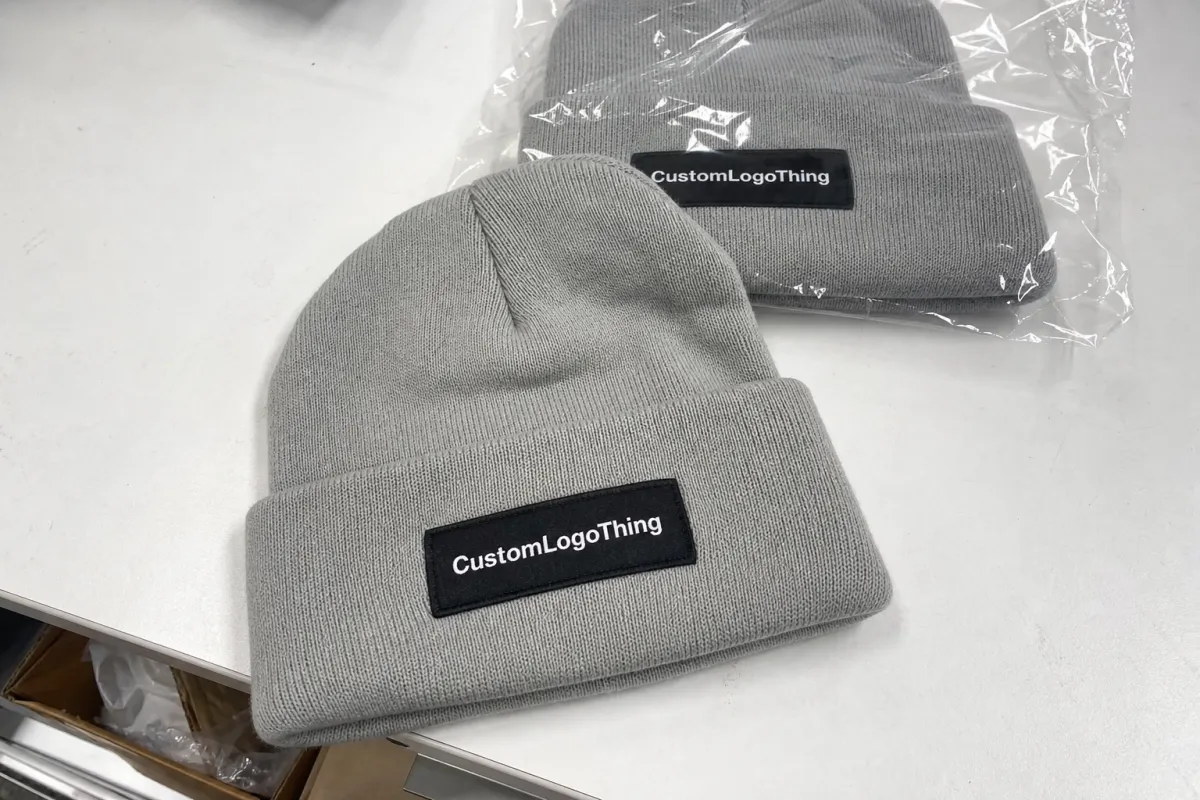
For most fragrance brands, the patch does more than carry the logo. It sets the tone. A woven patch, faux leather patch, rubber PVC patch, embroidered patch, or debossed patch can make the same blank beanie feel boutique, outdoorsy, technical, heritage, or unfortunately corporate. The base beanie matters, but the patch is often where buyers either create perceived value or lose it.
Buyer reality: unit cost depends on beanie style, yarn weight, patch material, decoration method, quantity, packaging, freight, and timeline. A quote without those details is not a quote; it is a guess with a dollar sign.
The goal here is practical: help buyers create clean specifications, compare quotes correctly, and avoid paying premium pricing for a product that looks disconnected from the fragrance line it is meant to support.
Patch Beanie Styles That Fit Fragrance Brands
Start with the beanie style, not the logo. The base beanie determines fit, warmth, photography, cuff space, shipping bulk, and a meaningful share of the final unit cost.
Cuffed acrylic beanies are the safest choice for most home fragrance programs. They are durable, widely available, cost-efficient, and easy to decorate. The cuff gives the patch a stable placement area, which matters more than it sounds. A patch sewn onto a clean cuff looks intentional; a patch floating on a stretchy crown can look like someone approved the mockup from a moving train.
Ribbed knit beanies work well for minimalist, wellness, spa, and apothecary-style fragrance brands. They feel softer and more apparel-driven, especially in oatmeal, cream, clay, black, charcoal, muted green, or washed navy. Lightweight ribbed styles can be useful for fall launches and indoor-heavy campaigns where the beanie is more lifestyle accessory than serious cold-weather gear.
Recycled yarn beanies can support sustainability positioning, particularly for brands already using FSC-certified cartons, refill packaging, recyclable glass, or lower-waste shipping materials. Claims need documentation. The Forest Stewardship Council is relevant for paper and carton claims, while recycled textile claims should be backed by supplier specifications, fiber content, and any available certification details rather than soft-focus copywriting.
Fisherman beanies suit modern, coastal, boutique, and apothecary brands because they sit higher on the head and create a tighter retail look. The tradeoff is fit. Some recipients love the shorter profile; others find it too shallow. If the beanie needs to work for staff, wholesale accounts, and a broad customer audience, review an actual sample before committing to a large run.
Pom beanies can be right for holiday bundles, ski-market campaigns, winter resort placements, and cozy seasonal gift sets. They are less flexible for year-round branding. Use them when the campaign is clearly winter, not simply because the product team wants something “fun.” Fun has a way of becoming leftover inventory by February.
Heavyweight cold-weather beanies fit premium winter gifting, outdoor markets, and regional campaigns in colder climates. They feel more substantial, but they cost more, take more carton space, and may need more careful packaging if they are shipping with glass candles or diffuser bottles. Extra yarn weight is not just a hand-feel decision; it affects freight.
Stock blanks are usually the practical route for smaller or faster campaigns. The fit, construction, and colors already exist, so the buyer can focus on patch quality and presentation. Fully custom knit beanies can look more elevated, especially with custom yarn colors or knit-in brand details, but they bring higher MOQs, longer timelines, and more opportunities for color variation. Yarn does not care about a brand team’s Pantone anxiety.
Color deserves more attention than it often gets. Neutrals such as oatmeal, black, charcoal, forest, navy, clay, and cream usually pair well with candle boxes, diffuser packaging, and wellness branding. Brighter colors can work if the brand already owns that visual language. A neon beanie next to an amber jar, cream label, and linen-textured carton can look painfully random.
Most promotional beanies are one-size-fits-most, but buyers should still confirm stretch, cuff depth, crown shape, and patch placement. A 3-inch patch can crowd a shallow cuff. A tiny patch can disappear on a chunky knit. Ask for a mockup showing the patch on the exact beanie color, not a floating logo on a white background.
Logo Patch Materials, Shape, and Branding Details
Patch material decides whether the beanie feels retail, rustic, technical, premium, or cheap. The same logo can behave very differently depending on the surface, edge finish, stitch style, and scale.
| Patch Type | Best Fit | Typical Cost Tier | Practical Notes |
|---|---|---|---|
| Woven patch | Detailed logos, botanical marks, fine type | Low to mid | Holds small detail better than embroidery; strong choice for fragrance branding. |
| Embroidered patch | Bold icons, simple marks, heritage looks | Mid | Textured and durable, but tiny lettering can fill in. |
| Faux leather patch | Premium, minimalist, apothecary brands | Mid | Photographs well and usually costs less than genuine leather. |
| Genuine leather patch | Luxury gifting, heritage fragrance lines | High | Looks elevated, but color variation, care concerns, and sourcing details need approval. |
| Rubber PVC patch | Modern, bold, outdoor-leaning brands | Mid to high | Durable and dimensional; may require tooling fees. |
| Sublimated patch | Full-color art, gradients, illustrated graphics | Low to mid | Good for color detail, less tactile than woven or leatherette. |
Woven patches are often the best option for home fragrance brands with delicate artwork. Thin serif wordmarks, botanical icons, small monograms, fine line drawings, and fragrance-family marks usually reproduce better in woven construction than embroidery. Embroidery has dimension, but it can swallow thin details quickly, especially at small patch sizes.
Faux leather patches are a strong middle option. They look polished in photography, pair well with neutral knit colors, and usually cost less than genuine leather. They work best with simple marks, initials, clean wordmarks, or debossed-style artwork. If the logo includes six tiny botanical sprigs and a tagline, faux leather may force too much detail into too little surface area.
Genuine leather can look beautiful, but buyers should treat it as a material choice with constraints, not an automatic upgrade. Natural variation, shade shifts, thickness, edge finishing, animal-origin concerns, and care labeling can all affect approval. For many fragrance campaigns, a good faux leather patch gives the intended visual warmth with fewer sourcing and consistency issues.
Rubber PVC patches lean modern and dimensional. They can be excellent for brands with bolder identities, outdoor candle lines, incense programs, or fragrance companies with a sportier retail angle. They can also feel too technical for soft spa-style packaging. Match the patch to the shelf presence, not just the logo file.
Keep the mark readable. A candle label may reward close inspection; a beanie patch is viewed from several feet away, often while moving, folded, or photographed in a bundle. Give the logo breathing room and be careful with secondary taglines. Most taglines that look refined on a box become fuzz on a 2-inch patch.
Common patch shapes include rectangle, square, oval, circle, arch, shield, custom die-cut, and small tab labels. Rectangles are efficient and clean. Circles feel softer. Arches and shields add character without becoming too decorative. Custom die-cut shapes can look excellent, but they may add setup charges, sampling time, or minimum quantity requirements.
Sewn-on patches are the standard recommendation for beanies. They are durable, retail-looking, and suited to textured knits. Heat application can work on some materials, but performance depends on fiber content, patch backing, surface texture, pressure, and heat tolerance. For fragrance merch that needs to hold up after wear, packing, and handling, sewn attachment is usually the safer call.
The cleanest branding choice is often one hero mark, one patch material, and one beanie color family. Too many variables turn a premium merch piece into a committee meeting with yarn.
Specifications Buyers Should Confirm Before Ordering
Good quotes come from clear specs. Vague requests create vague pricing, and vague pricing creates surprises after approval.
Before requesting a quote, gather the basics: beanie style, yarn material, beanie color, cuff height, patch material, patch size, patch shape, logo colors, edge finish, attachment method, quantity, packaging needs, delivery address, and required in-hands date. If there is a target budget, share it. A capable supplier can usually explain whether the budget fits the desired construction or whether the order needs a different blank, simpler patch, or reduced packaging.
Acrylic is the common budget-friendly material because it is durable, consistent, and available across many stock beanie styles. Recycled polyester or recycled blends may support sustainability messaging and pair well with eco-positioned candle and diffuser lines. Cotton blends can feel softer but may have less stretch recovery. Wool blends offer warmth and a premium hand feel, though they cost more and may raise care-label and shrinkage questions.
Patch size deserves a real decision, not a guess. Minimal branding often lands around 1.5 to 2.5 inches wide. Stronger visibility usually sits around 2.5 to 3.5 inches wide. Bigger is not automatically better. On a beanie, an oversized patch can look like a forehead billboard, which is rarely the intended mood for a bergamot-and-sandalwood gift set.
Artwork should be supplied as vector whenever possible: AI, EPS, or editable PDF. High-resolution PNG files can help as visual references, but they are not ideal production files. If the supplier has to rebuild the logo, expect extra time, extra cost, or both. Clean files reduce errors and make proofing less painful.
Proofing is not a formality. Review spelling, logo placement, patch dimensions, beanie color, thread color, imprint color, packaging notes, carton marks, and shipping details. Yes, even if the logo has been used before. Old files have a talent for containing retired taglines, outdated URLs, or pre-rebrand icons that nobody remembers until they are sewn onto 500 hats.
- Beanie details: style, color, material, cuff depth, fit, and yarn weight.
- Patch details: material, shape, size, logo color, edge style, and attachment method.
- Order details: quantity, MOQ requirements, in-hands date, delivery address, and packaging.
- Artwork details: vector logo, Pantone references if needed, and approved brand usage rules.
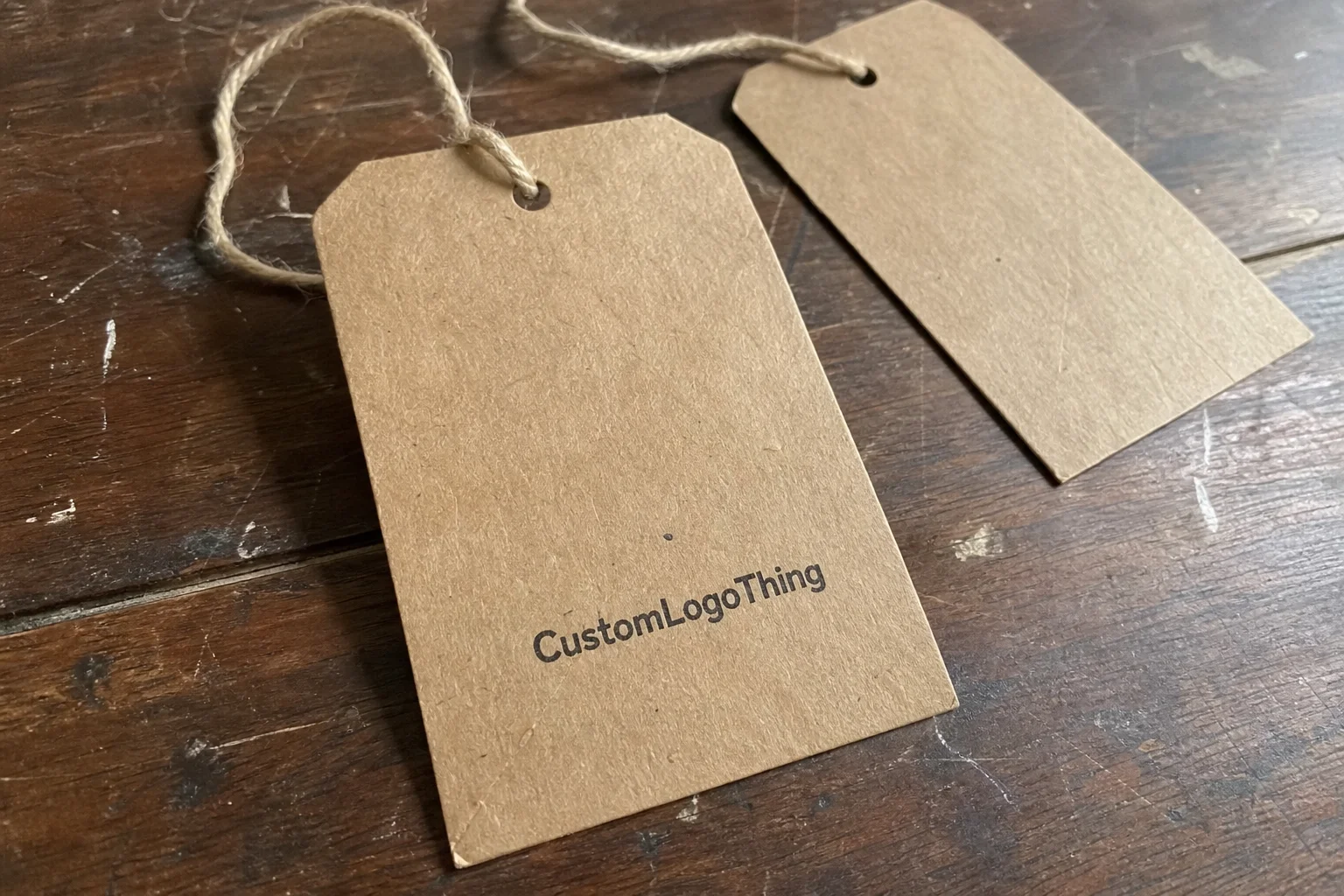
Packaging can be simple or retail-ready. Common options include individual polybags, recycled bags, hang tags, branded belly bands, insert cards, carton labeling, and kit-ready packing for subscription boxes or influencer mailers. Packaging increases unit cost, but it can reduce labor later if the beanies are going into kitting, warehouse routing, or wholesale shipments.
Unit Cost, Pricing, MOQ, and Quote Drivers
Pricing needs ranges, not pretend precision. Stock Logo Patch Beanies often land around $5.50 to $14.00 per unit, depending on quantity, blank quality, patch type, sewing, packaging, and freight. Premium custom knit styles, genuine leather patches, complex PVC patches, custom gift packaging, or rush shipping can push the price higher.
MOQ varies by program. Many stock beanie projects start around 100 to 250 pieces. Custom knit beanies, custom-dyed yarn, highly customized patches, and specialty packaging may require 500, 1,000, or more units. If the budget is tight, start with a stock beanie and upgrade the patch or packaging. That usually creates the best retail feel without dragging the order into full custom-production territory.
Bulk pricing usually improves at 250, 500, and 1,000 units because setup time, patch production, sewing, and freight are spread across more pieces. The price break is not magic, though. A 1,000-piece order with custom leather patches, belly bands, insert cards, and split shipping can cost more per unit than a 500-piece order with a simple woven patch. Math remains annoying.
| Order Type | Typical MOQ | Estimated Unit Cost | Best Use |
|---|---|---|---|
| Stock cuffed beanie with woven patch | 100-250 units | $5.50-$9.50 | Pop-ups, staff merch, small gift-with-purchase campaigns |
| Stock ribbed beanie with faux leather patch | 100-250 units | $7.00-$12.00 | Premium candle bundles, spa fragrance lines, wholesale gifts |
| Heavyweight beanie with custom patch | 250-500 units | $9.00-$14.00+ | Holiday kits, cold-weather retail campaigns, influencer boxes |
| Fully custom knit beanie | 500-1,000+ units | $12.00-$20.00+ | Retail merchandise, large seasonal launches, premium brand programs |
The biggest quote drivers are predictable: blank beanie cost, yarn weight, patch material, patch complexity, number of logo colors, custom shape, sewing labor, packaging, sample requirements, rush timing, and shipping method. Tooling fees may apply for rubber PVC, debossed materials, metal details, custom dies, or specialty patch construction. Digitizing or setup charges may apply for embroidery and some sewn patch programs.
Lower unit cost usually comes from higher quantity, simpler patch construction, fewer packaging touches, and flexible timing. Rush orders, custom colors, physical samples, gift-ready packaging, split shipments, and air freight all cost more. Not glamorous, just true.
Compare quotes carefully. A $6.20 beanie without sewing, freight, setup, or packaging is not cheaper than a $7.10 landed quote that includes those items. It is unfinished math wearing a discount hat. Ask whether the quote includes the blank, patch, attachment, setup charges, proofing, packaging, freight, duties if applicable, and delivery to the final address.
For budget planning, request good-better-best quote tiers. A practical set might include a woven patch on stock acrylic, a faux leather patch on a softer ribbed blank, and a heavyweight or custom option with premium packaging. Seeing those options side by side makes the tradeoff between budget, retail feel, and speed much easier to defend internally.
Process, Timeline, and Production Steps
A clean process saves money because it reduces rework. The standard path is simple: confirm specs, submit artwork, choose beanie and patch options, receive a quote, approve the digital proof, approve a physical sample if needed, begin bulk production, complete quality control, pack, ship, and deliver.
Stock beanie orders with standard sewn logo patches often take about 2 to 4 weeks after proof approval. More customized programs can take 4 to 8 weeks or longer, depending on material availability, patch tooling, sampling, production capacity, and freight method. Holiday-season orders should be planned earlier because everyone suddenly remembers they need beanies during the same narrow winter window.
Sampling is separate from production. A physical sample can add 1 to 3 weeks, but it reduces risk for larger campaigns, paid retail merch, wholesale account gifts, and influencer kits where the item needs to photograph well. For smaller rush orders, buyers may rely on a digital proof, supplier photos, and previous production samples if the schedule is tight.
Delays usually come from unexciting causes: slow artwork approval, unclear patch specs, changing colors after proofing, out-of-stock beanie colors, custom patch tooling, packaging revisions, and freight bottlenecks. None of these make a dramatic story, but they are the reasons orders miss dates.
Provide the in-hands date, not just the event date. If the beanies need to arrive at a fulfillment center, get kitted with candles, route through a warehouse, ship to retail doors, or be photographed before launch, build that time into the schedule. A beanie delivered the morning of a pop-up is technically on time and practically useless.
For larger kit programs, especially those shipping glass jars, diffuser bottles, and merch together, buyers may also want to review transit testing expectations. The International Safe Transit Association publishes widely used packaged-product testing procedures. Not every beanie order needs formal testing, but fragrance kits with breakable components need better carton planning than “put everything in a box and hope.”
Quality Control and Approval Checks
Quality control for Logo Patch Beanies is mostly about consistency. The buyer should not only ask whether the beanies look “nice.” A better check reviews placement, stitching, patch alignment, color match, loose threads, knit defects, packaging accuracy, and carton counts.
Patch placement should be measured from the cuff edge or centerline, not judged only by eye. A small shift may not matter on one sample, but it becomes obvious when 50 beanies are folded together for a kit photo. Ask how the supplier controls placement during sewing, especially if the patch shape has a strong horizontal edge.
Stitching should be secure without puckering the knit. On ribbed or chunky beanies, the patch may pull differently than it does on a flat fabric sample. Check for wavy edges, skipped stitches, loose thread tails, and corners that lift. These are small flaws, but they can make a premium merch piece feel rushed.
Color approval needs realistic expectations. Beanie yarn, faux leather, woven thread, and printed packaging will not reflect color the same way. A charcoal beanie, tan patch, and cream belly band can all be technically correct and still feel wrong together. Review the combination as a product, not as separate swatches.
If the order is going into gift sets, confirm folding and packing method. A beanie packed too tightly can crush a hang tag, bend a belly band, or make the patch sit awkwardly in the kit. If a fulfillment center is receiving the order, carton labeling, inner pack counts, and SKU separation may matter as much as the beanie itself.
Next Steps Before You Place a Beanie Order
Before placing an order, decide the business purpose. A staff uniform beanie has different requirements than a paid retail add-on, influencer mailer, wholesale thank-you gift, subscription box insert, or holiday bundle incentive. Purpose drives material, quantity, patch style, packaging, and budget.
Use a short checklist before requesting pricing. Choose the beanie style. Pick one or two brand-right colors. Decide the patch material. Confirm the approximate quantity. Gather vector logo files. Set the delivery address. Define the in-hands date. With those details ready, the quote will be faster and more useful.
Ask for quote tiers at 100, 250, 500, and 1,000 units when those quantities are realistic for the campaign. Seeing actual bulk pricing breaks helps determine whether the higher quantity is worth it or whether the budget should go toward better packaging, a nicer patch, or cleaner kitting.
Request patch mockups on the exact beanie color. The same faux leather patch can look refined on charcoal and strangely harsh on bright white. Color contrast, patch scale, cuff depth, and logo shape need to be reviewed together.
Approve one final proof internally. One. Too many late-stage opinions create rework, delays, and usually weaker design. If the founder, marketing lead, wholesale manager, and operations person all need input, collect it before approval. Production is a poor place for a branding therapy session.
- Confirm the campaign use: gift-with-purchase, staff merch, retail add-on, influencer kit, or wholesale gift.
- Select a stock or custom beanie route based on MOQ, timing, and budget.
- Choose the patch material and keep the logo readable at 1.5 to 3.5 inches wide.
- Request landed pricing that includes decoration, sewing, setup charges, packaging, and freight.
- Approve the proof only after checking artwork, placement, quantity, packaging, and delivery details.
A good beanie should feel like it belongs beside the candle, diffuser, room spray, or seasonal fragrance kit it supports. The strongest programs do not start with a random blank and a logo slapped onto the cuff. They start with a clear use case, a realistic unit cost, a patch material that fits the brand, and enough production time to get the details right.
FAQ
What is a realistic unit cost for home fragrance logo patch beanies?
A practical range is often $5.50 to $14.00 per unit for stock beanies with logo patches, depending on quantity, patch material, sewing, packaging, and freight. Premium custom knit styles, custom patch shapes, gift packaging, or rush shipping can push the price higher. Always compare landed pricing, not just the blank beanie price.
What MOQ should I expect for custom logo patch beanies?
Many stock beanie programs start around 100 to 250 units. Custom knit beanies, custom-dyed yarn, or more specialized patch programs may require 500 to 1,000 units or more. If budget is tight, start with stock beanies and upgrade the patch or packaging.
Which patch type is best for a home fragrance brand?
Woven patches are usually best for detailed logos, small typography, and botanical-style artwork. Faux leather patches work well for premium, minimalist, or apothecary-style branding. Rubber PVC patches are better suited to modern, bold, or outdoor-leaning fragrance brands.
How long does production take for logo patch beanies?
Stock beanies with standard sewn patches often take about 2 to 4 weeks after proof approval. Custom knit styles, custom patch tooling, physical samples, or holiday-season orders can take 4 to 8 weeks or longer. Provide the required in-hands date upfront so the quote can include realistic production and shipping time.
Can logo patch beanies be packaged for candle or diffuser gift sets?
Yes. Common packaging options include individual bags, branded belly bands, hang tags, insert cards, and kit-ready packing. Gift-ready packaging increases unit cost but can reduce labor if the beanies are going into subscription boxes, influencer mailers, or holiday bundles. Confirm carton counts, folding method, and packing requirements before production if a fulfillment center is receiving the order.