A tiny swatch can prevent a costly inventory problem. That may sound dramatic until a soft-looking beanie arrives scratchy, the pom sheds fibers across a retail shelf, or a child-safety review flags a weakly attached trim after the purchase order is already active. A practical toy Pom Pom Beanies material sample guide is not just about matching a cute color. It is about checking handfeel, stretch recovery, pom stability, labeling, packaging, and brand presentation before production money is committed.
Toy Pom Pom Beanies Material Sample Guide: What Buyers Are Really Checking
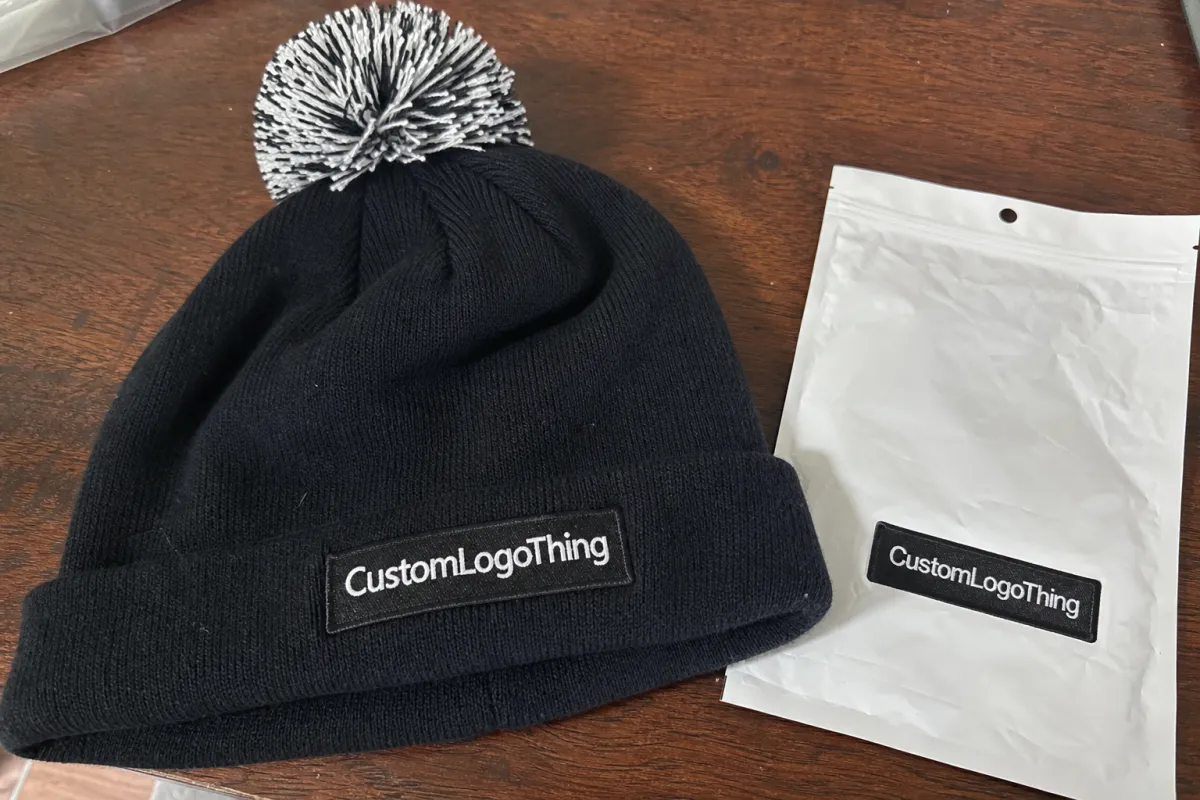
Buyers sometimes treat samples as a formality, especially when the product looks simple. A knit hat with a pom seems easy enough on a quote sheet. In reality, the sample is the first serious risk-control step, and toy-adjacent beanies carry more variables than a standard winter accessory.
Children may handle the product even if it is sold as apparel. Gift buyers judge it by touch before they read a tag. Ecommerce teams need it to photograph cleanly under bright light. Retail buyers squeeze the cuff, tug the pom, and decide in seconds whether the item feels like a low-cost giveaway or a proper branded product.
A useful sample kit may include yarn or fabric swatches, pom options, a cuff sample, an embroidery or patch test, a label sample, a color card, and sometimes a complete pre-production prototype. If the beanie is sold as a gift or retail item, packaging belongs in the same review: hang tags, belly bands, kraft sleeves, insert cards, polybags, barcode labels, or carton marking references. That may sound excessive from a distance. It is often the difference between a clean approval and a messy bulk dispute.
Packaging buyers already know this pattern. A flat PDF of a box can look perfect, then the physical mockup reveals scuffed coating, weak folds, crushed corners, or a color shift on recycled board. Beanie samples behave the same way. A spreadsheet cannot show scratchy yarn. A quotation cannot reveal whether ribbed knit makes a small logo unreadable once stretched.
Sampling rule: approve the material, decoration, trim, and packaging as one system. A good beanie with a weak tag or cheap sleeve still feels unfinished.
Keep the sample stages separate. A raw material sample helps compare yarn, color, weight, and softness. A decorated sample tests embroidery, woven patches, heat transfers, labels, and pom attachment. A production sample should match the approved bill of materials, decoration method, packaging format, and tolerance standards planned for bulk manufacturing. If those stages blur together, approvals become vague, and vague approvals rarely age well.
How Material Samples Work Before Custom Beanie Production
The sampling flow starts with a clear brief. The buyer shares the design goal, target retail price, logo files, audience age range, packaging preference, expected quantity, compliance needs, and delivery deadline. The supplier recommends yarn, knit, pom, and decoration options. Stock swatches are pulled first if speed matters. Custom-dyed yarn, lab dips, decoration tests, and pom trials follow when the project needs tighter control.
The sample type tells you which question you are answering. A stock swatch asks, “Which existing material direction feels right?” A lab dip asks, “Can this color be matched closely enough on this yarn?” A strike-off asks, “Will the embroidery, woven patch, heat transfer, or label work on the actual cuff?” A full pre-production sample asks, “Is this the finished product we are willing to manufacture, pack, ship, and support if a buyer complains?”
Use your hands, not just your eyes. Stretch the cuff 20 to 30 times and see whether it recovers. Pull lightly on the pom from several angles. Rub the beanie against a dark cloth to check shedding. Smell the yarn and packaging after the sample has been sealed in a bag for a day. Wipe a colored area with a damp white cloth for a basic colorfastness check. Place the logo on a head form, foam ball, or inflated ball if you do not have a mannequin; ribbed knits can distort fine type more than flat inspection suggests.
Ask about source consistency early. Is the swatch from the same yarn source planned for bulk production? Will the bulk yarn follow the same dye process? Is the embroidery being tested on the same machine type intended for production? If the answer is uncertain, the sample is closer to a mood board than a production control.
Packaging deserves the same discipline. Hang tags, belly bands, kraft sleeves, polybags, inserts, and carton labels influence perceived value as much as the textile. A recycled-materials message can support a premium positioning, but claims need documentation. Buyers using FSC certified board or paper components should understand Chain-of-Custody basics through the Forest Stewardship Council, especially when certification language appears on tags, sleeves, or retail boxes.
Key Material Factors: Yarn, Pom Type, Stretch, Safety, and Branding
Material selection is commercial as much as aesthetic. Acrylic is common because it holds bright color, avoids many shrinkage issues, and usually supports lower unit costs. Recycled polyester can strengthen a sustainability message, though the claim should be backed by documentation rather than a loose recycled-content statement. Cotton blends feel more natural, but they may lose shape if the knit structure is too loose. Wool blends can lift perceived value and warmth, yet care labeling becomes more sensitive and the handfeel may not suit every child-facing design.
Fleece lining adds softness and warmth, but it changes fit. A 220gsm fleece lining can make a beanie feel plush while reducing stretch. Mixed fibers often solve one problem and create another. A soft acrylic-poly blend may photograph well, for example, while the cuff relaxes after repeated wear if the recovery yarn is weak.
Pom choice is the loudest visual decision. Faux fur poms look premium in photos, but lower grades can shed, mat, or flatten in transit. Yarn poms feel traditional and are usually easier to launder, though they may compress during shipping. Removable snap poms help with washing, but snaps introduce metal, nickel, and detachable-part questions. Sewn-on poms are generally more secure, although repair is harder. Plush-style toy poms can be charming, but they require more careful review because the product starts to feel closer to a soft toy than a standard promotional beanie.
Stretch and recovery are plain-language quality tests. If a beanie stretches but does not bounce back, it looks tired after a few wears. If it barely stretches, it feels tight and can warp the logo. For ribbed cuffs, test the decorated area under real wearing tension. A logo that looks sharp on the table may turn into a barcode of thread once the cuff expands.
Safety checks are not optional for child-facing or toy-themed products. Review small detachable parts, choking risks, fiber shedding, nickel in snaps, loose drawstrings, sharp label edges, and age-grade expectations. Depending on the sales channel and destination market, buyers may ask for ASTM testing, CPSIA-related documentation, or retailer-specific compliance records. For shipping performance, ISTA procedures are useful references when packed beanies need to survive parcel or bulk distribution testing.
Branding adds another layer of trade-offs. Pantone targets may shift by yarn, dye method, and lighting. Embroidery density can pucker soft knits. Patch backing can feel stiff on a small cuff. Woven labels may irritate skin if placed poorly. Heat transfers need adhesion checks after stretch and rub testing. The best logo method on a flat cotton cap is not automatically the best choice for a rib-knit pom beanie.
| Material Route | Typical Strength | Common Watchout | Best Fit |
|---|---|---|---|
| Stock acrylic knit with yarn pom | Lower MOQ, bright colors, stable pricing | May feel basic if the knit weight is too light | Promotions, giveaways, budget retail sets |
| Recycled polyester blend with faux fur pom | Stronger shelf appeal and sustainability potential | Documentation and shedding checks matter | Gift programs, ecommerce drops, lifestyle branding |
| Cotton blend with sewn-on plush pom | Softer natural handfeel | Shape recovery and wash testing need attention | Younger audiences, boutique retail, toy-adjacent themes |
| Wool blend with premium packaging | Higher perceived value and warmth | Care label, itch factor, and cost may limit volume | Premium gifting, winter kits, limited releases |
A simple scorecard keeps the review honest. Rate softness, stretch recovery, pom security, decoration clarity, color accuracy, packaging fit, and cost impact from 1 to 5. “Premium” then becomes evidence rather than a debate across a conference table.
Pricing, MOQ, and Unit Cost Signals Hidden in Samples
Samples reveal pricing reality. A sample fee, revision fee, dye charge, decoration setup, packaging proof, and courier charge all show how custom the final product actually is. A $25 stock sample pulled from inventory sends a different signal than a $180 custom-dyed decorated prototype that needs two rounds of revision.
The main cost drivers are predictable: yarn type, beanie weight, pom material, lining, logo method, private label, retail packaging format, compliance testing, order quantity, and delivery speed. A basic stock-color acrylic beanie may sit in a lower MOQ band if the supplier already runs the style. Custom-dyed yarn, custom faux fur poms, sewn labels, FSC certified belly bands, and printed inserts can raise minimums because each component has its own production economics.
Unit cost can mislead buyers when it is reviewed alone. A cheaper beanie may need stronger packaging because the pom crushes easily. It may carry a higher defect allowance because fiber shedding is more common. It may require extra revision rounds because the logo does not sit cleanly on the cuff. The low quote can turn into a higher landed cost after repacking, inspection, returns, or missed launch dates.
Ask for itemized quotes. Separate sample cost, dye or setup fees, decoration setup, packaging, freight, labeling, testing, and final inspection. Without that structure, you may compare one all-in quote against one partial quote and choose the wrong option for the wrong reason.
| Sample Path | Typical Sample Cost Signal | Likely MOQ Pattern | Buyer Risk |
|---|---|---|---|
| Basic stock material | Low sample fee; courier is often the main cost | Lower minimums if colors and trims are available | Less differentiation; branding may feel generic |
| Mid-range branded sample | Moderate fee for embroidery, patch, label, or packaging test | Medium commitment due to decoration setup | Logo and packaging must be checked together |
| Fully custom retail-ready sample | Higher fee for lab dips, custom pom, packaging proof, and revisions | Higher minimums across textile and packaging components | Best control, but longer timeline and more approval steps |
Free samples deserve a careful look. The cost may be recovered through higher unit pricing, limited customization, fewer revision rounds, or a thinner pre-production validation process. In a grounded toy Pom Pom Beanies material sample guide, “free” is not automatically a benefit. It is a claim to investigate.
Process and Timeline: From Swatch Request to Approved Production Sample
A realistic timeline has more steps than many launch calendars allow. Start with a discovery brief. Build a material shortlist. Ship swatches. Review them by hand. Request color or decoration revisions. Produce a pre-production sample. Approve the final version. Move into bulk production, quality control, packing, and freight.
Stock swatches are usually fastest because the supplier can pull existing yarns, poms, and labels. Lab dips take longer because dyeing and review cycles are involved. Custom pom development adds trimming, attachment testing, and sometimes handwork. Decorated prototypes add another queue: embroidery programming, patch weaving, heat transfer testing, label cutting, or packaging print proofing.
Timeline variables hide in ordinary places. Holiday capacity can stretch production. Couriers can lose two to five days during busy shipping periods. A color rematch can add another round. Compliance testing may take one to three weeks depending on scope and lab availability. Packaging print proofing can stall if artwork files are low resolution or the dieline changes after the textile sample is approved.
Build a decision calendar with firm dates for sample review, revision approval, purchase order release, deposit payment, packaging artwork approval, inspection booking, and freight handoff. Internal delays are often the quietest schedule killer. One stakeholder wants a softer cuff. Another wants a brighter pom. Finance has not released the deposit. Meanwhile, the production line fills with other orders.
Before bulk production starts, confirm five items in writing: signed sample approval, final bill of materials, approved logo file, confirmed packaging dieline, and tolerance standards. Tolerances matter. If the pom diameter is specified at 8 cm, is 7.5 cm acceptable? If the cuff height is 7 cm, can it vary by 0.5 cm? If the Pantone target shifts slightly on acrylic yarn, who decides whether it passes?
From a packaging-manufacturer perspective, synchronization protects both schedule and margin. If the beanie is bundled with custom boxes, kraft paper sleeves, biodegradable packaging inserts, or printed hang tags, textile and packaging timelines must meet. Otherwise, finished beanies sit in cartons waiting for sleeves, or printed packaging arrives before the pom size is final.
The rule is blunt: the more custom the material story, the more valuable early sampling becomes.
Common Sampling Mistakes That Create Bulk Order Problems
The most expensive mistake is approving a photo instead of a physical sample. Photos hide texture, weight, stitch density, scale, and odor. They also flatter color. A supplier can photograph a beanie under soft light and make a thin acrylic cuff look richer than it feels in hand.
Color approval under one lighting condition creates another problem. A beanie that looks warm and premium under office lighting may appear dull in daylight or too saturated in ecommerce photography. Review samples under daylight, warm indoor light, and the lighting planned for product photos. If brand color matters, document the target with Pantone references and sample photos taken in consistent conditions.
Many buyers test the beanie body and ignore the pom. That is risky. Pom shedding, weak stitching, and detachable parts are often the first defects people notice because the pom is handled, squeezed, and photographed. Tug it gently. Shake it over a dark surface. Pack it for 48 hours, then unpack it and see whether it rebounds or stays crushed.
Decoration creates its own set of failures. Embroidery can pucker the knit. Patches can feel stiff on a small cuff. Labels can irritate skin. Logos can stretch until fine lines disappear. Heat transfers may look clean at first and crack after repeated stretch. A buyer who approves only the logo art, not the logo on the actual material, is approving a theory.
Reviewing samples without packaging is another common miss. Retail buyers and gift recipients experience the beanie as a finished presentation, not as a loose textile in a courier pouch. A neon acrylic beanie may clash with a muted kraft band. A premium wool blend may deserve a rigid gift box or soft-touch sleeve. A low-cost giveaway may only need a clear polybag and barcode label. The packaging should match the price point and the customer promise.
Vague approvals cause bulk disputes. “Looks good” is not enough. Approve specific details: material, weight, yarn color code, pom style, pom attachment, cuff height, logo placement, label position, packaging format, carton quantity, and acceptable tolerance. Save photos, sample codes, dates, and revision numbers. If you later change suppliers, resample. The approved material may not match a new factory’s yarn source, dye process, knitting tension, or stitching equipment.
Build a Sample Review Kit Before You Order
Before requesting samples, gather the basics: brand colors, vector logo files, target retail price, target user age range, safety requirements, packaging preference, and launch deadline. Add expected quantity bands. A supplier will recommend different paths for 500 pieces, 5,000 pieces, or 25,000 pieces because dyeing, labels, packaging, and inspection costs change with volume.
Ask suppliers for three options instead of one: value, recommended, and premium. This makes trade-offs visible. The value route might use stock acrylic, a yarn pom, and a simple hang tag. The recommended route might add a softer blend, sewn label, and kraft paper belly band. The premium route might include custom-dyed yarn, faux fur pom, fleece lining, FSC certified packaging, and a printed insert with a documented recycled-materials claim.
Then compare the samples side by side. Use columns for softness, stretch recovery, pom security, decoration quality, color accuracy, packaging fit, cost impact, MOQ, lead time, and approval status. Rate each sample on the same day if possible. Human memory is unreliable; two similar beige swatches can blur together after a week.
- Photograph consistently: use the same light, background, distance, and angle for every sample.
- Label everything: record supplier, material code, revision number, date received, and quoted MOQ.
- Test the full kit: review beanie, pom, label, tag, insert, sleeve, and carton marking together.
- Ask direct questions: confirm production yarn, bulk dye process, pom strength testing, child-safety documentation, and packaging lead time.
- Control approvals: name one final approver so the supplier does not receive conflicting feedback.
These are the questions I would send with the sample request: Is this the production yarn or a close substitute? What is the MOQ for this material and color? Can the pom be strength-tested? Are child-safety tests available for the intended age group? Which labeling standards should we plan for? Can the beanie and packaging ship as one approved kit? What changes would affect unit cost by more than 5 percent?
A strong toy Pom Pom Beanies material sample guide works as a checklist, not a decoration exercise. Approve only the sample that matches your budget, safety needs, brand feel, packaging plan, and delivery window. If a material looks good but fails recovery, sheds heavily, distorts the logo, or forces a production timeline the launch cannot absorb, it is not the right sample. The best approval is specific, documented, and boringly clear.
FAQs
What should be included in a toy pom pom beanies material sample guide request?
Ask for yarn swatches, pom pom options, color references, decoration tests, label samples, packaging samples, MOQ details, and any safety or compliance documentation relevant to the intended age group. If the product will be sold as a gift set, review packaging components such as hang tags, belly bands, boxes, inserts, and carton labels with the textile samples.
How many material samples should I compare before ordering custom pom pom beanies?
Compare at least three material routes: a budget stock option, a mid-range branded option, and a premium custom option. That gives you a clearer read on softness, cost, decoration quality, MOQ, and Lead Time. One sample only tells you whether one path works; three samples show what you gain or give up.
Does the pom pom material affect safety and pricing?
Yes. Faux fur, yarn, removable, and sewn-on poms differ in attachment strength, shedding risk, washability, labor time, and unit cost. Child-facing designs should be checked for detachable-part risk, fiber shedding, snap materials, and age-grade expectations before bulk production.
Should I approve a photo sample for toy-themed pom pom beanies?
Use photos for early screening only. Final approval should be based on a physical sample because texture, stretch, logo distortion, pom security, weight, odor, and color accuracy cannot be judged reliably from images alone. A photo is useful evidence, but it is not approval-grade evidence.
How do packaging samples fit into a custom beanie material review?
Packaging samples show whether hang tags, belly bands, boxes, inserts, or polybags match the beanie’s perceived value and protect it during shipping. Review textile and packaging samples together before bulk approval, especially if you are using kraft paper, FSC certified board, post-consumer waste content, or biodegradable packaging claims.


