Subscription Corrugated Boxes Cost: Get a Fast Quote
If you are pricing packaging for a monthly mailer program, subscription corrugated boxes cost usually comes down to a blunt reality: the first order pays for the thinking, and the repeat order pays for the rhythm. Structure gets approved, artwork gets locked, fulfillment settles into a pattern, and the quote starts to look very different. Board price matters, yet it rarely tells the full story. Fit, setup charges, labor, freight efficiency, and the way the carton behaves over dozens of cycles all shape the number.
For Custom Logo Things, the real objective is practical. Buyers Need to Know what they are paying for, where the unit cost shifts, and how to build a recurring corrugated program that stays steady from one ship date to the next. I have seen more than one program start with a bargain-looking quote, only to lose the savings to void fill, manual rework, and damaged product. That kind of budget leak is slow, but it is real.
Why Subscription Corrugated Boxes Cost Less for Repeat Mailers
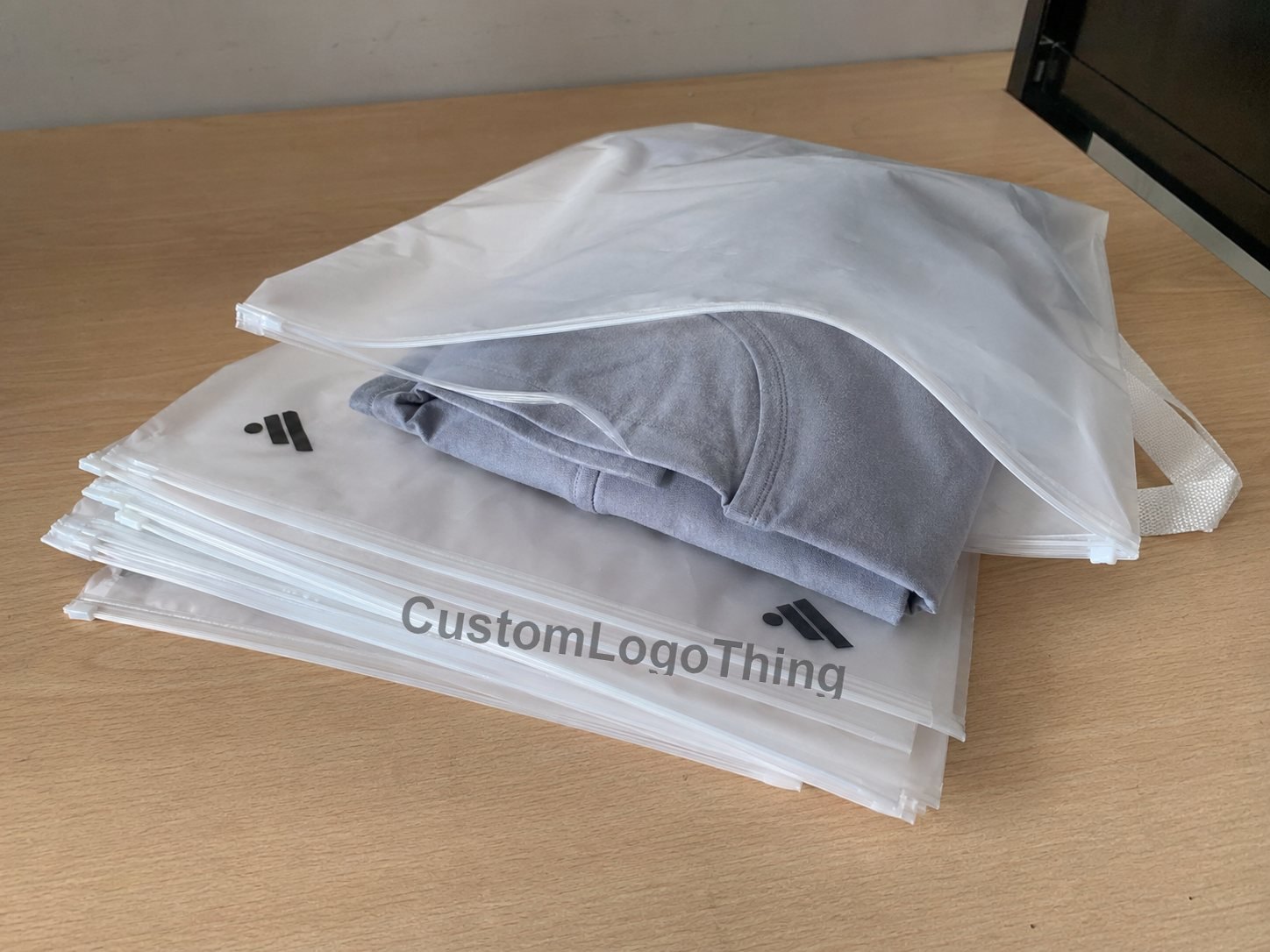
The first order in a subscription program carries the heaviest burden, and that is where subscription corrugated boxes cost often catches buyers off guard. A box is only one piece of the bill. The rest includes structure development, fit confirmation, print file prep, and the setup work that makes every future run easier. Once those decisions are approved, the economics usually improve because the fixed work has already been absorbed and the next production run can move with far less friction.
That pattern matters in any monthly or cycle-based shipping model. A beauty brand sending the same skincare set every four weeks, a coffee company replenishing the same pouch assortment, or a meal-kit brand packing the same carton size over and over all benefit from repetition. Stable packouts reduce waste, rework, and emergency sourcing. Unstable packaging creates hidden costs in small increments: a loose insert invites movement, a rushed substitution pushes freight upward, and inconsistent carton dimensions can trigger more void fill or a higher dimensional weight bill.
From a packaging buyer's perspective, predictability is the real prize. Subscription corrugated boxes cost becomes easier to manage when the carton is sized correctly, the artwork is already signed off, and the fulfillment team knows how the box closes, stacks, and ships. That kind of repeatability does more than protect product. It steadies packaging spend, and steady spend is often what keeps a subscription program profitable after the marketing dust settles.
Labor tells part of the story too. A carton that folds cleanly, drops into shape quickly, and needs less hand-adjusted filling can shave minutes from the pack line. Minutes matter when the same action repeats every month and the line is filling hundreds or thousands of orders. If one outer dimension can serve a family of kits, the team can standardize inserts and ship codes, which cuts delays and lowers the odds of human error. That is why subscription corrugated boxes cost should be judged alongside fulfillment labor, not only against the price of a blank carton.
Many buyers make the same mistake: they assume the lowest box price is the best buy. A thin, loose, or oversized carton can raise total cost because it asks for more filler, more handling, and more replacements after damage. A well-planned mailer sometimes wins even when the board price is a little higher, because the system runs cleaner. The difference is not subtle. One quote reflects a sticker price. The other reflects a packaging program.
I once watched a subscription operator switch to a cheaper outer shipper, then spend two months undoing the damage. The carton itself saved pennies; the parcel claims, customer complaints, and extra packing time erased those pennies before the quarter ended. That is the part no one likes to say out loud, but it happens all the time.
Subscription Corrugated Boxes Cost: What the Box Build Includes
To understand subscription corrugated boxes cost, start with the build itself. Corrugated packaging is not one simple material choice; it is a stack of decisions that affect strength, appearance, and assembly speed. Board thickness, flute profile, print coverage, coatings, inserts, and internal partitions all influence the final number, and each one changes how the box performs in the warehouse and during transit.
A basic mailer box usually uses corrugated board with a straightforward die-cut shape and a single-color or two-color print. That can be a smart choice for a subscription shipment that does not need much internal staging. A heavier shipper may require a stronger board grade or a thicker flute to handle higher weight, rough carrier handling, or fragile contents. A presentation-style subscription box, by contrast, tends to involve more deliberate closure features, tighter print expectations, and a stronger focus on the unboxing moment. Those differences show up in subscription corrugated boxes cost because they change material usage, setup demands, and finishing work.
Inserts are another real budget factor. A basic carton with no insert is cheaper to build, but once the product has to be held in place, separated, or protected from impact, the design gets more specific. Tabs, locking features, slotted dividers, and custom inserts can improve fit and reduce damage, yet they also add cutting complexity and assembly time. The same logic applies to custom sizing. A carton cut exactly to the product can reduce void fill and limit movement, but tighter sizing requires better dimensional planning and often more sample testing before production starts.
Finish matters more than many teams expect. Uncoated kraft, aqueous coating, matte varnish, soft-touch lamination, and spot UV all change both appearance and handling. A subscription program does not always need a premium finish, but if the box is doing brand work every month, the surface treatment should be treated as part of the business case rather than as decoration. A glossy coat can make the box look polished, sure, but it may also show scuffing faster than a restrained matte finish if the cartons are packed tight on a pallet.
Here is a clean way to compare common build choices:
| Box Type | Typical Use | Build Notes | Relative Cost Impact |
|---|---|---|---|
| Basic corrugated mailer | Light subscription kits, apparel, small retail packs | Simple die-cut structure, minimal print, no insert | Lowest |
| Reinforced shipper | Heavier or fragile monthly shipments | Strong board, tighter fit, insert or partition | Moderate |
| Presentation subscription box | Premium brand programs, gifting, retail-facing kits | Higher print coverage, refined closure, optional finish | Highest |
That table explains why a quote cannot be reduced to a single board price. Two cartons that look nearly identical from across a room can land in very different price bands once print coverage, insert design, closure style, and corrugated grade are calculated. A buyer comparing only outer size misses the point and, usually, the real reason one quote is higher than another.
Once the build is understood, the next question is how well it fits the pack-out environment. A carton that ships cleanly and stacks efficiently often saves more than it costs, especially across a recurring run repeated twelve times a year. That is where the practical meaning of subscription corrugated boxes cost starts to show up.
Specifications That Change Performance and Budget
Specifications are where a quote stops being theoretical. If two buyers request the same subscription box style but one sends exact inside dimensions, product weight, artwork coverage, and insert requirements while the other provides a rough outside size and a logo, those quotes will not be comparable. Subscription corrugated boxes cost moves fastest when the specification changes, especially in the areas that affect board usage and production setup.
Inside dimensions deserve more attention than they usually receive. A box that is slightly too large creates movement, raises the need for void fill, and can increase dimensional weight charges in parcel shipping. A box that is too tight slows packing and can lead to scuffing, crushed corners, or product damage. The right size is not just a fit on paper; it is how the product lands in the carton, how the lid closes, and how the box behaves after a few hands touch it in the distribution chain.
Board grade is another major driver. E-flute often gets chosen for a cleaner print surface and lighter applications. B-flute and other stronger profiles make more sense when compression strength matters. ECT rating, burst strength, and total caliper all influence how a carton performs under load. A box built for a fragile cosmetic set will not be spec'd the same way as a box carrying dense coffee refills or bundled accessories. If the wrong grade is selected, subscription corrugated boxes cost may look low at first and then climb later through damage claims, returns, or rework.
Print method changes the economics too. One-color flexographic print is a very different animal from a multi-color run with full coverage. More colors mean more setup, more plate work, and more care on press. Heavy artwork coverage can also increase drying time and make registration issues more likely if files are not prepared properly. Specialty coatings follow the same pattern. They improve appearance and handling, but they are not free, and they belong in the planned budget, not the surprise column at approval.
For performance validation, it helps to think beyond the artwork and ask what the package must survive. Industry references such as the ISTA package testing methods are useful when transport performance needs to be defined. Fiber sourcing questions may point a buyer to the FSC standard if certified materials are part of the spec. Those references do not price the box, but they help define the job the box has to do.
Structural samples are worth the time whenever the contents are delicate, unusually shaped, or expensive to ship. A plain sample, or better yet a printed prototype, can reveal whether a divider should shift, whether the lid feels loose, or whether the product will move in transit. A small sample run almost always costs less than fixing a repeated mistake in production. That lesson connects directly to subscription corrugated boxes cost because the right sample can stop avoidable waste before it turns into a monthly expense.
Assembly speed is another spec point that often slips through the cracks. If your team is folding thousands of units by hand, a box that looks elegant but takes too long to assemble may cost more than a simpler design. A clean folder-gluer style, a self-locking base, or a carton with fewer tuck points can reduce labor even if the material price is slightly higher. The best spec is the one that balances print, protection, and assembly in the way your packing table actually works.
There is also a timing angle. Tight turnarounds tend to force compromises, and compromises are expensive when they become permanent. If you skip fit testing because a launch date is looming, you may save a week and spend a season fixing the result. That trade is almost never worth it.
Subscription Corrugated Boxes Cost: Pricing, MOQ, and Quote Drivers
Now comes the number everyone wants first. Subscription corrugated boxes cost is usually built from material selection, tooling, print setup, order quantity, and the production path behind the run. A small order can carry a surprisingly high unit price because die charges, plate charges, and setup charges have to be recovered across fewer boxes. A larger recurring program can improve bulk pricing because the fixed work is spread over more units and repeat production becomes easier to schedule.
MOQ matters because it changes how those fixed costs are absorbed. If a plant must create tooling, cut plates, and allocate board in a minimum quantity, a buyer ordering below that threshold usually pays more per piece. That does not make a lower MOQ bad. It simply means the math is different. Some brands need a 500-box or 1,000-box test run before they commit to a larger monthly volume. Others already know the demand pattern and can place a stronger recurring order that lowers the cost per piece and makes cash planning easier.
Here is the tradeoff in plain terms: a lower MOQ gives flexibility, while a higher unit cost follows behind it. A larger committed quantity can lower subscription corrugated boxes cost, yet it also requires more storage space and more confidence in forecasted demand. If the monthly volume is stable, the larger program often wins on price. If the program is still evolving, a smaller first run may be the safer choice even when the quote is a little higher.
Hidden drivers deserve their own attention. Rush production usually adds expense because the schedule gets interrupted. Split shipments can increase freight cost and handling. Specialty finishes can raise material and setup time. Shipping to multiple fulfillment nodes introduces another layer of complexity because each location may need a different delivery schedule, label set, or pallet plan. All of those variables affect subscription corrugated boxes cost, and all of them should be on the table before the quote is finalized.
The table below gives a practical view of how pricing tiers often behave. These are planning ranges, not promises, but they help when comparing programs with different specs and volumes:
| Program Type | Approximate Volume | Typical Cost Behavior | Common Drivers |
|---|---|---|---|
| Prototype or pilot run | 250-1,000 units | Highest unit cost, setup-heavy | Tooling fees, sample approval, artwork changes |
| Early recurring run | 1,000-5,000 units | Moderate unit cost, some setup amortization | MOQ pressure, print plates, board selection |
| Established subscription program | 5,000+ units | Better bulk pricing, lower cost per piece | Repeat tooling, stable spec, fewer revisions |
In practical quoting terms, a simple corrugated mailer might land in a planning range such as $0.35-$0.80 per unit at moderate volume, while a more printed or insert-heavy version can move higher depending on board grade and finish. A premium subscription carton with heavy artwork, multiple components, or more demanding construction can climb well beyond that. The exact number depends on the structure, but the pattern stays the same: more setup, more print, and more complexity raise subscription corrugated boxes cost.
That is why a quote should break out the moving parts. Ask what part of the price comes from tooling, what part comes from print setup, what part comes from board, and whether freight is included or separated. A quote that hides the freight line or buries the setup charges makes comparison difficult. A clean quote gives you a fair view of whether the recurring program is priced for the volume you actually plan to ship.
There is one more variable buyers sometimes overlook: price stability across repeat orders. A supplier may quote attractively on the first run, then quietly reset assumptions on the second. That may be acceptable if the spec changes. It is not acceptable if the part is identical. Ask that question up front and you avoid a nasty surprise later.
Process and Timeline for Subscription Corrugated Boxes
The process is usually straightforward, but the first run takes discipline. A solid subscription program starts with discovery and spec gathering, then moves to dieline creation, artwork review, sample approval, and production release. Subscription corrugated boxes cost is shaped by how cleanly those steps happen. When the information is complete at the start, the quote is more accurate and the schedule is easier to hold.
Discovery should focus on the real packout. What are the inside dimensions? How heavy is the product? Does anything inside need to be isolated or protected from impact? Are you shipping a single item or a curated set? Those questions matter because they determine the board grade, insert style, and closure method. Fragile or oddly shaped products may need extra support at corners or edges. If the carton is meant to carry a more polished unboxing experience, print registration and surface finish matter more than they do for a plain transport box.
Once the specification is set, the dieline becomes the working map. It shows the exact cut, fold, and closure geometry, helping both sides confirm that the product will fit the way they expect. Artwork then gets placed on the dieline so print boundaries are correct, logos align, and critical copy stays clear of folds and glue areas. The stage can feel tedious, but this is where expensive mistakes are avoided. A logo too close to a fold or a line of text sitting under a flap can turn into a bad-looking run that should have been caught earlier.
Sample approval is another point where long-term cost can be protected. A plain structural sample checks form and fit. A printed prototype checks appearance and shows how colors, coatings, and branding read under real light. If the inserts are not quite right, or the box feels loose once the product is inside, this is the moment to fix it. That is much cheaper than discovering the issue after several thousand cartons have already been produced. For recurring programs, this stage often matters more than the first quote because it keeps subscription corrugated boxes cost stable later on.
Lead time usually stretches on the first order because every step has to be defined. Once the program is locked in, repeat production can move faster because the tooling, approved structure, and print files already exist. In many cases, the second or third release is where the schedule becomes easier to predict. Late artwork, unclear product dimensions, or changes to inserts after sample approval are the usual reasons a timeline slips. Those delays are not mysterious. They usually come from incomplete information at the front end.
For subscription buyers, that timing has a direct cost impact. If boxes arrive late, fulfillment can stall, rush freight becomes necessary, and the monthly plan starts absorbing extra expense. A careful approval process helps prevent that. It also creates a cleaner path for future orders, since the approved spec can be repeated instead of rebuilt every cycle. That repeatability is one of the most practical ways to control subscription corrugated boxes cost over time.
If you are comparing suppliers, ask how revisions are handled, what kind of proofing is included, and how repeat orders are released. Some suppliers quote low on the first run and then charge more to reopen the project later. Others build a steadier recurring path from the beginning. The better choice is usually the one that makes the next order easier, not the one that only looks cheaper on the first invoice.
Why Custom Logo Things for Subscription Corrugated Box Programs
Custom Logo Things fits buyers who want a corrugated partner that talks plainly about structure, print, and repeatability. The goal is not hype. The goal is a box program that matches the product, the shipping method, and the monthly volume you actually expect to move. That is the most reliable way to manage subscription corrugated boxes cost without getting trapped in vague specs or endless revisions.
For a subscription program, the most useful supplier is usually the one that asks the right questions early. What is the product weight? What is the actual inside size, not just the outer size? How much print coverage is needed? Will there be inserts, dividers, or a retention feature? Those answers make the quote more accurate and lower the chance of a mismatch at approval. They also help determine whether a simple mailer, a sturdier shipper, or a more presentation-oriented carton is the right solution.
That kind of thinking matters because the wrong box costs money in several directions at once. A loose fit wastes filler and labor. A weak board grade raises the risk of damage. A print spec that is more complicated than necessary can increase setup charges without adding much value. A partner who starts with structure and then handles decoration usually helps buyers find a better balance of performance and price. That is especially true for subscription programs where the same carton repeats every cycle and any mistake repeats right along with it.
"If the box is wrong by a fraction of an inch, the whole subscription program pays for it every month."
That line is not dramatic. It is arithmetic. Subscription corrugated boxes cost is not just a packaging line item. It touches fulfillment labor, shipping efficiency, damage control, and brand presentation. A supplier that understands those moving parts can help you make decisions that support the entire program, not just the invoice sitting in front of you.
Adjacent packaging needs matter too. Some buyers need related shipping formats for replacement kits, retail replenishment, or special launches, and it helps to compare corrugated structures against other formats in the broader Custom Shipping Boxes category. For teams building a larger packaging system, browsing the full range of Custom Packaging Products can make it easier to align branding, shipping strength, and recurring purchasing under one plan.
Competitive quoting works best when communication is specific. Buyers need to know how the price was built, what assumptions are in play, and where savings are possible without hurting performance. That is the kind of transparency that makes subscription corrugated boxes cost easier to defend internally, especially when finance wants to know why one quote is higher than another. Clear answers usually make the best long-term relationship, and they make the recurring program easier to manage too.
From an operator's perspective, the best partner is not the loudest one. It is the one that keeps the spec clean, the approvals short, and the repeat run boring in the best possible way. Boring packaging is often profitable packaging.
Next Steps to Lower Subscription Corrugated Boxes Cost
If you want a tighter quote, bring the right information before you ask for pricing. The more complete the brief, the more accurately subscription corrugated boxes cost can be calculated. Start with product dimensions, product weight, fragility level, monthly quantity, print requirements, insert needs, and shipping cadence. If the order will release in batches, note that as well. A quote based on reality is always better than one built on guesswork.
It also helps to compare a prototype run against a recurring production plan. A one-time test may show that the carton works, but a monthly program reveals how the economics change when tooling fees, setup charges, and board orders are spread across repeat runs. That is where buyers often see the strongest shift in subscription corrugated boxes cost. A slightly higher first run can still be the smarter decision if it locks in a lower recurring price and reduces future revisions.
Ask for a sample or dieline review before final approval if the contents are fragile, expensive, or sensitive to movement. A sample can uncover a fit issue, a stacking problem, or an assembly problem that is easy to correct early and expensive to tolerate later. If the carton has to work with an automated packing line, that review becomes even more important. A box that looks fine by eye can still run badly in production, and production problems always show up in the budget.
It also helps to ask one practical question that cuts through the noise: what will this carton cost us after the 12th shipment, not just on the first invoice? That is where the real answer lives. A design that keeps labor low, damages rare, and freight predictable is usually the design worth keeping.
The cleanest path is usually the simplest one: send the specs, confirm the volume, approve the structure, and move forward with a quote that reflects the real program. That is how you keep subscription corrugated boxes cost honest from the start. Follow that sequence and you are far more likely to get a monthly carton program that ships well, looks consistent, and stays within the number you planned for.
The best subscription packaging is not the fanciest one on paper; it is the one that holds up across repeated orders, fits the product properly, and keeps the subscription corrugated boxes cost aligned with the way your operation actually runs. If you need a starting point, use the product size, weight, monthly volume, and print finish as your first four inputs. Everything else should build from there, not the other way around.
How do I estimate subscription corrugated boxes cost for a monthly box program?
Start with inside dimensions, board grade, print coverage, and insert complexity, because those are the biggest pricing drivers. Add monthly quantity and release schedule so the quote reflects recurring production instead of a one-off run. Ask for pricing with shipping separated out so you can compare packaging cost against total landed cost.
What MOQ usually changes subscription corrugated boxes cost the most?
The biggest MOQ impact usually comes from tooling, plates, and setup work spread across the run. Small orders often carry a higher unit cost because the fixed setup cost has fewer boxes to absorb it. If your volume is steady, a larger committed program can usually improve unit pricing.
Do custom printed subscription corrugated boxes cost much more than plain kraft boxes?
Simple one-color print may add only a modest amount, while heavy coverage, multiple colors, or specialty finishes raise the price more noticeably. Plain kraft can be economical, but printed boxes often improve brand presentation and reduce the need for extra inserts or labels. The best comparison is usually plain versus printed at the same size and board spec.
How long is the lead time for subscription corrugated boxes after approval?
Lead time depends on whether the structure is already approved or still needs samples, dielines, and print setup. First runs usually take longer than repeat runs because tooling and artwork must be finalized. Once the program is locked in, recurring orders typically move faster and with fewer surprises.
What information do you need to quote subscription corrugated boxes cost accurately?
Provide product dimensions, weight, fragility notes, insert requirements, print colors, and any finish preferences. Share monthly or quarterly volume, target ship dates, and whether orders will be shipped all at once or in releases. If possible, include a sample product or existing box so the quote reflects the real packout.
With the right spec sheet in hand, subscription corrugated boxes cost becomes much easier to price, compare, and control, which is exactly what a steady subscription program needs.

