Tea Brand Folding Cartons sample approval is not a paperwork exercise. It is the point where a tea brand finds out whether the box that looked refined on a screen still feels right in the hand, folds cleanly, survives packing and shipping, and reads clearly under retail lighting. In real packaging work, that approval step is where structural design, board performance, print accuracy, and regulatory text all meet at once, and the cost of missing a detail climbs fast once production starts.
I have seen too many buyers treat the carton sample like a polite formality. That is usually where trouble starts. A sample can reveal a logo sitting too close to a crease, a foil panel losing sharpness, a tuck flap that feels loose, or a barcode that scans on a proof but turns unreliable after coating. Tea packaging is especially sensitive because the carton does more than hold product. It protects the tea, signals quality, and tells the brand story before the customer even opens the box.
For a tea brand, the folding carton also shapes the unboxing moment. A flap that catches, a lid that opens too easily, or a box that does not hold square can make a premium product feel ordinary. A carton that closes with a crisp fit, keeps its edges clean, and protects sachets or loose-leaf pouches says more about the brand than a stack of polished adjectives ever could. That is why tea Brand Folding Cartons sample approval should be treated as a decision gate, not a casual review.
Tea Brand Folding Cartons Sample Approval: Why the First Mockup Matters
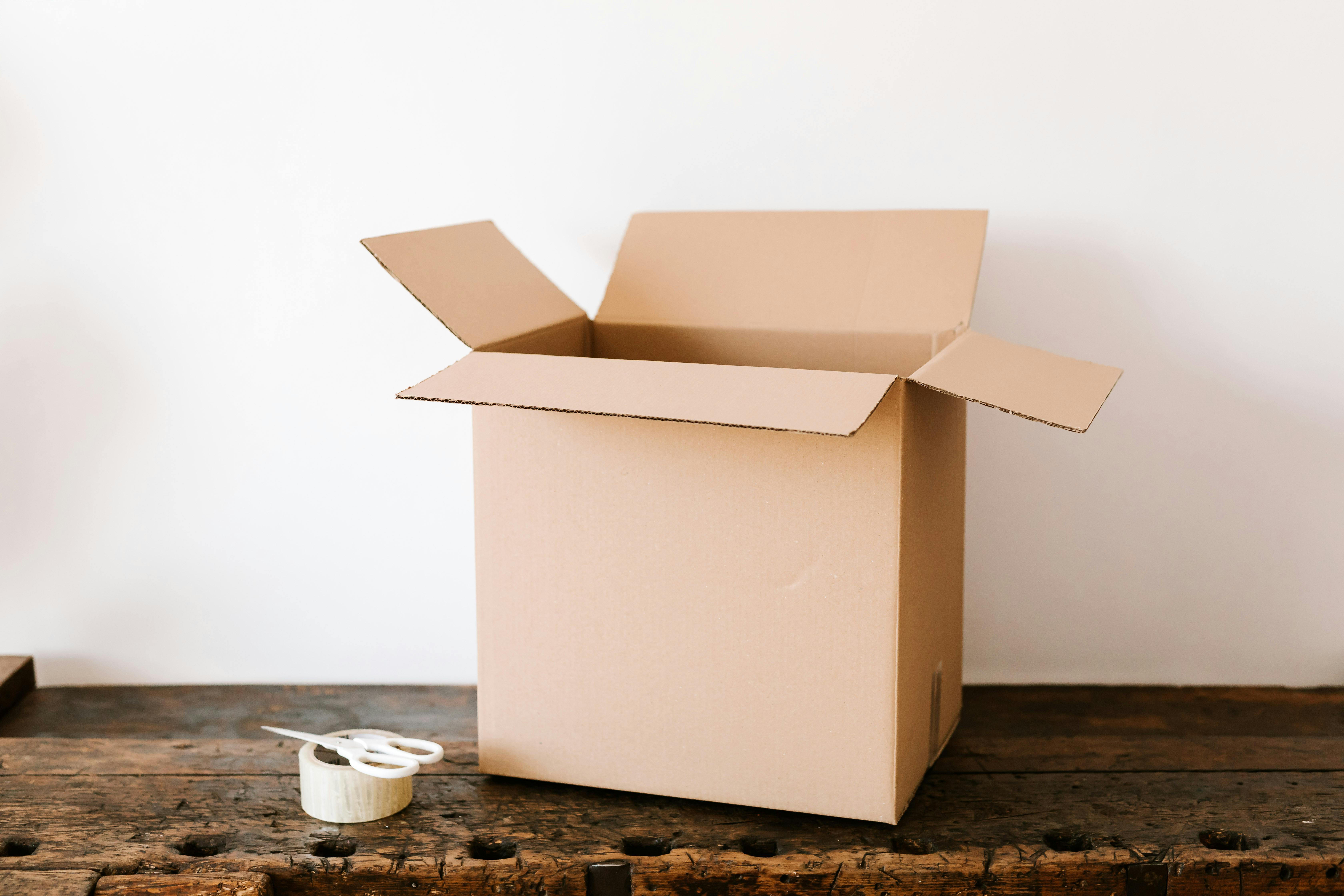
The first physical mockup is the first time the team sees the carton as an object instead of an illustration. That sounds simple, yet the distance between digital packaging and physical packaging is where many tea launches lose time, money, and confidence. A dieline can look perfectly composed on a monitor, then feel tight once folds, score lines, tuck flaps, and glue areas enter the picture. A soft-touch finish can look rich in a PDF, then absorb light and flatten the artwork once it sits on a retail shelf. Tea brand folding cartons sample approval exists to catch those mismatches while they are still manageable.
Tea packaging carries its own pressure because it often sits in a crowded field. Many cartons look similar from a few steps away, and the package has to carry flavor cues, origin signals, premium positioning, and legal copy without becoming cluttered. That is hard to judge on a flat proof. The sample makes the structure, the board, and the print act like one system, which is exactly why the carton sample is where consistency either becomes visible or starts to fray.
Honestly, many buyers underestimate how much board choice changes the way a carton is perceived. Two boxes can carry the same artwork and still feel worlds apart if one uses a lighter SBS board and the other uses a heavier artboard with a more durable coating. The difference is not limited to touch. It changes how the box sits in the hand, how stable it feels on a shelf, and how much confidence it gives a customer who is paying for a premium tea line or a gift-ready seasonal set. Tea brand folding cartons sample approval gives the buyer a chance to compare those options before the order is fixed.
A sample is not a decoration exercise; it is a production question in physical form.
That line matters because the carton is not just packaging. It is a quiet salesperson. It protects the tea, supports the visual identity, and frames the first impression at the shelf or in a mailer. If the project includes custom printing, embossing, foil, or specialty inks, the sample should be judged the same way a retailer would judge the product in store. Is it easy to read? Does it feel steady? Does it support the price point? In serious tea brand folding cartons sample approval, those are commercial questions, not cosmetic ones.
There is a practical advantage too: the first sample is usually the least expensive place to find expensive mistakes. A barcode in the wrong position, a copy line that wraps awkwardly, or a fold that interrupts the front panel can be corrected on a prototype. If the same issue reaches production, the cost can multiply through wasted board, rework, freight, and a launch delay that is often harder to recover than the print cost itself. For tea brands working around seasonal promotions or retailer deadlines, that delay can cause more damage than a low-cost misprint ever would.
For a broader look at how structure and finish affect real packaging outcomes, the Case Studies archive is useful because it shows how real board, print, and finishing choices hold up outside the concept stage. It is one thing to talk about a premium finish. It is another to see how that finish behaved on an actual carton run. That practical gap is exactly where tea brand folding cartons sample approval earns its keep.
Tea Brand Folding Cartons Sample Approval Process and Timeline
The cleanest approval process starts before the sample is made. The supplier should work from one source of truth: the approved dieline, final artwork, board specification, finish list, and any regulatory or language requirements. If those inputs are still moving, the sample becomes a moving target. Once multiple people are commenting on different versions, tea brand folding cartons sample approval can drift from a focused review into a slow and expensive loop.
Most packaging teams move through three stages. The first is the digital proof, which is useful for layout, copy, image placement, and broad color intent. The second is the structural sample, usually unprinted or lightly printed, which answers the question of fit, fold behavior, and closure. The third is the printed sample, which should carry final sign-off when the project includes finish-sensitive elements such as foil stamping, embossing, spot UV, or soft-touch lamination. Each stage solves a different problem. Treating them as interchangeable creates confusion that usually shows up later in the schedule.
For a simple tea carton, the timeline can be short. A proof round may take only a few business days, and a straightforward structural sample can follow within about a week if the supplier already has the board and tooling ready. Once decorative finishing enters the picture, the pace slows. Foil, embossing, and custom inserts often add another revision cycle. A realistic approval window is often 10-15 business days from first proof to final sample review, and longer if brand, compliance, and operations all need to sign off. That is normal. Planning for it is much easier than pretending the schedule will be shorter than it really is.
Tea brand folding cartons sample approval also benefits from one owner. One person should gather comments, sort out contradictions, and return a single response. If five people send five separate notes, the supplier ends up trying to reconcile opinions instead of fixing the real issue. That slows the schedule and makes accountability fuzzy. A good buyer protects the timeline by protecting the decision process.
Here is a realistic approval sequence:
- Confirm the final dieline, artwork, and finish list.
- Review the first digital proof for layout and copy accuracy.
- Check the structural sample for fit, fold, and closure behavior.
- Approve or revise the printed sample under proper lighting.
- Document final sign-off and release the spec package to production.
That sequence looks basic, but the details matter. If the carton includes a window patch or a special insert, the fit test should use the actual packed product rather than an empty shell. A tea bag carton can look perfect empty and become awkward once the fill weight is added. If the run will be palletized or moved through distribution centers, it can also be smart to think about ISTA-style transport testing even if the project does not require formal certification. Shipping vibration tends to expose weak closures faster than a desk review ever will.
One more timing point deserves attention: do not schedule approval for the same day as the launch meeting. That is how rushed sign-offs happen. Leave enough time for one correction round, and enough breathing room for the reviewer to compare the revised sample against the first one. In tea packaging, where customer perception comes down to subtle details, one extra day spent on sample review often prevents a week of problems later. That pattern shows up again and again in short-run and medium-run packaging projects.
Tea Brand Folding Cartons Sample Approval Cost, MOQ, and Quote Drivers
Sample pricing is rarely just about the sample. It reflects setup work, prepress checks, board cost, finishing, labor, and shipping. If a quote looks unusually low, the real question is whether the supplier has left out a revision stage, a finishing pass, or the freight needed to get the sample to the buyer on time. Tea brand folding cartons sample approval should not be guided by the cheapest number on the page. It should be guided by the cleanest route to a correct physical result.
MOQ affects sample economics in a subtle way. Some converters build the sample on the same line used for production, which keeps the sample close to the real job. Others need a separate short-run setup, and that can make each prototype more expensive than buyers expect. That does not mean the supplier is overpriced. It means the method is different. Buyers should ask whether the sample is a true press proof, a digital short run, or a hand-assembled prototype. Those options are not interchangeable, and they do not cost the same.
Special finishes change the math quickly. Foil stamping adds setup and material cost. Embossing and debossing require tooling. Soft-touch coating and matte lamination can raise the price per unit, especially on smaller quantities. Window patches, custom inserts, tear strips, and specialty tea board grades add another layer. For tea cartons, I often see sample pricing land somewhere around $150-$500 for a basic short-run prototype, while more complex printed samples with premium finishes can run higher depending on quantity, tooling, and freight. That range is broad because the variables are real.
A clear quote should separate sample charges from production charges. That distinction matters more than many teams realize. If the supplier blends the two, the buyer cannot tell whether a higher cost comes from prepress, a one-time tool, or the actual carton manufacture. Transparent quoting helps with budget control and makes tea brand folding cartons sample approval easier to explain internally.
| Sample Type | Typical Use | Indicative Cost Range | Typical Timeline | Notes |
|---|---|---|---|---|
| Digital proof | Layout, copy, color intent | $25-$100 | 1-3 business days | Good for preflight, not final approval |
| Structural sample | Fit, fold, tuck, closure | $75-$250 | 3-7 business days | Best for carton mechanics and pack-out checks |
| Printed sample | Color, finish, shelf presentation | $150-$500+ | 7-15 business days | More accurate for final tea brand folding cartons sample approval |
| Finished prototype with tooling | Foil, embossing, special inserts | $300-$900+ | 10-20 business days | Useful for premium packaging and launch-critical cartons |
Those figures are not a quote. They are a practical range, and the final number depends on board grade, artwork coverage, finishing, and shipping location. If the carton has heavy ink coverage, deep black solids, or multiple special effects, expect the price to move upward. If the order is small, the sample may cost more per unit because setup overhead is spread across fewer pieces. That is normal commercial behavior, not a supplier trick.
If the tea brand needs chain-of-custody paperboard, FSC certification is worth checking early because documentation and sourcing can affect both cost and lead time. Sustainability claims should be handled carefully, especially if the carton says recyclable, compostable, or responsibly sourced. Those claims need support, not just good intentions. For a category where brand consistency and customer trust matter, the paperwork behind the carton is part of the package.
One useful comparison is the cost of a sample against the cost of a reprint. A second approval cycle may add a few hundred dollars in prototype work. A bad sign-off that reaches production can waste far more through board, print, labor, freight, and launch delay. That is why seasoned buyers treat tea brand folding cartons sample approval as insurance against a larger loss.
Key Factors to Check in Tea Brand Folding Cartons Samples
The sample review should begin with structure, not graphics. Put the actual tea bags, sachets, tins, or inserts into the carton and see whether the fit feels intentional. Does the pack sit upright? Does it rattle? Does the closure resist opening without crushing the flap? The smallest mechanical flaw can make a premium carton feel uncertain. In tea packaging, that uncertainty lands directly on customer perception.
Print quality comes next, but only under the same lighting that will be used for approval. Color behaves differently under warm retail light, neutral office light, and daylight. A deep green can look elegant under one light and muddy under another. Fine rules, tiny text, and pale backgrounds can break up after coating or lamination. If the brand has a strict visual standard, the sample should sit beside the approved color target, not beside a memory of what the team thinks it should look like. That is a small difference with a big result.
Compliance copy deserves just as much attention as the artwork. Ingredient statements, origin claims, pack net weight, barcode placement, recycling marks, and any regulatory wording need to be checked line by line. A pretty carton with a legal error is not a success. It is a delay. For tea brands selling into multiple regions, this is where tea brand folding cartons sample approval protects the business, because a packaging error can trigger retailer rejection or relabeling costs that were never built into the budget.
Now look at the folds and finish. Crease cracking, scuffing on dark inks, misregistered foil, and glue squeeze-out are the problems that stay hidden on a screen. They appear only when paperboard is folded, handled, and stacked. If the carton has a matte finish, check whether fingerprints show too quickly. If it has soft-touch lamination, check abrasion resistance around the corners. If it has embossing, check whether the raised area interferes with the closure or the barcode panel. Those are the details that separate a decent sample from a production-ready one.
It helps to use a short checklist:
- Measure the carton against the approved dieline.
- Confirm tuck fit and closure pressure.
- Check print alignment, color tone, and small text.
- Test the real packed product inside the carton.
- Inspect for scuffing, cracking, glue bleed, or foil shift.
- Verify that all claims and codes match the final copy deck.
For teams that want a broader frame of reference, the packaging case studies page can help show how structural choices affect the final carton. A good sample review is never only about appearance. It is about how the package behaves as a product, a shipping unit, and a brand signal at the same time. That is the real work of tea brand folding cartons sample approval.
Step-by-Step Guide to Approving the Carton Sample
The strongest approval process starts with a definition of success. Before the sample arrives, decide what counts as pass, what counts as fix, and what counts as reject. Write down the tolerances for cut accuracy, registration, and color variation. Decide who has final authority. Without those rules, tea brand folding cartons sample approval turns into a discussion about opinions instead of evidence.
When the sample lands, document it immediately. Photograph the outer box, the carton flat, the folded carton, and the packed carton. Record measurements if the dimensions matter to the fit. If a sample later needs revision, those records become the comparison point. People often think they will remember the original version. They usually do not. A clear baseline removes a lot of guesswork.
I suggest reviewing the sample in three passes. First, structural performance. Second, graphics and color. Third, compliance and operational detail. That order matters because it keeps the team from debating a color shade before it knows the carton closes correctly. If the carton fails mechanically, the graphics review can wait. If the structure passes, then the print and finish get the attention they deserve.
Pass One: Structure
Test how the carton folds, locks, and holds the contents. Ask whether the board feels too stiff for easy folding or too soft for protection. Insert the product. Shake it lightly. Close it repeatedly. Check whether the tuck flap wears down or springs open. For tea bags and sachets, even a small change in fill count can alter the box pressure enough to reveal a weak panel.
Pass Two: Graphics
Inspect the front panel from a normal shelf distance, not with a magnifying glass. Then move closer and check fine type, legal text, and alignment. Compare the printed sample to the approved target under the same light. If the color is off, note whether the issue is overall tone, ink density, or a mismatch in a specific brand color. That distinction helps the supplier correct the right thing. It also keeps the review focused on facts, which is where tea brand folding cartons sample approval becomes efficient instead of emotional.
Pass Three: Compliance and Operations
Verify that every claim, barcode, and origin statement is correct. Then look at downstream handling. Will the carton be folded by hand or machine? Will the warehouse need a case-packing instruction? Will the retail team want a shelf-ready display approach? Those decisions affect how the carton should be built. A sample that ignores operations can pass the design review and still fail in the warehouse.
Once the passes are complete, send one consolidated feedback document. Keep it split into must-fix items and optional notes. That separation helps the supplier understand what blocks approval and what simply improves the final piece. Then ask for either a revised sample or a written sign-off that confirms the exact version approved. That record is the last safeguard before production booking.
For projects with higher print risk, some teams also request a retained signed sample for QA and procurement. That can be very helpful if questions arise during production or receiving. When the carton reaches the floor, everyone should be working from the same reference. That is the whole point of tea brand folding cartons sample approval: one version, one decision, one source of truth.
Common Mistakes That Slow Tea Brand Folding Cartons Sample Approval
The first mistake is approving from a screen alone. A PDF cannot tell you how a carton feels, how the board cracks at a crease, or how the finish behaves under handling. It can only show placement and intent. That is useful, but it is not enough for a tea carton that has to protect product and carry Brand Identity on a shelf. If the project includes foil or embossing, the physical sample matters even more.
The second mistake is letting too many people comment separately. It sounds collaborative, but it usually creates contradiction. One reviewer wants more contrast. Another wants a softer tone. A third wants the logo moved two millimeters. Suddenly the sample is being redesigned by committee. A better approach is one owner, one note set, one consolidated response. That keeps tea brand folding cartons sample approval moving and prevents circular debate.
The third mistake is forgetting to test with the real fill product. This matters more than many teams expect. Tea pouches, sachets, tins, and inserts all behave differently. A carton that fits empty can become hard to close once the product is inside. A carton that looks full in a display sample can feel flimsy in transit. Packaging is a system, and the sample should be judged as a system.
The fourth mistake is ignoring tolerance language. If the supplier and buyer have not agreed on acceptable variation around cut, fold, print registration, or color, disputes become harder later. A small shift that looks acceptable to one person may look like a defect to another. That is how projects stall. Clarity early prevents blame later. It also makes the approval process more professional, which matters when tea brand folding cartons sample approval is tied to a launch date or retail window.
The fifth mistake is unclear ownership. If no one owns the decision, every correction becomes a negotiation. That slows sample approvals even when the fix is simple. In my experience, ownership is one of the strongest predictors of speed. A buyer who knows who signs off, who compiles notes, and who communicates with the supplier will almost always move faster than a team with vague roles and good intentions.
There is also a softer mistake that is easy to miss: treating the sample like a static object rather than a working package. Tea cartons spend time in transit, in storage, on shelves, and in the hands of consumers. They get touched, stacked, and opened. A sample that only looks good on a table may not serve that full lifecycle. That is why tea brand folding cartons sample approval should include use conditions, not just presentation conditions.
Expert Tips for Faster Sign-Off and Fewer Revisions
One of the best habits is keeping an annotated master sample and a clean archive sample. The annotated version carries the team’s notes, circles, and revision marks. The archive version stays untouched. That split gives everyone a stable reference and keeps the conversation from drifting into memory-based arguments. It sounds simple because it is, and it saves time on almost every project.
Another useful habit is asking the supplier to preflight the artwork, dieline, and copy before the sample is printed. A surprising number of delays come from simple file problems: low-resolution images, missing fonts, incorrect overprint settings, or a text box that sits too close to a score line. Catching those issues before print keeps the sample cycle short. Tea brand folding cartons sample approval moves faster when the supplier is working from clean files.
Color should be locked in physical form whenever possible. A printed swatch, not only a screen file, gives everyone a target they can compare under the same light. Software is useful, but packaging approvals are won by the eye. If the team wants strong brand consistency, the carton should be compared against a real target, not a vague memory of a digital file. That matters especially for brands where the tea line depends on visual branding and a recognizable palette.
It also helps to separate must-fix notes from preference notes. Must-fix items block approval because they affect fit, compliance, or brand risk. Preference notes improve the package but do not stop the release. The supplier can work faster when those categories are clear. Otherwise, a minor spacing comment receives the same urgency as a legal correction. That is inefficient, and it slows down tea brand folding cartons sample approval for no good reason.
If the project involves transport risk, align the carton review with packing and distribution realities. Some teams use handling criteria informed by ASTM-style performance thinking or ISTA transport logic, even when they are not running a formal lab test. That is not overkill for premium tea lines. A carton that survives the desk review but arrives scuffed or crushed at retail has already failed its purpose.
Finally, build a buffer into the calendar. Not a wishful buffer, a real one. Leave room for one correction round, then protect that room like inventory. Speed without margin is just risk in disguise. The best approval process is the one that leaves space for a correction without putting launch dates under stress. That is the practical difference between a smooth sample cycle and a strained one.
What to Do After Approval: Lock Specs and Move to Production
Approval is not the finish line. It is the handoff point. Once the sample is signed off, archive the approved sample, final artwork, dieline, and sign-off email in one place. Production, procurement, and QA should all be able to reach the same record. If different teams are working from different attachments, small discrepancies can creep in before the run begins. That is how a good approval gets diluted.
Next, freeze the critical specifications: board grade, print method, finish, dimensions, glue areas, closure style, and pack-out instructions. This is the version that should be tied to the purchase order and the production schedule. If changes happen later, they should be treated as a revision, not a casual tweak. That discipline protects brand consistency and reduces the risk of a mismatch between the approved sample and the finished carton.
It also helps to share the approved sample with warehouse or fulfillment teams. They may need to fold the carton, load the product, or case-pack the finished goods. If the carton has a tricky closure or a sensitive score line, they should know before the production run lands. Downstream handling can reveal problems that the design team never sees. A carton that looks perfect in a conference room can behave differently on a busy packing line.
At this stage, convert every open note into a production checklist. Which details are locked? Which tolerances are fixed? Which claims have legal review? Which surface finishes require special handling? This checklist becomes the operating document for the run. It is also a good place to keep the history of tea brand folding cartons sample approval, because teams often forget how much effort went into the sign-off once the project moves into purchase order mode.
For brands interested in sustainability claims, this is the time to verify them one more time. If the carton uses paperboard from an FSC-certified source or makes a recyclability claim, make sure the wording is still accurate and supported by the final material choice. A carton can be beautiful and still create trouble if the claim language is loose. Buyers who care about reputation should treat claim accuracy with the same seriousness as print quality.
Most of all, remember that the sample is the last low-cost place to correct mistakes. Once production starts, the options narrow. That is why tea brand folding cartons sample approval is such a valuable checkpoint: it turns assumptions into evidence before the order becomes hard to change.
Frequently Asked Questions
How many tea brand folding cartons samples should I review before approval?
At minimum, review one physical sample and keep a backup reference if the design includes foil, embossing, custom inserts, or tight color targets. If the structure or finish changes, ask for a revised sample rather than approving an old version. For complex premium tea packs, comparing the first and revised samples under the same lighting makes tea brand folding cartons sample approval much more reliable.
Is a digital proof enough for tea brand folding cartons sample approval?
No. A digital proof is useful for layout, copy placement, and early preflight checks, but it cannot show board stiffness, crease cracking, closure pressure, or the feel of the finish. For tea cartons, the physical sample should carry more weight than the screen version because the box is part of the product experience, not just a graphic file.
What should I check on a tea carton sample before sign-off?
Check fit, closure strength, barcode readability, print placement, legal copy, finish behavior, and any origin or ingredient statements. Then test the actual packed product inside the carton, because fill weight changes performance. Look closely at folds, glue lines, scuff-prone corners, and any special effects that may shift during handling. Those details matter as much as the artwork.
How long does tea brand folding cartons sample approval usually take?
Simple proof-only reviews can move quickly, but printed samples with special finishes usually need more time. A straightforward project may move through proof, structural sample, and final sample in about 10-15 business days, while foil, embossing, or inserts can push it longer. Build in room for one correction round so tea brand folding cartons sample approval does not put launch timing at risk.
What happens if the tea carton sample fails approval?
Document the issue as structural, print-related, or compliance-related so the supplier fixes the right layer. Request a revised sample and compare it line by line against the first version before signing off again. Do not release production until the corrected tea brand folding cartons sample approval is documented, archived, and tied to the final spec package.
If you only do one thing, make it this: compare the physical sample to the final dieline and the packed product under the same light, then archive the approved version before anyone books production. That one habit catches the mistakes that cost the most, and it keeps tea brand folding cartons sample approval grounded in the way the carton will actually live in the market.


