A chocolate brand Folding Cartons Material guide matters because the carton often does the selling before the first bite ever has a chance. Shoppers glance, touch, lift, and judge in seconds, and that split-second impression shapes how premium, trustworthy, or forgettable the product feels. For bars, truffles, minis, and seasonal gift sets, packaging is not decorative afterthought. It is part brand story, part protection, part logistics, and part margin math. If those pieces are handled as separate decisions, the budget gets messy fast.
The carton is carrying a lot more than artwork. It supports the product in transit, survives shelf handling, communicates value, and quietly changes freight and storage costs. That is why a strong chocolate Brand Folding Cartons material guide keeps board caliper, coating, print method, and finishing in the same conversation. Small spec changes can move price, stiffness, and damage rates in ways that are easy to miss on a screen and very obvious in a warehouse. A mockup can look polished and still fall apart once it is folded, glued, stacked, and shipped through a real supply chain.
Most packaging problems begin with vague buying language. "Premium," "eco-friendly," and "affordable" are not specifications. They are wish lists dressed up as strategy. A practical chocolate brand folding cartons material guide gets concrete: 18pt SBS with aqueous coating for a slim bar, 24pt CCNB for a heavier assortment, FSC-certified board when the retailer or brand story calls for it. That is where the real buying decisions live, and that is where brands either protect margin or spend it twice.
Chocolate Brand Folding Cartons Material Guide: What Shoppers Notice First
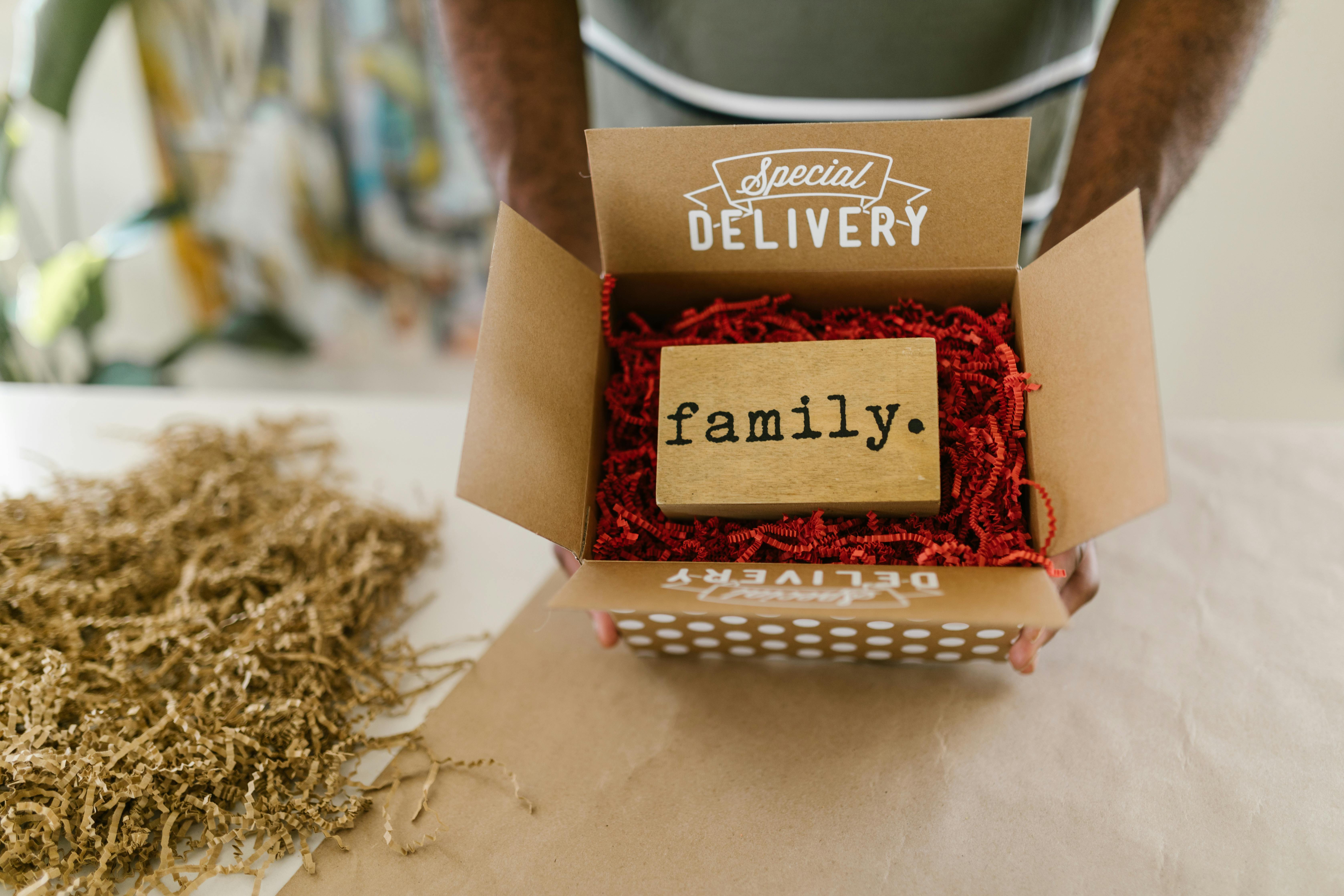
The first thing people notice is not the fiber spec or the coating line on a quote sheet. It is whether the carton feels firm, looks clean under retail lighting, and keeps its shape when someone picks it up. That is why this chocolate brand folding cartons material guide starts with perception. The eye reads the box before the ingredients ever get a chance, and that matters more than most procurement conversations admit. On shelf, a flimsy carton looks cheap even when the chocolate inside is excellent. A well-built carton can make a mid-priced bar feel deliberate, giftable, and worth the ticket price.
Shoppers rarely say, "This board has excellent caliper retention." They say, "This feels nice," or, more bluntly, "This looks expensive." That reaction comes from stiffness, print clarity, coating feel, and the way the carton folds at the edges. A strong chocolate brand folding cartons material guide should treat those cues as measurable buying factors, not soft branding talk. Wrinkled corners, fiber grain showing through dark ink, or panels that bend too easily between finger and thumb all weaken the package before the chocolate gets a chance to do its job.
Folding cartons are paperboard boxes shipped flat, then folded and glued around the product. Chocolate bars, truffles, seasonal assortments, mini packs, and small gift boxes use them because they print well, stack neatly, and keep freight costs manageable. A useful chocolate brand folding cartons material guide should help you decide whether the project needs a premium-looking carton, a stronger board, or a lower-cost spec that still protects the product without turning production into a headache. The right answer for a 40g impulse bar is rarely the right answer for a 250g seasonal gift box.
Chocolate brings more pressure than many brands expect. Heat softens structure. Grease can migrate. Odor transfer matters if the boxes sit in storage near strong materials. Scuffing shows up quickly on dark solids and metallic accents. Once the carton gets crushed in transit, nobody is admiring the brand story. A smart chocolate brand folding cartons material guide has to account for shelf life, handling, and the simple fact that distribution is usually rougher than anyone wants it to be. Cartons living in a warm warehouse or traveling long distances need a little more backbone.
The unboxing moment deserves attention too. A premium carton can signal restraint, craftsmanship, and quality; a weak one sends the opposite message immediately. For a chocolate brand, the carton is often the first sensory cue customers get before they taste anything. That is why the best material choice is never just the cheapest paperboard on the quote. It is the material that matches the product, the route to market, and the promise on the label. A chocolate brand folding cartons material guide that misses that relationship turns buying into guesswork wearing a tie.
If the carton feels flimsy in your hand, shoppers are gonna assume the chocolate is flimsy too. Packaging bias is brutal like that.
Retail buyers and distributors also judge packaging by how it behaves in stacks, trays, and shelf resets. A carton that stays square and prints cleanly is easier to merchandise. A carton that bows, scuffs, or opens too easily creates extra handling for store staff and extra frustration for the people managing replenishment. That can show up as returns, damaged inventory, or simply a less polished shelf presence. A useful chocolate brand folding cartons material guide has to think beyond the render and into how the carton behaves after 500 hands touch it.
Chocolate Brand Folding Cartons Material Guide: Board Options and How They Work
A useful chocolate brand folding cartons material guide starts with the board itself. Paperboard grade, caliper, stiffness, brightness, and surface smoothness all affect how the carton prints, folds, and survives handling from customers, retailers, and machines. A 14pt board may work for a slim bar. A 24pt board may be a better fit for a heavy assortment box. The wrong thickness is how you end up with bowed corners, soft shoulders, or panels that refuse to stay square. If the carton looks tired before it even reaches the shelf, the board spec was too light for the job.
The common families are SBS, CCNB or CUK, and FBB. SBS, or solid bleached sulfate, is the cleanest-looking option and usually the first pick for sharp graphics and premium retail presentation. It prints bright whites, crisp fine type, and solid color blocks without fighting the surface. CCNB and CUK bring more strength and cost control, which matters when the budget does not leave much room for extra paper spend. FBB, or folding box board, is popular for lighter luxury presentation and can feel elegant without pushing weight through the roof. A serious chocolate brand folding cartons material guide would never call one of them universally best. They solve different problems.
SBS is a strong candidate for branded bars, truffles, and seasonal gift packs where print quality matters more than absolute board economy. CCNB can make sense when the goal is a lower-cost structure, especially for inner layers or retail packs that will be supported by corrugated shippers anyway. FBB often works well for export markets or gift boxes where a slightly softer, refined feel is acceptable. A practical chocolate brand folding cartons material guide compares those options against the expected shipping route, not just against a swatch on a desk.
Finishes matter almost as much as the board. Aqueous coating is a practical workhorse because it helps with rub resistance and leaves the surface easier to handle. UV creates a harder shine and stronger scuff resistance, but it pushes the look toward gloss. Soft-touch feels premium, though it can show wear if the box is handled a lot. Matte keeps the carton quiet and restrained. Gloss makes colors pop, yet it can also highlight scratches. If the artwork uses dark solids or metallic foil, the coating choice can make or break the final presentation. That belongs in any chocolate brand folding cartons material guide, not buried in a printer's footnotes.
Each finish has its own tradeoff. Soft-touch wins on hand feel, then loses some of that charm if it fingerprints during retail handling. Aqueous is usually the safest all-around choice for food packaging because it offers respectable protection without making the board feel plastic-heavy. Spot UV creates good contrast on logos or ingredient panels, but too much of it makes the carton feel busy. A strong chocolate brand folding cartons material guide gives every finish a job and keeps the rest of the design disciplined.
The inside of the carton matters too. Chocolate oils, wrappers, and humidity can stain weak boards or make them warp. Inner surface quality should be part of the spec, not treated like dead space. Windows, liners, and tray inserts should solve a real handling or display issue. Too many add-ons just create cost and assembly headaches. Kraft paper sleeves can work for a rustic look, but only if the visual direction supports it. Recycled materials are fine, and FSC-certified board is often a smart sourcing choice, but the carton still has to fold cleanly and hold up in the warehouse.
Biodegradable packaging sounds nice, yet the word alone does not prove anything. A paperboard carton with a heavy laminate or plastic window is not the same thing as a simple recyclable board structure. If sustainability claims matter to buyers, the material spec has to back them up. A good chocolate brand folding cartons material guide keeps the eco story honest instead of turning it into marketing confetti. If a retailer asks whether the pack is curbside recyclable, the answer should be real, not improvised.
Print method matters here too. Offset lithography is the usual choice for folding cartons because it handles fine detail, brand color control, and coatings well. Digital printing can work for short runs, seasonal tests, or SKU launches, but the unit cost tends to stay higher. Flexographic printing is less common for premium chocolate cartons, though it still appears in simpler structures. Any chocolate brand folding cartons material guide worth reading should match print method to volume, color complexity, and acceptable variance. The best board in the world still looks bad if the print process is wrong for the artwork.
Key Factors That Decide the Right Board
Product weight and shape come first. A slim bar wrapped in foil is one problem. A 12-piece truffle box is another. Long cartons need better spine stiffness so the edges stay square and the face does not sag. Heavier packs need more crush resistance, especially if they travel through corrugated master shippers and stack under other freight. This is where a chocolate brand folding cartons material guide stops being theoretical and starts saving money. A board that is too light may save a fraction of a cent and then cost more in damaged units later.
Protection needs are broader than most brands expect. Chocolate may be wrapped, but the carton still needs to resist grease spots, humidity, and odor transfer. If the product moves across hot docks or sits near bakery items, the board should have enough surface integrity to stay presentable. A chocolate brand folding cartons material guide should ask where the carton lives before it asks how pretty it looks. That sounds obvious. Plenty of buyers skip it and then wonder why the white boxes arrive with dull corners and faint stains.
Distribution method changes the board spec too. Retail-ready packs that are opened and restocked often need a tougher coating and a board that tolerates repeated handling. E-commerce shipments bring vibration, drop risk, and compression from stacked parcels. Mail-order cartons should be tested against an ISTA 3A-style transit baseline, because box failure in shipping is a costly way to learn a lesson. A chocolate brand folding cartons material guide should also consider ASTM compression expectations if cartons are expected to hold shape under load. No one wants a beautiful box that collapses after one truck ride.
Visual positioning matters as much as mechanics. A luxury assortment can justify thicker SBS, soft-touch coating, foil, and embossing because the carton is part of the gift experience. A value bar may be better served by a clean, efficient carton using good print control and a simpler finish. That is not a downgrade. It is fit. A disciplined chocolate brand folding cartons material guide keeps you from buying a prestige structure for a mass-market SKU, which is how budgets go sideways.
Brand architecture matters too. If you sell three chocolate formats, do not assume one board can do all three elegantly. A bar carton, a seasonal gift box, and a mini sampler behave differently. A 60g bar may use 18pt SBS with an auto-lock or tuck-end structure. A 6-piece truffle box may need 20pt to 24pt board plus an insert. A gift set may benefit from a rigid or partially rigid hybrid, even if that pushes you outside standard folding cartons. This chocolate brand folding cartons material guide is really about matching structure to product instead of forcing one solution across everything.
Humidity and temperature swings matter more than many brands want to admit. If cartons are stored in a warm warehouse or near incoming pallets, a lightweight board can curl or lose definition. Aqueous coatings usually help with handling, yet they do not make the box invincible. A careful chocolate brand folding cartons material guide will ask for warehouse conditions, storage duration, and seasonal shipping exposure before finalizing the spec. That information is boring. It also prevents expensive problems.
Artwork coverage has real consequences too. Dark, heavy ink coverage can make weak board show more surface flaws and edge whitening. Light, airy graphics can work on a broader range of substrates, including kraft-style options, because there is less risk of obvious scuff marks. Metallic foil can elevate a carton quickly, but it also raises the need for precise die lines and print alignment. A chocolate brand folding cartons material guide should tell you to design with the board in mind, not bolt design onto the board after the fact.
Cost, Pricing, and MOQ: What Changes the Quote
Pricing starts with board, but it does not end there. For a simple Custom Folding Carton at around 5,000 pieces, a realistic range might be about $0.18-$0.28 per unit for a straightforward SBS carton with basic print and aqueous coating. Add foil stamping, embossing, a window patch, or heavy coverage, and the same carton can move into the $0.35-$0.70 range or higher. A premium gift-style carton with specialty finishes can run more. A careful chocolate brand folding cartons material guide should always ask what the carton is actually doing before deciding whether the quote is fair.
MOQ is where the numbers start annoying people. Offset printing and custom die cutting usually favor runs of 3,000-10,000 pieces because setup costs need to be spread out. Digital cartons may start lower, often 500-2,000 units, but the per-unit cost climbs quickly. If you are testing a new flavor or making a limited seasonal pack, a shorter run can make sense. If the SKU will stay on shelf all year, a larger MOQ usually gives better economics. That is the blunt reality a chocolate brand folding cartons material guide should state without decoration.
Tooling also affects the quote. A new die line, cutting tool, or embossing tool can add several hundred dollars to several thousand depending on complexity. If the carton includes a specialty insert, that is another line item. Gummed windows, window film, and more elaborate glue patterns also push the price up. A good chocolate brand folding cartons material guide treats those as decisions, not surprises. The mistake is not paying for them; the mistake is discovering them after finance has already heard a cheap number.
Color count matters less than people think, but coverage matters a lot. A simple two-color design on white SBS is usually cheaper and cleaner than a full-bleed dark design with metallic ink and a matte soft-touch topcoat. Every extra production step adds complexity, and complexity shows up in both pricing and lead time. A chocolate brand folding cartons material guide should encourage buyers to separate brand wish list items from must-have functions. That single habit saves money fast.
There is a direct tradeoff between unit cost and visual ambition. If your brand wants a premium shelf look, the carton has to do more work. That may mean better board, better print, or both. If the product is a lower-margin bar sold at grocery checkout, the carton needs to be disciplined. You can still look good without paying for every embellishment on the menu. A chocolate brand folding cartons material guide is useful precisely because it helps you decide where to spend and where to stop.
Freight and packing efficiency belong in the quote conversation too. Folding cartons ship flat, so they save space versus pre-assembled packaging, but carton size and board weight still affect freight. Thicker board means more pallet weight. More densely packed cartons can reduce shipping expense per unit, but they may make folding or packing more cumbersome downstream. A chocolate brand folding cartons material guide should ask for a landed-cost view, not just a per-thousand number. The cheapest print quote is not always the cheapest total result.
Reprint risk is another detail buyers tend to miss. If your colors are strict, your structure is fussy, or your food-contact requirements are tight, ask for a sample proof and a material board proof before production. A better proof process can add time and modest cost, but it protects you from larger waste later. A chocolate brand folding cartons material guide should push for proofing whenever a SKU matters to revenue or retail presentation. Cheap mistakes are still mistakes.
Production Steps and Lead Time: From Spec to Finished Boxes
Production usually begins with the dieline. That flat template controls fold points, glue tabs, tuck flaps, and panel sizes. If the dieline is wrong, everything else becomes expensive decoration on a bad structure. A chocolate brand folding cartons material guide should start with a checked dieline, because artwork built on the wrong line creates fit problems later. The carton needs to be designed around the actual product dimensions, not just around a nice-looking render.
After the dieline comes artwork prep and prepress. Bleed, safe zones, fold compensation, and ink density all matter. Dark brand colors can shift if the board is absorbent or if the coating changes. Fine type near fold lines can vanish if it sits too close to a crease. That is why a chocolate brand folding cartons material guide should never treat artwork as separate from structure. The two are linked, whether anyone likes it or not.
Proofing should cover both color and structure. A digital proof tells you what the design will look like on screen or on paper, but a flat proof or printed mockup shows whether the carton assembles correctly. For food packaging, check that claims, ingredient panels, and barcode areas stay readable after folding. If the pack uses a window, verify visibility and alignment. This chocolate brand folding cartons material guide would be incomplete without saying that a cheap proof can save an expensive production run.
Lead time often lands around 12-18 business days after proof approval for standard Custom Folding Cartons, though it can move shorter or longer depending on complexity and factory load. A custom die can add 5-10 days if it has to be made from scratch. Specialty finishes, rush scheduling, or import logistics can stretch that out. If a carton includes foil, embossing, or a window patch, build in extra room. A chocolate brand folding cartons material guide should tell brands to plan ahead for holidays, not after the holiday sales deck is already late.
The sequence most Buyers Should Expect is simple: spec confirmation, dieline approval, artwork submission, prepress review, proofing, tooling, print, finishing, die cutting, gluing, final inspection, and shipment. Skip any one of those steps and the risk goes up. A disciplined chocolate brand folding cartons material guide leaves room for real production time instead of fantasy deadlines. Everyone likes speed until the cartons arrive off-register.
Quality control should check more than whether the boxes exist. Measure crease accuracy. Check glue strength. Confirm board thickness and coating uniformity. Inspect for scuffing, color variation, and crushed corners. If the cartons are for export or large retail programs, ask for batch inspection photos or a pre-shipment sample. A useful chocolate brand folding cartons material guide will tell you that a carton is only done when it folds correctly, stacks cleanly, and passes handling without drama.
Low-migration inks and food-safe adhesives deserve a place in the conversation too. If the chocolate is packaged directly near the carton surface or if the board has an inner wrap contact point, ask for food-contact-compatible materials that match your market requirements. That does not mean every carton needs a lab report stapled to it. It does mean you should know what you are buying. A chocolate brand folding cartons material guide that ignores compliance leaves risk on the table.
Common Mistakes Chocolate Brands Make with Folding Cartons
The biggest mistake is choosing board by price alone. The lowest quote often comes with the thinnest board, the weakest coating, or the least forgiving print surface. That can work for a test run, but it usually creates trouble once the product sees real handling. A chocolate brand folding cartons material guide should make one thing clear: if the carton bends in the buyer's hand, part of the sale is already gone.
Overdesigning the box is another common problem. Too much foil, too many textures, too many inks, too many special cuts. The result is a carton that looks busy and costs too much. Chocolate already has enough visual competition on shelf. A restrained carton with clean hierarchy, strong type, and one or two premium cues can outperform a cluttered package that tries to shout. A smart chocolate brand folding cartons material guide favors clarity over ornament when the SKU needs to move volume.
Brands also underestimate storage and transit conditions. Paperboard reacts to humidity, heat, and compression. If cartons are stored flat in a damp warehouse, or if master shippers are overloaded, the best-designed box can still arrive with warped edges. Ask the boring questions: where will the cartons sit, how long, and under what conditions? This chocolate brand folding cartons material guide would be irresponsible if it did not point out that supply chain reality matters just as much as the mockup.
Skipping structural tests is another fast way to spend twice. If the carton is for e-commerce or export, test it under vibration, drop, and compression conditions. ISTA-style transit tests are not glamorous, but they catch failures before customers do. A chocolate brand folding cartons material guide should encourage sample runs and real-world abuse testing, especially for seasonal products where a fail would hurt revenue and momentum. Testing is cheaper than apologizing.
Ignoring the product format is a quieter but equally costly mistake. A bar, a bar with a resealable inner film, a truffle tray, and a gift assortment each behave differently. Brands sometimes try to force one template across all four, and the result is awkward fit, wasted space, or a carton that feels oversized for the product. A useful chocolate brand folding cartons material guide should remind buyers that the package size should make sense in the hand and on shelf.
Weak sustainability claims create another problem. Recyclable, compostable, FSC-certified, plastic-free, and biodegradable all mean different things. If the box has a film window or a heavy laminate, do not pretend it is something it is not. Retailers notice. Consumers notice. A good chocolate brand folding cartons material guide should keep the environmental story accurate, because greenwashing is a terrible look on a chocolate brand.
Brands also forget to budget for reorders. A carton that is too niche, too seasonal, or tied to a hard-to-repeat specialty finish can be annoying to restock. If the SKU has long-term sales potential, choose a spec that can be repeated without hunting for rare materials every time. A chocolate brand folding cartons material guide is not only about the first production run. It should also make future buying easier.
Expert Tips and Your Next Steps for Smarter Buying
Start with the product, not the packaging trend. That sounds obvious, yet plenty of brands do the opposite. They fall for a texture, a metallic treatment, or a complicated closure, then force the product into it. A better chocolate brand folding cartons material guide begins with weight, shelf life, shipping route, and brand position. Once those are clear, the material choice gets much easier.
Request material samples before you approve a run. Not images. Actual board swatches. Feel the stiffness. Fold the edges. Run a finger across the coating. Hold it under warm light and see how the color behaves. That tactile check catches problems that spreadsheets miss. A chocolate brand folding cartons material guide should always include hands-on review, because packaging is physical before it is visual.
Use a short comparison matrix for every SKU. List board grade, caliper, finish, print method, MOQ, target unit cost, and expected lead time. Then compare the options with the real product in mind. That makes decisions faster and stops the "maybe we should add one more finish" spiral. A good chocolate brand folding cartons material guide is really a decision tool wearing an article's clothes.
Work with a supplier who can explain tradeoffs without the sales fog. If someone cannot tell you why 18pt SBS is better for one carton and 24pt CCNB is better for another, keep looking. You do not need packaging poetry. You need clear tradeoffs, reliable dates, and decent proofing. A chocolate brand folding cartons material guide only helps if it leads to better buying conversations.
Think in collections, not one-off boxes, when possible. If your brand has multiple chocolate SKUs, a shared design system can reduce setup costs and improve shelf consistency. That might mean one board family across several pack sizes while varying only the artwork, insert, or finish. A chocolate brand folding cartons material guide can help build that system so every product does not require a new learning curve.
Spend on the carton where shoppers can feel it. Save where they cannot. A stronger board, cleaner coating, and a well-controlled print job usually matter more than three extra embellishments nobody asked for. That is the part many brands learn late. A practical chocolate brand folding cartons material guide gives you permission to be selective, not maximalist.
Let the sustainability story stay grounded. Choose FSC-certified board if that supports your sourcing goals, ask for recyclable structures where possible, and keep laminates and windows only when they serve a real purpose. Buyers and retailers are more skeptical now, and with good reason. A chocolate brand folding cartons material guide that stays honest will serve your brand better than a glossy claim nobody can defend.
If you are making the final choice this week, use three filters in order: product protection, shelf presentation, and repeatable cost. That sequence keeps the decision practical and stops the spec from drifting toward whatever sounds nicest in a meeting. Once those three are aligned, the right board usually becomes pretty obvious, and the packaging starts doing its job without fuss.
Frequently Asked Questions
What is the best board for premium chocolate cartons?
For most premium bars and gift boxes, SBS is the safest starting point because it prints cleanly and feels crisp in hand. If cost matters more, CCNB can work well for supported retail packs. A chocolate brand folding cartons material guide usually points premium brands toward SBS when shelf appearance is the priority. If you want a heavier feel, move up in caliper before adding decorative extras.
Are folding cartons enough to protect chocolate?
Often yes, but only if the product format and shipping route are realistic for the board choice. The carton protects against scuffs, light compression, and presentation damage, while the inner wrap or tray handles direct product contact. A chocolate brand folding cartons material guide should pair the carton with the right inner structure if the product is delicate or the route is rough. For e-commerce, testing matters more.
What coating is best for chocolate packaging?
Aqueous coating is usually the most practical option because it offers good rub resistance and a balanced look. Matte or soft-touch can create a more premium feel, while gloss gives stronger color pop. A chocolate brand folding cartons material guide should match coating to handling and brand style, not pick based on habit. If fingerprinting or scuffing is a concern, ask for sample comparisons.
How many cartons should I order?
For offset-printed folding cartons, 3,000-10,000 units is a common range because setup costs need to be spread out. Smaller runs can work with digital printing, but unit cost usually rises. A chocolate brand folding cartons material guide will tell you to line up MOQ with your sales forecast, not your optimism. Buying too few can leave you paying more later.
How long does production usually take?
Standard custom cartons often take about 12-18 business days after proof approval, with more time needed for custom tooling, specialty finishes, or import shipping. Rush jobs are possible, but they often cost more and leave less room for quality checks. A chocolate brand folding cartons material guide should always build in time for proofing, because fixing artwork errors after print is expensive and tedious.
If you are choosing packaging for bars, truffles, minis, or seasonal gifts, treat the material spec as a commercial decision, not a decorative one. A strong chocolate brand folding cartons material guide helps you protect the product, support the brand, and keep the quote under control without pretending those goals are identical. They are not. The practical path is to start with the product, confirm the shipping reality, and only then decide how much finish the box really needs.

