Buyer Fit Snapshot
| Best fit | Sustainable Kraft Boxes Supplier projects where brand print, material claims, artwork control, MOQ, and repeat-order consistency need to be specified before quoting. |
|---|---|
| Quote inputs | Share finished size, material target, print colors, finish, packing count, annual reorder estimate, ship-to region, and any compliance wording. |
| Proofing check | Approve dieline scale, logo placement, barcode or warning zones, color tolerance, closure strength, and carton packing before bulk production. |
| Main risk | Vague material claims, crowded artwork, missing packing details, or unclear freight terms can make a low unit price expensive after revisions. |
Fast answer: Sustainable Kraft Boxes Supplier: Board, Finish, Dieline, and Unit Cost should be specified like a repeatable production item. The safest quote records material, print method, finish, artwork proof, packing count, and reorder notes in one written spec.
Production checks before approval
Compare the actual filled-product size with the drawing, then confirm tolerance on folds, seals, hang holes, label areas, and retail display edges. Reserve space for logos, QR codes, warning copy, and material claims before decorative graphics fill the panel.
Quote comparison points
Review material grade, print process, finish, sampling route, tooling charges, carton quantity, and freight assumptions side by side. A quote is only useful when the supplier can repeat the same color, closure quality, and packing count on the next order.
Sustainable Kraft Boxes Supplier: How to Choose Well
Two kraft boxes can sit side by side and look nearly identical, yet one may use less fiber, travel flatter, print cleaner, and recover better after use because the sustainable kraft boxes supplier behind it made better choices at the board, coating, and converting stages. That is the part many buyers miss. A sustainable kraft boxes supplier is not just a vendor selling brown packaging; it is a partner that understands fiber sourcing, structural design, print compatibility, and the documentation that supports environmental claims. If you are comparing options for retail products, mailer boxes, food packaging, cosmetics, or subscription sets, the right sustainable kraft boxes supplier can help you balance appearance, strength, and lower-impact materials without guesswork.
Kraft is a paper fiber style, not a sustainability guarantee. Real performance comes from the full build: recycled content, responsibly sourced virgin fiber, board caliper, adhesive system, coating choice, and how efficiently the box is converted and packed. A sustainable kraft boxes supplier should be able to explain those details in plain language and provide documentation when needed. That matters whether your team is trying to reduce plastic content, improve shipping efficiency, or align with FSC or recycling goals. For brands building a broader packaging program, it also helps to review Custom Packaging Products alongside the box spec so the secondary packaging fits the product and the shipper around it.
Packaging influences cost, freight, shelf presentation, and customer perception all at once. A sustainable kraft boxes supplier who understands those four pressures can save a brand from overbuilt boxes that waste board, or underbuilt boxes that crush in transit and trigger replacements. The sections that follow cover how these boxes are made, which supplier details deserve the closest scrutiny, what shapes pricing, and how to compare a sustainable kraft boxes supplier without falling back on marketing language.
What a Sustainable Kraft Boxes Supplier Really Provides
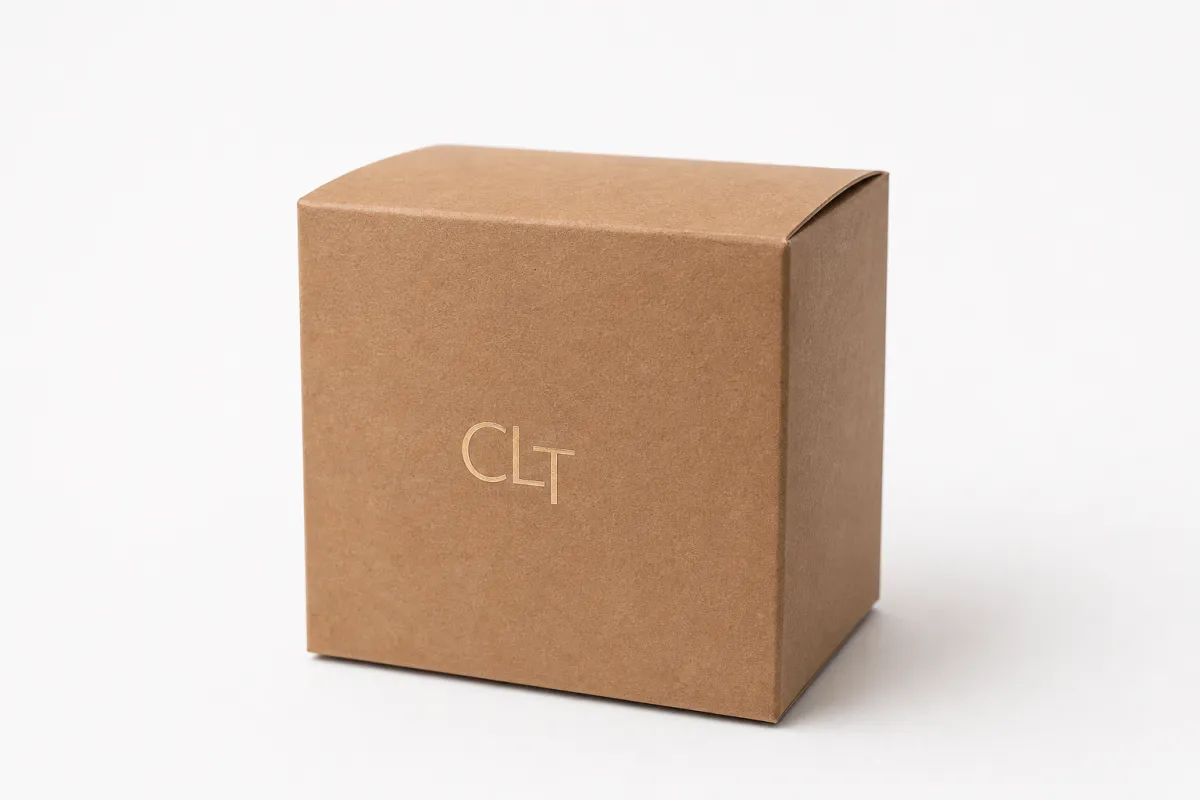
A good sustainable kraft boxes supplier does much more than quote a size and print a logo. The real work starts with the board. Depending on the product, the supplier may recommend a folding carton, a mailer-style box, or a rigid structure with kraft wrap, and each option brings a different fiber load, fold pattern, and shipping profile. That decision affects how much raw material is used, how much void fill is needed, and how much protection the product actually gets. A thoughtful sustainable kraft boxes supplier looks at the box as a system, not as a shell.
That system usually includes paperboard selection, die-line engineering, print method, adhesive choice, and final pack-out. A smarter sustainable kraft boxes supplier also asks about product weight, sharp corners, distribution handling, and whether the box will sit on a retail shelf or go straight into the mail stream. Those details matter because a 6-ounce cosmetic jar, a 2-pound candle, and a food gift set do not need the same board or flap geometry. If the structure is wrong, the box may look sustainable but perform poorly, and that creates waste through returns, damage claims, and reprints.
Documentation is another place where the difference shows up fast. A standard printer may promise an eco-friendly box, while a real sustainable kraft boxes supplier can explain whether the fiber is recycled, FSC-certified, or sourced from controlled wood systems, and whether the ink and coating choices still support recyclability. That clarity builds buyer confidence. I also like to see suppliers explain whether the board is virgin kraft, recycled kraft, or a blended structure, since those options can shift print quality, stiffness, and color consistency. Dark brown kraft can make white ink or light branding trickier, while lighter kraft or kraft-faced board often prints with sharper contrast.
End use changes the conversation too. A sustainable kraft boxes supplier serving e-commerce brands may focus on ship-flat design, compression resistance, and fast assembly. A supplier serving cosmetics may care more about print fidelity, tactile coatings, and a clean shelf presence. Food packaging teams may care about low-migration inks, grease resistance, and regulatory fit. The strongest suppliers understand that sustainable packaging is not one standard box; it is a fit-for-purpose solution that reduces material without making the product fragile or the brand look cheap.
A box that uses less material but fails in transit is not truly sustainable. From a packaging buyer's point of view, the right sustainable kraft boxes supplier is the one that protects the product with the least practical material, not the smallest quotation on paper.
If you are comparing suppliers, ask how they think about structure, not just finish. The answer reveals a great deal. A strong sustainable kraft boxes supplier should be able to describe the difference between a board that merely looks kraft and a box that is actually engineered for lower waste, better recovery, and reliable repeat performance.
How a Sustainable Kraft Boxes Supplier Works
The production chain starts long before a box is printed. A sustainable kraft boxes supplier first selects the board grade, and that is where a lot of the sustainability decision-making happens. Board thickness, caliper, stiffness, foldability, and surface texture all affect how the box behaves. A thinner board may reduce fiber use, but if it buckles under stack pressure or tears at the tuck flap, the result is more waste. A thicker board may feel premium, but if it adds unnecessary grams to every unit, freight and raw material use rise. The better supplier chooses the lightest board that still performs under real conditions.
From there, the box moves through converting. In a typical run, the paperboard is printed, cut, scored, stripped, folded, glued, and packed flat or assembled, depending on the structure. A capable sustainable kraft boxes supplier will try to reduce scrap through accurate dielines, tight nesting on the press sheet, and efficient sheet size selection. That quiet part of sustainability gets overlooked often. Less offcut in production means less paper sent to waste streams, and better nesting can lower the total number of sheets needed for a run.
Printing choices matter just as much. Many buyers now ask for water-based inks, low-migration inks, or reduced-coverage print strategies that keep the box recyclable while still supporting brand identity. A good sustainable kraft boxes supplier knows how to work with simple line art, restrained color use, and well-placed branding so the design looks intentional instead of overprinted. If the finish needs to feel elevated, embossing, debossing, or a minimal aqueous coating can often achieve more than a full plastic laminate. That route usually does a better job than stacking on layers that make recovery harder later.
For brands that want to understand recycled content and certification language, it helps to read the source standards directly. The FSC framework at fsc.org explains how responsible fiber sourcing is documented, while the EPA’s recycling guidance at epa.gov helps with end-of-life recovery in the United States. A sustainable kraft boxes supplier worth trusting should be comfortable discussing both the source of the fiber and the recovery path after use, because those are not the same thing.
Testing is the other half of the process. A sustainable kraft boxes supplier may use compression checks, fit checks, or transit simulation depending on the box type and the product risk. In shipping contexts, testing against common distribution conditions can matter a great deal, and the ISTA library at ista.org is a useful reference point for buyers who want to understand transit testing expectations. A supplier does not need to overcomplicate every project, but they should know when a simple sample fit is enough and when a more serious test program is justified.
What ties all of this together is restraint. The best sustainable kraft boxes supplier does not chase a glossy finish at the expense of material efficiency, and does not reduce board weight so far that the box becomes unreliable. There is a careful middle ground, and that is where the real value lives.
Key Factors to Compare Before You Choose a Supplier
The first thing I would compare is the actual board content. A sustainable kraft boxes supplier should be able to tell you whether the box uses virgin fiber, recycled fiber, or a blend, and whether the paper carries FSC or PEFC chain-of-custody documentation. Those labels do not mean the same thing, and buyers should not treat them as interchangeable. If your team has sustainability reporting requirements, ask for a spec sheet or certificate rather than relying on a sales promise. The wording should be clear enough that procurement, operations, and marketing can all read it without translation.
Next, compare structural strength. A box that looks elegant on a screen may fail under load if the board lacks compression strength or the walls flex too much at the corners. A serious sustainable kraft boxes supplier will discuss burst resistance, edge crush, caliper, and how the design behaves in transit. For display packaging, the conversation may include score depth and panel stability. For shippers, it may include stacking and drop risk. These are not abstract technicalities; they determine whether the box survives the trip and whether the customer receives a package that feels intentional rather than flimsy.
Print quality deserves equal attention. Sustainable does not have to mean plain, and a competent sustainable kraft boxes supplier can produce crisp type, accurate spot colors, and controlled ink coverage on kraft surfaces. Still, the buyer should know how the print method affects the result. Flexographic printing may suit larger volumes and simpler graphics. Offset may deliver tighter detail on premium cartons. Digital can help with lower quantities and variable data. The right supplier explains the tradeoffs instead of pretending one press fits every job.
Finishes and coatings deserve a careful look too. A box may claim sustainability, yet use a heavy laminate or mixed-material window that makes recovery more difficult. A trustworthy sustainable kraft boxes supplier should tell you exactly how coatings, adhesives, and windows affect recyclability or compostability claims. If you need moisture resistance, grease resistance, or scuff protection, there may be more than one path to get there, and the lowest-impact route is often not the flashiest one. Water-based coatings, minimal varnishes, and paper-based inserts frequently do the job without complicating the material mix.
Ordering flexibility is another practical filter. A sustainable kraft boxes supplier with reasonable minimums, clear reordering rules, and predictable production scheduling can be far more useful than a cheaper source that only works at one scale. For a startup or seasonal brand, the ability to place a pilot run of 500 to 2,000 units may matter more than chasing the absolute lowest unit price at 20,000. For a mature line, inventory consistency and repeatability often matter more than one-off savings. The best supplier is the one that fits your operating reality.
| Box Option | Typical Use | Common Material Range | Approx. Unit Cost at 5,000 | Notes |
|---|---|---|---|---|
| Stock-style kraft mailer | E-commerce, subscription kits | 32-44 ECT corrugated or folding carton board | $0.45-$0.95 | Lower setup, quicker turnaround, fewer print options |
| Custom printed folding carton | Retail, cosmetics, small goods | 18-24 pt kraft-faced board | $0.28-$0.72 | Best for shelf presentation and precise die-cut fit |
| Premium kraft rigid box | Gift sets, high-end products | 1200-2000 gsm rigid board with kraft wrap | $1.20-$3.50 | Higher material use, stronger presentation value |
The table above is a starting point, not a promise. A sustainable kraft boxes supplier may quote lower or higher depending on artwork coverage, finishing, inserts, and shipping method. Even so, it helps buyers compare categories instead of comparing one style of box against another and assuming the quotes are directly equivalent. I always suggest asking for a full spec sheet with board weight, print method, coating, and estimated lead time so the comparison is actually fair.
If your packaging program includes inserts, belly bands, or companion materials, check those too. A sustainable kraft boxes supplier can often recommend ways to reduce the number of components, which simplifies assembly and recovery. Sometimes a single well-designed carton replaces a carton plus plastic tray plus outer shipper. That kind of consolidation usually saves more material than focusing on one element in isolation.
Sustainable Kraft Boxes Supplier Process and Timeline
A clear process is one of the best signs you are dealing with a competent sustainable kraft boxes supplier. The work usually starts with discovery: product dimensions, weight, usage environment, target quantity, print goals, and any sustainability requirements. Then comes structure recommendation, which may involve a standard dieline or a fully custom one. After that, artwork is adjusted to fit the panel layout, proofs are reviewed, samples are approved, and production begins. Each step sounds simple, but delays often hide in the details.
The most common bottleneck is the dieline. If the product measurements are incomplete or the box needs to fit both the product and a shipper, the supplier may need several revisions before the carton is right. A good sustainable kraft boxes supplier will ask for product samples early, because a tape measure alone rarely captures rounded edges, closures, sleeves, or protective inserts. That is one of those practical packaging lessons that saves headaches later. A box that is 2 mm too tight may look fine in a CAD file and still fail on the line because the product catches on the fold or the tuck flap does not close cleanly.
Artwork approval can also stretch the schedule. Missing bleed, incorrect color mode, or low-resolution assets can add days, and sometimes weeks, if the team needs to rework files. A capable sustainable kraft boxes supplier will flag those problems early rather than waiting until press time. That is especially helpful for brands trying to align packaging releases with product launches or retail resets. If the artwork is complex, ask for a preflight checklist before sending files; it is a simple step that prevents avoidable delays.
For most custom jobs, I would expect a realistic timeline of about 10 to 15 business days after proof approval for a relatively straightforward run, and longer if the box needs custom tooling, specialty coating, multiple print passes, or sample rounds. A reliable sustainable kraft boxes supplier should explain where your job sits on that range before you commit. If they cannot estimate the slowest part of the schedule, that is usually a warning sign. Material availability can also affect lead time, especially if you need recycled board, specific caliper, or a particular kraft face with a tight color match.
The most efficient projects are the ones where the buyer gives complete information up front. A strong sustainable kraft boxes supplier will usually ask for product dimensions, target order volume, shipping method, finish preference, and sustainability targets before quoting. That is not paperwork for its own sake. It is how the supplier avoids sending you a beautiful box that arrives too late, costs too much to ship, or misses a key requirement such as recyclability language or food-contact caution. The clearer the brief, the cleaner the schedule.
Practical rule: if the supplier cannot tell you what happens after artwork approval, and cannot explain how long sample review takes, you are not talking to a partner who understands production reality. A competent sustainable kraft boxes supplier should be able to walk you from idea to pallet with no mystery in the middle.
Sustainable Kraft Boxes Supplier Cost and Pricing
Price is never just price in packaging. A sustainable kraft boxes supplier will usually build the quote from several drivers: board grade, recycled content, print coverage, box style, finishing, inserts, and the number of manufacturing steps needed to complete the job. A simple one-color mailer and a heavily printed retail carton may both be called kraft boxes, but the production economics can be very different. Buyers who treat them as equal often compare quotes that are not truly comparable.
MOQ has a major effect on unit cost. A small run may carry a higher price per box because setup, prepress, die cutting, and press calibration are spread over fewer units. A larger run typically lowers the unit price, but only if the order volume is genuine and the inventory plan can absorb it. A practical sustainable kraft boxes supplier should be able to tell you whether your project is priced in a way that makes sense for a pilot run, a seasonal run, or a core replenishment program. If the supplier offers staged production, that can be a smart way to reduce risk while still preserving a better per-unit cost than a tiny one-off job.
Tooling and sample costs often show up as separate line items, and that is normal. Custom dies, plates, and sample builds cost money because they require setup work before the full run begins. A transparent sustainable kraft boxes supplier will explain those charges instead of burying them in a vague all-in number. That transparency matters because it helps buyers understand where money is going. If your team expects repeat orders, tooling can become less painful over time. If the box is a one-time launch, you need to know that up front so the finance team is not surprised.
Freight changes the picture too. Shipping flat usually saves volume, and that is one reason many brands prefer it. Pre-assembled boxes may reduce labor at pack-out, but they can also increase shipping and storage costs. A smart sustainable kraft boxes supplier will help you compare landed cost rather than quoting only the manufacturing price. That distinction matters more than many buyers expect. A box that is cheaper to make but expensive to ship or store can easily become the more expensive option over the life of the program.
Here is a simple way to ask for apples-to-apples quotes from a sustainable kraft boxes supplier:
- Specify board weight or caliper, not just “kraft.”
- Define print method, color count, and ink coverage.
- State whether coatings, windows, or inserts are included.
- Ask whether the quote includes tooling, samples, and freight.
- Request the minimum order quantity and reorder pricing separately.
That list may look basic, but it removes most of the hidden comparison problems. A supplier quote with a low unit price can still be the wrong choice if it excludes finishing, requires high freight, or uses a board that creates avoidable damage in transit. A dependable sustainable kraft boxes supplier will not mind these questions. In fact, they usually welcome them because they lead to a cleaner specification and fewer misunderstandings later.
For brands building a larger packaging line, it can help to review the Custom Packaging Products range and think about whether the box, insert, and shipper should be designed as one system. A sustainable kraft boxes supplier that can support the whole structure often gives better total value than one that sells only the front-facing carton and leaves you to solve the rest afterward.
Common Mistakes When Hiring a Sustainable Kraft Boxes Supplier
The first mistake is assuming all kraft board is the same. It is not. A visually similar carton from one sustainable kraft boxes supplier may use a different fiber blend, thickness, or surface treatment than another, and that can change both print quality and performance. One board might score cleanly and fold well, while another cracks on the crease or shows uneven ink absorption. If you are buying for a premium line, those differences show up fast in the hand and on the shelf.
The second mistake is chasing the lowest quote without checking what is included. A low number can hide more expensive freight, extra handling, weak board, or a coating that complicates recyclability. I have seen brands choose a cheaper-looking quote from a sustainable kraft boxes supplier only to discover that the apparent savings disappear once inserts, shipping, and replacements are counted. Price discipline is good; false economy is not.
Skipping physical samples is another common problem. Digital proofs are useful, but they do not tell you how the product fits, how the flaps close, or how the carton stacks. A careful sustainable kraft boxes supplier will encourage you to test samples before a full run, especially if the package must survive parcel shipping or retail handling. That sample step often catches issues with board spring, flap tension, and print alignment that a screen cannot reveal. In packaging, “close enough” is usually expensive later.
Vague sustainability language is another red flag. If a sustainable kraft boxes supplier cannot clearly explain recycled content, sourcing claims, coatings, and end-of-life recovery, the environmental claim is too soft to trust. Buyers should ask for specifics and keep the language accurate in marketing. A box may be recyclable in one region and not in another depending on the coating or local collection system. That does not make the box bad; it just means the claim has to be precise.
The last mistake is ignoring supply continuity. A beautiful sample is not enough if the supplier cannot repeat it reliably. A dependable sustainable kraft boxes supplier should be able to support reorder consistency, note acceptable tolerances, and tell you what happens if a material changes. That matters because packaging is rarely a one-and-done purchase. If your brand grows, the box needs to grow with it, and that requires a supplier who can hold the line on specs over multiple runs.
One more practical point: if you are planning a launch, do not leave reorder planning until the end. A sustainable kraft boxes supplier that can forecast material needs and lead times helps protect you from stockouts, and stockouts create a kind of waste that does not show up in the box spec but still hurts the business.
Expert Tips for Working With a Sustainable Kraft Boxes Supplier
The best way to get a useful quote is to send the supplier more context than you think they need. A sustainable kraft boxes supplier can do much better work if you provide product samples, target dimensions, expected annual volume, shipping method, and the visual tone you want the packaging to carry. “Minimal and earthy” is less useful than “light kraft board, one-color print, no plastic window, mail-ready, 8-ounce product.” The more concrete the brief, the faster the supplier can Choose the Right structure.
Ask for a sustainability spec sheet, not just a sales promise. A serious sustainable kraft boxes supplier should be able to list board composition, coating type, adhesive type, and any certifications without turning it into a marketing brochure. That lets your team compare options in a cleaner way and gives procurement something real to review. If the box is supposed to be recyclable, make sure the supplier tells you which part of the build supports that claim and which part may limit it.
Test a pilot run before you scale. That advice sounds basic, but it is one of the most valuable habits in packaging. A small pilot from a sustainable kraft boxes supplier can reveal issues with fit, assembly speed, print contrast, or transit damage before those problems hit thousands of units. If you ship through parcel networks, test a few filled boxes under real handling conditions. If the box is retail-facing, test how it holds up under stacking, humidity, and repeated shelf handling. A good pilot saves more money than it costs, plain and simple.
Design for the smallest viable box. A tight, well-sized carton uses less board, reduces void fill, and often lowers freight waste too. A disciplined sustainable kraft boxes supplier will help you shave unnecessary space without making the package hard to open or vulnerable at the corners. In practice, the best packaging is usually not the biggest or the most decorated. It is the one that holds the product securely, presents it well, and stays efficient through the supply chain.
It also helps to think in systems. If the product needs a belly band, insert, shipper, and carton, ask whether all four are necessary. A thoughtful sustainable kraft boxes supplier may suggest combining functions, using one printed carton instead of two layers, or changing the insert geometry so fewer pieces are required. Those improvements can save material, labor, and freight together. That is the kind of practical packaging thinking that usually separates a useful supplier from a merely responsive one.
For buyers working through larger assortments, the packaging program should connect back to the rest of the line. Reviewing Custom Packaging Products can help you see where the carton, sleeve, and shipper can share dimensions or design language. A strong sustainable kraft boxes supplier will not push random complexity; they will help you trim it.
Before you place the order, compare three quotes, request samples, verify claims, lock the dieline, and confirm the reprint path for future runs. That sequence sounds methodical because it is. A reliable sustainable kraft boxes supplier makes the ordering process feel controlled instead of improvised, and controlled packaging programs are usually the ones that stay on budget and on schedule.
FAQs
How do I know if a sustainable kraft boxes supplier is truly eco-friendly?
Ask for material details, not just marketing language. A credible sustainable kraft boxes supplier should be able to explain fiber content, certifications, and whether the board uses recycled or responsibly sourced paper. It also helps to ask how inks, coatings, and adhesives affect recycling or recovery. If the supplier can provide a spec sheet or sample, you can verify the construction and claims before placing a larger order.
What should I send to a sustainable kraft boxes supplier for an accurate quote?
Provide product dimensions, weight, quantity, shipping method, and whether the box needs inserts, windows, or special finishing. A good sustainable kraft boxes supplier can quote much more accurately when they see artwork files, brand colors, or at least the expected print coverage. If you also share your target timeline and any sustainability requirements, the supplier can narrow the material and process options faster.
What MOQ should I expect from a sustainable kraft boxes supplier?
MOQ varies by box style, print complexity, and tooling, so a stock-size run is usually more flexible than a fully custom build. A sustainable kraft boxes supplier may price small runs higher per unit because setup costs are spread across fewer boxes. If your volume is still uncertain, ask whether pilot runs or staged ordering are available so you can test demand before committing to a large batch.
How long does a sustainable kraft boxes supplier usually take to produce custom boxes?
Lead time depends on whether the dieline is ready, how many revisions are needed, and whether samples must be approved before bulk production. A sustainable kraft boxes supplier can often move faster once artwork is finalized, but custom print and finishing will still add time. In many cases, a clear brief and prompt proof approval make the biggest difference in the schedule.
Can a sustainable kraft boxes supplier add printing without hurting recyclability?
Yes, if the supplier uses suitable inks and keeps the design within recycling-friendly finishing choices. A sustainable kraft boxes supplier may recommend water-based inks, restrained coatings, or paper-based finishes instead of heavy laminates or mixed-material builds. Always confirm the final construction before you approve production, especially if your packaging has to balance branding, durability, and end-of-life recovery.
If you choose carefully, a sustainable kraft boxes supplier can give you more than a brown box with a logo on it. The right partner helps you reduce excess fiber, print cleanly, ship safely, and document the material story in a way that holds up under real scrutiny. The most practical next step is to compare board specs, request a physical sample, confirm sourcing and coating details, and pilot the box under real shipping conditions before you lock the final run.