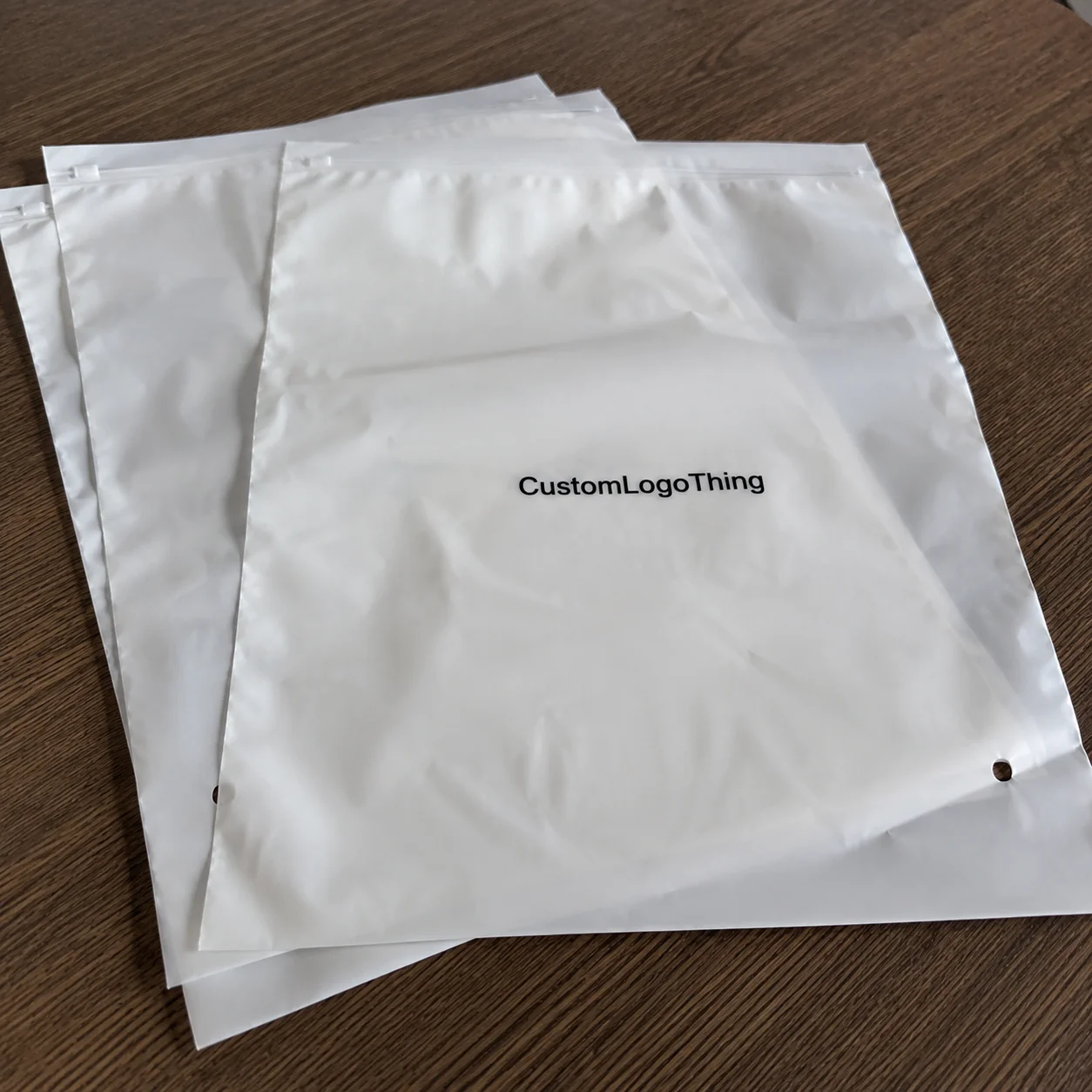
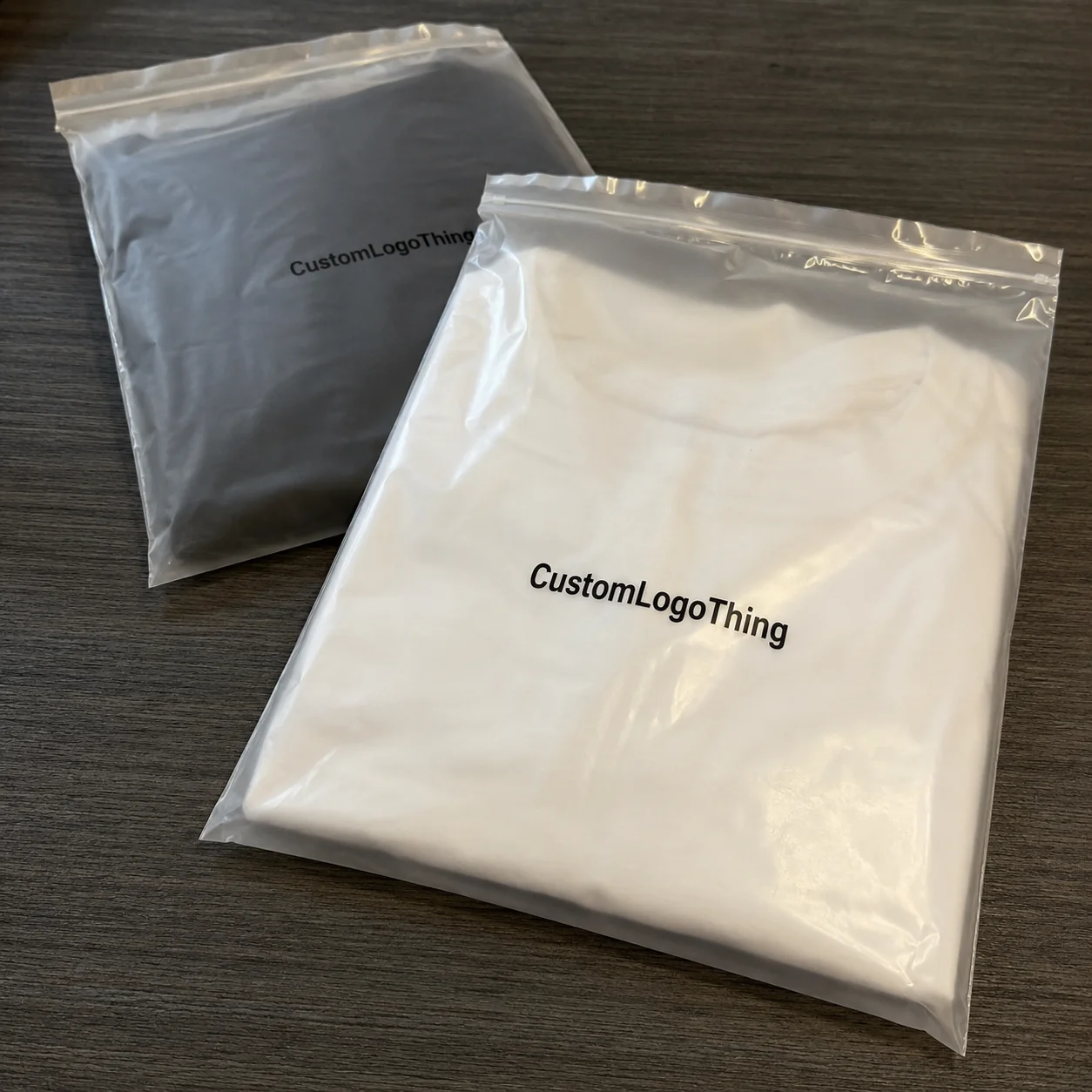
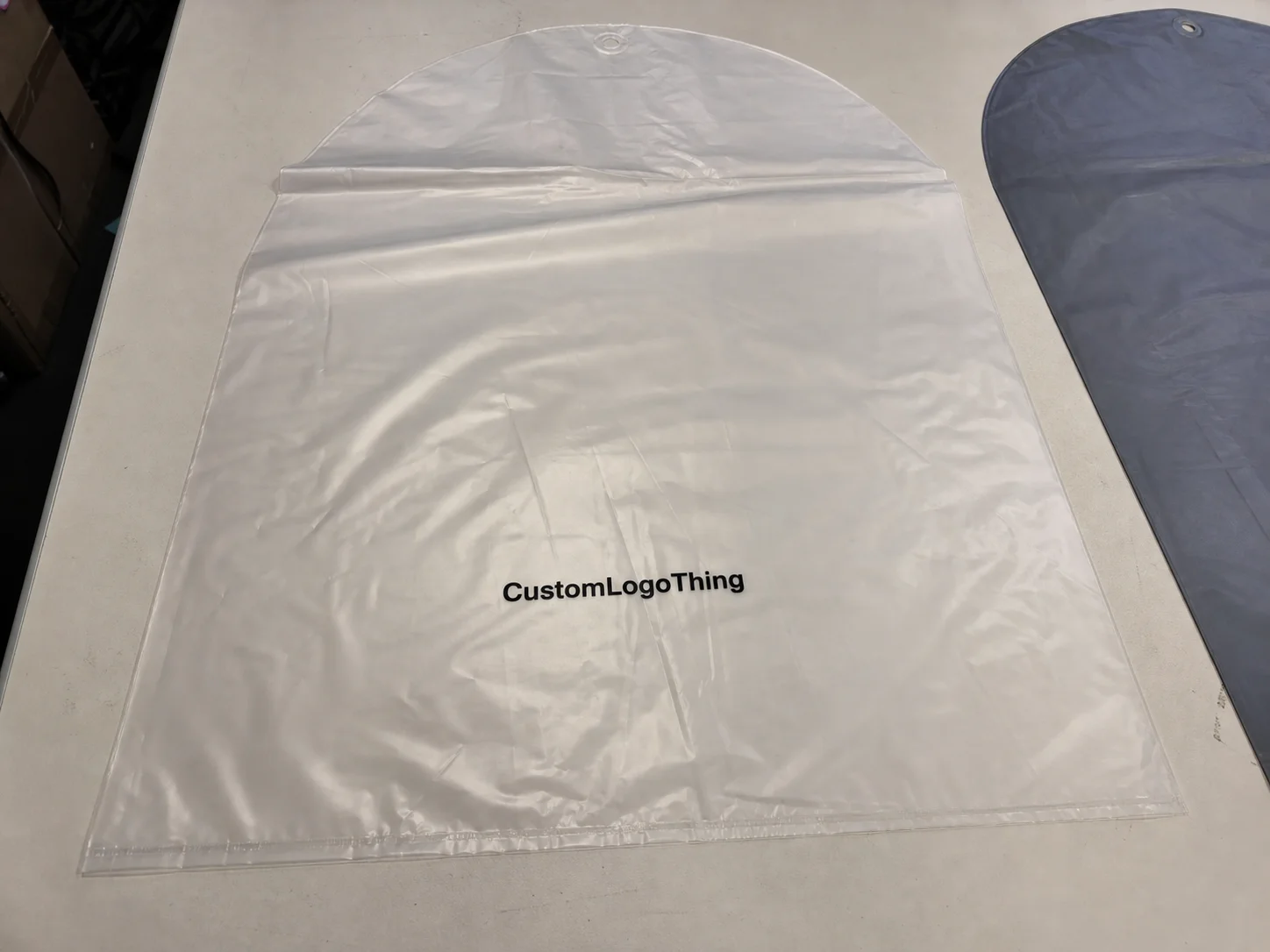
Buyer Fit Snapshot
| Best fit | Sustainable Packaging for Vegan Chocolate projects where brand print, material claims, artwork control, MOQ, and repeat-order consistency need to be specified before quoting. |
|---|---|
| Quote inputs | Share finished size, material target, print colors, finish, packing count, annual reorder estimate, ship-to region, and any compliance wording. |
| Proofing check | Approve dieline scale, logo placement, barcode or warning zones, color tolerance, closure strength, and carton packing before bulk production. |
| Main risk | Vague material claims, crowded artwork, missing packing details, or unclear freight terms can make a low unit price expensive after revisions. |
Fast answer: Sustainable Packaging for Vegan Chocolate: Material, Print, Proofing, and Reorder Risk should be specified like a repeatable production item. The safest quote records material, print method, finish, artwork proof, packing count, and reorder notes in one written spec.
Production checks before approval
Compare the actual filled-product size with the drawing, then confirm tolerance on folds, seals, hang holes, label areas, and retail display edges. Reserve space for logos, QR codes, warning copy, and material claims before decorative graphics fill the panel.
Quote comparison points
Review material grade, print process, finish, sampling route, tooling charges, carton quantity, and freight assumptions side by side. A quote is only useful when the supplier can repeat the same color, closure quality, and packing count on the next order.
Two chocolate bars can sit side by side on a shelf and tell completely different stories. I’ve seen a beautifully formulated oat-milk bar wrapped in plastic-heavy packaging, and the contradiction lands fast. In a Brooklyn specialty store, the mismatch can be visible from six feet away. Frankly, that gap does more damage than most brands expect. For companies serious about sustainable Packaging for Vegan chocolate, the pack is not decoration. It is part of the promise. And if the promise and the packaging argue with each other, shoppers notice.
That disconnect is where many launches stumble. The recipe may be plant-based, ethically sourced, and low-impact, yet the Sustainable Packaging for Vegan chocolate around it can still be wasteful, hard to recycle, or oversized for the product. In packaging meetings, I’ve watched founders spend six weeks perfecting salt levels and texture, then approve a foil-laminated carton with a plastic window because “it looks premium.” Premium to whom, exactly? I remember one meeting in Rotterdam where I had to bite my tongue so hard I practically needed a medical note. The carton looked expensive; the waste stream would have disagreed.
This piece treats sustainable packaging for vegan chocolate as a system, not a single material choice. Materials matter. Inks matter. Adhesives matter. So do right-sizing, production yields, shipping weight, and what happens after the customer opens the bar. A 350gsm C1S artboard box with soy-based inks may be the right answer for one 70g bar, while a 40-micron recyclable mono-material wrap is better for another. Get those pieces aligned and packaging becomes part of the product story instead of an environmental asterisk. Get them wrong, and you have a very expensive way to say “we tried.”
Sustainable Packaging for Vegan Chocolate: Why It Matters
Here’s the contradiction I keep running into: vegan chocolate is often positioned as the ethical choice, yet the packaging can be the least ethical part of the purchase. That disconnect shows up fast in retail, where a 70g bar ends up inside a full-height carton, wrapped again in film, then shipped in an oversized master case. Three layers for one product. I’ve seen smaller brands pay $0.28 per unit for the inner wrap and $0.22 per unit for the carton, then spend another $0.16 on excess void fill. That still makes me mutter under my breath in supplier meetings.
Sustainable packaging for vegan chocolate matters because it protects brand credibility. Vegan shoppers, particularly repeat buyers, tend to read labels, compare materials, and notice details like FSC claims, recycled content, and whether the carton is recyclable in curbside collection. In London, Manchester, and Melbourne, those shoppers are not just buying cocoa solids and cane sugar. They are buying a promise. Package branding either reinforces that promise or weakens it. And once trust slips, it is annoyingly hard to win back.
In practical terms, sustainable packaging means a package designed with the whole lifecycle in mind: source materials, print chemistry, converting process, shipping efficiency, use phase, and end-of-life disposal. A paper carton with soy-based inks and a compostable inner liner may sound ideal, but only if the barrier performance holds and the local waste stream can handle it. A recyclable mono-material film may look less “natural,” yet it can outperform mixed-material structures in real-world recovery. That’s why sustainable packaging for vegan chocolate is usually about trade-offs, not purity. Real life is rude like that, especially when a 12°C temperature swing hits a pallet in July.
I still remember a client meeting in Rotterdam where a brand owner insisted on a matte black soft-touch carton for a hazelnut bar. Beautiful piece of packaging design, no question. But the coating blocked curbside recyclability in several target markets, and the carton also needed a plastic window to “show the product.” After testing three alternative finishes, we swapped to an uncoated natural board with a single-color print and a debossed logo. The sales team worried it would feel cheap. It sold out in ten days. The lesson stuck: what shoppers call premium is often not the same as what converters call premium.
There’s also a hidden footprint issue. Mixed laminations, metallic effects, and unnecessary inserts add material mass, raise freight emissions, and complicate recovery. A foil-heavy carton might use just 4 extra grams per unit, but across 50,000 bars that becomes 200 kilograms of added material before a single chocolate square is eaten. And because chocolate is temperature-sensitive, brands sometimes overcompensate with excess insulation or double boxing, which increases cost without always improving product safety. Nobody wants to spend money on a box that is basically a dramatic sweater.
Sustainable packaging for vegan chocolate is not one decision. It’s a chain of decisions. Material choice, print method, fill weight, carton geometry, case pack size, and disposal instructions all shape the final outcome. A 90g bar in a 350gsm C1S carton has very different implications from a 30g mini in a 60gsm paper sleeve. Get one link wrong, and the entire sustainability claim gets weaker.
For reference standards and material guidance, I often point clients to the EPA recycling resources and the FSC certification framework. Those aren’t packaging shortcuts, but they are useful anchors when a claim starts sounding vague. If a supplier in Ho Chi Minh City or Barcelona can’t connect the material to a recognized standard, that is a signal to ask harder questions.
How Sustainable Packaging for Vegan Chocolate Works
The easiest way to think about sustainable packaging for vegan chocolate is as a stack. At minimum, most bars have five layers of decision-making: the primary wrap, an inner barrier or liner, the outer carton, any label or closure, and the shipper used for distribution. Each one plays a different role. One keeps out moisture. Another carries the brand story. Another protects the corners in transit. Treat them all the same and you end up either over-packaging or under-protecting. On a 10,000-unit run, that mistake can add hundreds of dollars in materials and a lot more in frustration.
The primary wrap is the first line of defense. For chocolate, it often needs grease resistance, odor protection, and a decent oxygen barrier. Traditional foil laminates perform well but are difficult to recycle. That’s why many brands now look at recyclable mono-material films or paper-based wraps with functional coatings. A 40-micron PE film with a recyclable stream may beat a mixed laminate in recovery, while a paper wrap with a water-based barrier can work for shorter shelf-life products. The trick is that not every “paper” structure is actually better. If it has a thick polyethylene coating or incompatible adhesives, the recycling story gets muddy fast.
The outer carton does a different job. It carries brand identity, ingredient panels, and the visual cues shoppers use at arm’s length. In packaging design, this layer often gets the most attention because it is the most visible. Visibility is not the same as impact, though. A carton can be elegant and sustainable if it uses responsibly sourced board, efficient die-cutting, and inks that don’t interfere with recovery. Custom Printed Boxes can be surprisingly lightweight when the structure is engineered well. A 350gsm C1S artboard carton, for example, can feel premium without becoming overbuilt.
Barrier properties matter more than many founders expect. Vegan chocolate can bloom if exposed to temperature swings or moisture, and even a perfect recipe loses appeal if the surface turns dull or dusty. I’ve tested bars in warm distribution lanes where the difference between a 40-gauge and 60-gauge liner showed up within 48 hours. The product in the better structure held its snap. The other one softened just enough to trigger returns from two retailers in Chicago and Austin. Sustainability fails if the chocolate reaches the shelf damaged.
Design choices can also improve or hurt recyclability. Avoid laminated composites where possible. Skip metallic inks unless they are truly necessary. Be careful with paper windows, magnetic closures, and decorative sleeves that add more material types than the product needs. If you want the package to feel premium, texture and typography often do more work than a pile of finishes. A restrained palette, a crisp carton line, and a 1-color flexo print can carry just as much authority as a glossy effect.
| Packaging option | Typical benefit | Common drawback | Best fit |
|---|---|---|---|
| Paper carton with functional liner | Strong branding and broad shelf appeal | Liner choice must be tested for recyclability | Retail packaging for premium bars |
| Compostable film wrap | Good story for low-waste positioning | Requires real composting access | Brands with verified compost channels |
| Recyclable mono-material plastic film | Better recovery potential in many regions | May feel less artisanal without strong design | High-volume product packaging and shipping |
| Paper-based wrap with barrier coating | Natural look and lower visual complexity | Performance varies widely by coating type | Simple bars and short distribution chains |
The workflow is straightforward, though not always fast. First comes material selection based on shelf life, storage, and target markets. Then artwork adaptation, because the structure you choose changes the print area, glue zones, and legal panel placement. After that come samples, drop tests, and heat exposure tests. Finally, a production run. A supplier in Shanghai may quote 12 to 15 business days from proof approval for a stock carton, while a custom format in Barcelona or Toronto can stretch to 25 business days. The brands that save time are usually the ones that respect the sequence instead of forcing the box to fit the idea.
One more point: sustainable packaging for vegan chocolate is never just about the outer carton. If the inner wrap is non-recyclable, the overall claim weakens. That’s why I tell clients to think in layers, not slogans. A carton that says “recyclable” while hiding a foil-plastic laminate inside invites exactly the kind of skepticism today’s shopper is trained to spot.
Key Factors in Sustainable Packaging for Vegan Chocolate
Food safety comes first. Every time. A package that looks eco-friendly but lets chocolate bloom, crack, or absorb odors has failed before the customer even opens it. I’ve seen bars returned because a compostable film lost integrity in a warehouse that sat at 29°C for three days in Phoenix. The “sustainable” option became waste, and not the good kind. Honestly, that kind of avoidable mess drives me a bit mad.
Sustainable packaging for vegan chocolate must protect shelf life. Chocolate is sensitive to temperature, humidity, and fat migration. If the barrier is too weak, the product can pick up freezer smells, lose gloss, or soften during transit. If the seal is unreliable, you’ll get dust, flavor drift, or scuffed surfaces. That is why I always ask about storage and distribution before talking materials. A bar sold in a climate-controlled boutique in Paris has different packaging needs than one shipped across three fulfillment centers in Texas, Illinois, and New Jersey.
Cost is another major factor, and this is where a lot of brands make assumptions. A simple paper carton with a one-color print might run around $0.15 to $0.24 per unit at 5,000 pieces, while a fully custom structure with specialty coating and inserted liner can climb to $0.42 to $0.88 per unit. A 10,000-unit order in 350gsm C1S artboard from a converter in Guangzhou or Monterrey may land on the lower end, while a short run with soft-touch finish in Milan or Los Angeles usually moves higher. Those are not universal prices. They depend on board grade, print method, tooling, and where the run is produced. But they show the pattern: complexity usually costs more than sustainability itself. Small runs and premium finishes push unit price up quickly.
Minimum order quantities matter too. A supplier may quote 3,000 units for a stock-based format but 15,000 units for a custom dieline with special barrier specs. That difference can change the whole launch plan. In a supplier negotiation I handled for a vegan truffle brand, the packaging cost dropped 17% when we moved from a bespoke insert to a standardized carton dimension that used the same board caliper but less waste in conversion. Same brand feel. Less dead material. Better cash flow. The order moved from a 9-week custom cycle to a 14-business-day stock format after proof approval, which freed up launch capital for paid sampling in Toronto and Berlin.
Brand alignment is just as important as technical performance. Vegan chocolate shoppers often expect clean ingredients, ethical sourcing, and restrained aesthetics. That doesn’t mean everything has to look beige and handwritten. It does mean the packaging should match the product’s values. A loud metallic wrapper can work for a playful brand, but for many premium bars, the strongest signal is restraint. Package branding should feel intentional, not decorative for decoration’s sake. A carton printed in two spot colors on matte uncoated board often says more than a sleeve with five finishes.
Consumer behavior is messier than marketing decks suggest. People will say they want eco-friendly packaging, then hesitate if the box feels flimsy or looks too plain for gifting. I’ve watched focus groups in Amsterdam and Seattle praise recycled board, then reject the same pack because the opening experience felt “cheap.” That tension is real. Sustainable packaging for vegan chocolate has to satisfy the conscience and the hand. The customer wants to feel good and get something worthy of a gift table, especially around Q4 when 60% of annual confectionery gifting can happen in a six-week window.
Supply chain constraints add another layer. Imported materials may offer better pricing on paper grades or films, but they can bring longer lead times and freight volatility. Local sourcing in the UK, Germany, or Mexico can reduce transit emissions and simplify communication, though stock availability may be tighter. Seasonal peaks make it harder still. If you launch gift boxes around the holidays, the same converter who had capacity in May may be booked solid by September. Planning around those cycles matters far more than most founders expect.
For technical guidance, I also recommend reviewing ISTA test standards for distribution testing. Chocolate packaging doesn’t need every test in the book, but drop, vibration, and compression tests can prevent expensive mistakes. A 1.2-meter drop on a packed shipper in testing is cheaper than a 3,000-unit recall later.
Step-by-Step Process for Sustainable Packaging for Vegan Chocolate
The cleanest projects start with facts. Before you sketch a carton or request custom printed boxes, define the product. Is it a 40g impulse bar, a 90g retail bar, a slab in a sleeve, or a gift box with multiple flavors? How long does it need to stay fresh? What are the storage conditions? Will it sit on a shelf, in a shipping box, or in a subscription mailer? Sustainable packaging for vegan chocolate depends on those answers because the package has to protect the product in the real distribution chain, not just in a design deck. A 14-day shelf-life target in San Francisco needs a different barrier profile than a 120-day target shipped out of Madrid.
Next, audit the current packaging if one already exists. Look for excess board, unnecessary inserts, non-recyclable films, oversized shippers, and duplicate labels. In one factory-floor audit I did in the Midlands, we found a carton that used 22% more board than required because the internal dimensions were copied from a previous supplier’s tooling file. Nobody had questioned it for 14 months. That single correction reduced freight cube and cut raw material use without changing the visual identity at all. I wish I could say that kind of waste is rare, but it really isn’t. On a 25,000-unit order, it can mean several pallets of avoidable material.
Then choose the material combination. Do you need a paper carton with a food-safe inner wrap? A recyclable mono-material film? A compostable structure with third-party validation? Ask for samples and hold them in your hand. A material can look perfect on a spec sheet and feel wrong in the hand. The tactile experience matters. So does fold memory, glue performance, and how the surface takes ink. Product packaging is never just about the data line. A 350gsm C1S artboard carton can fold sharply and print cleanly, while a lighter 250gsm sheet may buckle at the corners.
Artwork should be built around the chosen structure, not forced onto it. This is where claims can get risky. If you use recycled content, state the percentage only if it is verified. If the pack is recyclable in some regions but not all, say that clearly. Avoid vague language like “earth-friendly” or “planet-positive.” Those phrases feel good in a pitch meeting and fail badly under scrutiny. Clear copy protects the brand. It also protects the customer. If your finished carton ships from Pune or Shenzhen, the compliance language should be checked before plate approval, not after the press run starts.
Test the packaging before you commit. I’m talking about drop protection, seal integrity, transit scuffing, and a simple heat exposure test. If the bars will be sold in summer, simulate warmer conditions. If they are gift items, test opening and re-closing behavior. A package can pass every shelf test and still fail in the customer’s kitchen drawer. That is why sustainable packaging for vegan chocolate needs practical testing, not assumptions. The first time I saw a bar melt against a bad liner, I honestly wanted to throw the whole sample tray out a window.
- Define the chocolate format and shelf-life target.
- Remove waste from the current structure.
- Match material choice to barrier needs.
- Adapt artwork to the selected pack format.
- Request physical samples and compare them side by side.
- Run basic distribution and heat tests.
- Approve production only after performance checks.
One small but useful detail: ask your supplier what happens at the glue line. A beautiful carton can fail if the adhesive interferes with the barrier or weakens in humid storage. That kind of problem rarely shows up in the render. It shows up when a pallet sits near a loading dock in Singapore at 31°C and 74% humidity. Ask for the exact adhesive spec, too; a water-based cold glue may be fine for one structure, while a hot-melt adhesive is better for another.
Timeline and Production Process for Vegan Chocolate Packaging
A realistic timeline keeps the whole project sane. For a fairly straightforward sustainable packaging for vegan chocolate launch, I usually see a path like this: discovery and brief development in 3 to 5 business days, structural sampling in 7 to 12 business days, artwork revisions in 3 to 7 business days, print setup in 5 to 10 business days, and manufacturing in 10 to 20 business days depending on quantity and finishing. Freight is a separate variable. Air and sea both change the calendar, and neither cares about your launch party. A bar made in Ho Chi Minh City and flying to London will not share the same schedule as a carton produced in Valencia and shipped by truck to Lyon.
Where do delays usually happen? Artwork. Then material substitutions. Then approvals from legal or compliance teams who want the sustainability claim clarified line by line. I’ve sat in meetings where a single phrase on a sleeve held up a full run because the client wanted to say “compostable,” but the pack was only certified in industrial facilities and only in one market. That is not a small detail. It is the difference between a credible claim and a complaint. In one case, a 9-word disclaimer prevented a 3-week reprint delay.
Stock-based structures are the fastest route. Semi-custom options sit in the middle. Fully custom packaging takes longer because the dieline, tooling, print setup, and test cycles are all unique. If your vegan chocolate line is seasonal, the timing matters even more. A gift assortment for the holidays may need a 10- to 14-week planning window to absorb sampling, packaging design adjustments, and freight delays. I’ve seen brands miss the season by two weeks and sit on inventory until spring. That is an expensive way to learn patience, especially when a retailer in New York or Copenhagen expects October delivery for a November reset.
There is also a difference between packaging development and packaging production. Development includes concept, mock-ups, and sample approval. Production includes plate creation, press setup, converting, quality checks, and packaging into master cartons. If your supplier is transparent, they’ll give you separate timing for each stage. If they say “quick turnaround” and nothing else, ask for a breakdown. A trustworthy timeline should say, for example, 12 to 15 business days from proof approval for a stock carton, plus 5 business days for domestic freight. That level of specificity keeps everybody honest.
| Route | Typical timeline | Cost profile | Best use case |
|---|---|---|---|
| Stock packaging | 1 to 3 weeks | Lowest setup cost | Fast launches, smaller budgets |
| Semi-custom packaging | 3 to 6 weeks | Moderate tooling and print cost | Brands wanting more distinct package branding |
| Fully custom packaging | 6 to 12+ weeks | Highest setup and sampling cost | Premium retail packaging and unique shelf presence |
Build buffer time into any project using compostable barriers or new substrates. New materials can behave differently on press, and the first sample set is not always the final one. That isn’t a failure. It is the normal cost of trying to improve the system rather than repeating it. If your launch date is fixed for a March trade show in Cologne, give yourself extra time rather than hoping the second proof will magically fix everything.
Common Mistakes with Sustainable Packaging for Vegan Chocolate
The most common mistake is assuming paper equals sustainable. It doesn’t. A paper carton with a plastic window, metallic hot stamp, and laminated coating can be harder to recycle than a simple mono-material film. I’ve had more than one founder tell me, proudly, that they “switched to paper,” then discover the construction still needed separation at end-of-life. That’s not a sustainability win. It’s a marketing sentence.
Another mistake is choosing compostable materials without checking whether customers can compost them. This matters a lot. If your buyer lives in a city with no industrial compost access, the package may end up in landfill anyway. In that case, a recyclable structure can be more practical. Sustainable packaging for vegan chocolate should fit the actual waste system, not the ideal one. The bin in someone’s kitchen in Dublin, Glasgow, or Dallas is a harsher judge than any brand deck.
Prioritizing aesthetics over protection is a third trap. A delicate paper wrap may look artisan, but if it allows odor transfer during shipping, the product becomes stale or picks up fridge notes. Chocolate is unforgiving. It remembers the warehouse. It remembers the truck. It remembers the summer afternoon when the parcel sat on a porch for six hours at 32°C. Packaging must protect against those realities.
There’s also the mistake of fixing only the outer layer. I’ve seen brands redesign a lovely carton while leaving a non-recyclable inner wrap untouched. That usually happens because the carton is what shoppers see. But the packaging system is the sum of its parts. If the inner component remains problematic, the overall sustainable packaging for vegan chocolate story stays incomplete. A 1-color paper sleeve around a foil laminate is still a foil laminate at checkout and at disposal.
Overclaiming is the fastest way to lose trust. Words like “eco-safe,” “zero waste,” and “planet friendly” sound attractive but mean very little unless you can back them up with material facts, certifications, or end-of-life instructions. In my view, honest specifics always beat vague virtue. Say what the pack is made of. Say what can be recycled. Say where composting works. Shoppers respect clarity. A claim that reads “90% recycled paperboard, recyclable where paperboard is accepted” is stronger than a vague slogan on a 12-panel carton.
“The package doesn’t need to shout ‘sustainable.’ It needs to prove it in the hand, in the mailbox, and in the recycling bin.”
That quote came from a procurement lead at a specialty confectionery brand in Amsterdam, and I still use it because it captures the whole issue. Packaging that performs quietly often outlasts packaging that performs loudly.
Expert Tips for Better Sustainable Packaging for Vegan Chocolate
Start with right-sizing. It sounds simple because it is simple, and simple usually saves money. Reducing the carton by just 5 mm in width and height can improve shipping density, trim board use, and lower void fill. Across 20,000 units, those tiny changes become real savings. They also make the package feel more deliberate. A snug fit signals care. A sloppy fit looks like an afterthought in Nashville, Berlin, or Brisbane.
Favor structures with fewer materials. The more material types you combine, the harder disposal becomes. That doesn’t mean every project should use plain cardboard and nothing else. It means every added layer needs a reason. If a window doesn’t improve sell-through, remove it. If a secondary sleeve only duplicates information, cut it. Simpler builds tend to be easier to source, print, and recover. A carton with one substrate, one adhesive, and one ink system is easier to explain to a customer and easier to quote at $0.15 per unit for 5,000 pieces.
Ask suppliers for hard data, not adjectives. I want to see recycled content percentages, FSC chain-of-custody details, print compatibility notes, and end-of-life guidance in writing. If a vendor can’t tell you whether the coating interferes with paper recovery, that tells you something. Good suppliers understand that sustainable packaging for vegan chocolate is a technical brief, not a mood board. If the converter can’t provide a spec sheet from their facility in Dongguan, Leeds, or Lima, keep asking.
Use brand storytelling without overdecorating the pack. Texture can do a lot. So can type hierarchy, a single spot color, or a refined uncoated board. I’ve seen vegan bars look more luxurious after removing two inks and one foil stamp. That surprises people the first time, then seems obvious in retrospect. Strong package branding comes from restraint as much as ornament. A debossed logo on 350gsm C1S artboard can outclass a package that is trying too hard.
If budget is tight, invest first in the layer that protects the chocolate and shapes the buying decision. For many brands, that’s the outer carton plus the inner barrier wrap. Secondary inserts can come later. So can special finishes. The goal is to launch a credible, functional structure now and improve it in the next cycle. Packaging is not frozen in time unless you let it be. A first run of 5,000 units can teach more than six internal presentations.
One of the smartest things you can do is test disposal instructions with real users. Hand a sample to five customers and ask them what they would do with the wrap after opening. If three of them guess wrong, the labeling is too vague. I’ve seen a tiny “Recycle me” icon improve confidence, but only when it matched local reality. A symbol without clarity is just decoration. If the pack is compostable only in industrial facilities, say that plainly on the rear panel in at least 7-point type.
For brands already selling through multiple channels, I’d also recommend building separate packaging rules for retail packaging and e-commerce. A box that works in a boutique can fail in a mailer. The Best Sustainable Packaging for vegan chocolate often changes slightly by channel while keeping the same core visual identity. A 90g shelf carton may need a tighter lock for store display, while a subscription mailer may need a corrugated insert that adds only 18g of board.
Next Steps for Sustainable Packaging for Vegan Chocolate
The fastest way to move forward is to create a simple scorecard. Rank each option for freshness protection, recyclability, cost, brand fit, and production risk. Use a 1-to-5 scale if you like. That gives the team a shared language. I’ve seen decisions speed up dramatically once everyone stops arguing in adjectives and starts comparing actual criteria. A scoring sheet beats a 45-minute debate every time.
Then request at least three sample structures. Not three colors. Three structures. You want to compare a paper carton with functional liner, a recyclable mono-material option, and a compostable path if that’s relevant to your market. Put them on a table, open them, fold them, and inspect the seams. The best choice often becomes obvious after 10 minutes of handling. One sample might use 300gsm board, another 350gsm C1S artboard, and a third a 45-micron film. Those differences matter more than a slightly darker green ink.
Run a small pilot with your current customer base. Fifty to two hundred units is enough to learn something useful. Ask about opening experience, perceived quality, clarity of disposal instructions, and whether the pack feels giftable. In one client trial, customers liked the more natural board finish but wanted a slightly tighter closure. We changed a single tuck lock and improved satisfaction without changing the core material. That’s the kind of iterative win that makes sustainable packaging for vegan chocolate stronger over time. The update took 2 days in artwork and added only $0.01 per unit.
Review the copy carefully. Line by line. Every sustainability claim should be specific, believable, and easy to verify. If the carton is recyclable in most municipal programs, say that cautiously. If the inner wrap is compostable only in industrial facilities, say that plainly. If you don’t know the answer, ask your supplier before print approval. Ambiguity looks cheap. Clarity feels premium. A good pack tells the shopper where it was made, what it is made from, and what to do with it next.
If you’re sourcing packaging now, start with proven formats from Custom Packaging Products and build from there. Many vegan chocolate brands do not need a from-scratch structure on day one; they need a well-chosen platform with the right material choices and an honest sustainability story. If your production partner is in Guangzhou, Birmingham, or Mexico City, ask for current lead times, carton specs, and sample pricing before you commit.
My honest view? The best sustainable packaging for vegan chocolate is usually not the fanciest one. It is the one that keeps the chocolate safe, stays readable in retail, survives distribution, and gives the customer a sensible disposal path. That combination is harder to achieve than it sounds. But once you get it right, it supports the product, the brand, and the margins at the same time. A pack that launches at $0.19 per unit and arrives intact in 12 to 15 business days from proof approval is a better outcome than a beautiful concept that never leaves the mock-up stage.
FAQ
What is the best sustainable packaging for vegan chocolate?
The best option depends on shelf life, shipping distance, and premium positioning, but recyclable paper cartons with a food-safe inner barrier are often a strong starting point. For many brands, sustainable packaging for vegan chocolate works best when the structure is simple, right-sized, and tested against moisture, odor transfer, and heat. A 350gsm C1S artboard carton with a recyclable liner can be a practical fit for a 70g retail bar.
Is compostable packaging for vegan chocolate always better?
Not always. Compostable packaging only helps if customers and local facilities can process it correctly. If composting access is limited, a recyclable mono-material structure may be the more practical sustainability choice for sustainable packaging for vegan chocolate. In cities without industrial composting, a certified compostable wrap can still end up in landfill, which defeats the point.
How much does sustainable packaging for vegan chocolate cost?
Costs vary by material, print method, and order volume. Simple sustainable options can be competitive when the design is right-sized and the print is limited, while premium finishes, custom tooling, and small runs usually push unit price higher than the sustainability material itself. For many projects, sustainable packaging for vegan chocolate lands in the same range as standard premium packaging once waste is removed. A common quote might be $0.15 to $0.24 per unit for 5,000 pieces, with more complex builds rising to $0.42 or more.
How long does it take to develop vegan chocolate packaging?
A straightforward project can move from concept to production in a few weeks, while fully custom structures and new materials usually take longer. Sampling, artwork revisions, and testing are the biggest timeline drivers for sustainable packaging for vegan chocolate. For a stock carton, a typical schedule is 12 to 15 business days from proof approval to finished cartons, plus freight time if the run ships from overseas.
What should I print on sustainable packaging for vegan chocolate?
Include clear disposal guidance, material claims that can be verified, and any relevant vegan or allergy information required for your product. Avoid vague claims like “eco-friendly” unless you can explain exactly what makes the package sustainable. That kind of specificity helps sustainable packaging for vegan chocolate feel credible instead of performative. If the pack uses FSC-certified board, say so; if the liner is recyclable only in certain regions, state that plainly.