Buyer Fit Snapshot
| Best fit | Sustainable Product Sleeves Wholesale for Growing Brands projects where brand print, material claims, artwork control, MOQ, and repeat-order consistency need to be specified before quoting. |
|---|---|
| Quote inputs | Share finished size, material target, print colors, finish, packing count, annual reorder estimate, ship-to region, and any compliance wording. |
| Proofing check | Approve dieline scale, logo placement, barcode or warning zones, color tolerance, closure strength, and carton packing before bulk production. |
| Main risk | Vague material claims, crowded artwork, missing packing details, or unclear freight terms can make a low unit price expensive after revisions. |
Fast answer: Sustainable Product Sleeves Wholesale for Growing Brands should be specified like a repeatable production item. The safest quote records material, print method, finish, artwork proof, packing count, and reorder notes in one written spec.
Production checks before approval
Compare the actual filled-product size with the drawing, then confirm tolerance on folds, seals, hang holes, label areas, and retail display edges. Reserve space for logos, QR codes, warning copy, and material claims before decorative graphics fill the panel.
Quote comparison points
Review material grade, print process, finish, sampling route, tooling charges, carton quantity, and freight assumptions side by side. A quote is only useful when the supplier can repeat the same color, closure quality, and packing count on the next order.
Sustainable Product Sleeves Wholesale for Growing Brands
sustainable product sleeves wholesale is one of those packaging purchases that looks simple on a spreadsheet and then quietly starts shaping how people see the product in real life. A sleeve often does more selling than the carton or bottle it wraps, because it is the first full-panel brand surface a shopper actually reads. That matters on retail shelves, and it matters just as much in subscription kits or promo bundles where the base pack might feel plain until the sleeve gives it a little more context, color, and purpose.
From a buyer’s point of view, this is a smart category to standardize. A single base pack can be dressed for a seasonal launch, a limited edition, or a rebrand without changing the primary container. In that sense, sustainable product sleeves wholesale gives brands a repeatable way to improve shelf blocking, tighten presentation, and cut down on unnecessary overpack. The result is not just a cleaner story. It is a cleaner operation, too.
There is also a commercial layer that gets missed all the time. Retail buyers want consistency across several SKUs. DTC teams want replenishment they can forecast without drama. Co-packers want sleeves that run without fighting the line. That is why sustainable product sleeves wholesale is not really about one perfect sample; it is about repeatable performance across hundreds or thousands of units, with clear pricing, stable color, and lead times that hold up under pressure.
In packaging reviews I have seen, the sleeve is usually the first place where a project either feels under control or starts to wobble. If the dimensions are guessed, if the file is rushed, or if the finish is doing too much, the whole order starts acting bigger than it should. Get the sleeve right and the rest of the pack feels easier, kinda like the whole system finally knows what it is supposed to be doing.
Sustainable product sleeves wholesale: the shelf detail shoppers notice first
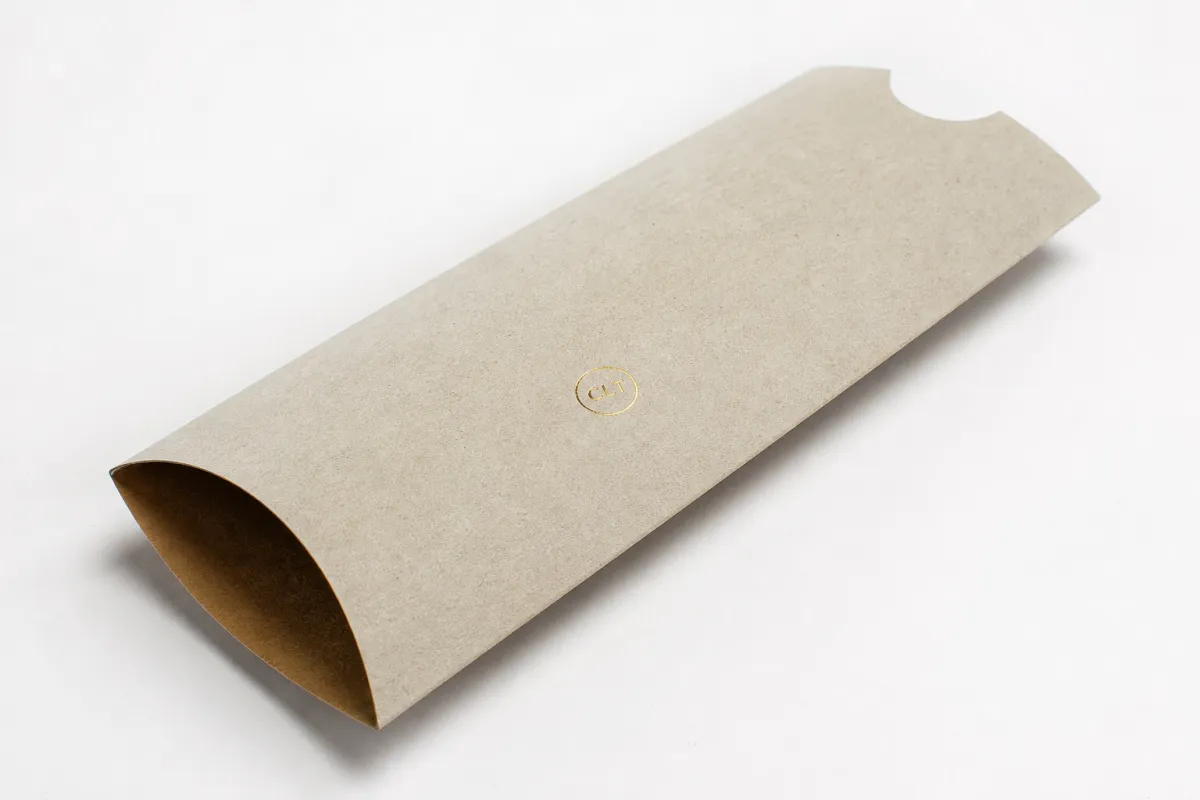
A sleeve can shift how a product is perceived in about two seconds. That sounds blunt, but it is how retail works. Shoppers decide whether an item feels premium, utilitarian, giftable, or discount-driven before they ever touch it. A plain carton can look inexpensive even when the product inside is excellent. Add a well-designed sleeve, and the same pack can move into a very different price conversation.
sustainable product sleeves wholesale matters here because the sleeve is doing double duty. It adds branding without forcing a structural redesign, and it can be produced in quantities that fit an actual sales plan rather than a one-off marketing experiment. That is why brands use sleeves for launches, retail refreshes, holiday promotions, bundle offers, and subscription insert packaging. The box stays the same. The message changes.
In day-to-day production, sustainable product sleeves wholesale also supports faster merchandising. A sleeve can carry the main claim hierarchy, ingredient callouts, QR codes, compliance details, or retailer-specific artwork. That reduces the need for multiple secondary labels. It also helps with shelf blocking, because the printed face can be aligned consistently across related SKUs. When several units sit side by side, visual order sells.
A sleeve is not extra decoration. It is the part of the pack that carries the first impression, the price cue, and the shelf story on one surface.
Buyers often compare sleeve programs to direct printing on cartons or bottles. That comparison is useful, but incomplete. Direct print can be cost-effective at scale, yet it locks the brand into one look. sustainable product sleeves wholesale gives more flexibility. It can make a basic package feel premium for a campaign, then move back to a standard format for replenishment. That matters for brands that are still testing assortments or moving through rapid SKU growth.
There is another operational benefit that buyers should not ignore: material discipline. A sleeve can be lighter than a full rigid carton, and in many cases it lets a brand preserve a functional primary pack while improving shelf impact. That can help procurement teams keep material use down without making the pack feel thin or underdeveloped. It is not magic. It is practical packaging design, done with some restraint.
For buyers comparing vendors, the key question is simple: can the supplier deliver sustainable product sleeves wholesale with stable color, clean folds, and the same fit from the first case to the last? If the answer is yes, the sleeve becomes a dependable commercial tool instead of a formatting exercise.
For more buying context, it helps to review a supplier’s broader Wholesale Programs so you can see how sleeve pricing, sampling, and repeat orders are handled across categories.
Sustainable product sleeves wholesale: product details that drive performance
The best sleeve is rarely the fanciest one. It is the one that fits, prints cleanly, and ships without creating extra work for the team. sustainable product sleeves wholesale usually starts with a few construction choices that shape everything else: open-ended wraps, glued sleeves, tuck styles, belly bands, and full-coverage wraps for cartons or rigid boxes. Each one carries a different balance of assembly speed, shelf presence, and cost.
Open-ended wraps are straightforward and often economical. They give strong brand visibility and work well when the product is already contained in a carton or tray. Glued sleeves can improve structure and make assembly more stable at higher volumes. Belly bands are useful when a brand wants a minimalist, lower-material presentation. Full-coverage wraps do the most visual work, but they also demand stronger file control and tighter fit tolerance. That tradeoff is normal in sustainable product sleeves wholesale.
Substrate choice matters just as much. FSC-certified paperboard is common because it prints well, folds sharply, and supports credible sourcing claims. Recycled board can be a strong option for brands that want to communicate material reuse without giving up too much print quality. Kraft brings a natural texture and a more muted ink behavior, which can look very intentional if the artwork is designed for it. Coated boards are usually better for high-detail branding and color-heavy designs. The right choice depends on the product, not the slogan.
For brands that want to verify sourcing claims, the chain-of-custody standards used by the Forest Stewardship Council are widely recognized in packaging procurement. For broader environmental reporting, the U.S. Environmental Protection Agency has practical guidance on sustainable materials management that many teams use as a reference point when evaluating packaging inputs.
Finish selection is another place where buyers can reduce material impact without making the pack feel cheap. Aqueous coating is a practical choice because it offers protection and a neat surface without heavy plastic lamination. Matte and satin varnishes can keep the look refined while staying production-friendly. Selective embossing can add tactile value in small zones instead of covering the entire sleeve with extra film. That is often the better commercial move in sustainable product sleeves wholesale, because the effect feels premium without getting excessive.
Print capability affects consistency across multi-SKU programs. CMYK handles rich image-based artwork. Pantone matching supports tighter brand color control, especially for logos and hero panels. Spot colors can improve repeatability when a brand runs the same design across cosmetics, wellness, and retail gift sets. If the art needs to stay consistent from one product line to another, sustainable product sleeves wholesale should be reviewed with color control in mind from the start, not after the proof has already been approved.
Sleeves work especially well in beauty, wellness, food, beverage, candles, supplements, and small electronics, where the outer presentation needs to do more than protect the product. In those categories, the sleeve often carries the brand story, compliance cues, or promotional message, while the primary pack handles function. That division of labor keeps the packaging system efficient and easier to update.
From a production standpoint, the strongest sustainable product sleeves wholesale programs are the ones that simplify where possible and spend where it counts. A clear logo, a disciplined layout, and the right substrate usually outperform complicated decoration that slows production and raises unit cost. I have seen plenty of teams save money by trimming one finish, not by chasing a bargain quote that came with too many moving parts.
Specifications: sizing, print files, and fit tolerances
Most sleeve problems begin with one mistake: guessing the size. sustainable product sleeves wholesale works best when the buyer measures the packed item, not just the base product. That means width, height, depth, overlap allowance, fold lines, and any seal or closure area that the sleeve must avoid. If the product sits in a carton, the packed carton dimensions matter more than the raw bottle or jar dimensions. If the sleeve wraps a bottle or tube, the profile at the widest point becomes critical.
Dielines are not a formality. They are the map. If the design crosses a fold incorrectly, lands over a window, or interferes with tamper-evident seals, the sleeve may still print, but it will not run cleanly. That is a costly way to learn why structural accuracy matters. In sustainable product sleeves wholesale, a correct dieline protects both brand appearance and assembly speed.
Good print files save time on both sides. Buyers should prepare vector logos when possible, provide images at proper resolution, and include Pantone references where color fidelity matters. Bleed should be built in, safe zones should be respected, and all critical text should be checked for legibility at final size. If the artwork will repeat across several SKUs, create a master file system before production begins. It is much easier than repairing a family of files after the first run.
Fit tolerance is the detail that separates a professional sleeve program from an unstable one. Industrial production always carries some variance, so the question is not whether variation exists. The question is whether it stays within a range that keeps assembly efficient. A well-managed sustainable product sleeves wholesale order should hold fold accuracy, trim consistency, and sleeve fit closely enough that pack-out teams are not adjusting every third piece by hand.
For most buyers, the useful information to send up front includes:
- Finished product dimensions, including the packed state
- Target quantity and any reorder expectation
- Artwork stage, from rough layout to final press-ready files
- Material preference, such as FSC board, recycled board, or kraft
- Finish preference, including aqueous coating, varnish, or embossing
- Shipping destination and target delivery window
Compatibility is worth checking before a quote is finalized. Sleeves for inserts, cartons, bottles, jars, tubes, and display packs do not behave the same way. A paperboard sleeve around a box may tolerate a very tight fold. A sleeve around a jar may need a slightly different opening and more room for handling. In sustainable product sleeves wholesale, those small differences affect real assembly time.
Testing should not be skipped. Buyers who care about shipping durability sometimes ask for transit validation or sample review against common packaging methods. For that kind of thinking, industry references such as ISTA standards are useful because they frame packaging performance around handling, vibration, compression, and distribution risk rather than aesthetics alone. A sleeve that looks great but arrives crushed is not doing its job.
One practical rule: if the sleeve must line up with a logo, barcode, window, or tamper seal, lock the structural dimensions before you lock the artwork. That sequence reduces revisions and keeps sustainable product sleeves wholesale orders on schedule. It also saves everyone from the kind of late-stage panic that makes a project feel bigger than it really is.
Pricing, MOQ, and quote factors for sustainable product sleeves wholesale
sustainable product sleeves wholesale pricing is shaped by a few predictable variables: material grade, sheet size, print coverage, finish complexity, die-cut detail, and order volume. Those are the levers. If two quotes look dramatically different, one of those inputs usually changed. Buyers who compare offers without standardizing the spec are comparing apples to cartons.
MOQ is not arbitrary. It is the point where setup, make-ready, tooling, and press time become efficient enough to hold a workable unit cost. Smaller runs can absolutely be done, but they often carry a higher per-piece price because the setup cost is spread across fewer units. That is normal in sustainable product sleeves wholesale, and it is one reason standard sizes often price better than custom odd sizes.
Here is a practical comparison that shows how scope changes the economics:
| Sleeve type | Typical setup complexity | Indicative wholesale price per unit | Best fit | Sustainability note |
|---|---|---|---|---|
| Simple open-ended paperboard sleeve | Low | $0.14-$0.22 at 5,000 units | Launches, basic retail wraps, inserts | Often uses less material and fewer finishing steps |
| Printed glued sleeve with aqueous coating | Medium | $0.18-$0.30 at 5,000 units | Cosmetics, wellness, food, DTC kits | Good balance of protection and lower coating impact |
| Kraft sleeve with spot color and embossing | Medium to high | $0.22-$0.36 at 5,000 units | Natural, artisanal, premium brand systems | Natural texture can reduce the need for heavy decoration |
| Complex full-coverage sleeve with special finishing | High | $0.28-$0.45 at 5,000 units | Seasonal promotions, premium retail, gift packs | Higher impact if over-specified; good design discipline matters |
Those numbers are directional, not a quote. They are useful because they show how fast price changes as finishing and structure become more involved. A buyer who simplifies the finish, standardizes the size, or consolidates SKUs often cuts more cost than someone who just asks for a lower number. That is the reality of sustainable product sleeves wholesale.
If you want a quote that can actually be used for procurement, send the following in one brief:
- Final dimensions or a sample pack
- Quantity by SKU
- Artwork stage and print coverage
- Material preference
- Finish preference
- Delivery location and required in-hand date
There are also hidden cost variables that buyers should not ignore. Tooling, sampling, proofing, freight, and rush production can all change the final landed cost. A low unit price means little if the freight is high or the proof cycle drags the launch date. In sustainable product sleeves wholesale, a fair quote should make those items visible early.
One of the simplest ways to protect margin is to standardize the design family. If three SKUs can share the same sleeve structure with different printed panels, the order usually becomes easier to manufacture. Fewer die changes. Less setup. Better repeatability. That is how sustainable product sleeves wholesale turns into a system instead of a series of exceptions.
If you are comparing suppliers, do not stop at the per-unit number. Compare material grade, finishing, sampling support, and delivery commitment. Then compare the communication itself. A supplier who responds quickly, flags file issues early, and keeps the quote aligned with the spec is often worth more than a low figure that comes with hidden corrections later. That is especially true for Wholesale Programs built around repeat purchase behavior.
Process and timeline: from dieline approval to delivery
The production path for sustainable product sleeves wholesale is straightforward when the brief is complete. First comes discovery. Then spec confirmation. Then dieline creation, artwork placement, proof approval, printing, finishing, cutting, packing, and shipping. The order of those steps matters. Skipping one usually adds time later.
Samples and pre-production proofs are the cheapest insurance in the process. If the sleeve must fit tightly, match brand colors, or carry multiple legal elements, a proof can catch errors before they become a full run. That matters even more when the order includes several SKUs. One small alignment mistake repeated across 12,000 units can consume a week of correction work. In sustainable product sleeves wholesale, prevention is far cheaper than rework.
Lead time depends on more than press capacity. Artwork revisions, material availability, finishing complexity, and order size all affect the schedule. A simple paperboard sleeve with clean artwork may move faster than a multi-finish design with embossing, spot varnish, and exact color matching. That is not a delay. It is a production fact. Buyers who understand this are easier to support, and their programs usually stay on track.
Here is the typical flow buyers should expect:
- Brief intake: dimensions, quantity, material, finish, and target delivery date
- Dieline development: structure mapped to the actual pack
- Artwork placement: logo, claims, barcode, and compliance text aligned
- Proof review: size, color, and fold checks before press
- Production: printing, coating, cutting, and assembly as needed
- Pack-out: counting, bundling, and carton labeling for shipment
Most buyers can shorten the timeline by acting quickly on approvals. Send final dimensions early. Keep revisions tight. Decide on material before artwork starts. A complete specification sheet reduces back-and-forth and helps sustainable product sleeves wholesale move with less friction.
As a general planning guide, a straightforward run may take about 12-15 business days after proof approval, while more complex projects can run longer depending on finishing and shipping. That range is realistic. It avoids the fantasy of instant production and gives procurement teams a usable window for launch planning. For larger or multi-SKU orders, allow extra time for color checks and staged packing.
A smart supplier should also tell you where the risk sits. If a project needs a specialty paper, a complex die cut, or a tight deadline, that should be visible before you commit. Clear risk communication is one of the strongest signals that sustainable product sleeves wholesale is being handled as a production program, not a sales pitch.
One thing experienced packaging buyers tend to learn the hard way: if the sample is approved too quickly, the production run often gets the blame for issues that were already sitting in the file. That is why proofing matters. It is the place where you catch the bad fit, the wrong fold, or the color that looked fine on screen but turns muddy on board.
Why choose Custom Logo Things for sustainable product sleeves wholesale
Custom Logo Things is built for buyers who want the packaging to do its job without forcing the team into guesswork. That sounds basic, but it is where many programs fail. sustainable product sleeves wholesale should come with material guidance, print discipline, dimensional control, and a clear approval path. If a supplier cannot explain those things plainly, the order will probably become harder than it should.
The value is in the details. Material sourcing should be visible. Color management should be controlled. Repeat orders should match the approved sample closely enough that the brand can reorder with confidence. Those are not extras; they are the core of a wholesale packaging relationship. For brands that move through regular launches or seasonal refreshes, consistency matters more than a one-time low quote.
Custom Logo Things also supports buyers with practical file and structural help. That means dieline guidance, artwork checks, and packaging recommendations based on the actual use case. If a sleeve needs to sit over a carton, wrap a retail bundle, or support a food or beauty presentation, the structure should be chosen with that application in mind. sustainable product sleeves wholesale works best when the supplier thinks like a production partner, not a catalog seller.
Transparency matters too. Clear quotes, clear approvals, and clear lead times build trust. There is no advantage in vague promises that turn into surprises after the order is placed. A good wholesale process should show the material, the spec, the proof, and the schedule before production starts. That is how you protect both the launch and the margin.
For brands that need a consistent buying lane, the Wholesale Programs page is the right place to start because it puts the program structure ahead of the pitch. That is useful whether the order is a first run or a replenishment order. The same applies if you are building a broader packaging system and need Wholesale Programs that can support repeat SKUs without resetting the process every time.
In commercial terms, sustainable product sleeves wholesale should give you three things at once: a credible sustainability story, a shelf-ready presentation, and a production path your team can repeat. That combination is what turns a packaging item into a buying decision with clear return.
And yes, repeat buyers notice. They notice when the color stays stable, when the fit stays true, and when the shipment arrives the way it was approved. They notice when the supplier does not hide material choices or bury the lead time. That is why sustainable product sleeves wholesale is less about flashy claims and more about execution.
Next steps: request samples, lock specs, and place the order
If you are ready to move, start with the basics. Gather the finished product dimensions, the target quantity, the artwork files, the preferred substrate, and the delivery deadline. That single brief helps a supplier quote sustainable product sleeves wholesale accurately and keeps the conversation focused on production instead of guesswork.
Request a sample or prototype before you commit to a full run, especially if the sleeve must fit tightly, align with a seal, or carry several brand colors. A sample is the cheapest way to check fit and finish. It also gives the team a real object to review instead of a screen mockup. In sustainable product sleeves wholesale, that difference matters more than most buyers expect.
Use the same inputs when you compare quotes. Same dimensions. Same stock. Same finish. Same quantity. Only then can you judge real value. Otherwise, a cheap unit price might simply reflect a lighter spec, lower-grade board, or less finish than you actually need. That is how procurement decisions drift off course.
The fastest route to production usually follows a simple pattern:
- Confirm the dieline
- Approve the substrate
- Sign off on the proof
- Lock the quantity and ship date
- Move into print and packing
If you want to keep the order moving, limit revisions after proof approval. Every late change can affect the cut, the print layout, or the shipment schedule. For sustainable product sleeves wholesale, fast decisions are not about rushing. They are about protecting the run from preventable delays.
There is a practical advantage to working this way: once the spec is locked, future orders become easier to manage. Reorders are cleaner. Color matching is simpler. Lead times are more predictable. That is exactly why brands come back to sustainable product sleeves wholesale after the first successful run.
Actionable takeaway: lock the structural dimensions first, then approve artwork against the actual dieline, and only then choose the finish. That order keeps the sleeve honest, keeps the budget steadier, and gives sustainable product sleeves wholesale the best shot at arriving on time and fitting the pack the way it should.
FAQ
What materials are best for sustainable product sleeves wholesale orders?
FSC-certified paperboard and recycled board are the most common choices because they balance print quality, stiffness, and sustainability claims. Kraft works well for brands that want a natural look, while coated boards are better for sharper color reproduction. The best material depends on product weight, shelf display goals, and whether the sleeve must survive shipping or only retail handling.
What MOQ should I expect for sustainable sleeve wholesale projects?
MOQ depends on material type, print method, and whether the job needs Custom Die Cutting or special finishing. Higher quantities usually lower the unit cost because setup and tooling are spread across more pieces. If you need a lower MOQ, standard sizes and simpler finishes are usually the easiest way to keep the order efficient.
How long does production usually take for sustainable product sleeves wholesale?
Timeline depends on artwork readiness, proof approval speed, material availability, and finishing complexity. Simple runs move faster than jobs with multiple coatings, intricate die cuts, or color-critical brand matching. The quickest way to shorten lead time is to send final dimensions, print files, and quantity requirements in one complete brief.
Can I get an accurate quote without final artwork for wholesale sleeves?
Yes, a preliminary quote is possible if you provide dimensions, quantity, substrate preference, and finishing needs. Final pricing becomes more precise once the dieline, color coverage, and decoration details are confirmed. If the art is not ready, share a rough layout or reference pack so the quote reflects real production complexity.
How do I compare sustainable product sleeves wholesale suppliers fairly?
Compare the same specifications across each quote: size, stock, print coverage, finish, MOQ, and delivery terms. Look for proof of material sourcing, sample quality, and consistency across repeat orders, not just the lowest unit price. A fair comparison also includes communication speed, file support, and whether the supplier can keep your launch on schedule.