Buyer Fit Snapshot
| Best fit | Sustainable Shipping Cartons with Logo projects where brand print, material claims, artwork control, MOQ, and repeat-order consistency need to be specified before quoting. |
|---|---|
| Quote inputs | Share finished size, material target, print colors, finish, packing count, annual reorder estimate, ship-to region, and any compliance wording. |
| Proofing check | Approve dieline scale, logo placement, barcode or warning zones, color tolerance, closure strength, and carton packing before bulk production. |
| Main risk | Vague material claims, crowded artwork, missing packing details, or unclear freight terms can make a low unit price expensive after revisions. |
Fast answer: Sustainable Shipping Cartons with Logo: Board, Finish, Dieline, and Unit Cost should be specified like a repeatable production item. The safest quote records material, print method, finish, artwork proof, packing count, and reorder notes in one written spec.
Production checks before approval
Compare the actual filled-product size with the drawing, then confirm tolerance on folds, seals, hang holes, label areas, and retail display edges. Reserve space for logos, QR codes, warning copy, and material claims before decorative graphics fill the panel.
Quote comparison points
Review material grade, print process, finish, sampling route, tooling charges, carton quantity, and freight assumptions side by side. A quote is only useful when the supplier can repeat the same color, closure quality, and packing count on the next order.
Sustainable Shipping Cartons with Logo: Practical Guide
Most shipping boxes start wasting money long before they reach a parcel carrier. sustainable shipping Cartons with Logo solve that problem without turning the carton into a loud sales pitch. Built well, they protect products, reduce filler, and give the brand a clean, considered look that feels earned rather than forced.
The appeal is simple enough. Less excess board. Fewer unnecessary extras. Better handling through ecommerce shipping and order fulfillment. A carton can carry a logo and still stay honest about what it is built to do, which is move a product safely from one place to another without pretending to be something grander.
In sample reviews, I have seen plenty of cartons fail for the same reason: the design looked tidy in a mockup, then the reality of stacking, vibration, and careless handling took over. That is why the best Sustainable Shipping Cartons with logo are usually the quiet ones. They do the job, they look intentional, and they do not waste material trying to prove a point.
Sustainable Shipping Cartons with Logo: Why They Stand Out
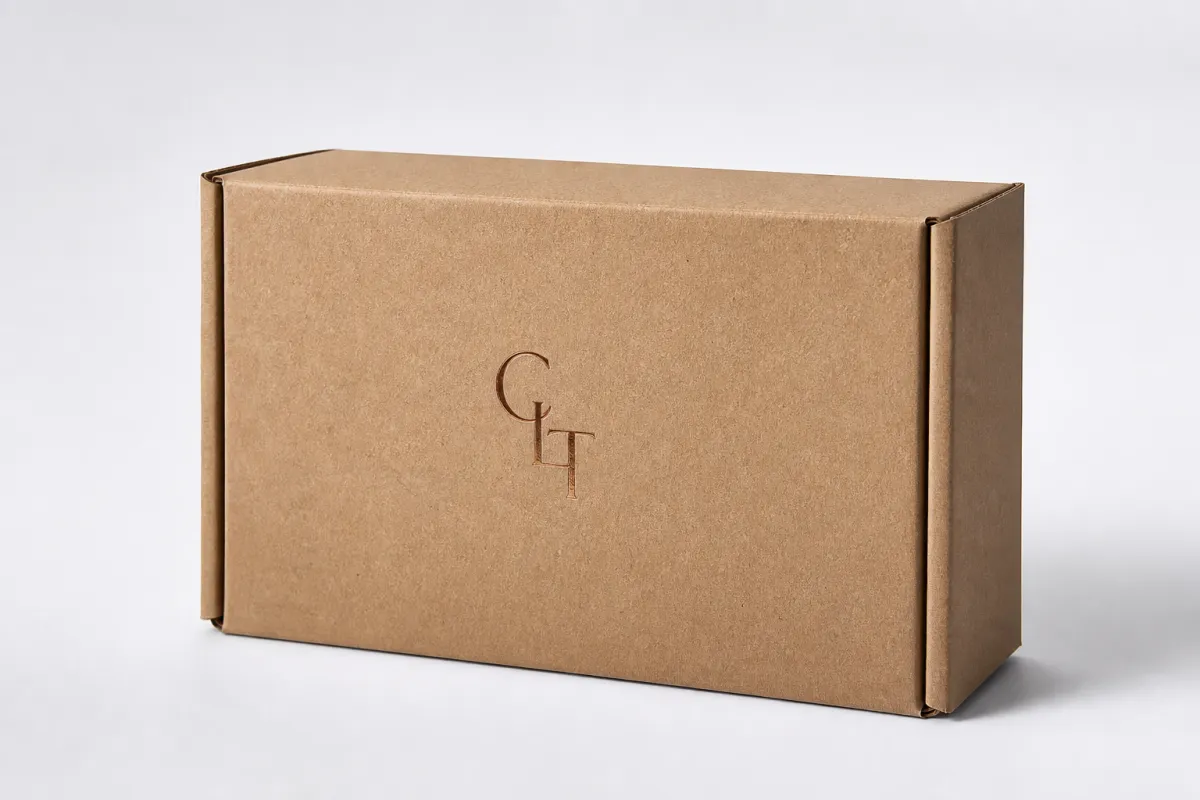
Shipping cartons are still too often overbuilt, overprinted, and stuffed with more material than the shipment needs. That is exactly why sustainable shipping cartons with logo stand out so quickly. They tell the buyer that someone actually thought about transit packaging, package protection, and waste reduction before the order entered the carrier network.
At the most practical level, the phrase means a carton designed for shipment first and branding second. The board is usually recycled or responsibly sourced. The structure is chosen for performance, not decoration. The print stays restrained, often a single logo, a short message, or a modest pattern that does not crowd the panel. Covering every inch of corrugate with ink rarely helps. Using the right amount of material and making that material work harder usually does.
Customers notice the difference. A carton that looks delicate, oversized, or overloaded with decorative ink tends to weaken the sustainability message instead of supporting it. A well-made carton feels calm. It looks like the brand paid attention to dimensional weight, product protection, and recyclability after delivery. That creates a more credible impression than a green badge stuck onto a random box.
sustainable shipping cartons with logo also make the business case easier to defend. Less wasted board means less dead freight. Better sizing reduces void fill and pack-out waste. A simpler print setup can hold production costs down. When the customer receives a carton that opens neatly, stacks well, and enters the recycling stream without fuss, the brand earns trust without adding theatrical packaging layers.
From a packaging buyer's perspective, this is not a moral performance. It is a practical decision with measurable outcomes. You can order Custom Packaging Products around a clear sustainability goal and still keep the carton aligned with your visual identity. If the product calls for a mailer rather than a standard shipping case, Custom Shipping Boxes give you more control over structure and print placement. When the fulfillment model relies on lighter parcels, Custom Poly Mailers can still fit part of the range, though they solve a different packaging problem.
"If a carton needs extra void fill just to survive or look neat, it is probably the wrong carton." That kind of fix usually costs more than it saves.
So yes, sustainable shipping cartons with logo support branding. They also demand discipline. The strongest versions do not shout. They protect the product, keep the operation organized, and leave the customer with the sense that the packaging was chosen on purpose.
How Sustainable Shipping Cartons with Logo Work
The structure behind sustainable shipping cartons with logo begins with the board itself. Corrugated board usually combines a liner with a fluted medium. The liner may be recycled kraft, test liner, or a mixed-paper blend depending on the source and the performance target. The flute profile can be E-flute, B-flute, C-flute, or a double-wall combination when additional crush resistance is needed. Thicker flutes generally handle transit abuse better, while thinner flute profiles give a cleaner print surface and tighter folds.
That balance matters more than many buyers expect. A carton for lightweight skincare does not need the same transit packaging as a box for glass bottles or bundled accessories. Pick the wrong flute and you either overpay for board or underprotect the shipment. Neither result is useful.
Printing choices shape how sustainable shipping cartons with logo look and behave. Flexographic printing works well for simple one-color runs and larger quantities. Digital printing suits lower minimums, faster setup, and variable artwork. Litho-lamination can produce a sharper image, although it adds steps and cost. For many brands, one clean logo on kraft board is the strongest choice. It reads as deliberate, saves money, and often feels more credible than a full-coverage design trying too hard to look premium.
Sustainability claims need evidence behind them. Recycled content helps. FSC-certified or FSC-controlled sourcing helps. Water-based inks help. Better sizing helps even more, because less board and less filler usually reduce waste across the chain. For sourcing standards and chain-of-custody basics, the FSC site is a solid reference. For shipping performance, ISTA outlines common package testing methods for drop, vibration, and compression.
Picture a brand shipping a 12 oz candle in a molded pulp insert. The carton uses 32 ECT single-wall corrugated board, a B-flute profile, and one dark ink logo on the front panel. The insert keeps the candle from shifting. The board provides enough protection for ecommerce shipping without turning the box into a bulky object. The result is a carton that looks intentional, holds up in transit, and still recycles cleanly with the rest of the fiber stream.
That is the working logic behind sustainable shipping cartons with logo: the right board, the right structure, the right print, and only as much material as the shipment genuinely needs.
Key Factors That Affect Performance and Appearance
Carton style changes the result more than many teams expect. A mailer, a regular slotted carton, and a tuck-style carton all behave differently once they are loaded, stacked, and handed into order fulfillment. Choose sustainable shipping cartons with logo without matching the format to the product, and the box may look good in a mockup while falling apart in real transit.
Mailers suit apparel, small accessories, books, and flat goods. They open cleanly and create a more polished presentation. Slotted cartons remain the workhorse for broader ecommerce shipping needs, especially where lower cost and stronger stacking performance matter. Tuck styles can work for retail-ready packaging or lighter products, but they are not always the best match for rough handling. The right choice follows the product, the shipping lane, and the risk of damage.
Size discipline usually decides whether the carton saves money or burns it. A carton that is 20 percent too large wastes board, often calls for more void fill, and can trigger higher dimensional weight charges. That is an expensive way to store empty air. A properly fitted carton can reduce shipping materials, cut pack-out time, and make the unboxing feel calmer. That is why sustainable shipping cartons with logo should be designed from actual product dimensions, inserts, and tolerance rather than from the proportions of a polished render.
Print and finish choices shape the visual tone too. Uncoated kraft gives a natural, direct feel. Matte finishes read quieter than gloss. Heavy ink coverage can make a carton look polished, yet it can also weaken the sustainability story if the design turns into a giant billboard. A subtle logo, a short line of copy, or a small brand mark on one panel often communicates more confidence than a full-wrap treatment.
Durability deserves a real review. Check crush resistance, edge strength, moisture exposure in storage, and the handling conditions inside the carrier network. If boxes sit in humid warehouses or travel through a long distribution chain, the board spec should reflect that reality. Fragile goods may need inserts or a stronger flute. Lighter goods may only need a leaner structure. That is the part of package protection that gets overlooked when a team moves too quickly.
One useful rule stays true across product categories: if the carton feels expensive because of material choice, that is usually justified. If it feels expensive because of waste, the design needs another pass. sustainable shipping cartons with logo should make the first kind of expense feel sensible and the second kind disappear.
Cost, Pricing, and MOQ for Sustainable Shipping Cartons with Logo
Pricing becomes clearer once the request stops chasing fantasy numbers. The cost of sustainable shipping cartons with logo depends on board grade, carton size, print complexity, number of colors, finish, inserts, and the amount of waste created by the layout. Bigger cartons use more board. More colors require more setup. Special finishes add cost. Custom inserts add cost again. None of this is mysterious. It is packaging math with a few moving parts.
MOQ, or minimum order quantity, matters because setup costs get spread across the run. Lower minimums usually mean a higher unit cost. Larger runs bring the unit price down quickly if the spec stays steady. That is why a test order can feel expensive per carton while a scaled run looks much better. The better comparison is total landed cost, including sampling, tooling, freight, and packaging prep, not just the unit number on the quote.
Simple one-color cartons remain the most affordable route for getting sustainable shipping cartons with logo into market. Standard slotted cartons in recycled board often deliver the best value when strong ecommerce shipping performance is the priority. Custom die-cut mailers, premium print, or multi-panel artwork push the number upward. Sometimes that added spend is justified. Sometimes it is decorative noise wrapped in a higher invoice.
| Option | Best For | Typical Unit Cost at 5,000 Units | Print Method | Practical Notes |
|---|---|---|---|---|
| Recycled RSC carton, one-color logo | General ecommerce shipping, bulk order fulfillment | $0.48-$0.82 | Flexo | Lowest-cost path if the size is standardized and the artwork stays simple. |
| FSC kraft mailer, one- or two-color print | Apparel, small goods, cleaner presentation | $0.72-$1.25 | Digital or flexo | Good balance of appearance and package protection for lighter items. |
| Custom die-cut carton with upgraded print | Premium unboxing, tighter fit, branded insert packs | $0.88-$1.60 | Digital or litho-lam | Better look, but the structure and print setup need more attention. |
| Heavy-duty shipping carton with insert system | Fragile, heavier, or high-damage-risk items | $1.10-$2.10 | Flexo, digital, or mixed | Higher price, but often justified when breakage costs more than board. |
Those ranges are directional, not a quote, but they still help because they show the tradeoff plainly. If you are comparing sustainable shipping cartons with logo across suppliers, ask whether the price includes tooling, plates, proofing, freight, and protective packaging for shipment. Some quotes look low until the extras appear. That old trick still works on anyone who is not watching closely.
Another point worth checking is whether the carton spec lowers shipping costs. A smaller carton can reduce dimensional weight, which may save more over time than a tiny difference in unit price. In many ecommerce shipping programs, that is where the real savings live. Not in a penny shaved off board. In the carrier charges that show up after every order and quietly pile on from there.
Order Process and Timeline for Sustainable Shipping Cartons with Logo
The order process for sustainable shipping cartons with logo stays fairly direct when the brief is clear. It gets messy when packaging is treated like a last-minute design exercise. Start with the product dimensions, the shipping environment, the target quantity, and the branding goal. Leave those basics vague and the quote will drift.
Here is the usual flow:
- Share the product brief, including size, weight, fragility, and shipping method.
- Review carton styles and board grades with the supplier.
- Set up or confirm the dieline.
- Prepare the artwork and print placement.
- Approve proofs or request changes.
- Review physical samples when needed.
- Move into production and freight.
That process moves quickly when the artwork is ready and the carton size is standard. A simple run of sustainable shipping cartons with logo may take around 12-15 business days from proof approval if the supplier has capacity and the spec is not unusual. More complex cartons, insert systems, or sampling rounds can stretch the timeline. Special board, multiple print passes, and structural testing all need more room. Packaging does not assemble itself, and it rarely rewards rushing.
A few delay risks show up again and again. Vague dimensions are one. Last-minute artwork changes are another. File prep problems can slow proofing, especially if the logo is low resolution or the dieline is ignored. Changes after proof approval create their own kind of drag. Someone sees the sample, decides the logo should be larger, and the schedule slips. That is how a simple job turns awkward.
What usually speeds the job up
Lock the carton dimensions early. Use clean vector artwork. Confirm the logo color and board color before sampling. If the carton needs inserts, define them in the same round instead of adding them later. A focused brief is the quickest way to keep sustainable shipping cartons with logo moving forward.
What usually slows the job down
Custom shapes, unclear tolerances, and late-stage sustainability changes all add friction. If a buyer changes the board spec after sample approval, the production slot may shift. That pattern shows up with any transit packaging, but it becomes much more noticeable when the run is tied to a product launch or a seasonal order fulfillment window.
For buyers who need speed, the safest move is to standardize the structure first and keep the print simple. That is how sustainable shipping cartons with logo stay practical instead of becoming a project that quietly eats the calendar.
Common Mistakes to Avoid With Sustainable Shipping Cartons with Logo
The first mistake is designing for the mockup instead of the shipment. A carton can look sharp on a screen and fail the moment it is stacked, dropped, or compressed in transit packaging. If the box only behaves in a render, it is not a real box. It is a mood board with flaps.
The second mistake is overbranding. Too much ink, too many colors, metallic effects, and glossy extras can work against the sustainability message. They also raise costs for no useful reason. A restrained version of sustainable shipping cartons with logo often reads as more credible because it looks thoughtful instead of noisy. Buyers are not easily fooled by a carton that looks expensive in all the wrong places.
Size mistakes show up constantly. A carton that is too large wastes board and filler. A carton that is too tight raises the damage rate. Either way, the brand pays twice, first for the carton and then for the replacement. If you ship fragile goods, especially through ecommerce shipping, a few millimeters can matter. Fit testing is not optional.
Another problem is treating sustainability claims like a sticker campaign. A carton can be recyclable and still feel wasteful if it ships with too much void fill, oversized inserts, or unnecessary finish work. Customers notice that. Operations teams notice it too. A carton is only as sustainable as the entire pack-out, including shipping materials, handling, and the number of replacements caused by damage.
One more thing deserves attention: do not ignore the actual shipping lane. Boxes behave differently in local parcel service than they do in longer regional networks. If the carton will sit in hot storage, humid warehouses, or repeated hub transfers, test it there. sustainable shipping cartons with logo should be chosen for real conditions, not hopeful assumptions.
My blunt advice is simple: test the carton under the worst realistic condition, not the best one. That is the quickest way to avoid buying a pretty failure.
Expert Tips and Next Steps for Sustainable Shipping Cartons with Logo
Start small. Pick one SKU, one shipping lane, or one fulfillment path and validate the carton before rolling it across the catalog. That matters even more for brands balancing sustainable shipping cartons with logo alongside other packaging formats. If the first carton fails, you want a limited failure, not a company-wide one.
Ask for samples, not just quotes. A sample tells you whether the board feels right, whether the logo reads at arm's length, and whether the fold lines behave the way they should. It also gives you a chance to check stacking, abrasion, and shelf fit. In packaging, the sample is where the truth shows up. The quote only tells you what someone expects to happen.
Compare two specs side by side if you can. One should favor cost. The other should favor perceived quality and package protection. Then ask what the carton actually needs to do. For some products, the cheaper spec is enough. For others, the slightly stronger carton saves enough damage and returns to justify the extra spend. That is real buying, not guesswork.
Build a clean reorder file once the spec is approved. Include the final dieline, board grade, print details, quantity, insert notes, and the approved artwork version. Keep it with your packaging records so the next run stays consistent. A lot of teams lose money because they have to rediscover the same carton twice. There is no reward for that.
When you are choosing broader packaging lines, keep the carton strategy aligned with the rest of the format mix. Custom Packaging Products can cover the full set of shipping materials, while Custom Shipping Boxes keep the transit packaging side organized. If part of the range uses lighter parcels, Custom Poly Mailers may still have a role, but do not force them into a job they were not built to handle.
The cleanest next step is straightforward: request a sample run, inspect it in real shipping conditions, and scale sustainable shipping cartons with logo only after the fit, print, and damage rate look right. That approach is boring in the best way. Boring saves money.
If the carton is gonna travel through a rough carrier lane, the smartest move is to specify the lightest board that still survives the worst realistic handling, then keep the print simple enough that the box looks honest from production through delivery. That is the practical finish line.
Are sustainable shipping cartons with logo more expensive than standard cartons?
Usually yes at low volumes. Recycled board, custom sizing, and branded print all add cost, and sustainable shipping cartons with logo can look more expensive than plain stock cartons on the first quote. The gap narrows when the carton is sized correctly and the print stays simple. For a fair comparison, ask for unit pricing at several quantities so you can see where the break-even point lands. A quote at 1,000 pieces and a quote at 10,000 pieces can tell two very different stories.
What materials work best for eco-friendly shipping cartons with logo?
Recycled corrugated board is the most common choice because it balances cost, strength, and recyclability. Kraft liners and water-based inks are also strong options when the goal is a cleaner sustainability story. For many brands, sustainable shipping cartons with logo work best when the material protects the product with the least possible board. That is the part people skip while chasing buzzwords. The carton is not sustainable because it says so. It is sustainable because it uses enough material, and no more.
How do I choose the right size for shipping cartons with logo?
Measure the product, add only the clearance needed for inserts or cushioning, and avoid oversized cartons unless the item genuinely needs void space. A tighter fit usually cuts filler use, lowers shipping waste, and improves the customer experience. For sustainable shipping cartons with logo, sizing is one of the fastest ways to improve both cost and presentation. If the box has extra room for no real reason, the operation usually pays for it in board, dunnage, and dimensional weight.
What affects the turnaround time for custom sustainable shipping cartons?
Artwork readiness, dieline changes, sample approval, and production queue are the main variables. Simple one-color runs usually move faster than cartons with multiple print passes or structural changes. If speed matters, lock the size and artwork first, then ask for a production timeline before approving anything. That is the practical way to buy sustainable shipping cartons with logo without getting trapped in revision loops. Most delays are not caused by the factory. They are caused by indecision.
Can small brands order sustainable shipping cartons with logo in low quantities?
Yes, but the per-unit cost is usually higher at low MOQ levels. Digital printing and standard carton structures are the easiest way to keep small runs practical. If you are testing a new product, start with a modest quantity, then use the first run to validate fit, print, and damage rates. For a small brand, sustainable shipping cartons with logo are often worth it because they build a cleaner brand impression while you learn what the shipping lane actually demands. That is the sensible way to grow, and usually the cheaper way to find out whether the spec holds up.


