Buyer Fit Snapshot
| Best fit | Sustainable Subscription Box Cartons Supplier projects where brand print, material claims, artwork control, MOQ, and repeat-order consistency need to be specified before quoting. |
|---|---|
| Quote inputs | Share finished size, material target, print colors, finish, packing count, annual reorder estimate, ship-to region, and any compliance wording. |
| Proofing check | Approve dieline scale, logo placement, barcode or warning zones, color tolerance, closure strength, and carton packing before bulk production. |
| Main risk | Vague material claims, crowded artwork, missing packing details, or unclear freight terms can make a low unit price expensive after revisions. |
Fast answer: Sustainable Subscription Box Cartons Supplier: Board, Finish, Dieline, and Unit Cost should be specified like a repeatable production item. The safest quote records material, print method, finish, artwork proof, packing count, and reorder notes in one written spec.
Production checks before approval
Compare the actual filled-product size with the drawing, then confirm tolerance on folds, seals, hang holes, label areas, and retail display edges. Reserve space for logos, QR codes, warning copy, and material claims before decorative graphics fill the panel.
Quote comparison points
Review material grade, print process, finish, sampling route, tooling charges, carton quantity, and freight assumptions side by side. A quote is only useful when the supplier can repeat the same color, closure quality, and packing count on the next order.
Sustainable Subscription Box Cartons Supplier Guide
A sustainable subscription box cartons supplier can change the economics of a subscription program in ways that are easy to miss if you only look at the box on a flat mockup. Subscription packaging ships again and again, so the carton has to do more than look presentable for one photo. It needs to protect the contents, fit the fulfillment flow, hold up in transit, and still support a sustainability story that feels honest rather than decorative. In practice, the right sustainable subscription box cartons supplier helps a brand make those decisions with fewer tradeoffs and a lot less guesswork.
That matters because subscription boxes are not static. One month the kit may hold a few lightweight samples, the next month a glass bottle, a pouch, a card set, and a small insert. I have seen teams assume a box was “close enough” only to discover later that the extra space created movement, the movement caused damage, and the damage led to more filler, more returns, and more customer service noise. A careful sustainable subscription box cartons supplier understands that right-sizing is not a nice-to-have detail; it is one of the few decisions that touches board usage, freight density, damage rates, and the customer’s first impression all at once.
Sustainability enters the conversation in a practical way, not a slogan-heavy one. A well-built carton can reduce paper consumption, improve pallet density, and remove the need for extra protective components, especially when the contents already have retail packaging of their own. The best sustainable subscription box cartons supplier does not stop at recycled content claims or a recycling icon on the bottom panel. They look at structure, closure, coatings, print, and the end-of-life story together, because a carton that performs poorly is not really sustainable even if the substrate sounds eco-friendly on paper.
Why a sustainable subscription box cartons supplier matters
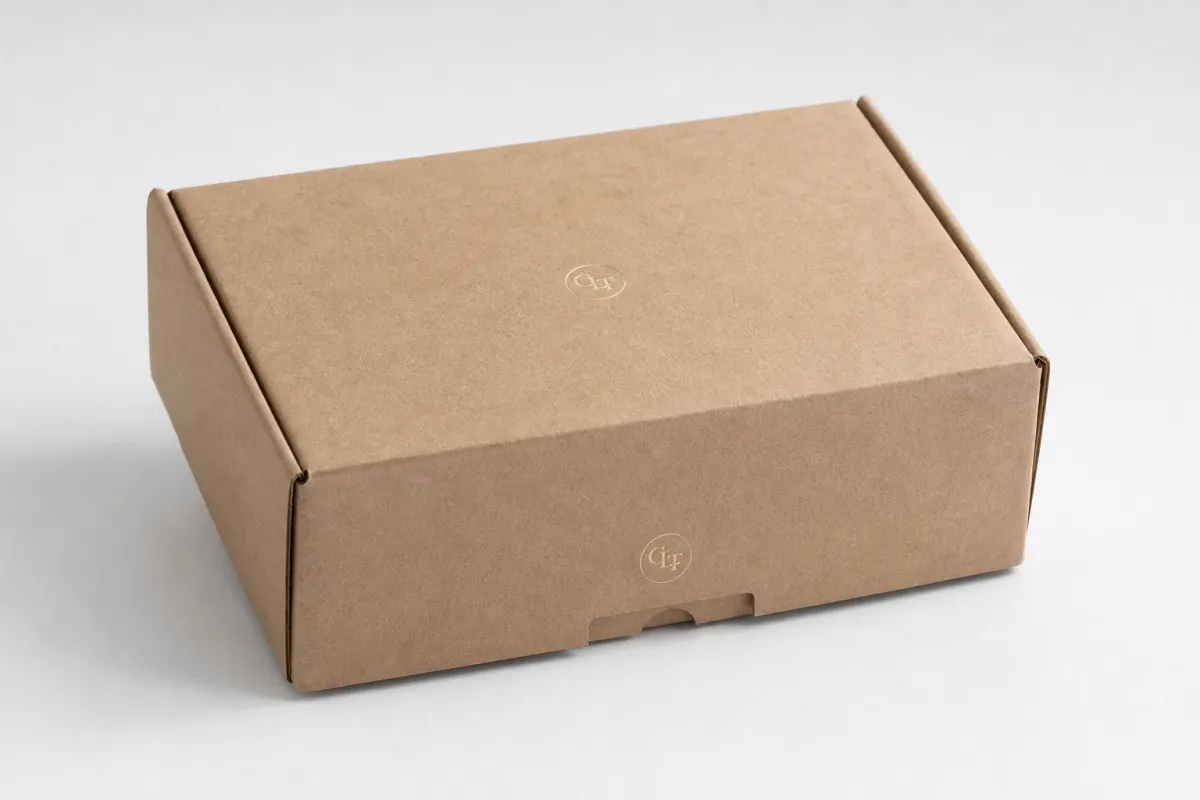
Many brands start by asking for a box that looks good in a social post, and that instinct is understandable. Subscription packaging is part of the brand experience, so visual polish matters. Still, the more useful question is whether the carton keeps the contents safe, stays inside budget, and supports the sustainability message without adding excess material. A good sustainable subscription box cartons supplier should be able to talk through all three without acting as if they are separate problems. They usually are not.
Subscription packaging gets tested in layers. One team packs the product, another stacks cartons in the warehouse, a carrier moves the box across the country, and then a customer opens it and notices every dent, scuff, and weak corner. If the carton has too much void space, the contents shift during transit. If the structure is too light, corners crush. If the closure is awkward, fulfillment slows down. A thoughtful sustainable subscription box cartons supplier pays attention to structure first, then print, then finishing, because that order tends to produce better results in the real world.
There is also a very direct cost story here. A carton that is even slightly smaller can reduce board consumption and improve freight efficiency, and those savings show up month after month in a recurring program. Tight sizing can also eliminate unnecessary inserts when the product assortment is stable enough to support it. In my experience, the biggest savings rarely come from a louder sustainability claim. They come from a cleaner spec, better fit, and fewer extra materials from a sustainable subscription box cartons supplier that knows how to design around the actual fill.
Brand perception matters too, even if customers never say it out loud. People may not ask about flute type, caliper, or edge crush test numbers, but they do notice when a carton feels made for the contents instead of stretched around them. They notice when the opening is tidy, when the board does not bow, and when the box closes without fighting the pack-out. That kind of detail supports retention because it suggests care and consistency. A skilled sustainable subscription box cartons supplier helps create that feeling without loading the shipper with decorative layers that complicate recycling or inflate the bill.
Claims about sustainability only carry weight when the carton spec backs them up. Recycled content matters. FSC certification matters. Curbside recyclability matters, with the caveat that local recycling rules vary and not every coating or laminated structure performs the same way everywhere. A carton that crushes in transit is not a sustainable outcome in any real sense because it creates replacement shipments, more handling, and avoidable freight. A dependable sustainable subscription box cartons supplier helps prevent that hidden waste by treating performance as part of sustainability, not as a separate issue.
A carton that saves a little board but causes even a handful of damaged shipments is not really saving money. The cost just moves somewhere else in the system.
If you want independent references while sorting through sustainability claims, the EPA recycling guidance and the FSC certification system are useful starting points. They will not choose the carton for you, but they do help separate proof from marketing language. A serious sustainable subscription box cartons supplier should be comfortable being measured against that kind of documentation.
Subscription programs also change quickly. A skincare box this month may be followed by a wellness set, then a holiday bundle, then a limited edition with a glass component that changes the protection requirements. A generic carton spec can make that sort of variation messy, especially if the brand ends up overbuying inventory or making rushed substitutions. A responsive sustainable subscription box cartons supplier plans for change without turning every small adjustment into a new sourcing project.
How a sustainable subscription box cartons supplier process works
A dependable sustainable subscription box cartons supplier usually follows a process that looks simple from the outside and takes real discipline to execute well. Strong suppliers start with the actual product, not a stock template. They want dimensions, fill weight, fragility, monthly volume, closure preferences, and print goals before they recommend a structure. That is usually the first sign you are speaking with someone who understands packaging as a system rather than as a rectangular object with a logo on it.
The process generally runs in a sequence like this.
- Brief and discovery: You share product dimensions, contents, target ship date, storage constraints, branding goals, and sustainability requirements such as FSC paper or recycled board.
- Dieline review: The sustainable subscription box cartons supplier checks the structure against the product set and flags fit risks, closure issues, or panel limitations.
- Material selection: Board grade, flute style, recycled content, coatings, and print method are matched to the shipping lane and finish expectations.
- Prototype or sample: You receive a physical sample to test fit, closure, compression, and presentation.
- Proof and approval: Artwork is checked for panel placement, barcode legibility, color accuracy, and any required compliance details.
- Production: The carton is manufactured, converted, printed, and packed according to the approved spec.
- Delivery and reorder planning: A good sustainable subscription box cartons supplier confirms replenishment timing before inventory gets tight.
The first conversation tells you a lot. If the only questions are box size and logo file, that is a shallow start. A skilled sustainable subscription box cartons supplier should ask about compressibility, fragility, the pack-out method, whether the carton has to function as a presentation piece, and how many turns the product will make before reaching the customer. Those details shape structure more than many teams expect, and they are the difference between a box that merely fits and one That Actually Works.
Sampling is where experienced buyers save themselves from later headaches. Test the carton with real products, not just an empty shell sitting on a desk. Close the flaps. Give it a light shake. Stack it. Check the corners after a few handling passes. If the box is meant to travel through parcel networks, a rough transit check is worth the time. A sustainable subscription box cartons supplier that takes performance seriously will not mind those checks one bit.
Timelines tend to slip in predictable places: custom tooling, artwork changes, specialty coatings, and board availability all affect the schedule. A simple run may move in roughly 12 to 15 business days after proof approval, while more complex builds need longer. A reliable sustainable subscription box cartons supplier explains where the time goes instead of promising a dream schedule and hoping freight, staffing, and materials all cooperate. That honesty is one of the strongest trust signals in the process.
Testing language matters as well. If the product is fragile, high value, or especially sensitive to vibration, ask whether the sample can be evaluated against a transit method such as ISTA 3A or a relevant ASTM-based protocol. Not every carton needs formal certification, and I would not pretend otherwise, but the framework helps move the conversation away from opinion and toward evidence. A sustainable subscription box cartons supplier that understands testing can often refine the carton before full production begins, which is always cheaper than discovering a problem after launch.
Cost, pricing, MOQ, and quotes with a sustainable supplier
Pricing trips up a lot of teams because quotes can look similar while hiding very different assumptions. One supplier may include recycled kraft board, a white coated liner, two-color print, and delivery to a fulfillment center. Another may exclude freight, sampling, tooling, or setup. A sustainable subscription box cartons supplier should quote clearly enough that you can see the landed cost, not just the unit number sitting on page one. If that total is fuzzy, the comparison is not really finished.
The main cost drivers usually stay consistent even when the carton design changes:
- Board grade: Recycled content, liner quality, and flute style all affect cost.
- Carton size: Larger blanks consume more material and more freight space.
- Print coverage: Full-bleed graphics cost more than simple one-color branding.
- Finishes: Aqueous coating, soft-touch, or specialty lamination increases cost.
- Inserts and partitions: Extra components add material cost and assembly time.
- Volume: Higher runs usually bring the per-unit price down.
MOQ matters more than it seems at first glance. A startup may only need 2,500 cartons to test a new subscription tier, while an established brand may need 20,000 units for a national rollout. The best sustainable subscription box cartons supplier will explain whether the MOQ is driven by sheet size, print method, make-ready waste, or a minimum board purchase. That difference matters because a lower MOQ can be worth paying a little more for if it lets you launch cleanly and avoid sitting on inventory you are not ready to use.
Quotes should be normalized before they are compared. Put every supplier on the same spec: exact dimensions, same board grade, same print count, same insert requirement, same coating, same delivery point. If one sustainable subscription box cartons supplier quotes a one-color kraft mailer and another quotes a four-color premium mailer, the lower number is not a better deal. It is a different product. That sounds obvious, but teams still get caught by it all the time.
A practical comparison for common subscription carton builds looks like this:
| Carton Option | Best Use | Typical MOQ | Typical Unit Cost at 5,000 Units | Typical Lead Time |
|---|---|---|---|---|
| Kraft corrugated mailer, 1-color print | Light to medium products, simple branding, lower waste targets | 2,500-5,000 | $0.42-$0.68 | 10-14 business days |
| Printed E-flute mailer with insert | Beauty, wellness, and lifestyle boxes needing a cleaner presentation | 3,000-5,000 | $0.68-$1.05 | 12-18 business days |
| Premium reinforced mailer with special finish | Heavier products, premium unboxing, stronger shelf presence | 5,000+ | $1.10-$1.85 | 15-25 business days |
Note: those ranges are broad estimates, not promises. Freight, plate charges, sampling, and storage can shift the final landed cost. A transparent sustainable subscription box cartons supplier should separate those items so you can tell whether a quote is genuinely strong or simply incomplete. That kind of clarity is what keeps a packaging program from becoming a spreadsheet guessing game.
Ask for pricing tiers. That one request says a lot about how the supplier thinks. If the price drops sharply at 10,000 units, the carton may be efficient at scale but less friendly for a pilot. If the price barely changes between 5,000 and 10,000, the supplier may already be close to its most efficient run size. A smart sustainable subscription box cartons supplier will show the breakpoints instead of hiding them behind one flat number and hoping you do not ask.
Chasing the lowest price on the first order creates another trap. If the carton is underbuilt, damage claims, rushed reorders, customer complaints, and emergency freight can erase the savings pretty fast. Those costs usually outweigh the small difference between board grades. A better sustainable subscription box cartons supplier helps you price the whole system, not just the paper, and that is a much healthier way to buy.
Step-by-step: choosing the right supplier and carton spec
Choosing the Right carton sits at the intersection of engineering, operations, and brand judgment. Start with the job the box has to do. A sustainable subscription box cartons supplier should help you answer four basic questions before anything else: what must be protected, what must be displayed, what must survive transit, and which sustainability goals cannot be compromised. Once those are clear, the rest of the spec gets a lot easier to sort out.
After that, map the contents carefully. A box with one fragile glass item behaves very differently from a box with four lightweight skincare products. Measure the tallest component, the widest component, and the total fill weight. Include tissue, sample cards, resealable pouches, and any promotional insert. A careful sustainable subscription box cartons supplier will use those details to right-size the carton instead of defaulting to a one-size-fits-most approach. That little bit of discipline usually pays for itself.
Before you shortlist suppliers, ask for three things: documentation, samples, and examples of prior structural work. Documentation should cover recycled content, certification details, and material construction. Samples should show actual board and print quality, not just a rendered image or a polished PDF. A good sustainable subscription box cartons supplier should also be ready to explain why a certain flute, liner, or coating makes sense for your shipping lane and your handling environment.
A simple scorecard helps keep the comparison grounded:
- Sustainability proof: Can the supplier document recycled content, FSC status, and recyclability guidance?
- Cost clarity: Are setup, freight, sampling, and storage separated from unit price?
- Lead time: Does the supplier give a realistic production window and a reorder buffer?
- Print capability: Can it handle the artwork complexity you need without overcomplicating the carton?
- Service responsiveness: Does the team answer technical questions quickly and consistently?
Testing should happen before the full rollout, not after. Load the sample with the actual contents, close the box, and inspect it from the customer’s point of view. Does the opening sequence feel clean? Does the top flap spring open too easily? Does the product rattle? A strong sustainable subscription box cartons supplier will treat those small annoyances as production issues because they become customer experience issues very quickly, and nobody wants to chase those down after the boxes are already in the mail.
Comparing two samples under the same conditions is one of the most useful habits a buyer can build. Use the same load. Use the same tape or closure. Use the same shake test. Use the same stack pressure. If one sample performs better, the difference usually points to something concrete in the board, fit, or geometry. That is far more useful than debating aesthetics in the abstract. A practical sustainable subscription box cartons supplier prefers that kind of evidence because it leads to cleaner approvals and fewer surprises later.
Repeatability matters for recurring assortments. If one carton size can support three box themes with only minor insert changes, inventory becomes easier and waste drops. That kind of packaging strategy often gets missed because teams focus on the launch theme instead of the year-long calendar. The right sustainable subscription box cartons supplier will often recommend a structural spec that leaves room for growth without forcing a new carton for every seasonal variation. That is where the boring math turns into a real operating advantage.
Common mistakes when sourcing subscription box cartons
The first mistake is the one teams notice last: choosing the cheapest quote without checking strength. A flimsy carton may pass a desk review and fail in shipping. Once that happens, the real cost shows up in replacements, negative reviews, and support tickets. A sustainable subscription box cartons supplier should always be judged on fit and durability, not price alone.
The second mistake is oversized packaging. Brands often leave extra room “just in case,” then fill the void with more paper or bubble wrap. That feels safe, but it burns through board and gives customers the impression that they are opening air. From a sustainability standpoint, that is a poor trade. A better sustainable subscription box cartons supplier will steer you toward a tighter geometry that still protects the contents and keeps the pack-out efficient.
Third, vague sustainability claims can create legal and reputational trouble. If a supplier says a carton is recyclable, ask how that claim is supported. What fiber is used? Is there a film coating? Does the design mix materials in a way that complicates curbside recycling? A credible sustainable subscription box cartons supplier can answer those questions clearly and without hedging. If the answer feels slippery, that is usually a signal to keep digging.
Pretty print cannot fix bad engineering. Strong graphics may help the box support the brand, but if the carton bows, crushes, or opens in transit, the experience falls apart. The sustainable subscription box cartons supplier should be selected for structure first, then print quality second. That order saves trouble later, and it is one of those boring truths that keeps proving itself over and over again.
Another common error is waiting too long to plan reorders. Subscription brands can burn through inventory faster than expected, especially after a promotion or holiday surge. If replenishment lead times are not built into the calendar, rush fees become the default. A reliable sustainable subscription box cartons supplier helps forecast reorders so emergency production does not become the standard operating mode.
A good box is invisible in the best way. It disappears into the experience, protects the product, and leaves the customer thinking the brand was careful rather than wasteful.
Color consistency deserves attention too. If the carton is part of a coordinated subscription experience, even small shifts in kraft tone or printed color can make the program feel less intentional. That is not always the supplier’s fault; it can come from board variation, different print runs, or rushed approvals. A well-organized sustainable subscription box cartons supplier sets expectations early and keeps proofs on file so repeat orders stay close to the original look.
Warehouse realities matter just as much as the unboxing moment. A carton that looks great on a mockup table may behave badly on a pallet. If the box is too soft, too tall, or too narrow, it can create picking and packing problems that slow down the line. The right sustainable subscription box cartons supplier thinks beyond the reveal and considers how the package moves through the entire operation. That operational view is often what separates a decent spec from a useful one.
Expert tips for better sustainability, branding, and retention
The quickest sustainability win is usually right-sizing. Nothing dramatic. Nothing flashy. Just accurate. If your subscription set changes only a little from month to month, design the carton around the average load and use inserts to handle variation. A seasoned sustainable subscription box cartons supplier will help reduce void space without forcing a new box every cycle, which is exactly the kind of practical thinking subscription brands need.
Mono-material structures are worth favoring whenever the design allows it. Fewer components usually mean easier end-of-life handling. That does not mean every box should be plain or stripped down. It means you should be selective about coatings, windows, lamination, and decorative layers. A sustainable subscription box cartons supplier that understands recyclability will know where a finish adds value and where it creates friction later. That balance is hard to fake, which is why it matters.
Branding should feel intentional rather than crowded. Many subscription boxes look premium because they are precise, not because they are covered in embellishment. A clean logo, strong print registration, and a tidy opening sequence often do more than heavy coverage. The best sustainable subscription box cartons supplier understands that restraint can carry more authority than excess. I know that sounds almost too simple, but in packaging, simple done well is usually what wins.
If your product line repeats themes, consider building one structural spec that can support several box programs. That simplifies purchasing, reduces scrap, and makes reorder planning easier. It also helps the fulfillment team because they work with a familiar format. A sustainable subscription box cartons supplier that thinks operationally will suggest that kind of reuse before you ask, which is a very good sign.
Retention is tied to packaging more often than many teams realize. Customers tend to associate packaging quality with product quality. If the carton opens cleanly, protects the contents, and uses materials that feel considered rather than wasteful, the whole brand feels more mature. That result does not come from excess. It comes from precision from the sustainable subscription box cartons supplier and discipline from the brand team. The customer may never say that out loud, but they absolutely notice it.
For heavier or fragile goods, ask whether the structure can be validated against a shipping test plan and whether the board choice fits the actual risk. In some cases, moving from a lighter board to a stronger one reduces total waste because it prevents damage and returns. On paper, that tradeoff can look backward. In practice, the right sustainable subscription box cartons supplier makes the better business case easy to see by connecting the carton spec to the damage rate and the fulfillment flow.
A few habits help almost every subscription program:
- Track damage rate by month, not just by shipment.
- Review board consumption against actual box fill.
- Keep one approved print file and one approved structural spec on record.
- Ask your sustainable subscription box cartons supplier to flag any material change before the next run.
That last point matters because a small paper substitution can change print appearance, stiffness, or fold quality. Clear communication keeps the brand from getting surprised. Quiet changes create unnecessary risk, and they tend to show up at the worst possible moment.
Next steps after shortlisting a sustainable subscription box cartons supplier
Once you have two or three viable suppliers, keep the process structured. A one-page RFQ should include dimensions, product weight, target monthly volume, print requirements, sustainability expectations, and delivery windows. A sustainable subscription box cartons supplier can only quote accurately when the assumptions are visible, and the more precise the brief, the less time everyone wastes later.
Request samples from at least two options and compare them side by side using the same product load. Inspect closure tension, corner crush, print quality, and fit. If possible, run a small transit simulation or at least an internal test that mimics stacking and movement. A careful sustainable subscription box cartons supplier should be comfortable with that comparison because it proves the value of the spec instead of asking you to trust a render and a hope.
Ask each supplier to confirm the details that often get brushed past: exact board spec, expected timeline, reorder process, freight assumptions, and what happens if artwork changes after approval. A professional sustainable subscription box cartons supplier will answer these directly. If the answers come back vague, that is useful information too, even if it is not the answer you wanted.
If the launch is still uncertain, run a pilot. It is far cheaper to catch fit problems on 1,000 cartons than on 20,000. A pilot also gives the fulfillment team time to refine the pack-out routine and gives customers a chance to show you what they notice. That feedback is often more useful than a polished mockup. The right sustainable subscription box cartons supplier will encourage the pilot rather than resist it, because good suppliers know that one clean trial prevents a lot of expensive cleanup later.
The most practical takeaway is simple: lock the carton spec around the real product, test it with the real fill, and compare landed cost rather than unit price alone. If you do those three things before placing volume, the search for a sustainable subscription box cartons supplier becomes a procurement decision grounded in evidence instead of a guess wrapped in attractive packaging.
What should I ask a sustainable subscription box cartons supplier before I order?
Ask for board spec, recycled content, certification details, and whether the carton is recyclable in common curbside systems. Confirm MOQ, sample cost, production timeline, freight timing, and whether the supplier can support reorder consistency. Request a transit-tested sample or a test plan so you can judge protection before committing to volume. A serious sustainable subscription box cartons supplier should answer these questions without leaning on vague language.
How do I compare quotes from a sustainable subscription box cartons supplier?
Compare the same carton dimensions, board grade, print coverage, and insert requirements across every quote. Separate unit cost from tooling, plates, sampling, freight, and storage so the real landed price is visible. Check whether the quote assumes bulk pricing, because a low entry price can rise quickly at reorder. A transparent sustainable subscription box cartons supplier will show the cost breakpoints clearly.
What MOQ is typical for sustainable subscription box cartons?
MOQ varies by structure, material, and print complexity, but custom cartons often start in the low thousands. Smaller pilot runs may be available, especially if the supplier has digital print or flexible production capacity. If your volume is uncertain, ask for staged pricing so you can launch small and scale without changing suppliers. That is often the smartest path when working with a sustainable subscription box cartons supplier.
How long does production usually take for subscription box cartons?
Sampling usually happens first, then approval, then production, so the full timeline depends on how quickly artwork and specs are finalized. Custom structures, special finishes, and supply chain constraints can add time, while simpler carton styles move faster. Build in extra time for freight, especially if your subscription cycle has a fixed ship date. A dependable sustainable subscription box cartons supplier should give you a realistic window, not a hopeful one.
How can I tell if a carton is truly sustainable and not just marketed that way?
Look for proof: fiber content, certification details, recyclability guidance, and clear explanations of any coatings or laminations. Ask whether mixed materials were avoided, because they can complicate recycling and weaken the sustainability story. Verify the carton is sized efficiently; waste reduction comes from structure as much as from material claims. A credible sustainable subscription box cartons supplier will be able to back up every claim with specifics.