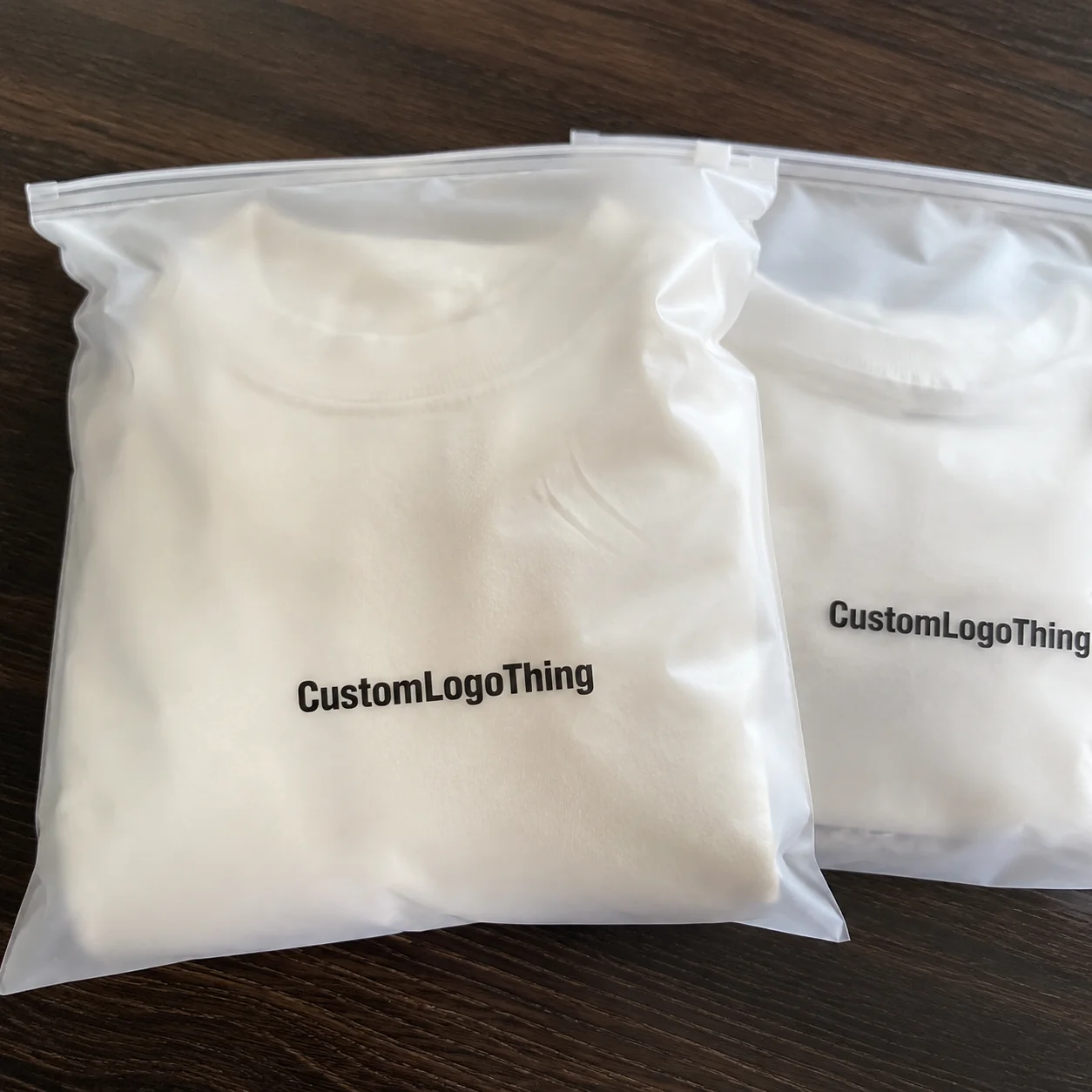
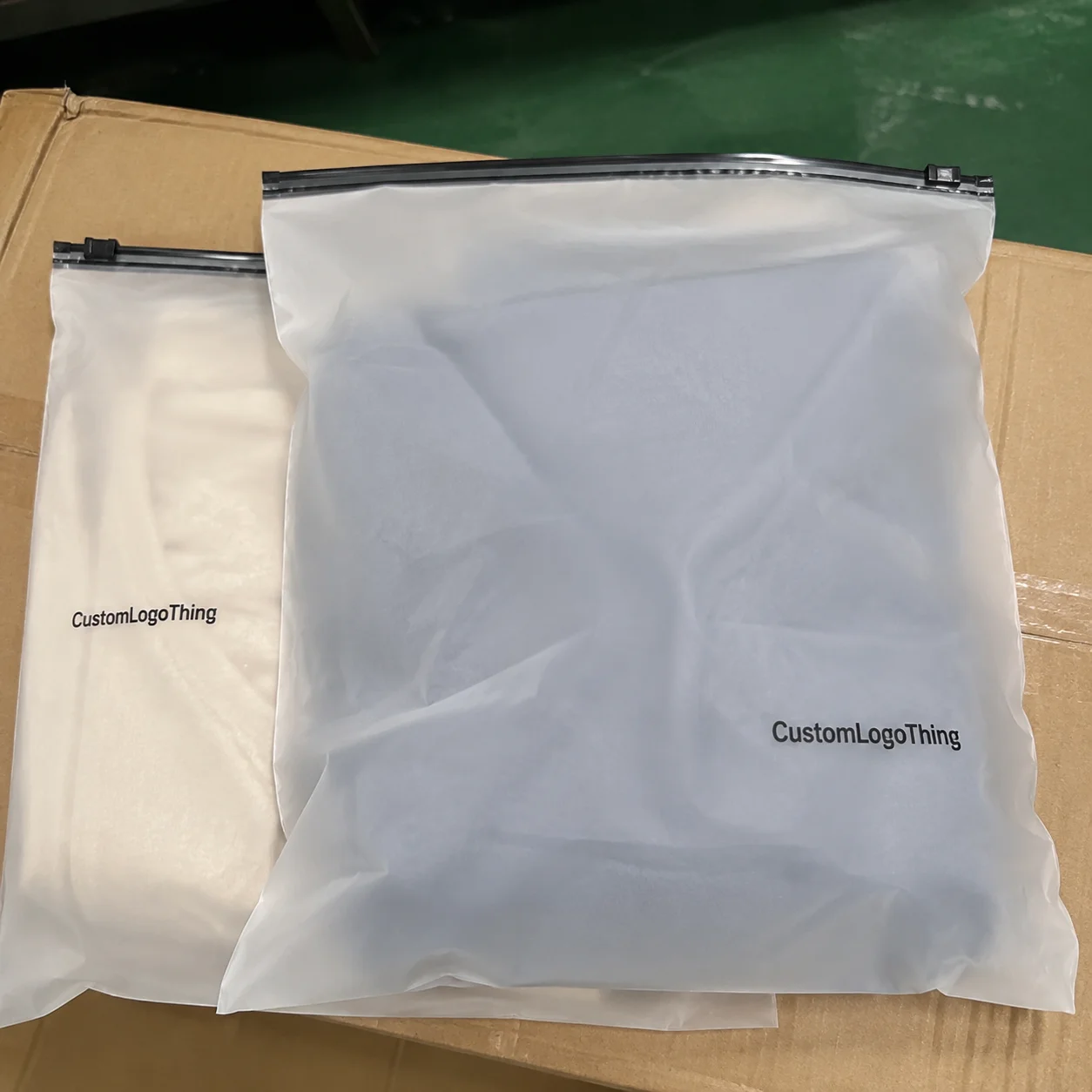
Tamper Evident Bags for Outdoor Brands Wholesale Pricing
For small gear, repair parts, and trail-ready accessories, tamper evident packaging is not a nice extra. It is the part that tells the customer the contents were packed once, left alone, and arrived in the same condition. That is why tamper evident Bags for Outdoor Brands wholesale pricing tends to sit at the center of sourcing conversations for kits, add-on parts, and retail accessories.
Outdoor products get handled hard. They move through distribution cartons, damp back rooms, fulfillment tables, and return lanes. Some are small enough to disappear in a box, which makes the packaging job harder. If the seal is weak or the bag can be opened and closed again without a trace, the brand has no visible proof that the contents stayed intact.
That problem sounds minor until it hits a seasonal launch or a high-volume replenishment order. Then it becomes a margin issue. A missing screw pack or half-used refill kit is not just a fulfillment mistake. It is a support ticket, a replacement shipment, and sometimes a lost customer.
A good tamper-evident bag does more than protect product. It gives the packing team, the retailer, and the buyer the same simple signal: this unit has not been casually opened and resealed.
Why outdoor brands need tamper evidence
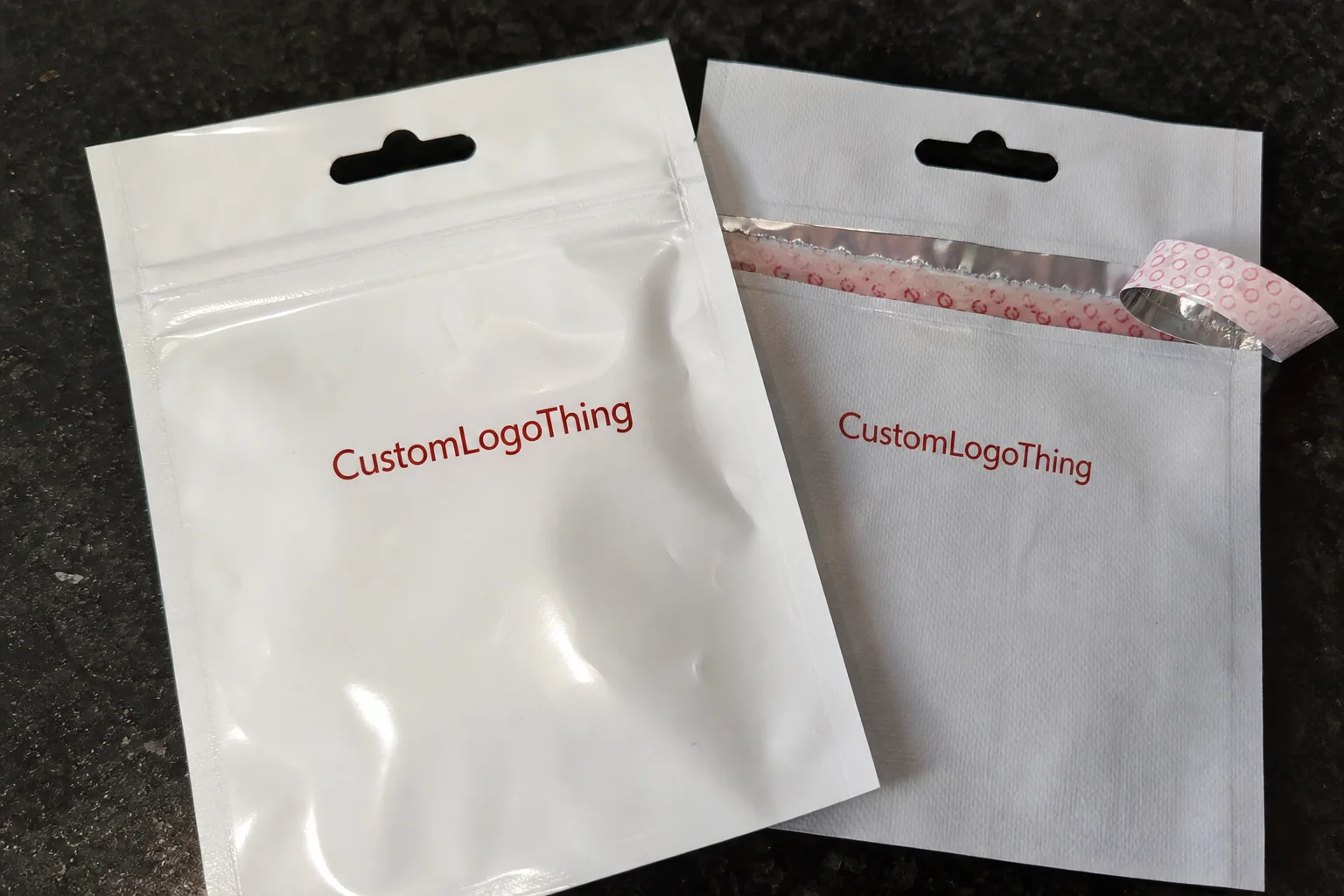
The smaller the SKU, the more visible the risk. A zipper pull, patch set, first-aid refill, tent repair patch, or compact tool accessory can look perfect on the outside and still arrive incomplete if the package can be opened without obvious damage. That is the main reason tamper-evident packaging comes up so often in procurement for camp stores, DTC kits, and wholesale replenishment.
There are three practical reasons to spec tamper evidence. First, it shows the item was packed cleanly and has not been handled again. Second, it makes receiving errors easier to catch because an opened package stands out before the carton is even broken down. Third, it gives the end customer a clear visual cue that the product stayed protected through transit, storage, and final pickup.
Outdoor brands also need a bag that still looks orderly after rough treatment. The package may be opened with gloves on, handled in low light, or pulled from a shelf in a dusty shop. If the film scuffs too easily or the seal looks sloppy, the bag undermines the product inside. That is a packaging spec problem, not a design preference.
Bag styles, closures, and print choices
There is no single format that fits every outdoor SKU. Reclosable zipper bags work well for parts that need repeat access, but they usually need a tear strip, tear notch, or tamper band if the package must show first-open status. Adhesive seal bags are efficient for retail accessories and kits. Heat-seal formats are better when the package should not be reopened without visible damage.
Clear LDPE and CPP film are common because they let the buyer see the product immediately. For heavier parts, sharp edges, or dense accessory bundles, a thicker coextruded film usually performs better. It improves puncture resistance and reduces abrasion marks, which matters for hardware packs, repair kits, and mixed-part bundles that move through more than one touchpoint.
Print choice deserves the same level of attention. A simple one-color brand mark is enough for internal kitting or stock resale. Flexographic printing with tighter registration makes more sense for retail display, barcode placement, and warning copy. If the bag needs shelf appeal, plan the layout instead of squeezing artwork into leftover space.
Common add-ons include:
- Hang holes for peg display
- Euro slots for shelf merchandising
- Hang tabs for lightweight items
- Venting for selected textile or compressed products
- Anti-static treatment for electronics-adjacent accessories
- Matte or gloss finish depending on how the bag should read under store lighting
The right build depends on use case. A bag for warranty parts does not need the same structure as a direct-to-consumer shipment. A kitted first-aid refill should not be spec’d like a bulk retail accessory pack. The better quotes start with that distinction already built in.
Material and performance specs to confirm
Price comparison is useless if the spec is vague. Before asking for numbers, confirm film type, thickness, seal strength, tear resistance, clarity, and whether the bag needs food-safe contact approval, recycled-content language, or extra puncture resistance. If the bag will hold consumables, first-aid components, or regulated accessories, the documentation matters as much as the film itself.
Thickness is usually discussed in mils or microns. Lightweight accessory packs may hold up in the 2.5 to 3.0 mil range. Heavier or sharper items often need 3.5 mil and above. If the bag uses a tamper-evident tear line, the seal area needs enough width to stay consistent after sealing, and the tear path should open cleanly without shredding the sidewall.
Dimension errors are one of the easiest ways to waste money. Width, length, usable depth, and seal allowance need to be measured with the packed item in mind, not just the flat product size. If the bag is too tight, packing slows down and seals become inconsistent. If it is too loose, the product shifts and the presentation looks careless. Accessory tolerances matter, especially with cords, hooks, folded textiles, and mixed-part kits.
Before approving a production run, check sample packs under real conditions:
- Moisture from damp hands, coolers, or wet shop floors
- Dust and grit from trail, garage, or warehouse environments
- Glove handling during cold-weather pack-out
- Packing line speed if the bag is filled at volume
- Carton compression during transit and store replenishment
If you want a useful benchmark for transport durability, the ISTA testing framework is a practical reference. For sustainability claims or recycled-content language, the EPA recycling guidance helps separate real claims from vague marketing copy.
A simple spec checklist keeps orders from drifting:
- Product dimensions with packed tolerances
- Closure type and tamper-evidence method
- Film thickness and material family
- Print colors, coverage, and barcode placement
- Required compliance or documentation notes
- Target quantity and acceptable overrun range
Wholesale pricing and MOQs
Here is the part buyers actually need: tamper evident Bags for Outdoor Brands Wholesale pricing moves on four variables at once, not one. Film thickness, print coverage, closure complexity, and volume all affect unit cost. A quote that hides setup, freight, or add-on charges is not a real comparison. It is a teaser.
Stock-style bags with a simple closure usually sit at the low end. Custom printed bags with tear strips, hang holes, or specialty seals move up because the setup burden is higher and the production run has to be long enough to spread plate or tooling costs. That is normal. The useful question is whether the supplier shows the breakpoints clearly.
| Bag Type | Typical MOQ | Indicative Unit Price | Best For |
|---|---|---|---|
| Stock clear tamper-evident bag | 1,000 to 2,500 | $0.10 to $0.18 | Simple accessory packs, fast replenishment |
| Custom printed zipper bag with tear strip | 5,000 to 10,000 | $0.16 to $0.30 | Retail accessories, brand presentation, kitting |
| Heavy-duty coextruded bag with tamper seal | 10,000 to 25,000 | $0.22 to $0.42 | Denser parts, rough shipping, seasonal bundles |
| Retail-ready bag with hang hole and full coverage print | 10,000 to 25,000+ | $0.28 to $0.55 | Merchandising, premium presentation, shelf display |
Those figures are directional, not a promise. A larger bag with light print can cost less than a smaller bag with a complicated closure. Freight can also swing the landed price hard if the order moves by air instead of ocean or domestic truck. The real comparison is landed cost at multiple volume bands, not the first unit price on a quote sheet.
Ask for pricing that breaks out:
- Setup or plate charges
- Unit price at several quantity bands
- Sample and pre-production costs
- Freight estimate by lane
- Surcharges for vents, slots, or custom tear features
For internal buyers, a Wholesale Programs page can help compare standard programs against custom work. If the bag spec will repeat across seasons, recurring orders often reduce unit cost more cleanly than chasing the cheapest single run.
The lowest price is not always the best value. Thin film, sloppy seals, and poor closure performance create rework. Repacking labor eats savings fast. A slightly higher unit price often wins if it keeps defects down and the pack line moving.
Process and lead time
A clean order usually follows the same sequence: product review, size confirmation, material selection, artwork proofing, sample approval, production, inspection, and shipping. The steps are predictable. The delays usually come from unclear dimensions, artwork changes after proofing, or a specialty material request that has to be sourced before production can start.
If final artwork files are ready, lead time improves. If the supplier is waiting on a logo revision, barcode correction, or exact bag measurement, the schedule slips. Physical samples are worth the time for products with sharp edges, unusual folds, or mixed components. A digital mockup cannot always show how the bag behaves once sealed and loaded.
For standard Custom Printed Poly bags, production windows often land around 12 to 18 business days after proof approval. Specialty closures, heavier film, or tighter color matching can stretch that to 18 to 30 business days. Seasonal orders need extra time for freight booking and receiving. A package that lands two weeks late can miss a launch window and cost more than the packaging itself.
Outdoor brands often ship into more than one channel at once. Packaging may need to reach a fulfillment center, a retail support team, and a wholesale warehouse in sequence. If the bag order is split across destinations, align delivery dates early so one lot does not sit on a dock waiting for the rest of the kit.
Quality control standards that matter
Quality control should start before the bags are packed into cartons. Incoming material checks confirm film consistency and gauge control. Seal integrity testing checks whether the tamper-evident feature actually holds. Print registration review keeps logos, barcodes, and warning copy where they belong. Dimensional verification confirms the bag matches the approved spec, not just the drawing.
A finished bag should have a consistent tear path, clean edges, and closures that do not snag on apparel, hardware, or textile loops. If the opening edge is rough, it can catch on gloves or rub a soft product during insertion. If the hole punch is misaligned, the bag may look fine in a carton and fail on a hook display. Small defects get expensive fast across a wholesale run.
Buyers should also ask for pre-production approvals and lot consistency. That matters when the same SKU is reordered for different seasons or colorways. A darker print, a slightly shorter seal, or a change in clarity can create confusion if the bag is part of a branded system. If the packaging is supposed to look the same every time, the supplier needs to control the same variables every time.
On the technical side, film testing often references ASTM tensile or seal-performance standards, depending on the structure. That does not mean every order needs a full lab package. It does mean the supplier should be able to explain how seal strength and tear behavior are being checked. That matters more for bags that travel through humid, dusty, or high-friction environments.
Quality is a cost-control tool. Fewer defects mean less repacking labor, fewer customer service issues, and fewer returns tied to missing or damaged contents. For outdoor brands, that can matter just as much as the price per thousand.
If the packaging includes paper inserts, sustainability language, or a broader branded kit, confirm whether the supplier can support FSC-related sourcing language where needed. Only use that claim if the documentation is real. Packaging copy should not outrun the paperwork.
For buyers comparing stock and custom options, the cleanest next step is to send product dimensions, intended closure style, print needs, and quantity bands so the quote reflects actual use instead of a rough piece price.
What makes tamper-evident bags for outdoor brands different from standard poly bags?
They use a closure, tear line, or seal structure that shows whether the package has been opened after packing. Outdoor versions usually need better puncture resistance, stronger sealing, and cleaner handling during transit and retail display.
What is a typical MOQ for tamper-evident outdoor packaging?
MOQ depends on size, print coverage, and closure style. Stock-style bags often start lower, while custom printed bags or specialty closures usually need higher volumes to keep setup costs in line.
How do wholesale pricing tiers usually work for custom bags?
Unit price usually drops as quantity rises, but the quote should also show setup, tooling, sample, and freight costs. The only fair comparison is landed cost across a few volume bands.
Can these bags be used for wet or dusty outdoor conditions?
Yes, if the film and seal are selected for the environment. Ask for material options that balance clarity, puncture resistance, and closure strength so the bag keeps its shape and appearance under rough handling.
What should I send to get an accurate quote fast?
Send product dimensions, target quantity, closure style, print needs, and any compliance requirements. If possible, include a sample or a photo of the item so the supplier can size the bag correctly the first time.