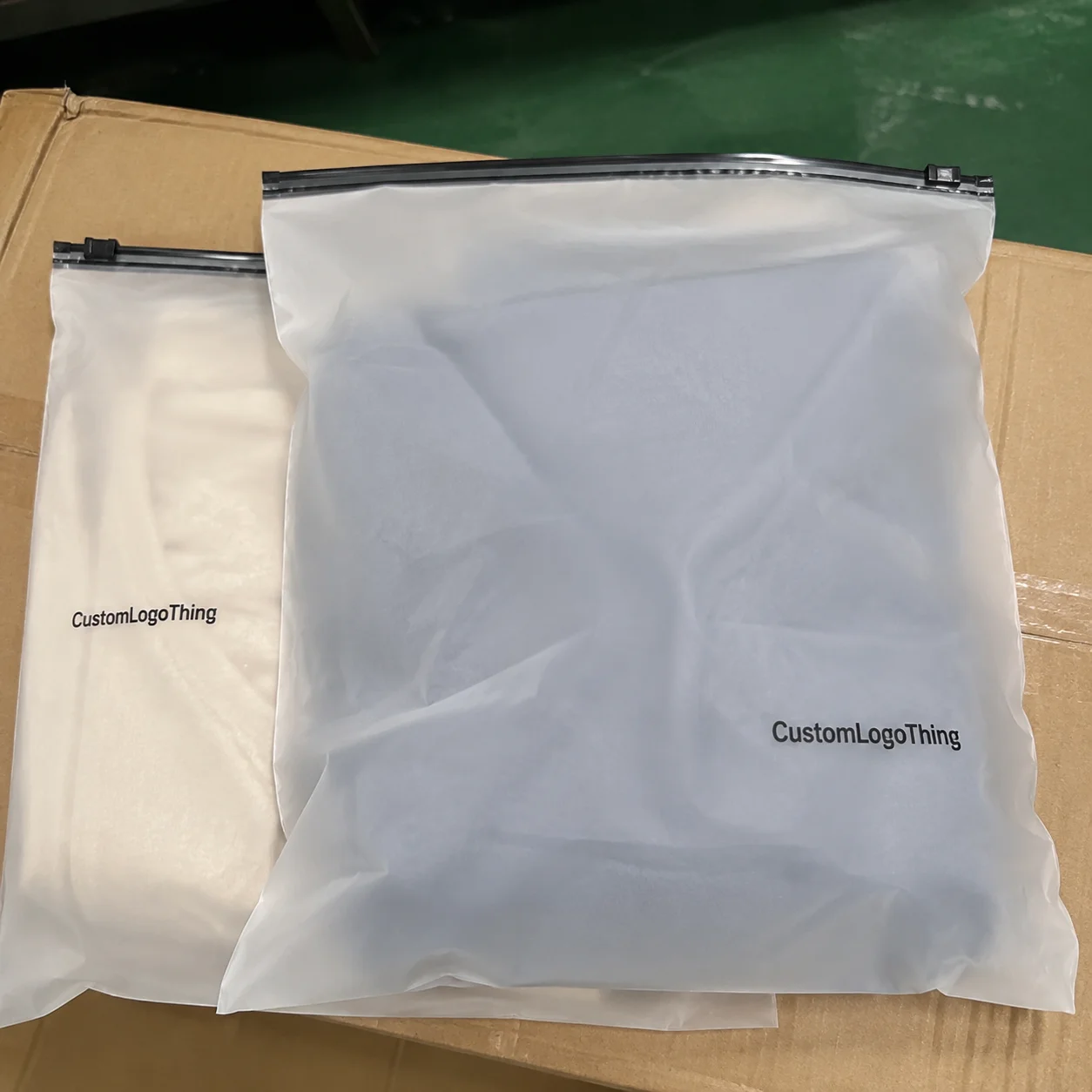
For outdoor brands, matte zipper Bags for Outdoor Brands wholesale pricing is not a style debate. It is a cost-and-performance decision. Gloss shows scratches, fingerprints, and every rough touch in the supply chain. Matte hides more of that abuse and still looks deliberate on shelf, in a trail shop, or during an e-commerce unboxing.
That matters for apparel, trail snacks, accessory kits, repair parts, first-aid items, and sample packs that move through a lot of hands before the customer sees them. A matte bag can carry a premium feel without forcing the packaging to act like fragile showroom decor. That is the whole point.
There is also a practical side that buyers notice fast. Matte surfaces cut glare, so logos stay readable under overhead retail lighting, in bright daylight, and in product photos shot on a phone. If the bag is going to sit near windows, peg hooks, or checkout counters, that matters more than a fancy finish name on a spec sheet.
Why outdoor brands switch to matte zipper bags fast
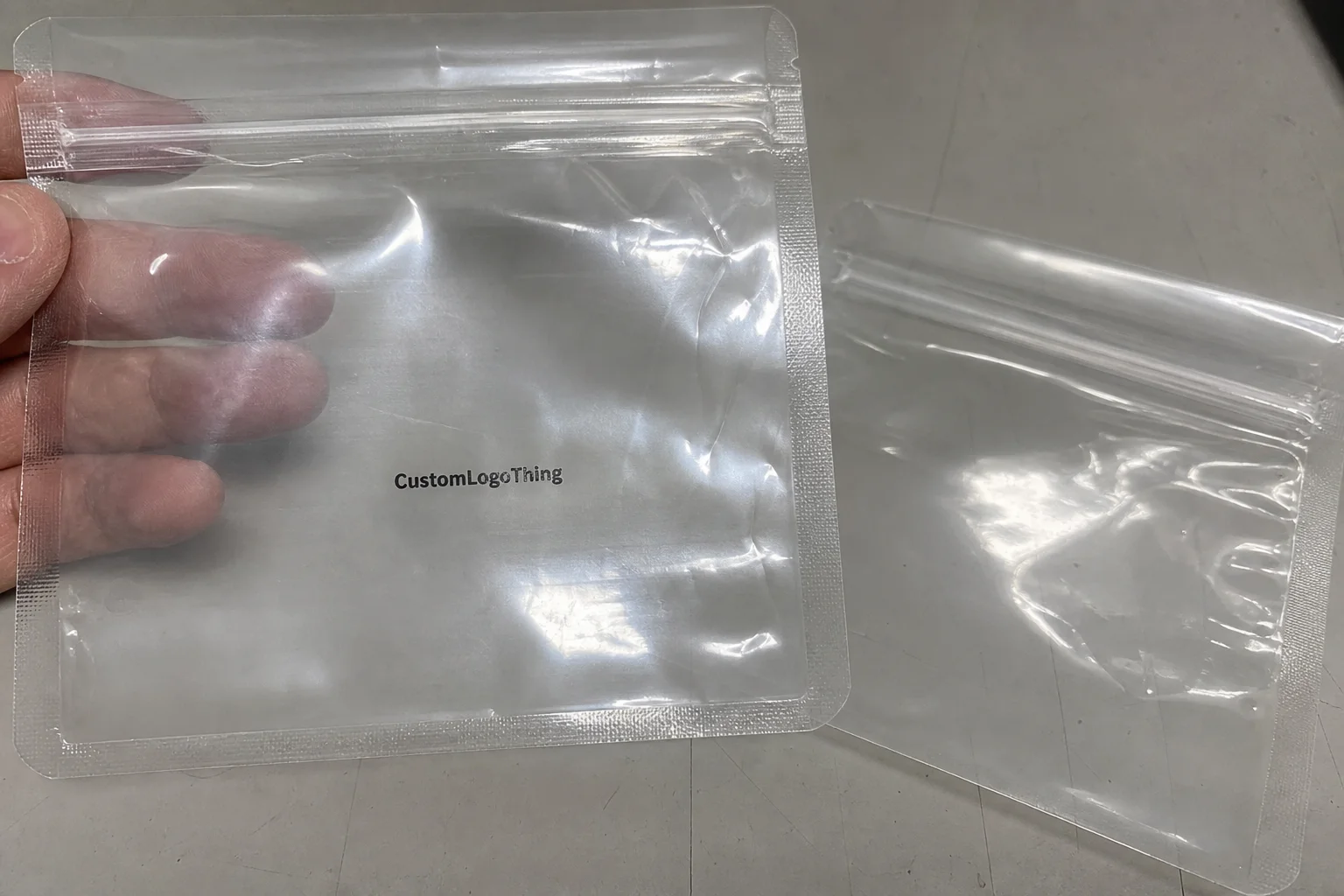
Outdoor products get handled hard. Cases are stacked. Bags are repacked. Samples get opened and closed too many times. Matte finishes absorb that wear better than gloss, especially on darker colors where scuffs normally look dramatic and cheap.
Most brands switch for one of four reasons:
- Retail packs need a more premium look without adding rigid cartons.
- DTC subscription inserts need packaging that feels cleaner than plain poly bags.
- Travel kits and mixed accessory sets need a reusable closure that does not feel disposable.
- Shipping prep needs packaging that survives repacking, returns, and storage without falling apart.
Matte also helps when a product line spans multiple channels. A bag that looks right in wholesale, DTC, and retail has real value because it reduces the need for separate packaging systems. That is one of the few places where packaging saves money twice: once in materials, once in operational complexity.
The main reason the switch feels fast is that the comparison is usually unfair. Brands look at a basic printed bag, then compare it with a carton, insert, label, tape, and labor. The bag often wins because it does less, but does it more cleanly. It is not trying to be a shipping box. It is trying to present the product and protect it enough for the intended use.
There is a limit, though. Matte Zipper Bags are not the answer for everything. If a product needs serious crush protection, heavy barrier performance, or long refrigerated storage, the packaging structure needs to change. Good procurement starts with the product requirements, not with a finish preference.
Material, finish, and zipper options that actually matter
Materials drive more of the quote than most buyers expect. For outdoor packaging, the common structures are LDPE, recyclable PE blends, and multilayer films when the product needs stronger barrier performance or a stiffer retail feel. If the contents are dry goods, soft goods, or small accessories, it usually makes no sense to overbuild the film just to make the bag feel expensive.
Finish is the next decision. The main options are:
- Soft-touch lamination for a velvety feel and a premium shelf read.
- Frosted matte film for a lighter, more technical look.
- Printed matte surface treatment for buyers who want a simpler construction and lower cost.
Zippers are where people quietly spend too much. Standard press-to-close zippers are enough for most retail and DTC use cases. Double zippers help on larger bags or repeated-open packs. Tamper-evident closures matter for certain food, wellness, or controlled-access products. Child-resistant options only make sense when regulations or product risk justify them. Otherwise, you are paying for complexity that does not improve the buyer experience.
Thickness should follow use, not ego. Light accessory packs often work at 3 to 4 mil. Apparel or mixed retail kits usually land around 4 to 6 mil. Heavy gear samples, repeated-use travel kits, or packs that will be reopened constantly may need 6 mil or more. Thicker is not automatically better. It just costs more, and it can make the bag feel stiff in the wrong way.
A useful detail is seal behavior. A good zipper should close evenly across the full width without dead spots near the corners. If the closure is hard to seat, customers notice immediately. If the film wrinkles near the zipper track, it often means the spec is pushing the material beyond its ideal range. Those are not cosmetic nits. They affect how the bag functions after the first use.
Useful add-ons include hang holes, euro slots, tear notches, side gussets, and clear windows. If the bag sits in a retail fixture, a hang hole can be more valuable than a fancy ink effect. If the customer needs to see the item inside, a window usually beats printing extra product detail and hoping the retailer keeps the front facing out.
For transit testing and carton handling, packaging teams often reference standards from ISTA. If the bag is paired with paper cartons or inserts, recycled-content or certified sourcing may also push buyers toward FSC options for the outer components.
Print specs, sizing, and branding choices for outdoor products
Size is one of the easiest ways to control cost because it affects film usage, sealing efficiency, carton pack-out, and freight density. Outdoor brands usually fall into a few useful bands:
- Small accessory packs: 4 x 6 inches to 6 x 8 inches for patches, repair kits, straps, filters, and small hardware.
- Mid-size retail packs: 7 x 10 inches to 9 x 12 inches for apparel pieces, snack packs, and mixed accessory sets.
- Larger gear bags: 10 x 13 inches and up for bulkier kits, layered products, or bundled promotional sets.
Print method should match order size and SKU complexity. Flexographic printing usually makes more sense at higher volumes because plate setup gets spread across more units. Digital printing is the better fit for low MOQ orders, multiple SKUs, and frequent seasonal updates. If the design uses only a few flat brand colors and a lot of clean space, spot-color print can keep the look sharp without inflating the price. If the artwork depends on gradients or photographic detail, digital is the safer route.
Logo placement should be boring in the best way. Put the main brand mark on the front panel. Keep legal copy, barcode space, and product details in a predictable zone on the back or lower edge. If the bag will live in retail, a scannable SKU area should stay flat and clear. Bad placement creates rework, and rework is just a polite word for money leaking out of the order.
Matte dark backgrounds hide dirt and warehouse marks well. Lighter matte tones can feel more premium and more technical if the print contrast is strong enough. Low-contrast beige-on-taupe packaging looks curated on a mood board and terrible on a peg hook. The same problem shows up with thin type. On a matte surface, small text can soften more than expected, so test fine copy before approving the run.
Good packaging teams also think about omnichannel use. Add a barcode that scans cleanly, leave room for a QR code if the brand wants product education or warranty registration, and check whether the same bag needs to work in DTC, wholesale, and retail channels. That is why many buyers review Case Studies before signing off on their own spec. Real examples usually expose weak assumptions faster than a sales pitch does.
One more practical detail: if the design will be printed on both sides, the back panel cannot be treated like leftover space. The back often carries the compliance copy, recycling guidance, or instructions that prevent customer service noise later. Skip that, and the packaging gets replaced by an insert or label. That is extra cost and extra clutter.
Matte zipper bags for outdoor brands wholesale pricing: what changes the quote
Matte Zipper Bags for Outdoor Brands Wholesale Pricing moves for predictable reasons. Size, film thickness, finish complexity, zipper style, and print coverage do most of the work. If a supplier gives a “standard price” without asking about those variables, the quote is incomplete at best and fictional at worst.
It helps to look at realistic bands instead of fake precision:
| Order Profile | Typical Structure | Indicative Unit Cost | Notes |
|---|---|---|---|
| Low MOQ digital run | Standard matte PE bag, 1-2 colors, press-to-close zipper | $0.45-$0.90 | Best for testing artwork or multiple SKUs |
| Mid-volume retail run | Matte finish, custom print, hang hole, standard zipper | $0.22-$0.42 | Usually the sweet spot for growing outdoor brands |
| Higher-volume flexo run | Custom size, simplified print, standard specs | $0.14-$0.28 | Lower unit cost, but setup and volume matter a lot |
| Specialty build | Double zipper, window, thick film, custom finish | $0.30-$0.75+ | Useful only when the features solve a real problem |
MOQ changes more than unit price. It also changes setup fees, plate fees, sample cost spread, and freight concentration. A 500-unit digital order might look expensive per bag, but if it prevents a bad 10,000-unit mistake, it is usually the cheaper move. Buyers often miss that because they only compare the invoice line, not the cost of a wrong spec or an untested design.
There are a few levers that consistently move pricing:
- Reduce print colors.
- Stay on standard sizes where possible.
- Avoid custom zipper gimmicks unless they solve a real use case.
- Consolidate SKUs in one shipment.
- Reuse tooling across product families.
Ask every supplier what is included. The quote should separate sample cost, plate or setup fees, packaging, shipping, and any testing or compliance work. If those items are missing, the final landed cost will be higher than the sales email suggested. That is not bad luck. It is bad quoting.
Freight is another place where pricing gets distorted. Lightweight bags can still ship badly if the carton count is high or the packing method is inefficient. The cheapest unit price can become the most expensive landed order once pallets, duties, and handling are added. Packaging buying only works when the landed number is treated as the real number.
For repeat orders, a supplier with a structured Wholesale Programs page usually makes it easier to compare tiered pricing, reorder timing, and minimums without re-explaining the project every time. That matters more than polished sales copy. It shows whether the supplier has an actual process or just a quote form.
Process and timeline: from sample approval to bulk delivery
The workflow is simple if the buyer is prepared. Inquiry, spec confirmation, artwork check, sample approval, production, inspection, and shipment. The order only slows down when someone sends fuzzy dimensions, low-resolution art, or a vague idea of “premium” without real production detail.
Typical timing looks like this:
- Sample or digital proof: 3 to 7 business days for simpler jobs, longer if structure or print needs adjustment.
- Digital production: often 10 to 15 business days after approval for moderate quantities.
- Flexo or higher-volume printed runs: often 15 to 25 business days, depending on materials and queue.
- Freight: varies by destination, but peak-season congestion can add meaningful delay.
The common delays are predictable. Artwork revisions eat days. Zipper sourcing can slow a run if the style is custom. Special matte finishes sometimes need tighter process control than standard film. Freight congestion adds noise even when production is on schedule. Buyers who treat shipping as a fixed number are usually the same people surprised by a late launch.
Before approval, send a clean checklist:
- Final dimensions.
- Estimated product weight and thickness.
- Print files in the correct format.
- Finish preference and zipper type.
- Carton pack-out target.
- Delivery address and timing window.
Proofing deserves real attention. A digital mockup is not a production sample. Color on matte film can shift under different lighting, and dark solids can read softer than they do on a screen. If the artwork depends on fine type or precise tone matching, ask for a physical sample before locking the full run. That small extra step is cheaper than explaining a color drift to sales or retail teams after the order lands.
Quality control should not be generic either. The usual checks that matter are zipper alignment, seal strength, print registration, ink adhesion, thickness consistency, and dimensional tolerance. If the order will be handled by a distributor or packed into mixed cartons, add a simple drop or rub test before approval. Small defects show up fast on matte because the surface tends to make inconsistencies easier to see, not harder.
How to compare suppliers without getting burned
Supplier comparison should start with consistency, not charm. A decent quote means little if the bags arrive with uneven seals, sloppy zipper alignment, weak ink adhesion, or a matte finish that looks patchy across the batch. Outdoor brands do not need perfect poetry. They need repeatable manufacturing.
Ask for documentation. Material data sheets matter. So do food-contact or recycling claims when the product needs them. If cartons or inserts are part of the package, ask about FSC options early instead of discovering too late that the marketing copy outran the supply chain. That is how brands end up rewriting product pages while the warehouse waits.
Compare true landed cost, not just unit price. Include freight, duties, sampling, and the cost of reprints if the first run misses spec. A lower unit price can still be the expensive option if the supplier is slow, vague, or sloppy. Experienced packaging teams save money by preventing avoidable artwork errors and spec drift before production starts.
Communication speed is a real filter. Specific answers beat vague promises every time. “Yes, we can” is not useful. “Yes, we can do 4 mil matte PE with a euro slot, and the MOQ for digital is 500 pieces” is useful. That difference usually predicts how the rest of the order will go.
Three checks tell you a lot fast:
- Do they answer with measurements, not adjectives?
- Do they explain tradeoffs instead of pushing only the top-end option?
- Do they confirm what is included in the price in writing?
It also helps to ask what can go wrong. A supplier who can describe typical failure points is more credible than one who pretends every run is perfect. The honest answer usually covers zipper sourcing, color variation on matte surfaces, and lead-time risk around busy production periods. That is the kind of answer buyers can actually use.
Next steps to order the right matte zipper bags
Start with three things: target size, estimated order volume, and final artwork or logo files. If those are missing, every quote becomes a guess. Guessing is a terrible procurement strategy.
Then ask for two price paths. One should optimize for the lowest unit cost at a realistic MOQ. The other should optimize for lower MOQ or faster testing. That comparison shows whether the packaging program should start with a pilot run or move straight into a larger production tier.
Request a sample or digital proof before bulk approval. If the bag is going into outdoor retail or e-commerce, compare cost per usable bag, not just the upfront line item. A slightly higher quote can still be the better deal if it reduces damage, improves shelf appeal, or avoids a second print run. That is where practical buyers usually end up after they have cleaned up a few bad orders.
Bottom line: matte zipper Bags for Outdoor Brands Wholesale pricing is easiest to control when the spec is clean, the artwork is ready, and the supplier can quote the real landed cost instead of the headline number. Size, material, zipper type, print method, and finish all matter. Send the dimensions, quantity, print details, and delivery needs, review the sample, then lock the production schedule before the launch window starts slipping.
What affects matte zipper bag wholesale pricing the most for outdoor brands?
Size, material thickness, zipper style, and print complexity usually move pricing the most. Higher MOQ lowers unit cost, while custom finishes and extra features raise it.
Can I get matte zipper bags for outdoor brands with a low MOQ?
Yes, low-MOQ options are usually possible with digital printing or standard structures. Expect a higher unit price than large-volume orders because setup gets spread over fewer bags.
How long is the lead time for custom matte zipper bags?
Sample approval and production timing depend on artwork readiness, material availability, and order size. Standard runs are usually faster than complex custom builds with special finishes or zipper features.
Which matte finish works best for outdoor product packaging?
Soft-touch and frosted matte finishes both work well, but the better choice depends on the brand look and budget. If you want premium shelf appeal and better scuff resistance, matte usually beats glossy for outdoor retail.
What should I include when requesting a quote for wholesale matte zipper bags?
Include bag size, quantity, product weight, print colors, zipper type, and any hang hole or window requirements. Add your delivery destination and whether you need sample approval so the quote reflects the full landed cost.