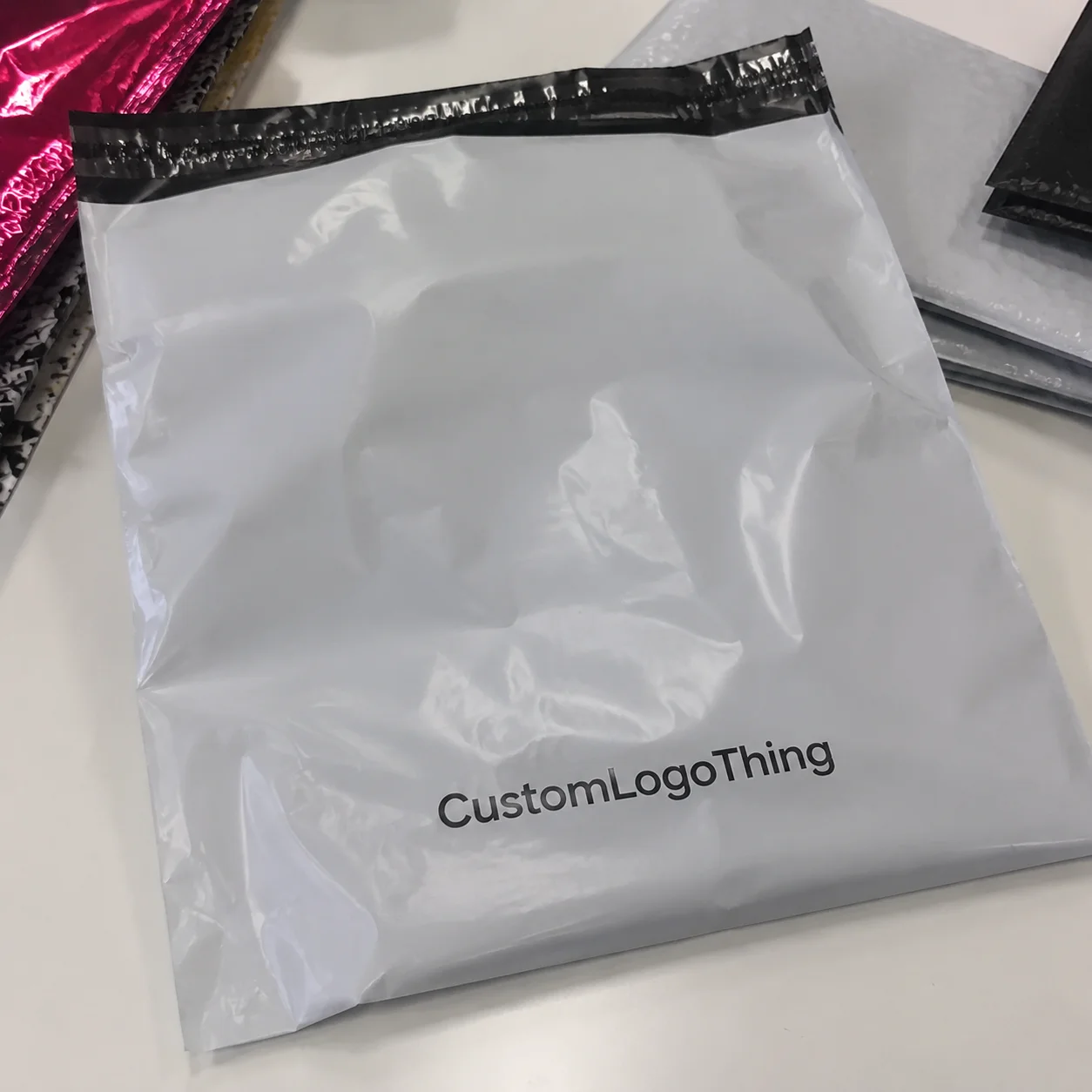
Buyer Fit Snapshot
| Best fit | Tamper Proof Shipping Bags Wholesale projects where brand print, material claims, artwork control, MOQ, and repeat-order consistency need to be specified before quoting. |
|---|---|
| Quote inputs | Share finished size, material target, print colors, finish, packing count, annual reorder estimate, ship-to region, and any compliance wording. |
| Proofing check | Approve dieline scale, logo placement, barcode or warning zones, color tolerance, closure strength, and carton packing before bulk production. |
| Main risk | Vague material claims, crowded artwork, missing packing details, or unclear freight terms can make a low unit price expensive after revisions. |
Fast answer: Tamper Proof Shipping Bags Wholesale: Specs & Pricing should be specified like a repeatable production item. The safest quote records material, print method, finish, artwork proof, packing count, and reorder notes in one written spec.
Production checks before approval
Compare the actual filled-product size with the drawing, then confirm tolerance on folds, seals, hang holes, label areas, and retail display edges. Reserve space for logos, QR codes, warning copy, and material claims before decorative graphics fill the panel.
Quote comparison points
Review material grade, print process, finish, sampling route, tooling charges, carton quantity, and freight assumptions side by side. A quote is only useful when the supplier can repeat the same color, closure quality, and packing count on the next order.
Tamper Proof Shipping Bags Wholesale: Specs & Pricing
tamper proof shipping bags wholesale buyers usually start with a simple question: will the bag make interference obvious fast enough to matter? That sounds narrow, yet the consequences reach far beyond packaging. A carton can look perfect on a dock and still hide a missing garment, a disturbed document packet, or a kit that was opened and resealed without permission. One hidden breach can trigger claims, delays, or a chain of finger-pointing that costs more than the order itself. The point of a tamper-evident bag is not drama. It is proof.
That proof has practical value in more categories than many procurement teams expect. Apparel sellers use these bags to keep folded items together and returns documented. Legal and office teams rely on them for confidential papers that should not be rifled through during transit. Pharmacy, wellness, and sample-kit brands like the privacy and the clear sign that a package has been opened. Subscription programs use them too, especially when a small part can disappear long before the outer carton looks suspicious. For ecommerce shipping, the bag can sit inside a broader packout and still do one very specific job: make tampering visible without slowing the line.
From a buyer's perspective, the value is operational as much as physical. A dependable seal can reduce pilferage claims, shorten receiving checks, and keep outbound packing consistent shift after shift. The seal becomes a binary marker. Opened or not. That kind of clarity matters in a warehouse where a small exception can ripple through labor, inventory, and customer service. The sections below cover the build, the specs, the pricing logic, and the ordering process that keeps wholesale buying grounded in facts rather than assumptions.
Tamper Proof Shipping Bags Wholesale: What They Actually Prevent
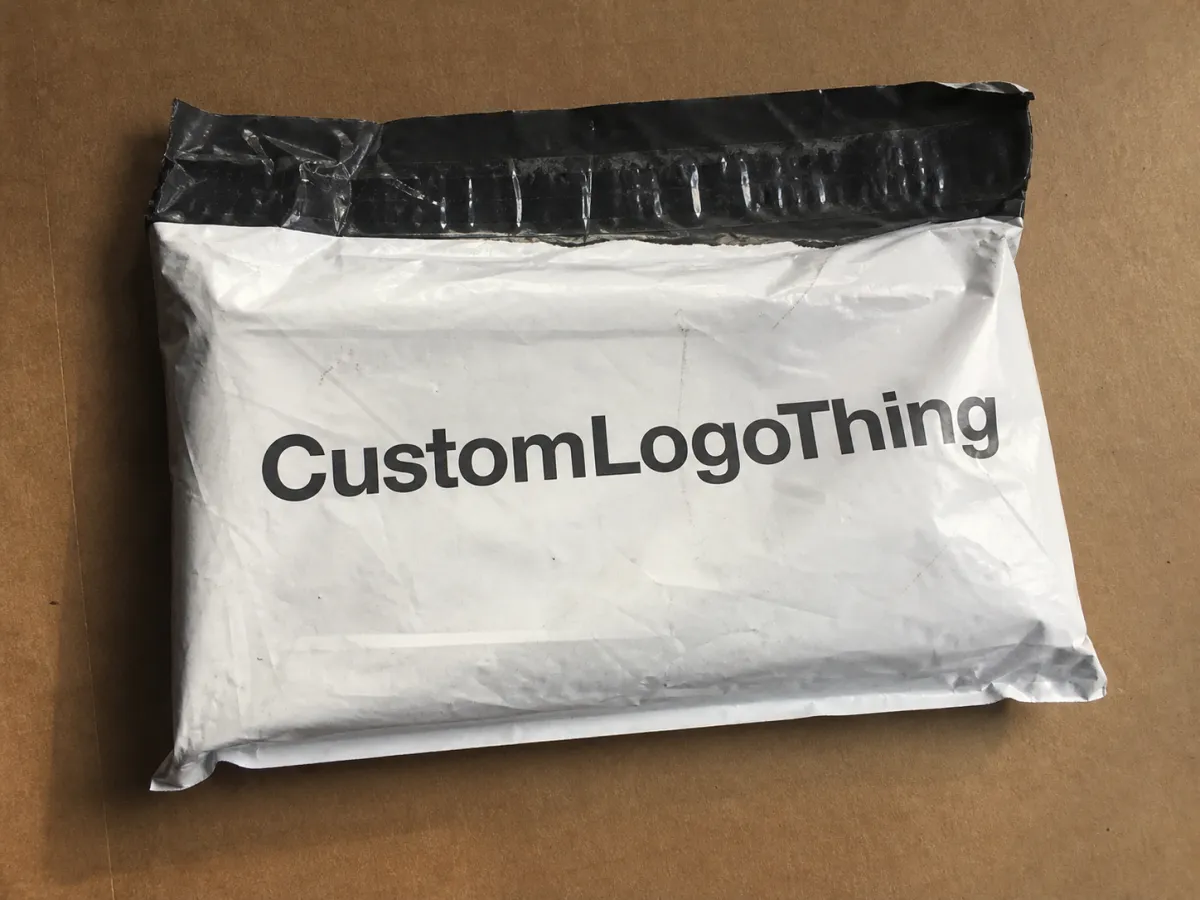
These bags answer one narrow question with unusual precision: did someone open this package and try to hide it? If the answer needs to be obvious to a dock clerk, a receiver, or a customer, the bag has real value. A clean outer surface can disguise a disturbed inner pack. That gap between appearance and reality is where disputes begin. A tamper-evident bag closes that gap by making reopened adhesive look distorted, feel wrong, or reveal a warning pattern that was not there before.
The use cases are broader than many buyers assume. Retailers use these bags to keep garments organized and returns documented. Office supply teams use them for confidential papers moving between sites. Healthcare and wellness brands use them for sealed kits, inserts, and small components that should not be handled before arrival. Replacement-part programs use them for the same reason a missing screw can sink an entire kit: tiny items vanish without leaving a dent in the carton. A tamper-evident bag adds one more barrier without forcing the whole shipment into a heavier box.
"A bag that can be opened, pressed back down, and passed off as untouched is not a security feature. It is a liability with a peel strip."
The business case is less dramatic and more useful. Better evidence lowers the number of arguments over who opened what and when. It also gives procurement teams a cleaner record when a shipment goes sideways. If the bag left the dock sealed and arrived disturbed, the bag itself helps narrow the chain of custody. That matters in any operation that crosses multiple hands, multiple scans, and multiple miles before the package reaches the receiver.
There is a customer-facing side too. A package that arrives with a crisp, intact seal feels deliberate. A weak closure feels like a shortcut, even when the contents are fine. That perception changes how the brand is read at the door. Buyers comparing tamper proof shipping bags wholesale options should keep that in view. The lowest quote does not always buy confidence. A better bag often buys fewer doubts, fewer complaints, and less rework in the warehouse.
There is also a less obvious connection to shrink control. In many operations, the first sign of a problem is not a missing unit on a shelf. It is a customer service ticket, a return exception, or a receiving discrepancy that appeared days after the package moved through the building. A tamper-evident seal cannot prevent every loss, but it can make the loss visible sooner. That earlier visibility changes how quickly a team can isolate the break point.
Product Details: How the Bag Is Built and Used
Most tamper-evident bags are built from co-extruded plastic film with a permanent pressure-sensitive adhesive strip at the closure. LDPE, LLDPE, and blended structures are common because each one shifts the balance among flexibility, puncture resistance, clarity, and cost. LDPE usually feels softer and a bit more forgiving in the hand. LLDPE tends to stretch and resist tearing better. For sharp edges, heavier kits, or bags that will be handled aggressively on a line, that added toughness can matter more than a slight change in feel.
The closure is where the product earns its keep. A real tamper-evident bag does more than stick shut. It bonds strongly, resists clean peeling, and leaves visible evidence if someone tries to reopen it. Depending on the design, that evidence may show up as wrinkling, adhesive transfer, tearing, or a hidden message that appears on the flap. The exact mechanism is less important than the result. If a warehouse clerk or customer cannot spot interference quickly, the design misses the point.
Common build choices
Clear film is useful when item verification matters and the contents need to be seen at a glance. Opaque white or gray-backed film helps when privacy is the priority. Printed panels add handling notes, warnings, brand marks, and order controls without making the pouch look cluttered. Writable spaces are handy for route labels, lot numbers, or order IDs. Sequential numbering gives chain-of-custody programs a harder trail to fake. Barcode zones matter in distribution centers where every piece is scanned before it leaves the dock. Some bags use perforated tear lines for easier opening at receipt, while reinforced seams help when the contents have awkward corners or a bit more weight.
Using the bag usually follows a straightforward sequence: place the item inside, strip off the liner, fold or press the flap into place, then inspect the seal before the package leaves the bench. That sounds basic because it is. The real issue is fit. A bag that is too small stretches the film and stresses the adhesive zone. A bag that is too large allows the contents to slide, which can raise dimensional weight on the outer carton or slow down the pack line. The right size keeps the process neat and predictable.
What the bag does not replace
Tamper-evident packaging solves one problem, not every problem. It does not replace cushioning for brittle items, liquid barriers for spill-prone products, or a secondary layer for goods that can puncture thin film. Sharp parts need extra protection. High-value items often need a stronger outer structure. Crush-sensitive products may need a corrugated mailer or a box around the bag. The bag is one layer in the shipping system, not the whole system. That distinction matters when buyers are planning shipping materials across several product types and handling paths.
For teams that test transit packaging seriously, the references are useful. ISTA provides guidance on drop, vibration, and shock testing. packaging.org gives broader context on material choice and pack design. Neither replaces a sample in hand, but both sharpen the questions a buyer should ask before signing off on a run.
One practical detail gets overlooked often: the bag has to match the workflow, not just the product. A hand-packed apparel order behaves differently from a semi-automated kit line. A bag that opens cleanly with bare hands may be awkward with gloves. A bag that looks ideal in a sample photo can behave differently after a team starts moving a hundred units an hour. That is why real testing matters more than a pretty spec sheet.
Specifications to Check Before You Order
A good wholesale order starts with measurements, not a quick quote. Vague specs tend to produce vague results. A bag can be the right color and the wrong fit, or the right thickness and the wrong seal width. Buyers should compare width, length, film thickness, seal width, adhesive strength, opacity, and pack count before the first production run. Those numbers shape the cost, the usability, and the reliability of the bag once it reaches the floor.
Size deserves more attention than it usually gets. The bag should fit the product without leaving so much empty space that the contents swim around inside. Flat items need a little room, not a cavern. Bulkier kits, rigid parts, and folded apparel with inserts need enough clearance that the flap closes without tension. A practical approach is to measure the item as it will ship, not as a bare object on a table, then add room for the adhesive zone and a clean fold. A sample with the actual product inside beats a catalog dimension every time.
- Width and length: confirm usable interior space, not just the nominal size listed in the quote.
- Thickness or gauge: compare the film build carefully; a small difference can change puncture resistance and handling feel.
- Seal width: make sure the adhesive area is broad enough for a secure closure under normal packing pressure.
- Opacity or clarity: decide whether the contents should be visible, concealed, or only partly visible through a clear panel.
- Print area: leave enough room for branding, warnings, barcodes, and handling notes without crowding the seal.
- Carton pack count: confirm how many bags ship per case so warehouse replenishment stays efficient.
Print details can change both the look and the schedule. A single-color logo is faster than a multi-color layout that needs proofs, approval cycles, and extra setup. The design may also need a blank space for a label, a readable lot-number field, or a barcode zone that scanners can actually see. If the bag passes through receiving, do not bury the scan area inside the artwork. If the bag is part of a controlled process, ask whether a reference number or sequential ID needs to be printed on every bag.
Operational details matter just as much as artwork. Carton size affects storage and picking. Pallet counts affect receiving and replenishment. Film stiffness changes how the bag opens when hands are gloved or moving quickly at a bench. Manual packing and semi-automated packing do not ask the same thing from the material, so it helps to describe the workflow, not just the item. A supplier worth using should ask about product type, daily volume, and the final shipping channel before recommending a structure. That is how you avoid paying for features you will never use or missing one that would have saved you trouble.
Requesting a written spec sheet and a physical sample is the safest move. Test the sample with the actual product inside, not just folded in the office for a quick glance. Check the seal feel, the way the flap sits, whether the film clouds or fogs, and whether the opening path makes sense for the end user. Ten minutes spent here can save a thousand bags of regret later.
Pricing, MOQ, and Unit Cost Factors
Wholesale price usually comes down to a short list of variables, and most of them are visible if you know where to look. Size, thickness, and print complexity lead the list. Order volume follows close behind. Carton configuration, freight distance, and whether the bag is a stock item or a custom build all push the number one way or another. A slightly larger bag uses more resin. A printed logo adds setup, proofing, and sometimes waste allowances. Buyers comparing quotes need the same assumptions on both sides or the cheaper number can be fake savings.
MOQ, the minimum order quantity, matters because production setup has to be spread across enough units to make sense. Stock bags usually carry lower minimums than printed bags. Once artwork enters the picture, the supplier has to cover printing setup, material staging, and sample adjustments. That does not shut the door on smaller custom orders. It just means the unit cost climbs as the quantity drops. A buyer who understands that tradeoff can choose between brand presence and the lowest possible per-bag price with clearer eyes.
| Option | Best For | Typical MOQ | Approx. Unit Cost | Lead Time |
|---|---|---|---|---|
| Plain stock tamper-evident bag | Standard shipping, documents, apparel | 1,000-2,500 | $0.12-$0.22 | 7-12 business days |
| Printed one-color bag | Branding, handling notes, ID control | 5,000 | $0.16-$0.30 | 12-18 business days |
| Heavy-duty opaque bag | More privacy, better puncture resistance | 5,000 | $0.20-$0.38 | 12-20 business days |
| Custom size with numbering or barcode area | Traceability, receiving control, specialty kits | 10,000 | $0.24-$0.45 | 15-25 business days |
Those figures are directional rather than fixed. Resin pricing moves. Freight moves. Print coverage changes. A quote that looks lower at first glance can turn out to assume lighter film, a smaller seal, or a different carton pack count. Buyers comparing tamper proof shipping Bags Wholesale Quotes should compare identical dimensions, identical gauge, the same print count, the same packaging format, and the same shipping method. Anything less creates false comparisons.
There are sensible ways to hold cost down without weakening the bag. Standardize on one or two sizes if the product mix allows it. Simplify the artwork so the print job needs less setup. Choose a common film structure rather than asking for a custom build unless the contents truly demand it. When several SKUs run through the same operation, combining them into one production run can improve efficiency. For businesses also buying Custom Poly Mailers or Custom Shipping Boxes, a coordinated buying plan can make ecommerce shipping spend easier to see and easier to control.
Freight deserves a hard look as well. A bulky carton or an awkward pallet pattern can lift the landed cost even when the bag price stays flat. Dimensional weight does not care that the film is inexpensive. It only cares about space. That is why landed cost should be part of the quote review from the beginning, not something checked after the order ships.
For larger Wholesale Programs orders, exact dimensions, quantity, print expectations, and destination should all be included in the request. Precision on the front end usually returns as fewer revisions, fewer surprises, and a cleaner order cycle.
One useful way to think about pricing is to compare bag cost against the cost of a single exception. If a package breach creates one disputed claim, the labor to investigate it can eclipse the cost of a small production run. That is why procurement teams in higher-risk categories often care more about consistency than about shaving the last fraction of a cent from the unit price.
Process and Timeline: From Quote to Delivery
A tidy buying process keeps wholesale packaging from becoming a chain of half-answers. The fastest path to a tamper-evident bag order is to treat it like a spec purchase. Start with the product dimensions, the bag style, the quantity, and the print needs. Let the supplier build the quote from that information. If the bag will be printed, the artwork conversation belongs early, before anyone assumes the order is already settled.
- Send measurements, quantity, and the basic use case.
- Check the quote for bag size, film thickness, and print assumptions.
- Provide artwork or logo files if printing is needed.
- Approve a proof and confirm barcode, numbering, or panel placement.
- Test a sample or preproduction version with the actual product inside.
- Release the order for production and shipment.
Lead time depends on the path. Stock bags usually ship faster because there is no print setup and no custom tooling to approve. Printed bags take longer because proofs, plates or cylinders, and production checks add time. A new size or a special build can extend the schedule again. That is manageable if the buyer plans for it. It becomes painful only when a launch date or warehouse changeover is fixed and the packaging is still waiting on approval.
Where delays usually show up
The most common delay starts with incomplete information. A size described as "about 10 by 12" can be off just enough to matter. Artwork problems show up next, especially when files are low resolution or missing bleed. Late approvals create another bottleneck. The press cannot run what has not been signed off, no matter how much someone wants the bags quickly. Production follows the proof, not the panic.
Material sourcing can add time too. A supplier that needs a specific film structure or finish may need to stage raw material before conversion begins. The full path usually runs through sourcing, film conversion, printing, sealing, inspection, packing, and final shipment. Each step is manageable. Together, they create a timeline that should be stated plainly instead of guessed at.
A disciplined approval cycle shortens the wait. Correct measurements, ready artwork, and a sample already checked in hand let the order move without friction. That matters for teams juggling multiple SKUs, replenishment windows, and labor schedules. Good procurement keeps a packaging program steady instead of turning it into a scramble.
Buyers comparing transit packaging options may also want to look at EPA recycling guidance while they sort through materials and end-of-life handling. The point is not to force a sustainability storyline onto every order. The point is to choose a structure with eyes open, especially if the packaging will be used at scale and the disposal path needs to be understood upfront.
Why Choose Us for Wholesale Tamper-Evident Bags
Most buyers do not want a lecture. They want a bag that seals the same way every time, arrives on spec, and does not create extra labor on the floor. That is the real test. A good wholesale relationship keeps the measurements clear, the proof accurate, and the packaging consistent from one carton to the next. Predictability is not decoration. In a busy warehouse, it is the difference between a controlled process and a pile of exceptions.
At Custom Logo Things, the practical value starts with the actual use case. If the buyer needs clear film for product visibility, opaque film for privacy, or printed panels for branding and handling instructions, the conversation should stay tied to the item, the workflow, and the receiving point. That helps especially when several packaging categories are being standardized at once. A company redesigning its order fulfillment flow may need tamper-evident bags for small goods, Custom Poly Mailers for lightweight parcels, and Custom Shipping Boxes for rigid items. One buying process should cover all three without making the team relearn the basics each time.
Technical help matters too. A supplier should help with opacity, gauge, closure style, print placement, and carton configuration instead of treating every bag as the same commodity. A 2.5 mil clear bag for folded apparel is not the same as a 4 mil opaque bag for a kit with hard edges. The difference shows up immediately on the line. The goal is not to overbuild. The goal is to match structure to product so the buyer is not paying for unused material or discovering a weak point after the order leaves.
- Consistent seal performance: important for receiving checks and customer confidence.
- Stable film quality: helps reduce variation from case to case.
- Clear documentation: keeps measurements, print details, and pack counts easy to verify.
- Responsive proofing: saves time when artwork needs a small adjustment.
- Practical guidance: helps the buyer choose a build that fits the real shipment, not an idealized sample.
Manufacturing discipline is part of the value as well. That means in-process checks, seal inspection, and careful packing before the product reaches the warehouse. It also means plain communication if a spec needs to change. If the film is too light for the contents, say so. If the barcode zone needs to move, say so. Procurement teams respect that kind of honesty because it protects budget, schedule, and reputation at the same time.
There is a documentation advantage too. When the supplier keeps the process tied to the measurements and the approval trail, the buyer has a record that supports internal reviews, receiving questions, and later claim investigation. For packaging professionals, that is not a small thing. It is part of a dependable supply relationship.
There is also a quiet quality-control signal in the packaging itself. A bag that opens cleanly, seals evenly, and shows tamper evidence without ambiguity tells the receiving team the product was made with discipline. That kind of consistency usually reflects what happens before the bag is packed, not just after it is printed.
Next Steps for Ordering Tamper Proof Shipping Bags Wholesale
If you are ready to quote tamper proof shipping bags wholesale, start with the product and work backward to the bag. Measure the item in its packed state. Decide whether clear film, opaque film, or a printed panel makes the most sense. Estimate monthly or quarterly volume so the MOQ conversation is grounded in reality. Gather artwork, logo files, numbering requirements, or barcode details before asking for pricing. Cleaner input usually produces a cleaner quote.
It helps to think about where the bag sits in the rest of the shipping system. Will it travel on its own inside a mailer, inside a corrugated box, or as one part of a larger kit? Will the receiving team need to scan it? Will the end user need a tear line? Those questions matter because the bag does not live alone. It sits inside a larger transit packaging decision, and one wrong assumption can cancel out the value of the whole setup.
Before placing the order, run three checks: confirm the fit with a sample, inspect the seal by hand, and approve the proof only after the actual product has been inserted. If the choice is between branding and the lowest unit cost, ask for both a plain version and a printed version so the tradeoff is visible. Side-by-side comparison usually beats a spreadsheet full of assumptions.
For buyers managing more than one packaging line, compare this bag against the other shipping materials already in use. A light item may belong in a mailer. A rigid item may need a box. A fragile item may need a bag plus an outer carton. The best answer depends on the product, the route, and the receiving standard, not just on the bag itself.
Send the dimensions, expected quantity, print needs, and destination when you are ready for a precise quote. That keeps the discussion close to the real spec and helps the order move with fewer revisions. For many buyers, that is the difference between a packaging purchase that stalls and one that lands cleanly. If the goal is dependable sealing, visible evidence of opening, and a practical fit for your workflow, the next step is simple: define the item, request a sample, and compare plain versus printed options before you commit to volume.
Frequently Asked Questions
What are tamper proof shipping bags used for?
They are used for shipments that need visible evidence of opening, including apparel, documents, pharmacy goods, and e-commerce returns. The tamper-evident seal helps show whether someone tried to access the contents before delivery or receiving. They also support cleaner outbound packing by combining privacy, closure security, and a professional presentation.
How do I choose the right size for tamper proof shipping bags wholesale orders?
Measure the item in its packed state, not just the flat dimensions, then add enough room for easy insertion and a dependable seal. If the contents are bulky, leave extra width so the film does not strain at the seam or closure area. Ask for a sample when the fit matters, especially for multi-item kits or products with rigid edges.
What affects pricing on tamper proof shipping bags wholesale?
Price is usually driven by size, film thickness, print complexity, and the total quantity ordered. Higher MOQ levels can bring down unit cost, while short runs or custom artwork often raise the per-bag price. Freight, carton configuration, and special packaging requirements can also shift the final landed cost.
Can tamper proof shipping bags wholesale bags be printed with a logo?
Yes, most wholesale bags can be printed with a logo, instructions, numbering, or other brand and handling details. Print color count and artwork coverage affect setup time, minimums, and the production timeline. It is smart to request a proof so you can confirm placement, readability, and any barcode or label areas.
What should I send to get an accurate wholesale quote?
Send the bag dimensions, estimated quantity, material or thickness preference, and whether you need printed or plain bags. Include artwork files if printing is required, plus the shipping destination so freight can be estimated correctly. If possible, mention the product type and any handling concerns so the quote matches the actual use case.