Tea Brand Carton Inserts sample approval can look like a small checkpoint on a long packaging schedule, but it often decides whether the finished pack feels carefully made, ships without drama, and lands on shelf without a last-minute scramble. A carton insert can look perfect in CAD and still fail once the tea pouch, tin, sachet set, or gift assortment is actually placed inside; tea brand carton inserts sample approval is the moment that gap gets exposed before it turns into a reprint, a delayed launch, or a pile of stock nobody wants to touch.
From the buyer's side, the payoff is simple. One approved sample can prevent several avoidable production mistakes across thousands of cartons. That matters even more in tea, where brand identity, visual branding, and brand consistency depend on the opening moment feeling calm and intentional. The insert is not just a spacer. It shapes the unboxing experience, protects the product, and quietly tells the customer whether the brand paid attention to the details.
I've seen teams spend days arguing over print finish while the real problem sat inside the carton, where nobody had tested the fit properly. That kind of miss is common enough to be worth saying plainly: the sample stage is not a formality. It is the first real chance to see whether the structure, the material, and the assembly method all agree with each other. If they do not, the sample is doing its job by saying so early.
Tea Brand Carton Inserts Sample Approval: Why the First Mockup Saves Money
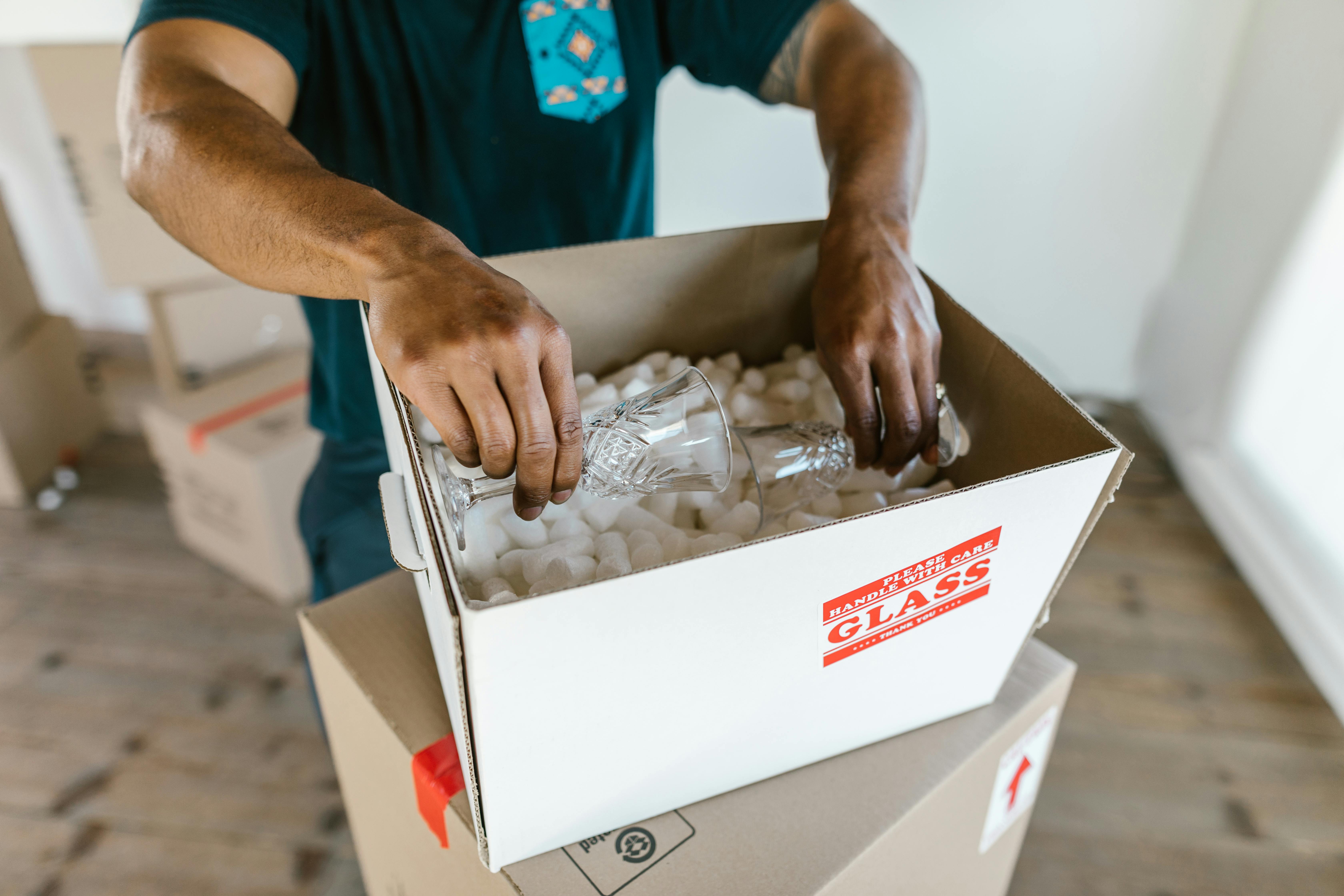
In tea packaging, the first mockup is usually the least expensive place to find a problem. A carton insert that holds a loose tea pouch during sampling may look fine in a photo, but if the pouch wall thickness changes by even 1 or 2 mm, the insert can pinch, bow, or leave an awkward gap that reads as cheap instead of considered. Tea Brand Carton Inserts sample approval catches those issues before the press run, the die-cut run, and the packing run all harden the same mistake into finished stock.
That is why tea Brand Carton Inserts sample approval should be treated as a risk check, not a courtesy review. The sample confirms fit, function, assembly, and finish in one pass. It also shows whether the structure supports the product without rattling during shipping, whether the lid closes flat, and whether the insert reinforces the premium look the brand promised in the brief.
Skipping this stage can create hidden costs that never appear on the first quote. Rework can trigger extra freight, missed launch windows, and dead inventory if the inserts no longer match the tea product or the retail carton. I have seen buyers focus on per-unit price and ignore the cost of one failed pack-out test; that is how a low quote turns expensive very quickly, and it usually happens right when the schedule is already tight.
The comparison is sharper than it first appears. One approved sample can protect an entire production lot, while one unapproved insert can generate waste across print, die-cutting, assembly, and fulfillment. For a tea launch with 5,000 or 10,000 cartons, that difference is not theoretical. It is cash, schedule, and brand trust all moving in the same direction.
Tea brand carton inserts sample approval also gives the team a shared reference point. Marketing sees the visual result. Operations sees the pack-out behavior. Purchasing sees the commercial impact. That shared sample becomes the baseline for later decisions, which matters when the pressure rises near launch and everyone wants a fast answer, sometimes before the facts are ready.
If the insert needs hand-guiding to work, it is not ready for production.
That rule saves time because it keeps the review practical. Tea brand carton inserts sample approval is not only about whether the render looks right. It is about whether the part actually works on a packing line, in transit, and on shelf. Those are three different environments, and each one can reveal a different weakness.
There is also a human side to this that gets missed in tidy approval flowcharts. A sample that feels fussy in the hand is gonna feel fussy to a picker, a packer, or a retailer opening cartons in a hurry. If the insert only behaves when someone is kinda coaxing it into place, the design is already telling you something useful. Listen to it.
How Tea Brand Carton Inserts Sample Approval Works
Tea brand carton inserts sample approval usually moves through several sample types, and each one answers a different question. A digital dieline proof checks dimensions and artwork placement. A flat sample verifies cut lines, folds, and board thickness. A white mockup shows the physical shape without print. A printed prototype tests color, text, and finish. A pre-production sample is the final checkpoint before the full run.
That progression matters because design approval and structural approval are not the same thing. A carton insert can pass art review with flying colors and still fail in use if the pocket is too shallow, the fold points are too tight, or the product shifts inside the carton. Tea brand carton inserts sample approval separates those issues so the team can solve them in order instead of all at once, which is a lot easier on everyone involved.
Who reviews the sample? Usually the brand owner, packaging supplier, graphic designer, and sometimes operations or fulfillment. For a larger tea company, quality assurance may also join the review because a packing-line issue is far cheaper to catch at sample stage than after a pallet leaves the warehouse. If the insert has to support a tin, a sachet set, or a rigid gift pack, everyone who touches the pack-out should see it early.
The review should stay practical. Open the carton. Insert the product. Close it. Reopen it. Shake it gently. Stack it. Look for movement, scuffing, poor closure, and any loss of structure after repeated handling. Tea brand carton inserts sample approval works best when the sample is tested the way a warehouse picker, retailer, or customer will actually handle it, not the way a polished product photo suggests.
Feedback should come back in writing, even if the team also talks by phone or video. Mark up the dieline. Add photos. Number the version. If a revision is needed, note exactly which point changed: insert depth, slot width, board grade, glue area, or print alignment. Vague notes like “make it better” waste a round, and in packaging, a wasted round can mean a lost week.
One useful habit is to keep a single approval trail. That may be a shared file, a revision log, or a master comment sheet. The point is consistency. Tea brand carton inserts sample approval gets messy when design approves one version, purchasing approves another, and operations is still looking at the old mockup. I have seen that kind of split create confusion that took longer to untangle than the sample itself took to produce.
For broader packaging context, the same discipline shows up in transport testing and material selection. The ISTA standards are a useful reference point for distribution stress, while FSC certification helps brands confirm responsible fiber sourcing when paperboard is part of the spec. For teams building shelf-ready packs, that combination of structure and sourcing is hard to dismiss.
Tea brand carton inserts sample approval runs more cleanly when the sample set is treated like a ladder instead of a single event. The clearer the team is about what each sample proves, the fewer false assumptions sneak into the release decision.
Tea Brand Carton Inserts Sample Approval: Cost, MOQ, and Pricing
Price is rarely just price. In tea brand carton inserts sample approval, the sample cost depends on the number of revisions, whether the sample is structural or printed, the board grade, tooling, and shipping speed. A simple white mockup may cost far less than a printed prototype with foil or specialty coating, but the cheaper sample only helps if it answers the right question.
Typical sample pricing can range from about $80 to $250 for a basic structural mockup, $150 to $600 for a printed or embellished sample, and more for complex constructions or expedited freight. These ranges are not fixed, because material sourcing and finishing details change quickly. A tight-tolerance insert for a premium tea gift pack will almost always cost more to sample than a standard single-carton sleeve.
MOQ affects both the final unit price and the sample conversation. Smaller tea launches often absorb more setup cost per unit because die-cutting, tooling, and prepress expenses are spread across fewer cartons. That is why a buyer may see a sharp difference between a 1,000-unit run and a 10,000-unit run. Tea brand carton inserts sample approval helps reveal whether a minor structural change is worth the extra setup cost.
It also changes pricing after the sample. If the approved sample uses heavier board, tighter die tolerances, or a revised insert layout, the production quote usually shifts. That is normal. What creates problems is accepting a low quote that quietly excludes sample support, revision time, or final inspection. The lowest number is not always the lowest cost, and that lesson tends to arrive the hard way if nobody asks for detail up front.
Here is a useful way to compare sample options before sign-off:
| Sample Type | Typical Cost | Typical Lead Time | Best Use |
|---|---|---|---|
| Digital dieline proof | $0-$50 | Same day to 2 business days | Artwork placement, basic dimensions, version control |
| Flat structural sample | $80-$150 | 2-5 business days | Cut lines, folds, slot depth, board thickness check |
| White mockup | $100-$250 | 3-7 business days | Fit testing, closure behavior, movement inside the carton |
| Printed prototype | $150-$600+ | 5-12 business days | Color, brand consistency, finish, shelf presentation |
| Pre-production sample | Often quoted separately | 7-15 business days | Final approval before bulk production |
That table is not a promise. It is a buying frame. Tea brand carton inserts sample approval should always be quoted with a clear line item for prototypes, production samples, and any extra revision round. If a supplier will not separate those figures, ask why, because there is usually a reason hiding in the gap.
For some tea launches, the best next step is not a cheaper sample but a better one. If the product is fragile, layered, or part of a gift set, the team may need a stronger insert structure before the quote is finalized. That is one of those choices that feels slightly inconvenient in the moment and saves a lot of trouble later.
You can see that logic echoed in other packaging work too; our Case Studies show how small structural changes can alter pack-out speed and product protection. The exact details change by project, but the pattern does not. Structure is never just structure.
Production Steps, Process, and Timeline for Approval
The cleanest tea brand carton inserts sample approval process usually starts with a brief. That brief should include product dimensions, exact weight, finish expectations, carton style, shipping method, and pack-out method. If the tea item has a foil pouch, rigid tin, or multi-piece gift set, the insert needs those details from the start. Guesswork here creates a second round later, and nobody likes discovering that after a sample has already been built.
After the brief comes the structural draft. This is where the supplier builds the dieline and proposes the insert geometry. Once the buyer confirms the general layout, the sample is produced. If the design is still in flux, the supplier may make a white mockup first, then a printed sample once the structure is stable. Tea brand carton inserts sample approval usually moves faster when the structure is locked before artwork is finalized.
A realistic timeline for a straightforward tea insert can be 3 to 7 business days for a basic mockup, 7 to 12 business days for a printed sample, and another 3 to 7 days for a revision round. Complex premium packs can take longer, especially if foil, embossing, specialty board, or tight die tolerances are involved. A second or third revision can stretch the process by one to three weeks, depending on how much the structure changes.
Several variables stretch the schedule. Artwork readiness is one. Insert complexity is another. Material availability matters too, particularly if the sample needs a specific FSC-certified board, a coated finish, or a specialty paper stock. Shipping speed also makes a difference, especially for international projects where the sample has to cross borders before the team can sign off.
Tea brand carton inserts sample approval should also account for the packing-line impact of any structural change. A small adjustment to the insert depth may alter folding behavior. A tighter slot may slow manual pack-out. A heavier board may improve rigidity but reduce line speed. Those trade-offs do not appear in a render. They show up in process, which is exactly why the sample matters.
For teams that handle distribution testing, standards such as ISTA can be useful. Some brands compare their sample behavior with common transport stress tests, then decide whether additional protection is needed. If sustainability is part of the brief, the EPA's recycling guidance is also worth reviewing at EPA recycling resources. That is not a substitute for supplier testing, but it gives the brand a better frame for material decisions.
A simple status tracker helps. Track the version number, sample type, reviewer, comment date, and decision status. If the tea team can see that version 2 is still under review while version 1 is archived, tea brand carton inserts sample approval becomes easier to manage. The worst errors usually happen when everyone thinks someone else already signed off, which is exactly the kind of avoidable confusion that burns time for no good reason.
That timeline points to a practical truth: speed comes from clarity, not pressure. Tea brand carton inserts sample approval moves faster when the first brief is precise and the feedback is measurable.
Key Factors That Decide Whether the Insert Actually Works
The first factor is fit. If the tea product moves inside the carton, the insert is not doing its job. Measure height, width, depth, closure allowance, and the product's real outer dimensions, not just the nominal spec. Tea bags in inner wraps, rigid tea tins, and gift sets all behave differently, so tea brand carton inserts sample approval must be based on the actual packaged item, not a placeholder that happens to be nearby.
Board choice comes next. A lightweight board may be fine for a short retail trip, but a stronger flute or heavier paperboard can hold shape better across longer shipping lanes. For folding cartons, brands often look at 300 gsm to 400 gsm SBS or C1S artboard, while more protective inserts may use corrugated E-flute or a thicker paperboard build. The right answer depends on product weight, stacking pressure, and the amount of presentation needed at shelf.
Branding details matter more than many teams expect. Print registration, color consistency, texture, and coatings all shape brand recognition. If the insert is visible during unboxing, it contributes to the perceived quality of the entire tea pack. That is why tea brand carton inserts sample approval is not just about structure. It is also about whether the insert supports the same design language as the outer carton and label system.
Functional checks should be physical, not theoretical. Test opening force. Check stacking behavior. Look at how the insert performs after repeated opening and closing. Watch for denting on the tea package, especially if the product uses soft board, a foil pouch, or a tin with thin walls. A sample that survives one careful hand test may still fail after a week of warehouse handling, and that is the kind of failure nobody sees in a flat render.
Sustainability can affect approval too. Many tea brands want recyclable or responsibly sourced fiber without losing rigidity. That is where FSC-certified board can help, especially if the pack is part of a premium line that needs a credible sourcing story. The structural choice should support the sustainability story rather than weaken it.
One more practical point: think about the line, not just the sample bench. An insert that looks elegant but needs two hands and a pause to assemble can create labor friction. Tea brand carton inserts sample approval should include a quick reality check on line speed, pack-out sequence, and whether the insert still works after a few hundred units of repetitive handling.
If you want examples of how those trade-offs play out in real packaging work, our tea packaging Case Studies are a useful reference point. The details differ from project to project, but the pattern is the same: a small structure decision can affect cost, speed, and customer perception all at once.
Common Mistakes in Tea Insert Sampling and How to Avoid Them
The biggest mistake is approving from a picture alone. A digital image can hide a lot: loose fit, weak corners, too much compression, or an insert that only works because someone held it in place for the shot. Tea brand carton inserts sample approval needs a physical sample, especially if the tea product has exact dimensions or a premium finish that must survive transit.
Another common problem is vague feedback. “Make it better” does not tell the supplier what to change. Measurable notes do. Say the slot is 1.5 mm too tight. Say the insert wall should be 0.3 mm heavier. Say the fold line is too visible on the front panel. Tea brand carton inserts sample approval becomes much faster when the feedback is concrete and easy to trace back to a specific part of the structure.
Teams also lose time by changing artwork after the structure has been approved. That can trigger a second sample, a second proof round, and a second round of decision-making. If the outer carton and insert are tied together, a tiny design change can ripple through the entire build. Lock the structure first whenever possible, then update the print files once the dimensions are stable.
Testing only on a desk is another trap. Shipping vibration, pallet pressure, and repeated loading can reveal faults that do not show up during a neat tabletop review. Shake the sample. Stack it. Move it through a few realistic pack-out cycles. Tea brand carton inserts sample approval should mimic the path the product will actually take, not just the path the buyer hopes it will take.
Mixed feedback is a silent killer. If design, operations, and purchasing all comment in separate places, the supplier may end up with three different versions of “approved.” Keep one source of truth, one comment log, and one final sign-off record. That is boring admin, but it protects the launch and keeps the sample process from turning into a guessing game.
The last mistake is approving too fast because the schedule feels tight. Pressure pushes people toward optimism. Optimism is useful in tea marketing; it is less useful in structural packaging. If the insert is still moving, scuffing, or crushing the pack, tea brand carton inserts sample approval should stay open until the defect is understood and corrected.
Expert Tips and Next Steps After Approval
A strong pre-approval checklist keeps tea brand carton inserts sample approval clean from the start. Check fit, finish, dimensions, carton closure, pallet packing, and the final launch quantity. Confirm whether the insert is meant for manual assembly or automated insertion. Confirm the quoted board grade. Confirm whether the sample includes the same print method, coating, or special finish as production.
Once the sample is approved, ask for dated photos, version numbers, and a written record of the sign-off. That record matters later if a shipment question comes up or if the team needs to reorder. Tea brand carton inserts sample approval should leave no doubt about which version was accepted. Ambiguity is expensive, and it tends to show up at the least convenient moment.
It is also smart to request one final reference sample before mass run, especially for a premium tea line or a launch tied to a retailer deadline. Some teams call this a last article check or a retained reference sample. Whatever the label, the point is the same: the approved sample becomes the production standard.
Share exact pack-out instructions with the supplier once the sample passes. Tell them how the tea product should sit, which way the graphics face, how much compression is acceptable, and whether the carton must close without bulging. Tea brand carton inserts sample approval works best when the production team can copy the approved behavior instead of guessing at it.
For brands balancing cost and presentation, this is also where the commercial conversation should end and the production conversation should start. Confirm the quote, confirm the revision path, archive the dieline, and lock the approved sample in a safe file location. Then move to production only after the tea brand carton inserts sample approval is documented in writing.
If you need a broader look at how packaging decisions affect real-world launches, our Case Studies can help frame the conversation. The same basic lesson keeps showing up: good sampling is not a delay. It keeps a much bigger delay from arriving later.
Tea brand carton inserts sample approval is a control point that protects the pack, the schedule, and the brand story at the same time. When the sample is documented well, the launch feels calmer, the carton looks more intentional, and the finished product feels more trustworthy in the customer's hand.
So the practical takeaway is simple: approve the sample only after the real tea product has been packed, closed, shaken, stacked, and reviewed in writing. That one habit catches most of the expensive surprises before they turn into production stock.
FAQ
What does tea brand carton inserts sample approval actually confirm?
It confirms that the insert fits the tea package correctly and keeps it stable during handling and shipping. It also confirms that the look, finish, and assembly method match the brand's expectations before full production. In short, tea brand carton inserts sample approval catches structural problems before the buyer commits to a larger run.
How many revision rounds are normal for tea insert samples?
One revision is common when the dimensions are close and the feedback is specific. Two or more rounds happen when the tea carton has tight tolerances, premium finishing, or a fragile product shape. Clear notes and measured feedback usually reduce the number of rounds, which is why tea brand carton inserts sample approval works best with one decision-maker and one comment log.
What should tea brands check before approving the sample?
Check fit, product movement, insert strength, carton closure, print accuracy, and overall presentation. Test the sample with the real tea pack, not just a placeholder item. Confirm the sample matches the quoted material and build method before you finalize tea brand carton inserts sample approval.
Does sample approval change the final price of tea carton inserts?
Yes, if the sample reveals a different material, thickness, or finishing requirement. The price can also change if the revision adds setup work or increases waste during production. A clear approval process helps avoid surprise costs later, especially on larger runs where tea brand carton inserts sample approval affects tooling and board usage.
How can a tea brand speed up carton insert approval?
Send exact dimensions, product weights, artwork files, and functional requirements upfront. Use one approval contact or one master feedback document to prevent mixed messages. Ask for a dated reference sample so production can move immediately after sign-off, and keep tea brand carton inserts sample approval tied to one version only.


