Buyer Fit Snapshot
| Best fit | Custom Jewelry Boxes Bulk Pricing projects where brand print, material claims, artwork control, MOQ, and repeat-order consistency need to be specified before quoting. |
|---|---|
| Quote inputs | Share finished size, material target, print colors, finish, packing count, annual reorder estimate, ship-to region, and any compliance wording. |
| Proofing check | Approve dieline scale, logo placement, barcode or warning zones, color tolerance, closure strength, and carton packing before bulk production. |
| Main risk | Vague material claims, crowded artwork, missing packing details, or unclear freight terms can make a low unit price expensive after revisions. |
Fast answer: Custom Jewelry Boxes Bulk Pricing: Costs, MOQ, Lead Time should be specified like a repeatable production item. The safest quote records material, print method, finish, artwork proof, packing count, and reorder notes in one written spec.
Production checks before approval
Compare the actual filled-product size with the drawing, then confirm tolerance on folds, seals, hang holes, label areas, and retail display edges. Reserve space for logos, QR codes, warning copy, and material claims before decorative graphics fill the panel.
Quote comparison points
Review material grade, print process, finish, sampling route, tooling charges, carton quantity, and freight assumptions side by side. A quote is only useful when the supplier can repeat the same color, closure quality, and packing count on the next order.
Custom Jewelry Boxes bulk pricing looks straightforward until the first sample lands on your desk. A small run can cost more per unit than the necklace, ring, or bracelet inside it. Once the order moves into the hundreds or thousands, the math changes because setup, cutting, printing, and finishing get spread across more pieces. Buyers who treat packaging as part of the product plan instead of an afterthought usually protect margin better and end up with cleaner brand presentation.
That part matters more than people like to admit. A polished box can raise perceived value, but it still has to survive the margin math. If a jewelry line sells for $24 and packaging takes $2.25 before freight, the decision stops being decorative. It becomes a unit cost problem, a retail packaging problem, and usually an MOQ problem too.
The smartest way to read a quote is not by staring at the cheapest number. Ask what drives it, which spec changes push it up, and where the savings actually show up once the order moves from sample level to wholesale scale. That is the lens for the rest of this breakdown: materials, finishes, minimums, timelines, and the practical way to compare Custom Printed Boxes without guessing.
Why Custom Jewelry Boxes Bulk Pricing Drops at Scale
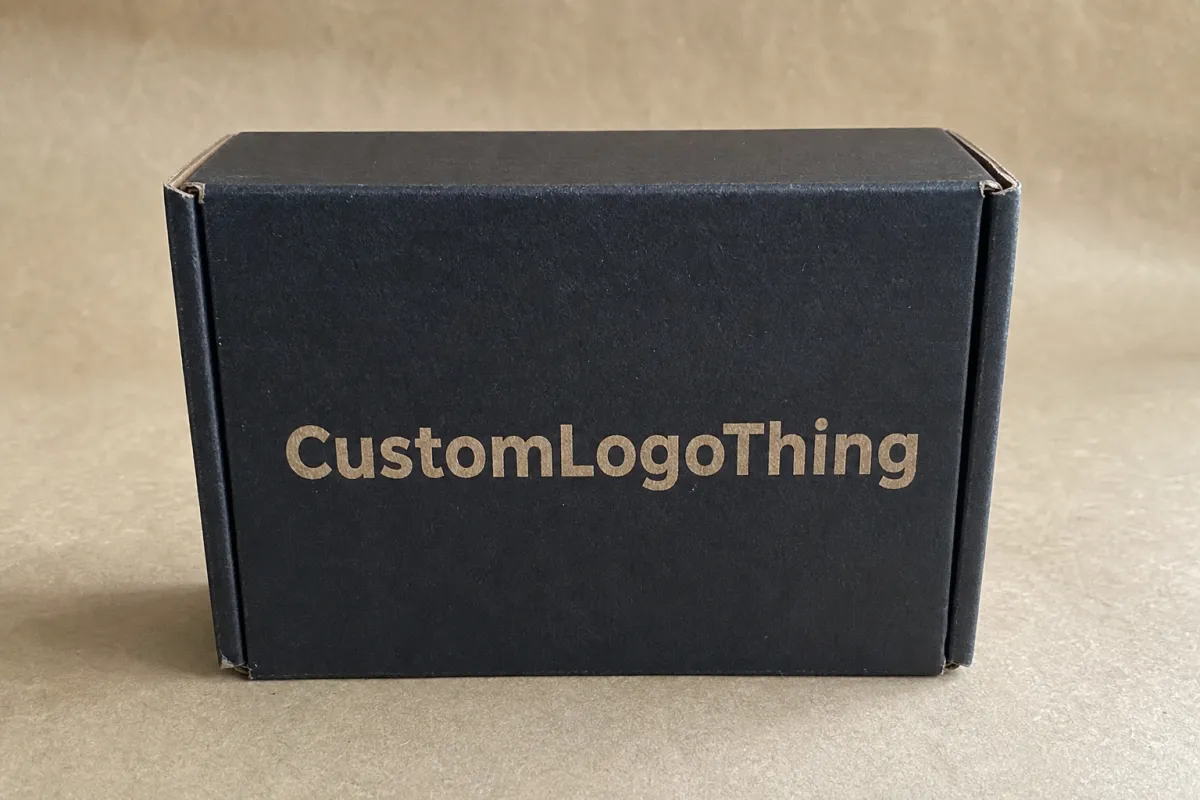
The first cost spike usually comes from setup. A supplier has to prepare the dieline, set the press, align the board or wrap stock, and calibrate finishing equipment. Those costs barely change whether the run is 100 boxes or 5,000, so small orders carry a heavier share of the overhead. Once quantity rises, that fixed work gets split across more units, and unit cost falls.
This is not unique to jewelry packaging. Cutting dies, foil plates, embossing tools, proofing, quality checks, and transit packaging all put pressure on low-volume orders. At scale, material price still matters, but setup stops dominating the quote. That is the part buyers can actually control.
The buyer side has its own logic. Retailers do not buy boxes for decoration alone. They buy them to protect the product, support brand presentation, and survive handling in store, shipping, or gifting. A box that looks expensive but dents easily or slows fulfillment is not a good deal. A simpler box that stays square, prints cleanly, and arrives consistently usually wins where it counts.
From a packaging buyer’s perspective, the biggest savings often arrive after the first price tier. A 250-unit run still behaves like custom manufacturing. A 1,000-unit run starts to look like planned production. By 5,000 units, the quote can drop meaningfully if the structure stays stable, the print stays standard, and the finish does not require much handwork.
The cheapest quote is rarely the cheapest order if the boxes arrive late, dented, or inconsistent. In bulk packaging, fewer surprises usually matter more than the lowest headline number.
That is why serious buyers compare more than the unit price. They compare setup fees, print complexity, sampling, freight, and the odds of rework. That is the real picture behind custom jewelry boxes bulk pricing, and it is usually more useful than a supplier’s broad promise of factory savings.
There is also a practical timing effect. A short run often gets treated as a special job. A larger repeatable run gets scheduled like production. That difference affects labor planning, machine time, and how much room the factory has to absorb waste. No, the material does not become magical at 2,000 units. The work just becomes more predictable.
Custom Jewelry Box Styles, Materials, and Finish Options
Jewelry boxes are not all built the same way, and structure has a direct effect on both appearance and price. A folding carton is usually the lightest and lowest-cost option. A rigid box uses thicker board, feels more substantial in hand, and costs more to produce. Drawer boxes and Magnetic Closure Boxes add another layer of material and assembly. That raises the quote, yes, but it also changes how the customer reads the piece.
The most common bulk formats are straightforward:
- Folding cartons for low-cost, efficient shipping and simple retail packaging.
- Rigid boxes for premium product packaging and stronger shelf presence.
- Drawer boxes for a gift-like unboxing experience and better perceived value.
- Magnetic closure boxes for higher-end branded packaging and repeatable presentation.
- Specialty presentation boxes for luxury collections, engagement pieces, or limited editions.
Material choice matters just as much as structure. Paperboard usually works for lighter cartons and lower-cost runs. Chipboard and wrapped rigid board add strength and body. Velvet-touch stock gives a soft tactile finish that reads premium before the customer even opens the box. Textured wraps can create a more handcrafted feel, especially for rings, earrings, and small pendant sets.
Inserts change the experience and the cost. Foam inserts are efficient and hold shape well, which is why they show up in so many bulk orders. EVA foam offers cleaner cutouts and a more polished look than basic foam. Molded pulp can make sense for sustainability-led product packaging, while cardboard inserts keep the price down for more basic runs. Fabric-lined inserts sit higher on the value ladder and usually belong in premium or gift-driven orders.
Finishes are the quiet price multipliers. Foil stamping adds reflective branding and works well for logos. Embossing creates depth and a more tactile package branding effect. Spot UV can highlight a logo or pattern if the artwork actually supports it. Soft-touch lamination is popular for luxury retail packaging because it changes how the box feels in the hand. Matte and gloss coatings remain the practical options for budget-sensitive orders because they are familiar, repeatable, and easier to control.
Here is the blunt version: if the order is price-sensitive, simplify the structure first, then simplify the finish. If the order is high-end, protect the structure and cut the excess. A rigid box with one strong finish usually looks better than a crowded design with too many effects. That rule holds across custom printed boxes in almost every category. Clarity sells. Decoration overload usually does not.
For recycled content, certified paper sourcing can support sustainability claims. If that matters to your brand, look for chain-of-custody options through the Forest Stewardship Council. For transit performance, especially if the boxes ship with ecommerce orders, packaging testing aligned with ISTA methods can help reduce damage claims before the product reaches the customer.
The question buyers should ask is simple: do the material and finish choices support the product’s price point? If the box supports a $40 gift item, a more refined structure may be justified. If the box supports a $12 accessory, a leaner build usually protects margin better.
| Box Style | Best Use | Typical MOQ | Indicative Unit Cost at 500 | Indicative Unit Cost at 5,000 | Cost Signal |
|---|---|---|---|---|---|
| Folding carton | Entry-level retail packaging, lightweight jewelry items | 250-1,000 | $0.40-$0.85 | $0.16-$0.32 | Lowest material and shipping load |
| Wrapped rigid box | Premium branding, gift presentation, stronger shelf impact | 500-2,000 | $1.10-$2.10 | $0.58-$1.05 | Higher perceived value, moderate production complexity |
| Magnetic closure rigid box | Luxury lines, gifting, high-end collections | 1,000+ | $1.85-$3.50 | $0.95-$1.95 | More assembly, stronger premium effect |
| Drawer box with insert | Gift sets, curated product packaging, unboxing focus | 500-2,000 | $1.25-$2.60 | $0.70-$1.40 | Additional components increase labor and fit control |
These ranges are planning figures, not fixed quotes. They show the way quantity, structure, and finish usually shape the order. Two boxes with the same footprint can price very differently if one uses a simple paperboard insert and the other uses a foam insert with foil stamping and soft-touch lamination.
They can also diverge because of assembly requirements. Flat-packed carton boxes are easier to ship and store. Pre-assembled rigid boxes save labor on your side, but the factory has to do more work before shipment. That difference shows up in pricing, freight, and warehouse handling. A buyer who ignores assembly state usually pays for it later anyway.
Custom Jewelry Boxes Bulk Pricing: MOQ, Volume Tiers, and Unit Cost
MOQ exists for a reason. Tooling, press setup, material procurement, and production efficiency all affect the minimum order. A supplier cannot always run a small, highly customized job at the same rate as a standard one because machine time and labor do not shrink in proportion to the order. That is why one vendor may quote 250 units for a folding carton but 1,000 or more for a rigid magnetic box.
The buyer advantage is not only lower pricing at higher volumes. It is better visibility. Once you request quotes across multiple tiers, you can see where the real breakpoints sit. In some cases, moving from 250 to 500 units cuts the unit cost sharply. In other cases, the best drop shows up at 1,000 or 2,500 units. The pattern depends on the structure and the amount of hand assembly involved.
Here is the practical way to think about volume tiers:
- Sample or pilot tier - useful for fit, artwork, and proofing, but the unit price is high because setup is spread over a tiny run.
- Low bulk tier - often 250 to 500 pieces, where the quote begins to make sense for smaller launches.
- Wholesale tier - often 1,000 to 5,000 pieces, where the unit cost usually becomes far more attractive.
- Repeat order tier - reorders can improve timing and consistency because the tooling, dieline, and artwork are already approved.
That progression explains why the first order often feels expensive and the second order feels more rational. A supplier may charge $1.95 per unit for 250 rigid boxes, then $1.20 at 1,000, then $0.88 at 5,000. The material has not become magically cheaper. The fixed work has simply been absorbed by volume.
Hidden costs can flip the answer. A low unit price can still be the wrong choice if freight is high, sampling is slow, defects are frequent, or the boxes arrive needing rework. Ask whether the quote includes die charges, plate charges, proofing, sample shipping, and transit packaging. If the order crosses borders, ask about duties, brokerage, and whether the line is quoted ex-works, FOB, or delivered. The lowest price on paper is not always the lowest landed cost.
For buyers comparing vendors, this is the simplest filter:
- Compare the same quantity tier across every supplier.
- Check whether the quote includes the insert, finish, and assembly state.
- Ask what is excluded: freight, duties, plates, or inspection.
- Test whether the supplier can hold color and structure across a repeat run.
- Look at lead time alongside price; cheap and slow can cost more in stockouts.
A supplier that quotes a low number but misses the fit, finish, or delivery window has not beaten the market. It has pushed the cost downstream. From a purchasing standpoint, the better benchmark is the one that compares unit cost, landed cost, and risk together.
One more practical observation: custom jewelry boxes bulk pricing usually improves faster when the design is standardized. Reusing a common box size, choosing one paper family, and keeping the print system simple creates more room for savings than squeezing the logo one millimeter smaller. Standardization is not boring. It is profitable.
There is a buyer scenario that comes up constantly. A boutique owner wants 300 boxes for a ring line, then another 300 for a pendant line, then 300 more for a holiday set. Three separate specs sound harmless. They are not. Each variation adds setup, proofing, and potential mismatch. A shared platform size with different inserts often gives a better price and a cleaner inventory plan.
Specifications to Confirm Before You Request a Quote
The cleanest quotes come from clean inputs. If a supplier has to guess the dimensions, insert type, closure style, or print coverage, the quote will be approximate at best. If the box is for a ring, pendant, bracelet, or multi-piece set, the internal fit matters as much as the outer look. A box that looks elegant but leaves the product loose is not doing its job.
Before you request pricing, confirm the core spec set:
- Finished dimensions for the box and, if needed, the insert cavity.
- Board thickness or paper stock weight.
- Closure style: tuck, lift-off lid, drawer, magnetic, or nested format.
- Artwork format: vector logo, CMYK file, Pantone reference, or foil-only mark.
- Print coverage: one-color, full wrap, interior print, or partial decoration.
- Insert material: foam, EVA, molded pulp, cardboard, or fabric-lined construction.
- Finish: matte, gloss, soft-touch, embossing, foil, or spot UV.
- Packaging state: flat-packed, pre-assembled, or retail-ready.
- Quantity tiers: ask for 250, 500, 1,000, and 5,000 if the line can support them.
- Shipping terms: confirm whether the quote is ex-works, FOB, or delivered.
Artwork readiness matters more than many buyers expect. If the logo exists only as a low-resolution raster file, the result may not hold up at press scale. If the file has no bleed, no color references, or no approval for small text, the proof process slows down. For custom printed boxes, a supplier can usually price faster when the artwork is vector-based and the color plan is already clear.
Structural details can change the quote in subtle ways. Magnetic closures require extra material and assembly. Ribbon pulls add labor. Interior printing adds another pass. Windows need cutting and, sometimes, film application. Nested components may increase fit complexity. Every extra step affects production time and quality control.
If the quote is based on a vague brief, the final invoice usually tells the truth later. A complete spec sheet is one of the easiest ways to protect both price and schedule.
Shipping and handling deserve attention too. Flat-packed boxes can save freight and storage space, but they require assembly downstream. Pre-assembled boxes are easier to place into the sales flow, but they cost more to move. Retail-ready packaging may need barcoding, labeling, or carton configuration that fits your warehouse process. If your operation is optimized for direct-to-consumer fulfillment, that decision matters immediately.
A practical quote request should therefore include not only the design file but also the production intent. Are you buying for a luxury jewelry counter, a subscription gift set, or ecommerce shipment? The answer changes the recommended structure, the insert choice, and often the price tier.
One more detail that saves headaches: confirm whether your branding depends on exact color matching or simply a close visual match. Pantone targets, metallic inks, and foil finishes behave differently from standard CMYK print. If the expectation is precise, say so early. Hiding that request until after the sample usually leads to a second round of proofing. That round is rarely free.
Process, Timeline, and Lead Time for Bulk Orders
Most bulk packaging jobs follow a similar sequence, even if the details vary by supplier. The order starts with an inquiry and brief, moves into a quote, then a dieline or template, then proofing, sampling, approval, production, quality inspection, and shipment. The work is predictable. The delays usually are too.
Here is the typical flow:
- Brief and quote - the buyer shares size, material, finish, quantity, and artwork.
- Dieline and proof - the supplier confirms structure and prepares a layout for review.
- Sample or pre-production check - useful for premium finishes, tight fit, or new launch work.
- Mass production - printing, cutting, wrapping, assembly, and finishing.
- Quality review - color, fit, alignment, and surface inspection.
- Dispatch - cartons are packed for shipping and handed to freight or courier.
Delays usually show up in three places. The first is artwork. If the logo changes after proofing, the clock restarts. The second is color revision. If the buyer wants Pantone matching after initially approving CMYK output, the sample cycle can stretch. The third is dimension changes. A box designed for a small pendant cannot be stretched into a bangle box without reworking the structure.
Lead time depends on complexity, not just quantity. A simple folding carton might move quickly once proofed, while a rigid box with magnetic closure, foil stamping, and a custom insert needs more time for assembly and inspection. As a rough planning guide, sample turnaround often lands in the 5-10 business day range after artwork approval. Production can run anywhere from 12-25 business days depending on finish, order size, and backlog. Shipping adds its own clock: domestic freight may move in days, while overseas transit can take weeks.
Fast approvals matter. A buyer who signs off on the proof in one day usually moves faster than a buyer who revises the file four times. The supplier can only control production once the spec is frozen. The rest is schedule management, which sounds boring until a launch slips.
Seasonality also changes the picture. Gift periods, promotional launches, and holiday build-ups stretch queues. If you are planning jewelry packaging for a launch date, build buffer into the calendar. A supplier may quote a standard production window, but transport and peak-period demand can widen it. Buyers who plan early usually avoid rush freight and emergency rework, both of which push landed cost up.
One useful rule: the simpler the spec, the easier the timeline. A one-color logo on a standard board size is faster than a multi-process box with foil, embossing, soft-touch lamination, and a custom insert. That does not mean premium work is a problem. It just means the schedule has to respect the work involved.
If sustainability or regulatory expectations are part of the project, confirm them before the production slot is booked. A FSC-certified board request, for example, needs to be in the brief early enough for material sourcing to support it. Likewise, if the boxes need transit validation, say so before the sample is approved. Late changes almost always cost time.
The other hidden schedule killer is indecision. A buyer who asks for three different closure styles, two insert options, and four finish combinations has not ordered anything yet. They have started a decision tree. Packaging factories can work fast, but they still need a direction.
Why Choose Us for Bulk Jewelry Packaging
A good packaging partner is judged on consistency first. Color control, clean structural fit, and repeatable output matter more than glossy promises. Buyers who reorder packaging know this well: the second run only works if it matches the first run closely enough to keep shelf, display, or ecommerce presentation stable.
For a supplier like Custom Logo Things, the strongest value is not hype. It is production discipline. Clear communication during proofing. Careful inspection during assembly. Enough process control to keep large orders from drifting in appearance or fit. In bulk jewelry packaging, small misses show up fast. A lid that sits unevenly, a foam insert off by a few millimeters, or a logo that prints too dark can weaken the brand message immediately.
This is where a focused packaging manufacturer usually outperforms a general print vendor that treats jewelry boxes as a side category. Jewelry packaging blends structure, finish, and presentation. It is not just a printed surface. It is part of the product experience, and it affects whether the customer reads the item as everyday, giftable, or premium.
The better partners also help buyers protect margin. They do that by offering the right balance of structure and finish, not by pushing every possible effect. A strong packaging design can be elegant and cost-aware at the same time. That balance matters especially for wholesale and repeat programs, where a few cents per unit add up across thousands of boxes. If your team is building a broader packaging system, review the range of Custom Packaging Products that can keep brand presentation consistent across product lines.
There is also a service advantage to working with a supplier that understands repeat orders. Once a dieline, board spec, and logo treatment are approved, future runs become simpler. That makes reorders faster, reduces the chance of color drift, and improves planning for retail packaging or direct-to-consumer fulfillment. For buyers scaling multiple SKUs, that predictability is valuable. It is one reason some teams structure their buying through Wholesale Programs instead of treating every order like a one-off project.
Trust gets built in details, not slogans. If a supplier can explain why one insert costs more than another, how a finish changes the print sequence, and where the freight risk sits, that supplier is helping you buy intelligently. That is the standard worth using.
There is also value in honest constraint-setting. If a requested finish will push the order past budget, a good manufacturer says so. If the target date is unrealistic, the right answer is not empty reassurance. It is a revised plan. That is what separates a packaging partner from a quote machine.
Next Steps to Lock in Your Bulk Quote
The fastest way to improve custom jewelry boxes bulk pricing is to give the supplier a complete brief. Start with quantity tiers, box dimensions, material preference, finish, insert type, and final artwork. If the box is part of a launch, add the target date and the destination country. That gives the quote real context instead of a guess.
Ask for pricing at more than one tier. A quote at 250 pieces and another at 1,000 can show whether the supplier’s economy of scale is worth the jump. For many buyers, the useful comparison is not just 250 versus 1,000. It is 250, 500, 1,000, and 5,000, because the breakpoints often show where the unit cost starts to drop harder.
For premium finishes, ask for a sample, dieline, or spec sheet before final approval. That matters even more if you are working with soft-touch lamination, foil stamping, embossing, or a custom insert. Tight-fit jewelry packaging should never be approved off a vague screen image. Physical confirmation saves money later. Screens are cheap. Mistakes are not.
Finally, compare total landed cost. Unit price matters, but freight, duties, sample fees, and rework risk can change the real number by a wide margin. A quote that looks attractive on paper may not survive transit, and a quote that seems slightly higher may be the safer choice if it reduces defects and delays. That comparison is the difference between buying a box and buying a working packaging system.
If you are building the brief from scratch, keep it tight: exact dimensions, one approved artwork file, a clear insert choice, and three quantity tiers. Then ask for landed cost, not just unit cost. That is the cleanest path to predictable custom jewelry boxes bulk pricing.
One last practical takeaway: standardize the base structure wherever you can, reserve premium finishes for the SKUs that justify them, and make sure the quote includes what will actually arrive at your warehouse. That is how custom jewelry boxes bulk pricing turns into a planning tool instead of a guessing game.
FAQ
What is the MOQ for custom jewelry boxes bulk pricing?
MOQ depends on structure, materials, and finish complexity. Folding cartons often support lower minimums than rigid boxes, while magnetic closure styles usually need a higher threshold because of setup and assembly. The most useful request is pricing at multiple tiers, such as 250, 500, 1,000, and beyond, so you can see where the unit cost improves.
How much do custom jewelry boxes cost in bulk?
The answer depends on size, board thickness, insert type, print coverage, and premium finishes like foil or embossing. A simple carton can stay well under a dollar per unit at scale, while a premium rigid box can move into the $1.00-$2.00-plus range depending on quantity and finish. The best quote shows total landed cost, not just the unit price, so freight and setup charges are visible before you commit.
Which box style is cheapest for bulk jewelry orders?
Folding cartons are often the lowest-cost option because they use less material and ship efficiently. If the brand needs a more premium look, it is usually smarter to simplify the finish or insert before changing the structural style. That keeps the packaging budget under control while still improving presentation.
How long is the lead time for custom jewelry boxes bulk pricing orders?
Lead time depends on proof approval, sampling, production complexity, and shipping method. Simple jobs may move faster after the artwork is approved, while rigid boxes with magnetic closures or specialty finishes usually take longer. Fast approvals and clear specs shorten the schedule more effectively than rush requests do.
Can I reorder custom jewelry boxes later at the same price?
Reorders are often easier when the original tooling and artwork can be reused, and that can help hold the price closer to the first run. Even so, material costs, freight, and finish availability can change, so a fresh quote is still the right move before the next order. The best repeat pricing comes from stable specs and a supplier that keeps production records clean.
What should I send first if I want an accurate quote?
Start with box dimensions, quantity tiers, material, insert type, finish, and a vector artwork file if you have one. If you also share shipping terms and the destination country, the supplier can estimate landed cost instead of only factory cost. That usually saves a round or two of back-and-forth.
If you lock the spec first and compare the full landed cost second, custom jewelry boxes bulk pricing becomes a planning tool instead of a guessing game. That is the point where packaging starts supporting margin, brand presentation, and repeatable growth at the same time.

