Tea Brand Gift Boxes Cost: Get a Custom Quote Fast
Tea Brand Gift Boxes cost is not some mystery number hiding behind a sales desk. It is the sum of a few very ordinary decisions that stack up quickly: box structure, insert style, dimensions, print coverage, finish level, and order volume. Once those are defined, the price usually makes sense. Until then, the conversation is kinda just floating around in the air.
One thing I see all the time is buyers asking for pricing before the pack is actually defined. They want a number for the artwork, or they have a reference image, but the internal layout is still undecided. Maybe the tins are changing. Maybe the tea assortment is not final. Maybe the box is supposed to ship through ecommerce and also sit on a retail shelf. In that situation, tea Brand Gift Boxes cost looks inconsistent from one quote to the next, even though the spec keeps moving.
Tea packaging has to do two jobs at once. It needs to protect the product, and it needs to communicate the brand in a way that feels intentional, calm, and worth opening. That is where brand identity, visual branding, and brand consistency matter. Still, those are not usually the first things that move price. Structure does. Fit does. Freight does. Those are the practical levers, and they deserve attention before anyone starts talking about foil or embossing.
Tea Brand Gift Boxes Cost: What Most Buyers Miss First
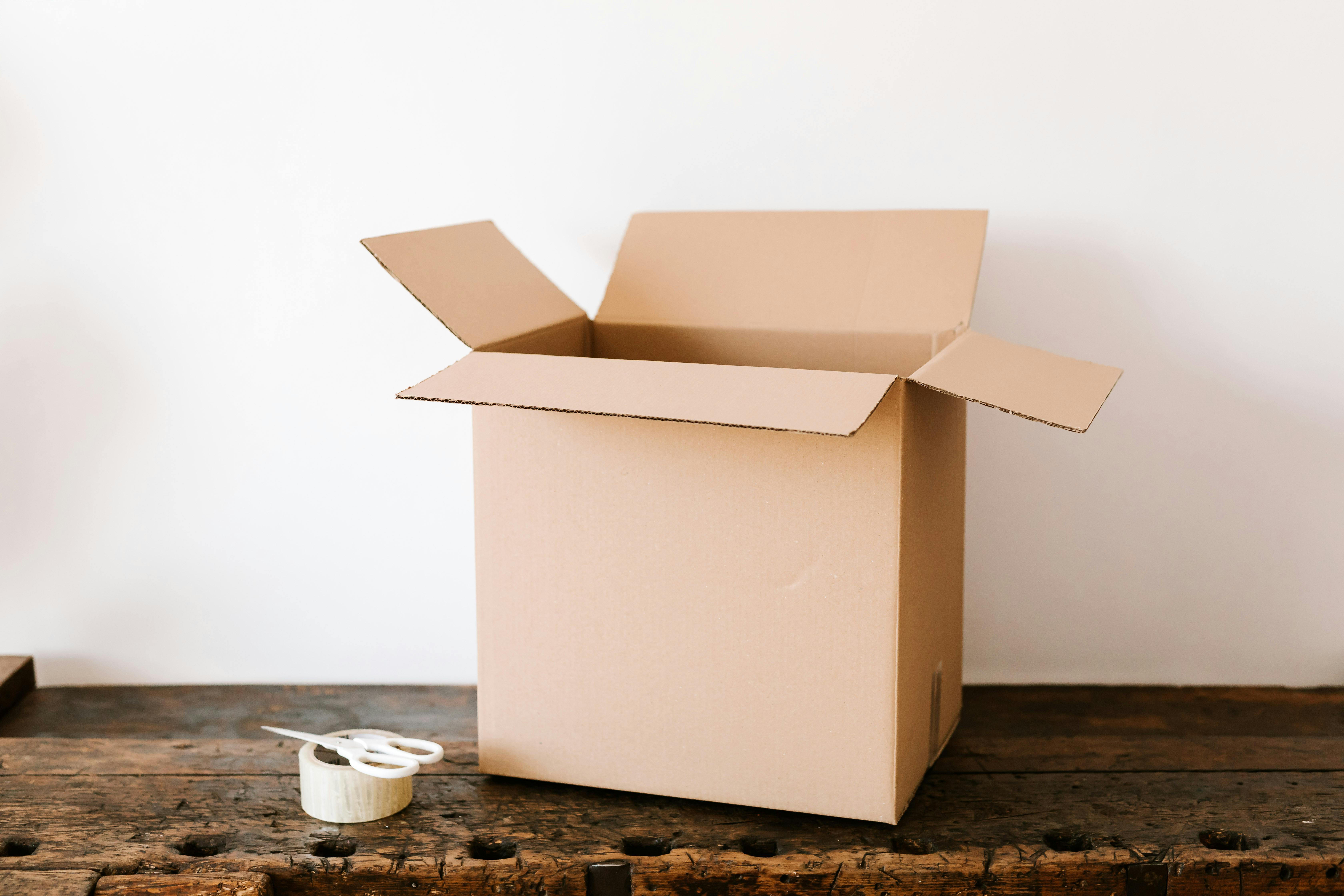
tea Brand Gift Boxes cost usually climbs because of the box itself, not because of the artwork. A simple two-color printed box with a well-made insert can cost less than a busy, heavily decorated pack that is slightly oversized and needs extra handwork to hold everything in place. That sounds obvious after the fact, but teams still fall into the same trap: they choose the look first and sort out the inside later. The invoice has a way of correcting that mistake.
Think about a four-tin tea set. A rigid setup box almost always costs more than a folding carton with a paperboard tray. That difference is not arbitrary. Rigid boxes use more board, require more assembly, take more room in shipping, and typically feel better in hand. They create a stronger gift impression, sure, but the material and labor are real. Packaging is not gonna ignore physics just because the mockup looks elegant.
Oversizing is another quiet budget leak. A box that is just a little too roomy uses more board, demands a bigger insert, and expands the shipping cube. In ecommerce, that extra air becomes expensive fast. For tea brands, especially those shipping single gifts or subscription sets, a few extra millimeters can show up in freight, storage, and damage rates.
There is also the sequencing problem. A quote requested before the box size is final is always shaky. Lock the structure first, then ask for decoration pricing. If a design changes from 260 x 180 x 60 mm to 300 x 220 x 80 mm, the artwork may stay identical, but the cutting die, material consumption, master carton plan, and shipping weight all change. The price has to follow the package, not the other way around.
The fastest way to keep tea brand gift boxes cost under control is to define the pack format before discussing embellishment. Decide whether the box must retail on a shelf, arrive safely through a parcel network, or support both roles. Once that is clear, the quote becomes a real production discussion instead of a guess dressed up as a number.
Tea packaging also needs to survive stacking, warehouse movement, parcel handling, and a few rough handoffs that nobody wants to admit happen. A pretty box that crushes in transit is not premium. It is a replacement order, a frustrated customer, and a brand problem. I have seen that kind of damage undo an otherwise strong launch, and the fix was never the finish; it was the structure.
Choose the Right Box Style for Your Tea Brand
tea brand gift boxes cost depends heavily on the structure you choose. The box style sets the floor for material use, labor, assembly, and freight. There really is no shortcut around that. If the package needs to feel gift-worthy, protect fragile contents, and handle shipping, it has to do actual work instead of just looking pretty on a screen.
Folding cartons are the lightest option and usually the most economical. They work well for retail tea, sachet packs, sample sets, and smaller assortments that do not need a lot of crush resistance. They ship flat, store efficiently, and often support lower MOQs than rigid boxes. For many brands, especially those watching margin carefully, that is a sensible place to start. Not flashy. Just practical.
Rigid setup boxes cost more, but they make sense for premium samplers, seasonal gifts, corporate programs, and higher-end loose-leaf collections. They feel substantial in the hand and give the product a more deliberate presentation. For tea brand gift boxes cost, that added spend is easier to justify when the retail price, audience, and brand position support it. A premium tea tin assortment usually reads better in a rigid box than in a thin carton, and customers feel that difference the moment they pick it up.
Drawer boxes and sleeve-and-tray formats sit in the middle. They create a more interesting opening experience than a standard tuck box, while still staying more economical than many rigid builds. Mailer-style gift boxes are useful when the same pack has to serve as both presentation and transit protection. Ecommerce tea brands often like that option because it cuts down on the need for a separate shipper.
Different tea formats need different interiors. Loose-leaf pouches need support so they do not slump. Tea tins need partitions or a tray that prevents rattling. Sachet sets usually need a shallow, tidy insert so the pack looks full without being forced. Bottled tea gifts need stronger bases and better corner protection. Copying another brand’s box without checking the inside layout is one of the quickest ways to waste money.
| Box Style | Best For | Typical Cost Signal | Practical Notes |
|---|---|---|---|
| Folding carton | Retail tea, sachets, light sampler packs | Lower unit cost, especially at higher quantities | Ships flat, easy to store, good for basic brand recognition |
| Rigid setup box | Premium gift sets, tins, corporate programs | Higher unit cost because of board and hand assembly | Strong unboxing experience, better crush resistance |
| Drawer box | Seasonal gifts, curated assortments | Mid to high, depending on inserts and finish | Good presentation, more parts, more labor |
| Sleeve-and-tray | Sampler kits, brand launches, mail-order gifts | Moderate, with cost tied to tray complexity | Clean look, efficient if dimensions are standardized |
| Mailer-style gift box | Ecommerce tea sets, subscription launches | Moderate to high when print coverage is heavy | Combines display and transit protection |
The best choice is rarely the fanciest one. It is the one that matches your shelf position, shipping method, and target retail price. If the customer opens the box at home, presentation can carry more weight. If the box moves through a warehouse and parcel network, protection deserves more attention than a dramatic lid reveal. That is how you keep tea brand gift boxes cost under control without making the pack feel cheap or generic.
Need examples of how structure changes the result? Browse our Case Studies to see how different formats support different tea mixes. If you want to compare packaging structures across other categories too, our Custom Packaging Products page shows the broader range of options.
Tea Brand Gift Boxes Cost: Pricing, MOQ, and Unit Cost
tea brand gift boxes cost follows a set of predictable variables. Once those variables are visible, the quote stops feeling random. The main drivers are box style, dimensions, board thickness, print coverage, specialty finishes, insert material, and assembly method. None of that is decorative language. Every part of it affects the bill.
MOQ is not a punishment. It is simply how packaging production is organized. Simpler printed cartons can support lower runs because they require less hand assembly and fewer setup steps. Rigid gift boxes usually need higher minimums because lining, finishing, and manual construction add labor. If a supplier offers a very low MOQ on a complex rigid box, read the quote carefully. Something may be missing.
Unit cost drops as quantity rises because setup expenses are spread across more boxes. A cutting die, print setup, sample approval, and calibration do not care whether the order is 500 pieces or 5,000 pieces. The fixed cost remains fixed. That is why a small pilot run can look expensive on a per-box basis even if the total invoice is smaller. Packaging math is not glamorous, but it is honest.
A practical range helps anchor the conversation. For a standard tea carton with moderate print coverage, a run around 3,000 to 5,000 pieces often lands in a better unit-cost zone than a 500-piece test order. Rigid tea gift boxes show a steeper jump because the material weight and handwork rise faster. Exact pricing still depends on size, finish, and production location, but the pattern stays the same: more quantity usually means lower unit cost.
If the finish budget is tight, simplify the structure before you start cutting print quality. That tradeoff usually works better. A cleaner box with good board, accurate sizing, and one thoughtful print effect often beats a crowded layout with too many extras. Fancy is not a substitute for fit, and it never really has been.
Quote to remember: if the box size is not locked first, every later quote carries a little guesswork. The artwork may stay the same, but the structure changes the price. That is where most of the money lives.
For buyers comparing multiple suppliers, use the same checklist every time. Same dimensions. Same board grade. Same insert. Same print count. Same finish. Same terms. If one supplier quotes ex-factory and another includes freight or assembly, the numbers are not actually comparable. They may look close on paper, but they are measuring different things.
| Cost Factor | Lower-Cost Choice | Higher-Cost Choice | Impact on Tea Brand Gift Boxes Cost |
|---|---|---|---|
| Box structure | Folding carton | Rigid setup box | Strong impact on material use and labor |
| Insert | Paperboard tray | EVA foam or complex custom insert | Changes fit, protection, and assembly time |
| Finish | Simple matte or gloss coating | Foil stamping, embossing, soft-touch, magnets | Can move unit cost up fast |
| Quantity | Higher volume | Short run | Higher MOQ pressure on the smaller run |
| Size | Compact fit | Oversized blank | Raises board, freight, and filler costs |
If a quote feels too high, start with the structure and insert, not the print. That is usually where the savings live. Small changes there can improve tea brand gift boxes cost without making the package feel stripped down. It is the sort of adjustment a buyer can explain internally without getting tangled up in design opinions.
For a premium tea line, the difference between a basic carton and a well-built rigid box can separate a shelf-friendly pack from a true gift item. If brand consistency and presentation matter, the box is part of the product. It is not a side detail, and treating it that way usually leads to better decisions.
Specifications That Change Fit, Finish, and Freight
tea brand gift boxes cost can shift more from specification choices than from artwork changes. Internal dimensions matter more than outer dimensions once tins, pouches, or sachet sets need to sit in place without rattling. A beautiful box with poor fit still feels off, and it usually costs more than it should.
Board caliper is one of the first decisions that changes how the pack feels. Thicker board adds stiffness and helps larger boxes hold their shape, especially in rigid or sleeve-style structures. Coatings matter too. Matte lamination creates a softer, more premium look. Gloss can make the color feel brighter and hold up well for bold visual branding. Soft-touch lamination looks rich, though it can raise price faster than many buyers expect.
Closure style affects both feel and cost. A magnetic flap gives the box a premium opening moment, but it adds hardware expense and more assembly. A tuck-end or sleeve closure is simpler and usually less expensive. Window cutouts can show the tea inside, which may strengthen customer perception, yet the cutout adds tooling and sometimes needs clear film or a reinforced tray. Pretty packaging is rarely the cheapest packaging.
Insert selection deserves real attention. Paperboard trays are usually the most economical and work well for lighter tea packs. Molded pulp offers a sturdier, more natural presentation and fits brands that want an earth-conscious look. EVA foam protects fragile contents and gives a premium feel, though it raises cost and can clash with sustainability claims if those claims are central to the brand. The right choice depends on product type, shipping method, and what the package needs to communicate.
Freight changes faster than many teams expect. Flat-packed structures reduce cube and warehouse storage. Fully assembled boxes save labor later, but they increase shipping cost up front. For long-distance shipping or gift orders with multiple units, a smarter structure can save meaningful money in freight. That is not theory. It shows up on the invoice.
For packaging that must meet quality standards, transit testing principles matter. If a tea gift box will move through parcel networks, it helps to know the kind of testing referenced by organizations such as ISTA. If the paper stock supports premium or sustainability claims, check certification language through FSC. Standards do not make a box attractive, but they do help avoid fragile packaging and careless claims.
Tea brands also need to think about line consistency across variants. If one SKU uses a magnetic closure, another uses a simple tuck, and a third switches finish, the range can feel disconnected. That weakens brand identity. A stronger packaging program keeps variation and brand consistency in balance so the collection feels related without becoming repetitive. Standardized parts can also reduce waste and simplify setup, which is good for budget and production flow.
One more practical point matters a lot: if the box travels far, protect the corners and edges. Those are the first places to show damage. A clever structure that fails in transit is not clever. It is expensive. If the box is meant for direct-to-consumer shipping, the unboxing experience has to survive the trip intact. Fit, finish, and freight belong in the same conversation because they affect each other every step of the way.
Process and Timeline: From Dieline to Delivery
tea brand gift boxes cost is only part of the decision. Timing matters just as much. A low-cost box that misses launch day is not low-cost anymore. The usual workflow starts with inquiry, then quote, structure confirmation, dieline setup, artwork proof, sample approval, production, inspection, and shipping. If one step slips, the rest usually follow.
Missing dimensions create delays. Late artwork revisions do too. A vague insert note like “something that holds the tins neatly” does not help production. That is a wish, not a specification. Strong production teams need exact product sizes, quantity, finish preferences, pack-out details, and shipping expectations before they can quote with confidence. Without those details, tea brand gift boxes cost keeps shifting because the package is still being defined.
Fast programs are possible, but they are not magic. A simple folding carton with straightforward print can move quickly if the spec is locked early. Custom rigid boxes with special finishes take longer because they carry more production steps and more chances for revision. Foil stamping, embossing, magnetic closures, and custom inserts all deserve extra time in the schedule. The box will not hurry itself just because the launch calendar is crowded.
Rush orders can be done, though they usually cost more and leave less room for color correction or sampling adjustments. That tradeoff makes sense when the deadline is real. It does not make sense when the schedule was vague from the start. Buffer time before trade shows, seasonal promotions, and subscription launches is simple discipline. Packaging should support the launch, not become the reason it slips.
For tea brands shipping internationally or through multiple warehouses, pack-out details should be confirmed early. Some programs need boxes shipped flat. Others need them assembled. Some require inner cartons nested inside master cases. A good supplier asks those questions because they directly affect labor, carton count, and freight. If nobody asks, that is a warning sign, even if the quote looks attractive on the surface.
The best timeline discussions are concrete. “We need dieline approval by Friday.” “We can sign off on samples next Tuesday.” “The boxes need to arrive two weeks before launch.” Those statements help. “We need this soon” does not. Tea brand gift boxes cost becomes easier to manage once the process is mapped in actual dates and production steps instead of hopes.
For quality-minded buyers, transit performance should be discussed early. If the gift box supports a premium ecommerce program, ask how the structure will behave in shipping and whether the insert stops movement inside the pack. A tea gift box that shifts in transit feels sloppy, no matter how much was spent on the finish.
The cleanest timeline is usually the one where the structure, artwork, and sample approval move forward without surprises. That may sound dull, and it is. Dull is useful here. Dull means the boxes arrive on time and the launch team keeps its focus. In packaging, that is a real win.
Why Work With Us on Tea Gift Packaging
tea brand gift boxes cost should follow the product, not a generic packaging template. That is where we help. The work is to match the box to the tea, the route to market, and the retail target. If the set contains tins, pouches, sachets, or mixed gift bundles, the structure should be built around those realities. The sequence should not go the other way.
Practical design support makes a difference. A box that fits loose-leaf pouches too tightly can crush the presentation. A box that fits too loosely creates rattling and a cheap feel. The gap may be only a few millimeters, yet those millimeters change the unboxing experience and the perceived quality of the whole product. That is not decoration talk. It is how packaging behaves in the hand.
Production discipline matters as much as design. That means consistent print color, clean cutting, stable inserts, and honest feedback when a requested finish will increase tea brand gift boxes cost without adding much shelf value. Sometimes the smarter choice is to simplify the insert, standardize the size, or remove a finish that only looks attractive in a rendering. Renderings do not pay freight charges.
If you want to compare packaging options, start with our Custom Packaging Products page and narrow the structure first. If you want to see how packaging decisions play out in real projects, our Case Studies page is the faster route to understanding what actually works. That is more useful than guessing from a polished mockup and a sales pitch.
Tea sits in a packaging category where visual branding and product protection have to work together. The box needs to support recognition, keep the contents safe, and make the gift feel worth opening. If the packaging looks beautiful but performs poorly, its value disappears the moment the first shipping complaint shows up. That is why balance matters. Not spectacle.
When buyers ask how to reduce tea brand gift boxes cost without making the box look cheap, the answer is usually the same. Use standard dimensions where possible. Cut unnecessary specialty effects. Choose a smarter insert. Keep the print clean. Spend on the parts customers notice most: fit, opening feel, and finish quality on the surfaces they actually touch.
That approach is not flashy. It works. And in packaging, “works” is worth far more than “looked good in the mockup.”
Next Steps to Turn Tea Brand Gift Boxes Cost Into a Real Quote
tea brand gift boxes cost becomes much clearer once you bring the right information to the table. Before asking for pricing, gather the basics: box dimensions, tea format, target quantity, insert needs, and preferred finish. If you have a style reference, include it. If not, describe the function first and let the structure follow from that.
It helps to ask for two or three options by structure. A value version. A premium version. A best-balance version. That gives you real comparison points instead of a single quote that may be too cheap, too expensive, or too vague to use. Buyers make better decisions when they can see how tea brand gift boxes cost changes across formats.
Send artwork after the structure is confirmed. Not before. Changing the box later usually changes both cost and lead time, and sometimes it changes the print layout as well. That is how projects slide sideways. A confirmed dieline keeps the job honest.
If the set includes fragile items, unusual sizes, or a retail launch with no room for mistakes, ask for a sample or prototype plan. A prototype can reveal insert issues, lid fit, print alignment, and shipping concerns before production starts. That is cheaper than finding the problem after 3,000 units are already packed. Even a small sample fee can save a much larger headache.
Compare the real tea brand gift boxes cost against shelf value and margin, not against a vague idea of what packaging ought to cost. A premium tea gift set can support more packaging spend than a budget line. A seasonal corporate gift can support more structure than a low-price retail pack. The box should fit the sales model. That is the whole point.
The cleanest next move is simple: lock the size, pick the structure, define the insert, and confirm the finish before asking for a final quote. Once those four items are set, the number becomes useful. Without them, the quote is just a placeholder dressed up as pricing.
FAQ
What drives tea brand gift boxes cost up the fastest?
Rigid construction, custom inserts, and specialty finishes usually move the price more than simple printing. Larger box sizes also raise board use and freight cost. Short runs push unit cost up because setup gets spread across fewer boxes.
What MOQ should I expect for custom tea gift boxes?
Simple folding cartons usually support lower MOQs than premium rigid gift boxes. Magnetic closures and custom inserts often need a higher minimum because of setup and manual labor. The exact MOQ depends on structure, print complexity, and whether the box ships flat or assembled.
How do I compare two tea brand gift boxes cost quotes correctly?
Check that both quotes use the same dimensions, material thickness, insert type, and finish level. Confirm whether the price includes sampling, assembly, packaging, and freight or only the bare box price. If one quote leaves out a step, it is not cheaper. It is incomplete.
How long does production usually take for tea gift boxes?
Artwork proofing and sample approval are the first timing risks, so lock those early. Production time depends on box style and finish complexity, with rigid boxes usually taking longer than basic cartons. Add shipping time and a buffer for corrections if the boxes are tied to a launch date.
Can I reduce tea brand gift boxes cost without making the box look cheap?
Yes. Reduce unnecessary finishes before cutting print quality or weakening the structure. Use standard sizes where possible, simplify inserts, and avoid oversized packaging that wastes material. Focus the budget on the parts customers actually notice: fit, print clarity, and a clean opening experience.

