A tea box can look polished in a render and still fall apart as a selling tool the moment real product goes inside it. That is why tea brand gift Boxes Sample Approval matters so much: it is the stage where structure, print, finish, and presentation have to prove themselves in the hand, not just on a screen. In a category where the package is part of the gift, not just the container, the sample is the last honest check before production money starts moving.
From a buyer's point of view, the sample is never just a courtesy item. It is the point where fit, board stiffness, closure action, insert behavior, and visual balance all get tested against the actual tea format. Premium tea customers notice the little things quickly, and they do not give much slack for a lid that bows, a sleeve that scuffs, or a tray that lets tins wander around inside. That kind of looseness quietly changes how the brand feels.
Too many launches slow down because teams approve artwork early, then treat the physical sample like a box-checking step instead of the decision point it really is. Tea Brand Gift Boxes sample approval is where the expensive surprises usually show up: a hinge that resists, a magnet that pulls off center, a finish that fingerprints too easily, or a cavity that looked fine in CAD but ends up a touch too tight in real life. This piece walks through the approval process, the cost drivers, the common errors, and the practical checks that keep tea packaging on schedule.
Why tea brand gift boxes sample approval saves launches
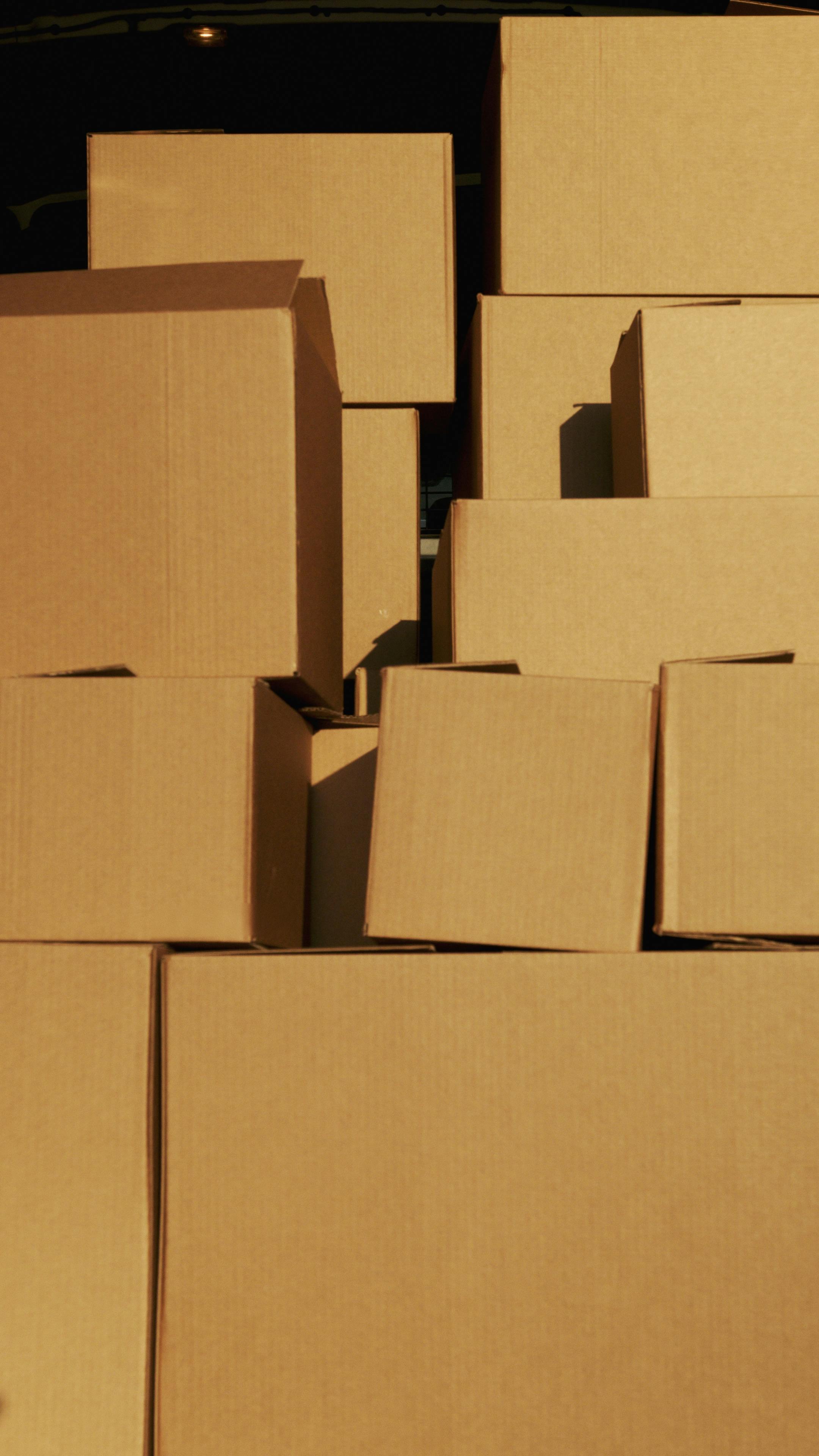
Tea Brand Gift Boxes sample approval saves launches because packaging almost never fails in the same way in real life that it looks fine in a file. A dieline may be dimensionally correct, but the finished box can still pinch the product, show white edges at the folds, or leave too much air around a pouch so the set rattles in transit. Tea packaging is especially sensitive because the box is usually doing three jobs at once: protecting the product, presenting the brand, and supporting a premium price point.
Tea buyers often expect a more polished tactile experience than they would from a plain shipping carton, and that expectation changes what matters during review. The sample has to confirm more than measurements; it has to confirm surface feel, structural stiffness, how the lid opens, and whether the closure still feels controlled after repeated handling. A rigid drawer box can feel elegant but still bind if the tray is too tight. A folding carton can stay economical and still need better board and finish to carry a strong brand signal on shelf or in a gift set. The sample is where those trade-offs become visible.
The hidden cost of skipping tea Brand Gift Boxes sample approval is rarely limited to the boxes themselves. A late change can trigger reprint, remake inserts, extra freight, and a missed retail window. In a seasonal tea program, that can mean the gift box lands after the buying moment has already passed. In a direct-to-consumer launch, it can mean delayed fulfillment and a first impression that starts off shaky. If the box is meant to protect tins or glass jars, a poor fit can also lead to scuffed product, broken seals, or a shipment a retailer simply does not want to receive.
Tea brand gift boxes sample approval also gives teams a real read on cost. A finished sample often reveals whether a requested coating needs more labor than expected, whether a magnet closure is actually worth the premium, or whether an insert can be simplified without weakening the presentation. That is not about shaving a few cents in a narrow way. It is about making sure the package matches the price the tea brand wants to charge and the story it wants the customer to feel in the hand.
Practical rule: if the sample does not protect the tea, present the tea, and close cleanly under normal handling, it is not ready for production no matter how good the artwork looks.
For buyers who want more packaging context, the industry resources at ISTA are useful for transport testing concepts, and FSC is worth reviewing if certified paper sourcing matters to your brand standards. Those references do not replace a physical sample, but they do give a useful frame for better approval conversations.
If you are comparing tea box programs across formats, it also helps to review a supplier's broader Custom Packaging Products and to study real launch outcomes through Case Studies. A practical comparison gives you a much clearer sense of where sample approval helps and where it keeps the budget from drifting into avoidable waste.
Tea brand gift boxes sample approval process and timeline
The usual tea brand gift boxes sample approval flow starts with a brief, moves through dieline review and digital proofing, then lands on a physical prototype that the buyer can inspect, handle, and approve. That sounds simple, but the timing matters. A folding carton with standard print can move from brief to sample fairly quickly, while a rigid box with foil, embossing, and a custom insert usually needs more coordination across paper sourcing, structural work, and finishing.
In a straightforward project, a digital proof may be ready in a day or two, with a physical sample following in roughly 5-10 business days if the structure is simple and materials are in stock. More complex tea gift boxes often take 10-15 business days or longer for the first prototype, especially if the project calls for specialty paper, a tight color target, or insert cavities that need adjustment. Tea brand gift boxes sample approval moves faster when the brief is clear at the start, because every round of confusion adds time and opens the door for more rework.
One detail gets overlooked often: the sample clock is not only a manufacturing clock. It is also a decision clock. If marketing, operations, and procurement review the same sample separately over several days, the project can stall even when the packaging itself is ready. The cleanest tea brand gift boxes sample approval cycles usually happen when one person owns the final call and the feedback comes back in one consolidated list instead of scattered comments across email threads and chat messages.
A workable schedule leaves room for the small things that matter. Maybe the finish reads a little warmer on the actual paper stock than it did on screen. Maybe the insert holds the tea tin well but pinches a sachet corner. Maybe the closure is technically correct but feels too stiff for a premium gift set. None of those are emergencies by themselves, but they do need time. That is why an approval window should be defined before the sample ships, not after it lands on somebody's desk.
When projects get compressed, rush freight usually shows up near the end. That is rarely ideal. A better path is to set response deadlines for each review stage so tea brand gift boxes sample approval stays on track without turning into a week-long wait. In packaging terms, speed only matters if it does not flatten judgment.
Typical sample path
- Brief and measurements: confirm the tea format, fill count, internal dimensions, and any accessories that must fit.
- Dieline review: verify panel sizes, folds, glue areas, and insert locations before artwork is locked.
- Digital proof: check copy, barcodes, legal text, and finish callouts.
- Physical sample: inspect the assembled box with the actual tea product loaded inside.
- Revision round: collect one consolidated note set and recheck the revised sample.
- Final signoff: archive the approved reference and release production.
For projects that include a premium unboxing experience, one proof round and one physical sample round is a common path. More elaborate builds can require a second physical revision, especially if the box uses magnets, foil blocking, custom inserts, or multiple tea SKUs arranged in one presentation set. That is normal, not a failure; it simply reflects the level of precision expected in premium tea packaging.
Key factors that affect tea brand gift boxes sample approval
The first factor in tea brand gift boxes sample approval is box style. A rigid magnetic box behaves very differently from a sleeve-and-tray set, and a folding carton behaves differently again. If the tea assortment is light, a paperboard carton may be enough. If the set contains tins, glass jars, or several sachet varieties plus a booklet, a rigid structure often makes more sense because it supports the product better and communicates a stronger perceived value.
Internal dimensions matter more than external dimensions. That sounds obvious, but it is where many projects slip. Tea items often include irregular details such as heat-sealed pouches, rounded tins, foil sachets, ribbon pulls, or small accessories like infusers and tasting cards. In tea brand gift boxes sample approval, the sample has to prove that the internal cavity allows for small manufacturing tolerances without letting the contents shift around. Too tight creates crushing and scuffing. Too loose creates rattling and a less refined presentation.
Material choice changes both look and behavior. SBS board, kraft board, specialty paper wraps, and rigid greyboard all send different visual and tactile signals. A 350gsm C1S folded carton can print beautifully, but if the tea box needs more stiffness, a 2.0-2.5mm rigid board wrapped in 157gsm art paper or textured stock may be a better fit. Lamination also matters. Soft-touch gives a velvet-like hand feel, while matte laminate resists glare and tends to hide fingerprints better. Tea brand gift boxes sample approval should confirm that the coating supports the brand story instead of fighting it.
Print and finishing are the other major variables. Fine type, dark solids, foil alignment, emboss depth, and spot UV registration all need to be checked on a real sample. A logo can look sharp in art files yet still shift slightly on press, and that shift becomes visible on a premium tea gift box. Barcode readability, nutrition panels, and legal copy also need inspection, especially if the box will move through retail channels. Strong brand consistency depends on checking those details while there is still time to fix them, not after the run is already set.
Insert performance deserves its own review. A custom paperboard insert, molded pulp tray, or EVA foam cavity should stop the tea product from bouncing during handling and shipping, but it should not require force to remove. In many tea brand gift boxes sample approval reviews, the insert is the part that gets ignored until the last minute, and that is a mistake. If the insert is awkward, the whole gift set feels less expensive than it really is.
- Structure: verify whether the closure, tray, or sleeve supports the product weight.
- Fit: confirm that every tea item sits securely with normal production tolerances.
- Finish: check whether the surface resists scuffs and fingerprints.
- Print: confirm color, type size, barcode scans, and logo placement.
- Insert: test rattle, tilt, and removal ease with the actual product loaded.
If the packaging is meant to support a specific sustainability claim, this is also the right time to confirm paper sourcing and material declarations. FSC-certified board, recycled content, and lower-ink coverage choices can all affect the story the tea brand tells. The important part is not to treat sustainability as decoration; it has to work with the structure, the print, and the shipping reality.
Tea brand gift boxes sample approval cost, MOQ, and quote drivers
Sample cost and production cost are related, but they are not the same thing. In tea brand gift boxes sample approval, a physical prototype may carry its own fee because the supplier is building one-off tooling, hand assembly time, or special finishing just for review. A simple digital proof may be included at no charge, while a finished sample with foil, embossing, or a custom insert can easily cost more because it takes real labor and setup to produce.
For tea gift boxes, quote drivers usually fall into a few predictable buckets: board thickness, print coverage, foil or embossing, soft-touch or matte coatings, magnets, windows, and assembly complexity. A basic folding carton may land in a lower unit-cost range at scale, while a rigid tea gift box with a custom insert and premium finish may cost several times more per unit. The point of tea brand gift boxes sample approval is to show where that cost is actually going and whether each element earns its place.
MOQ matters because setup costs need to be spread over the run. At lower quantities, unit pricing tends to rise because the factory still has to pay for die cutting, print setup, lamination, and assembly. Higher quantities usually lower the per-unit cost, but only if the forecast is real. I always tell buyers to compare quotes using the same exact dimensions, board spec, finish, and insert style. If one supplier quotes a 1.5mm board and another quotes a 2.5mm rigid board, the numbers are not directly comparable, even if the final line item looks close.
Another subtle cost driver is revision count. Every new round of tea brand gift boxes sample approval can add labor, shipping, and time. A buyer may not see that on the first quote, but it shows up quickly if artwork keeps changing after the structure is already confirmed. For that reason, it helps to approve the dieline before design gets too far along. A strong structure decision early on reduces downstream cost and keeps the launch schedule from wobbling.
| Sample type | Best use | Typical sample cost | Typical lead time | What it proves |
|---|---|---|---|---|
| Digital proof | Artwork, copy, barcode review | $0-$25 | Same day to 2 days | Layout, text accuracy, panel order |
| Plain structural mock-up | Fit and size checks | $40-$120 | 2-4 business days | Dimensions, closure, basic assembly |
| Finished prototype | Premium tea gift set review | $80-$250 | 5-10 business days | Print, finish, insert behavior, presentation |
| Pre-production sample | Final signoff before release | $120-$350 | 7-14 business days | Closest match to production materials and build |
Some suppliers credit the sample fee back into production if the order moves forward, while others treat it as a separate development charge. That detail should be confirmed before tea brand gift boxes sample approval is signed off, because a quote can look attractive until sample credits, shipping terms, and revision fees are added back in. A clean comparison includes the same FOB or DDP assumption, the same packing format, and the same insert detail.
Tea brand gift boxes sample approval is also where MOQ decisions can be made more intelligently. If the box is highly seasonal, a brand may prefer a moderate run with a stronger presentation and less leftover inventory. If the design is evergreen, it may make sense to order more pieces and lower the unit cost. There is no universal answer; the right quantity depends on sales velocity, storage space, and the risk tolerance of the buying team.
Step-by-step tea brand gift boxes sample approval workflow
A disciplined tea brand gift boxes sample approval workflow starts with the product brief, not the artwork. The brief should list exact dimensions, fill weight, SKU count, accessories, retail requirements, and any restrictions tied to the brand identity. If the set includes loose tea sachets, tins, an infuser, a message card, or a seasonal ribbon, every one of those pieces needs to be measured before the box size is locked. Packaging works better when the product decides the package, not the other way around.
Next comes dieline verification. This step should happen before the design team gets too deep into layout, because a beautiful graphic treatment cannot rescue a bad structure. During tea brand gift boxes sample approval, confirm panel order, fold lines, glue tabs, insert positions, and any areas where artwork may lose clarity near a crease or cut. If the logo lands too close to a trim edge, the whole box can feel off even if the print is technically within spec.
Then move to the digital proof. This is where the team checks text accuracy, legal copy, barcode placement, finish callouts, and any special instructions for the printer. It is also the best moment to catch small mistakes that are annoying but cheap to fix. A wrong font weight, a missing ingredient line, or a barcode that sits too close to the edge can all be corrected before the press run. Tea brand gift boxes sample approval works best when digital errors are removed before a physical sample is asked to solve them.
Once the physical sample arrives, handle it like a production reference, not like a display piece. Open and close it several times. Load the tea product. Shake it lightly. Lift it by the lid and by the base if the style allows it. Check for rubbing, scuffing, crushing, and any weak points around corners or magnets. A sample that looks attractive but cannot hold up to normal handling is not ready yet, simple as that.
Then record the revision notes in one place. Photos help, but measurements help more. If the insert needs 2 mm more depth, write that down. If the closure feels too tight on one side, note which side and where the friction happens. A good tea brand gift boxes sample approval record should be specific enough that the next prototype can be corrected without guesswork.
- Freeze the brief: confirm product dimensions, count, and packaging goals.
- Review the structure: verify the dieline, insert layout, and internal tolerances.
- Check the proof: confirm artwork, copy, barcodes, and finish notes.
- Inspect the sample: test fit, closure, presentation, and surface durability.
- Approve or revise: send one clear round of notes with photos and measurements.
- Archive the reference: save the signed sample and final spec sheet for production.
If the project is more complex or the box plays a big role in customer perception, a first-article check before the full run can be worth the extra step. That is especially true for gift sets with premium finishes or unusual opening sequences. For a tea brand, the sample is part of the visual branding, so the final decision should be made with the same care as label approval or flavor naming.
Common mistakes in tea brand gift boxes sample approval
The most common mistake in tea brand gift boxes sample approval is approving from the screen only. Digital proofs are useful, but they cannot tell you how stiff the board feels, how glossy the foil catches light, or whether the insert lets the tea pieces shift. A screen can also hide issues with texture and sheen. A sample makes those differences impossible to ignore.
Another mistake is testing an empty box instead of a filled one. Tea tins, pouches, and accessory sets change the balance of the package. A box may close beautifully when empty and then bulge once the product is inserted. That is why tea brand gift boxes sample approval must always be done with the real contents loaded inside. If the product is too heavy for the closure style or too wide for the cavity, the problem will show up immediately under real conditions.
Scattered feedback causes trouble as well. Marketing may want a richer finish, operations may want easier packing, and procurement may focus on cost, all while nobody clearly owns the final decision. The result is often slow revision cycles and contradictory instructions. One decision maker does not remove collaboration, but it does keep tea brand gift boxes sample approval from drifting into endless edits.
Supply chain conditions are easy to overlook. Boxes that look solid in a controlled office can behave differently in a warehouse with humidity swings, pallet compression, and repeated handling. Tea packaging may also need to survive retail display, e-commerce shipment, or long storage before use. If you are unsure about transport durability, testing concepts from ISTA or using recognized compression and distribution methods can help. A sample should tell you whether the design can cope with real handling, not just desk-top inspection.
Late changes after approval are another expensive trap. If the finish changes, the insert changes, or the structure changes after signoff, new tooling or new proofing may be needed. In tea brand gift boxes sample approval, the whole purpose of approval is to lock the design so the run can move forward without second-guessing. The more premium the box, the more expensive those late edits become.
There is also the sustainability blind spot. If the project calls for recyclable paperboard or FSC-certified materials, that should be settled early. A brand can still keep its premium look with responsible material choices, but only if those choices are planned alongside the structural and visual requirements. A strong approval process respects both the brand story and the manufacturing reality.
Expert tips and next steps after sample approval
Once tea brand gift boxes sample approval is complete, keep a dated approval pack with photos, measurements, finish notes, and the final artwork files. That documentation becomes the reference for reorders and helps prevent the classic problem of everyone remembering the box differently six months later. A clean archive is part of brand consistency, especially if the tea line is seasonal or expands into new flavors later.
Freeze the specification immediately after signoff. Any later change should be treated as a formal revision, not a casual tweak. That habit keeps the project honest and makes the cost of change visible. In the packaging trade, informal changes are where schedules go to die. Once tea brand gift boxes sample approval is done, the production file should match the approved sample, not a revised memory of it.
For first production runs, a pre-production check or first-article sample can be smart if the design has premium finishes, unusual inserts, or a complicated opening sequence. The extra check may feel slow, but it is far cheaper than remaking a full run because a tray sits too high or a lid magnet lands out of alignment. Good buyers know that a small control step now is easier than a large correction later.
It also helps to confirm the packing plan before releasing the purchase order. How many boxes per master carton? What is the pallet pattern? Where do the labels go? Will the warehouse receive the boxes flat, semi-assembled, or fully built? Those details affect labor and damage risk, and they can change the total landed cost even when the box itself is approved. Tea brand gift boxes sample approval is strongest when it includes outbound logistics, not just the sample in hand.
If you are planning the next run, start with the decision order: approve the sample, confirm the final quote, release production files, schedule the run, and send the receiving checklist to operations. That sequence keeps the process moving and keeps the design team, buyer, and fulfillment team aligned. It is also the easiest way to protect the unboxing experience after the packaging leaves the factory floor.
And if the project is still in the design stage, review the broader packaging lineup in Custom Packaging Products and compare notes with completed launch examples in Case Studies. Seeing how different structures, finishes, and inserts perform in real tea packaging programs can sharpen the next approval conversation. The practical takeaway is simple: lock the fit first, inspect the finish second, and do not approve a tea box until the loaded sample behaves the way the customer will handle it. That sequence keeps tea brand gift boxes sample approval grounded in reality, which is where the best packaging decisions usually live.
Frequently Asked Questions
What should I check first during tea brand gift boxes sample approval?
Start with the actual fit. The tea tin, pouch, or gift set should sit securely without crushing, pinching, or leaving so much movement that the contents rattle. After that, check closure behavior, corner alignment, and whether the sample opens and closes cleanly without scuffing the print or finish. Once those structural points are sound, review the artwork, legal copy, and barcode placement so a good structure does not hide a print mistake. That order gives tea brand gift boxes sample approval the best chance of catching the problems that matter most.
How many rounds are normal for tea brand gift boxes sample approval?
Many projects need one digital proof round and one physical sample round. If the box uses foil, embossing, magnets, or a custom insert, a second physical revision is common and often worth the time. The fastest projects usually happen when all feedback is combined into one clear revision list instead of being sent in pieces over several days. In practical terms, tea brand gift boxes sample approval moves faster when one person owns the final comments.
Does tea brand gift boxes sample approval lock in the unit price?
Usually only if the final approved sample matches the quoted materials, size, finish, and quantity. Any post-approval change can shift the unit cost, especially if it affects board usage, tooling, or assembly labor. Ask whether the sample fee is credited back to production before you sign off, because that detail can change the way the development cost is viewed. A clean tea brand gift boxes sample approval should always be tied to the exact spec that will be produced.
Can I approve tea brand gift boxes sample approval from a digital proof only?
A digital proof is useful for artwork, layout, and text accuracy, but it cannot fully prove structure or fit. A physical sample is better for checking stiffness, insert performance, closure strength, and finish feel. For premium tea gift boxes, physical approval is the safer choice before production starts because it shows how the package behaves with the actual product loaded inside. In short, tea brand gift boxes sample approval is much more reliable when the sample is real, not virtual.
What files speed up tea brand gift boxes sample approval?
Send final artwork, a confirmed dieline, exact product measurements, and any insert dimensions or product photos. Include finish references, barcode requirements, legal copy, and any retail packaging specs that must be met. The more precise the brief, the fewer revisions you will need before the sample can be approved, and the less likely it is that a small mismatch turns into a schedule delay. That is the cleanest way to keep tea brand gift boxes sample approval moving without unnecessary back-and-forth.


