Tea Brand Paper Shopping Bags Quote: Custom Pricing
The right tea brand paper Shopping Bags Quote should do more than hand over a unit price. It needs to show whether the bag will hold weight without bowing, whether the print will keep the brand looking sharp on shelf, and whether the finished piece will protect the purchase experience instead of weakening it. A tea set can look elegant on a counter, then lose that effect the moment it goes into a thin carrier that wrinkles at the gusset or prints too faintly against the paper fiber.
That small paper carrier carries more than one job. It works as a carry solution, but it also acts as a retail branding surface that shapes perception before the product is even opened. A solid tea brand paper shopping bags quote reflects that reality with clear specs, realistic lead times, and enough detail to compare options without guessing. A weak quote gives only a price and leaves the buyer to infer paper weight, handle strength, or finish quality.
A tea bag that feels soft, bends at the gusset, or prints unevenly can make a polished tea line look less considered than it really is.
That is why the best buying decisions are rarely about chasing the lowest number. The real goal is to balance brand presentation, structural durability, and landed cost without paying for features the tea line does not need. A sampler pack that stays light may not require a heavy rope handle or laminated surface. A set that includes tins or boxed assortments may need a stiffer board, a deeper gusset, and stronger handle attachment. A clear tea brand paper shopping bags quote helps you see those tradeoffs before money is tied up in production.
What follows covers the bag styles, paper and print choices, pricing variables, and ordering steps that matter most for tea brands. Along the way, the focus stays on where the quote should be specific, where a supplier should ask follow-up questions, and how to avoid paying for features that do not improve shelf performance or brand recognition.
Tea Brand Paper Shopping Bags Quote: What Actually Drives Value
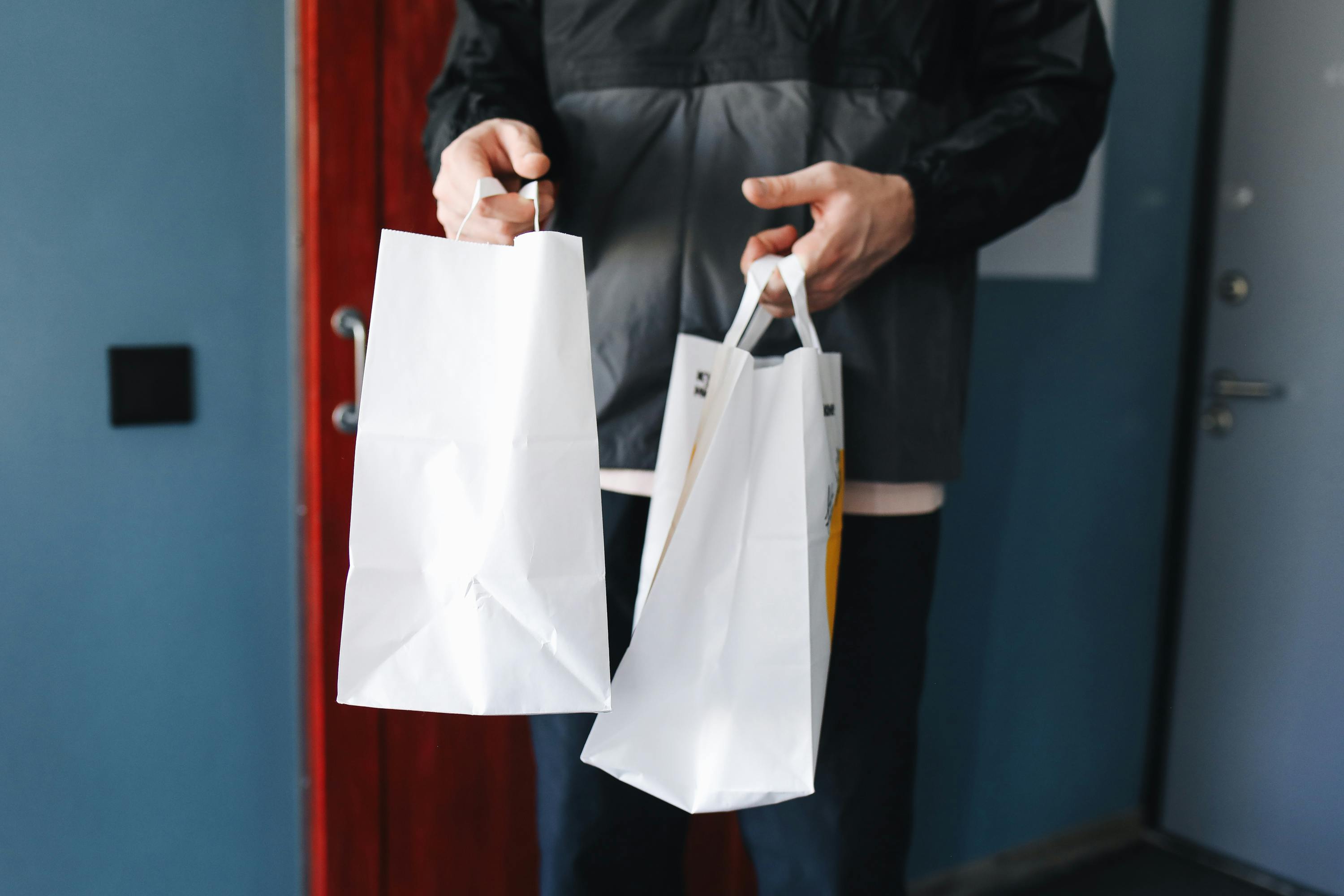
A strong tea brand paper shopping bags quote starts with the shopper's experience, not the supplier's catalog. From a packaging buyer's point of view, value is not just whether the bag exists, but whether it carries the tea set without sagging, folds cleanly at the bottom, and gives the brand a polished first touch in store. That matters especially in tea, where visual branding usually leans calm, refined, natural, or artisanal. The carrier has to support that mood instantly.
Small changes can shift value faster than many buyers expect. Handle style, for example, often changes perceived quality as much as print coverage. A twisted paper handle can feel practical and clean, while a cotton rope handle can support a more giftable presentation. Paper caliper matters too. If the stock is too light, the bag may crease too easily and look tired on the shelf. If it is too heavy for a small tea sampler, it can feel oversized and wasteful. A thoughtful tea brand paper shopping bags quote should help you Choose the Right middle ground instead of pushing the heaviest option available.
The bag is part of the product story. A tea retailer that invests in an elegant box and then places it into a weak carrier creates a disconnect in customer perception. The bag should reinforce brand consistency, not undercut it. That is why a useful tea brand paper shopping bags quote should tell you what the bag is built to do, how it is printed, and what it can safely hold.
In the best cases, the quote also clarifies what is not needed. Not every tea brand needs foil, embossing, or a full matte lamination. A natural kraft bag with a sharp one-color mark may be the better choice if the brand story is built around herbs, wellness, or low-intervention ingredients. A premium seasonal gift set may justify a more finished look because the bag becomes part of the retail moment and the unboxing experience.
A supplier that understands packaging mechanics will ask about size, contents, and sales channel before quoting. That is the kind of conversation you want. The right tea brand paper shopping bags quote should map to how the bag will be used: carried by hand, placed in a shopping basket, stacked behind a counter, or handed out as a gift bag during a promotional launch.
Paper Shopping Bag Styles and Tea Packaging Details
Most tea brands request one of three formats: a standard shopping bag, a boutique carrier, or a gift-ready retail bag with a more polished finish. A standard shopping bag keeps costs disciplined and works well for everyday purchases, especially if the tea line includes lightweight boxes or sachet packs. A boutique carrier adds visual refinement and may use a cleaner board structure, a better handle, or a richer print. A gift-ready bag usually gives more attention to the top edge, handle attachment, and print details because it needs to feel intentional the moment it is handed over.
The intended use should drive the structure. Loose-leaf tins need a bag that resists bottom bowing and keeps a square stance. Boxed tea sets often benefit from a slightly deeper gusset so the pack does not rub the sidewalls. Sampler bundles can usually move in a lighter carrier, but if the set includes multiple items, the handle and bottom reinforcement still matter. Seasonal gift packs, especially those tied to holidays or limited releases, often justify a stronger paper choice because the bag becomes part of the brand story and the retail memory. A good tea brand paper shopping bags quote should identify that difference instead of pricing every order as if the contents were identical.
Handle selection changes both look and cost. Twisted paper handles are common because they are economical, printable, and consistent with an eco-minded tea brand. Flat paper handles can look more understated and may work for simpler, lower-cost lines. Cotton rope handles feel more upscale and are usually chosen when the bag needs a stronger gift impression. Ribbon-style handles are less common, but they can suit a more decorative presentation for specialty blends or holiday assortments. If a supplier cannot explain how the handle affects carrying strength, the tea brand paper shopping bags quote is incomplete.
Tea branding usually favors calm, breathable layouts rather than crowded graphics. That makes uncoated kraft or lightly coated paper attractive because the surface feels honest and tactile. A bright white board can sharpen typography and logo edges if the brand relies on clean visual branding, but it can also look too stark if the tea line is positioned as earthy or botanical. A thoughtful tea brand paper shopping bags quote should include the paper tone and surface finish so you can match the bag to your brand identity.
Print placement matters more than many teams expect. Front-panel logos are the obvious choice, but side panels can carry product storytelling, flavor cues, or a short brand message. Back-panel space can hold practical information, a website, or a simple call to action. For tea brands selling across a retail channel and direct to consumer channel, that extra space can support brand recognition without making the bag visually busy. If you need more inspiration, our Case Studies page shows how different paper weights and print methods affect the final presentation.
Specifications: Paper, Printing, and Finishes
Quote accuracy gets much better once the specs are pinned down. Paper shopping bags are not one-size-fits-all, and the material choices matter more than many first-time buyers expect. In packaging reviews, the same artwork can feel refined on one stock and dull on another, purely because the paper surface, coating, and color tone change how the ink sits.
Paper stock. Kraft paper is popular for tea brands because it brings a natural, grounded feel and hides minor handling marks better than a high-gloss surface. White card or coated paper suits brands that want crisp typography, stronger contrast, and a cleaner boutique feel. Recycled paper can support sustainability messaging, but the surface can vary more from run to run, so artwork should be checked carefully before approval. If the visual identity depends on soft neutrals or fine line work, ask for a printed sample on the actual paper grade, not a similar one.
Paper weight. A lightweight bag may work for sachets or small sample boxes, while a thicker stock helps with tins, larger cartons, or multi-item gift packs. The bag should feel stiff enough to stand upright without becoming bulky. Too thin and it collapses. Too heavy and it can feel like overkill. That middle point is usually where the smartest tea brand paper shopping bags quote lands.
Printing method. Flexographic printing is often cost-effective for simple artwork and larger runs. Offset printing gives stronger detail for complex artwork, but setup can cost more. Digital printing may suit short runs, seasonal launches, or artwork that changes often. A one-color logo on kraft is usually more economical than a multi-color full-coverage design, and it often feels more on-brand for tea anyway. If the art uses very fine type, ask for a press check or proof so you can catch soft edges before production starts.
Finish choices. Matte lamination can protect the print and create a smooth, premium feel, though it can add cost and reduce the natural texture some tea brands want. Gloss lamination gives more shine and moisture resistance, but it is a less common fit for herbal or artisanal lines. Varnish, spot UV, embossing, and foil each change the feel of the bag, but not every order needs them. Sometimes a plain paper bag with a good print ratio looks better than a bag loaded with finishing extras. That is kinda the point: finish should serve the brand, not the spec sheet.
Sustainability details. Many tea brands ask about FSC paper, recycled content, soy-based or water-based inks, and glue selection. These choices can support a cleaner retail story, but they should be confirmed honestly. Recycled content may slightly change the color of the stock, and natural kraft can vary between lots. A trustworthy supplier will say that plainly instead of pretending every eco claim looks identical on press.
Pricing, MOQ, and Tea Brand Paper Shopping Bags Quote Variables
Pricing for custom paper shopping bags usually moves with a handful of core variables: size, paper type, print complexity, finish, handle style, quantity, and shipping destination. If one of those changes, the quote should change too. That sounds simple, but a lot of confusion starts when buyers compare quotes that are not built on the same assumptions.
MOQ, or minimum order quantity, matters because setup costs are spread across the run. A small order may carry a higher per-bag cost because the press setup, plate creation, or sample prep does not shrink much just because the run is smaller. Larger runs usually bring the unit price down, though storage and cash flow become part of the equation. If a tea brand is testing a seasonal line, a lower MOQ can be the safer choice. If the design is staying in the catalog for a year or longer, a larger run may make more sense.
Handle style is one of the fastest ways to shift cost. Twisted paper handles are usually the most economical. Rope handles add material and assembly cost. Specialty handles, reinforced patches, and custom knots can push pricing up again. The same is true for internal reinforcement, bottom boards, and extra adhesive on the handle points. These details rarely show up in a one-line quote, which is why the best tea brand paper shopping bags quote includes enough structure notes to explain the price gap.
Artwork also affects cost. One-color logos on a kraft background tend to be simpler than full-coverage designs with several inks, large floods of color, or metallic elements. If your design requires tight register across multiple panels, ask the supplier to confirm the print tolerance. A cheap quote that ignores artwork complexity can turn into a headache later, and that kind of surprise usually costs more than the line item saved up front.
Freight and packaging protection should never be an afterthought. A bag can leave production looking fine and still arrive damaged if the cartons are packed too loosely or the outer cases are not strong enough for transit. For buyers comparing landed cost, ask whether the quote includes inner poly packing, carton counts, and pallet assumptions. Those details are not glamorous, but they are the difference between an honest estimate and a number that looks better than it is.
Paper markets can move too, especially for certain board grades and specialty finishes. A supplier should be able to tell you if a price is tied to current material costs or if it is locked for a set period. If the quote seems unusually low, check whether it excludes plates, sampling, freight, or duty. Honest pricing is not the cheapest pricing every time; it is the pricing that survives the full order cycle without surprise charges showing up later.
Process & Timeline: From Spec Sheet to Approved Sample
The cleanest orders start with a proper spec sheet. That file should list bag dimensions, paper stock, handle type, print areas, artwork colors, finish, target quantity, and delivery destination. If the tea set includes a boxed product, tin, or assortment pack, include the product dimensions too. A few millimeters matter more than people think, and a bag that is just slightly too shallow can make the whole order feel cramped.
Once the specs are set, the supplier should prepare a dieline or structure drawing. This is where the bag shape gets translated into a flat format for artwork placement. Good teams review the dieline with the same care they would give the print file, because handle positions, fold lines, and panel widths affect where logos and text can sit. If the art is centered in the wrong place, the final bag can look a little off even when the print itself is clean.
Sampling comes next. For custom tea bags, the sample stage is where you can test paper feel, print color, handle pull, and fit with the actual product. A mockup may look fine on screen and still fail when a box or tin is inserted. In my experience, this is where the smartest buyers slow down and measure twice. It saves time later, even if it adds a few days up front.
Approval should cover both structure and color. If the bag includes a brand green, a botanical pattern, or a dark text block, request a proof that shows how ink density holds on the chosen paper. Natural kraft can mute color more than white stock, and that is not a flaw; it is a material characteristic that needs to be planned for. Once the sample is approved, production can move forward with much less risk of rework.
Lead time depends on quantity, complexity, and current factory workload. A simple paper shopping bag can move faster than a fully finished gift carrier with special handles and multiple print passes. Shipping method matters too. Air freight is quicker and more expensive, while sea freight is slower but often more economical for larger runs. A good supplier should give a timeline that includes production, sampling, transit, and any local receiving time, not just the time on press.
Why Choose Us for Tea Brand Paper Shopping Bags
Tea packaging works best when the carrier feels like part of the brand system, not an afterthought. That is why our quoting approach starts with the actual product load, the sales setting, and the look you want the customer to remember. We do not just price a bag shape and call it done. We check whether the tea line is being sold as a daily staple, a giftable assortment, or a premium seasonal release, because the bag should match that role in a very practical way.
We also pay close attention to paper behavior. Kraft, coated board, recycled stock, and specialty finishes all behave differently under ink and pressure. A design that looks soft and organic on kraft might need a revised ink density or a cleaner type weight to stay legible. A brighter coated stock can carry more detail, but it may also push the brand toward a colder look than intended. Those are the kinds of decisions that affect the final result far more than a flashy mockup ever will.
Another reason buyers ask for our tea brand paper shopping bags quote is that we try to keep the estimate grounded in real production details. That means callouts for handle type, paper weight, finish, and any special reinforcement, rather than a vague per-piece number with half the assumptions missing. It is a better way to compare options, and it saves everyone from a second round of pricing after the spec gets clarified.
We are also honest about where a premium detail adds value and where it does not. A foil stamp can look beautiful on a gift series, but it can feel unnecessary on a small everyday tea bag. A heavier stock can improve stiffness, but not every purchase needs that extra material. That kind of restraint matters, because good packaging design is as much about what you leave out as what you put in.
And yes, we have seen the same thing over and over: the best tea carriers are the ones that stay quiet and confident. They do their job, carry the product well, and keep the brand image clean without trying too hard. That balance is harder to hit than it looks, but it is absolutely worth getting right.
How to Request a Tea Brand Paper Shopping Bags Quote
If you want a quote that is actually useful, send enough information for the supplier to price the bag as it will really be made. A short message with just a logo and a quantity usually leads to a weak estimate. A detailed request gets you closer to a number you can trust.
- Bag dimensions, including width, gusset, and height
- What the bag will carry, such as tins, cartons, sachets, or gift sets
- Target quantity and whether the run is a one-time order or repeat program
- Paper preference, such as kraft, white board, recycled stock, or a specialty surface
- Handle style, including twisted paper, flat paper, rope, or another option
- Print details, such as one-color logo, multi-color art, side-panel copy, or full coverage
- Finish requests, including matte lamination, gloss, embossing, foil, or spot UV
- Delivery location and preferred timeline
It also helps to share a photo or sample of the tea packaging the bag will hold. That gives the supplier a fast visual check on scale and proportion. If the tea line is still in development, say that plainly. A supplier can quote against a likely range and flag which assumptions may change once the final pack size is fixed.
For brands working across several product sizes, ask for pricing tiers rather than a single flat number. That makes it easier to see how the cost shifts for small, medium, and large bags, and it can help you build a coherent bag family instead of ordering each size in a separate style. If the goal is a cleaner shelf presentation, consistency across the line is usually worth the extra planning.
Most important, ask the supplier to separate the base bag cost from the add-ons. That way you can see exactly what the handle, finish, or print complexity is doing to the total. It keeps the decision honest and makes tradeoffs easier to talk through with the team.
Frequently Asked Questions
What should a tea brand paper shopping bags quote include?
A useful quote should include dimensions, paper stock, handle style, print method, finish, quantity, lead time, and shipping assumptions. If any of those are missing, the price may not reflect the real order.
Are Kraft Paper Bags a good fit for tea brands?
Yes, especially for brands that want a natural, botanical, or low-intervention look. Kraft also hides small handling marks well, though it can soften printed color more than white stock.
Which handle type is best for tea packaging?
Twisted paper handles are a practical default for many tea brands. Rope handles feel more premium, while flat paper handles tend to suit simpler and more cost-conscious lines. The right choice depends on the product weight and the brand mood.
Can I get a low MOQ for Custom tea bags?
Often yes, but smaller runs usually cost more per bag because setup costs are spread across fewer units. If you are testing a new product line, a lower MOQ can still be the smarter move.
How long does production usually take?
Timelines vary with artwork complexity, quantity, and finish selection. Simple bags can move faster than gift-style carriers with specialty printing or handles. Always include shipping time in the schedule, because that is where plans can get tight.
What is the biggest mistake buyers make?
They compare quotes that are not built on the same spec. One supplier may be pricing a lighter stock or a simpler handle, while another is pricing a bag that is ready for gifting. Make sure the numbers are actually comparable before choosing.
A tea brand paper shopping bags quote should give you a clear path from idea to finished carrier, not a vague price that leaves the important parts unspoken. If you define the product weight, paper feel, handle style, and finish up front, the quote gets easier to trust, the sample stage gets faster, and the final bag is much more likely to feel right in the customer's hand. That is the cleanest way to protect both presentation and budget, and it usually saves a headache or two along the way.


