Tea Brand Poly Mailers Cost: Request a Custom Quote
A tea shipment that lands crushed or damp does more than spoil a box of tea. It can trigger a replacement shipment, extra support time, and a customer who remembers the failure more clearly than the flavor. That is why tea Brand Poly Mailers cost should be measured against damage risk, shipping efficiency, and the impression the package makes the moment it arrives. For tea labels selling direct to consumers, the right mailer helps protect loose-leaf pouches, sample sets, and subscription refills while keeping the presentation clean and consistent.
The better question is not whether a mailer is the cheapest line item on the supplier sheet. It is whether the pack protects the product well enough to avoid returns, re-ships, and preventable complaints. In many cases, tea brand poly mailers cost less than the labor and freight tied to damaged orders, especially when the brand ships often and the packaging needs to look the same from one order to the next.
Why tea brand poly mailers cost less than damaged orders
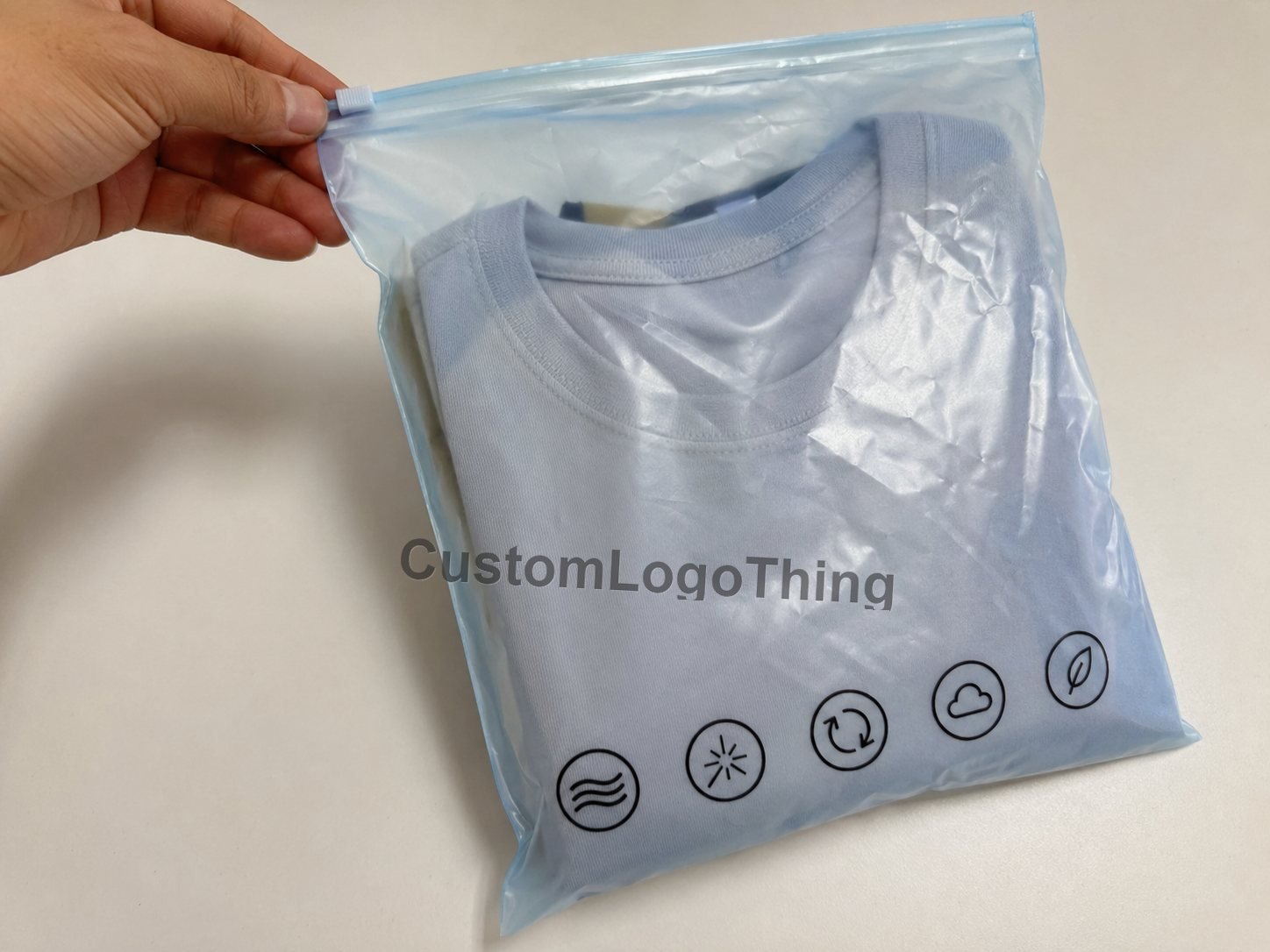
The failure pattern is easy to picture. A tea order leaves the warehouse in a thin mailer, gets squeezed during transit, and arrives with a puncture, a split seam, or a corner torn open. The tea inside may be worth only a modest amount, yet the real bill grows once customer service time, outbound postage, and a replacement shipment enter the picture. That is the practical reason tea brand poly mailers cost should be compared with the cost of damage, not with the cheapest possible material that only looks good on a quote.
Shipping weight plays a bigger role than many tea brands expect. Poly mailers are usually lighter than cartons, which can reduce postage on subscription programs, sample bundles, and repeat refill orders. A rigid box can look more premium in some settings, but for pouch-based tea products it can add cubic weight, packing labor, and filler that does not improve the product itself. A well-chosen mailer keeps weight low, provides enough protection for the contents, and still supports a polished direct-to-consumer presentation. In that sense, tea brand poly mailers cost is tied to freight behavior as much as it is to raw material selection.
The hidden costs are the ones that usually decide the budget. Less repacking. Fewer support tickets. Fewer returns. Fewer complaints about crushed corners or damp outer packaging. Those savings show up quickly in a lean fulfillment setup, especially when the same tea line ships over and over again. A buyer focused only on unit price can miss how fast a low-cost mailer becomes expensive once it starts failing in transit. One damaged batch can erase the savings from several good ones.
That is why I treat tea brand poly mailers cost as a margin decision. If the mailer protects product quality and keeps the customer experience intact, the spend is doing real work. If it fails, the brand pays in two directions: once to the supplier and once in the market through lost trust, weaker reviews, and more service time.
"A packaging upgrade only feels expensive when it does not prevent a larger loss. For tea subscriptions and sample packs, a few cents more per mailer can be cheaper than one round of damaged replacements."
Packaging also carries a branding role for tea companies selling online. A mailer with sharp print, stable color, and a clean seal helps reinforce brand identity before the customer even reaches the tea itself. That matters because tea is often bought on trust, not impulse. The pack has to protect the shipment, signal quality, and support recognition all at once. A sensible tea brand poly mailers cost structure should make room for those jobs instead of treating the mailer as a disposable afterthought.
A cardboard box can feel more substantial, yet it is not always the right fit for tea bags, refill pouches, or light blends that do not need heavy crush resistance. Poly mailers can do the job when the contents are stable, moisture sensitive, and not easily damaged by moderate pressure. For many tea orders, a better mailer spec cuts waste without hurting the presentation. That is why the lowest quote is rarely the strongest quote; the better one is the one that prevents avoidable losses tied to poor packaging choices.
Tea brand poly mailers cost, MOQ, and unit pricing
The main drivers behind tea brand poly mailers cost are straightforward. Size, film thickness, print coverage, finish, adhesive style, tear resistance, and whether the order uses a stock size or a custom dimension all shape the quote. MOQ matters just as much. A small run spreads setup and print work across fewer units, so the unit price rises. As volume increases, the per-mailer price usually falls because the same production steps are distributed across a larger batch.
Comparing suppliers gets easier when you ask for multiple quantity tiers in the same request. Five hundred units gives you a feel for a test run. One thousand units shows the effect of scale. Five thousand or ten thousand units often reveal the replenishment price a brand may see over time. That makes tea brand poly mailers cost easier to read because you can see where the step-down happens instead of guessing from a single number.
| Option | Typical MOQ | Estimated Unit Cost | Common Use | Key Tradeoff |
|---|---|---|---|---|
| Stock-size unprinted mailer | 500-1,000 | $0.12-$0.24 | Internal shipping, simple tea refills | Lowest cost, limited branding |
| One-color custom logo mailer | 1,000-3,000 | $0.18-$0.35 | Starter DTC tea brand packaging | Good brand visibility, moderate setup |
| Full-color printed mailer | 3,000-5,000 | $0.26-$0.55 | Subscription programs and retail-ready shipments | Higher unit cost, stronger brand consistency |
| Heavy-duty premium mailer with extras | 5,000+ | $0.30-$0.70 | Multi-item tea bundles, higher-value orders | More protection, more material and print cost |
Those ranges are directional rather than absolute, yet the pattern stays consistent across many buying cycles. Tea brand poly mailers cost less per unit as volume rises, but the exact break point depends on artwork complexity and how the supplier runs the production line. A one-color logo is usually much easier to price than a full-wrap design with multiple passes and tight registration. If the supplier adds plate charges, tooling, or special ink handling, those charges should appear clearly in the quote.
Land the quote before you compare it. That means asking for freight, setup, and production charges together instead of looking at an ex-works number in isolation. A price that appears attractive at 1,000 units can lose that advantage once shipping and setup are folded in. For tea companies shipping into different regions, tea brand poly mailers cost should be reviewed as a delivered figure, not a partial figure that leaves out the real expense.
Print scope changes the math as well. One-color logos keep the quote lean. Two or three colors can still be manageable, but full-coverage branding, gradients, or artwork that wraps across both sides adds time and waste risk. For a tea label, a restrained visual system often works best: a crisp logo, a strong color field, and enough open space to keep the pack readable. That approach supports brand recognition without pushing tea brand poly mailers cost higher than it needs to be.
MOQ and unit cost need to be read together. A brand preparing for a quarterly subscription drop may accept a higher MOQ because the mailer is part of the long-term brand system. A smaller tea startup may prefer a lower MOQ to test design and customer response before committing to larger inventory. Both choices can make sense. The right one depends on reorder confidence, warehouse capacity, and how much packaging risk the team can carry at once.
Product details that matter for tea brand poly mailers
Tea bags, loose-leaf pouches, sample bundles, and refill packs do not all behave the same way inside a mailer. A single pouch may be light, while a two- or three-item shipment can shift around inside the package and stress the seal. That is why size selection is not a cosmetic choice. It is functional. The best tea brand poly mailers cost decision starts with the actual product dimensions, total weight, and whether the shipment needs room for inserts or multiple packs.
Moisture resistance deserves attention too. Tea is not fragile in the same way glass is fragile, but it is sensitive in a different way. If the outer mailer lets in moisture, the product can arrive with packaging damage, scent loss, or a flat, cheapened feel. A good poly mailer helps the shipment stay dry and keep a clean exterior, which matters for customer perception and for the brand promise behind the label. A small change in film spec can affect tea brand poly mailers cost and the way customers judge the whole order.
Opacity should be checked as part of the spec. Thin or semi-opaque structures can expose contents and take away from the polished look a tea brand wants. Better opacity keeps the package visually consistent and limits casual peeking during transit. Puncture resistance matters too. A mailer that works for a single tea pouch may fail once a tin, a sample card, or a second pack with sharper edges is added. More film strength usually adds a little to tea brand poly mailers cost, but that extra spend can be justified when the brand ships mixed bundles.
Branding details shape the pack almost as much as the material does. Print coverage changes the feel of the mailer, and matte versus gloss is not a small decision. Matte often reads as more restrained and contemporary. Gloss can create stronger shine and a brighter appearance. A carefully placed logo, a clear return address panel, and a disciplined layout let the mailer support brand identity without looking crowded. That is one reason brands that care about visual consistency tend to reorder the same spec. They want every delivery to feel familiar.
Optional features can help, but only when they solve a real problem. A tamper-evident seal helps reassure the customer that the shipment was not opened in transit. A dual adhesive strip adds a return function, which can help if the tea line also handles exchanges or retail returns. Reinforced seams make sense on heavier orders. Each feature adds a little to the build, and each feature affects tea brand poly mailers cost. The goal is to pay for what the order actually needs, not for extras that sound useful but do not improve the shipment.
- Tea bags and slim sachets often fit a lighter gauge mailer if the pack is small and flat.
- Loose-leaf pouches may need more thickness to avoid seam stress and corner punctures.
- Sampler kits usually benefit from a slightly larger format so inserts do not buckle the seal.
- Subscription bundles should be tested with real filled weight, not just estimated content dimensions.
When comparing materials across several tea pack styles, sample the actual filled product rather than relying on a generic mailer sample. An empty mailer can look fine on a desk and behave differently once the tea pouch is inside. Gauge, closure, seam quality, and fit all become easier to judge once the real product is packed. A supplier who can explain those differences clearly is usually more helpful than one who sends a number and moves on. That kind of clarity makes tea brand poly mailers cost easier to defend inside the company.
Specifications to confirm before you quote
Accurate pricing starts with an accurate spec. Confirm the finished width, length, and gusset if one is needed. Confirm thickness in microns or mils. Confirm the closure type. Confirm whether the pack needs a second adhesive strip. Confirm the acceptable color range before anyone starts talking about tea brand poly mailers cost. A quote built on vague assumptions usually changes later, and that is where budget trouble begins.
Artwork format affects both price and proof quality. Vector files are easier to work with than low-resolution raster files. Pantone references can reduce color drift. Bleed area has to be respected so the design does not land too close to the cut edge. If the artwork uses multiple print areas, that needs to be clear at the start. The more exact the file, the better the proof, and the more stable the final tea brand poly mailers cost should be.
Brands with sustainability goals should ask direct questions. Is the structure recyclable in common curbside programs? Does it contain recycled content? Can the supplier back up the claim? The answer is not always simple because local recycling rules vary and thin plastic films are handled differently from place to place. The EPA recycling guidance at EPA recycling guidance is a useful place to start, but the buyer still needs to verify how a specific mailer structure is marketed. Claims that are too broad can create trust problems later, and that can matter as much as the original tea brand poly mailers cost figure.
Transit testing should stay on the list if the tea shipment has any real damage risk. The ISTA test methods are widely used for package distribution checks, and they help buyers think beyond the quote. A mailer that survives a sensible drop and vibration profile is easier to trust than one chosen by price alone. Not every tea order needs a formal lab program, but a brand shipping fragile tins or premium bundles should still ask for a practical distribution test or sample validation. That step can prevent a large amount of support work later.
Physical samples and pre-production photos are worth the time. They show color density, seam quality, seal placement, and whether the mailer actually fits the tea product. A supplier that offers sample support is making the buying decision safer. For a tea startup, that can be the difference between a controlled launch and a costly second round of corrections. It also gives the brand a way to check whether tea brand poly mailers cost lines up with the actual result on the packing table.
Here is the short checklist I would use before requesting a quote:
- Finished size and any gusset requirement.
- Filled product weight and whether there are one or multiple tea packs.
- Print colors, logo placement, and whether the design wraps one or both sides.
- Finish preference, such as matte or gloss.
- Any sustainability claim that needs support.
- Delivery destination ZIP code or port so freight can be included.
Process, timeline, and production steps
The quoting process should feel orderly. It usually starts with an inquiry and spec review, moves to a written quote, then to artwork proof, approval, production, quality check, packing, and shipping. Missing measurements or unclear artwork slow everything down. Complete information speeds it up. That is also why tea brand poly mailers cost and lead time are easier to trust when the quote reflects a real production path rather than a guess.
Timing depends on the print method and on whether the artwork is ready for production. A straightforward custom mailer order often takes 12-15 business days from proof approval to completion, though order size and queue position can change that. Shipping adds its own timeline. Domestic freight may take a few days; cross-border transit can take longer. None of that is unusual. The problem starts when a buyer expects every step to compress at once. That is not how tea brand poly mailers cost works in real production.
Rush orders can be possible when the artwork is clean and the spec is already settled. Proofing may move faster if the files are print-ready. Sometimes the production slot can be moved if the factory has room. Color matching, curing, and inspection are harder to compress without affecting quality. Shortening those steps too aggressively can create a rougher-looking result or a higher reject rate. A buyer should ask direct questions about what can be sped up, what cannot, and how the rush premium changes tea brand poly mailers cost.
The most common delays are the ordinary ones that get overlooked. A missing size detail. A low-resolution logo. A color reference that is unclear. A shipping address that changes after production has started. Those problems are avoidable, and avoiding them saves both time and money. A disciplined packaging team keeps milestone updates visible, sets approval deadlines, and confirms the delivery destination early. That habit matters especially for subscription brands, where the packaging launch is tied to a fixed fulfillment window and the cost of delay goes beyond paperwork.
One useful practice is to set up a short internal approval path before the quote is accepted. Operations confirms fit. Marketing confirms visual branding. Finance confirms landed cost. That keeps the project from bouncing around later. It also gives the supplier one point of contact, which usually improves response time and reduces mistakes. A cleaner process does more than save management time; it can keep tea brand poly mailers cost in line because fewer revisions mean fewer extra setup steps.
For brands moving from sample sales into repeat shipments, the production rhythm matters. The first run is often about learning. The reorder is about consistency. If the supplier can hold color, finish, and seam quality steady from one batch to the next, the brand has a dependable packaging base to build on. That is especially important in tea, where the product may change seasonally while the outer package still needs to feel familiar and controlled.
If a simple workflow helps, use this order: confirm size first, then print scope, then finish, then timeline, then shipping method. That sequence reduces rework and keeps tea brand poly mailers cost tied to the right decisions instead of to revisions made after the quote is already moving.
Why choose us for tea brand poly mailers
Tea packaging buyers do not need hype. They need accurate quotes, clear specs, and a supplier who understands that packaging shapes customer perception. Our focus is direct: make tea brand poly mailers cost easy to compare, keep the artwork process clean, and help the mailer fit the actual tea product instead of a theoretical version of it. That matters because the wrong format can waste money in three places at once: materials, freight, and labor.
Many tea brands stay with one supplier because print consistency is hard to replace once it is working. A mailer that matches the brand colors on the second order as closely as it did on the first protects recognition and keeps the operation looking organized. If a supplier can hold shade, seal, and finish steady, the result supports the brand identity every time the package leaves the warehouse. That kind of reliability usually matters more than shaving a small amount off tea brand poly mailers cost.
We also pay attention to the mistakes that show up often in food-adjacent packaging. Tea packs may be light, yet they still need the right thickness and closure performance. A mailer that is too thin may save a little upfront and cost much more later if seams split or contents shift during transit. A better spec may raise the quote slightly, but it can protect the order and preserve the unboxing experience. For a tea brand built on repeat purchase, that tradeoff usually makes sense.
Support quality matters too. Buyers should be able to request a sample, review artwork carefully, and ask simple questions without waiting days for a response. Those are not extras. They are part of a clean procurement cycle. A supplier should also be able to move from pilot runs into repeat production without forcing the brand to renegotiate every detail from scratch. If you want to compare formats, our Custom Poly Mailers page is a useful starting point, and our broader Custom Packaging Products catalog shows how the mailer fits into a larger packaging system.
If you want proof that process discipline matters, browse the Case Studies page and look at how consistent specs affect repeat orders. The lesson tends to be the same: a tighter brief leads to better quoting, fewer surprises, and a steadier customer experience. That is especially true for tea brand poly mailers cost, because the real savings show up after the order ships, not just on the day the invoice is approved.
From my point of view, the best supplier is not the one that promises the lowest number. It is the one that explains what drives the number, where the tradeoffs sit, and how to avoid preventable damage. That kind of candor helps buyers make better decisions. It also helps the packaging team defend the spec internally, which matters when finance asks why the mailer is not the cheapest option in the market.
Bottom line, the value here is accuracy, clear communication, and packaging guidance that respects both margin and brand presentation. If a tea company needs a packaging partner that can translate product needs into a practical spec, that is where we add value. The quote becomes easier to approve, the reorder becomes easier to repeat, and tea brand poly mailers cost becomes a controlled part of the packaging budget instead of a source of uncertainty.
Next steps to get an accurate tea brand poly mailers quote
The cleanest way to get a reliable number is to send the right information up front. Share target quantity, finished size, product weight, print colors, preferred finish, and the delivery ZIP code. If the order is meant for a single tea pouch, say that. If it needs to hold multiple tea packs or include inserts, say that too. The more complete the brief, the easier it is to estimate tea brand poly mailers cost without padding the quote for unknowns.
I also recommend asking for three scenarios. A starter run. A mid-volume run. A replenishment run. That makes it easier to compare unit cost, MOQ impact, and freight. It also helps the buyer see whether the savings from a larger run outweigh the inventory risk. For many tea brands, the answer depends on how quickly packaging turns through the warehouse and how stable the current design is. That is why smart buyers treat tea brand poly mailers cost as part of a planning exercise, not a one-off purchase.
The decision order stays simple. Confirm size first. Then print scope. Then packaging finish. Then timeline. Then shipping method. That sequence keeps the project grounded in production reality. If the team changes the order, the quote changes with it. That is not a problem as long as the buyer understands why. A steady process makes the result easier to trust, and it gives the tea brand a better chance of protecting both margin and presentation.
One more recommendation: ask for a sample review or pre-production photo before full approval. That single step can catch a sizing issue, a print placement problem, or a finish mismatch before the whole batch is made. It is a small checkpoint, but it can save a great deal of time if the first run is intended to support a launch, a seasonal blend, or a subscription rollout. For a packaging buyer, that kind of control is usually worth far more than a tiny discount on tea brand poly mailers cost.
Once the brief is ready, request a formal quote and compare it against the real production needs, not against a generic packaging assumption. That is how you keep the order aligned with the product, the brand, and the shipping plan. If you want tea brand poly mailers cost validated against a real spec, send the details, review the sample, and make the decision from there. That approach is practical, measurable, and usually the cheapest one over the full life of the program.
Frequently Asked Questions
What affects tea brand poly mailers cost the most?
Size and material thickness usually have the biggest effect on unit price. After that, print coverage, the number of colors, and special finishes can raise the quote quickly. Order quantity matters too, because a higher MOQ usually lowers tea brand poly mailers cost per unit by spreading setup and production work across more mailers.
What MOQ is typical for custom tea brand poly mailers?
MOQ varies by supplier, print method, and whether the mailer is a stock size or a custom size. Smaller test runs are possible, but the unit cost is usually higher. Larger reorders tend to improve pricing once the dimensions and artwork are finalized, which is why many buyers compare several quantity tiers before approving the final tea brand poly mailers cost.
How long does production take for tea brand poly mailers?
Timing depends on proof approval, production queue, and shipping method. A straightforward order often takes 12-15 business days after artwork approval, though delays happen if the files are not print-ready or the specs keep changing. Rush options may be available, but they still need confirmed artwork and a settled spec before tea brand poly mailers cost can be locked in.
Can tea brand poly mailers be made with custom printing?
Yes, custom printing can include logos, product messaging, and brand colors. The print setup should be based on file quality, color count, and panel layout so the proof reflects the final package accurately. Custom print choices affect both visual branding and tea brand poly mailers cost, so the design should be reviewed before production starts.
What do I need to request an accurate tea brand poly mailers quote?
Provide the product size, expected quantity, and whether the mailer must fit one item or multiple tea packs. Share artwork files, your preferred finish, and any shipping deadline. Include the destination ZIP code so freight can be included in the quote. That information gives the supplier enough detail to estimate tea brand poly mailers cost without guessing.


