The fitness Brand Poly Mailers material guide starts with a simple but useful question: what does your product actually need from the package? A lightweight tee can still show up scuffed, wrinkled, or stretched if the film is too thin or the seam quality is off, and customers notice that kind of thing before they even open the bag. For buyers planning custom packaging, the point of the fitness brand Poly Mailers Material guide is to narrow the field to the right film type, thickness, closure style, and print method for apparel, accessories, or bundled sets without paying for features that do not improve the shipment.
Fitness brands sit in a packaging category that is part apparel, part performance gear, and part presentation. Sweatshirts and leggings do not need the crush resistance of a corrugated box, but they still need a mailer that can handle sorting equipment, moisture, scuffs, and the occasional rough pass through fulfillment. Small accessories may travel fine in a lighter build, while supplement samples, multi-item sets, and launch kits may need a stronger structure or a different package altogether. That balance is exactly why the fitness Brand Poly Mailers material guide matters: there is no one perfect bag, only a better fit between material, route, and brand identity.
I see a lot of buyers start in the wrong place. Print gets discussed first, then size, then price, and only later does anyone look closely enough at the structure to realize the mailer is too weak or the finish does not hold ink the way everyone expected. A better path is to treat the fitness brand Poly Mailers Material guide like a decision map. Material first, then thickness, then closure, then print coverage, then final artwork refinement. That order protects margin, cuts down on rework, and gives the unboxing experience a more intentional feel.
The cheapest mailer is rarely the cheapest choice once you account for returns, damaged branding, and the cost of remaking a launch run.
What the fitness brand poly mailers material guide covers
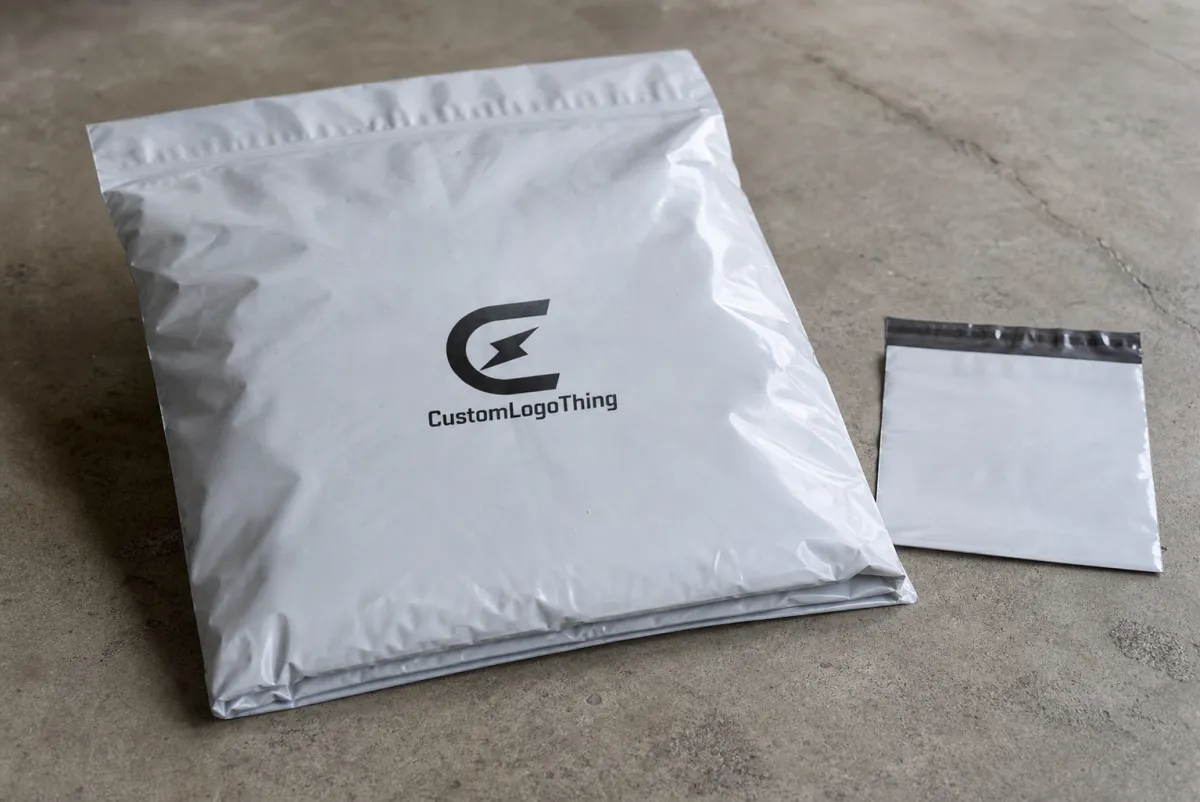
The fitness Brand Poly Mailers material guide is really a buyer checklist wearing a packaging label. It helps you decide whether you need a simple LDPE mailer, a co-extruded blend, a recycled-content structure, or a specialty finish for premium activewear. It also forces the practical questions that decide whether the package works on the shelf and in transit: What is the product weight? How many folds does it have? Does it travel alone or with inserts, tags, and samples? Is the order going to a single consumer, or moving through retail distribution where handling is more aggressive?
For fitness brands, the details matter because the product mix is rarely uniform. A tee behaves very differently from a pair of brushed fleece joggers. A resistance band set is not the same as a subscription bundle with shaker bottles, protein packets, and folded apparel. Even inside the same line, the fitness brand poly mailers material guide has to account for different fold profiles, friction points, and the chance of printed surfaces rubbing against each other. That is where generic e-commerce advice starts to miss the mark.
A useful guide also sets expectations with a little honesty. There is no universal best mailer, only a best-fit combination of strength, appearance, and shipping efficiency. If the goal is to keep dimensional weight low, a poly mailer usually beats a box. If the goal is premium shelf presentation for a gift set, a brand may need kraft paper wraps, specialty cartons, or a smaller rigid shipper. The fitness brand poly mailers material guide is about making that call with your eyes open, not guessing after the first complaint lands in customer service.
For buyers who want to see how packaging fits into a broader lineup, our Custom Packaging Products page is a useful place to compare mailers, labels, inserts, and tape together. Packaging works best as a system, not as a pile of disconnected parts.
And if you want to see how a finished program looks in practice, our Case Studies page shows the kind of detail that separates a workable packaging spec from a polished brand presentation.
How poly mailers work for activewear and gym products
A poly mailer looks straightforward on the surface and is more engineered than most people expect. The structure usually starts with one or more layers of polyethylene film, then heat-sealed seams on the sides and bottom, plus an adhesive closure strip on the flap. Once the bag is sealed, it becomes a lightweight shipping shell that resists moisture, dust, and casual abrasion while keeping the parcel as light as possible. For apparel, that combination is hard to beat, and the fitness brand poly mailers material guide leans heavily on that fact because shipping efficiency is a very real cost center.
This is why poly mailers are so common for folded activewear. A typical tee or pair of leggings does not need a rigid box to survive parcel handling, especially when the fold is tight and the shipment stays dry. The film can protect against light rain, warehouse dust, conveyor scuffing, and the everyday bumps that happen during sortation. The fitness brand poly mailers material guide also has to recognize the limits: these mailers are not meant to crush-proof fragile supplement bottles, glass containers, or premium gift sets that need internal structure.
Branding happens directly on the outer film, which means the mailer is not just a protective layer; it becomes part of the unboxing experience. Flexographic printing is common for larger production runs because it delivers consistent color and holds up well on film. Digital printing can make sense for shorter runs or more complex artwork, especially when a fitness brand wants variable graphics or a faster turnaround. Either way, the bag becomes a moving billboard for brand identity, and the fitness brand poly mailers material guide should treat that as a functional requirement rather than a decorative extra.
There are practical reasons to choose poly mailers over boxes for a lot of gym apparel. A mailer usually weighs less, stores flatter, and reduces shipping volume. That matters when margins are tight or the brand ships a high volume of repeat basics. If you move a thousand units a month, even a small weight difference adds up. The fitness brand poly mailers material guide helps reduce postage without leaving the package feeling flimsy in the hand.
There are also cases where a different material makes more sense. A gift kit with a premium hoodie, a shaker bottle, and inserts may deserve a corrugated mailer or a mixed-material setup that includes corrugated cardboard for structure and kraft paper for presentation. Some brands combine poly mailers with internal sleeves or product wraps made from FSC certified paperboard. The right choice depends on what the product needs to survive and what the customer needs to feel when the parcel lands on the porch.
Fitness brand poly mailers material guide: thickness, film, and finish
Now we get to the part that usually decides whether a package feels cheap or dependable. The fitness brand poly mailers material guide has to look at film type, gauge, seal strength, and surface finish together, because those details interact. A strong film with a weak seam can still fail. A matte surface with the wrong ink system can scuff. A thinner mailer may work for tees but feel underbuilt for thick joggers or bundled orders.
For material, LDPE is the common base because it is flexible, seals well, and handles mailer construction efficiently. Co-extruded films are often the smarter choice for fitness brands because they layer different materials to improve puncture resistance, toughness, and print performance. In plain language, that usually means a better balance between softness in the hand and strength in transit. The fitness brand poly mailers material guide usually points buyers toward co-extruded structures when they want more durability without moving all the way to a rigid package.
Thickness is where the spec becomes real. Lightweight apparel such as tees or singlets may do fine in roughly a 2.0 to 2.5 mil range, depending on bag size and seam quality. Heavier items like hoodies, sweat sets, or dense leggings bundles may need 2.5 to 3.5 mil or a supplier-recommended equivalent. Those numbers are not a law, but they are a practical starting point. The fitness brand poly mailers material guide is most useful when it pushes you to test the thickest item in your mix, not the easiest one.
Finish matters more than many buyers expect. Glossy film gives sharp visual pop and tends to make bold colors feel energetic, which fits a high-contrast training brand or a supplement-heavy lifestyle brand. Matte film feels quieter and often more premium, especially for minimalist activewear labels that want a cleaner, less reflective surface. Some matte finishes also hide fingerprints and light scuffing better during handling. The fitness brand poly mailers material guide should connect finish back to photography, shelf appeal, and the way the bag reads in the customer’s hand.
Seam quality is a separate issue, and it deserves its own attention. A mailer can have the right film gauge and still fail if the side seals split under load or the adhesive strip lifts before delivery. That is why the fitness brand poly mailers material guide should include seam testing, not just film testing. From a buyer’s point of view, the seam is where the package proves whether the spec was genuinely built or merely looked good on a sample sheet.
Here is a useful rule of thumb:
- Lightweight tees and tanks: prioritize low shipping cost and clean print readability.
- Leggings and fitted tops: focus on puncture resistance and a tighter closure seal.
- Hoodies and fleece sets: move up in gauge and test seam stress with packed product.
- Bundles and kits: consider a stronger structure or a different package if edges, bottles, or inserts increase pressure.
The fitness brand poly mailers material guide also belongs in the sustainability conversation, but only if the claim is real. Recycled materials can be a smart move, especially when a supplier can verify post-consumer waste content and explain how the film still performs. Some programs use recycled-content blends in the 30% to 50% range, though availability and print behavior vary. That is where honest testing beats marketing copy. If the packaging weakens your brand promise by tearing in transit, no sustainability story will rescue it. That extra cushion sounds good on a spec sheet, but it can be kinda false comfort if the bag fails on route.
For buyers comparing standards and testing language, the ISTA site is a solid place to understand transit test methods, and the FSC site is useful if your broader packaging program includes paper-based inserts, cartons, or labels. A smart packaging team looks at the whole system, not just the outer bag.
Step-by-step guide to choosing the right mailer
The cleanest way to use the fitness brand poly mailers material guide is to walk through your product line in a disciplined order. Start with the SKUs that move the most volume. Write down the folded dimensions, average unit weight, and whether each item is shipped alone or as part of a bundle. That gives you a reality check before you talk about print colors or effects.
Then match each product group to a mailer size. Oversized bags waste material, increase dimensional weight, and often make the package look loose and underpacked. Too-small bags create strain at the seal, which is how you end up with burst corners or stretched flaps. The fitness brand poly mailers material guide is supposed to keep you away from both traps.
After size, choose the build based on the most demanding product in the mix. That point matters more than it first appears. If eighty percent of your orders are tees and twenty percent are hoodies, you do not spec for the tees alone. The mailer has to protect the heaviest regular shipment without making the lighter orders absurdly expensive. A well-built fitness brand poly mailers material guide respects the distribution of your orders, not just the easiest ones.
Next, decide the branding level. Full-coverage print looks powerful, but it can raise cost and stretch the lead time. A single-color logo on a solid film may be enough for a clean premium feel, especially if your brand already has strong tags, inserts, and product photography. The fitness brand poly mailers material guide works best when protection decisions come first and design decisions come second.
Then test with real products. Not mockups. Real folded garments, real closures, real stacking, and a few rough handling checks. I like to see three practical tests:
- Pack and seal: confirm the product fits without forcing the flap or stretching the seam.
- Stack and press: simulate warehouse compression and a few minutes of pressure in transit.
- Drop and rub: inspect how the mailer behaves when it hits a hard surface or rubs against another parcel.
That testing step is where the fitness brand poly mailers material guide earns its keep. A sample can look perfect on a desk and still fail after a short run through real handling. From a packaging buyer’s point of view, the sample is not the finish line; it is the first proof that the spec makes sense.
If you are building a launch kit, it is also smart to compare the mailer with adjacent packaging options such as corrugated cardboard inserts, kraft paper wraps, or small accessory cartons. Some brands ship one set in a poly mailer and place a premium tier in a box for the visual lift. That mixed strategy can work very well if the product line is broad.
Process, timeline, and turnaround for custom poly mailers
A good fitness brand poly mailers material guide should prepare you for the production flow, because timing affects packaging decisions just as much as material does. A typical custom job begins with artwork review and dieline confirmation, then proof approval, then material confirmation, then printing, curing or finishing, inspection, and packing. If any one of those steps stalls, the schedule can move quickly.
Lead time depends on a few variables buyers can control. Print complexity matters. Heavy ink coverage matters. Size matters because larger bags use more film and may require different setup adjustments. Quantity matters because longer runs usually need more press time. A stock film with a simple print may move faster than a fully custom structure with specialty finish or multiple revisions. The fitness brand poly mailers material guide is at its best when it explains those tradeoffs before the quote lands.
Approval speed is another hidden factor. I have seen many packaging timelines slip not because the factory was slow, but because artwork sign-off took days longer than expected. If your team is still debating logo placement, ink color, or copy, the order cannot move forward. The fitness brand poly mailers material guide helps by making those decisions earlier, which is often the difference between a smooth launch and a rushed reprint.
Sample development also deserves real time. Color matching on film is not identical to printing on paper, and some shades will shift depending on opacity, substrate, and finish. A matte surface can mute a color more than a glossy one. A white underlayer can improve sharpness. Even a small revision may be worth the delay if it keeps you from approving a run that feels off-brand. The fitness brand poly mailers material guide should encourage that patience.
As a practical expectation, a simple reprint is usually faster than a first-time custom project. If the artwork is already approved and the dimensions are locked, a repeat order may move through production much more quickly than a fresh launch with a new bag size, new film, and a new print layout. That is why many brands keep a solid packaging spec file on hand. It shortens every future reorder.
For brands that also order paper-based packaging, this is where FSC certified inserts, kraft paper wrap, or branded labels can be planned alongside the mailer schedule. That way the outer package and the internal presentation arrive together, instead of one waiting on the other. A packaging program works better when the pieces are treated as one coordinated run.
Cost, pricing, MOQ, and unit cost for fitness mailers
The fitness brand poly mailers material guide becomes very practical once pricing enters the picture. What drives the cost? Size, film thickness, print coverage, number of colors, finish, closure style, recycled content, and order quantity. If you add side gussets, specialty textures, or premium matte treatments, the price usually climbs. If you standardize dimensions and reduce artwork complexity, cost often comes down.
Lower MOQ options are useful for smaller fitness brands or launch tests because they reduce the risk of sitting on too much inventory. Still, unit cost usually improves as quantity rises. That is the tradeoff. A small run lets you validate the packaging; a larger run usually gives you a better per-unit price. The fitness brand poly mailers material guide should make that volume curve clear before anyone starts comparing numbers that are not built on the same assumptions.
Artwork complexity matters more than many teams expect. Full-coverage print, multiple ink colors, metallic effects, and specialty finishes all add time and cost. A simple one-color logo on a solid bag can feel clean and premium without pushing the budget too hard. A dense all-over print may look strong on the design board, but it can raise both the price and the chance of color variation. The fitness brand poly mailers material guide is helping you decide what level of visual impact is worth the extra spend.
Do not compare bag price alone. Compare landed cost. That includes shipping, storage, damage rate, and the cost of a poor presentation if the package arrives looking soft or inconsistent. A slightly more expensive bag that reduces customer complaints can be the better buy. That is the kind of decision a serious fitness brand poly mailers material guide should support.
| Mailers Option | Typical Build | Best For | Approx. Unit Cost at 5,000 Units |
|---|---|---|---|
| Stock white poly mailer | 2.0-2.25 mil LDPE | Basic tees, light accessories | $0.10-$0.16 |
| Custom printed standard mailer | 2.25-2.5 mil co-extruded film | Most apparel shipments | $0.18-$0.28 |
| Recycled-content custom mailer | 2.5 mil blend with verified post-consumer waste | Brands emphasizing recycled materials | $0.20-$0.32 |
| Premium heavy-duty mailer | 2.75-3.5 mil with matte finish | Hoodies, bundles, higher handling risk | $0.26-$0.40 |
Those numbers are ranges, not promises, because exact pricing shifts with size, print area, and market conditions. A smaller bag may cost less than a larger one, but a denser print spec can reverse that quickly. If you want a quote that is actually useful, the supplier needs exact dimensions, product weight range, quantity, and whether the order is a repeat or a new setup. The fitness brand poly mailers material guide is most helpful when it pushes you toward precise specs instead of vague descriptions like “medium size” or “nice finish.”
When you compare other package formats, remember that corrugated cardboard brings crush protection while kraft paper often supports a more natural presentation. Neither is automatically better than a poly mailer. The right answer depends on the product, the route, and the experience you want your customer to have.
Common mistakes fitness brands make with poly mailers
The most expensive mistake is often the simplest one: choosing a mailer that is too thin. A heavyweight hoodie or a bundled order can stress a weak seam, especially if the parcel gets compressed in transit. Once that happens, customer service has to deal with a damaged bag, a possible return, and a disappointed buyer. The fitness brand poly mailers material guide tries to prevent that kind of avoidable loss.
The second common mistake is oversizing the bag. People do it because they want to feel safe, but excess empty space creates a sloppier pack and often a weaker presentation. It can also raise shipping cost if the dimensions push the parcel into a less favorable tier. The fitness brand poly mailers material guide should make it clear that more space is not the same thing as more protection.
Another mistake shows up when artwork gets approved before the material is confirmed. Different films and finishes affect color accuracy, ink edge sharpness, and scratch resistance. A design that looks crisp on paper may soften on a matte film or glare too much on gloss. That is why the fitness brand poly mailers material guide puts structure before style. The substrate changes the result.
Testing only one product is risky as well. A mailer that performs beautifully with a single tee may fail once a dense bundle, a hoodie, or a pair of leggings is added. The whole range needs to be part of the test, not just the easiest SKU. From a packaging buyer’s point of view, this is where the real work happens. The fitness brand poly mailers material guide is only useful if it reflects your broadest shipping reality.
Closure quality deserves more attention than it usually gets. A cheap adhesive strip that lifts halfway through transit can ruin an otherwise good package. The same applies to weak tear strips or inconsistent sealing pressure during manufacturing. The fitness brand poly mailers material guide should call out closure testing as a required step, not a quick glance at the sample.
Sustainability claims need evidence. If you are talking about recycled materials, post-consumer waste, or biodegradable packaging, make sure the claim is verified and that the package actually matches the promise. A lot of buyers assume a greener story is automatically better, but if the mailer breaks, the waste is worse. A stronger, properly specified bag is often the more responsible choice.
Expert tips and next steps for fitness brand poly mailers
If you want a smoother buying process, build a one-page packaging spec sheet and keep it updated. The fitness brand poly mailers material guide becomes much easier to use when it sits beside a document that lists product dimensions, target mailer size, thickness, finish, closure style, print notes, and reorder threshold. That one page can save hours later, especially when multiple people are involved in approvals.
I also recommend comparing two or three sample structures side by side with real products inside them. Hold them, stack them, seal them, and look at them under the same lighting your customers will see in photos or on a porch. That side-by-side comparison usually reveals the difference between a bag that is technically acceptable and one that actually supports the brand. A good fitness brand poly mailers material guide should encourage that kind of hands-on review.
Match the package to your brand positioning with intention. A premium collection may benefit from a cleaner matte film, tighter print discipline, and a more restrained layout. A high-volume basics line may do better with a tougher utility-focused build that keeps cost low and protects margins. Either can work, but they send different signals. The fitness brand poly mailers material guide is also a brand identity tool, and buyers should treat it that way.
Before launch, confirm lead time, minimum order quantity, and reprint cadence. If you are running a promotion or a seasonal restock, the last thing you want is to run out of packaging while sales are still moving. The fitness brand poly mailers material guide should help you plan the reorder point so the packaging arrives before you need it, not after the campaign is already live.
Here is a practical way to move forward:
- Measure your top SKUs and record the packed dimensions.
- Request samples in the actual thicknesses you are considering.
- Compare print quality, seal strength, and shipping weight together.
- Check cost, MOQ, and lead time using the same assumptions for every quote.
- Lock the final spec and keep it on file for the next reorder.
If you want a package that feels aligned with the rest of the brand, the fitness brand poly mailers material guide should be your starting point, not an afterthought. Measure the product, test the film, review the finish, and compare the numbers with real shipping use. That is how you get a mailer that protects the product, supports the unboxing experience, and actually holds up in daily shipping. Once the fitness brand poly mailers material guide is set up properly, buying gets easier, reorders get faster, and the packaging starts doing real work for the brand instead of merely covering it.
What is the best material for fitness brand poly mailers?
For most apparel, a co-extruded LDPE-based mailer gives a strong balance of tear resistance, print quality, and moisture protection. Heavier activewear or bundled orders usually need a thicker gauge and stronger seam construction than lightweight tees. The best choice in the fitness brand poly mailers material guide depends on product weight, presentation goals, and whether you want a matte or glossy finish.
How thick should fitness brand poly mailers be for leggings and hoodies?
Leggings often ship well in a lighter to mid-weight structure, while hoodies and sweat sets usually need a sturdier build. If the package will be stacked, tossed, or shipped long-distance, move toward the stronger side of your supplier's recommended range. Always test with packed product, not just empty film, because folds and seams change how the bag performs in the fitness brand poly mailers material guide.
Are recyclable or recycled-content fitness brand poly mailers worth it?
They can be worth it when your brand wants to reduce virgin plastic use and communicate a cleaner packaging story. Check whether the material claim is verifiable and whether local recycling systems actually accept the film type. Make sure sustainability does not undercut performance, because a damaged mailer creates more waste than a stronger one, which is a key lesson in the fitness brand poly mailers material guide.
How do print choices affect fitness brand poly mailers cost and durability?
More print colors, larger coverage areas, and premium finishes usually raise the price. Certain inks and finishes can also affect the feel of the bag, color accuracy, and scratch resistance. A good print spec should protect the brand look without making the mailer brittle or overly expensive, and that is exactly why print belongs inside the fitness brand poly mailers material guide.
What should I ask before ordering fitness brand poly mailers?
Ask for material type, thickness, seam construction, print method, MOQ, lead time, and sample availability. Confirm how the mailers will perform with your heaviest product and whether the adhesive closure is strong enough for transit. Request a clear quote based on real dimensions and usage volume so you can compare true unit cost using the fitness brand poly mailers material guide as your reference.

